High Clearance Robotic Irrigation Impacts on Soybeans and Corn Yield and Nutrient Application

Purpose

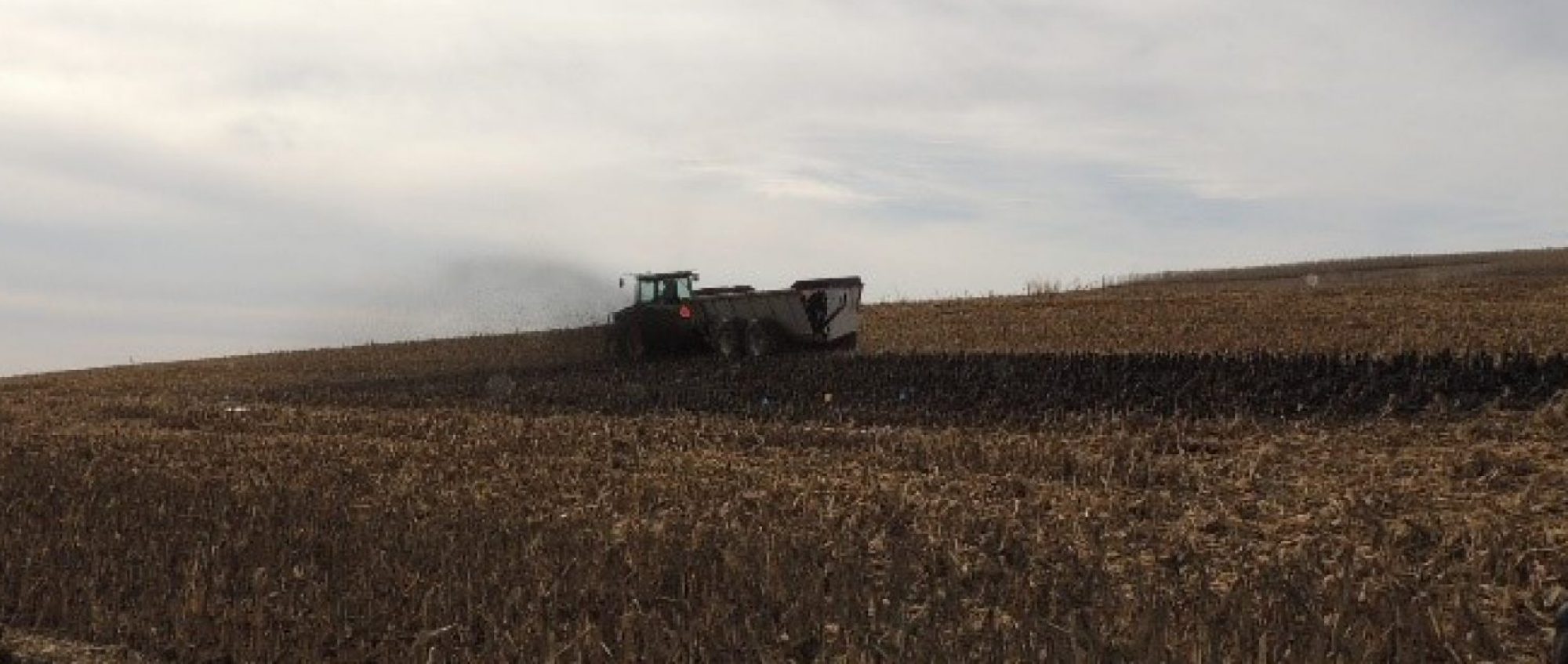
This collaborative project between The Ohio State University, Iowa State University, and 360YieldCenter intends to demonstrate the in-season application of commercial and animal nutrient sources and water application as a unified strategy to reduce nutrient losses while improving profitability with increased grain yields. A new and innovative high-clearance robotic irrigator (HCRI) is being used to apply liquid-phase nutrients in-season beyond all stages of row crops. Replicated strip trials of Fall, Spring, and in-season application will occur using the HCRI (e.g., 360 RAIN Robotic Irrigator, Figure 1). The in-season application consists of traditional N and P application rates as well as reduced rates to take advantage of better matching nutrient availability to crop needs during the growing season. Data were collected to verify nitrate-nitrogen leaching loss using liquid swine manure as a nutrient source in Iowa, while total and dissolved reactive phosphorus losses with both runoff and leaching using commercially available nutrients were collected in in Ohio. Secondly, as climate shifts result in water scarcity during critical crop growth stages, robotic irrigation water applications will be used to meet the crop needs. Higher crop yields are anticipated via precision water management.

Figure 1: 360 RAIN Unit (HCRI)

What Did We Do?

OSU is conducting two field demonstrations, one with a focus on water quality, and a second for comparison of nutrient management practices. The HCRI is being utilized to apply commercial fertilizer in-season via dilution in irrigation water with up to 12 applications per growing season (effective 4.5 in. of precipitation season dependent). Nutrient injection rates (N and P) are scaled to plant nutrient uptake and irrigator pass intervals. Both sites are farmed in accordance with existing crop rotation and standard practices.

Beck’s Hybrid Site (West 1A) – The Beck’s Hybrid site (78 ac) is subdivided in accordance with the sub-watershed boundaries and managed with two treatments: 1) conventional commercial fertilizer application in accordance with the Tri-State Fertilizer recommendations, and 2) in-season nutrient management (N and P) using the HCRI and Tri-State Fertilizer Recommendations with the exception nutrient application  matching with plant nutrient uptake rates as judged by growing degree days (GDD). This site is instrumented as a paired watershed for surface water and subsurface tile drainage. Further, these watersheds are monitored for precipitation, flow, and water quality (nitrate, nitrite, total phosphorus and DRP).

Molly Caren Agricultural Center (MCAC) Site 1 (Field 7) – Field demonstrations at this site (140 ac) are laid-out in a randomized complete block design (RCBD) strip trial design with treatments that include: 1) commercial fertilizer application (N and P) in accordance with the Tri-State Fertilizer recommendations, 2) in-season nutrient management (N and P) using the HCRI and Tri-State Recommendations with the exception nutrient application matched with crop nutrient uptake rates based on growth stages as determined by GDD, and 3) in-season nutrient management (N and P) using the HCRI and 67.7% Tri-State recommend application rates matched with crop nutrient uptake rates based on growth stages (GDD). Strip trials are 160 ft. in width and approximately 1,170 ft. in length (4.3 ac treatments) with eight replicates.

MCAC Site 2 (Field 8A) – Field demonstration site used to test HCRI and “sandbox” for other RCBD trials outside of NRCS CIG grant to discovery and planning for future projects. This site varies depending on studies each year, but trials are completed via RCBD strips.

Data Collection and Analysis – Demonstration sites are grid sampled each season on a 1-ac grid (Beck’s) and within treatments (MCAC site) to monitor soil fertility levels. Soil moisture and temperature in situ sensors (CropX) are placed in both study locations (three per treatment, 15 total sensors). Tissue samples are collected by treatment type to assess nutrient uptake at three stages of crop growth. Harvested crops are scaled by treatment to ensure yield monitor accuracy. Remote sensing imagery (RGB, ADVI and thermal) is collected 10 or more times during the growing season to evaluate crop growth and development. Data is analyzed using RCBD procedures in SAS.

Water Quality Assessment – Surface and subsurface (tile) monitoring capacity was established in 2016 at the Beck’s Hybrid Site. Two isolated subareas within a single production field were identified and the surface and subsurface pathways were instrumented with control volumes and automated sampling equipment. Surface runoff sites were equipped with H-flumes while compound weirs were installed at each of the subsurface (tile) outlets. Each sampling point (two surface and two subsurface) is equipped with an automated water quality sampler and programmed to collect periodic samples during discharge events. Once collected, samples will be analyzed for N and P. An on-site weather station provides weather parameters. Water samples are collected weekly from the field plots during periods of drainage and follow the same ISU protocol for NO3–N. Dissolved reactive phosphorus (DRP) and digested (total phosphorous) samples are analyzed using ascorbic acid reduction method.

What Have We Learned?

2023 Results

At the Beck’s Hybrid location field West 1A was planted to corn for the 2023 cropping season. There was an 8.0 bu/ac difference between irrigated and non-irrigated treatments. Nitrogen was injected using the rain unit and put on crop for the first application and use of the rain machine. Not having the rain unit in June made a significant difference in this study. The results of this location from 2023 should be taken lightly as complete implementation was not done until August. Location study information can be seen in Figure 2 and results in Figure 3.

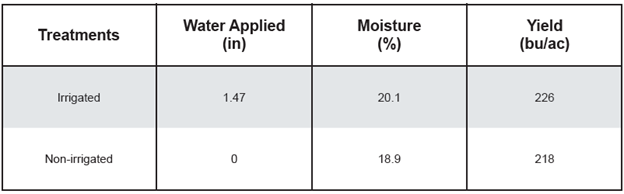
Figure 2: Study information for Beck's Hybrid location in 2023 cropping season.
Figure 2: Study information for Beck’s Hybrid location in 2023 cropping season.
Figure 3: Results for Beck's Hybrid field location in 2023.
Figure 3: Results for Beck’s Hybrid field location in 2023.

In 2023, field 7 at MCAC was in soybeans and had no irrigation completed for this growing season.

Field 8A at MCAC was in corn for the 2023 cropping season. Irrigation had a statistically significant effect on yield over all treatments. Nitrogen had statistical significance from 120 versus 170 and 220 units on nitrogen treatments. The 170 units of nitrogen was the optimal amount of nitrogen for all treatments. Not having the irrigator installed in early June caused there to be less yield in irrigated treatments. The results of this location from 2023 should be taken lightly as complete implementation was not done until August. Location study information can be seen in Figure 4 and results in Figure 5.
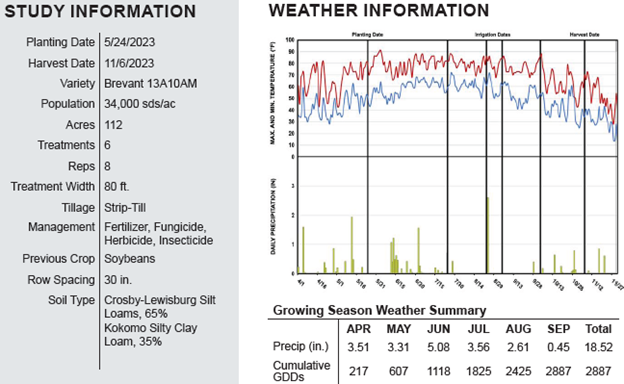
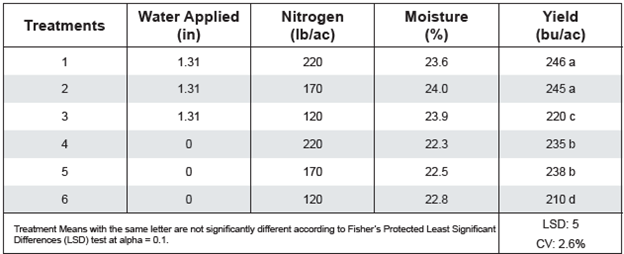
Figure 4: Study information for MCAC 8A location in 2023 cropping season.
Figure 5: Results for MCAC 8A field location in 2023.

2024 Results

Field 7 at MCAC was in corn for the 2024 cropping season. Irrigation had a statistically significant effect on yield over all treatments. There was a 48 bu/ac between irrigated two-thirds nutrients and non-irrigated and 44 bu/ac between irrigated and non-irrigated for the 2024 growing season. A total of 773 gallons of diesel was used to run the irrigator for this trial for 2024 cropping season across 71 acres. A total of 25,739 kWh was used to run the electric pumps, base station, and well for 2024 growing season across 71 acres. These are the initial results that were published in efields and further results will continue to be analyzed to meet all project objectives. This data will be used to help in evaluating HCRI versus traditional crop production and management practices to meet project objectives. Location study information can be seen in Figure 6 and results in Figure 8. In Figure 7, aerial imagery can be seen from the 2024 cropping season.

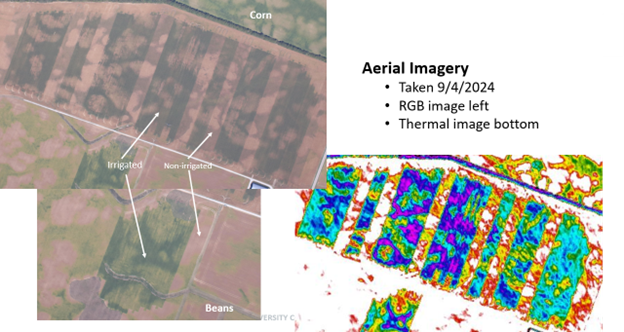
Figure 6: Study information for MCAC 7 location in 2024 cropping season.
Figure 7: Aerial imagery of field 7 (Top l) and field 8A (Bottom left) from 2024 cropping season.
Figure 8: Results for MCAC 7 field location in 2024.

Field 8A at MCAC was in soybeans for the 2024 cropping season. Irrigation had a statistically significant effect on yield over non-irrigated. A total of 211 gallons of diesel was used to run the irrigator for this trial for 2024 cropping season across 11 acres. A total of 3,475 kWh was used to run the electric pumps, base station, and well for 2024 growing season across 11 acres. Location study information can be seen in Figure 9 and results in Figure 10. In Figure 7, aerial imagery can be seen from the 2024 cropping season.

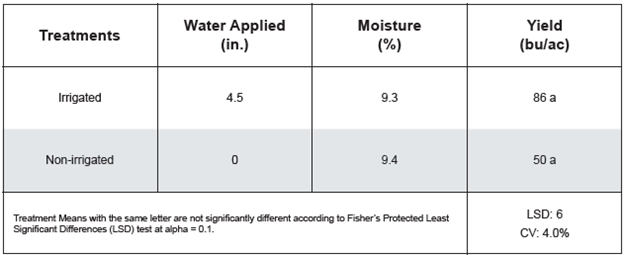
Figure 9: Study information for MCAC 8A location in 2024 cropping season.
Figure 10: Results for MCAC 8A field location in 2024.

Future Plans

During the next 12 months, we are planning for the HCRI operation at the two sites for cropping practices and irrigation for 2025 growing season. We will be aggregating weather data, agronomic data, plant samples, surface and ground water quality samples, and machine performance data for all years of the project with the current end date as spring of 2026. We are hoping to continue to perform testing with this technology and implementing the dry product skid for field operations for the 2025 growing and full-scale implementation across all studies in 2026. The results from the Iowa State portion of this funded project will also be reported in the future as well. There is a significant need to further develop programs for injecting macro and micronutrients in liquid and granular form for growers. The potential to significantly cut application rates exists with this technology. Also, implementing this technology with liquid livestock manure producers will change the paradigm of how manure is managed in the future.

Authors

Presenting & corresponding author

Andrew Klopfenstein, Senior Research Engineer, The Ohio State University, Klopfenstein.34@osu.edu

Additional authors

Justin Koch, Innovation Engineer, 360YieldCenter; Kapil Arora, Field Agricultural Engineer, Iowa State University; Daniel Anderson, Associate Professor, Iowa State University; Matthew Helmers, Professor, Iowa State University; Kelvin Leibold, Farm Management Specialist, Iowa State University; Alex Parsio, Research Engineer, The Ohio State University; Chris Tkach, Lecturer, The Ohio State University; Christopher Dean, Graduate Research Associate, The Ohio State University; Ramareo Venkatesh, Research Associate, The Ohio State University; Elizabeth Hawkins, Agronomics Systems Field Specialist, The Ohio State University; John Fulton, Professor, The Ohio State University; Scott Shearer, Professor and Chair, The Ohio State University

Additional Information

eFields On-Farm Research Publication 2023 and 2024 Editions – https://digitalag.osu.edu/efields

Acknowledgements

Natural Resources Conservation Service – Conservation Innovation Grant (NR223A750013G037)

Ohio Department of Agriculture – H2Ohio Grant

USDA, NRCS, 360YieldCenter, Beck’s Hybrids, Molly Caren Agricultural Center, Rooted Agri Services, Iowa State University, The Ohio State University


The authors are solely responsible for the content of these proceedings. The technical information does not necessarily reflect the official position of the sponsoring agencies or institutions represented by planning committee members, and inclusion and distribution herein does not constitute an endorsement of views expressed by the same. Printed materials included herein are not refereed publications. Citations should appear as follows. EXAMPLE: Authors. 2025. Title of presentation. Waste to Worth. Boise, ID. April 7-11, 2025. URL of this page. Accessed on: today’s date.
Assessing the impacts of crop and nutrient management practices on long-term water quality and quantity in a dairy intensive irrigated agricultural region using the SWAT model

Purpose

The dairy industry in Idaho has grown substantially over the past 30 years and is the state’s largest agricultural commodity, accounting for $3.7 billion in sales in 2022. Roughly 500,000 of Idaho’s 660,000 dairy cows reside in a six-county region known as the Magic Valley, a name originating in the early 1900s when large canal irrigation projects turned a dry landscape into verdant farmland. The Magic Valley is semi-arid, receiving around 254 mm of precipitation each year and requiring cropland to be irrigated throughout the growing season. Due to a limited amount of water available for irrigation each season cropland area has not expanded since the 1980s.

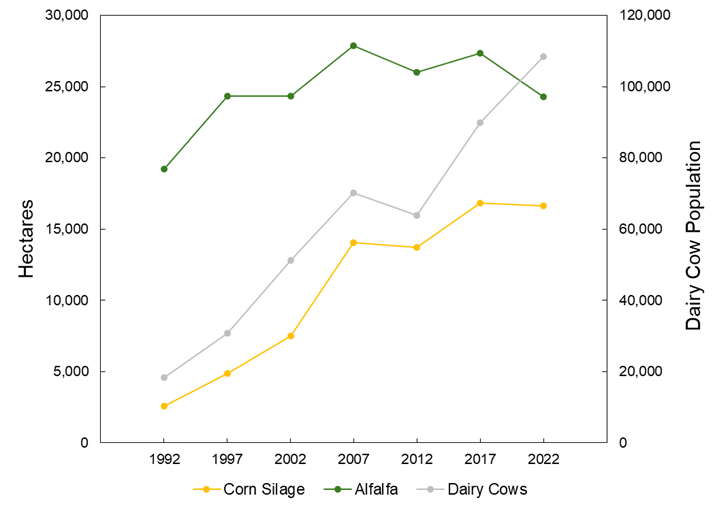
The large number of dairy cows in the Magic Valley has shifted crop production towards forage crops, predominantly silage corn and alfalfa. For example, between 1992 and 2022 the number of dairy cows in Twin Falls County increased from 18,000 to 108,000. During this same timespan corn silage and alfalfa saw a 14,000 and 5,000 hectare increases in land cover, respectively (Figure 1). This change in land cover has potentially increased consumptive water use within the region through the replacement of crops with shorter irrigation seasons (e.g., wheat and beans) with forage crops. In addition to changes in water use, the increase in dairy cattle has resulted in greatly increased manure applications to surrounding fields. It is typical for cropland to receive manure at rates of 52 Mg ha-1 year-1, which can input high amounts of nitrogen and phosphorus beyond what is removed by the crop. Over time, this could result in soil phosphorus enrichment and the leaching of nitrate to groundwater.

Figure 1. Population of dairy cows in Twin Falls County from 1992 to 2022 along with total hectares of corn silage and alfalfa.

What Did We Do?

The study area for this project was the Twin Falls Canal Company, a large irrigation project in southern Idaho. Investigation into potential changes in water quality and quantity brought about by the growing dairy agriculture in southern Idaho was carried out using the Soil and Water Assessment Tool (SWAT) model. SWAT is a physically based geospatial watershed-scale hydrologic model that incorporates climate, topography, soils, land cover, and management practice data. Model scenarios included examining changes in consumptive water use over time, effects of irrigation practices on the leaching of water and nutrients, and the impact of continuous manure applications on the buildup and leaching of nutrients. Nutrient cycling and crop nutrient uptake were calibrated in the model using two USDA-ARS eight-year studies. The first study applied manure under a corn-barley-alfalfa rotation only when soil nutrient concentrations were deficient, and the second study applied manure on a yearly basis in the spring at a rate of 52 Mg ha-1 under a barley-sugar beet-wheat-potato rotation.

Table 1. Crop areas and percentages under the 1992 and 2022 scenarios.

1992 km2 (%) 2022 km2 (%)
Alfalfa 189 (25.3) 244 (32.8)
Barley 104 (13.9) 132 (17.7)
Beans 169 (22.7) 60 (8.0)
Corn Silage 55 (7.4) 191 (25.7)
Potatoes 35 (4.6) 34.5 (4.6)
Sugar Beets 46 (6.2) 26 (3.5)
Wheat 148 (19.8) 57 (7.6)

Table 1. Crop areas and percentages under the 1992 and 2022 scenarios.

Consumptive water use within the Twin Falls Canal Company was compared between two distinct time periods: pre-dairy and present. 1992 was selected as the pre-dairy benchmark due to being before large increases in dairy cattle numbers. Modeled crops were alfalfa, barley, beans, corn silage, potatoes, sugar beets, and wheat, which account for over 95% of irrigated cropland within the TFCC. Land cover in 2022 was used as the present scenario, and crop distributions were altered for the 1992 scenario based on USDA agricultural census data (Table 1). The model was run using climate data from 2002 to 2022 to have consistency between the two scenarios and to allow for year-to-year variability weather patterns. Automatic irrigation routines were used in the model, with a 9.1 mm irrigation event being triggered when soil water content dropped 5 mm below field capacity. 9.1 mm was chosen as the daily irrigation amount because it is roughly equivalent to the flow rate of an 850 gallon per minute center pivot. Irrigation schedules varied by crop within the April 15th – October 31st irrigation season (Table 2).

Table 2. Irrigation seasons for modeled crops.

Irrigation Season
Alfalfa April 15th – October 9th
Barley April 15th – July 25th
Beans June 26th – September 10th
Corn Silage May 25th – September 18th
Potatoes May 15th – September 1st
Sugar Beets April 20th – September 25th
Wheat April 15th – July 16th

What Have We Learned?

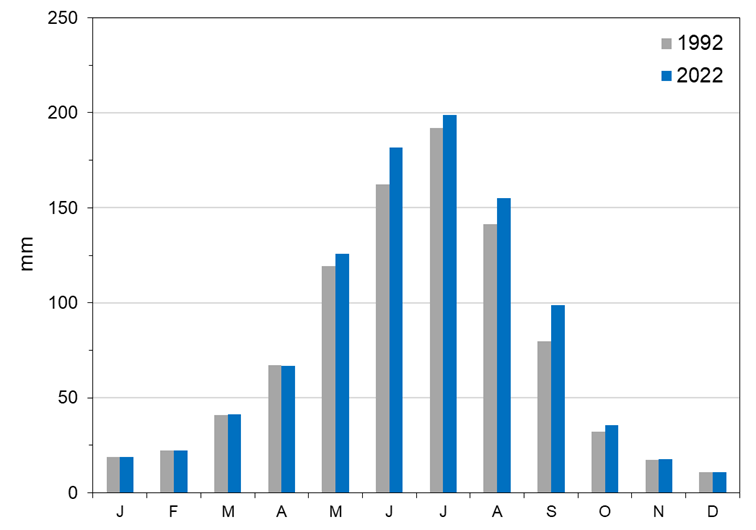
Modeled changes in land use within the Twin Falls Canal Company towards forage crops for dairy cattle have increased consumptive use during the year by 9% on average. June, August and September showed the greatest average increases in evapotranspiration (ET) (Figure 2). Irrigation amounts increased under the 2022 land use scenario for all months except April. Percolation under the 2022 scenario also increased to an average of 155 mm each year, up from 132 mm in the 1992 land use scenario.

Figure 2. Modeled monthly average cropland ET for the pre-dairy (1992) and post-dairy (2022) land cover scenarios.

Typical yearly water diversions for the Twin Falls Canal Company were sufficient to meet the current and future irrigation demand. Diversion reductions in August and September are common depending on reservoir storage and the timing and volume of snowmelt. A shift towards greater cropland area irrigated during those months could require deficit irrigation during extreme drought years, which are likely to become more common given climate change projections indicating reduced snowpack and earlier snowmelt runoff.

SWAT was able to reasonably represent manure nitrification, including the increases in nitrification during the year following sugar beet and potato residue being left on the field (Table 3).  Crop nutrient uptake in the two USDA-ARS studies was also able to be accurately modeled after adjusting nutrient uptake parameters. Modeled soil nitrate and plant-available phosphorus concentrations were similar to field samples. Changes to SWAT source code was necessary to better partition “fast” and “slow” organic nitrogen fractions in manure between the two pools and limit mineralization when the air temperature is below 6 degrees Celsius. Under a manure application rate of 52 Mg ha-1 soil plant-available phosphorus levels exceed the allowed maximum of 40 mg kg-1 in just two years. Applying manure only when needed to satisfy crop nutrient requirements did not result in soil plant-available phosphorus approaching or exceeding the 40 mg kg-1 threshold. In addition to high soil phosphorus levels, nitrogen mineralization from yearly applications of manure resulted in high soil nitrate levels. Modeled percolation using actual irrigation amounts over the eight-year study totaled 1,176 mm and resulted in 1,256 kg ha-1 of leached nitrogen. This highlights the risk that yearly manure applications can have to water quality, especially if water is applied in excess of crop needs when also accounting for soil moisture. In addition, high variability in manure nitrogen and phosphorus concentrations suggests yearly fixed-rate applications are not the ideal for managing nutrient budgets.

Table 3. Yearly and in-season manure nitrogen mineralization from the SWAT model output compared to in-season nitrogen mineralization collected from field samples during the long-term manure study. Asterisks denote years in which sugar beet or potato residue was left on the field, resulting in greater N mineralization the following year.

Year SWAT N Mineralization SWAT In-Season N

Mineralization

Field In-Season Mineralization
kg ha-1 kg ha-1 kg ha-1
2013 211 117 180
2014* 287 192 110
2015 442 308 280
2016* 321 205 190
2017 399 242 250
2018* 297 197 150
2019 393 285 230
2020 357 145 150
Total 2,707 1,690 1,540

Future Plans

Now that the SWAT model has been fully calibrated, the next step will be to test various scenarios in which yearly manure application amounts, crop rotations, and irrigation schedules are adjusted. Typical regional dairy crop rotations include silage corn, alfalfa, wheat, barley, triticale, and occasionally potatoes or sugar beets. Manure is not applied to alfalfa, possibly allowing for a drawdown of phosphorus that has accumulated over previous years. Changing irrigation schedules will alter the timing and quantity of percolated water which will change nutrient export characteristics. Incorporating these scenarios over a large irrigation district with variable soils should identify areas that are more at risk of nutrient losses through runoff or leaching. Results from this research will be used to inform management agencies on the water use and water quality implications of crop rotations, manure applications, and irrigation schedules in southern Idaho.

Authors

Presenting & corresponding author

Galen I. Richards, PhD Candidate, University of Idaho, grichards@uidaho.edu

Additional authors

Erin Brooks, Professor, Department of Soil and Water Systems, University of Idaho

Linda Schott, Assistant Professor and Nutrient & Waste Management Extension Specialist, Department of Soil and Water Systems, University of Idaho

Kossi Nouwakpo, Research Soil Scientist, USDA-ARS Northwest Irrigation and Soils Research Station

Daniel Strawn, Professor, Department of Soil and Water Systems, University of Idaho

Additional Information

https://www.uidahoisaid.com/

Acknowledgements

This research was funded under the University of Idaho Sustainable Agriculture Initiative for Dairy (ISAID) grant USDA-NIFA SAS 2020-69012-31871

I would like to thank USDA-ARS researchers April Leytem, Robert Dungan, and Dave Bjorneberg at the Northwest Irrigation and Soils Research Station in Kimberly, ID for providing me with data from their long-term research studies and general assistance in accurately modeling regional agricultural practices.

The authors are solely responsible for the content of these proceedings. The technical information does not necessarily reflect the official position of the sponsoring agencies or institutions represented by planning committee members, and inclusion and distribution herein does not constitute an endorsement of views expressed by the same. Printed materials included herein are not refereed publications. Citations should appear as follows. EXAMPLE: Authors. 2025. Title of presentation. Waste to Worth. Boise, ID. April 7-11, 2025. URL of this page. Accessed on: today’s date. 
Application of Manure on Growing Crops

Scheduling conflicts, equipment breakdowns, and wet field conditions can wreak havoc on spring manure application and planting schedules. This webinar will provide valuable insights into maximizing the efficiency and timing of manure application for growing crops, especially corn. By exploring innovative techniques for liquid manure application and the potential for in-season poultry litter application, participants will learn possible ways to navigate challenges in crop management while ensuring nutrient efficiency and maintaining crop yield and quality. This presentation was originally broadcast on January 17, 2025. Continue reading “Application of Manure on Growing Crops”

Responding to PFAS on Dairy Farms in Maine

Per- and polyfluoroalkyl substances (PFAS) are persistent in the environment and in humans. While agriculture is not the source of PFAS, feed and animal production are potential transfer points. This webinar shares experiences from Maine, where PFAS was detected in soil, feed, milk, and meat and initiated a multi-pronged response and remediation approach from multiple agencies, on multiple farms. Our speakers will share the important distinctions between PFAS chemicals, short- and long-term ramifications for local farms, and remediation techniques – both implementation and research scale. This presentation was originally broadcast on December 13, 2024. Continue reading “Responding to PFAS on Dairy Farms in Maine”

Engaging Farm Safety and Manure Management: Innovative Teaching Methods in Action

The agricultural industry consistently has the highest risk for occupational injuries and fatalities.  This session will share some proven techniques for making changes to farm safety practices and manure management that could positively impact generations to come.  We will explore dynamic and interactive teaching methodologies that could be adapted for use in at your facility and in your training programs.  These methods employ activity-based learning, where participants have the opportunity to learn, apply and discuss real-world scenarios in a safe environment. This presentation was originally broadcast on November 22, 2024. Continue reading “Engaging Farm Safety and Manure Management: Innovative Teaching Methods in Action”

Managing Dairy Manure for Increased Soil Health and Forage Production Sustainability

Manure is a valuable source of crop-essential nutrients that, when managed carefully, can help build soil organic matter, enhance nutrient cycling, and improve overall soil health and climate resilience over time. In 2022, a statewide on-farm research project was initiated in New York State to quantify the nitrogen (N) replacement value, corn silage or grain yield, and soil health enhancements of various manure sources. Between 2022 and 2023, eleven on-farm field trials were implemented. Yield data are being used to quantify differences in most economic N rate between manured and non-manured strips, and to quantify the yield impact of the manure applications. In 2024, eight additional trials were added using various manure sources. Results so far indicate that manure can offset N fertilizer needs and increase corn silage yield beyond its nutrient contributions, but impacts are field-specific, reflecting differences in field histories and growing conditions. Assessments of soil microbial biomass for sites in 2023 and 2024 reflected the manure history for trial locations and suggest that mid-season assessments may help identify where nitrogen fertilizer addition is beneficial for the crop and where not. Assessment of variability of different manure sources point to the importance of manure sampling and analyses. Preliminary results will be shared. This presentation was originally broadcast on October 18, 2024. Continue reading “Managing Dairy Manure for Increased Soil Health and Forage Production Sustainability”

Staying in the Loop: Circularity in Integrated Crop and Livestock Production

Have you heard or read about circularity and the circular economy? These buzzwords describe sustainability concepts that are being adopted in many sectors, including food animal production. This webinar shares definitions for these concepts and how they can inform thinking about changes to animal systems and manure management. This presentation was originally broadcast on June 21, 2024. Continue reading “Staying in the Loop: Circularity in Integrated Crop and Livestock Production”

Impact of swine manure on soil health properties: A systematic review

Purpose

As the campaign to improve agricultural soil health has gained momentum among conservationists and researchers worldwide, a comprehensive assemblage of outcomes from manure and soil health-related research studies is important. Particularly, the identification of knowledge gaps is an important step to direct future research that informs soil health improvement outreach programs. A thorough review of data reporting the effects of swine manure on soil health properties that is applicable to agricultural producers is lacking. Although previous research studies have looked at the effects of manure on individual soil properties, there are conflicting conclusions. Livestock manure literature reviews fail to consider inconsistent methodologies between individual research studies and whether research is applicable to producers utilizing manure as amendments to improve soil health, and none of the reviews focus on swine manure or swine manure by-products. The objectives of this review were (a) to synthesize literature describing effects of swine manure on soil properties that affect soil health and (b) to identify knowledge gaps and research needs to further our understanding of this topic.

What Did We Do?

We conducted a systematic literature review based on peer-reviewed studies that evaluated the effect of swine manure on soil health properties. First, we identified studies using three criteria: species (swine, pig, hog), manure source (i.e., solid [SM] or liquid manure [LSM], compost, deep pack), and soil property (i.e., soil organic carbon [SOC], total nitrogen, soil pH, bulk density, available water capacity). Second, studies had to meet the following criteria in order to be included: (a) the studies were replicated field experiments, (b) manure was the only differing factor between or among treatments, and (c) data means of organically amended treatments and controls were included. In total, 40 peer-reviewed studies were included in this review.

What Have We Learned?

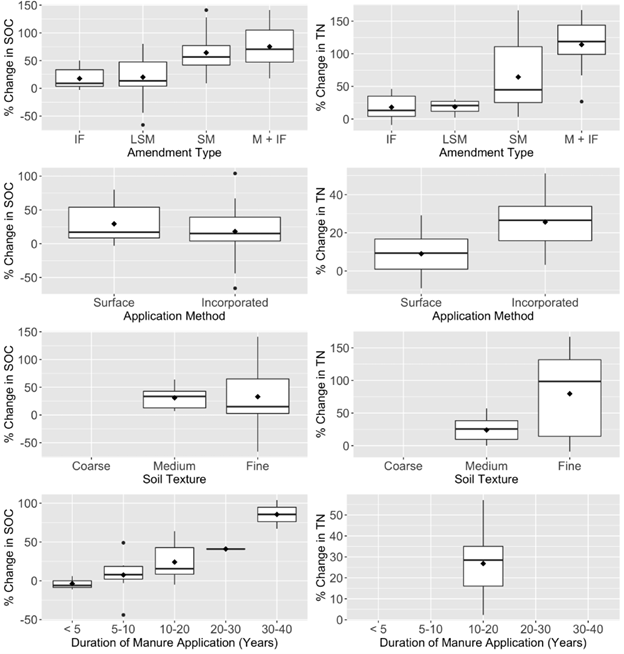
Recycling of manure locally prior to importing inorganic fertilizer (IF) has the potential to reduce nutrient imbalances and improve soil health. Based on this review, swine manure has the potential to add significant amounts of organic carbon to the soil and to improve soil health metrics. In general, the application of swine manure increases soil organic matter (SOM) and SOC, decreases soil bulk density, and increases microbial biomass carbon Soil organic carbon and total N tended to be highest when manure and inorganic fertilizer were applied to the field (Figure 1). Soil chemical properties did not seem to change much when manure was applied to the soil surface or incorporated into the topsoil. The duration of swine manure application (annually) did not seem to increase the percent change in most chemical properties; however, this could be due to a lack of data. The percent change in SOC did increase when the swine manure was applied for a longer time period (Figure 1), and we would expect to see a similar trend with SOM and total carbon if there were more data. Few articles had data on soil physical and biological properties. Depending on soil type, swine manure has the potential to increase available water holding capacity and saturated hydraulic conductivity. Although more research is needed, it can be inferred that swine manure additions increase microbial activity, which promotes healthier soils and better crop yields.

Figure 1: Average percent change in soil organic carbon (SOC) and total nitrogen (TN) based on amendment type, application method, soil texture, and duration of swine manure application. Black circles represent outlier data, and diamonds represent mean. IF = inorganic fertilizer; LSM = liquid swine manure; M + IF = manure (liquid and solid) plus inorganic fertilizer; SM = solid swine manure

Future Plans

Previous literature reviews failed to account for differences in methodologies between individual research studies and whether research is applicable to producers utilizing swine manure as amendments to improve soil health (i.e., unreasonable application rates of swine manure, overapplication of nutrients). The evaluation of the effect of swine manure on soil health properties is difficult to do based on current literature because (a) there are few comprehensive studies (i.e., only one study reported properties from chemical, physical, and biological categories) and (b) there are non-consistent research methodologies between studies. Therefore, we recommend redirecting research studies to demonstrate the value of manure to the suitability of agricultural cropping systems. Future swine manure research should include (a) a range of soil physical, chemical, and biological properties, (b) initial soil data prior to manure application, and (c) manure type, application method, application rate, total carbon and nitrogen of the manure, duration of swine manure application, and swine manure application timing. In addition, future research should also focus on the short- and long-term effects of a single application of manure to support an effort to identify optimal frequency of application for improving soil health. More research is also needed to compare the effects of manure and inorganic fertilizer additions on crop yield and soil health by balancing nitrogen, phosphorus, and potassium additions.

Authors

Jenifer L. Yost, Research Soil Scientist, USDA-ARS

Corresponding author email address

jenifer.yost@usda.gov

Additional authors

Amy M. Schmidt, Livestock Manure Management Engineer, University of Nebraska-Lincoln; Rick Koelsch, Livestock and Bio Environmental Engineer, University of Nebraska-Lincoln; Kevin Kruger, Research Support Scientist, University of Idaho; Linda R. Schott, Nutrient and Waste Management Extension Specialist, University of Idaho

Additional Information

For more information about this project, please check out our Open Access journal article. The citation for the journal article is:

Yost, J.L., Schmidt, A.M., Koelsch, R., and Schott, L.R. (2022). Effect of swine manure on soil health properties: A systematic review. Soil Science Society of America Journal.

https://doi.org/10.1002/saj2.20359

This research was presented at the ASA, CSSA, SSSA International Annual Meeting in Salt Lake City, Utah, in November of 2021. The link to the recorded presentation is found in the citation below:

Yost, J. L., Schmidt, A. M., Koelsch, R., & Schott, L. R. (2021). Impact of Swine Manure on Soil Health Properties: A Systematic Review [Abstract]. ASA, CSSA, SSSA International Annual Meeting, Salt Lake City, UT. https://scisoc.confex.com/scisoc/2021am/meetingapp.cgi/Paper/138180

Acknowledgements

This project was supported by funding from the National Pork Checkoff. The authors would also like to thank Meg Clancy and Drew Weaver for their assistance.


The authors are solely responsible for the content of these proceedings. The technical information does not necessarily reflect the official position of the sponsoring agencies or institutions represented by planning committee members, and inclusion and distribution herein does not constitute an endorsement of views expressed by the same. Printed materials included herein are not refereed publications. Citations should appear as follows. EXAMPLE: Authors. 2022. Title of presentation. Waste to Worth. Oregon, OH. April 18-22, 2022. URL of this page. Accessed on: today’s date.

Conservation Planning for Air Quality and Atmospheric Change (Getting Producers to Care about Air)

Purpose

The United States Department of Agriculture-Natural Resources Conservation Service (USDA-NRCS) works in a voluntary and collaborative manner with agricultural producers to solve natural resource issues on private lands. One of the key steps in formulating a solution to those natural resource issues is a conservation planning process that identifies the issues, highlights one or more conservation practice standards that can be used to address those issues, and allows the agricultural producer to select those conservation practices that make sense for their operation. In this conservation planning process, USDA-NRCS looks at natural resource issues related to soil, water, air, plants, animals, and energy (SWAPA+E). This presentation focuses on the resource concerns related to the air resource.

What Did We Do

In order to facilitate the conservation planning process for the air resource, USDA-NRCS has focused on five main issues: emissions of particulate matter (PM) and PM precursors, emissions of ozone precursors, emissions of airborne reactive nitrogen, emissions of greenhouse gases, and objectionable odors. Each of these resource concerns are further subdivided into resource concern components that are mainly associated with different types of sources or activities found on agricultural operations. By focusing on those agricultural sources and activities that have the largest impact on each of these air quality and atmospheric change resource concerns, USDA-NRCS has developed a set of planning criteria for determining when a resource concern exists. We have also identified those conservation practice standards that can be used to address each of the resource concern components.

What Have We Learned

Our focus on the agricultural sources and activities that have the largest impact on air quality has helped to evolve the conservation planning process by adding resource concern components that are targeted and simplified. This approach has led to a clearer definition of when a resource concern is identified, as well as how to address it. For example, the particulate-matter focused resource concern has been divided into the following resource concern components: diesel engines, non-diesel engine combustion equipment, open burning, pesticide drift, nitrogen fertilizer, dust from field operations, dust from unpaved roads, windblown dust, and confined animal activities. Each of these types of sources can produce particles directly or gases that contribute to fine particle formation. In order to know whether a farm has a particulate matter resource concern, a conservation planner would need to determine whether one or more of these sources is causing an issue. Once the source(s) of the particulate matter issue is identified, a site-specific application of conservation practices can be used to resolve the resource concern.

We expect that increased clarity in the conservation planning process will lead to a greater understanding of the air quality and atmospheric change resource concerns and how agricultural producers can reduce air emissions and impacts. Simple and clear direction should eventually lead to greater acceptance of addressing air quality and atmospheric change resource concerns.

Future Plans

USDA-NRCS will continue to refine our approach to addressing air quality and atmospheric change resource concerns. As we gain a greater scientific understanding of the processes by which air emissions are generated and air pollutants are transported from agricultural operations, we can better target our efforts to address these emissions and their resultant impacts. Internally, we will be working throughout our agency to identify those areas where we can collaboratively work with agricultural producers to improve air quality.

Authors

Greg Zwicke, Air Quality Engineer, USDA-NRCS National Air Quality and Atmospheric Change Team
greg.zwicke@usda.gov

Additional Authors
Allison Costa, Air Quality Engineer, USDA-NRCS National Air Quality and Atmospheric Change Team

Additional Information

General information about the USDA-NRCS can be found at https://www.nrcs.usda.gov. An overview of the conservation planning process is available at https://www.nrcs.usda.gov/wps/portal/nrcs/detail/national/programs/technical/cta/?cid=nrcseprd1690815.

The USDA-NRCS website for air quality and atmospheric change is https://www.nrcs.usda.gov/wps/portal/nrcs/main/national/air/.


The authors are solely responsible for the content of these proceedings. The technical information does not necessarily reflect the official position of the sponsoring agencies or institutions represented by planning committee members, and inclusion and distribution herein does not constitute an endorsement of views expressed by the same. Printed materials included herein are not refereed publications. Citations should appear as follows. EXAMPLE: Authors. 2022. Title of presentation. Waste to Worth. Oregon, OH. April 18-22, 2022. URL of this page. Accessed on: today’s date.