Reducing Livestock and Poultry Emissions Through Integrated Management Strategies

Livestock producers and industry professionals are increasingly focused on practical strategies to reduce emissions while maintaining productivity and profitability. This webinar will highlight current research and management approaches that can help mitigate emissions through improved nutrient utilization, feed management, and operational practices. Presenters will discuss both feed-based and post-excretion management strategies that support environmental stewardship across animal agriculture. This presentation was broadcast on October 23, 2026.

An application for continuing education credit for Certified Crop Advisors (CCAs) and members of the American Registry of Professional Animal Scientists (ARPAS) will be submitted.

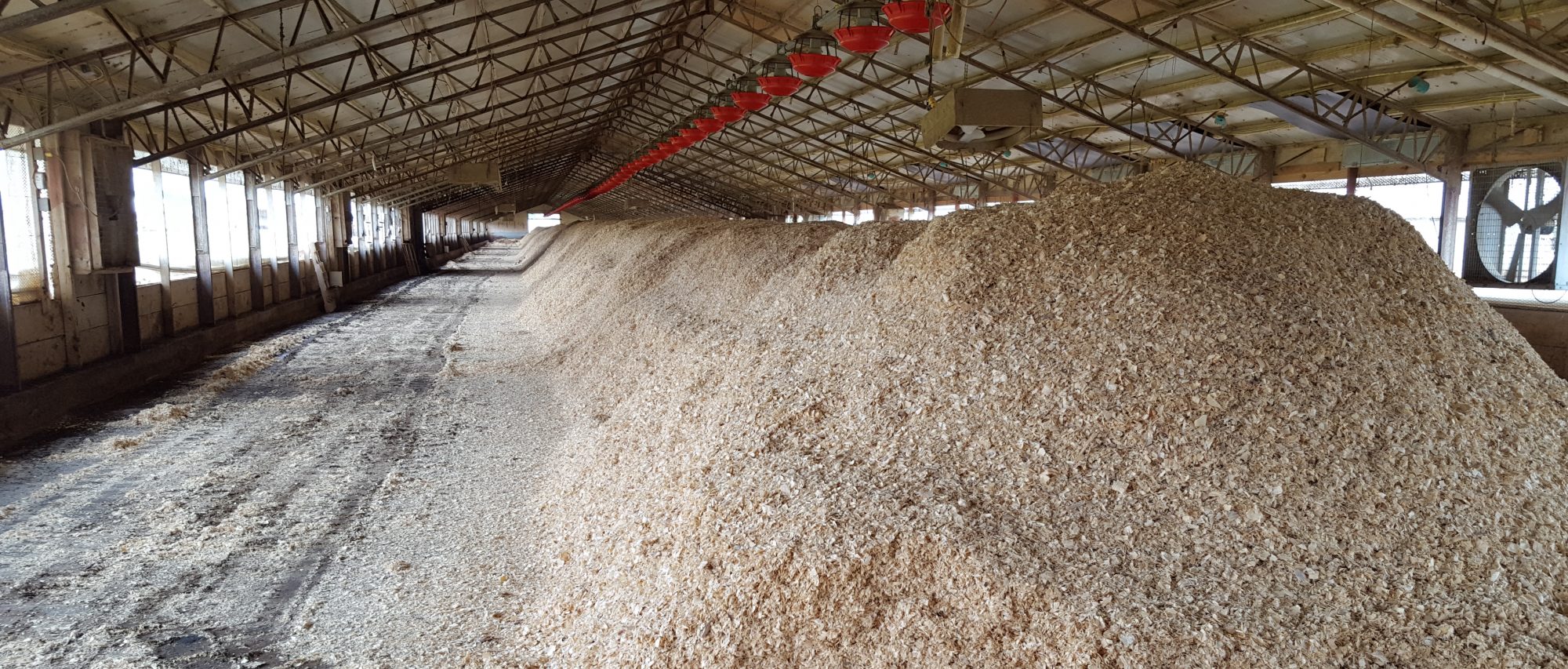
Dietary Protein and Nitrogen Mass Balance in Open Feedlots

Galen Erickson, University of Nebraska (29:07)

Ammonia Emissions from Beef Cattle Feedyard: From Generation and Practical Mitigation

Myeongseong Lee, Texas A&M AgriLife Research (21:14)

Questions from the Audience

All Speakers (23:31)

About the Speakers

Galen Erickson, University of Nebraska
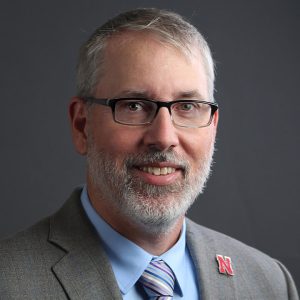
Galen Erickson, University of Nebraska

Dr. Galen Erickson joined the Department of Animal Science as an Assistant Professor and Extension Beef Feedlot Specialist in 2001, and has served as a Professor since 2010. He was named the Nebraska Cattle Industry Professor of Animal Science in 2012 and was appointed as the Director of the Beef Innovation Hub in 2022.

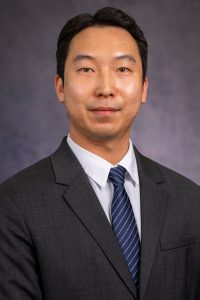
Myeongseong Lee, Texas A&M AgriLife High Plains Research and Extension Center

Myeongseong LeeMyeongseong Lee, Texas A&M AgriLife High Plains Research and Extension Center

Myeongseong Lee, Ph.D., is a Postdoctoral Research Associate at Texas A&M AgriLife Research, where his research focuses on improving the environmental sustainability of livestock production systems. He earned his Ph.D. in Animal Science from Texas A&M University, with research focused on mitigating ammonia emissions from beef cattle feedyards. His research interests include livestock air emissions, manure management, nutrient utilization, and practical mitigation strategies that maintain or improve animal productivity while reducing environmental impacts. His current work also investigates the trade-offs associated with dairy manure application, including its effects on soil health and greenhouse gas emissions in integrated livestock-crop systems.

Rick Stowell (moderator), University of Nebraska
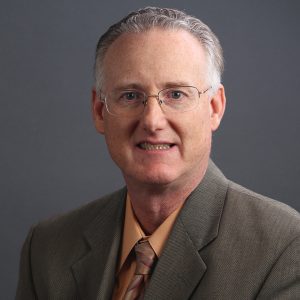
Rick Stowell, University of Nebraska

Dr. Rick Stowell joined the University of Nebraska-Lincoln in 2001 as an Assistant Professor and Extension Animal Environment Specialist and has been a full Professor since 2020. He has a split appointment between the Department of Biological Systems Engineering and the Department of Animal Science. Dr. Stowell is also a member of the leadership team for the Livestock & Poultry Environmental Learning Community.

More Resources on the Topic

Find out more about this webinar and future webinars by the Livestock and Poultry Environmental Learning Community (LPELC).


From Barn to Field: Plastic Pathways

In this webinar, we discuss how the use of plastics in agriculture contributes to soil contamination, microplastic pollution, and reduced long-term soil health. Single-use plastics like mulch films, bale wrap, and silage bags and covers can degrade into contaminants that can alter soil pH, disrupt microbial communities, and hinder plant growth. Additionally, plastic residues can leach hazardous chemicals, which could end up in the food chain. The panel addresses concerns about plastic use in agricultural settings, alternatives to traditional plastics, recycling agricultural plastics, and equipment design to handle agricultural plastics. This presentation was broadcast on August 21, 2026. Continue reading “From Barn to Field: Plastic Pathways”

Smart Manure: AI-Driven Insights for Manure and Nutrient Management

In this webinar, presenters will explore how emerging artificial intelligence technologies are transforming manure and nutrient management practices. The session will highlight how advances in IoT, machine learning, and remote sensing are enabling a shift from simple data collection to predictive, decision-support systems in livestock production. Presentations will illustrate how AI-driven tools can enhance monitoring, efficiency, and environmental outcomes while supporting producers and researchers. Attendees will gain a forward-looking perspective on how integrated data and intelligent systems are shaping the future of nutrient management and agricultural sustainability. This presentation was originally broadcast on June 19, 2026. Continue reading “Smart Manure: AI-Driven Insights for Manure and Nutrient Management”

Global Manure Trends: U.S. and European Perspectives from RAMIRAN 2025

This session brings together perspectives from the United States and Europe. Together, panelists will discuss current practices, policies, and emerging innovations across regions, offering attendees a valuable opportunity to better understand global approaches to manure management while also learning more about the upcoming RAMIRAN conference, 2027, in Italy. This presentation was originally broadcast on May 22, 2026. Continue reading “Global Manure Trends: U.S. and European Perspectives from RAMIRAN 2025”

NRCS Regenerative Pilot Program

This webinar will focus on the Natural Resources Conservation Service (NRCS) Regenerative Agriculture Pilot Program, a new conservation initiative aimed at helping farmers put their land back on a sustainable path forward. The discussion will highlight how the program is designed to support regenerative farming practices that rebuild soil health, strengthen farm resilience, and promote the production of healthier food. Webinar speakers will provide a general overview of the pilot program, including NRCS’s role in offering technical and financial assistance to producers, and discuss how the program fits within broader conservation and soil health goals. This presentation was originally broadcast on April 17, 2026. Continue reading “NRCS Regenerative Pilot Program”

Nutrient Management Solutions for Small Farms

This webinar will examine practical nutrient management strategies tailored for small and diversified farms. Presenters will explore how organic operations can meet National Organic Program (NOP) requirements for manure, compost use, and soil fertility, followed by a look at the real‑world challenges facing small-acreage livestock properties. We will discuss additional considerations and solutions for effective nutrient stewardship on small farms. Whether you’re a producer, educator, conservation professional, or simply looking to improve land management on limited acreage, this session will offer actionable insights to support sustainable and environmentally sound practices. This presentation was originally broadcast on March 20, 2026. Continue reading “Nutrient Management Solutions for Small Farms”

Pathogens Beyond the Animal: Environmental Drivers of Disease in Livestock Systems

This webinar examines the role of the environment in livestock disease risk and surveillance. Presentations will explore the association between manure handling activities and PRRSV outbreaks in wean-to-market swine, as well as the use of environmental sampling to better understand pathogen distribution on HPAIv-infected egg layer farms. Together, these studies highlight how environmental data can inform biosecurity practices, disease monitoring, and future research applications in livestock production systems.  This presentation was originally broadcast on February 20, 2026. Continue reading “Pathogens Beyond the Animal: Environmental Drivers of Disease in Livestock Systems”

Clear Communication, Safer Operations: Why Multilingual Manure Management and Farm Safety Training Matters

This webinar discusses how prioritizing Spanish-language and culturally informed training, agricultural operations can improve clarity, strengthen worker confidence, enhance environmental stewardship, and foster a safer, more resilient workforce.  This presentation was originally broadcast on January 23, 2026. Continue reading “Clear Communication, Safer Operations: Why Multilingual Manure Management and Farm Safety Training Matters”

A view from above – application of drones and remote sensing for air and water quality measures around livestock farms

Aerial photos of farms and farming practices are becoming easier to find and collect. But drones and satellites can provide more than pretty pictures. In this webinar, the three speakers will share applications of drones and remote sensing for air and water quality measures around livestock farms. Dirk Charlson will share his simple approach to collecting drone imagery, and the range of opportunities for analyzing images and mapping practices. Nesli Akdeniz has collected air quality measures in pasture systems with drones. Finally, Becca Muenich has used remote sensing to examine land application practices. While it may seem like these applications are flying by faster than we can see, the speakers will help ground us with their experience.  This presentation was originally broadcast on December 12, 2025. Continue reading “A view from above – application of drones and remote sensing for air and water quality measures around livestock farms”

A Systems-Approach to Understanding the Nutrient Cycle Across the Pork Ecosystem

This webinar explores how an integrated, systems-based understanding of the nutrient cycle can drive more sustainable pork production. By examining both feed utilization within the animal and nutrient management beyond the barn, the discussion connects nutritional strategies and manure treatment technologies as key components of the pork ecosystem. Presenters will highlight advances in precision feeding, enzyme use, and feed processing that improve nutrient efficiency and reduce environmental impacts, as well as research optimizing zinc inclusion to balance performance and sustainability. This presentation was originally broadcast on November 14, 2025. Continue reading “A Systems-Approach to Understanding the Nutrient Cycle Across the Pork Ecosystem”