System for Treating Livestock Wastewater Using Electrochemistry to Recover the Nitrogen and Phosphorus

Purpose

Conservation and recovery of nitrogen (N) and phosphorus (P) from livestock, industrial, and municipal effluents are important for economic and environmental reasons.  Therefore, a need exists for improved systems and methods for N and P recovery from wastewater, especially by using fewer chemicals.  A new method was developed using electrochemistry to enhance the gasification and rate of ammonia capture by a gas-permeable membrane and the solubilization and the rate of phosphate capture using P-precipitating compounds.  The process was tested using liquid swine manure.  It recovered 86% of the ammonia and more than 93% of the phosphorus contained in the manure.

What Did We Do?

This work aimed to develop new technology for simultaneous N and P recovery that eliminates alkali chemicals used to increase pH for quick N capture using gas-permeable membranes (Vanotti and Szogi, 2015), and also eliminates acid chemicals used to solubilize the P in the manure before precipitation with P-precipitating agents (Szogi et al., 2018).  The new N and P recovery system used in this example is described by Vanotti et al., 2024. It has a cathode chamber, an anode chamber, a stripping acid solution tank, and a phosphorus recovery tank (Fig. 1).  The cathode chamber is fitted with a gas-permeable membrane manifold. The cathode chamber is fitted with a gas-permeable membrane manifold and contains a salt solution. The wastewater containing ammonia and phosphorus is pumped into the anode chamber. The ammonium (NH4) in the anode chamber permeates into the cathode chamber through a cation exchange membrane placed between chambers.  The cathode increases the pH of the liquid and accelerates the rate of passage of ammonia through the gas-permeable membrane into an acid-stripping solution contained in a stripping tank/ reservoir and recirculated through the membrane manifold in a closed loop. The wastewater in the anode chamber is acidified by H+ released by electrolysis in the anode.  The anode chamber effluent, with most of the P solubilized, is passed through a centrifuge or filter to separate suspended solids without phosphorus and liquid filtrate/centrate with phosphate. Phosphorus precipitating compounds used were MgCl2 and Ca(OH)2.   After rapid mixing, the phosphorus precipitates as a solid.  This precipitation proceeds quickly as a result of the previous removal of the carbonate alkalinity in the anode chamber, which interferes with phosphate precipitation.
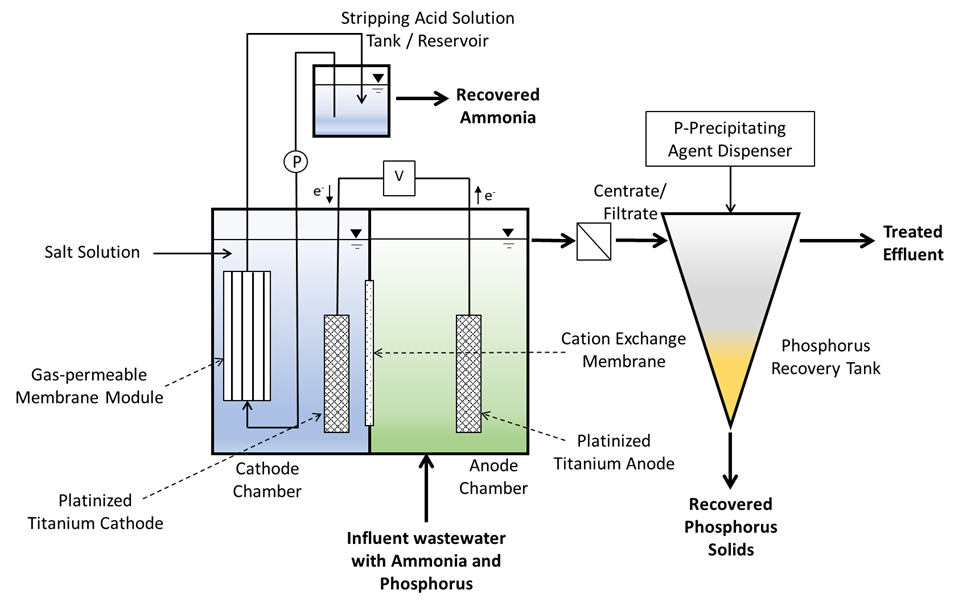
Figure 1. Schematic diagram of an embodiment of a nitrogen (N) and phosphorus (P) recovery system using electrochemistry (Vanotti et al., 2024).

What Have We Learned?

In tests with liquid swine manure, the pH in the cathode chamber was increased due to the electrochemical production of OH-, from 5.8 to 12.5 (Fig. 2).  The wastewater’s ammonia was removed from the anode chamber and recovered in the stripping acid solution with 86% recovery efficiency (Fig. 3).
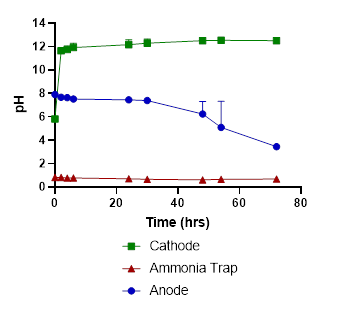
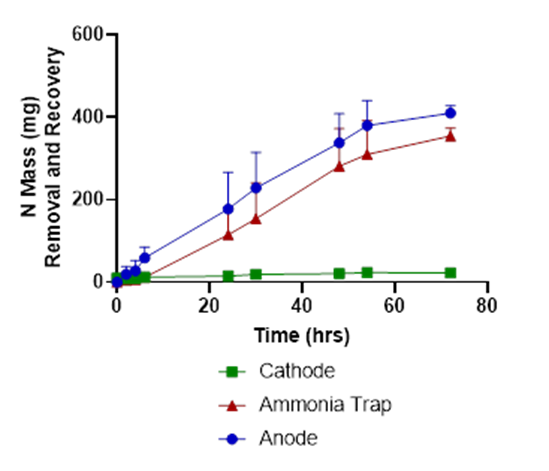
Figure 2.  pH in anode chamber, cathode chamber, and stripping acid tank.  
Figure 2.  pH in anode chamber, cathode chamber, and stripping acid tank.
Figure 3.  Ammonia-N mass removal in anode chamber and ammonia-N mass recovery in cathode chamber and stripping acid tank.

The wastewater pH in the anode dropped from 7.9 to 3.5, and carbonate alkalinity dropped from 10750 mg/L to 0 mg/L (Figures 2 & 4).  The acid was produced by oxidation at the anode (2 H2O → O2 + 4 H+).  These conditions transformed the P from manure particles into soluble phosphates that were efficiently recovered in the phosphorus recovery tank.   For example, using the P-precipitating compound Ca(OH)2, the process recovered 93% of the total P in a P precipitate solid compared to only 4.6% in a control without electrochemical treatment (Fig. 5).  Using the P-precipitating compound MgCl2, the process recovered 95% of the total P in a P precipitate solid compared to only 6% P recovery in a control without electrochemical treatment (Fig. 5).

Figure 4. Reduction of carbonate alkalinity concentration occurring in the anode chamber. 
Figure 4. Reduction of carbonate alkalinity concentration occurring in the anode chamber.
Figure 5. Phosphorus is recovered in the solid precipitate using P-precipitating compounds Ca(OH)2 or MgCl2.  A) with a previous electrochemical step, and B) without an electrochemical step.  
Figure 5. Phosphorus is recovered in the solid precipitate using P-precipitating compounds Ca(OH)2 or MgCl2.  A) with a previous electrochemical step, and B) without an electrochemical step.

Future Plans

USDA-ARS seeks a commercial partner to bring this technology to market.  For more information on commercialization, contact: Mrs. Tanaga Boozer, Technology Transfer Coordinator, USDA-ARS, OTT Southeast Area, tanaga.boozer@usda.gov

Authors

Presenting & corresponding author

Matias Vanotti, USDA-ARS, Matias.vanotti@usda.gov

Additional authors

M.B. Vanotti, A.A. Szogi, P.W. Brigman, and S. Rawal, United States Department of Agriculture (USDA), Agricultural Research Service (ARS), Coastal Plains Soil, Water and Plant Research Center, Florence, South Carolina.

Additional Information

Szogi A.A., Vanotti, M.B., Shumaker, P.D. 2018.  Economic recovery of calcium phosphates from swine lagoon sludge using Quick Wash process and geotextile filtration. Frontiers in Sustainable Food Systems 2, 37, https://doi.org/10.3389/fsufs.2018.00037.

Vanotti, M.B., and Szogi, A.A. 2015. Systems and methods for reducing ammonia emissions from liquid effluents and recovering ammonia. U.S. Patent 9,005,333 B1. U.S. Patent and Trademark Office.

Vanotti, M.B., Szogi, A.A., Brigman, P.W., and Rawal, S. 2024. Systems for treating wastewater using electrochemistry. U.S. Patent Appl. 18/808,123. U.S. Patent and Trademark Office

Acknowledgements

This research was part of USDA-ARS National Program 212, ARS Project 6082-12630-001-00D. Mention of trade names or commercial products in this article is solely for the purpose of providing specific information and does not imply recommendation or endorsement by the U.S. Department of Agriculture.


The authors are solely responsible for the content of these proceedings. The technical information does not necessarily reflect the official position of the sponsoring agencies or institutions represented by planning committee members, and inclusion and distribution herein does not constitute an endorsement of views expressed by the same. Printed materials included herein are not refereed publications. Citations should appear as follows. EXAMPLE: Authors. 2025. Title of presentation. Waste to Worth. Boise, ID. April 711, 2025. URL of this page. Accessed on: today’s date.
Novel technologies for dairy manure treatment: recovering ammonia with bioelectrochemical systems

Purpose

Animal manure is frequently applied to crop fields to supplement manufactured fertilizers, as manure is rich in many of the nutrients required for plant growth. Most nutrients in manure exist in organic forms, which must first be mineralized to inorganic forms before they can be used by plants. Direct land application of manure relies on in situ mineralization of nutrients by soil microorganisms, which is a slow and difficult-to-control process. In anticipation of limited immediate nutrient availability, manure is often applied to fields in excess of actual agronomic nutrient need. The excess nutrients can leach into water sources, causing accelerated eutrophication and threatening human and ecosystem health. As such, it is advantageous to investigate technologies designed to recover manure nutrients in inorganic forms, which can then be more easily regulated and applied to suit specific agricultural demand. Bioelectrochemical systems (BES) are a novel treatment option employing electrogenic microorganisms to drive operation and recover mineralized nutrients, making them an advantageous resource recovery mechanism.

What Did We Do?

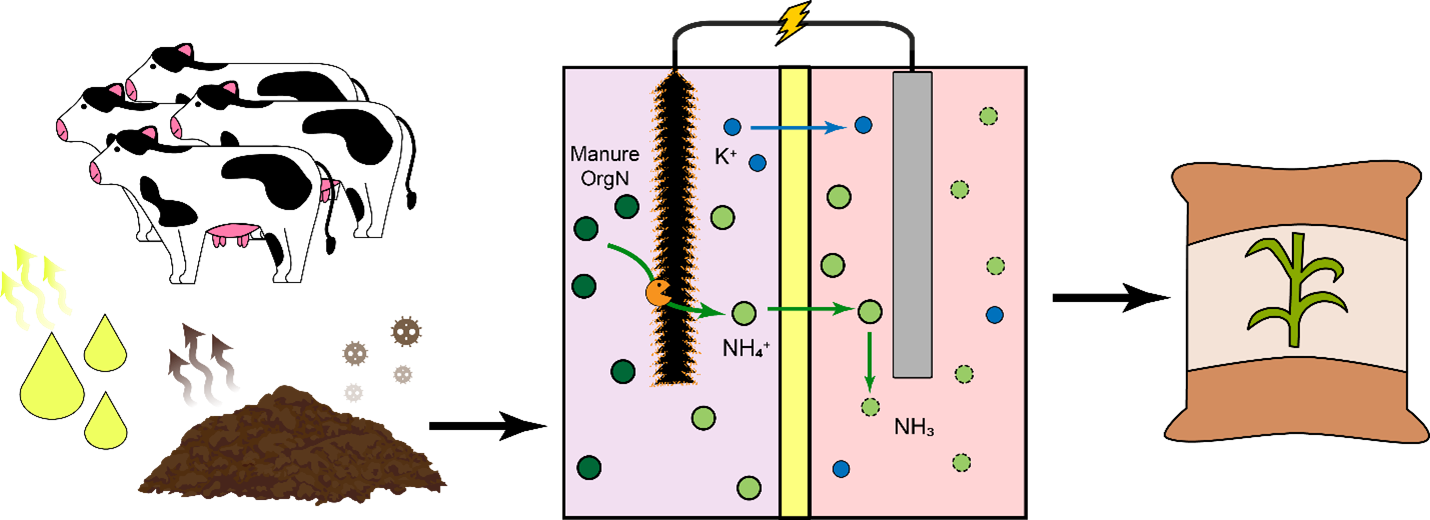
This study investigated a BES for organic nitrogen mineralization and ammonia recovery from synthetic (e.g. prepared solution of organic nitrogen and acetate) and real dairy manure. The BES was custom fabricated and followed a two-chamber design as outlined in Burns and Qin (2023). Briefly, a cation exchange membrane separated a biological anode and chemical cathode in respective chambers. Electrodes were connected via a 10 Ohm resistor to allow for current flow, and synthetic or real dairy manure was fed to the biological anode depending on the experimental condition under investigation. The BES was operated in both fuel cell and electrolysis cell (applied voltage = 0.8 V) modes.

Figure 1. Schematic of the bioelectrochemical system used to treat dairy manure and produce ammonia fertilizer.

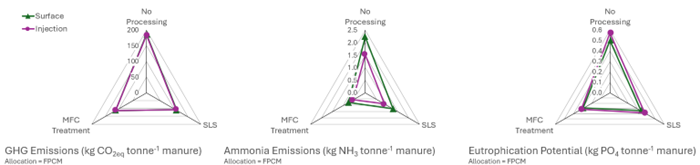
System performance was evaluated for organics removal (measured as chemical oxygen demand or COD), nitrogen removal, and total ammoniacal nitrogen production. We also calculate the nitrogen removal efficiency, RN, which measures how current is partitioned to drive nitrogen transport (as NH4+) across the cation exchange membrane. We modeled full-scale implementation of this technology on a theoretical Wisconsin dairy farm based on the experimental results obtained when treating real dairy manure. Results from the model (functional unit: tonne of manure treated, allocation: kg fat-and-protein-corrected milk (FPCM)) were used to investigate environmental impacts including greenhouse gas (GHG) emissions (in kg CO2eq tonne-1 manure), ammonia losses (in kg NH3 tonne-1 manure), and eutrophication potential (kg PO42- tonne-1 manure).

What Have We Learned?

In synthetic manure experiments, the BES consistently achieved excellent organics removal, exhibiting COD removal efficiencies well above 90%. Furthermore, total nitrogen removal efficiency averaged around 40% in electrolysis cell operation, and was seen to reach as high as 60% for some experiments. In fuel cell operation, nitrogen removal efficiency was decreased, averaging around 23%, indicating a slight advantage for nitrogen removal in electrolysis operation. RN exhibited interesting trends before, during, and after electrolysis cell operation. For the same system operational parameters, RN in fuel cell mode was around 1 mol N mol-1 electrons before electrolysis cell operation. However, during electrolysis operation and when the system returned to fuel cell operation after electrolysis cell operation, RN was and remained elevated at nearly 3 mol N mol-1 electrons with much more variability. This variability suggests that the microbial community was less tolerant to applied voltage conditions, and that there was perhaps some significant change during electrolysis operation that was difficult to recover from upon return to fuel cell operation. When treating real dairy manure, the system achieved average removals of 60% of total nitrogen and 58% of organic matter (Burns et al., 2024). The system exhibited similar nitrogen removal across multiple dairy manure feedstocks, however, a decrease in RN was observed with more complex dairy manure feedstock, likely due to the presence of competing ions (Burns et al., 2024).

Figure 2. Radar plots showing greenhouse gas emissions, ammonia losses, and eutrophication potential of three manure treatment scenarios: no processing/direct land application, solids-liquids separation (SLS), and microbial fuel cell (MFC) treatment for both surface and injection application of products. Results are reported per tonne of manure treated with an allocation of fat and protein corrected milk (FPCM).

We also investigated the environmental impacts of BES manure treatment when scaled up to a ~730 cow dairy farm. Impacts on greenhouse gas emissions, ammonia losses, and eutrophication potential were compared for surface and injection application of three manure treatment scenarios: (1) no manure treatment or processing, (2) solids-liquids separation (SLS) manure processing, and (3) BES manure treatment. Preliminary results from the model reported that BES manure treatment decreased impacts in all three categories when compared to the no treatment scenarios, and resulted in less ammonia loss when compared to the SLS treatment scenarios (Figure 2). For GHG emissions, BES manure treatment had slightly increased emissions when compared to SLS, mostly due to the added energy and freshwater inputs. However, BES manure treatment received more credits for P and N-based fertilizers than SLS treatment. For eutrophication potential, BES manure treatment had slightly less impact when compared to SLS treatment, despite the added impacts of freshwater, energy, and supplemental chemicals required for the treatment. Based on these results and those from experimental data, BES manure treatment is concluded to be a promising and competitive technology worthy of further development.

Future Plans

The results of this research prove bioelectrochemical systems to be a viable manure treatment alternative to current technologies. Our future work will involve investigating the organic nitrogen degradation kinetics in the BES treating dairy manure. Our goal is to determine reaction rate orders and calculate kinetic constants for degradation of COD, TN, and organic N within the cell, which can be used to develop more accurate full-scale models of the process. This analysis can be extended to investigate differing compositions of dairy manure based on the dairy’s variable feed compositions throughout the year. Additionally, we plan to expand the environmental impact analysis to include two other comparison scenarios which would be realistic at the industrial scale: (1) minimizing freshwater inputs for manure dilution and (2) harvesting electricity produced by the BES towards meeting pumping and aeration demands. Based on the model, BES manure treatment would require approximately 1,700 kWh of electricity per week to meet pumping an aeration demands, some of which can be provided by the microbially-generated electric current in the system. Furthermore, due to reactor size constraints at the lab scale, there is currently a large amount of freshwater used to dilute the manure prior to treatment with the MFC. This work will help to contextualize BES within existing manure treatment frameworks and will help both researchers and practitioners make informed decisions regarding manure treatment options.

Authors

Presenting author

McKenzie Burns, PhD Candidate, the University of Wisconsin—Madison

Corresponding author

Dr. Mohan Qin, Assistant Professor, the University of Wisconsin—Madison, mohan.qin@wisc.edu

Additional authors

    • Dr. Horacio Aguirre-Villegas, Scientist III, the Nelson Institute for Environmental Studies at the University of Wisconsin—Madison
    • Dr. Rebecca Larson, Associate Professor, the University of Wisconsin—Madison

Additional Information

Acknowledgements

The authors would like to thank the support from National Science Foundation CBET 2219089. In addition, the authors would like to thank the startup fund from the Department of Civil and Environmental Engineering, College of Engineering, the Office of the Vice-Chancellor for Research and Graduate Education (OVCRGE) at the University of Wisconsin–Madison, and the Wisconsin Alumni Research Foundation (WARF) for the support of this study. The authors gratefully acknowledge support from Jackie Cooper of the Environmental Engineering Core Facility at the University of Wisconsin–Madison for use of facilities and equipment. Finally, the authors thank Andrew Beaudet, Ethan Napierala, Katie Mangus, and David Xiong for their contributions as undergraduate researchers on this project.


The authors are solely responsible for the content of these proceedings. The technical information does not necessarily reflect the official position of the sponsoring agencies or institutions represented by planning committee members, and inclusion and distribution herein does not constitute an endorsement of views expressed by the same. Printed materials included herein are not refereed publications. Citations should appear as follows. EXAMPLE: Authors. 2025. Title of presentation. Waste to Worth. Boise, ID. April 711, 2025. URL of this page. Accessed on: today’s date.
Ammonia Recovery from Anaerobically Digested Dairy Manure Using Electrodialysis Coupled with A Hydrophobic Gas-permeable Membrane for Stripping

Due to a technical glitch, the beginning of the recorded presentation was not recorded. Please accept our apologies.

Purpose

Nitrogen is considered an essential macronutrient for plant growth and development. Ammonia, a key part of the nitrogen cycle, arises through two main pathways: naturally through biological nitrogen fixation bacteria and artificially through the Haber-Bosch process. The Haber-Bosch is an energy-intensive process relying on fossil fuels and contributing to greenhouse gases emission. Recovering ammonia from anaerobically digested dairy manure offers a more sustainable alternative to this energy-intensive process, reduces reliance on fossil fuels and mitigates environmental impact. Furthermore, the recovered ammonia can be used as a value-added product to improve soil health and sustainable agricultural productivity. Various technologies have been applied to recover ammonia from dairy manure. However, these technologies were not very efficient in terms of energy consumption, resource recovery, and treatment time.  The purpose of this research was to develop a hybrid system where electrodialysis and membrane stripping were applied simultaneously to enhance ammonia recovery from anaerobically digested dairy manure within a shorter treatment period. This approach promotes circular economy through transforming dairy waste into a valuable resource.

What Did We Do?

We developed a three-chamber electrodialysis and membrane stripping (ED-MS) combined system, in which the anode and the cathode chambers were separated by a cation exchange membrane (CEM), and the cathode and trap chambers were separated by a hydrophobic gas-permeable membrane (GPM). The GPM was used for membrane stripping. The authigenic acid in anolyte and the authigenic base in catholyte have been utilized as absorbents and stripping agents to improve ammonia recovery in the ED-MS system. We have applied different current densities ranging from 0 to 150 A/m2 to observe the effect of ammonia removal and recovery efficiency within an 8-hour treatment period. We also observed the maximum rate of nitrogen flux passing through the CEM and GPM for a specific energy consumption.

What Have We Learned?

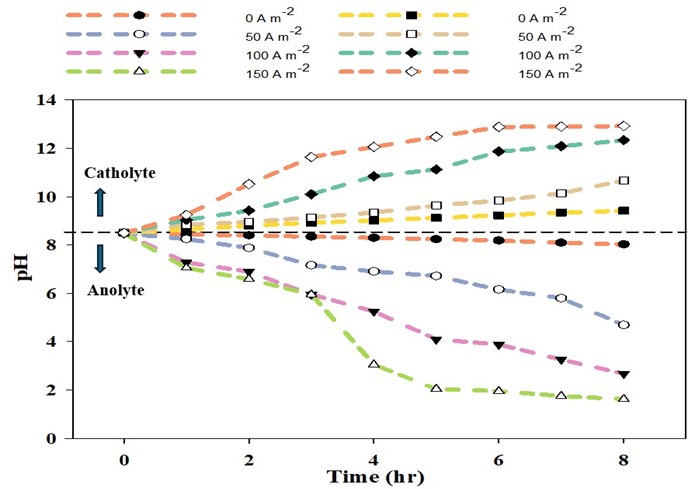
From this research, we have learned that with increasing current density the removal and recovery efficiency of ammonia also increased. The presence of ammonia in the trap chamber increases with increasing treatment time (Figure 1).  This ED-MS treatment process demonstrated a broad range of effectiveness for current densities ranging from 0 to 150 A/m2, achieving ammonia removal efficiencies of 42.97% to 99.49% and recovery efficiencies of 11.7% to 75.9% over an 8-hour treatment time. The main reason for this increment is to accelerate the electrolysis process and increase the rate of acid production in the anolyte and base production in the catholyte (Figure 2). The product recovered was ammonium sulfate which can be used as a fertilizer. The highest nitrogen flux through CEM and GPM was identified as 616.1 and 207.6 g-N m-2d-1, respectively, with a specific energy consumption of 45.3 kWhkg-1N-1 (Figure 3). Therefore, this research supports the idea that the ED-MS technique could be a viable solution for sustainable ammonia recovery from anaerobically digested dairy manure on a large scale.

Figure 1. Ammonia distribution in three chambers at different treatment times.
Figure 2. Changing pH with different current densities in anolyte and catholyte.
Figure 3. Effect of current density on nitrogen flux and specific energy consumption.

Future Plans

To continue this research, we have a plan to investigate the reaction kinetics of this ED-MS hybrid system. Further, we will develop a novel electrochemical reactor to recover nitrogen and phosphorus simultaneously from dairy waste.

Authors

Presenting author

Ashish Kumar Das, Ph.D. Student, Environmental Science Program, College of Natural Resources, University of Idaho

Corresponding author

Dr. Lide Chen, Professor, Department of Soil and Water Systems, Twin Falls Research and Extension Center, University of Idaho, lchen@uidaho.edu

Acknowledgements

This research was funded by the USDA Sustainable Agricultural Systems Initiative through the Idaho Sustainable Agriculture Initiative for Dairy (ISAID) grant (Award No. 2020-69012-31871).


The authors are solely responsible for the content of these proceedings. The technical information does not necessarily reflect the official position of the sponsoring agencies or institutions represented by planning committee members, and inclusion and distribution herein does not constitute an endorsement of views expressed by the same. Printed materials included herein are not refereed publications. Citations should appear as follows. EXAMPLE: Authors. 2025. Title of presentation. Waste to Worth. Boise, ID. April 7-11, 2025. URL of this page. Accessed on: today’s date.

Early Stage Economic Modeling of Gas-permeable Membrane Technology Applied to Swine Manure after Anaerobic Digestion


Proceedings Home W2W Home w2w17 logo

Purpose

The objective of this study was to conduct cost versus design analysis for a gas-permeable membrane system using data from a small pilot scale experiment and projection of cost versus design to farm scale.

What did we do?

This reported work includes two major steps. First, the design of a small pilot scale batch gas-permeable membrane system was scaled to process effluent volumes from a commercial pig farm. The scaling design maintained critical process operating parameters of the experimental membrane system and introduced assumed features to characterize effluent flows from a working pig farm with an anaerobic digester. The scaled up design was characterized in a spreadsheet model. The second step was economic analysis of the scaled-up model of the membrane system. The objective of the economic analysis was to create information to guide subsequent experiments towards commercial development of the technology. The economic analysis was performed by introducing market prices for components, inputs, and products and then calculating effects on costs and on performance of changes in design parameters.

What have we learned?

First, baseline costs and revenues were calculated for the scaled up experimental design. The commercial scale design of a modular gas-permeable membrane system was modeled to treat 6 days accumulation of digester effluent at 16,300 gallons per day resulting in a batch capacity of 97,800 gallons. The modeled large scale system is 19,485 times the capacity of the 5.02 gallon experimental pilot system. The installation cost of the commercial scale system was estimated to be $903,333 for a system treating 97,800 gallon batches over a 6 day period.

At $1/linear ft. and 7.9 ft./gallon of batch capacity, membrane material makes up 86% of the estimated installation cost. Other installation costs include PVC pipes, pumps, aerators, tanks, and other parts and equipment used to assemble the system, as well as water to dilute the concentrated acid prior to initiating circulation. The annual operating cost of the system includes concentrated sulfuric acid consumed in the process. Using limited experimental data on this point, we assume a rate of 0.009 gallons (0.133 pounds) of acid per gallon of digester effluent treated. At a price of $1.11 per gallon ($0.073/lb) of acid, acid cost per gallon of effluent treated is $0.010. Other operating costs include electric power, labor, and repairs and maintenance of the membrane and other parts of the system estimated at 2% of investment cost for non-moving parts and 6% of investment for moving parts. Potential annual revenue from the system includes the value of ammonium sulfate produced. Over the 6 day treatment period, if 85% of the TAN-N in the digester effluent is removed by the process, and if 100% of the TAN-N removed is recovered as ammonium sulfate, and given the TAN-N concentration in digester effluent was 0.012 pounds per gallon (1401 mg/l), then 0.01 pounds of TAN-N are captured per gallon of effluent treated. At an ammonium sulfate fertilizer price of $588/ton or $0.294/pound and ammonium sulfate production of 0.047 pounds (0.01 pounds TAN-N equivalent), potential revenue is $0.014 per gallon of effluent treated. No price is attached here for the elimination of internal and external costs associated with potential release to the environment of 0.01 pounds TAN-N per gallon of digester effluent or 59,073 pounds TAN-N per year from the system modeled here.

Several findings and questions, reported here, are relevant to next steps in experimental evaluation and commercial development of this technology.

1. Membrane price and/or performance can be improved to substantially reduce installation cost. Membrane material makes up 86% of the current estimated installation cost. Each 10% reduction in the product of membrane price and length of membrane tube required per gallon capacity reduces estimated installation cost per gallon capacity by 8.6%.

2. The longevity and maintenance requirements of the membrane in this system were not examined in the experiment. Installation cost recovery per gallon of effluent decreases at a declining rate with longevity. For example, Cost Recovery Factors (percentage of initial investment charged as an annual cost) at 6% annual interest rate vary with economic life of the investment as follows: 1 year life CRF = 106%, 5 year life CRF = 24%, 10 year life CRF = 14% . Repair costs are often estimated as 2% of initial investment in non-moving parts. In the case of the membrane, annual repair and maintenance costs may increase with increased longevity. Longevity and maintenance requirements of membranes are important factors in determining total cost per gallon treated.

3. Based on experimental performance data (TAN removal in Table 1) and projected installation cost for various design treatment periods ( HRT = 2, 3, 4, 5, or 6 days), installation cost per unit mass of TAN removal decreases and then increases with the length of treatment period. The minimum occurs at HRT = 4 days when 68% reduction of TAN-N in the effluent has been achieved.

Table 1. Comparison of installation cost and days of treatment capacity

4. Cost of acid relative to TAN removal from the effluent and relative to fertilizer value of ammonium sulfate produced per gallon of effluent treated are important to operating cost of the membrane system. These coefficients were beyond the scope of the experiment although some pertinent data were generated. Questions are raised about the fate of acid in circulation. What fraction of acid remains in circulation after a batch is completed? What fraction of acid reacts with other constituents of the effluent to create other products in the circulating acid solution? What fraction of acid escapes through the membrane into the effluent? Increased efficiency of TAN removal from the effluent per unit of acid consumed will reduce the cost per unit TAN removed. Increased efficiency of converting acid to ammonium sulfate will reduce the net cost of acid per gallon treated.

5. Several operating parameters that remain to be explored affect costs and revenues per unit of effluent treated. Among those are parameters that potentially affect TAN movement through the membrane such as: a) pH of the effluent and pH of the acid solution in circulation, b) velocity of liquids on both sides of the membrane, and c) surface area of the membrane per volume of liquids; effluent and acid solution, in the reactor. Similarly, the most profitable or cost effective method of raising pH of the digester effluent remains to be determined, as it was beyond the scope of the current study. Aeration was used in this experiment and in the cost modeling. Aeration may or may not be the optimum method of raising pH and the optimum is contingent on relative prices of alternatives as well as their effect on overall system performance. Optimization of design to maximize profit or minimize cost requires knowledge of these performance response functions and associated cost functions.

6. Management of ammonium sulfate is a question to be addressed in future development of this technology. Questions that arise include: a) how does ammonium sulfate concentration in the acid solution affect rates of TAN removal and additional ammonia sulfate production, b) how can ammonium sulfate be removed from, or further concentrated in, the acid solution, c) can the acid solution containing ammonium sulfate be used without further modification and in which processes, d) what are possible uses for the acid solution after removal of ammonium sulfate, e) what are the possible uses for the effluent after removal of some TAN, and f) what are the costs and revenues associated with each of the alternatives. Answers to these questions are important to designing the membrane system and associated logistics and markets for used acid solution and ammonium sulfate. The realized value of ammonium sulfate and the cost (and revenue) of used acid solution are derived from optimization of this p art of the system.

7. LCA work on various configurations and operating parameters of the membrane system remains to be done. Concurrent with measurement of performance response functions for various parts of the membrane system, LCA work will quantify associated use of resources and emissions to the environment. Revenues may arise where external benefits are created and markets for those benefits exist. Where revenues are not available, marginal costs per unit of emission reduction or resource extraction reduction can be calculated to enable optimization of design across both profit and external factors.

Future Plans

A series of subsequent experiments and analyses are suggested in the previous section. Suggested work is aimed at improving knowledge of performance response to marginal changes in operating parameters and improving knowledge of the performance of various membranes. Profit maximization, cost minimization, and design optimization across both financial and external criteria require knowledge of performance response functions over a substantial number of variables. The economic analysis presented here addresses the challenge of projecting commercial scale costs and returns with data from an early stage experimental small pilot; and illustrates use of such preliminary costs and returns projections to inform subsequent experimentation and development of the technology. We will continue to refine this economic approach and describe it in future publications.

Corresponding author, title, and affiliation

Kelly Zering, Professor, Agricultural and Resource Economics, North Carolina State University

Corresponding author email

kzering@ncsu.edu

Other authors

Yijia Zhao, Graduate Student at BAE, NCSU; Shannon Banner, Graduate Student at BAE, NCSU; Mark Rice, Extension Specialist at BAE, NCSU; John Classen, Associate Professor and Director of Graduate Programs at BAE, NCSU

Acknowledgements

This project was supported by NRCS CIG Award 69-3A75-12-183.

Nutrient Recovery Membrane Technology: Best Applications and Role in Conservation

Proceedings Home | W2W Home w2w17 logo

Purpose

Animal manure contains nutrients and organic matter that is valuable to crop producers if it can be efficiently applied to nearby fields, however this can be a significant source of environmental contamination if managed incorrectly. In most cases, concentrated animal production facilities are rarely close to sufficient cropland to fully utilize these resources and management becomes a disposal issue rather than a utilization opportunity. The goal of this work is to design and test a pilot-scale system to implement a hydrophobic, gas permeable, expanded polytetraflouroethylene (ePTFE) membrane (U.S. patent held by USDA) to recover ammonia from swine wastewater in a solution of sulfuric acid. The pilot-scale system results are described elsewhere; the purpose of this presentation is to explore the best applications for this and other recovery technologies in animal feeding operations.

What did we do?

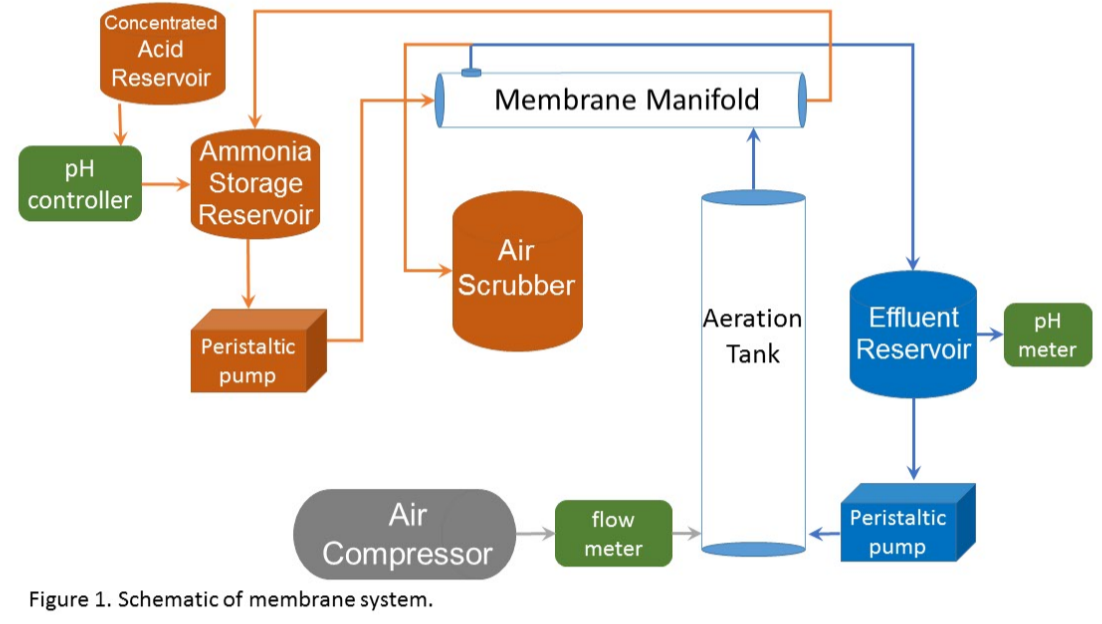
The reactor test (figure 1) system consisted of 19 membrane tubes (ID of 0.16 in, wall thickness of 0.023 in) within a 2.01 in diameter, 24.7 in long reactor giving a membrane density of 3.83 in2 in-3 of reactor. Wastewater first passed through a CO2 stripping column (4.016 in diameter, 55 in length) where a small air stream (0.0614 ft 3 min-1) stripped CO2 from the wastewater and raised the pH one full unit, shifting the equilibrium to NH3 and enhancing transport across the membrane. Batch tests (0.706 ft3) were run for 9-12 days with wastewater recirculating at a rate of 0.16 gal min-1. The recovery fluid inside the tubular membranes was a 0.01 N sulfuric acid solution with the pH automatically maintained below 4.0 standard units and recirculating at a rate of 1/100th the wastewater flowrate. Freshly collected settled wastewater and anaerobic digester effluent were tested to determine the mass of ammonia collected, the acid required to main! tain the low pH of the recovery solution and potential ammonia losses to the atmosphere.

Figure 1. Schematic of membrane system

What have we learned?

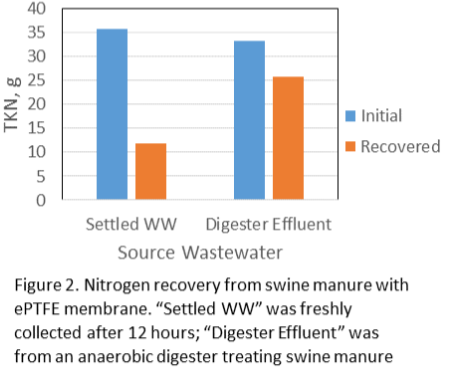
The batch volumes of the two sources contained about the same mass of nitrogen (35.6 g in freshly collected settled wastewater and 33.2 g in digester effluent) but the higher fraction of ammonia in digester effluent resulted in greater recovery (77% vs. 33%).

Future Plans

The best use of this and other recovery technologies cannot be determined by simply comparing the cost of installation and operation with the price of the recovered product. The question of where and how to implement such recovery technologies requires knowledge of the value added by each process and further needs an understanding of how various practices interact and contribute to a sustainable system. Process interactions will suggest one step come before another because of the characteristics produced by one and needed by the other. Anaerobic digestion effluent has different characteristics than the output of a hydrothermal process. As seen in the membrane results, freshly collected liquid waste has a different ammonia : organic nitrogen ratio than digester effluent. Source separated manure solids have high levels of organic phosphorus but digester effluent has high concentrations of dissolved phosphate.

Product recovery is only the beginning of the valuation process; as an industry and as a society, we value conservation for other reasons. We do not yet have a well-accepted way to quantify that value. The avoided cost of nitrogen removal from surface waters is a good start to estimate the value of keeping nitrogen out of drainage and runoff but what is the quantified value of preserving the ecosystem services that excess nitrogen disrupts? The cost of recovered phosphorus may be high relative the current price of virgin phosphate from ore but the value of that recovery process includes the avoided problems in rivers, lakes, and estuaries caused by excess nutrients. The fertilizer value of recovered ammonia that was prevented from escaping to the atmosphere may be small compared to the avoided cost of particulate pollution and the associated health problems.

In addition to improved operation of the membrane reactor system, at least three things are needed to fully realize the value of resource recovery:

1. Cost-effective dewater processes. Rejecting inert water can reduce the capital and/or operating cost of almost all waste management processes;

2. Process to quantify the value of ecosystem services and avoided costs of recovery;

3. Cooperation of and investment from major stakeholders in the form of research funding as well as collaboration regarding processes and feed stocks for fertilizer and feed formulations. Animal production companies have historically been involved but fertilizer companies, feed mill operators, animal nutritionists and others must also be involved.

Corresponding author, title, and affiliation

John J. Classen, Associate professor, Biological and Agricultural Engineering, NC State University

Corresponding author email

john_classen@ncsu.edu

Other authors

J. Mark Rice, Extension Specialist, Biological and Agricultural Engineering, NC State University, Kelly Zering, Professor and Extension Specialist, Agricultural and Resource Economics, NC State University

Additional information

John J. Classen

Biological and Agricultural Engineering

Campus Box 7625

North Carolina State University

919-515-6755

Acknowledgements

This project was supported by NRCS CIG Award 69-3A75-12-183. The authors are grateful for the analytical work of the BAE Environmental Analysis Laboratory, Dr. Cong Tu, manager.

The authors are solely responsible for the content of these proceedings. The technical information does not necessarily reflect the official position of the sponsoring agencies or institutions represented by planning committee members, and inclusion and distribution herein does not constitute an endorsement of views expressed by the same. Printed materials included herein are not refereed publications. Citations should appear as follows. EXAMPLE: Authors. 2017. Title of presentation. Waste to Worth: Spreading Science and Solutions. Cary, NC. April 18-21, 2017. URL of this page. Accessed on: today’s date.
Nutrient Recovery Membrane Technology: Pilot-Scale Evaluation

Proceedings Home W2W Home w2w17 logo

Purpose

Animal manure contains nutrients and organic matter that are valuable to crop production.  Applying manure to nearby fields can be a significant source of environmental contamination, however, if managed incorrectly. In many cases, concentrated animal production facilities are not close enough to sufficient cropland to fully utilize these resources and management of manure becomes more of a disposal issue rather than a utilization opportunity. One potential solution is to remove and concentrate manure nutrients so they can be cost effectively transported longer distances to cropland that is lacking in nutrients.  The objective of this work was to design and test a pilot-scale system to implement a hydrophobic, gas-permeable, ePTFE (a synthetic fluoropolymer) membrane (U.S. patent held by USDA) to recover ammonia from swine wastewater in a solution of sulfuric acid. The pilot-scale system was designed to replicate the laboratory results and to determine critical operational controls that will assist in design of farm-scale systems.

What did we do?

Through a series of preliminary experiments, we established operational criteria and selected a membrane with an inside diameter of 0.16 in., wall thickness of 0.023 in., and a density of 0.016 lb in-3. A test system was developed (Figure 1) with 19 membrane tubes within a 2.01-inch diameter, 24.7-inch-long reactor, giving a membrane density of 3.83 sq. in. per cubic inch of reactor volume. Wastewater first passed through a CO2 stripping column (4.016 in. diameter, 55 in. length) where a small air stream (0.0614 cfm) stripped CO2 from the wastewater and raised the pH one full unit, shifting the equilibrium to NH3 and enhancing transport across the membrane. Batch tests (0.706 ft3) were run for 9-12 days with wastewater recirculating at a rate of 0.16 gpm. The recovery fluid inside the tubular membranes was a 0.01 N sulfuric acid solution with the pH automatically maintained below 4.0 standard units and recirculating at a rate of 1/100th the wastewater flow rate. Freshly collected settled wastewater and anaerobic digester effluent were tested to determine the mass of ammonia collected, the acid required to maintain the low pH of the recovery solution, and potential ammonia losses to the atmosphere.

Figure 1. Schematic of membrane system

What have we learned?

The freshly collected wastewater had an initial mass of 35.6 g nitrogen but the NH3 was only 14.5 g, leading to a recovery of 11.8 g (33% of initial content) over 12 days. The anaerobic digester effluent had an initial mass of 33.2 g nitrogen with an NH3 mass of 31.3 g. The higher fraction of ammonia helped push the recovery to 25.7 g or 77% of the initial nitrogen content (see Figure 2). Very little ammonia was lost with the exhaust air.

Figure 2. Nitrogen recovery from swine manure with ePTFE membrane

Future Plans

An optimized membrane reactor could be a viable tool in ammonia nitrogen recovery from a manure treatment system if used in conjunction with digestion. Higher economic value could be generated by further concentrating the ammonium sulfate product.

Corresponding author, title, and affiliation

John J. Classen, Associate Professor, Biological & Agricultural Engineering, NCSU

Corresponding author email

john_classen@ncsu.edu

Other authors

J. Mark Rice, Extension Specialist, NCSU; Alison Deviney, Graduate Research Assistant, NCSU

Additional information

John J. Classen

Biological and Agricultural Engineering

Campus Box 7625

North Carolina State University

919-515-6755

Acknowledgements

This project was supported by NRCS CIG Award 69-3A75-12-183. The authors are grateful for the analytical work of the BAE Environmental Analysis Laboratory, Dr. Cong Tu, manager.

Recovery of Ammonia and Production of High-Grade Phosphates from Digester Effluents


Proceedings Home | W2W Home w2w17


Purpose

Conservation and recovery of nitrogen and phosphorus from animal wastes and municipal effluents are important because of economic and environmental reasons. This paper presents a novel technology for separation and recovery of ammonia and phosphorus from liquid swine manure, which has significant amount of nutrients but also contains relatively high moisture content.

What Did We Do?

Phosphorus recovery via magnesium (MgCl2) precipitation was enhanced by combining it with ammonia recovery through gas-permeable membranes and low-rate aeration. Detailed procedures used in the research are provided in Vanotti et al. (2017).

Graphic of gas-permeable membrane

What Have We Learned?

The combination of low-rate aeration and gas-permeable membrane N recovery destroyed the natural carbonate alkalinity in the wastewater and increased pH values, which accelerated ammonia uptake in the gas-permeable membrane system and improved the phosphate recovery.  The process provided 100% phosphorus recovery efficiencies.   Surprisingly, the magnesium phosphates produced contained very-high phosphate grade (46% P2O5 ) similar to commercial superphosphate fertilizer and consistent with the composition of a rare biomineral called newberyite  that is found in guano deposits.   This is an important finding because we were able to produce from wastes a valuable phosphate product with high P2O5 content favored by the fertilizer industry.

Future Plans

Research will be summarized showing consistent results obtained with municipal side-stream effluents.  Economic considerations are provided in Dube et at. (2016).

Corresponding author (name, title, affiliation) 

Matias Vanotti, USDA-ARS

Corresponding author email address  

matias.vanotti@ars.usda.gov

Other Authors 

M.B. Vanotti, P.J. Dube, A.A. Szogi, M.C. Garcia-Gonzalez

Additional Information

Dube, P. J., Vanotti, M. B., Szogi, A. A., and García-González, M. C. (2016): Enhancing recovery of ammonia from swine manure anaerobic digester effluent using gas-permeable membrane technology. Waste Management 49:372–377.

Vanotti, M.B., Szogi, A.A., and Dube, P.J.  (2016): Systems and methods for recovering ammonium and phosphorus from liquid effluents. U.S. Patent Application 15/170,129. U.S. Patent and Trademark Office.

Vanotti, M.B., Dube, P.J., Szogi, A.A., M.C. Garcia-Gonzalez (2017): Recovery of ammonia and phosphate minerals from swine wastewater using gas-permeable membranes. Water Research 112:137-146

Acknowledgements

This article is part of USDA-ARS Project 6082-12630-001-00D “Improvement of Soil Management Practices and Manure Treatment/Handling Systems of the Southern Coastal Plains.”  We acknowledge the field and laboratory assistance of William Brigman and Chris Brown, USDA-ARS, Florence, SC, and the field sampling assistance of Diana Rashash, North Carolina Extension Service/ North Carolina State University.

The authors are solely responsible for the content of these proceedings. The technical information does not necessarily reflect the official position of the sponsoring agencies or institutions represented by planning committee members, and inclusion and distribution herein does not constitute an endorsement of views expressed by the same. Printed materials included herein are not refereed publications. Citations should appear as follows. EXAMPLE: Authors. 2017. Title of presentation. Waste to Worth: Spreading Science and Solutions. Cary, NC. April 18-21, 2017. URL of this page. Accessed on: today’s date.

Gas-Permeable Membrane Selection Methodology for Wastewater Treatment and Resource Recovery


Proceedings Home W2W Home w2w17 logo

Purpose 

The use of gas-permeable membranes in wastewater treatment and resource recovery has become an increasingly prevalent research topic. Many of the membranes used for such purposes are expanded PTFE (ePTFE or Teflon), but the specifications, characteristics, and performance under certain conditions of these materials vary widely. In spite of these property differences, we found no documented process or suggested membrane specifications by which one membrane product can be selected over another for a given removal or recovery goal in wastewater. Research we reviewed in this area mostly describe examples of different applications.

Collection of ammonia from waste streams, especially with high concentrations such as animal manures, offers several benefits such as reduction of air pollution precursors, prevention of water pollution, and transformation into higher-value products.

What did we do? 

Tests were selected to evaluate the performance and durability of four different hydrophobic, gas-permeable membranes specific to the application under consideration—ammonia recovery from wastewater—but can be used with slight modification for testing recovery of other compounds of interest.

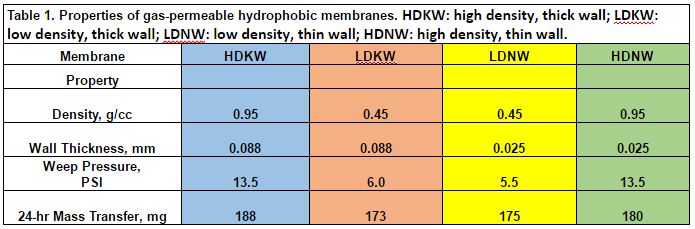
The four Teflon membranes selected differed in material density and wall thicknesses, specifications important for variability in handling, durability, and mass transfer (HDKW: high density, thick wall; LDKW: low density, thick wall; LDNW: low density, thin wall; HDNW: high density, thin wall). Membrane specifications and properties are provided in Table 1. The different membranes were examined in this study spanned across several trials. Experimentation reared data on different membranes’ weep pressure, as well as the airflow rate through the membranes as a function of applied pressure to the membrane. Data were also collected on the rate of transfer of ammonia from the gas phase across the membrane into the aqueous phase over a 24-hour period.

Table 1. Properties of gas-permeable hydrophobic membranes.

I. Weep Pressure Test

The weep pressure is that pressure at which the membrane loses its hydrophobicity and allows liquid to pass. Results are used to estimate the maximum differential pressure the membrane can withstand without compromising membrane integrity. This test of each membrane material was completed in triplicate using prepared sections of each of the four membrane materials. Membranes were first soaked in 0.1 mM sulfuric acid for 24 hours. A section of each membrane material was connected at the end of a column of vinyl tubing and filled with the 0.1 mM H2SO4 solution at a pressure of 0.5 PSI. Pressure was increased by 0.5 psi increments every 24 hours by applying air pressure through a manifold. Pressure was increased until a drop of liquid was found weeping from one or more of the membranes.

II. Air Flow Test

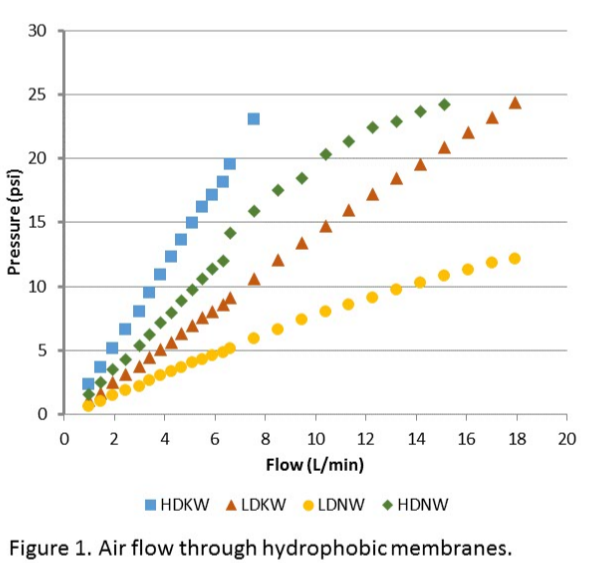
We determined the resistance to airflow through each membrane as an indication of the relative resistance of the various membranes to mass transfer of gas molecules of interest. A section of each of the four materials were connected to a compressed air source through a flow meter and pressure gauge. The pressure was recorded as the airflow rate was increased incrementally to 25 PSI, well past the maximum weeping pressure, or until the flow rate seemed to taper off. The procedure was repeated three times using the same section of each membrane material. The results are shown in Figure 1.

Figure 1. Air flow through hydrophobic membranes

III. Mass Transfer Test (Gas to Liquid Exchange)

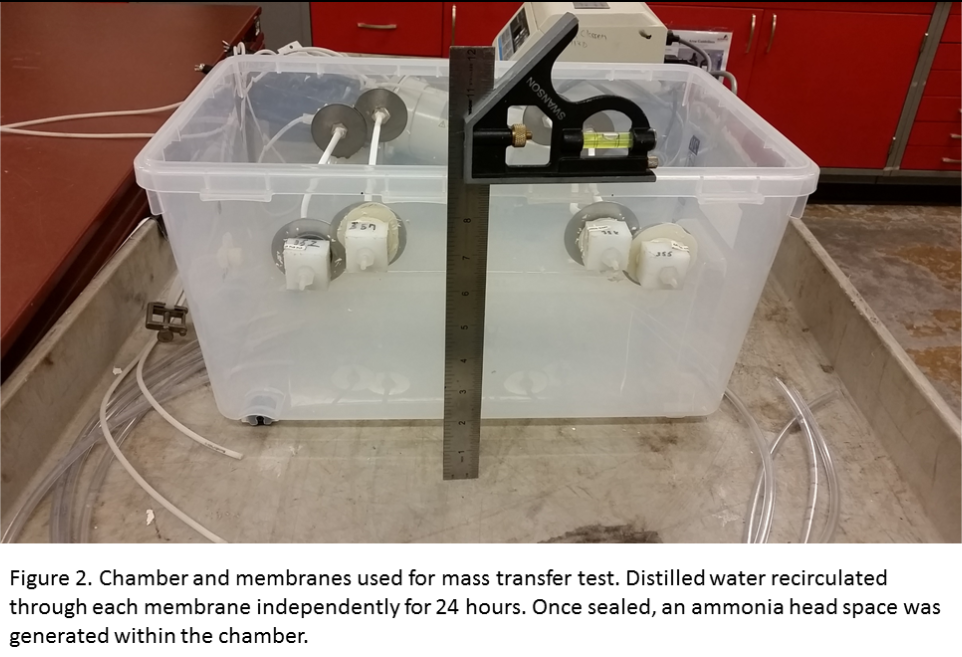
A final test was conducted to estimate if the differences in membrane composition and performance of earlier tests impact the mass transfer of the gas of interest across the membrane. A single section of each of the four membrane materials was installed through bulkhead fittings as shown in Figure 2 into a chamber such that deionized (DI) water could be circulated through each individual membrane while all four membranes were exposed to the same NH3 concentration inside the chamber. NH4Cl was combined with NaOH inside the chamber to produce NH3 gas.

Figure 2. Chamber and membranes used for mass transfer test

What have we learned? 

The results of the mass transfer experiments revealed there are only small differences in ammonia transfer rates among the different membranes, leaving the membrane selection to rely on other results. The weep pressure of the low density membranes was lower than that of the high density membranes but was sufficient to avoid backwards movement of the two fluid phases. The higher airflow rate and lower pressure of the low density thin walled material was the determining factor in selecting this membrane. From these tests, this membrane will survive handling and installation and will provide little resistance to ammonia transfer from wastewater.

Future Plans   

The experiments and conclusions involved in this study are some of the first of their kind for this application, therefore leaving much research to still be done surrounding membrane selection for other material recovery processes. Data gathered in this particular study can serve as a guideline for further research pertaining to optimal membrane characteristics for the recovery of target products from effluent.

Corresponding author, title, and affiliation        

Jacqueline Welles, Undergraduate Research Assistant, Biological and Agricultural Engineering, North Carolina State University

Corresponding author email    

jswelles@ncsu.edu

Other authors   

Elizabeth Gordon, Undergraduate Research Assistant, Biological and Agricultural Engineering, North Carolina State University John J. Classen, Ph.D., Associate Professor, Biological and Agricultural Engineering, North Carolina State University Mark Rice, E

Additional information              

Primary author: Jacqueline Welles – North Carolina State University

Email: jswelles@ncsu.edu

Lead investigator: John Classen, PhD, North Carolina State University

Email: john_classen@ncsu.edu

Acknowledgements       

Funding for this project was provided by NRCS CIG Award Number 69-3A75-12-183. The authors are grateful for the analytical work of the BAE Environmental Analysis Laboratory, Dr. Cong Tu, manager.

Improved Recovery of Ammonia From Swine Manure Using Gas-Permeable Membrane Technology and Aeration

Why Study Nitrogen Recovery from Manure?

Significant efforts are required to abate NH3 emissions from livestock operations. In addition, the costs of fertilizers have rapidly increased in recent years, especially nitrogen fertilizer such as anhydrous ammonia which is made from natural gas. Thus, new technologies for abatement of ammonia emissions in livestock operations are being focussed on N recovery. This presentation shows a novel system that uses gas-permeable membranes to capture and recover ammonia from liquid manure, reducing ammonia emissions from livestock operations, and recovering concentrated liquid nitrogen that could be sold as fertilizer.

What Did We Do?

Nitrogen recovery from swine manure was investigated using a new technology that uses gas-permeable membranes at low pressure. The new process includes the passage of gaseous ammonia contained in the liquid manure through a microporous hydrophobic membrane and capture and concentrate with circulating diluted acid on the other side of the membrane.   The membranes can be assembled in modules or manifolds.  Membrane manifolds are submerged in the manure and the ammonia is removed from the liquid before it escapes into the air. The process involves manure pH control to increase ammonium recovery rate that is normally carried out using an alkali chemical. In this study a new strategy was tested to avoid the use of alkali chemicals.  Instead of the chemical, we applied low-rate aeration and nitrification inhibitor to raise the pH and promote ammonia capture by the membrane system.

Diagram of ammonia recovery system using with gas permeable membranes and low-rate aeration

Figure 1. Diagram of ammonia recovery system using with gas permeable membranes and low-rate aeration

What Did We Learn?

Two studies were conducted to recover N from liquid swine manures containing high ammonia concentrations using a USDA patented gas-permeable membrane system. One study used raw liquid manure from the pit under slatted floor of a farrowing sow’s barn in Segovia, Spain.  The second study used liquid swine manure effluent from a covered lagoon digester in North Carolina, USA.  The new strategy that used low-rate aeration and nitrification inhibition worked quite well in both situations. In the first study using raw manure,  the pH increased and the ammonium concentration was almost depleted: it declined from 2270 mg N/L to 20 mg N/ in 18 days. The ammonia that was removed was recovered efficiently in the concentrator tank (99% recovery efficiency).  Using the same membrane manifold without the aeration protocol, the ammonium concentration in the manure decreased at a slower rate from 2330 mg N/L to 790 mg N/L in 18 days. The results obtained were consistent in the second study that used digested swine effluent.  When low-rate aeration and nitrification inhibitor were added to the gas-permeable membrane reactor, ammonium concentration in the digester effluent decreased rapidly, from 3130 mg N/L to 96 mg N/L, in 5 days.  The recovery efficiency was 98%.  This N removal rate was 5 times faster than a control that used the same membrane reactor and conditions but operated without the aeration protocol.  Overall results obtained in this work indicate the low-rate aeration is an economical alternative to chemical addition to increase ammonia availability and the capture of ammonia by gas-permeable membrane systems. This conclusion is supported by the very high removal and recovery efficiencies obtained resulting in an overall recovery of 95 to 98% of the initial ammonia in the manure.

Future Plans

On-farm demonstration studies will be conducted in 2015 in cooperation with Dr. John Classen, North Carolina State University, through an NRCS Conservation Innovation Grant (CIG) “Ammonia recovery from swine wastewater with selective membrane technology”.  A mobile pilot unit will demonstrate recovery of ammonia from liquid manure effluents using the gas-permeable technology in three different manure collection systems: under floor belt system, scraper system, and anaerobic digester.

USDA seeks a commercial partner to develop and market this invention (Systems and Methods for Reducing Ammonia Emissions form Liquid Effluents and for Recovering Ammonia. US Patent Appl. SN 13/164,363 allowed Dec. 19, 2014)  http://www.ars.usda.gov/business/docs.htm?docid=763&page=5

Authors

Matias Vanotti, USDA-ARS, Florence, South Carolina matias.vanotti@ars.usda.gov

Matias B. Vanotti1, Maria C. Garcia-Gonzalez2, Patrick J. Dube1, Ariel A. Szogi1

1 USDA-ARS, Coastal Plains Soil, Water, and Plant Research Center, Florence, SC

2 Agriculture Technological Institute of Castilla and Leon (ITACyL), Valladolid, Spain

Additional Information

“Livestock Waste Management 2.0: Recycling Ammonia Emissions as Fertilizer” published in the November/December 2012 issue of Agricultural Research magazine  http://www.ars.usda.gov/is/AR/archive/nov12/livestock1112.htm

“Recovery of ammonia with gas permeable membranes” research update at USDA-ARS-CPSWPRC website  http://www.ars.usda.gov/Research/docs.htm?docid=22883#ammonia

Vanotti,M.B., Szogi,A.A.  “Systems and Methods for Reducing Ammonia Emissions form Liquid Effluents and for Recovering Ammonia”. US Patent Appl. SN 13/164,363,  filed June 20, 2011, allowed December 19, 2014.  US Patent and Trademark Office, Washington, DC.

Garcia-Gonzalez, M.C., Vanotti, M.B., Szogi, A.A. 2015. “Recovery of ammonia from swine manure using gas-permeable membranes: Effect of aeration”. Journal of Environmental Management 152:19-26

Acknowledgements

This research was part of USDA-ARS National Program 214 Agricultural and Industrial Byproducts, Research Project 6657-13630-005-00D “Innovative Bioresource Management Technologies for Enhanced Environmental Quality and Value optimization”. Funding by INIA/FEDER Project CC09-072 is gratefully acknowledged.

The authors are solely responsible for the content of these proceedings. The technical information does not necessarily reflect the official position of the sponsoring agencies or institutions represented by planning committee members, and inclusion and distribution herein does not constitute an endorsement of views expressed by the same. Printed materials included herein are not refereed publications. Citations should appear as follows. EXAMPLE: Authors. 2015. Title of presentation. Waste to Worth: Spreading Science and Solutions. Seattle, WA. March 31-April 3, 2015. URL of this page. Accessed on: today’s date.

Ammonia Recovery from Livestock Wastewater with Gas Permeable Membranes

Waste to Worth: Spreading science and solutions logoWaste to Worth home | More proceedings….

Why Study Ammonia Recovery from Livestock Wastewater?

This presentation shows a novel system that uses gas-permeable membranes to capture and recover ammonia from liquid manure, reducing ammonia emissions from livestock operations, and recovering concentrated liquid nitrogen that could be sold as fertilizer.

What Did We Do?

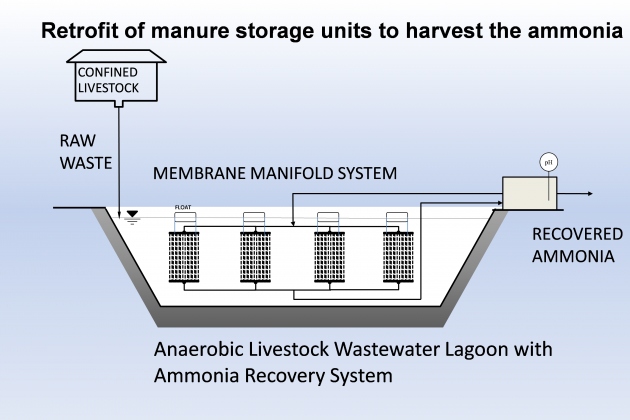
These systems use gas-permeable membranes as components of new processes to capture and recover the ammonia in liquid manures. The new process includes the passage of gaseous ammonia contained in the liquid manure through a microporous hydrophobic membrane and capture and concentration with circulating diluted acid on the other side of the membrane.   The membranes can be assembled in modules or manifolds.  For liquid manure applications, the membrane manifolds are submerged in the liquid and the ammonia is removed from the liquid manure in barn pits or storage tanks and lagoons before it goes into the air.

Cross-sectional diagram of ammonia capture using hydrophobic gas-permeable membrane.  Ammonia gas (NH3) in the liquid manure permeates through hydrophobic membrane walls with micron-sized pores, where it combines with the free protons (H+) in the acid solution to form non-volatile ammonium ions (NH4+).

What Have We Learned?

The concept was successfully tested using concentrated swine manure effluents containing 140 to 1,400 mg/L NH4-N. The use of gas-permeable membranes to remove ammonia from liquid manure was effective, and the rate of N recovery by the gas-permeable membrane system was higher with higher ammonia concentration in the manure.  While ammonia gas passed readily through the membrane pores, the soluble COD compounds did not pass. An average removal rate from 45 to 153 milligrams of ammonia per liter per day was obtained when ammonia concentrations in swine lagoon liquid ranged from 138 to 302 milligrams ammonia per liter.  The rate of ammonia recovery was also increased with increased pH of the wastewater. With a natural pH of 8.3, the rate of N recovery was about 1.2% per hour.  This rate was increased 10 times (to 13% per hour) at pH of 10 after alkali addition.  In another study, we immersed the membrane module into raw liquid manure that had 1,400 milligrams of ammonia per liter, and after 9 days, the total ammonia concentration decreased about 50 percent to 663 mg per liter. The gaseous ammonia in the liquid (or free ammonia) linked to ammonia emissions decreased 95 percent from 114.2 to 5.4 milligrams per liter. The same process was used in 10 consecutive batches of raw swine manure and ended up recovering concentrated nitrogen in a clear solution that contained 53,000 milligrams of ammonia per liter.  The new technology could help change on-farm nitrogen management: Livestock producers could use the technology to help meet air-quality regulations, save fuel, protect the health of livestock and their human caretakers, improve livestock productivity, and recover concentrated liquid nitrogen that can be re-used in agriculture as a valued fertilizer.

Diagram of ammonia recovery system using with gas permeable membranes

Recovery and concentration of ammonia from liquid manure using gas-permeable membrane system. Diagram and pictures show prototype testing, using the same stripping solution with repeated batches of liquid manure.

Future Plans

On-farm demonstration studies will be conducted in 2013-2014 in cooperation with Dr. John Classen, North Carolina State University, through an NRCS Conservation Innovation Grant (CIG) awarded in FY2012 “Ammonia recovery from swine wastewater with selective membrane technology”.  The project will demonstrate recovery of ammonia from liquid manure effluents using the gas-permeable technology in three different manure collection systems: under floor belt system, scraper system, and anaerobic digester.

USDA seeks a commercial partner to develop and market this invention (US Patent Appl. SN 13/164,363)  http://www.ars.usda.gov/business/docs.htm?docid=763&page=5

Authors

Matias Vanotti, USDA-ARS, Florence, South Carolina, matias.vanotti@ars.usda.gov

Matias Vanotti, Ariel Szogi,  Patrick Hunt

USDA-ARS, Coastal Plains Soil, Water, and Plant Research Center, Florence, SC

Additional Information

Livestock Waste Management 2.0: Recycling Ammonia Emissions as Fertilizer published in the November/December 2012 issue of Agricultural Research magazine  http://www.ars.usda.gov/is/AR/archive/nov12/livestock1112.htm

“Recovery of ammonia with gas permeable membranes” research update at USDA-ARS-CPSWPRC website  http://www.ars.usda.gov/Research/docs.htm?docid=22883#ammonia

Vanotti,M.B., Szogi,A.A.  “Systems and Methods for Reducing Ammonia Emissions form Liquid Effluents and for Recovering Ammonia”. US Patent Appl. SN 13/164,363,  filed June 20, 2011.  US Patent and Trademark Office, Washington, DC.

Vanotti, M.B., Szogi, A.A. 2010. “Removal and recovery of ammonia from liquid manure using gas-permeable membranes”. In: Proceedings of the 2010 American Society of Agricultural and Biological Engineers Annual International Meeting, June 20-23, 2010, Pittsburgh, Pennsylvania. 5 p. Paper No. 1008376.

The authors are solely responsible for the content of these proceedings. The technical information does not necessarily reflect the official position of the sponsoring agencies or institutions represented by planning committee members, and inclusion and distribution herein does not constitute an endorsement of views expressed by the same. Printed materials included herein are not refereed publications. Citations should appear as follows. EXAMPLE: Authors. 2013. Title of presentation. Waste to Worth: Spreading Science and Solutions. Denver, CO. April 1-5, 2013. URL of this page. Accessed on: today’s date.