Why Be Concerned with Feed Rations and Their Environmental Implications?
During the last part of the 20th century, animal manure management became an environmental concern. In response to these concerns, legislation was enacted to control manure management and the emission of undesirable gasses (e.g., methane, ammonia, nitrous oxide) from animal production systems. The purpose of this paper is to illustrate how mineral phosphorus (P) supplements, forage types and amounts, and the crude protein (CP) fed to lactating cows impact manure chemistry and the fate of manure nutrients in the environment.
What Did We Do?
Source-sink relationships have been used to illustrate relationships between feed nutrient sources (e.g., forms and concentrations of P and CP in lactating cows rations) and nutrient sinks (milk and manure), and relationships between manure nutrient sources (e.g., soluble P, urea N) and sinks [soil test P, runoff P, atmospheric ammonia, soil inorganic nitrogen (N), crop N] and the impact of these relationships on the environment.
What Have We Learned?
As mineral P concentrations in dairy rations increase, the excretion of total P and soluble P in manure also increases. The amount of cropland needed to recycle manure P and runoff of soluble P from cropland after manure application can be related back to the P excreted in manure, which in turn can be linked to the amount of mineral P in cow rations. Likewise, the type and amount of CP and forage fed to dairy cows impact manure chemistry and manure N losses as ammonia, N cycling in soil, including plant N uptake. Ammonia emissions from dairy barns and soil after manure application can be related back to the urea N excreted by dairy cows in urine, which is linked to the types and concentrations of CP and forages in cow rations, and the concentrations of urea in milk (milk urea N, or MUN). Our results demonstrate that profitable rations can be fed to satisfy the nutritional demands of healthy, high producing dairy cows, reduce manure excretion and therefore the environmental impacts of milk production.
Future Plans
We continue investigations on how the feeding of tannins to lactating dairy cows, and the use of MUN as a management tool may enhance feed CP use efficiency (more feed CP transformed into milk, less excreted in manure) and reduce losses of ammonia, nitrates and nitrous oxide from dairy farms.
Authors
J. Mark Powell, Soil Scientist. USDA-ARS U.S. Dairy Forage Research Center, Madison, Wisconsin, mark.powell@ars.usda.gov
Glen A. Broderick, Dairy Scientist, USDA-ARS U.S. Dairy Forage Research Center, Madison, Wisconsin
Additional Information
Powell, J.M. and Broderick, G.A. Transdisciplinary soil science research: Impacts of dairy nutrition on manure chemistry and the environment. Soil. Sci. Soc. Am. J. 75:2071–2078.
Powell, J.M. Alteration of Dairy Cattle Diets for Beneficial On-Farm Recycling of Manure Nutrients. pp 21-42 In: Applied Research in Animal Manure Management. Zhongqi H. (Ed.) Nova Science Publ. Inc.
Powell, J.M., Wattiaux, M.A., and Broderick, G.A. Evaluation of milk urea nitrogen as a management tool to reduce ammonia emissions from dairy farms. J. Dairy Sci. 94:4690–4694.
The authors are solely responsible for the content of these proceedings. The technical information does not necessarily reflect the official position of the sponsoring agencies or institutions represented by planning committee members, and inclusion and distribution herein does not constitute an endorsement of views expressed by the same. Printed materials included herein are not refereed publications. Citations should appear as follows. EXAMPLE: Authors. 2013. Title of presentation. Waste to Worth: Spreading Science and Solutions. Denver, CO. April 1-5, 2013. URL of this page. Accessed on: today’s date.
The major source of emissions in animal production sites is from animal waste (manure), which can be in solid, slurry, or liquid states, exhibiting varying physical properties. Once manure is excreted from an animal, processes of biological decomposition and formation of gaseous compounds continue, but diminish as the manure cools and dries. However, increases in gas emissions following rewetting, particularly from precipitation, have been observed in various agricultural lands. Our study investigates changes of gaseous emissions through manure drying and rewetting processes to identify the effects of climatic conditions and manure management on gaseous emissions. We carried out drying and rewetting processes of dairy manure in a greenhouse to maintain moderate wintertime temperatures (20 – 40 C) while monitoring gaseous emissions through these processes. Closed dynamic chambers (CDC) coupled with a multiplexed Fourier Transformed Infrared (FTIR) spectroscopy gas analyzer provided gas flux estimates. The analyzer was capable of monitoring 15 pre-programmed gases simultaneously including typical gaseous compounds and greenhouse gases emitted from manure sources; namely, ammonia, carbon dioxide, methane, nitrous oxide, oxides of nitrogen, and volatile organic compounds. Magnitude of dairy manure gas emissions resulting from variations in moisture and temperature provide insight toward enhancing manure management decisions. Results from our study should further understanding of manure gas emission temporal dynamics that are largely dictated by heat and by drying and rewetting processes that impact the generation and delivery of gasses to the atmosphere. Our overall goal is to advance development of appropriate best management practices to reduce gas emissions for dairy operations in semi-arid regions.
Purpose
The objective of this project is to identify the effects of climatic conditions and manure management on gaseous emissions. The results from our study will be used to advance development of appropriate best management practices to reduce gas emissions for dairy operations in semi-arid regions.
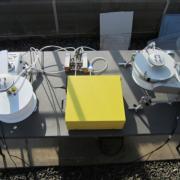
Fig 1. Gas emissions from two dairy manure samples were monitored in a greenhouse to compare the magnitude of gas fluxes through manure drying and rewetting processes.
What Did We Do?
We investigated changes in gaseous emissions by carrying out drying and rewetting processes of dairy manure in a greenhouse to maintain moderate summertime temperatures (20 – 40 oC) while monitoring gaseous emissions. Closed dynamic chambers (CDC) coupled with a multiplexed Fourier Transformed Infrared (FTIR) spectroscopy gas analyzer provided gas flux estimates. The analyzer was capable of monitoring 15 pre-programmed gases simultaneously including typical gaseous compounds and greenhouse gases emitted from manure sources; namely, ammonia, carbon dioxide, methane, nitrous oxide, oxides of nitrogen, and volatile organic compounds. Gas emissions from two dairy manure samples were monitored to compare the magnitude of gas fluxes during 14 days of manure drying and rewetting processes.
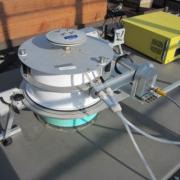
Fig 2. Gas emissions were determined using the closed dynamic chambers integrated with a multiplexed Fourier Transformed Infrared (FTIR) spectroscopy gas analyzer.
What Have We Learned?
An increase in surface water content occurring after a rewetting event (e.g., simulated 5 mm of rain) represents an abrupt increase in manure moisture content, which can promote microbial activity and a commensurate increase in gas emissions from manure. In our study, we found gas fluxes were actually suppressed during and shortly after the rewetting process, mainly due to reduction in air-filled pore space causing reduced gas diffusivity in the manure crust layer. As the wet layer dried, gas emissions eventually increased to levels prior to wetting.
Future Plans
Future experiments include: (1) simulation of manure drying-rewetting with various amount of water and rewetting times, (2) considering the immediate response time and effective period of the pulse response of the gas fluxes after rewetting which might have been missed in our study, (3) Further
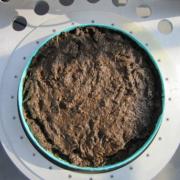
Fig 3. Manure sample after the rewetting process.
investigation of the effect of the crust layer on water and gas transport from and into manure.
Authors
Pakorn Sutitarnnontr, Graduate Student, Dept. of Plants, Soils, and Climate, Utah State University, pakorn@aggiemail.usu.edu
Enzhu Hu, Dept. of Plants, Soils, and Climate, Utah State University
Rhonda Miller, School of Applied Sciences, Technology, and Education, Utah State University
Markus Tuller, Dept. of Soil, Water, and Environmental Science, University of Arizona
Scott B. Jones, Dept. of Plants, Soils, and Climate, Utah State University
Additional Information
Contact Information: Pakorn Sutitarnnontr, Environmental Soil Physics Laboratory, Dept. of Plants, Soils, and Climate, Utah State University. Email: pakorn@aggiemail.usu.edu
Acknowledgements
The authors gratefully acknowledge support from the USDA-NIFA under the AFRI Air Quality Program (Grant # 2010-85112-50524) and the Western Sustainable Agriculture Research and Education Program (Grant # GW13-006).
The authors are solely responsible for the content of these proceedings. The technical information does not necessarily reflect the official position of the sponsoring agencies or institutions represented by planning committee members, and inclusion and distribution herein does not constitute an endorsement of views expressed by the same. Printed materials included herein are not refereed publications. Citations should appear as follows. EXAMPLE: Authors. 2013. Title of presentation. Waste to Worth: Spreading Science and Solutions. Denver, CO. April 1-5, 2013. URL of this page. Accessed on: today’s date.
Why Study Adaptation of Livestock to Climate Change?
The complex of our study was aimed at exploring the effects of warm climate in farm animals, at constructing bioclimate scenarios and at developing adaptation options that may permit to alleviate the impact of hot climate on the livestock industry.
What Did We Do?
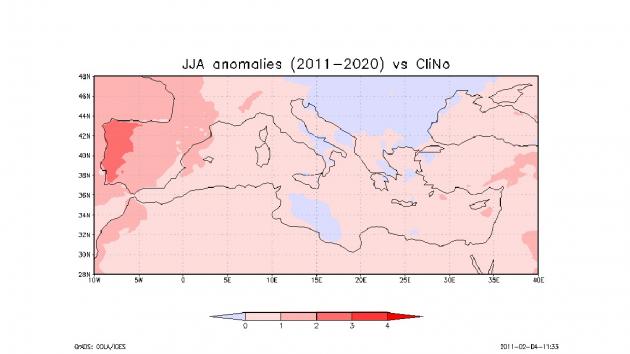
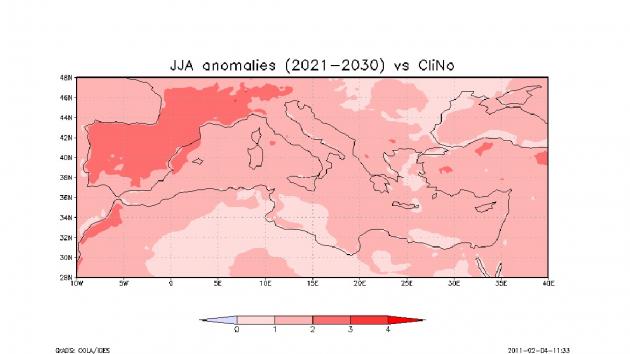
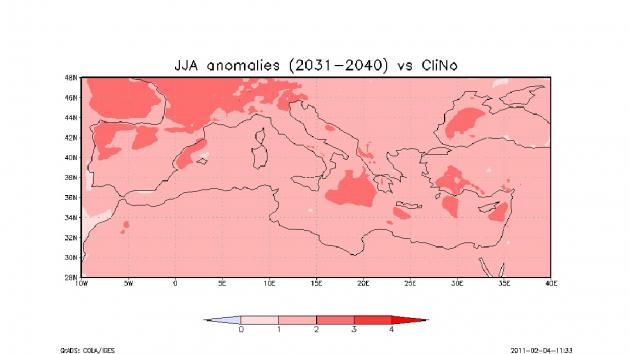
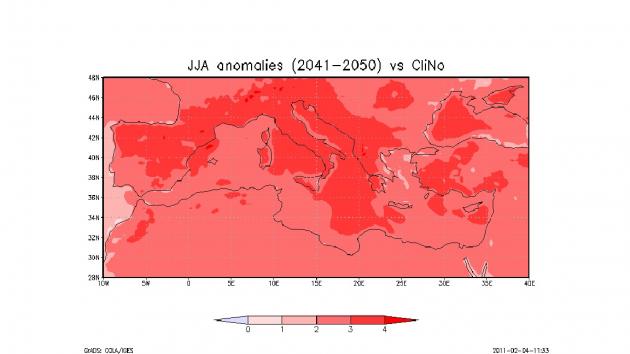
Most of our research work was relative to dairy cows. We realized several studies by different experimental approaches. First of all, we have been running numerous experiments under climate chamber conditions followed by a number of field studies. To reach more precise objectives, we also performed several in vitro studies on selected cell populations. In the last few years we have been also building and exploring multi-year datasets and measuring the impact of air temperature and relative humidity on performances and health in intensively managed dairy cows/pigs. Finally, we have been working on bioclimate, namely temperature humidity index (THI), characterization of selected geographic areas both retrospectively and in terms of scenario (Figure 1).
Figure 1. Regional distribution of Mediterranean summer (JJA, June-July-August) temperature humidity index anomalies versus CliNo (Climate Normal, 1971-2000 period) for the four decades 2011-2020, 2021-2030, 2031-2040, and 2041-2050 (Segnalini et al., in press)
What Have We Learned?
We have learned that the ability of dairy cows to breed, grow, and lactate to their maximal genetic potential, and their capacity to survive and keep healthy is dramatically influenced by climate, meteorological events and biological environment and their interactions. Climate and meteorological features affect animals both indirectly and directly. Indirect effects include those exerted on quality and quantity of crops and pastures and on survival of pathogens and/or their vectors. The direct effects of air temperature on animals depend on their ability to maintain a normal body temperature under unfavourable thermal conditions. A series of studies carried out at Mediterranean level, one of the hot spot in the context of global warming, pointed out a constant increase for livestock of the risk to suffer from heat stress related conditions. Climate change is imposing a growing attention to adaptation measures, which may help farm animals to face with conditions of environmental warmth. These may include set up of meteorological warning systems, revision of health maintenance strategies, correction of feeding plans, shade, sprinkling, air movement, active cooling, genetic selection, and others.
Future Plans
To develop comprehensive frameworks to identify and target adaptation options that are appropriate for specific contexts.
Authors
Alessandro Nardone, Professor, Dipartimento per la Innovazione nei sistemi Biologici, Agroalimentari e Forestali (DIBAF), Università degli Studi della Tuscia, Viterbo, Italy nardone@unitus.it
Nicola Lacetera, Professor, Dipartimento di scienze e tecnologie per l’Agricoltura, le Foreste, la Natura e l’Energia (DAFNE), Università degli Studi della Tuscia, Viterbo, Italy
We gratefully acknowledge National (CNR, MIUR, MIPAF) and International (UE) funding bodies, and Umberto Bernabucci, Bruno Ronchi, Andrea Vitali, Maria Segnalini, Alessio Valentini, Patrizia Morera, Loredana Basiricò, M. Stella Ranieri and others in quality of co-authors of the numerous peer-reviewed papers we published in this field during the last 20 years.
The authors are solely responsible for the content of these proceedings. The technical information does not necessarily reflect the official position of the sponsoring agencies or institutions represented by planning committee members, and inclusion and distribution herein does not constitute an endorsement of views expressed by the same. Printed materials included herein are not refereed publications. Citations should appear as follows. EXAMPLE: Authors. 2013. Title of presentation. Waste to Worth: Spreading Science and Solutions. Denver, CO. April 1-5, 2013. URL of this page. Accessed on: today’s date.
The purpose of this study was to investigate greenhouse gas (GHG) emission sources in a typical cow-calf operation in Florida and to calculate its total carbon footprint. The most important greenhouse gas source found was enteric fermentation, hence further investigation of this factor is being developed with field trials.
Why Study the Carbon Footprint of Cow-Calf Systems?
We estimated the carbon footprint of the cow-calf operation held in Buck Island Ranch, with data from 1998 to 2008. This production system has around 3000 cows and 250 bulls, has low fertilizer and lime inputs and feeding is pasture and hay based with some use of molasses and urea. Natural mating is used and calves are kept in the farm until 7 months old. The Intergovernmental Panel on Climate Change (IPCC, 2006) methodology was used along with emission factors from USDA (EPA, 2009) to estimate emissions at different levels of complexity (Tier 1 being the least complex and Tier 3 the most), according to data availability, and transformed in carbon dioxide equivalent (CO2eq). A field trial to measure ruminal methane emissions was held at the North Florida Research and Education Center in Marianna, Florida, from June 26th to September 18th. The experiment treatments consisted of three stocking rates (1.2, 2.4 and 3.6 AU/ha, where one animal unit is 360) with four replicates each. The ruminal methane emissions were measured three times using the sulfur hexafluoride (SF6) tracer technique (Johnson et al., 1994). Experimental weight gain and average initial weight of each experimental unit were used to estimate emissions with the IPCC’s Tier 3 methodology.
Table 1. Sources of greenhouse gases in units of carbon dioxide equivalent (CO2eq). Data retrieved from Buck Island Ranch from 1998 to 2008.
Figure 2. Animal with SF6 sample collection apparatus. Marianna, Florida, August 2012.
What Have We Learned?
Results of the carbon footprint calculation are shown in Table 1. We can observe that enteric fermentation is responsible for almost 60% of total emissions in this production system, varying with feed quality, age of animal (since calves under 7 months age are not considered to produce any methane), and number of animals in the farm. It was also found that this model is most sensitive to variations in weight gain. The second most important source of GHG is manure with more than 23 of emissions. The yearly variation in emissions is a result of the use of nitrogen fertilization and lime or burning of the pasture. On average 477,936 kg of live weight are produced every year in the ranch, resulting in an average of 24.6 kg CO2eq/kg live weight that leaves the farm. Results from the field trials were compared with default values from IPCC’s Tier 1 methodology and USDA, and to IPCC’s Tier 3. We can see that on Period 2 the weight gain on the 2.4 AU/ha treatment was greater than on the 3.6 AU/ha (Figure 1). Since the model used is highly sensitive to weight gain, the prediction resulted in higher methane emissions from the 2.4 AU/ha treatment. The field measurements (Figure 2), however, showed more emissions in the 3.6 AU/ha treatment showing that other factors besides weight gain might play an important role on enteric fermentation methane emissions.
Future Plans
Our future plans include the use of field data to perform a prediction analysis with the model under study. Also, we plan to do in vitro gas production technique (IVGPT) to simulate ruminal fermentation and have a better understanding of emissions.
Authors
Marta Moura Kohmann, M.S. student, Agricultural and Biological Engineering Department, University of Florida. mkohmann@ufl.edu
Clyde W. Fraisse, PhD., Associate Professor, Agricultural and Biological Engineering Department, University of Florida.
The author would like to thank Faculty and Staff at the North Florida Research and Education Center for the assistance during the field trial.
The authors are solely responsible for the content of these proceedings. The technical information does not necessarily reflect the official position of the sponsoring agencies or institutions represented by planning committee members, and inclusion and distribution herein does not constitute an endorsement of views expressed by the same. Printed materials included herein are not refereed publications. Citations should appear as follows. EXAMPLE: Authors. 2013. Title of presentation. Waste to Worth: Spreading Science and Solutions. Denver, CO. April 1-5, 2013. URL of this page. Accessed on: today’s date.
Pastures cover more than 14 million hectares in the eastern half of the United States and support grazing animal and hay production while also contributing to the maintenance of overall environmental quality and ecosystem services. Climate change is likely to alter the function of these ecosystems. This manipulative field experiment evaluated the effect of warming and additional precipitation on forage production and quality.
What Did We Do?
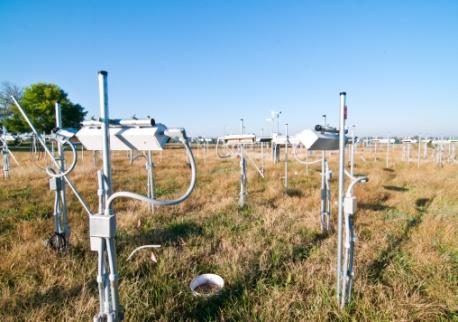
We initiated a multi-factor climate change study, elevating air temperature (+3º C) and increasing growing season precipitation (+30% of long-term mean annual), in a central Kentucky pasture managed for hay production. Treatments began in May 2009 and have run continuously since. We measured the effects of warming and increased precipitation on pasture production, forage quality metrics, and for endophyte-infected tall fescue, ergot alkaloid concentrations.
Photo of the UK Forage Climate Change Experiment in Lexington, KY.
What Have We Learned?
Effects of warming and increased precipitation on total yearly pasture production varied depending on the year of study; however, climate treatments never reduced production below that of the ambient control. Effects on forage quality metrics were relatively subtle. For endophyte-infected tall fescue, warming increased both ergovaline and ergovalinine concentrations (+40% of that in control ambient plots) throughout the study. These results indicate that central Kentucky pastures may be relatively resilient to future climate change; however, warming induced increases in ergot alkaloid concentrations in endophyte-infected tall fescue suggests that animal issues associated with fescue toxicosis are likely to be exacerbated under future climatic conditions.
Aerial photo of the UK Forage Climate Change Experiment.
Future Plans
We will continue this study for one more growing season and then destructively harvest it (in Fall 2013).
Authors
Rebecca McCulley, Associate Professor, Dept of Plant and Soil Sciences, University of Kentucky, rebecca.mcculley@uky.edu
Jim Nelson – Research Scientist, Dept. of Plant & Soil Sciences, University of Kentucky
A. Elizabeth Carlisle – Research Technician, Dept. of Plant & Soil Sciences, University of Kentucky
We acknowledge the support of DOE-NICCR grant DE-FC02-06ER64156, UK’s College of Agriculture Research Office, the USDA-ARS Forage Animal and Production Research Unit (specific cooperative agreement 58-6440-7-135), the Kentucky Agricultural Experiment Station (KY006045), and numerous undergraduates and graduate students who have helped collect the data presented herein.
The authors are solely responsible for the content of these proceedings. The technical information does not necessarily reflect the official position of the sponsoring agencies or institutions represented by planning committee members, and inclusion and distribution herein does not constitute an endorsement of views expressed by the same. Printed materials included herein are not refereed publications. Citations should appear as follows. EXAMPLE: Authors. 2013. Title of presentation. Waste to Worth: Spreading Science and Solutions. Denver, CO. April 1-5, 2013. URL of this page. Accessed on: today’s date.
Why Should We Consider How to Present Scientific Information?
To engage a wide spectrum of agricultural producers in the discussion of human-induced climate change and its mitigation.
What Did We Do?
Our initial Extension efforts on climate change in Kentucky were based on an information-deficit model, which assumes that citizens fail to accept climate change because they don’t understand the science. However, social science research indicates that this topic has cultural significance for many agricultural producers, suggesting that presentation of sound scientific information alone is likely to be unpersuasive. Based on social science research, we redesigned our outreach efforts to emphasize: (1) more selective presentation of geophysical data; (2) positive messages as frequently as possible; and (3) messages that speak to core identities of citizens with diverse worldviews.
What Have We Learned?
Starting discussions on this sensitive topic are more successful if we make it clear to producers how much we appreciate their role in producing our food and, yes, in helping to reduce climate change. For example, U.S. producers deserve to be congratulated for the dramatic improvements made in agricultural productivity over the decades, since this has resulted in substantial reductions in carbon emissions when expressed per unit of production (per bushel, per gallon of milk, etc). We also point out practices they already do that help to reduce climate change, including energy-conservation measures and capturing biogas.
Future Plans
We plan to continue providing and refining our outreach on climate change, based on feedback from audiences and research from the social sciences. While we recognize that our current efforts may not quickly result in increased action on climate-change mitigation, our approach is designed to build acceptance of climate change as a topic deserving of the engagement of a wide range of citizens. Our working assumption is that promoting discussion on this highly divisive topic requires sensitivity to, and respect for, the diversity of worldviews held by Americans
Authors
Paul Vincelli, Provost’s Distinguished Service Professor, University of Kentucky; pvincell@uky.edu
Rebecca McCulley, Associate Professor, University of Kentucky
The authors are solely responsible for the content of these proceedings. The technical information does not necessarily reflect the official position of the sponsoring agencies or institutions represented by planning committee members, and inclusion and distribution herein does not constitute an endorsement of views expressed by the same. Printed materials included herein are not refereed publications. Citations should appear as follows. EXAMPLE: Authors. 2013. Title of presentation. Waste to Worth: Spreading Science and Solutions. Denver, CO. April 1-5, 2013. URL of this page. Accessed on: today’s date.
Anaerobic digestion has many advantages both environmentally and economically. First, it produces renewable energy in the form of methane, a renewable energy source, which leads to a steady increase in the number of anaerobic manure digesters in the United States. According to the report from the World Dairy Expo held in Madison, Wisconsin in 2009 (Expo’09, 2009), the US dairy industry is taking the lead in adopting anaerobic technology because the majority (over 75%) of operating US manure digesters is installed on dairy farms. It is anticipated that this trend will continue as the country has determined to reduce its reliance on ever diminishing fossil-based energy resources.
Second, the technology can significantly reduce the polluting strength of the treated waste materials, such as chemical oxygen demand (COD), thus ameliorating their pollution potential to the environment when discharged. Due to the nature of dairy operations, a tangible amount of milk coming from the milking parlor wastewater is often discharged to the bulk manure, which can dramatically increase the COD level of such waste streams. The high COD content (190,000 mg/L) of milk makes the common practice of land applying the milk contaminated manure dangerous due possibly to the potential of causing severe contamination of surface and ground waters from runoff and leaching. Such practice is therefore drawing increased scrutiny from the public and environmental regulatory agencies. Fortunately, with the number of dairy producers willing to adopt anaerobic digesters on their farms continuing to grow, the concern for such pollution could be tempered.
However, a remaining question of this remedy is whether the added milk has any impact on the overall digestion process in terms of biogas production and pollutants removal.
What Did We Do?
In this project, the overall response of co-digesting dairy manure with milk added at 7 different levels, i.e., 1, 3, 5, 7, 9, 14, and 19%, using lab-scale batch anaerobic digesters was investigated. The co-digestion performance was evaluated based on total biogas volume production, methane concentration, and its volume in the biogas generated. The changes and/or reductions in COD of the treated liquid were also presented.
What Have We Learned?
Cumulative Biogas Production Affected by Different Milk Content
First, increasing milk content could increase the cumulative biogas production during the operation, with the total volume of biogas produced being 5260, 5790, 6300, 7010, 7480, 8960, and 10150 mL for the milk treatments of 1, 3, 5, 7, 9, 14, and 19%, respectively, as opposed to the control (4980 mL). Second, higher milk content could significantly raise the initial biogas production rate. Third, the presence of milk appeared to have some influence on the stability of the digestion process, as evidenced by the fluctuation of biogas production at high milk concentrations. For instance, the treatments having milk content up to 7% demonstrated a similar trend. But for milk content of 9, 14, and 19%, the fluctuation in biogas production volume became progressively conspicuous. Especially for the 19% milk treatment, the biogas volume produced first jumped from 190 mL at 6 hour to 1190 mL at 12 hour after the digestion started, followed by a relatively moderate production period before it jumped again after 8 days of digestion. Considering the results from this study, it may be concluded that milk can increase biogas production when co-digested with dairy manure.
Cumulative CH4 Volumes Affected by Different Milk Content
The performance of different treatments in cumulative CH4 production indicates that adding milk to dairy manure digestion will promote the volumetric production of both biogas and methane. However, the CH4 content in the produced biogas deteriorated as the milk content increased (from 66.5% for the control to 63.5% for 19% milk treatment). It can thus be inferred that although the volumes of total biogas and methane were increased by increasing the milk content in the digester, the increase in methane volume was not in tandem with that in total biogas volume, implying that a significant amount of CO2 was concurrently produced. Apparently, the presence of milk in the digestion substrate is the only legitimate cause for the increasing production of CO2. In addition, although the effect of milk on lowering the CH4 content in biogas is observed for all milk treatments, the extent of such an effect is different. The milk impact on CH4 content in biogas was not significant for manure containing milk up to 3% (v/v), but it turned significant at 5%. Summarizing the above discussions leads to an intuitive suggestion that in order to avoid production of a substantial amount of CO2 due to the spilled milk in the digestion process, dairy producers should manage to control the milk content in the digester liquid ≤ 3%.
COD, TKN, and C/N Ratio Changes in Digestates From the Digestion of Dairy Manure with Milk
The added milk substantially increased the digester content COD as the amount of milk increased. However, at the end of the experiment, the final COD concentration in most digester effluent samples reached a fairly similar level, suggesting that the digestion process for the majority of the treatments was completed properly. In addition, since all the experiments were run on the same time schedule, the COD degradation efficiency obviously increased with increasing milk addition from 49.7% for the control to 77.8% for the 19% milk treatment. The improved COD removal efficiency in company with the increasing milk content could be attributed to the gradually elevated C/N ratio due to the added milk (from 5.19 for the control to 10.7 for the 19% treatment) because it is recognized that the optimum C/N ratio for anaerobic digestion is around 20/1 to 30/1, which could explain the continuous increase in COD removal as the C/N ratio increased. At the end of experiment, the effluent C/N ratio averaged 2.75, which was very close to the value for the digested dairy manure (2.83). As for TKN, the removal efficiency is almost negligible, which is the typical behavior commonly observed for anaerobic digestion, indicating that the digestion operation was carried out successfully. Based on the information obtained from this study, it may be concluded that milk content up to 19% (v/v) in dairy manure may have little negative impact on COD removal efficiency in the anaerobic digestion process.
Future Plans
Two stage digestion process to produce hydrogen and methane may be studied with milk addition.
Dong, C., Associate Professor, Zhejiang Gongshang University, Hangzhou, China
Yao, W., Postdoc, University of Kentucky
Additional Information
Wu, X., C. Dong, W. Yao, J. Zhu. 2011. Anaerobic digestion of dairy manure influenced by the wasted milk from milking operations. Journal of Dairy Science 94(8): 3778-3786.
Acknowledgements
The authors wish to thank the Minnesota Legislature Rapid Agricultural Response Fund for providing financial support to this project.
The authors are solely responsible for the content of these proceedings. The technical information does not necessarily reflect the official position of the sponsoring agencies or institutions represented by planning committee members, and inclusion and distribution herein does not constitute an endorsement of views expressed by the same. Printed materials included herein are not refereed publications. Citations should appear as follows. EXAMPLE: Authors. 2013. Title of presentation. Waste to Worth: Spreading Science and Solutions. Denver, CO. April 1-5, 2013. URL of this page. Accessed on: today’s date.
Manure storage design and operation are influenced by climate and weather. The Northeast United States has been identified as likely to experience more frequent and larger precipitation events in climate change models. The Northeast Regional Climate Center (NRCC) predicts that particularly in New York and New England where the frequency of 2 inch rainfall events has increased since the 1950s and storms once considered a 1 in 100 year event have become more frequent. Such storms are now likely to occur almost twice as often. In consultation with Natural Resource Conservation Service (NRCS) the NRCC has put together a website www.precip.net that includes estimates of extreme rainfall for various durations (from 5 minutes to 10 days) and recurrence intervals (1 year to 500 years). Although the public website remains static, providing design criteria, updated data is continually collected. It is anticipated that this will show a continual shift in extreme rainfall amounts. Monthly and yearly rainfall also impact manure storage design. The impacts of both changing extreme rainfall and monthly rainfall amounts on manure storage design are explored. Higher freeboard amounts to protect from overtopping and more total storage to provide flexibility in abnormally wet weather are recommended to be incorporated in manure storage facility designs.
Why Are We Concerned About Climate Change Impacts on Manure Storage?
The need to increase the storage capacity of manure storages due to climate change is evaluated. Although the weather is variable, climate change appears to increase precipatation especially during the winter storage period. This increase in precipatation and the increased control of winter manure spreading puts farms with too little storage at greater risk. Although in general the 25 year 24 hour storm has not increased in NY, farms have experienced less storage than anticipated. The use of average precipitation amounts based on the full period of record doesn’t take into account above average precipitation during the storage period or recent increases in winter precipitation.
What Did We Do?
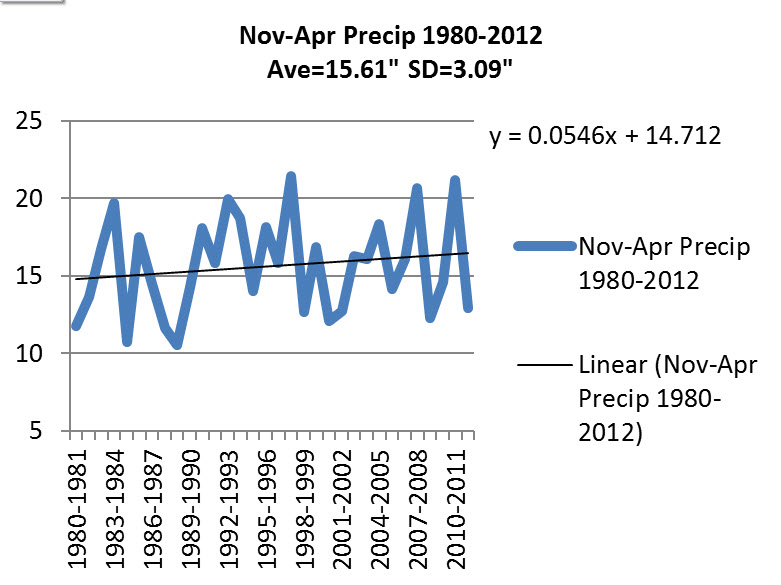
Increase in precipitation for the 8 month storage period at Ithaca NY from 1980 to 2011.
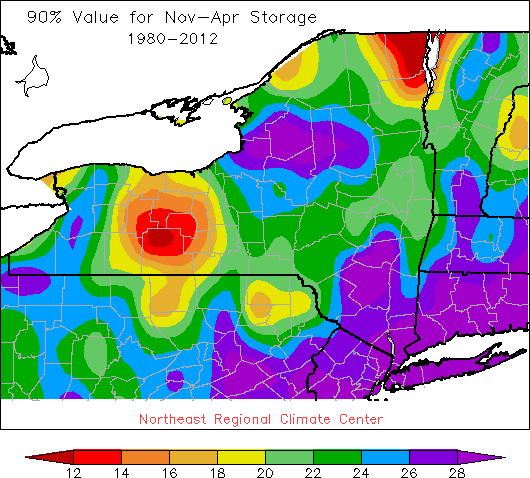
Average winter precipatiation was determined in 3 periods of record, prior to 1950, 1950 to 1980, and 1980 to 2012 at five locations in NYS. This showed that the more recent period had an increased precipitation. This matches climate model predictions for increased winter precipitation in the northeast. The amount of winter precipitation that would not be exceeded 90% of the time was determined. Present design proceedures use the average precipitation for each month of winter storage. This means that 50% of the time a storage may experience more precipitation than designed. Maps were prepared to show the precipitation amounts that would not be exceeded 90% of the time for both 6 months and 8 month storage periods.
Winter precipitation amounts for the 8 month storage period with a 90% chance of not being exceeded.
What Have We Learned?
There are many reasons for manure storages to fill faster than design including; increased animal numbers, increased manure production, increased bedding or wash water, additional drainage area, and failure to empty prior to the storage period. Wetter weather than average and wet weather in the spring puts farms with storage at risk. The winter precipitation amount is increasing.. NYS farms with storage are experiencing stress during some seasons that then cause them to try to reduce the stress by spreading manure at times that can potentially pollute. Prudent manure storagedesign whould take this into account. Using updated and conservative precipitation amounts would increase the designed storage. This would increase the cost of the storage structures but allow farms to follow their Nutrient management plans more closely.
Future Plans
NY NRCS will change the precipitation amount used in the design of manure storages.
Authors
Peter Wright PE, State Conservation Engineer Natural Resources Conservation Service , Syracuse NY, peter.wright@ny.usda.gov
Jessica L. Rennells, Climatologist, Northeast Regional Climate Center, Cornell University
Arthur T. DeGaetano, Director Northeast Regional Climate Center, Cornell University
Curt Gooch P.E. , Senior Extension Associate, PRO-Dairy, Cornell University
The authors are solely responsible for the content of these proceedings. The technical information does not necessarily reflect the official position of the sponsoring agencies or institutions represented by planning committee members, and inclusion and distribution herein does not constitute an endorsement of views expressed by the same. Printed materials included herein are not refereed publications. Citations should appear as follows. EXAMPLE: Authors. 2013. Title of presentation. Waste to Worth: Spreading Science and Solutions. Denver, CO. April 1-5, 2013. URL of this page. Accessed on: today’s date.
Livestock GRACEnet is a United States Department of Agriculture, Agricultural Research Service working group focused on atmospheric emissions from livestock production in the USA. The working group presently has 24 scientists from 13 locations covering the major animal production systems in the USA (dairy, beef, swine, and poultry). The mission of Livestock GRACEnet is to lead the development of management practices that reduce greenhouse gas, ammonia, and other emissions and provide a sound scientific basis for accurate measurement and modeling of emissions from livestock agriculture. The working group fosters collaboration among fellow scientists and stakeholders to identify and develop appropriate management practices; supports the needs of policy makers and regulators for consistent, accurate data and information; fosters scientific transparency and rigor and transfers new knowledge efficiently to stakeholders and the scientific community. Success in the group’s mission will help ensure the economic viability of the livestock industry, improve vitality and quality of life in rural areas, and provide beneficial environmental services. Some of the research highlights of the group are provided as examples of current work within Livestock GRACEnet. These include efforts aimed at improving emissions inventories, developing mitigation strategies, improving process-based models for estimating emissions, and producing fact sheets to inform producers about successful management practices that can be put to use now.
Why Was GRACEnet Created?
The mission of Livestock GRACEnet is to lead the development of livestock management practices to reduce greenhouse gas, ammonia, and other emissions and to provide a sound scientific basis for accurate measurement and modeling of emissions.
What Did We Do?
The Livestock GRACEnet group is comprised of 24 scientists from 13 USDA-ARS locations researching the effects of livestock production on emissions and air quality.
Our goals are to:
Collaborate with fellow scientists and stakeholders to identify and develop appropriate management practices
Support the needs of policy makers and regulators for consistent, accurate data and information
Foster scientific transparency and rigor
Transfer new knowledge efficiently to stakeholders and the scientific community
Success in our mission will help to ensure the economic viability of the livestock industry, vitality and quality of life in rural areas, and provide environmental services benefits.
The authors are solely responsible for the content of these proceedings. The technical information does not necessarily reflect the official position of the sponsoring agencies or institutions represented by planning committee members, and inclusion and distribution herein does not constitute an endorsement of views expressed by the same. Printed materials included herein are not refereed publications. Citations should appear as follows. EXAMPLE: Authors. 2013. Title of presentation. Waste to Worth: Spreading Science and Solutions. Denver, CO. April 1-5, 2013. URL of this page. Accessed on: today’s date.
Currently, all the Bay states are working to achieve nutrient reduction goals from various pollution sources. Significant reductions in phosphorus pollution from agriculture, particularly with respect to phosphorus losses from land application of manure are needed to support a healthy aquatic ecosystem. Producers in high-density animal agricultural production areas such as Lancaster County region of Pennsylvania, the Delmarva Peninsula, and the Shenandoah Valley region of Virginia, need viable alternatives to local land application in order to meet nutrient reduction goals.
Field demonstrations will be monitored to determine whether the technologies are environmental beneficial, and economically and technically feasible. Specific measures of performance include: reliability and heat distribution, in-house air quality, avoided propane or electricity use, costs to install and maintain, fertilizer and economic value of ash or biochar produced, air emissions, and fate of poultry litter nutrients. Technology evaluation results will be shared on a clearinghouse website developed in partnership with eXtension.
The Farm Manure to Energy Initiative is also supporting efforts to develop markets for nutrient rich ash and biochar co-products. Field trials using nutrient rich ash and biochar from poultry litter thermochemical processes for fresh market vegetable production are currently underway at Virginia Tech’s Eastern Shore Agricultural Research and Experiment Station.
Purpose
The Farm Manure to Energy Initiative is a collaborative effort to evaluate the technical, environmental, and economic feasibility of farm-scale manure to energy technologies in an effort to expand management and revenue-generating opportunities for excess manure nutrients in concentrated animal production regions of the Chesapeake Bay watershed.
What Did We Do?
The project team went through a comprehensive review process and identified three farm-scale, manure to energy technologies that we think have the potential to generate new revenue streams and provide alternatives to local land application of excess manure nutrients. Installation and performance evaluation of two of these technologies on four host farms in the Chesapeake Bay region are underway. Partners have also completed a survey of financing options for farm-scale technology deployment and published a comprehensive financing resources guide for farmers in the Chesapeake Bay region.
What Have We Learned?
To date, we have not identified any manure to energy technologies that also provide alternatives to local land application of excess manure nutrients for liquid manures. Thermochemical manure to energy technologies using poultry litter as a fuel source seem to show the most promise for offering opportunities to export excess nutrients from phosphorus hotspots in the Chesapeake Bay region. Producing heat for poultry houses is the most readily available energy capture option. We did not identify any vendors with a proven approach to producing electricity via farm-scale, thermochemical manure to energy technologies. With respect to the fate of poultry litter nutrients, preliminary air emissions data indicates that most poultry litter nitrogen (greater than 98%) is converted to non-reactive nitrogen in the thermochemical process. Phosphorus and potash are preserved in the ash or biochar coproducts. Preliminary field trial results indicate that phosphorus in ash and biochar is bioavailable and can be used as a replacement for commercial phosphorus fertilizer, but bioavailability varied according to the thermochemical process.
Future Plans
We are currenty in the process of installing and measuring the performance of farm-scale demonstrations in the Chesapeake Bay region. We are collaborating with the Livestock and Poultry Environmental Learning Center to develop a clearinghouse website for thermochemical farm-scale manure to energy technologies that will be hosted on the eXtension website. Performance data from our projects will be shared on this website, which can also be used as a platform to share information about the performance of other farm-scale, thermochemical technology installations around the U.S. Technical training events using farm demonstrations as an educational platform will be hosted during the later half of the project. Additional field and row crop trials to demonstrate the fertilizer value of the concentrated nutrient coproducts are also planned using ash from farm demonstrations.
Authors
Jane Corson-Lassiter, USDA NRCS, Jane.Lassiter@va.usda.gov; Kristen Hughes Evans, Executive Director, Sustainable Chesapeake
Additional partners in the Farm Manure to Energy Initiative include: Farm Pilot Project Coordination, Inc., University of Maryland Center for Environmental Studies, University of Maryland Environmental Finance Center, Virginia Cooperative Extension, Lancaster County Conservation District, the Virginia Tech Eastern Shore Agricultural Research and Extension Center, National Fish and Wildlife Foundation, Chesapeake Bay Funders Network, Chesapeake Bay Commission, and International Biochar Institute.
Funding for this project is provided by a grant from the USDA Conservation Innovation Grant program, the National Fish and Wildlife Foundation via the U.S. EPA Innovative Nutrient and Sediment Reduction Program, the Chesapeake Bay Funders Network, as well as technology vendors and host farmers participating in the technology demonstrations.
The authors are solely responsible for the content of these proceedings. The technical information does not necessarily reflect the official position of the sponsoring agencies or institutions represented by planning committee members, and inclusion and distribution herein does not constitute an endorsement of views expressed by the same. Printed materials included herein are not refereed publications. Citations should appear as follows. EXAMPLE: Authors. 2013. Title of presentation. Waste to Worth: Spreading Science and Solutions. Denver, CO. April 1-5, 2013. URL of this page. Accessed on: today’s date.
To provide the best experiences, we use technologies like cookies to store and/or access device information. Consenting to these technologies will allow us to process data such as browsing behavior or unique IDs on this site. Not consenting or withdrawing consent, may adversely affect certain features and functions.
Functional
Always active
The technical storage or access is strictly necessary for the legitimate purpose of enabling the use of a specific service explicitly requested by the subscriber or user, or for the sole purpose of carrying out the transmission of a communication over an electronic communications network.
Preferences
The technical storage or access is necessary for the legitimate purpose of storing preferences that are not requested by the subscriber or user.
Statistics
The technical storage or access that is used exclusively for statistical purposes.The technical storage or access that is used exclusively for anonymous statistical purposes. Without a subpoena, voluntary compliance on the part of your Internet Service Provider, or additional records from a third party, information stored or retrieved for this purpose alone cannot usually be used to identify you.
Marketing
The technical storage or access is required to create user profiles to send advertising, or to track the user on a website or across several websites for similar marketing purposes.

 Waste to Worth home | More proceedings….