From Barn to Field: Plastic Pathways

In this webinar, we discuss how the use of plastics in agriculture contributes to soil contamination, microplastic pollution, and reduced long-term soil health. Single-use plastics like mulch films, bale wrap, and silage bags and covers can degrade into contaminants that can alter soil pH, disrupt microbial communities, and hinder plant growth. Additionally, plastic residues can leach hazardous chemicals, which could end up in the food chain. The panel addresses concerns about plastic use in agricultural settings, alternatives to traditional plastics, recycling agricultural plastics, and equipment design to handle agricultural plastics. This presentation was broadcast on August 21, 2026.

An application for continuing education credit for Certified Crop Advisors (CCAs) and members of the American Registry of Professional Animal Scientists (ARPAS) will be submitted.

Panel Discussion – From Barn to Field: Plastic Pathways

All Speakers (1:00:31)

About the Speakers

Leslie Johnson, University of Nebraska
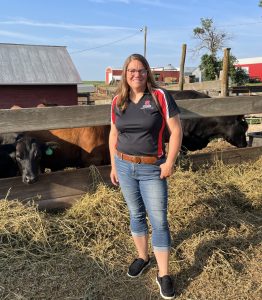
Leslie Johnson Standing in front of cattle on her farm.
Leslie Johnson, University of Nebraska

Leslie Johnson is the Animal Manure Management Extension Educator at the University of Nebraska – Lincoln. She does regular manure programming across the state of Nebraska and serves the Livestock and Poultry Environmental Learning Community in many ways. Additionally, she is actively engaged in her family’s farming operation in rural Wayne County. On their farm, they raise dryland row crops, alfalfa, and have a small cow-calf herd and a few chickens and ducks.

George Huber, University of Wisconsin

2026 Studio Portrait of George Huber, Richard L. Antoine Professor of Chemical and Biological Engineering
George Huber, University of Wisconsin

George W. Huber is the Richard L. Antoine Professor of Chemical and Biological Engineering at the University of Wisconsin–Madison and a leading researcher in sustainable plastics, renewable chemicals, and the circular bioeconomy. His research develops new biodegradable plastics and biobased materials designed to meet performance needs while reducing environmental impacts, alongside technologies for recycling and upcycling existing plastic waste. As founding Executive Director of the U.S. Department of Energy-funded Center for Chemical Upcycling of Waste Plastics (CUWP), he has led efforts to create scalable solutions for managing plastic waste and advancing sustainable materials. Professor Huber has published over 230 scientific papers, holds more than 30 patents, and has co-founded several companies to commercialize innovations in renewable chemicals, sustainable plastics, and waste valorization.

Loren Haselhorst, Christensen Family Farms

Loren Haselhorst, Christensen Family Farms

Loren is an Agronomist with Christensen Family Farms. His focus on manure management, compliance, and record-keeping. He is a Certified Crop Advisor. Loren also has a grain and livestock operation with his family.

Bobbi Stromer, USDA ARS

Bobbi Stromer, USDA ARS

Bobbi is a chemist with a decade of experience investigating how chemicals interact with surfaces. She earned a bachelor’s degree in chemistry from the University of Nebraska Kearney and a PhD from the University of Connecticut. She focuses on leveraging knowledge of chemicals and the environment to design impactful solutions.

Mindy Spiehs (moderator), USDA ARS

Mindy Spiehs, USDA ARS

Mindy is a Research Animal Scientist evaluating effects of diet, housing, livestock bedding material, and other management factors on odor and greenhouse gas emissions from livestock waste and housing facilities.

More Resources on the Topic

Find out more about this webinar and future webinars by the Livestock and Poultry Environmental Learning Community (LPELC).


Smart Manure: AI-Driven Insights for Manure and Nutrient Management

In this webinar, presenters will explore how emerging artificial intelligence technologies are transforming manure and nutrient management practices. The session will highlight how advances in IoT, machine learning, and remote sensing are enabling a shift from simple data collection to predictive, decision-support systems in livestock production. Presentations will illustrate how AI-driven tools can enhance monitoring, efficiency, and environmental outcomes while supporting producers and researchers. Attendees will gain a forward-looking perspective on how integrated data and intelligent systems are shaping the future of nutrient management and agricultural sustainability. This presentation was originally broadcast on June 19, 2026. Continue reading “Smart Manure: AI-Driven Insights for Manure and Nutrient Management”

Global Manure Trends: U.S. and European Perspectives from RAMIRAN 2025

This session brings together perspectives from the United States and Europe. Together, panelists will discuss current practices, policies, and emerging innovations across regions, offering attendees a valuable opportunity to better understand global approaches to manure management while also learning more about the upcoming RAMIRAN conference, 2027, in Italy. This presentation was originally broadcast on May 22, 2026. Continue reading “Global Manure Trends: U.S. and European Perspectives from RAMIRAN 2025”

NRCS Regenerative Pilot Program

This webinar will focus on the Natural Resources Conservation Service (NRCS) Regenerative Agriculture Pilot Program, a new conservation initiative aimed at helping farmers put their land back on a sustainable path forward. The discussion will highlight how the program is designed to support regenerative farming practices that rebuild soil health, strengthen farm resilience, and promote the production of healthier food. Webinar speakers will provide a general overview of the pilot program, including NRCS’s role in offering technical and financial assistance to producers, and discuss how the program fits within broader conservation and soil health goals. This presentation was originally broadcast on April 17, 2026. Continue reading “NRCS Regenerative Pilot Program”

Nutrient Management Solutions for Small Farms

This webinar will examine practical nutrient management strategies tailored for small and diversified farms. Presenters will explore how organic operations can meet National Organic Program (NOP) requirements for manure, compost use, and soil fertility, followed by a look at the real‑world challenges facing small-acreage livestock properties. We will discuss additional considerations and solutions for effective nutrient stewardship on small farms. Whether you’re a producer, educator, conservation professional, or simply looking to improve land management on limited acreage, this session will offer actionable insights to support sustainable and environmentally sound practices. This presentation was originally broadcast on March 20, 2026. Continue reading “Nutrient Management Solutions for Small Farms”

Pathogens Beyond the Animal: Environmental Drivers of Disease in Livestock Systems

This webinar examines the role of the environment in livestock disease risk and surveillance. Presentations will explore the association between manure handling activities and PRRSV outbreaks in wean-to-market swine, as well as the use of environmental sampling to better understand pathogen distribution on HPAIv-infected egg layer farms. Together, these studies highlight how environmental data can inform biosecurity practices, disease monitoring, and future research applications in livestock production systems.  This presentation was originally broadcast on February 20, 2026. Continue reading “Pathogens Beyond the Animal: Environmental Drivers of Disease in Livestock Systems”

Clear Communication, Safer Operations: Why Multilingual Manure Management and Farm Safety Training Matters

This webinar discusses how prioritizing Spanish-language and culturally informed training, agricultural operations can improve clarity, strengthen worker confidence, enhance environmental stewardship, and foster a safer, more resilient workforce.  This presentation was originally broadcast on January 23, 2026. Continue reading “Clear Communication, Safer Operations: Why Multilingual Manure Management and Farm Safety Training Matters”