Antimicrobial resistance (AMR) is a growing concern for the health and well-being of people around the world, and not just in hospitals, but on farms and in the food chain as well. Responsible antibiotic use in livestock and good manure management are critical to protecting animal health, public health, and the future effectiveness of our most important medicines.
Regulatory changes around the use of antibiotics in meat, dairy, and seafood production
For many years, antibiotics were used in food animals not only to treat disease, but also to promote growth and improve feed efficiency. In the U.S., those uses were phased out in 2017, when the FDA required that antibiotics important to human medicine be used only under veterinary supervision and only for therapeutic purposes.
There are currently differentiations and regulations in the use of labels that claim no antibiotics can be found on meat. Common labels in the U.S. include “No antibiotics added”, “No antibiotics ever”, or “antibiotic-free”. The first two terms mentioned are regulated under the USDA and generally mean that animals, especially poultry and fish, were raised without receiving any antibiotics from birth to slaughter, while the label “antibiotic-free” is not supported by the USDA. However, it has long been a requirement for “conventional” animal production that an animal be “suitable for consumption” at the time of slaughter, meaning it has no antibiotics in its system at the time of its death.
What happens if animals need antibiotics?
Bacterial infections are not uncommon on farms, and animals at some point may require antibiotics to recover. In any scenario, slaughter and dairy product regulations require a period of withdrawal before any sort of animal product can be harvested following antibiotic use. In the case of dairy farms, every truckload of milk is tested for antibiotics, and if any evidence of antibiotics is found in that load of milk, it results in the disposal of the entire truckload.
Animals in certified organic systems must be removed from the farm if they have been treated with antibiotics and moved to a conventional system, where they still need to go through a withdrawal period before slaughter. Additionally, meat from these animals can no longer be sold as organic.
What about imported products?
Different countries have different restrictions on antibiotic use; however, meat products imported to the U.S. are held to the same standards for antibiotic use and testing as any U.S. raised meat.
Animal product consumption is not the only way antibiotics can be a concern for humans. Antibiotics can end up in the environment through human and animal waste, use of antibiotics and antifungals in plants or crops, or improper pharmaceutical waste.
Reducing AMR impacts of manure use
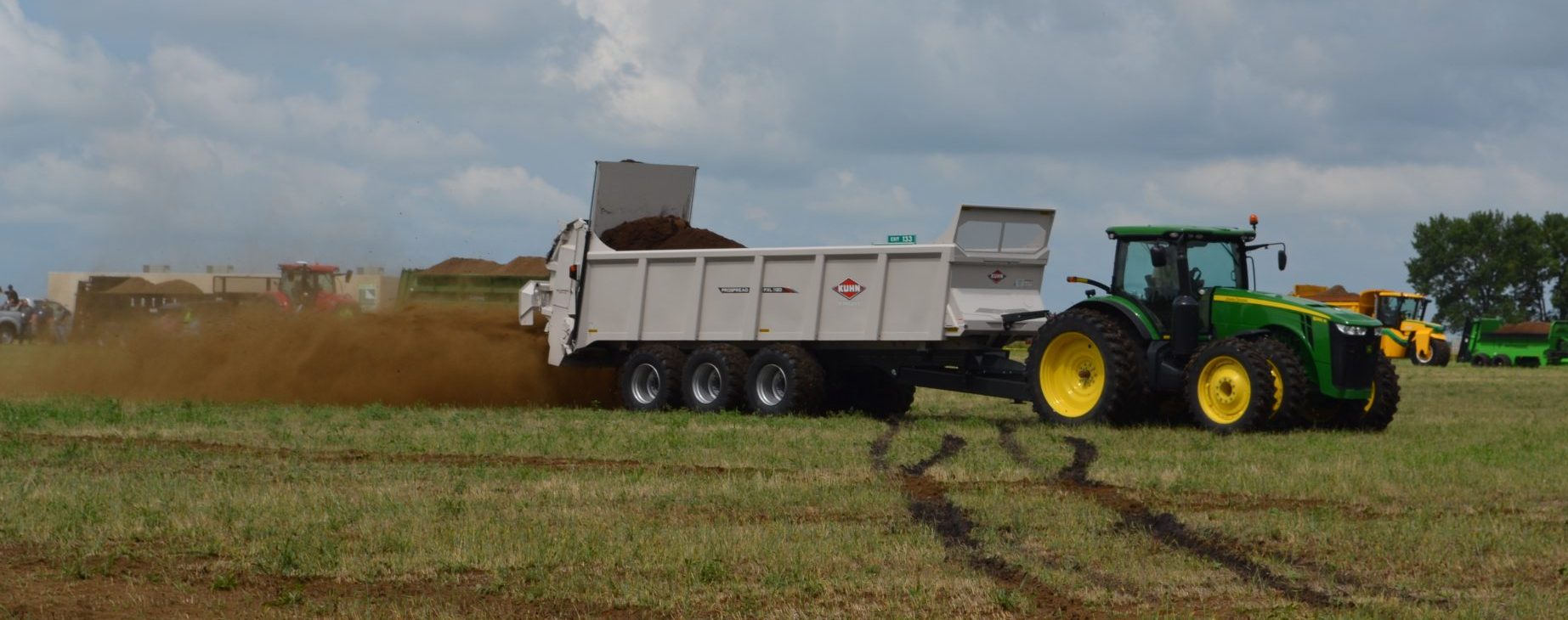
Antimicrobial resistance is a process that occurs naturally, and therefore, can occur without the presence of an antimicrobial or an evident source of antimicrobial genes. However, the application of animal manure to the soil can increase AMR in the soil above natural levels, at least temporarily, when residual antibiotics present in manure increase the selective pressure for AMR species in soil.
One of the safest ways to prevent the exposure of plants to antibiotic residues from manure is to treat manure using one of the methods shown to reduce antibiotics or AMR genes before its application to agricultural land as fertilizer. Composting, fermentation, or optimized anaerobic degradation can be very effective for reducing the AMR impacts of manure.
Other best practices to reduce AMR risk caused by manure:
- Avoid raw manure use on produce that will be eaten raw.
- Apply manure at agronomic rates and avoid applications before rainfall to minimize runoff.
Harvesting and processing food
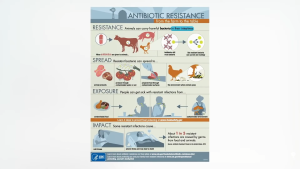
Although purchasing animal products that claim to be free from antimicrobials may seem a safe way to avoid spreading AMR, bacteria can be acquired from cross-contamination in food handling as well. All animals have bacteria in their gut and some of it is likely to be resistant to antimicrobials, even if no antibiotics were administered to the animal. As a result, food safety during processing protects food products from contamination by gut species is crucial.
Moreover, microorganisms are plentiful in slaughterhouses and food processing environments. While there are many food safety procedures in place to reduce contamination risk, research has found that the highest risk of cross-contamination in slaughterhouses comes from dust and workers. Therefore, proper sanitization practices are key to preventing bacterial contamination of meat that is destined for consumption.
Fruits and vegetables can also become contaminated during the post-harvest stage. AMR bacteria can be transferred by food handlers, particularly when good hygiene practices when handling food are not properly applied.
Reducing antibiotic resistance during food preparation
Food contamination can happen even after processing. Cross-contamination of different foodstuffs or from unclean water, cooking utensils, surfaces, or hands all occur in homes and restaurants. Safe food preparation steps include:
- Choosing safe food. This means obtaining food from reliable traders. Animal products from unregulated or questionable sources are unlikely to be under official control and can accelerate the development and spread of AMR.
- Keep your hands and utensils clean. Besides washing hands after using the toilet, it is very important to keep all kitchen surfaces clean since AMR bacteria can be found in countertops, faucet handles, dish towels, and sponges.
- Separate raw and cooked food. Keep raw meat, poultry, seafood, and eggs separate from ready-to-eat foods throughout storage and preparation. Use separate cutting boards and utensils and never reuse marinades.
- Cook meat thoroughly. Poultry and ground meat should be cooked to a temperature of at least 165° F or 160° F, respectively, with whole cuts and seafood cooked to 145 ° F. Soups and stews should be brought to a boil for at least one minute.
- Store food at safe temperatures. Bacteria can multiply easily after cooking. If cooked foods have been kept at room temperature for more than four hours, they will probably contain dangerous bacteria. Cooked foods that are not intended for immediate consumption but will be served hot should be kept at a minimum of 140°F while waiting to serve. Foods stored cool should be maintained under a maximum temperature of 40°F. Cool and heat foods quickly for storage; leaving foods in the danger zone (40-140°F) for even just a few hours will significantly increase the food safety risk.
Explore the five steps to food safety in more detail: WHO_SDE_PHE_FOS_01.1
The Bottom Line
Whether you’re raising animals, composting manure, or harvesting produce, AMR is an issue that touches every part of the food system. Fortunately, with responsible practices, agriculture can be part of the solution.
- Farmers and food handlers can help by:
- Using antibiotics only when necessary and under veterinary guidance
- Treating manure to reduce residues and bacteria
- Following safe food handling and production practices
- Supporting systems that keep AMR in check, from farm to fork
With smart management, we can protect both productivity and public health.
Authors and Sponsors
Karla Melgar – written while a student at the University of Nebraska as a part of a course on antimicrobial resistance in One-Health.
This article was reviewed by Mara Zelt, iAMResponsible Program Manager, and Leslie Johnson, Nebraska Extension Educator
Find out more about the iAMResponsible project here. Funding for the iAMResponsbile Project was provided by USDA-NIFA Award Nos. 2024-68015-42636, 2023-68015-40015, 2022-68015-36717. Any opinions, findings, conclusions, or recommendations expressed in this publication are those of the author(s) and do not necessarily reflect the view of the U.S. Department of Agriculture.