Effect of Swine Manure Nitrification on Mesophilic Anaerobic Digester Performance

Purpose

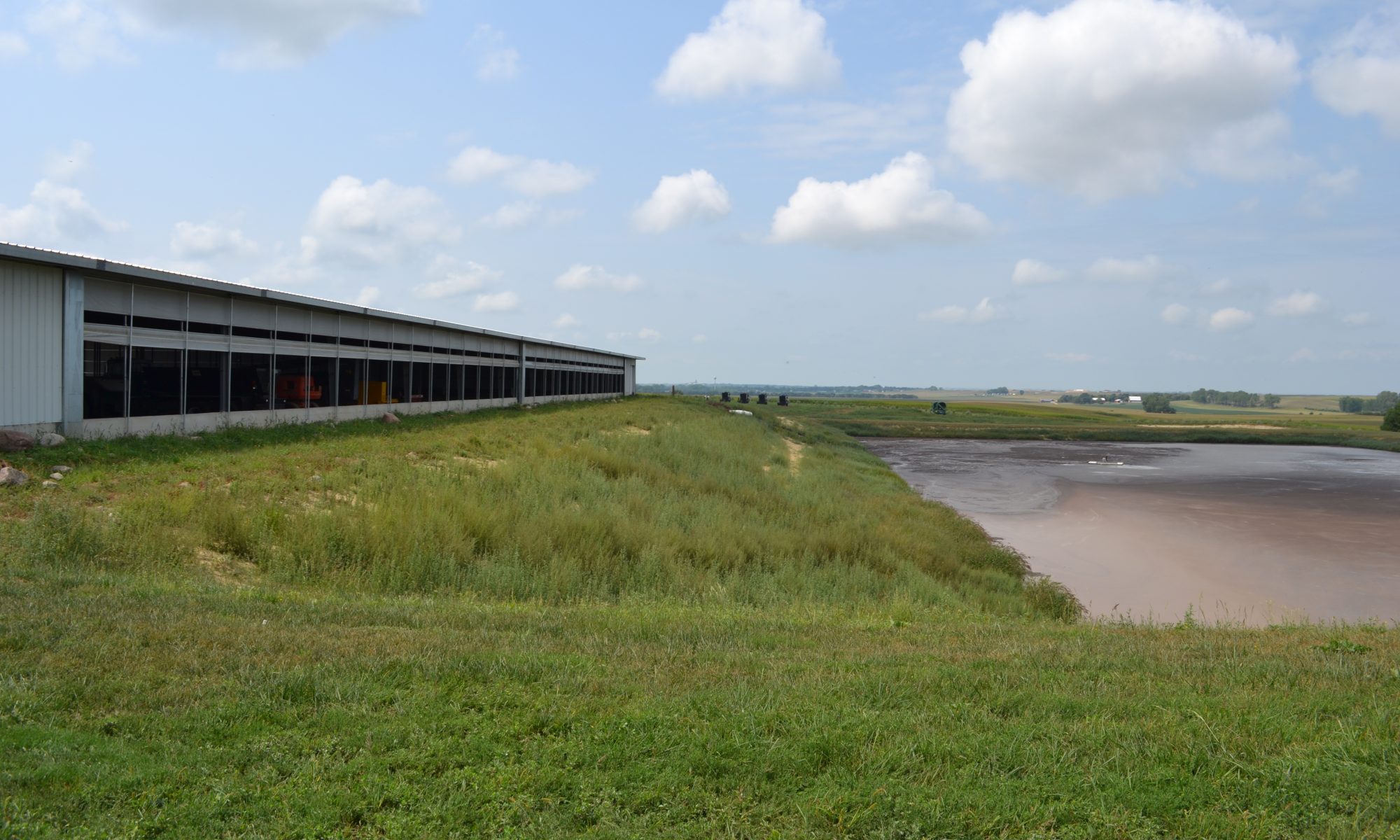
This study seeks to quantify the impact of swine slurry nitrification on biogas productivity. Ammonia (NH3) is produced during anaerobic digestion of manure and emitted during storage. Ammonia emissions have adverse impacts on swine health and growth, caretaker health, and local air and water quality. Ammonia is also known to inhibit methanogenic activity during anaerobic digestion, reducing methane potential. Thus, reducing ammoniacal nitrogen in digester feedstock can improve digester performance. A novel approach to nitrogen management, developed by a commercial partner, is nitrifying flush water that feeds into the digester. This technology leverages nitrification to suppress NH3 volatilization through using low-pH, highly nitrified substrate to flush the barns. This alternative reduces in-barn NH3 concentration surge during flushing events. In addition, equilibrium between nitrified (oxidized) flush liquid and reduced urine-feces will reduce ammoniacal nitrogen levels in the feed entering the digester. A barn-scale system (17,000 gallons per day capacity) is currently under testing on a NC swine farm that has an anaerobic digester as part of the waste management system (Figure 1). Understanding the impacts of this treatment on anaerobic digestion under controlled conditions under different organic loading rates is needed. This study aimed to quantify impacts of flush water nitrification on biomethane yield (BMY) in swine manure under two different organic loading rates (OLRs).

What Did We Do?
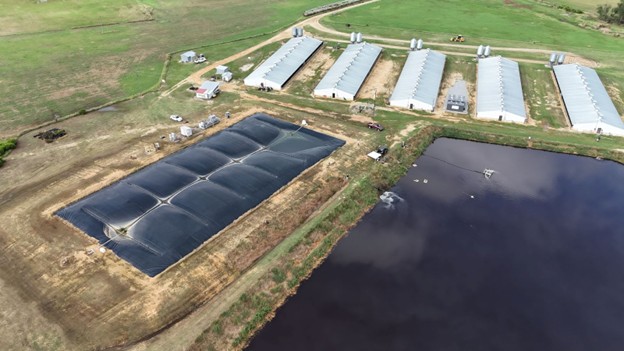
Figure 1: Commercial swine farm used for sample collection.

Three different substrates were collected for this study. Substrates were sourced from the same farm every 2 to 3 weeks (Figure 2). Swine slurry was processed through settling > decanting > maceration > screening to create liquid (<1% solids) and solid (>5% solids) fractions needed to formulate desired OLRs. Two OLRs were tested in this study, 1 g VS/L-d (low, L) and 2 g VS/L-d (high, H). For each OLR, two substrate formulations were tested: nitrified (treatment, T) and baseline (control, C). Therefore, four combinations of substrate and OLR were evaluated in this study and were abbreviated as: CH, CL, TH, and TL.

Figure 2: Nitrification System installed onsite

Eight mesophilic reactors at 95°F (35 °C), each with a two-liter active volume, were used to study the impacts of OLR and substrate type, with two replicates per OLR-substrate combination, represented by 1 or 2, respectively. Reactors were fed once daily, 6 days per week, unless otherwise noted. Influent and digestate total solids (TS), volatile solids (VS), chemical oxygen demand (COD), pH, alkalinity, and nitrogen forms were analyzed during the study. Biogas composition (% carbon dioxide (CO2), methane (CH4), and nitrogen gas (N2)), specific CH4 productivity (mL/g VS-fed), and volatile solids and COD reduction (%) were compared across treatments.

What Have We Learned?

Overall, comparable BMY values were observed across reactors with mean reactor productivity ranging from 275 to 354 mLCH4/g VS-fed. Average BMY for the reactors represented around 61% of typical values of ultimate biomethane potential (BMP) for swine manure reported in the literature, i.e., 450 to 550 mLCH4/gVS. Increasing OLR from 1 to 2 gVS/L-d resulted in a 14% decrease in BMY. The nitrogen treatment effect appears to be minimal and only limited to low OLR treatments. The percentage deviation of biomethane productivity between C and T reactors was less than 1%.

Similar to CH4, concentrations of CO2 were impacted more by OLR than the nitrogen treatment implemented. For low OLR reactors, Average CO2 concentrations in the biogas were for treatment reactors. Increasing the OLR showed an increase in CO2 concentration in the biogas, with control and treatment reactors containing approximately , respectively.
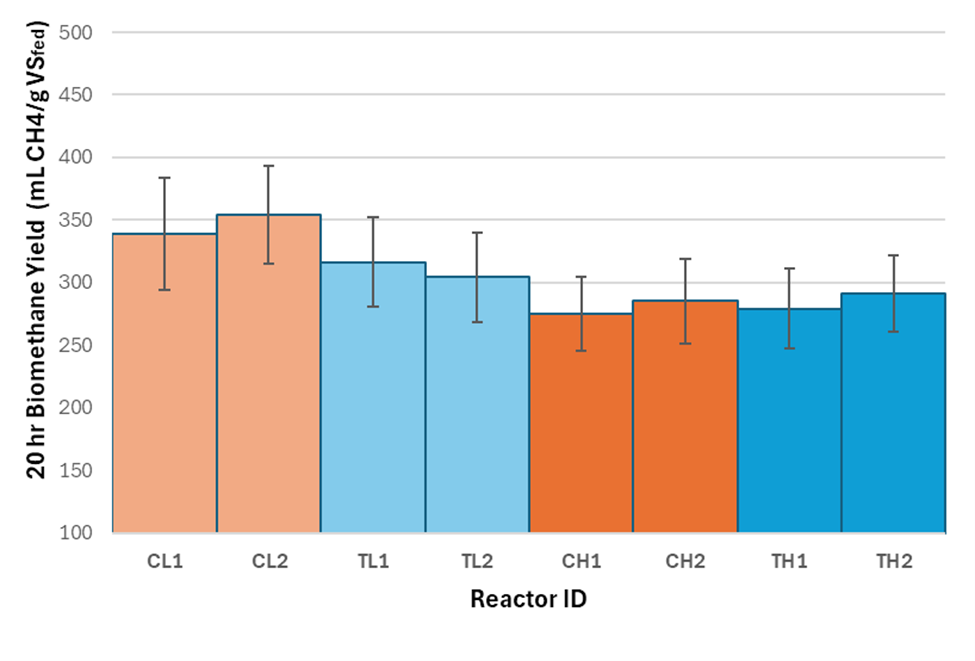
Figure 3 - Cumulative biomethane yields (20 hr) by reactor ID. The ID of each reactor denotes the combination of substrate, OLR, and replicate. Control (C) and nitrified (T) substrates were fed to corresponding reactors according to 2 OLRs, 1 g VS/L-d (L) and 2 g VS/L-d (H).
Figure 3 – Cumulative biomethane yields (20 hr) by reactor ID. The ID of each reactor denotes the combination of substrate, OLR, and replicate. Control (C) and nitrified (T) substrates were fed to corresponding reactors according to 2 OLRs, 1 g VS/L-d (L) and 2 g VS/L-d (H).

Future Plans

We plan to continue our data analysis to quantify reduction in VS and COD. Similarly, digestate characterization to quantify alkalinity and volatile fatty acids (VFAs) in the feedstock and digestates is ongoing. Two-way analysis of variance (ANOVA) will be conducted to assess treatment impacts on specific methane yield, VS and COD reduction. Denitrification occurring within reactors was further investigated via GC-TCD headspace analysis. We plan to closely analyze denitrification dynamics to capture the effect of treatment on nitrogen forms and organic matter in the substrates.

Authors

Presenting author

Kristina E. Jones, Graduate student researcher, North Carolina State University

Corresponding author

Mahmoud A. Sharara, PhD, Associate Professor and Extension Specialist, North Carolina State University, Msharar@ncsu.edu

Acknowledgements

This work was funded by Pancopia, Inc. as part of a Department of Energy, Small Business Innovation Research program grant (DOE SBIR, Grant No. DE-SC0020833). Authors would like to acknowledge Smithfield Foods for access and support sampling. and undergraduate student researchers: Brian Ngo, Nick Bell, Kiarra Condon, Himanth Mandapati, and Jackson Boney for assistance and support conducting this study.


The authors are solely responsible for the content of these proceedings. The technical information does not necessarily reflect the official position of the sponsoring agencies or institutions represented by planning committee members, and inclusion and distribution herein does not constitute an endorsement of views expressed by the same. Printed materials included herein are not refereed publications. Citations should appear as follows. EXAMPLE: Authors. 2025. Title of presentation. Waste to Worth. Boise, ID. April 7-11, 2025. URL of this page. Accessed on: today’s date. 

EcoManure: A Machine Learning Framework for Nitrogen Level Prediction and Classification of Sustainable Manure Waste Management

Purpose

Agricultural waste, including animal manures, can be a source of environmental pollution if not handled properly (Maji et al., 2020) due to nitrogen leaching into water systems and methane emissions. While electronic sensors and spectroscopic devices can give measurements for nitrogen content, the costs can be prohibitive, with regular calibration and deviations from defined composition levels in manures. To address these challenges, we developed EcoManure, as a machine learning framework to predict nitrogen content and classify the type of manure. By incorporating historical and real-time data, EcoManure affords a competitive edge for enhanced accuracy and lowered dependency on expensive sensors in aiding more sustainable decision-making on waste management.

What Did We Do?

To handle the complex tasks of predicting nitrogen levels and classifying manure, we started by putting together a complete set of data that included key agricultural factors. We used ManureDB – National Database of Manure Nutrient Content and Other Characteristics (1998–2023), a publicly available dataset from the USDA Ag Data Commons. The dataset comprehensively listed the different types of animals, geographical locations, moisture content, total solids percentage, and the treatment methods for the manure, as well as its chemistry and physical characteristics like pH, level of organic matter, concentration of nutrients (Nitrogen, Phosphorus, Potassium), and trace constituents like Calcium, Magnesium, and Zinc. After this dataset was constructed, the cleaning procedures were carried out, which included dealing with missing values, encoding categorical variables, and applying feature engineering for better accuracy of the model with its predictions. The set was divided into 80% for training and the rest 20% for testing.

Table 1: Performance Metrics for Nutrient Prediction Model
Metric Value
Number of Training Samples 360,000
Number of Testing Samples 90,000
Classification Accuracy 0.50
Precision 0.86
Recall 0.14
F1-Score 0.71

We estimate the total nitrogen content from manure characteristics using a Random Forest Regressor during the predictive modeling phase. As shown in Table 1, this regression model was fine-tuned and validated using standard metrics such as mean squared error (MSE) and R² to address the accuracy issue in nitrogen prediction. Additionally, we evaluated the model’s performance using MSE (Mean Squared Error) and MAE (Mean Absolute Error), where lower values of both MSE and MAE indicate better prediction accuracy. Simultaneously, a Random Forest Classifier was constructed to predict different types of manure, allowing the differentiation between based on their fundamental compositional attributes. The performance of the classifier was evaluated on accuracy metrics to test its reliability in practical application as shown in table 2 and the visual representation in Figure 1 verifies the dependence of actual values and predicted values. The performance matrix includes Classification Accuracy, which measures the overall percentage of correct predictions, Precision, which shows how many predicted positive results are correct, Recall, which indicates how many actual positives were identified, and the F1 Score, which balances precision and recall into a single metric. We also created a friendly machine learning framework (Chlingaryan, Sukkarieh, & Whelan, 2018; Jordan & Mitchell, 2015) interface for easy predictions and classifications. This would allow farmers, scientists and other stakeholders like policymakers to input their relevant details of the manure and provide swift responses about its nitrogen content and type, thus leading to better sustainable decisions in farming.

Table 2: Performance Metrics for Manure Type Classification
Metric Value
Number of Training Samples 360,000
Number of Testing Samples 90,000
Classification Accuracy 92%
Precision 90%
Recall 91%
F1-Score 90.5%

Figure 1: Comparison of Actual and Predicted Nitrogen Levels

Figure 1: Comparison of Actual and Predicted Nitrogen LevelsWhat Have We Learned?According to our experimental findings, EcoManure accounts for 86% of the variability for the nitrogen content predictions in manure samples. Also, the system has an exceptionally high classification accuracy for manure types with close to 92%. These results demonstrate that machine learning can serve as a powerful alternative to expensive sensors and spectroscopic devices. AS a result, it provides accurate and cost-effective predictions.

Future Plans

Our future plan involves upgrading it to incorporate additional factors affecting the environment and manure treatment. As additional predictive variables, we will analyze temperature, humidity, and probable microorganisms’ composition. This will improve the accuracy of our model. Furthermore, sensor technology will enable continuous monitoring and real-time data collection, greatly enhancing our understanding of the manure’s state. This approach allows for timely modifications as needed. In conclusion, we aim to advance the field of precision agriculture and contribute towards environmental sustainability with a focus on intelligent waste management built on machine learning algorithms.

Authors

Presenting & corresponding author

Kallol Naha, PhD Candidate, Computer Science, University of Idaho, naha7197@vandals.uidaho.edu

Additional author

Hasan Jamil, Associate Professor, Computer Science, University of Idaho

Additional Information

Chlingaryan, A., Sukkarieh, S., & Whelan, B. (2018). Machine learning approaches for crop yield prediction and nitrogen status estimation in precision agriculture: A review. Computers and Electronics in Agriculture, 151, 61–69.

Maji, S., Dwivedi, D. H., Singh, N., Kishor, S., & Gond, M. (2020). Agricultural waste: Its impact on environment and management approaches. Emerging Eco-Friendly Green Technologies for Wastewater Treatment, 329–351.

Jordan, M. I., & Mitchell, T. M. (2015). Machine learning: Trends, perspectives, and prospects. Science, 349(6245), 255–260.

USDA. (2023). ManureDB – National Database of Manure Nutrient Content and Other Characteristics (1998–2023). USDA Ag Data Commons. Available at: https://agdatacommons.nal.usda.gov/articles/dataset/ManureDB_-National_database_of_manure_nutrient_content_and_other_characteristics_1998-_2023/26031256?file=47165362

Acknowledgements

This research was funded by the USDA Sustainable Agricultural Systems Initiative through the Idaho Sustainable Agriculture Initiative for Dairy (ISAID) grant (Award No. 2020-69012-31871).


The authors are solely responsible for the content of these proceedings. The technical information does not necessarily reflect the official position of the sponsoring agencies or institutions represented by planning committee members, and inclusion and distribution herein does not constitute an endorsement of views expressed by the same. Printed materials included herein are not refereed publications. Citations should appear as follows. EXAMPLE: Authors. 2025. Title of presentation. Waste to Worth. Boise, ID. April 7-11, 2025. URL of this page. Accessed on: today’s date. 

The Circular Bioeconomy

Purpose

The “Circular Bioeconomy” seems to be everywhere these days.   The American Society of Biological and Agricultural Engineers (ASABE) created a Circular Bioeconomy Systems Institute.  The Water Environment Federation (WEF) sponsored a Circular Water Economy Summit.  I’m on an email list called “In the Loop with EPA: Circular Economy Updates”.  Even my old alma mater, the University of Arkansas, announced a position for an Assistant Professor in Engineering for the Circular Economy.

In the midst of all this, I am sensing a backlash from my colleagues.  There is a rising attitude of, “isn’t this just a new name for what we’ve been doing all along?”  True, but the Circular Bioeconomy is a bona fide environmental concept, one rooted in a process evolving for at least four and a half billion years on planet earth – Nature itself.  We Waste to Worth folks should embrace the Circular Bioeconomy.  We should proudly say, “This is what I do.”

What Did We Do?

So, what is the Circular Bioeconomy?

Here lies the problem.  The terms “circular economy” and “bioeconomy” are interpreted by different groups to mean different things, leading to confusion and cynicism.  Perhaps the clearest way to define the Circular Bioeconomy is to state what it is not.  A circular bioeconomy is not a linear “take-make-waste” economy based on extraction of limited resources.  The Circular Bioeconomy is an aspiration, a transition to a nature-based economy centered on sustainability.

What Have We Learned?

How can we explain what we do in the Circular Bioeconomy to the public we serve?

Most of the people attending this conference already work in “the bioeconomy” — either in agriculture, forestry, fisheries, or natural resource conservation.  The place to start is with circularity.  The universe you and I inhabit works in cycles.  The second law of thermodynamics is “water flows downhill.”  The law of nature is “energy flows and materials circulate.”

Translating this simple concept can get complicated quickly.    There are numerous qualitative descriptors for various aspects of circularity, and an attempt to quantify circularity is in its infancy.

Future Plans

So, take a step back and focus on the central truth.  What is true for the water cycle, is true for nutrient cycles, is true for agriculture, is true for the power grid, and these are all interconnected.

Plants use solar energy and transpire water vapor to the atmosphere.  Energy is released through condensation. Rain falls on the earth and rivers flow to the sea.  Water vapor travels on prevailing winds…

Soil microorganisms use energy contained in organic matter for growth.  Microorganisms release nutrients for crops to grow. Crops are eaten by livestock and poultry.   Animals of all species produce manure rich in organic matter and nutrients…

round and round …

sustainably.

Presenting and Corresponding author

Douglas W. Hamilton, Ph.D., P.E., Associate Professor and Waste Management Specialist, Oklahoma State University, dhamilt@okstate.edu

Additional Information


An Analysis of Poultry Litter Purchases in South Carolina

Purpose

Poultry production is the number one agricultural enterprise in value of production for South Carolina with approximately 280,000,000 birds in inventory.  Poultry litter as a by-product of poultry production is a low-cost fertilizer that can provide nitrogen (N), phosphorus (P), potassium (K), and micronutrients for forage systems. Poultry litter can improve soil fertility and health by adding organic matter and enhancing water infiltration and soil fertility over time on more than 300,000 acres of forages in South Carolina.

Yet, despite purported benefits to the pasture system and use as a fertilizer to improve forage, questions remain for livestock producers looking to apply poultry litter to their pastures. There is a lack of information about the availability, cost, and quality of litter.  With the increase in interest in poultry litter applications as a climate-smart agricultural practice or to participate in conservation programs, this work is expected to assist regional producers in understanding poultry litter attributes and inform purchasing decisions.

What Did We Do?

Using a dataset of 68 producers utilizing poultry litter and the corresponding transactions, we characterize the availability and market for poultry litter in South Carolina. Data on transactions, including prices paid, delivery date, application rate, and county-level location of litter, forms the basis for analysis. Also, we use sample analysis results to compare nutrient price with commercial fertilizer nutrient values.

What Have We Learned?

Of the 68 producers reporting data, 45 reported detailed price, location and application information. An exploration of prices paid per ton of litter across the state suggests differences based on location (Table 1).  Based on the results of a t-test, higher prices are observed for the mid-state compared to the upstate (statistically significant at 6% level for two tail t-test). Differences in prices observed by season appear but are not statistically significantly different based on ANOVA tests.

Table 1: Average price per ton of litter based on region of the farm and season applied.
Midstate (n=20) Upstate (n=25)  Average
Fall 25.55 22.32 23.30
Spring 32.13 22.55 28.02
Summer 22.31 — 22.31
Winter — 19.33 19.33
Average 27.37 22.02 24.40

Other findings from the data could be helpful to design outreach and assist producers looking to purchase litter for their operation. Some other interesting information includes the type of litter: broiler, layer, turkey, and other sources. Also, of the producers in the sample, 19 were unable to find litter with the majority of producers located in the Upstate area (74%).

Next, for the approximately 40 samples that included nutrient analysis, a summary of mean and standard deviation of pounds per ton of ammonium N, organic N, P205 and K20 are given in Table 2. From prices reported by each producer, the cost per pound of nutrient is also calculated. From here, average fertilizer and nutrient prices were gathered for South Carolina and displayed in Table 3. Similar costs can be seen when comparing the average cost per pound for each nutrient (Table 2) to the average price per pound for commercial fertilizers (Table 3).  For example, the average cost of a pound of ammonium N from the poultry litter sources was $2.46/lb and $2.45/lb from commercial sources.

Table 2: Summary statistics of nutrient analysis from 40 samples.
Nutrients
  Ammonium N (lbs./ton) Organic N (lbs./ton) P205 (lbs./ton) K20 (lbs./ton)
n 41 40 42 42
mean 10.04 50.21 47.15 51.65
std dev 3.93 15.09 20.41 21.04
$/# $2.46 $0.49 $0.52 $0.48
Table 3: Average fertilizer prices for South Carolina by fertilizer type and cost per pound for nutrients N, P, K.
South Carolina Average Fertilizer Prices FY2024
DAP (18%-46%-0%) Urea (46%) 10-10-10 Potash (60%)
Mean $881.00 $504.45 $489.00 $482.45
Std. Dev. $8.02 $13.30 $5.72 $13.05
N ($/#) $2.45 $0.55 $2.45 $0.00
P ($/#) $0.96 $0.00 $2.45 $0.00
K ($/#) $0.00 $0.00 $2.45 $0.40

Source: South Carolina Crop Production Report (Monthly), Livestock, Poultry, and Grain Market News, USDA Agricultural Marketing Service.

Future Plans

Findings and data from this analysis will first be prepared for outreach and dissemination efforts to producers across the state. Information will also be summarized for current enrollees in the grant program. Finally, given that this data was collected as part of a five-year study, data will be collected in subsequent years. Ultimately, a hedonic analysis of poultry litter attributes to help understand differences in price as a result of nutrient attributes, storage conditions, type, and trucking could inform producer sourcing of litter and prices paid.

Authors

Presenting & corresponding author

Nathan B. Smith, Extension Economist, Clemson University, nathan5@clemson.edu

Additional authors

Anastasia W. Thayer, Assistant Professor, Clemson University; Matthew Fischer, Extension Associate, Clemson University; Maggie Miller, Extension Associate, Clemson University.

Additional Information

https://www.climatesmartsc.org/

Acknowledgements

This material is based upon work supported by the U.S. Department of Agriculture, under agreement number NR2338750004G049.


The authors are solely responsible for the content of these proceedings. The technical information does not necessarily reflect the official position of the sponsoring agencies or institutions represented by planning committee members, and inclusion and distribution herein does not constitute an endorsement of views expressed by the same. Printed materials included herein are not refereed publications. Citations should appear as follows. EXAMPLE: Authors. 2025. Title of presentation. Waste to Worth. Boise, ID. April 7-11, 2025. URL of this page. Accessed on: today’s date.

Bridging the Gap: Communicating Sustainability Research to Southern Idaho Dairy Farmers

Purpose

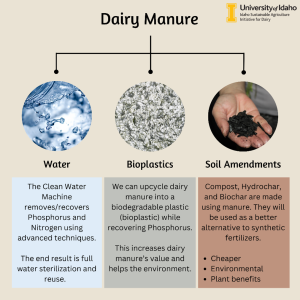
This is an example of an informative social media post that shows the ISAID Grant’s research with dairy manure.

Dairy farming is at the heart of Southern Idaho’s economy and way of life. As pressures mount around environmental impact, consumer expectations, and long-term viability, sustainability has become essential to the future of dairy. While research in this area has made significant strides, many farmers struggle to access and apply this information in a way that makes sense for their operations. Scientific studies are often dense, packed with technical jargon, and filled with data that doesn’t always connect to the everyday realities of farming.

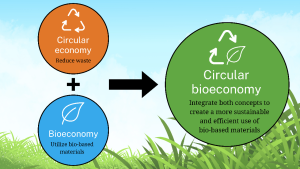
This graphic explains what circular bioeconomy is, a term used often in sustainability research.

This project aims to close the information gap by using research from the Idaho Sustainable Agriculture Initiative for Dairy (ISAID) Grant to make sustainability science more accessible and actionable. Our goal is to translate research into tools and messages that help farmers adopt practical, sustainable practices that benefit their operations and the broader agricultural landscape.

What Did We Do?

To better understand the communication barriers farmers face, we conducted a literature review focusing on agricultural communication and knowledge transfer, particularly in dairy sustainability. Our review included studies on the communication preferences of dairy producers, social media engagement in agriculture, and the role of trusted advisors such as veterinarians and extension specialists in knowledge dissemination. Key findings from this review highlighted the importance of concise, visually engaging content and digital platforms like Facebook and YouTube for reaching dairy farmers. We also examined studies on farmers’ motivations and perceived barriers to adopting sustainable practices, which emphasized the need for messages that align with farmers’ economic and operational priorities.

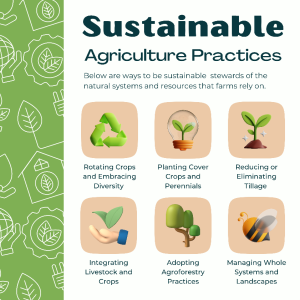
This graphic gives farmers suggestions for how to make their land more sustainable.

Additionally, research on sustainable practice adoption highlights that behavioral change plays a critical role in whether farmers choose to implement new sustainability measures. Concepts from the social science of behavior change, such as the Diffusion of Innovation (DOI) theory and the Reasoned Action Approach (RAA), help explain how farmers evaluate new practices. Key factors include perceived relative advantage, compatibility with existing practices, complexity, trialability, observability, and riskiness. These insights suggest that effective communication strategies should focus not just on providing information but also on addressing these concerns to increase adoption likelihood. Studies also show that demographics, land tenure, and financial constraints play significant roles in whether a farmer adopts new practices, reinforcing the need for tailored communication that takes these contextual factors into account.

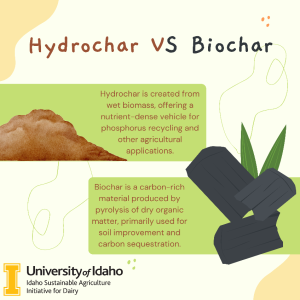
Hydrochar and Biochar are often mentioned in the ISAID Grant’s research. This graphic explains what each one is and how it is used.

To implement these strategies, we built a website that serves as a hub for sustainability research, providing easy access to summaries, case studies, and media. Additionally, we launched The Clever Cow Podcast, where industry experts, researchers, and farmers discuss sustainability, innovation, and best practices. A structured social media strategy further expands our outreach, allowing us to engage farmers through Facebook, Instagram, and YouTube. Recognizing the role of selective exposure and confirmation bias in how farmers consume information, we have designed our content to align with existing beliefs while also introducing new sustainability concepts in an engaging and relatable manner. To ensure our approach remains farmer-focused, we will conduct focus groups and surveys this summer to gather direct feedback, refine our outreach efforts, and develop communication strategies that effectively bridge the gap between researchers and the dairy community.

What Have We Learned?

Initial research and discussions suggest that farmers value concise, visually engaging content over lengthy technical reports. Social media and digital platforms, especially Facebook and YouTube, have emerged as preferred tools for accessing sustainability information. Farmers have also emphasized the importance of seeing practical examples of sustainability in action, such as case studies of dairy producers who have successfully incorporated sustainable practices. Additionally, partnerships with trusted organizations like local extension offices strengthen credibility and ensure that information is regionally relevant.

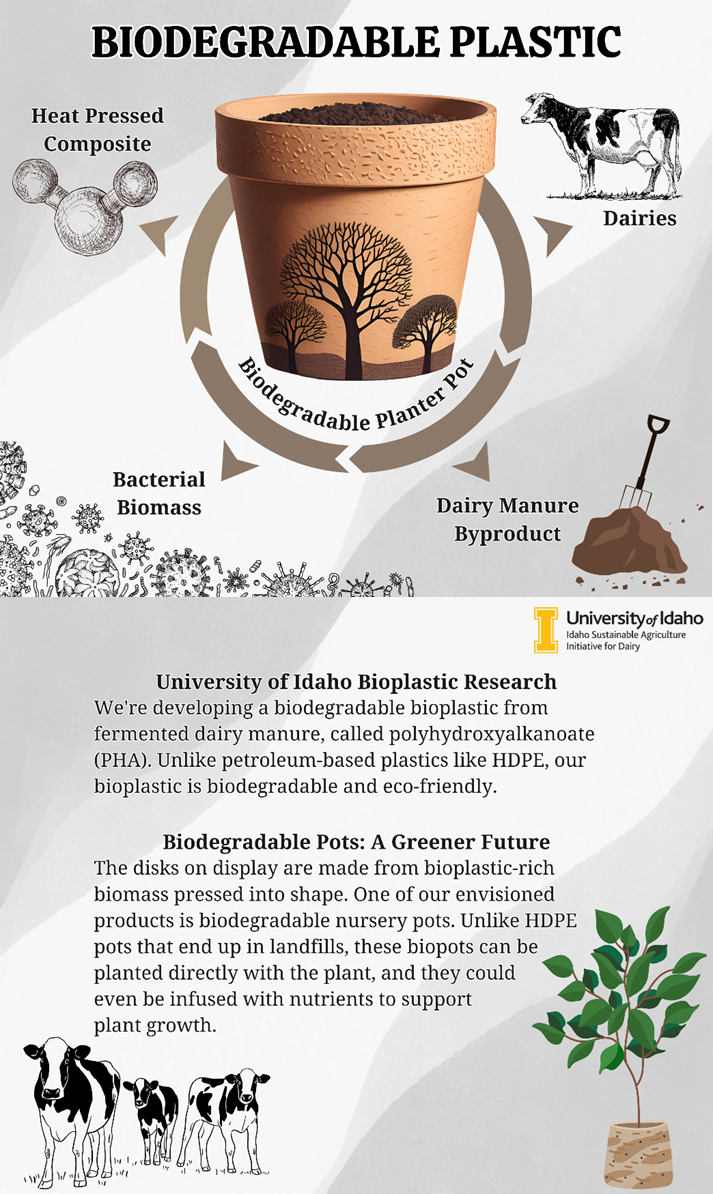
This informational card was used to share information with dairy producers about biodegradable plastic made from dairy manure.

Our research also highlights the need to consider cognitive biases in message design. Confirmation bias and selective exposure influence the way farmers engage with agricultural information, meaning that they are more likely to interact with content that aligns with their existing beliefs. By strategically framing sustainability messages in ways that resonate with their values—such as economic benefits, operational efficiency, and long-term resilience—we can increase engagement and encourage the adoption of sustainable practices. These findings highlight the importance of tailoring communication strategies to respect farmers’ time while making complex sustainability research easier to understand and apply.

Future Plans

In summer 2025, we will conduct two focus groups (12 farmers each) and distribute a statewide survey targeting over 100 Southern Idaho dairy producers. These efforts will gather direct input on preferred communication channels, trusted sources of information, and barriers to engaging with sustainability research. Using this feedback, we will refine and test outreach tools such as short-form videos, podcast episodes, social media graphics, and research-backed infographics. The insights gained will inform the development of a flexible, scalable communication model that can be customized for other agricultural communities across the U.S.

Authors

Presenting author

Savanah Nunes Carpenter, M.S. Graduate Student, Media and Communications Director, ISAID Grant, University of Idaho

Corresponding author

Dr. Mireille Chahine, Acting Head and Professor, Department of Animal Veterinary and Food Sciences, University of Idaho, mchahine@uidaho.edu

Additional Information

To learn more, visit the ISAID Grant website: www.uidahoisaid.com

Follow us on social media:

This video explains my research in four minutes: https://youtu.be/_3JWGDQgf0Y?si=Hpu233CQXFb1Dk8R


Acknowledgements

This research was funded by the USDA Sustainable Agricultural Systems Initiative through the Idaho Sustainable Agriculture Initiative for Dairy (ISAID) grant (Award No. 2020-69012-31871).

Special thanks to the ISAID Grant research team, the University of Idaho Extension, and the Southern Idaho dairy farmers who will participate in the upcoming focus groups and surveys.


The authors are solely responsible for the content of these proceedings. The technical information does not necessarily reflect the official position of the sponsoring agencies or institutions represented by planning committee members, and inclusion and distribution herein does not constitute an endorsement of views expressed by the same. Printed materials included herein are not refereed publications. Citations should appear as follows. EXAMPLE: Authors. 2025. Title of presentation. Waste to Worth. Boise, ID. April 7-11, 2025. URL of this page. Accessed on: today’s date.
Decades of advancement in the practice of manure storage and toward continued future success

Purpose

The history and development of the practice of manure storage over time in the US is told to educate new stakeholders, illustrate collective industry advancements and failures that have shaped course, and urge support for future success using rational design approaches, especially for concrete liners.

What Did We Do?

From literature and research interviews we layout a narrative for how the practice of manure storage design has changed over time. Change in the practice is traced by examining the development and use of the four major lining materials of earth, steel, plastic and concrete against the larger backdrops of consolidation and increasing environmental caution. Special focus is given to concrete, a lining material with relatively high durability and low permeability but limited rational design methodology.

What Have We Learned?

The practice of manure storage is shown to have advanced over the decades resulting in lower permitted seepage obtained for longer lifespans. This advancement has occurred under pressures for larger storages that are held to higher environmental standards.  This advancement has been made possible by the development of existing and new materials, including significant technical support behind them developed by governmental agencies, industries that supply the materials, and engineers who utilize them on farms. In the area of concrete liners there is room for significant advancement to develop near zero seepage liners at feasible cost, through the use of frameworks that are rational (mechanistic-empirical) and quantifiable.

Future Plans

Complete stage gate analysis for obtaining design seepage rates for concrete liners used in manure storage, that are mechanistic based and quantifiable.

Authors

Presenting & corresponding author

Mike Krcmarik, Professional Engineer, mikekrcmarik@gmail.com

Email corresponding author for a copy of the presentation and all collected references.

Acknowledgements

The author would like to acknowledge employees of the USDA’s Natural Resources Conservation Service, private consulting engineers designing manure storages, state regulators supporting manure storages, and material industry representatives for providing perspectives and resources used in assembling this presentation.


The authors are solely responsible for the content of these proceedings. The technical information does not necessarily reflect the official position of the sponsoring agencies or institutions represented by planning committee members, and inclusion and distribution herein does not constitute an endorsement of views expressed by the same. Printed materials included herein are not refereed publications. Citations should appear as follows. EXAMPLE: Authors. 2025. Title of presentation. Waste to Worth. Boise, ID. April 7-11, 2025. URL of this page. Accessed on: today’s date.
Sustainable Approach to Agriculture Education: Making the Most of Dairy Waste Byproducts

Purpose

The purpose of the project has been to develop a scientifically grounded, curriculum-ready educational framework that equips educators, especially those in Idaho, with the knowledge and instructional tools necessary to introduce students to the dairy industry and specifically, the environmental and economic benefits of dairy waste by-products. This project aimed to bridge the gap between industry practices and secondary agricultural education by highlighting sustainable waste management strategies within the dairy sector, including manure management, organic fertilizer production, methane gas utilization for renewable energy, and innovative by-product applications.

By integrating interdisciplinary concepts in agricultural science, environmental sustainability, and economics, we have worked to enhance students’ understanding of circular bioeconomy principles, real-world waste management challenges, and the importance of dairy sustainability in mitigating environmental impact while generating economic value. The ultimate goal is to foster a new generation of agriculturally literate students who can critically evaluate and contribute to sustainable innovations in the dairy industry.

What Did We Do?

We are presenting a comprehensive, two-week educational curriculum designed to equip Idaho educators with a resource on the state’s dairy industry. The curriculum encompasses foundational topics, including an introduction to dairy cattle, dairy nutrition, production facilities, and the processes involved in milk and cheese production. However, its primary emphasis is on the sustainable management of dairy by-products, addressing key environmental challenges associated with dairy operations.

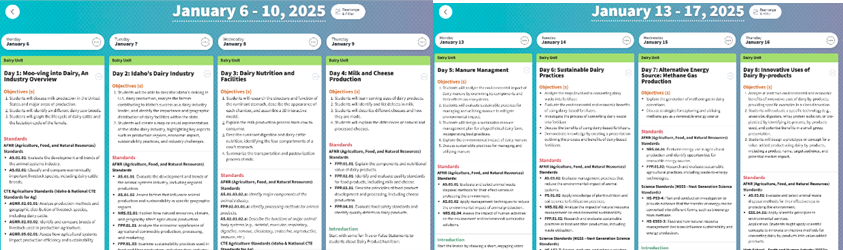
The above figure is an of the instructional framework for the dairy unit, illustrating the progression of concepts in the unit and the layout of including daily objectives and alignment to state and national academic standards.

This interdisciplinary curriculum explores advanced dairy waste management strategies, including manure management, biochemical conversion into organic fertilizers, and anaerobic digestion for methane gas production. Through hands-on learning and real-world case studies, the curriculum connects industry practices with secondary agricultural education, fostering a deeper understanding of the ecological and economic impacts of sustainable dairy waste repurposing.

What Have We Learned?

Our findings indicate that students are both prepared and capable of engaging with new scientific and industry-specific information when presented through differentiated and interactive instructional methods. A pre-unit assessment was administered on 2/25/2025 prior to introducing the first-time curriculum, with students averaging 59% on the assessment. Following the conclusion of the unit on 3/14/2025, the average score on the same material rose to 89%. We believe even in the initial rollout of curriculum, this significant increase reflects meaningful learning gains, especially when considering the variability in student learning styles and attendance. The incorporation of varied learning modalities—ranging from hands-on applications to case-based discussions—provided sufficient cognitive engagement, contributing to sustained student interest and improved comprehension throughout the unit.

Furthermore, this approach facilitates exposure to specialized aspects of the dairy industry that may otherwise remain unexplored, even by students residing in regions with high dairy production. By integrating diverse educational strategies, the curriculum broadens students’ conceptual understanding of sustainable dairy waste management, reinforcing the applicability of these practices within both local and global agricultural contexts.

Future Plans

Moving forward, the curriculum will be made available to agricultural educators across Idaho and the broader Northwest region, providing a flexible instructional resource that can be implemented in whole or adapted to meet specific classroom needs. By offering the curriculum in a digital format, accessible from anywhere, educators will have the ability to customize content to align with their students’ learning objectives while maintaining the integrity of the scientific and industry-relevant information presented.

This resource serves as a readily accessible tool for high school instruction, facilitating an in-depth exploration of the dairy industry, milk and cheese processing, and the complex sustainability challenges faced by modern dairy operations. By emphasizing the innovative repurposing of dairy by-products into value-added commodities, the curriculum equips students with a critical understanding of the environmental and economic imperatives driving sustainability within the dairy sector.

Authors

Presenting & corresponding author

Melissa A. Renfrow, University of Idaho, renfrow@uidaho.edu

Additional author

Dr. Kattlyn Wolf, Professor, Department of Agricultural Education, Leadership and Communication, University of Idaho

Additional Information

Acknowledgements

This Idaho Sustainable Agriculture Initiative for Dairy project is supported by USDA-NIFA SAS award #2020-69012-31.


The authors are solely responsible for the content of these proceedings. The technical information does not necessarily reflect the official position of the sponsoring agencies or institutions represented by planning committee members, and inclusion and distribution herein does not constitute an endorsement of views expressed by the same. Printed materials included herein are not refereed publications. Citations should appear as follows. EXAMPLE: Authors. 2025. Title of presentation. Waste to Worth. Boise, ID. April 7-11, 2025. URL of this page. Accessed on: today’s date.
Co-recovery of phosphorus from manure using acid precursors contained in other wastes.

Purpose

A new approach for recovering nutrients and value-added products from waste is to search for a synergistic effect by combining two or more wastes.  This work improved the recovery of phosphorus and proteins/amino acids abundant in swine manure by adding a second waste or product rich in sugars, such as molasses, fruit waste, or lactose waste.  The second waste rich in sugars acted as a natural acid generator that replaced purchased acids and lowered the overall recovery cost.

What Did We Do?

A new approach was developed to separate and recover concentrated phosphorus and proteins from animal waste (Vanotti and Szogi, 2019).  It was improved by adding a second waste or product containing sugars, such as molasses and fruit waste (Vanotti et al., 2020).  They could be used as a natural acid precursor that replaces purchased acids and lowers the overall cost of phosphorus and protein recovery.  In this study, the two model wastes were swine manure solids (source of extractable phosphorus and proteins) and peach waste (source of acid precursors).

What Have We Learned?

On a dry-weight basis, the swine manure solids contained high amounts of proteins (15.2%) and phosphorus (2.9%) available for extraction. It was shown that waste peaches, an abundant waste in the Southeastern USA with no cost except transportation, contain about 8% total sugars and can be used as an acid precursor to effectively extract phosphorus and proteins from swine manure (waste peaches were peaches that were too soft, had bad spots, or did otherwise not meet the grade at the Processing Plant for sale as fresh fruit). The waste peaches (Brix 7.7 deg) were added to the manure, and the combo received rapid fermentation (24-h) after adding an inoculum (Vanotti et al., 2020).  Adding fruit waste to the manure and rapid fermentation produced abundant natural acids – lactic acid, citric acid, and malic acid – that effectively solubilized the phosphorus in the manure (Fig. 1).  Further, the peach fermentation did not adversely affect the protein recovery from the manure.  A pH of about five or less is a valuable target to optimize the phosphorus and protein recovery from manure.  The target was successfully met using a variety of natural acid precursors (fructose, molasses, peaches, lactose). The phosphorus was precipitated with calcium or magnesium compounds, obtaining concentrated phosphate products with > 90% plant-available phosphorus. The proteins/amino acids in the manure were quantitatively recovered. Other fruits, vegetables, and food waste products also contain significant amounts of sugar, so this is not limited to only wasted peaches. It is contemplated that other sugar-containing agricultural by-products could be used in this process for the same purpose with minor adjustments for amounts depending on the sugar concentration and initial pH of the fruit or vegetable.

Fig. 1. Adding an acid precursor to the manure and rapid fermentation increased acidity and the phosphorus recovery from the manure, up to a plateau recovery (Vanotti et al., 2023).

Future Plans

Research will be presented showing consistent phosphorus extraction results obtained with swine manure and sugar beet molasses as the acid precursor, and with dairy manure and lactose waste as the acid precursor. USDA-ARS seeks a commercial partner to bring this technology to market.  For more information on commercialization, contact: Mrs. Tanaga Boozer, Technology Transfer Coordinator, USDA-ARS, OTT Southeast Area, tanaga.boozer@usda.gov

Authors

Presenting & corresponding author

Matias Vanotti, USDA-ARS, Matias.vanotti@usda.gov

Additional authors

Vanotti, M.B, Szogi, A.A., and Brigman, P.W.  USDA-ARS, Florence, SC

Moral, R. Miguel Hernandez University, Orihuela, Spain

Additional Information

Vanotti, M.B., Szogi, A.A. 2019. Extraction of amino acids and phosphorus from biological materials. US Patent 10,150,711. US Patent & Trademark Office.

Vanotti, M.B., Szogi, A.A., Moral, R. 2020. Extraction of amino acids and phosphorus from biological materials using sugars (acid precursors). US Patent 10,710,937. US Patent & Trademark Office.

Vanotti, M., Szogi, A., Moral, R., & Brigman, W. 2023 (November). Recovery of Value-Added Products from Swine Manure and Waste Peaches. In National Conference on Next-Generation Sustainable Technologies for Small-Scale Producers (NGST 2022) (pp. 38-42). Atlantis Press.

Acknowledgements

This research was part of USDA-ARS National Program 212, ARS Project 6082-12630-001-00D. Support by Mitsubishi Chemical Corporation, Japan, through ARS Project 58-6082-7-006-F, is also acknowledged.  Mention of trade names or commercial products in this article is solely for the purpose of providing specific information and does not imply recommendation or endorsement by the U.S. Department of Agriculture.


The authors are solely responsible for the content of these proceedings. The technical information does not necessarily reflect the official position of the sponsoring agencies or institutions represented by planning committee members, and inclusion and distribution herein does not constitute an endorsement of views expressed by the same. Printed materials included herein are not refereed publications. Citations should appear as follows. EXAMPLE: Authors. 2025. Title of presentation. Waste to Worth. Boise, ID. April 7-11, 2025. URL of this page. Accessed on: today’s date.
From Waste to Worth; Creating an educational opportunity from a disaster

Purpose

North Dakota was impacted by the 2022 Highly Pathogenic Avian Influenza (HPAI) outbreak. Responders to the HPAI outbreak included the North Dakota Department of Agriculture, North Dakota Department of Environmental Quality, USDA Animal and Plant Health Inspection Service (APHIS), North Dakota State University (NDSU) Veterinary Diagnostic Laboratory, NDSU Extension, county emergency managers and veterinarians. Many responders were new employees and were not involved in response efforts during the 2015 HPAI outbreak, including 62% of county Extension agents. The lack of experience and knowledge resulted in a significant amount of time and effort spent determining the appropriate agencies to contact, defining agency roles, developing educational resources, and creating an awareness of biosecurity and procedures used in active cases. Additionally, limited attention was given to stress management or mental health and well-being during this period of heightened stress for personnel involved in response.

What Did We Do?

NDSU Extension received a 2023 USDA APHIS National Animal Disease Preparedness and Response Program grant to train professionals on how to safely respond to an animal disease outbreak or mass livestock mortalities. Training topics included:

    • An overview of animal diseases
    • Continuity of business planning
    • Personal protective equipment and decontamination
    • Incident command systems, local response roles and impact assessment
    • Humane endings
    • Carcass disposal site selection and methods
    • Stress management and responding to stressed people
    • Effective communication in high stress situations
    • A response simulation exercise.

The curriculum was developed over a 5-month period and was previewed by 25 attendees during the North Dakota Veterinary Medical Association’s Annual Winter Conference. A total of 11 attendees responded to a survey of which 100% agreed the training increased their confidence in responding to a foreign animal disease (FAD), while 91% indicated the materials presented were appropriate for those responding to an animal disease outbreak at the local level. All topic areas were rated as either moderately useful or very useful. Suggested improvements to the curriculum were made over the next 4 months until the first full training.

The one and a half day training events were held in person at the NDSU Carrington Research Extension Center (CREC) in June and September 2024. The training format included classroom, group work, demonstrations and hands-on activities. Each participant received a kit which contained personal protective equipment. A table-top exercise at the end of the training tied in all topics presented and provided time for groups to share experiences with response efforts.


Participants of the Emergency Response Preparedness for Foreign Animal Diseases and Mass Livestock Mortalities in North Dakota training viewed a non-disease mortality compost site. NDSU photo.


Emergency Response Preparedness for Foreign Animal Diseases and Mass Livestock Mortalities in North Dakota training participants practice donning PPE during hands-on portion of training. NDSU photo.

Participants of the Emergency Response Preparedness for Foreign Animal Diseases and Mass Livestock Mortalities in North Dakota training received Glo-Germ on their gloves as they exited the people movers to doff PPE. They rubbed it on their hands and then up and down their PPE. The Glo-Germ was used as a tool to aid in visual “contamination”. A black light was used after doffing was complete to spot any signs of “contamination”. NDSU photo. The NDSU Extension does not endorse commercial products or companies even though reference may be made to tradenames, trademarks or service names.

What Have We Learned?

In post-event evaluations of training participants, all respondents (57) indicated that the training increased their confidence and ability in responding to an animal disease or mass livestock mortality event. Additionally, 96% of respondents indicated they planned to make changes to be better prepared and better able to respond to animal diseases or mass livestock mortalities because of their participation in the training. Responses also indicated 93% improved their ability to provide support to individuals in high stress situations.

Post-training evaluation respondent comments included:

    • “One of the best trainings I’ve ever attended. Please make sure new ANR [agriculture and natural resources] agents attend this in the future.
    • “This was a great training and appreciate all the work put into it! It was good to understand the chain of command and know that many other offices would be working with a producer in a situation involving a FAD.”
    • “I appreciated the number of different professions represented at this meeting and their unique perspectives for this type of emergency response.”
    • “It was a great learning experience. The information was very useful and will be put to use if an event occurs. We EM’s [emergency managers] don’t normally deal directly with the emotional responses but we are resources for finding avenues for emotional support, which is great to know that there are people to reach out to in the animal industry. Overall, it was great to network with others and have more tools in the toolbox for when the situation occurs. GREAT JOB to everyone involved!!”

Six-month follow-up evaluation data from the first training session indicated that 91% of respondents (12) felt their community is better prepared for and able to respond to an animal disease or mass livestock mortality. Of these respondents, 45% took action to be more prepared for an animal disease or mass livestock mortality. Additionally, the training was successful in building relationships between responders in the state with 55% collaborating with individuals they connected with at the training to better prepare their communities to respond to an animal disease or mass livestock mortality. The six-month follow-up evaluation for the second training session will be administered in March 2025 and these proceedings will be updated with the information.

As part of the six-month evaluation, respondents were asked if they had taken actions to prepare for an animal disease or mass livestock mortality. Comments to date included:

    • “Put together a list of resources, working on a response plan, informed stakeholders on the process and procedures involved.”
    • “Monitoring of animal diseases in state and working with local producers and County Extension Agent.”
    • “I have been more diligent about collecting names of producers or contacts needed if any outbreak would occur.”

Future Plans

Based on feedback from participants, an online discussion and a one-day table-top training are being planned. A follow-up one-hour online discussion session for all training participants will occur in February 2025. A day-long tabletop training is being planned for September 2025. This training will be for Extension agents and emergency managers. The goal of this training is to continue to increase preparedness and response capacity at the local level through the development of skills and relationships.

Authors

Presenting & corresponding author

Mary A. Keena, Extension Specialist, North Dakota State University, mary.keena@ndsu.edu

Additional authors

Miranda Meehan, Ph.D., Associate Professor, Livestock Environmental Stewardship Specialist and Disaster Education Coordinator, North Dakota State University; Carolyn Hammer, DVM, Ph.D., Professor, Associate Dean of College of Agriculture, Food Systems and Natural Resources, North Dakota State University;  Heidi Pecoraro, DVM, Ph.D., DACVP, Director, Veterinary Diagnostic Laboratory, North Dakota State University; Sean Brotherson, Ph.D.,  Professor and Family Science Specialist, North Dakota State University; Ethan Andress, DVM, State Veterinarian, ND Department of Agriculture; Jodi Bruns, M. Ed., Leadership and Civic Engagement Specialist, North Dakota State University; Adriana Drusini, Extension Program Coordinator, Farm and Ranch Stress, North Dakota State University; Marty Haroldson, Program Manager, Division of Water Quality, ND Department of Environmental Quality; Angela Johnson, Farm and Ranch Safety Coordinator, North Dakota State University; Margo Kunz, DVM, Assistant State Veterinarian, ND Department of Agriculture;  Julianne Racine, Extension Agent, Agriculture and Natural Resources, LaMoure County, North Dakota State University; Karl Rockeman, P.E., Director, Division of Water Quality, ND Department of Environmental Quality; Jan Stankiewicz, MS, MPH cert., Community Health and Nutrition Specialist & Tribal Liaison, North Dakota State University;  Rachel Strommen, Environmental Scientist, ND Department of Environmental Quality; and Kent Theurer, Emergency Management Specialist, ND Department of Agriculture.

Additional Information

Twenty-one new Extension publications in either English or Spanish will be created from this project. Completed to-date include:

Acknowledgements

The USDA Animal and Plant Health Inspection Service National Animal Disease Preparedness and Response Program funded this project. Project ID: ND01.22.

Special thank you to our support staff members, Myrna Friedt, Linda Schuster, Stephanie Sculthorp-Skrei and Lynne Voglewede as well as the NDSU Agriculture Communications department for all of the time and effort you put into these trainings and materials.


The authors are solely responsible for the content of these proceedings. The technical information does not necessarily reflect the official position of the sponsoring agencies or institutions represented by planning committee members, and inclusion and distribution herein does not constitute an endorsement of views expressed by the same. Printed materials included herein are not refereed publications. Citations should appear as follows. EXAMPLE: Authors. 2025. Title of presentation. Waste to Worth. Boise, ID. April 7-11, 2025. URL of this page. Accessed on: today’s date.
Sustainability of the Dairy Industry in the United States

Purpose

The U.S. dairy industry recognizes its environmental impact and has committed to achieving carbon neutrality by 2050, aiming to significantly reduce greenhouse gas (GHG) emissions while maintaining production efficiency. The primary sources of dairy-related emissions include enteric methane from cows, manure management, feed production, and energy use on farms.

Improvements in feed efficiency and manure management have already led to reductions in emissions per unit of milk produced. For instance, Idaho has successfully reduced enteric methane emissions per unit of milk by 25% since 1990, and methane emissions from manure per unit of milk have declined by about 20% (O’Hara, 2022). However, the total emissions from manure have increased by 20% due to herd growth in Idaho. These figures highlight the challenge of balancing productivity with environmental stewardship. Despite these difficulties, advancements in animal nutrition, manure management, and emerging technologies provide a promising path toward sustainability.

What Did We Do?

Over the past several decades, remarkable advancements in dairy farming have significantly improved milk production efficiency. Since the 1940s, the industry has nearly quadrupled milk output per cow through genetic improvements, optimized nutrition, and better overall management. This increase in productivity has allowed farmers to produce more milk with fewer cows, reducing the environmental footprint of each unit of dairy produced. Beyond improvements in feed efficiency, nutritional interventions such as adding feed additives like 3-NOP (3-nitrooxypropanol), seaweed, and oilseeds have been shown to reduce enteric methane emissions by altering rumen microbial activity. Research suggests that 3-NOP, for instance, can reduce methane emissions by up to 30% without negatively affecting milk yield or composition (Hristov, 2021).

Manure management is another critical area of focus. Technologies such as anaerobic digesters, composting systems, and improved storage techniques have been implemented to mitigate methane emissions from manure. Anaerobic digesters convert manure into biogas, which can be used as a renewable energy source, reducing the reliance on fossil fuels and lowering overall carbon emissions. Other strategies, such as mechanical separators and compost-bedded pack barns, have also been explored as effective methods for reducing methane release from stored manure.

What Have We Learned?

Several key strategies have emerged as effective pathways for improving dairy sustainability. The first is continued advancements in genetics, which allow farmers to breed more productive cows that require fewer resources per unit of milk produced. Selective breeding programs targeting low-methane-emitting cows could further contribute to sustainability efforts. Precision feeding techniques, which ensure cows receive the optimal balance of nutrients without overfeeding, are also crucial for reducing emissions. Feed additives such as tanniferous forages, alternative electron sinks like nitrates, and certain types of fats have shown potential in mitigating enteric methane production. However, long-term research is still needed to assess their effectiveness and potential side effects on animal health and productivity.

Another significant finding is the role of manure management systems in influencing overall farm emissions. Studies indicate that farms implementing covered liquid slurry storage and anaerobic digesters experience lower methane emissions compared to traditional open-lagoon systems. Additionally, manure treatment systems that integrate composting or separation techniques have been identified as key factors in reducing GHG emissions. Beyond farm-level practices, the industry has recognized the importance of collaboration across the supply chain. Processors, retailers, and policymakers must work together to promote sustainable practices, invest in research, and provide incentives for farmers to adopt new technologies.

Future Plans

Moving forward, the dairy industry will continue to focus on increasing milk production efficiency as a means of reducing emissions per unit of milk produced. Advances in genetics, feed optimization, and herd management will further contribute to sustainability efforts. Additionally, manure management will play a pivotal role in achieving sustainability goals. Expanding the use of anaerobic digesters and nutrient recycling technologies will help reduce emissions while providing renewable energy and valuable soil amendments.

Investment in research and innovation will be essential for identifying new strategies and improving existing ones. Research into alternative feed additives, precision agriculture, and digital monitoring tools will enable farmers to make data-driven decisions that enhance both productivity and environmental sustainability. Policy support and financial incentives will also be critical in accelerating the adoption of sustainable practices. Government programs and industry initiatives should continue to provide funding for technology adoption, carbon offset programs, and educational resources for farmers. Ultimately, the U.S. dairy industry is well-positioned to make significant strides toward its sustainability goals. By leveraging innovation, research, and collaboration, the industry can continue to provide essential nutrition while reducing its environmental footprint and working toward carbon neutrality by 2050.

Authors

Presenting & corresponding author

Mark A. McGuire, University Distinguished Professor, Department of Animal, Veterinary and Food Sciences, University of Idaho, mmcguire@uidaho.edu

Additional Information

Capper, J. L., Cady, R. A., & Bauman, D. E. (2009). The environmental impact of dairy production: 1944 compared with 2007. Journal of Animal Science, 87(6), 2160–2167. https://doi.org/10.2527/jas.2009-1781

El Mashad, H. M., Barzee, T. J., Franco, R. B., Zhang, R., Kaffka, S., & Mitloehner, F. (2023). Anaerobic digestion and alternative manure management technologies for methane emissions mitigation on Californian dairies. Atmosphere, 14(1), 120. https://doi.org/10.3390/atmos14010120

Godber, O. F., Czymmek, K. J., van Amburgh, M. E., & Ketterings, Q. M. (2024). Farm-gate greenhouse gas emission intensity for medium to large New York dairy farms. Journal of Dairy Science. https://doi.org/10.3168/jds.2024-25874

Hristov, A. N., Melgar, A., Wasson, D., & Arndt, C. (2021). Symposium review: Effective nutritional strategies to mitigate enteric methane in dairy cattle. Journal of Dairy Science, 105(10), 8543–8557. https://doi.org/10.3168/jds.2021-21398

Innovation Center for U.S. Dairy. (2022). U.S. Dairy Sustainability Report 2021-2022. Retrieved from https://www.usdairy.com/about-us/innovation-center

Kreuzer, M. (2024). Feed additives for methane mitigation: Introduction—Special issue on technical guidelines to develop feed additives to reduce enteric methane. Journal of Dairy Science.

Nguyen, B. T., Briggs, K. R., & Nydam, D. V. (2023). Dairy production sustainability through a one-health lens. Journal of the American Veterinary Medical Association, 261(1). https://doi.org/10.2460/javma.22.09.0429

O’Hara, J. K. (2022). State-level trends in the greenhouse gas emission intensity of U.S. milk production. Journal of Dairy Science, 106(10), 5474–5484. https://doi.org/10.3168/jds.2022-22741

Rotz, C. A. (2017). Modeling greenhouse gas emissions from dairy farms. Journal of Dairy Science, 101(7), 6675–6690. https://doi.org/10.3168/jds.2017-13272

U.S. Farmers & Ranchers in Action (USFRA). (2024). Potential for U.S. Agriculture to Be Greenhouse Gas Negative. Retrieved from https://www.usfraonline.org

Acknowledgements

Supported by USDA-NIFA SAS 2020-69012-31871