This research aims to analyze consumer sentiment and demand for biochar-enriched products, with a focus on their willingness to pay. By assessing how consumers perceive and value biochar’s environmental and agricultural benefits—such as reduced greenhouse gas emissions, carbon sequestration, improved soil health, enhanced water efficiency, and increased yields—the study explores how these factors influence purchasing decisions.
Understanding these preferences is essential for determining the market viability of biochar-enriched products and identifying potential price premiums. Additionally, the study provides insights into policy recommendations on eco-labeling, sustainability certifications, and incentives for biochar adoption. As the biochar market is still emerging, these findings will help producers and suppliers assess whether investment in biochar-based systems is financially viable based on consumer demand.
What Did We Do?
For our analysis, we employed the contingent valuation method (CVM), a widely used approach in consumer studies. In this method, consumers are asked whether they are willing to pay a premium for products after being informed about their environmental and health benefits compared to conventional options. Our analysis is based on the premise that consumers care about the products they purchase, particularly in terms of the environmental and health benefits they offer.
To capture a broad range of consumer sentiments, the survey was designed to gather data from approximately 1,006 U.S. respondents aged 18 and older who consume meat, selected randomly through Qualtrics. The sample was evenly balanced, with 50.4% female and the remaining respondent’s male. The survey aimed to understand meat consumers’ preferences regarding sustainably produced feed, particularly focusing on corn silage produced using biochar. It collected demographic information and insights into participants’ meat purchasing habits, such as the frequency of purchases and their preferred locations. Participants ranked factors like taste, price, health benefits, environmental impact, and brand when selecting meat products. We also assessed their awareness of sustainable agriculture practices, environmental claims, and the effects of traditional farming.
Since biochar is a relatively new concept, respondents unfamiliar with biochar were shown an educational video explaining its benefits as a soil amendment. Respondents were then asked to choose between sustainable feed and conventional feed, as well as to rank the importance of sustainable feed sources in meat production. Following this, respondents listing benefits of biochar in silage production, including reduced greenhouse gas emissions, reduced water usage, decreased chemical fertilizer use, reduced carbon footprint, and improved soil health. Finally, respondents were asked about their willingness to pay a premium for meat produced with sustainably raised feed (silage produced using biochar) and whether additional product information or certifications, such as USDA , Organic, would influence their purchasing decisions.
What Have We Learned?
From our survey, we learned that demographic factors such as marital status, education level, urban residence, and full-time employment are associated with greater concern for health and a willingness to pay a premium for higher-quality meat. Nearly 94% of participants purchased meat from supermarkets, with 66% doing so weekly, with taste and price being the most important factors in their decision-making. Health benefits were considered, but they were secondary to taste and price. Environmental sustainability and brand identity had a minimal influence on purchasing choices, and most consumers did not actively seek information about food production processes. A significant portion of respondents, particularly those unfamiliar with sustainable farming practices, did not let environmental claims impact their meat purchases.
Additionally, our findings revealed that over 92% of respondents were initially unaware of biochar and its benefits. However, after being exposed to an informational clip, 49% expressed interest in learning more about biochar, and 35% felt informed enough to make a purchasing decision. Participants recognized key benefits of biochar, including reduced chemical fertilizer use, lower water consumption, and improved soil health. By the end of the survey, more than 69% of respondents indicated a willingness to pay a premium for sustainably raised meat.
Moreover, familiarity with sustainable agriculture and consideration of environmental claims played a significant role in purchasing decisions, emphasizing the impact of awareness on consumer behavior. Certification and detailed product information, both of which were statistically significant at the 1% level, further enhanced consumer trust and perceived value, increasing the likelihood of premium pricing acceptance.
Future Plans
The analyses conducted thus far are based on survey results, utilizing descriptive statistics and an ordered logit regression model. Moving forward, we plan to apply these findings to estimate market demand for biochar-based products and compare the profitability of biochar-based production with conventional practices. This expanded analysis will offer deeper insights into consumer preferences, the potential price premium for biochar products, and the economic viability of integrating biochar into agricultural production systems.
Authors
Presenting & Corresponding author
Sunita Bandane Pahari, Graduate Research Assistant, University of Idaho, paha0494@vandals.uidaho.edu
This research was funded by the USDA Sustainable Agricultural Systems Initiative through the Idaho Sustainable Agriculture Initiative for Dairy (ISAID) grant (Award No. 2020-69012-31871).
The authors are solely responsible for the content of these proceedings. The technical information does not necessarily reflect the official position of the sponsoring agencies or institutions represented by planning committee members, and inclusion and distribution herein does not constitute an endorsement of views expressed by the same. Printed materials included herein are not refereed publications. Citations should appear as follows. EXAMPLE: Authors. 2025. Title of presentation. Waste to Worth. Boise, ID. April 7-11, 2025. URL of this page. Accessed on: today’s date.
Land application of swine manure (SM) offers a practical approach to supplying nutrients to crop fields while enhancing soil organic carbon and micronutrient contents. This study is a part of a multi-state project evaluating the effects of SM land application on soil properties and corn yield in comparison to inorganic fertilizer (IF).
What Did We Do?
The experiment is conducted on a five-acre plot using randomized complete block design, consisting of three treatments [IF, SM, and SM+ Starter Fertilizer (SF)], over five years. The study aims to measure various soil properties (organic carbon, nitrogen content, bulk density, porosity, water holding capacity, soil respiration, pH, electrical conductivity, and soil macro- and micronutrient contents). Soil samples are collected from each plot at various depths (0-3, 3-6, 6-12,12-18, 18-24, 24-36 inches) to evaluate treatment effects over time.
What Have We Learned?
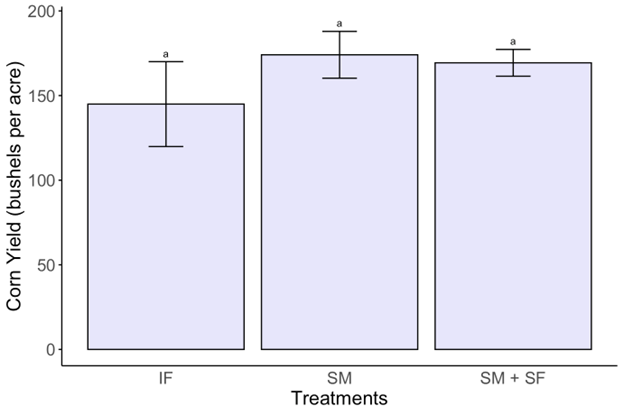
Although the study is still in its early stages, preliminary data show promising results for corn yield in the first year, with 144.96, 174.09, and 168.39 bushels per acre for the IF, SM and SM+SF treatments, respectively. While the differences were statistically non-significant (p = 0.32), the SM treatment achieved the highest yield. Soil compaction (measured using SHT-003 Soil Load Penetrometer) of the field was non-significant (p = 0.56) for the treatments. However, the highest soil compaction was observed with the inorganic fertilizer (11.86 Newton) treatment, followed by SM (11.07 Newton), and the lowest soil compaction with the SM + SF (10.99 Newton) treatment. These findings suggest that swine manure may have a positive impact on the corn yield and soil compaction.
Figure 1: Effects of SM, IF & SM+IF applications on corn yield (SM- Swine Manure, IF- Inorganic fertilizer, SM+SF: Swine manure + Starter Fertilizer) (Data are presented as mean with standard error, bars with different letters denote significantly different at p<0.05)
Furthermore, we observed significant differences (p < 0.05) in Soil Plant Analysis Development (SPAD, chlorophyll and nitrogen contents in leaves measured using Minolta Chlorophyll Meter) values among the treatments, with IF showing the highest value (52.37), followed by SM (48.15) and then the SM+SF (45.56).
Figure 2: Effects of SM, IF & SM+IF application on SPAD values (SM- Swine Manure, IF- Inorganic fertilizer, SM+SF: Swine manure + Starter Fertilizer, SPAD- Soil Plant Analysis Development) (Data are presented as mean with standard error, bars with different letters denote significantly different at p<0.05)
The electrical conductivity (measured using Hanna GroLine Soil EC Tester) of the soil was significantly influenced (p < 0.05) by the treatments. The highest electrical conductivity was observed with the application of SM (0.36) which is statistically similar to SM+SF (0.32) treatment, but significantly higher than the IF (0.22) treatment.
Fig. 3 Effects of SM, IF & SM+IF application on electrical conductivity (EC) (SM- Swine Manure, IF- Inorganic fertilizer, SM+SF: Swine manure + Starter Fertilizer, EC- Electrical Conductivity) (Data are presented as mean with standard error, bars with different letters denote significantly different at p<0.05)
Future Plans
We plan to take the growth parameters including plant height and chlorophyll content (SPAD) at regular intervals. Additionally, we intend to sample soil microbiome composition in the field. This year we harvested 6 rows per plot but starting next year, we will harvest 18 center rows per plot (out of 31) for yield measurement. We will also exclude 15 feet from both the northern and southern ends of each plot.
Authors
Presenting author
Ravi Raj Mishra, Graduate student, University of Missouri, Columbia
Corresponding author
Teng-Teeh Lim, Extension Professor, University of Missouri, Columbia, limt@missouri.edu
Additional author(s) (name, title, and affiliation for each)
Manobendro Sarker, Graduate student, University of Missouri, Columbia
We acknowledge the National Pork Board for the funding and collaboration with South Dakota State University. Our sincere thanks also go to Manobendro Sarker, Moh Moh Thant Zin, and Rana Das from our research group, and the research farm team for their support in field operations.
The authors are solely responsible for the content of these proceedings. The technical information does not necessarily reflect the official position of the sponsoring agencies or institutions represented by planning committee members, and inclusion and distribution herein does not constitute an endorsement of views expressed by the same. Printed materials included herein are not refereed publications. Citations should appear as follows. EXAMPLE: Authors. 2025. Title of presentation. Waste to Worth. Boise, ID. April 7–11, 2025. URL of this page. Accessed on: today’s date.
Soil health is crucial for sustainable crop production, which can differ from conventional soil nutrient considerations. Analyzing a multiyear, state-wide dataset can greatly improve the understanding of soil health status. In collaboration with the Missouri N340 cover crop cost-share program, this research compiled multiyear soil sample results from fields throughout Missouri and assessed the effects of manure application strategies on soil properties.
What Did We Do?
A total of 14,473 soil samples were collected from 2015 to 2022 across Missouri. The physicochemical properties of soil samples were analyzed by the University Soil Health Assessment Center (SHAC). To evaluate the impacts of manure application, results were first compared with fields that received inorganic fertilizer, followed by the interaction with soil texture. The effects of manure type and their application method were further studied in this research.
What Have We Learned?
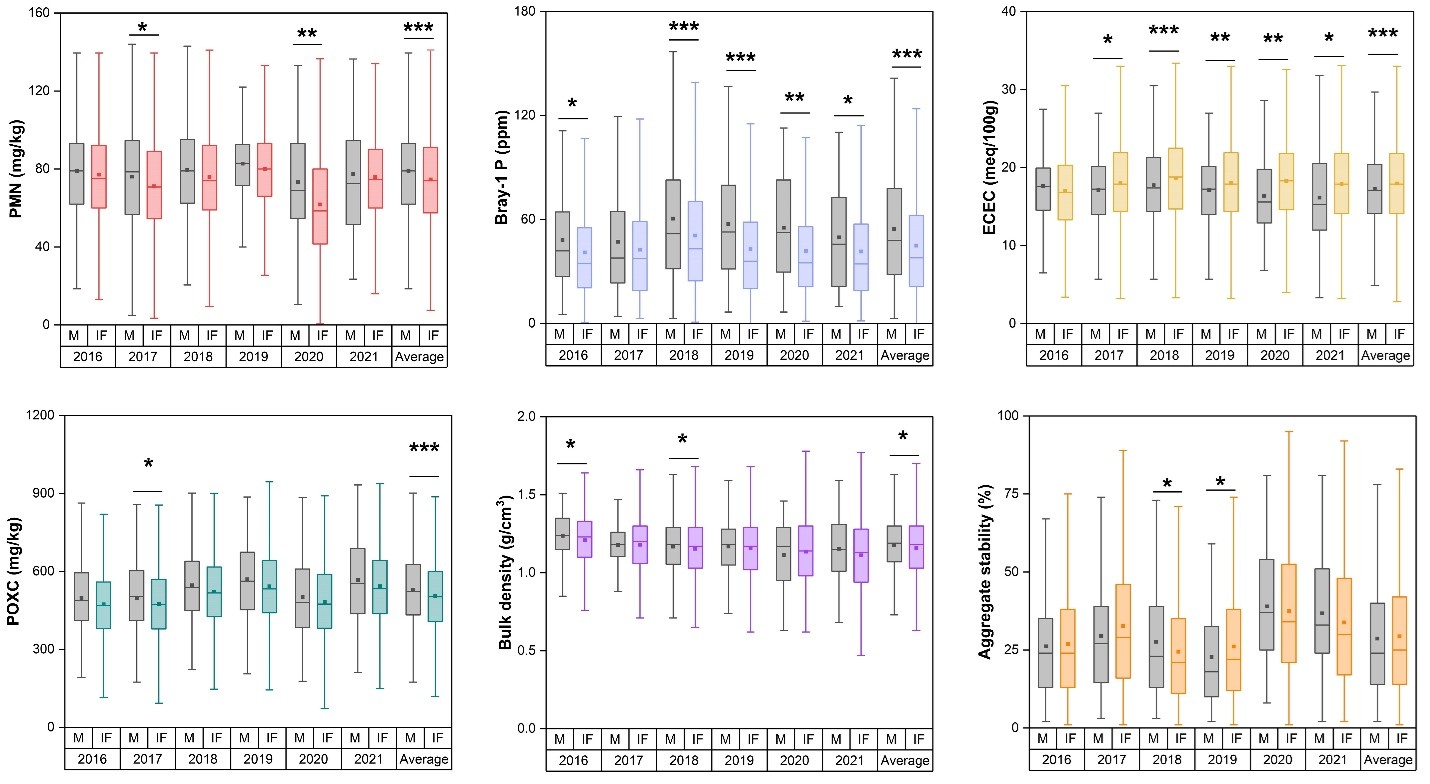
In most years, manure application increased potentially mineralizable nitrogen (PMN), Bray-1 phosphorus (P), permanganate-oxidizable carbon (POXC), and organic carbon, showing more significant differences in some years compared to inorganic fertilizer. There was no improvement in effective cation exchange capacity (ECEC), but aggregate stability was highly variable for manure application (Figure 1).
Figure 1: Effects of manure land application on soil properties for soil samples of 2015-2022 (M- Manure, IF- Inorganic fertilizer; significant codes: *** : < 0.001, ** : < 0.01, * : <0.05)
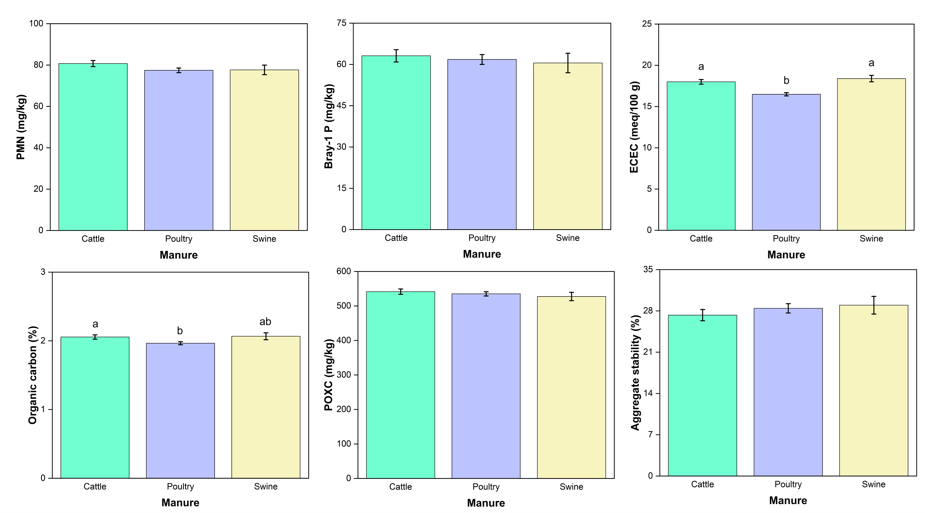
The interaction between manure and soil texture significantly (p<0.01) affected PMN, ECEC, organic carbon, and POXC, but no significant difference in aggregate stability was observed. There was also a significant effect of manure type on ECEC and organic carbon, as shown in Figure 2. The organic carbon of fields that received cattle and swine manure was significantly higher (p<0.05) than poultry manure-receiving fields, but there was no significant difference between cattle and swine manure.
Figure 2: Effects of manure types on soil physicochemical properties (Data are presented as mean with standard error, bars with different letters denote significantly different at p<0.05)
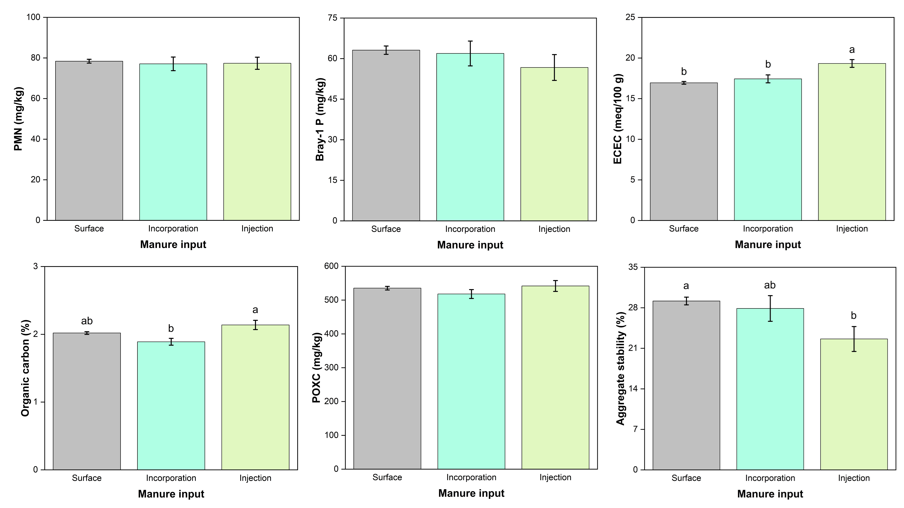
In Missouri, surface application is the most commonly used application method, followed by incorporation and injection. Figure 3 illustrates the effects of different manure application methods on soil properties. There was no significant difference in PMN and Bray-1 P across the application methods. However, the application method significantly affected ECEC and organic carbon, which were higher for manure injection. Surprisingly, the aggregate stability was the lowest for fields with manure injection.
Figure 3: Effects of manure application methods on soil properties (Data are presented as mean with standard error, bars with different letters denote significantly different at p<0.05)
Future Plans
Data from management practices reveals notable variations in manure types and application rates across the state. Additionally, many farms have adopted cover crop practices and mixed tillage methods, including no-till, reduced tillage, and conventional tillage. Given the diversity of agricultural practices in Missouri, data collection and analysis are ongoing, with a field experiment at a university farm currently underway to provide further insights and validation.
Authors
Presenting author
Manobendro Sarker, Graduate student, University of Missouri, Columbia
Corresponding author
Teng-Teeh Lim, Extension Professor, University of Missouri, Columbia, limt@missouri.edu
Additional authors
Morgan Davis, Assistant Professor, University of Missouri, Columbia
Donna Brandt, Lead Research Specialist, Soil Health Assessment Center, University of Missouri, Columbia
Timothy Reinbott, Director, Field Operations, Agricultural Experiment Station
We gratefully acknowledge the Missouri Department of Natural Resources, Soil and Water Conservation Program for funding the project. We also thank Moh Moh Thant Zin, Rana Das, and Ravi Mishra from our research group for their assistance with field operations.
The authors are solely responsible for the content of these proceedings. The technical information does not necessarily reflect the official position of the sponsoring agencies or institutions represented by planning committee members, and inclusion and distribution herein does not constitute an endorsement of views expressed by the same. Printed materials included herein are not refereed publications. Citations should appear as follows. EXAMPLE: Authors. 2025. Title of presentation. Waste to Worth. Boise, ID. April 7–11, 2025. URL of this page. Accessed on: today’s date.
Regular monitoring of lagoon depths is crucial for effective manure management and environmental compliance. Traditional methods, using a disc on a rope or a marked stick from a boat can be time-consuming and pose safety risks, especially in larger or deeper lagoons. This study aimed to determine the feasibility of using low-cost sonar depth finders for lagoon sludge measurement.
What Did We Do?
Depth measurements were conducted by using sonar devices and compared with traditional methods at a 2.5-acre dairy lagoon that received effluent from a pull-plug sediment basin. The sonar devices, along with a cell phone (data logger) were mounted on an air-filled float and dragged across lagoon surface, enabling measurements without the need for a boat.
Fig. 1. Lagoon depth measurement was conducted using a small kayak (left); practical and simple lagoon depth measurement by dragging air-filled float with sonar ball and cellphone (as data logger) across lagoon surface (right).Fig. 2. Field measurement points on the lagoon surface for the liquid depth measurement using disc on a rope and a sonar ball sensor. The white dots are measurement points to compare sonar ball method and disc on a rope method, the blue lines were measurement paths dragging a small air-filled float carrying sonar ball
What Have We Learned?
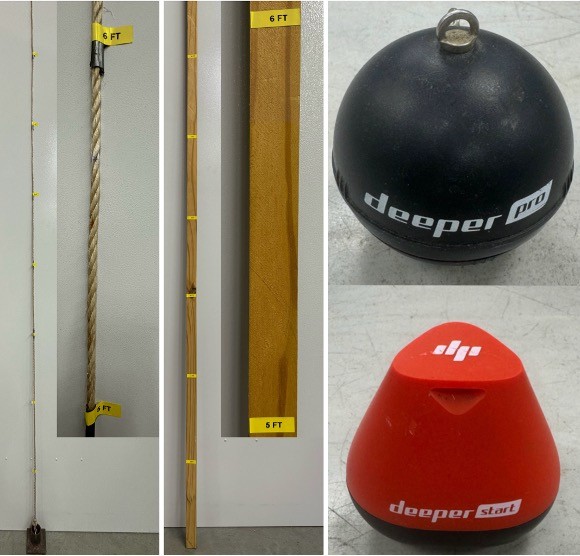
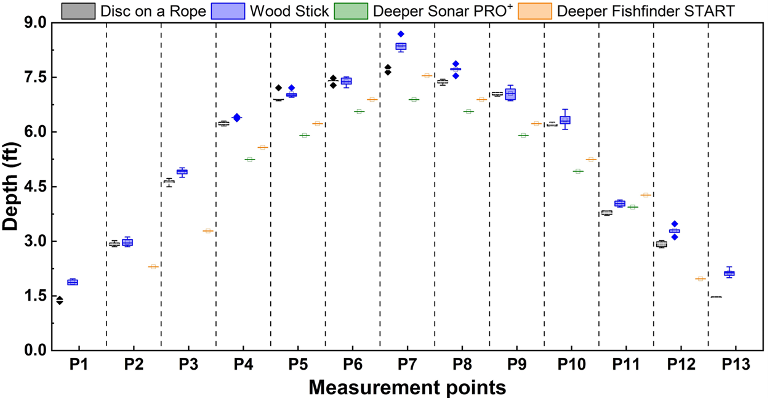
Fig. 3. Liquid depth measurement devices applied: disk on a rope (left), wood stick with depth markings (middle), and two types of commercial sonar balls (right).Fig. 4. Comparison of depth measurements using different measurement methods.
The disc on a rope (standard) and wood stick method resulted in similar values. Meanwhile, the sonar balls tend to slightly underestimate depth, with a margin of error below 15%, while the errors were higher for very shallow areas.
Fig. 5. Linear regression of depths, comparing the Deeper Sonar PRO+ and Deeper Fishfinder START, with disc on a rope values.
Linear regression models revealed strong correlations between sonar readings and the disc-on-a-rope method, with R² values of 0.899 for the PRO+ model, and 0.9377 for the START model. Applying a correction model to the sonar data could further enhance the measurement accuracy. This study demonstrated that integrating sonar measurements with periodic sludge sampling provides a practical, safe, and reliable approach to improving lagoon management.
Authors
Presenting author
Moh Moh Thant Zin, Post-doctoral researcher, University of Missouri-Columbia
Corresponding author
Teng-Teeh Lim, Extension Professor, University of Missouri-Columbia, limt@missouri.edu
Additional author(s)
Zonggang Li, Gilbert Mitto, Manobendro Sarker, Rana Das, Cuong Duong, University of Missouri-Columbia.
Acknowledgements
This research was supported by USDA-NIFA, grant award (# 2018-68011-28691), and University of Missouri Extension.
The authors are solely responsible for the content of these proceedings. The technical information does not necessarily reflect the official position of the sponsoring agencies or institutions represented by planning committee members, and inclusion and distribution herein does not constitute an endorsement of views expressed by the same. Printed materials included herein are not refereed publications. Citations should appear as follows. EXAMPLE: Authors. 2025. Title of presentation. Waste to Worth. Boise, ID. April 7–11, 2025. URL of this page. Accessed on: today’s date.
Increasing the quantity of carbon (C) inputs is a pathway to build soil C stores. One way to achieve this is using cover crop mixtures which can increase the amount and types of root exudates, supporting greater microbial activity and biomass. However, few studies use stoichiometry i.e., C:Nitrogen (N) ratios (the amount of C in relation to the amount of N present) to select cover crop mixes. Our major objective is to understand plant-soil feedback in the context of the legacy effects of cover crop stoichiometry on soil health, C-sequestration, and crop yields. We hypothesized that cover crops with a lower C:N ratio will increase nitrogen availability for the next crop cycle and increase C-sequestration.
What Did We Do?
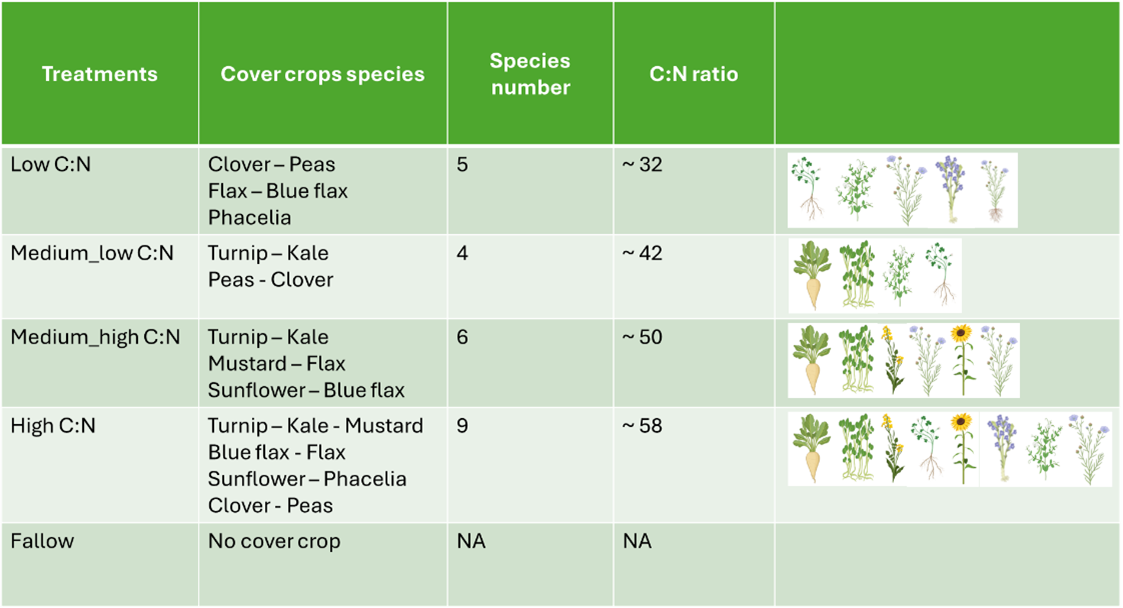
We are conducting a multi-year, random-block field experiment comparing cover crop mixtures with low, medium-low, medium-high, and high C:N ratios (Table 1), and a fallow control (n=5). We are also interested in the effect of cover crop termination (herbicide vs. roller-crimper) on subsequent barley cash crop. The experiment was established in Southern Idaho, at the Kimberly Research and Extension Center. Soil samples were taken at the start of the experiment in fall 2023, spring, and fall 2024 to compare cover crop effects on soil health.
Table 1. Treatments implemented in this study
“Soil health is the continued capacity of soil to function as a vital living ecosystem that sustains plants, animals and humans, and connects agricultural and soil science to policy, stakeholder needs and sustainable supply-chain management” (Lehmann, et al. 2020). Moreover, natural or anthropogenic actions can change soil properties rapidly. It makes these properties be considered as good soil health indicators, that can be physical, chemical and biological. The first two have a slow response compared to the microbiological and biochemical properties.
The soil health properties evaluated in this research are:
*Physical properties: water holding capacity (the amount of water that a soil can retain).
*Chemical properties: pH, soil organic matter (decayed material that originated from a living organism), nutrient analysis (NH4-N, NO3-N, PO4, major ways that nutrients can be taken by plants).
*Biological properties: enzyme activities involved in the main biogeochemical cycles mineralizing organic matter (α- and β- glucosidase, cellobiosidase, acid and alkaline phosphatase, leucine aminopeptidase, N-acetyl-glycosaminidase), substrate induce respiration (response of microbial respiration to the addition of a nutrient as glucose), carbon mineralization (process for capturing, storing, and utilizing CO2 to synthesize other products). Also, we included agronomic parameters such as yield, crop biomass, full and empty grain.
Statistical analysis was conducted using R software version 4.4.0. Evaluating these attributes allow to verify the soil status and apply better management to get a desire outcome, e.g. increase organic matter in soil.
What Have We Learned?
Overall, the results in the first year of the study showed that medium-high C:N ratio treatment has the potential to improve soil health (Fig. 1), while herbicide termination performed better in comparison to roller crimper termination treatment.
The preliminary results show among all treatments an increase in moisture and pH with a decrease in water holding capacity during the spring compared with the fall seasons compared to fallow treatment. Active microbial biomass (i.e., substrate-induced respiration) did not differ between treatments for fall 2023 and spring 2024; however, carbon and nitrogen mineralization was higher before the treatments were established. Additionally, phosphorous did not vary across time.
Fig. 1. Potential nitrification rates in soil samples under cultivation with different C:N stoichiometry of cover crops. Lowercase letters above columns indicate differences at P < 0.05
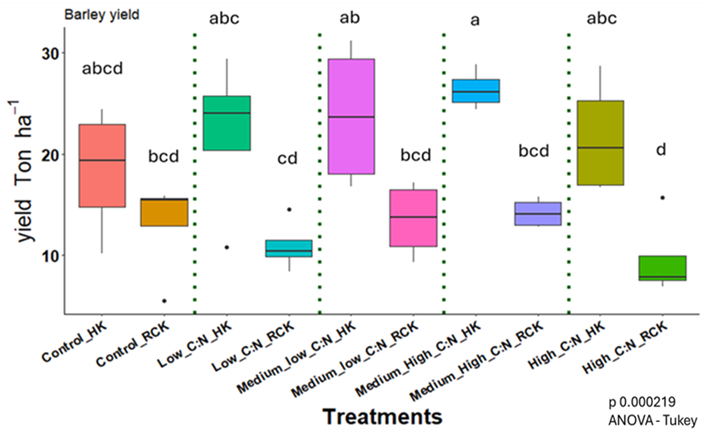
Agronomic parameters showed that herbicide termination method gave more barley height, dry aboveground biomass, seed counts, grain weight, total full grain, and barley yield (Fig. 2). On the other hand, the roller crimper termination method increased the amount of empty grain and the presence of weeds in the field.
Fig. 2. Barley yield in 2024 following different cover crops based on their C:N stoichiometry. Lowercase letters above columns indicate differences at P < 0.05
Future Plans
To understand if the environmental condition has a positive or negative influence in soil health parameters, we replicate it at the Plant Materials Center (NRCS, USDA, Pullman, WA) where the environmental conditions are distinct from those in Southern Idaho. Also, we plan to conduct two more years of the experiment. We expect that the information obtained at the end of the study can provide fundamental information to the research community and guide farmers in the selection of cover crops and the termination methods for them in different environmental conditions.
Authors
Presenting authors
Vanessa Otero Jiménez, Postdoctoral Fellow, University of Idaho
Linda Schott, Assistant Professor and Extension Specialist, University of Idaho
Michael Strickland, Research Associated Professor, University of Idaho
Corresponding author
Vanessa Otero Jiménez, Postdoctoral Fellow, Soil and Water System Department, University of Idaho, Vanessao@uidaho.edu
Additional author
Steven Lee, Plant Materials Center, Natural Resources Conservation Service, United States Department of Agriculture
Acknowledgements
This work is supported by grant no. 2021-09118-1027664 from the USDA National Institute of Food and Agriculture. Any opinions, findings, conclusions, or recommendations expressed in this publication are those of the author(s) and do not necessarily reflect the view of the U.S. Department of Agriculture.
The authors are solely responsible for the content of these proceedings. The technical information does not necessarily reflect the official position of the sponsoring agencies or institutions represented by planning committee members, and inclusion and distribution herein does not constitute an endorsement of views expressed by the same. Printed materials included herein are not refereed publications. Citations should appear as follows. EXAMPLE: Authors. 2025. Title of presentation. Waste to Worth. Boise, ID. April 7–11, 2025. URL of this page. Accessed on: today’s date.
Due to a technical glitch, the beginning of the recorded presentation was not recorded. Please accept our apologies.
Purpose
Manure management technologies are constantly being developed. But do these technologies meet their intended purpose? How effectively do they perform? Providing impartial evaluations on the effectiveness and longevity of these technologies requires time, finances, and expertise.
Newtrient, with support from a Natural Resources Conservation Service (NRCS) Conservation Innovation Grant (CIG) and a New York Farm Viability Institute Grant, has been evaluating 15 manure-related technologies with a focus on water quality. Through this effort, Newtrient will document the findings from each study to promote the broader adoption of these technologies in livestock manure management. One of the technologies evaluated, N2 Applied, explored the use of plasma treatment to increase nitrogen content in the manure waste stream, while simultaneously reducing ammonia and greenhouse emissions. This presentation will primarily highlight the results from the N2 Applied evaluation.
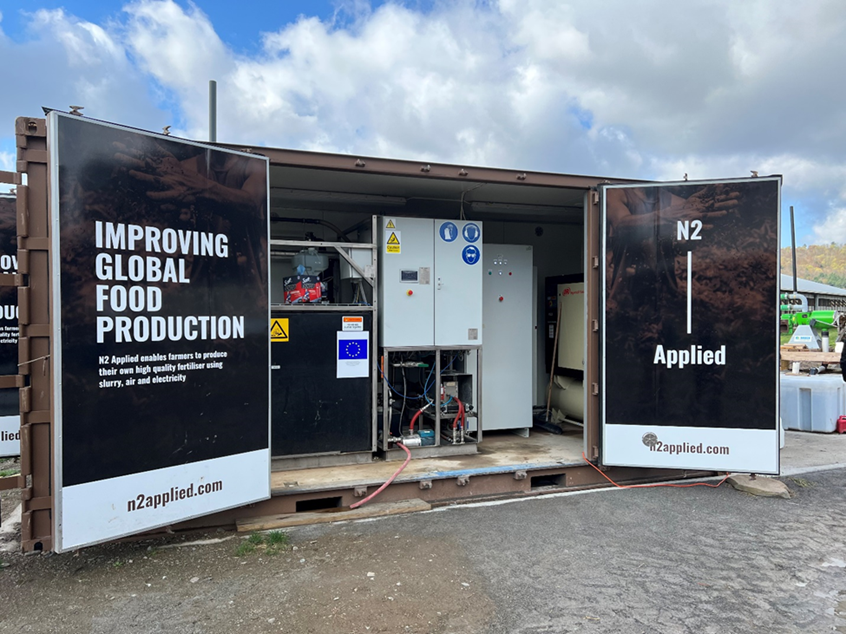
Figure 1. N2 Applied Demonstration Unit.
What Did We Do?
Newtrient collaborated with Washington State University to develop a technology review protocol. This evaluation process was modeled after the NRCS approach for assessing Waste (Manure) Treatment technologies, as outlined in Conservation Practice Standard 629, Waste Treatment. One of the challenges in reviewing manure management technologies has been obtaining technical third-party evaluations. This protocol established a comprehensive method for reviewing and evaluating these technologies.
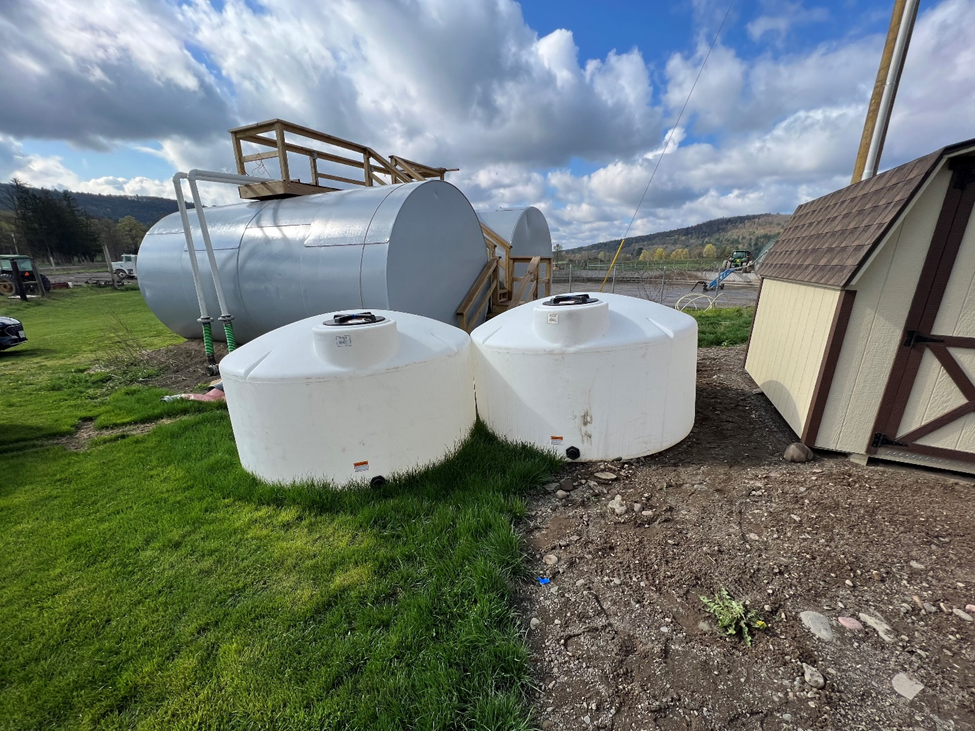
For the N2 Applied system, Newtrient contracted with Cornell University as the third-party evaluator. This evaluation compared the nitrogen content and stability of untreated and treated dairy manure over a 15-week period. Both static and flow-through tanks were studied to assess the effectiveness of this treatment process. Liquid samples were analyzed for nutrient content, with a focus on water quality issues, and a limited number of air samples were collected to evaluate greenhouse gas emissions and air quality.
The N2 Applied plasma technology uses electricity to split atmospheric nitrogen and oxygen which then forms into reactive nitrogen gas. This gas is absorbed into the manure waste stream raising the amount of plant available nitrogen while also lowering the pH. This demonstration unit was delivered and operated from a 20 feet long cargo bin.
Figure 2. Static and Flow Through Tanks Utilized for Technology Evaluation.
What Have We Learned?
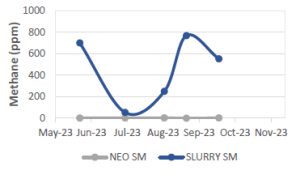
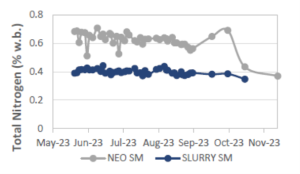
The N2 Applied technology increased the nitrogen content of the dairy manure by more than 50% in the static tanks and nearly 50% in the flow-through tanks. The plasma torch created nitrogen oxides by combining atmospheric nitrogen and oxygen gases. This treatment process lowered the pH to a set point, initially set at 5.5 but later adjusted to 5.0. This lower pH inhibited the microbial production of methane (CH4) and converted more of the nitrogen to ammonium (NH4+) instead of the more volatile ammonia (NH3). The following two figures show the impact of the N2 Applied technology on methane and nitrogen stability for the static tank portion of the study.
Figure 3. CH4 from static tanks
The nitrogen content remained stable for more than 4 months, and methane production was significantly reduced through this process. Coarse solid/liquid separation was a key component ensuring the efficient operation of the technology.
Figure 4. Nitrogen Levels with and without N2 Applied Technology.
For this demonstration unit, the plasma torch used approximately one-half of the energy consumed. The estimated annual electrical cost to operate this unit was $26,800. With the lessons learned from this evaluation, the new commercial unit will have much lower electrical costs.
Future Plans
The N2 Applied system evaluated for this study was a demonstration unit. Based on the lessons learned, a commercial unit is currently being developed, with deployment to the United States expected in late 2025. Once a new unit is installed, another series of studies will be conducted following a similar testing protocol.
For the commercial unit, a critical factor to evaluate will be the long-term stability of the nitrogen-enriched manure. Additionally, it will be important to assess production rates, along with capital and operating costs. Agronomic trials, combined with field emission measurements, will determine the impact on crop yield and air quality once the product is land applied.
Special thanks to the USDA-NRCS Conservation Innovation Grant program and the New York Farm Viability Institute for providing funding to allow for this technology evaluation to take place.
Videos, Slideshows and other media
Webinar Highlighting Evaluation Results: N2 Applied – Insights and Innovation
The authors are solely responsible for the content of these proceedings. The technical information does not necessarily reflect the official position of the sponsoring agencies or institutions represented by planning committee members, and inclusion and distribution herein does not constitute an endorsement of views expressed by the same. Printed materials included herein are not refereed publications. Citations should appear as follows. EXAMPLE: Authors. 2025. Title of presentation. Waste to Worth. Boise, ID. April 7–11, 2025. URL of this page. Accessed on: today’s date.
New technologies have been developed to extract and recover concentrated nitrogen (N) and phosphorus (P) from animal manure which can be upcycled as substitutes for conventional nitrogen (Urea) and triple super phosphate (TSP) fertilizers. In this study, the effectiveness of recovered nitrogen (RN) and phosphorus (RP) from liquid swine manure were compared with conventional N (CN) and conventional P (CP). Further, the availibility of RP to crop was enhanced using acidification of the material.
What Did We Do?
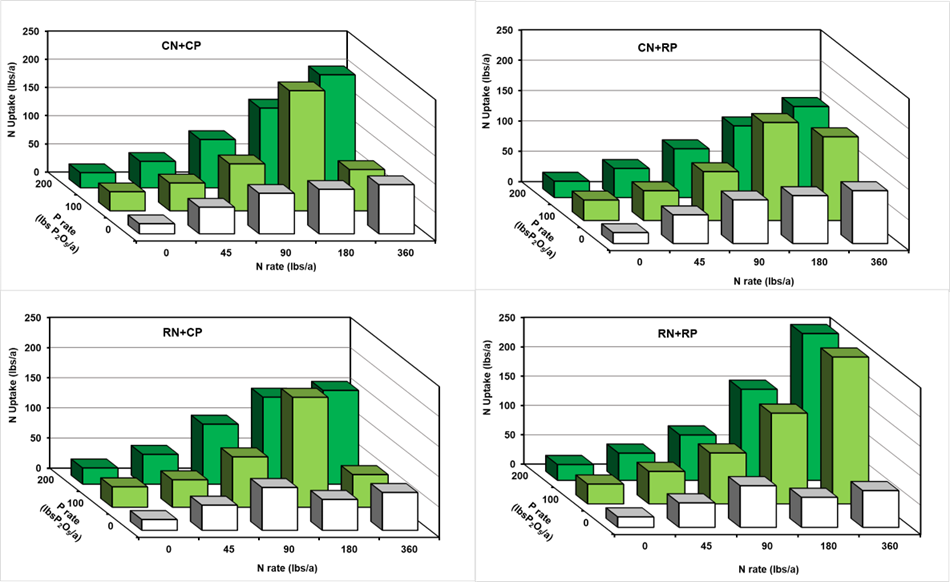
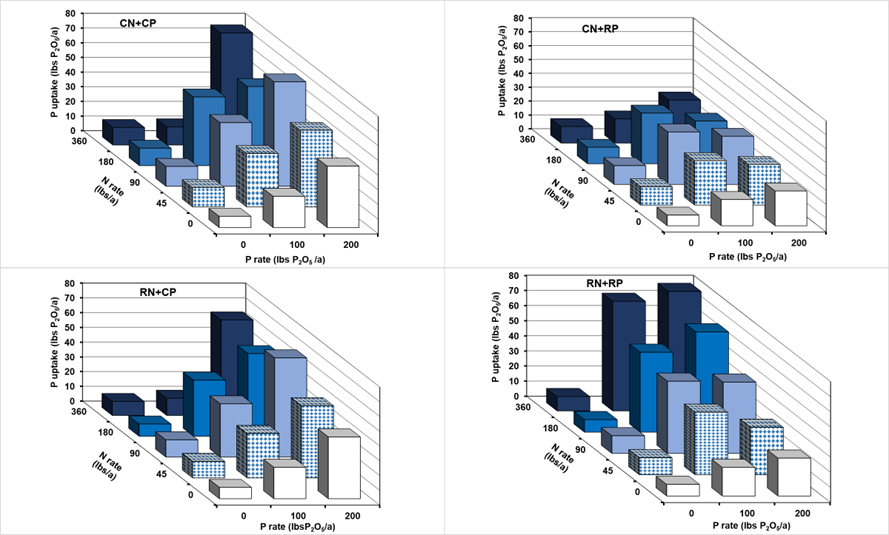
The RN was captured from liquid swine manure using a gas permeable membrane technology (Vanotti and Szogi, 2015). The RP was also captured from liquid swine manure using nitrification followed by chemical precipitation with calcium hydroxide (Vanotti et al., 2005). We evaluated annual ryegrass growth response to conventional and recovered nutrients using four nutrient combinations: CN+CP, RN+CP, CN+RP, and RN+RP at five N rates and three P rates (Figures 1 & 2). In a subsequent experiment, the solubility of RP was modified by acidifying the material before its application.
Figure1. Annual ryegrass N uptake in response to N and P under the different nutrient combinations. CN, conventional nitrogen, CP, conventional phosphorus, RN, recovered nitrogen, RP, recovered phosphorus. (Paye et al., 2024a)Figure 2. Annual ryegrass P uptake in response to N and P applications under the different nutrient combinations. CN, conventional nitrogen, CP, conventional phosphorus, RN, recovered nitrogen, RP, recovered phosphorus. (Paye et al., 2024a)
What Have We Learned?
The experimental soil was deficient in N and P, thus, the ryegrass responded to application of both nutrients. The ryegrass N uptake under RN was similar to N uptake under CN when using CP (Figure 1). When RN was blended with RP, the N uptake was significantly greater than the N uptake of conventional (CN+CP) nutrients blend. The P uptake of CP was greater than RP when using CN. However, the P uptake of RP blended with RN was substantially greater than CN+CP (Figure 2). The Acidification of RP improved its solubility and agronomic effectiveness (Paye et al., 2024b). Ryegrass supplied with acidified RP produced 8 – 38% greater dry matter yield and had 48 – 72% greater P uptake than ryegrass supplied with CP or non-acidified RP. The greater overall biomass yield and nutrient uptake of the recovered N and P combination demonstrate this as a novel nutrient combination that could be critical for improving crop yield and nutrient use efficiency in a circular agricultural system.
Future Plans
Crop response to these recovered nutrient blends will be evaluated using other crops under both greenhouse and field conditions.
Authors
Presenting & Corresponding Author
Wooiklee S. Paye, Research Soil Scientist, USDA-ARS Coastal Plains Soil, Water and Plant Research Center, Florence, SC, wooiklee.paye@usda.gov
Additional authors
Raul Moral, Professor, Miguel Hernandez University, Orihuela, 03312 Alicante, Spain.
Matias B. Vanotti and Ariel A. Szogi, Research Soil Scientists, USDA-ARS Coastal Plains Soil, Water and Plant Research Center, Florence, SC 29501 USA.
Quentin D. Read, Statistician, USDA-ARS Southeast Area, 840 Oval Drive, Raleigh, NC 27606 USA.
Additional Information
Paye, W. S., Herrero, R. M. Vanotti, M. B., Szogi, A. A., & Read, Q.D. (2024a). Agronomic Effectiveness of Nitrogen and Phosphorus Recovered from Swine Manure. Agrosystems, Geosciences and Environment. (In Press).
Paye, W. S., Vanotti, M. B., Szogi, A. A., & Herrero, R. M. (2024b). Enhancing the Agronomic Efficiency of Calcium Phosphate Recovered from Swine Manure. In ASA, CSSA, SSSA International Annual Meeting. ASA-CSSA-SSSA.
Vanotti, M.B., & Szogi, A.A. (2015). Systems and methods for reducing ammonia emissions from liquid effluents and for recovering the ammonia. U.S. Patent No. 9,005,333 B1, U.S. Patent and Trademark Office.
Vanotti, M.B., Szogi, A.A., & Hunt, P.G. (2005). Wastewater treatment system. U.S. Patent No. 6,893,567, U.S. Patent and Trademark Office.
Acknowledgements
This research was part of USDA-ARS National Programs 212 Soil and Air, ARS Project 6082-12630-001-00D. Raul Moral’s scientific visit to USDA-ARS Florence, SC, was funded by the Government of Spain, Ministry of Science & Innovation, through Fellowship Award PRX21/002116. The authors are thankful to Paul Shumaker and William Brigman for greenhouse and laboratory assistance. Mention of trade names or commercial products in this article is solely for the purpose of providing specific information and does not imply recommendation or endorsement by the U.S. Department of Agriculture.
The authors are solely responsible for the content of these proceedings. The technical information does not necessarily reflect the official position of the sponsoring agencies or institutions represented by planning committee members, and inclusion and distribution herein does not constitute an endorsement of views expressed by the same. Printed materials included herein are not refereed publications. Citations should appear as follows. EXAMPLE: Authors. 2025. Title of presentation. Waste to Worth. Boise, ID. April 7–11, 2025. URL of this page. Accessed on: today’s date.
*note: due to a technical glitch, the audio at the beginning of this recorded presentation was not captured. Please accept our apologies.
Purpose
Sustainable intensification of agriculture aims to boost food production while minimizing environmental damage. Current farming practices often lead to inefficient nutrient cycling, contributing significantly to water and air pollution. Agricultural runoff, especially from livestock systems, introduces pollutants like nitrogen and phosphorus into waterways, causing issues like eutrophication and anoxic conditions, which harm aquatic ecosystems. Agricultural emissions also account for a large portion of global methane and nitrous oxide emissions. To meet increasing food demands, farms have intensified production, further worsening environmental impacts due to increased use of nutrients and feed. Addressing these issues requires innovative solutions that can balance productivity and sustainability.
One promising approach is pyrolysis, which thermochemically converts biomass into syngas, bio-oils, and biochar. While syngas and bio-oils are used for energy, biochar can improve soil health, reduce nutrient leaching, and sequester carbon. Research shows biochar can effectively retain nitrogen and phosphorus, making it a potential candidate for use in wastewater treatment and as a manure storage cover to reduce emissions. Additionally, converting manure into biochar could improve transport logistics by densifying nutrients, making it more economically feasible for farms to manage nutrient surpluses. However, more research is needed to expand biochar’s use beyond fields and into broader agricultural applications to fully realize its environmental and economic benefits.
What Did We Do?
A pilot pyrolysis system, the Pilot Activator from ARTi (Figure 1), was installed at UW-Platteville to process biomass under controlled conditions, allowing for plot-scale studies on biochar applications in agriculture. Biochar was made from separated manure solids at 400 and 600 degrees C at the pilot system at UW-Platteville. Additional biochar was produced from wood chips from a full-scale system integrated at a site in Wisconsin. Biochar was applied to plot trials (Figure 2) to assess the impacts to yield, soil nutrient cycling, crop nutrient uptake, and greenhouse gas and ammonia emissions with varying manure and biochar applications. The trials have been divided into two concurrent field trials to assess various aspects of biochar incorporation practices into livestock-cropping systems.
Figure 1. Pilot scale pyrolysis unit
Trial 1 – Separated manure solids biochar as a phosphorus fertilizer
The main objective in this study is to examine the impacts of applying separated manure solids versus biochar made from separated manure solids to assess the impact of pyrolysis on the phosphorus availability. Separated manure solids (10.9 tons/acre) and biochar produced from separated manure solids at 400 and 600 degrees C was applied based on phosphorus demands for corn silage and supplemented with urea after biochar application, incorporated into soil, to meet recommended nitrogen application. Crop yield and soil impact were assessed at the end of the trial.
Trial 2 – Biochar amended slurry manure
The main objective in this second trial is to examine the impacts of integrating biochar with slurry manure applications to assess the impacts to corn silage production systems, ammonia and greenhouse gas emissions. Slurry manure was applied at a rate of 10,000 gal/acre and biochar was applied and incorporated. Treatments included manure control, biochar made from separated solids at 400 and 600 degrees C at 1 ton/acre, wood biochar made at 600 degrees C applied at 1, 2,5, 5 and 10 tons per acre, and a control that received no manure or biochar. Plots were assessed for the impact to soil nutrient concentration, corn silage yield, nutrient use efficiency, and emissions (measured using a Gasmet Technologies Inc. model DX4015 Portable Fourier-transform infrared spectroscopy (FTIR) Multi-component Gas Analyzer).
For each trial, soil sampling and analysis was conducted prior to amendment application, post application, and post-harvest. Corn silage was grown in all trials and harvested and weighed at the end of each trial. Biochar was always applied to the soil following manure application and then incorporated within 24 hours. At the end of the season, plant tissue samples were collected, dried, and analyzed for nutrient uptake to be used to calculate nutrient use efficiency.
Figure 2: Land application of biochar to field trial plots before and after incorporation
What Have We Learned?
Data is currently being analyzed from year one of the field trial to assess the impacts with biochar application. Thus far, we have determined little difference in yields in the treatments for both trials. This indicates for trial 1 that phosphorus availability from biochar produced from separated manure solids is similar to that of the separated solids. Additional data analysis will allow for comparison of emissions and impacts to soil nutrients.
Future Plans
Additional data analysis will be completed this spring to determine statistical differences in treatments for the parameters measured. In addition, as biochar is thought to have greater impacts in future cropping years, the fields will have manure applied in year 2 and the plots analyzed again for the same impacts as year one to determine further impacts as biochar ages in the soil.
Authors
Presenting and Corresponding author
Rebecca A. Larson, Professor, Nelson Institute for Environmental Studies, University of Wisconsin-Madison, rebecca.larson@wisc.edu
Additional author(s)
Tyler Liskow, Engineer, Nelson Institute for Environmental Studies, University of Wisconsin-Madison; Brian Langolf, Researcher, Nelson Institute for Environmental Studies, University of Wisconsin-Madison; and Joseph Sanford, Assistant Professor, University of Wisconsin-Platteville
This material is based on work that is supported by the National Institute of Food and Agriculture, U.S. Department of Agriculture, NLGCA under award number 2022-70001-37309.
Any opinions, findings, conclusions, or recommendations expressed in this publication are those of the author(s) and do not necessarily reflect the view of the U.S. Department of Agriculture.
The authors are solely responsible for the content of these proceedings. The technical information does not necessarily reflect the official position of the sponsoring agencies or institutions represented by planning committee members, and inclusion and distribution herein does not constitute an endorsement of views expressed by the same. Printed materials included herein are not refereed publications. Citations should appear as follows. EXAMPLE: Authors. 2025. Title of presentation. Waste to Worth. Boise, ID. April 7-11, 2025. URL of this page. Accessed on: today’s date.
Porcine reproductive and respiratory syndrome virus (PRRSV) is a major concern to the U.S. swine industry due to the severe economic loss it can cause. Its symptoms include severe flu-like symptoms, respiratory distress, fever, and premature abortions in pregnant sows. The virus is spread during close contact between pigs or exposure to contaminated urine, semen, feces, and nasal and mammary secretions (1). Control measures have proven exceedingly costly with PRRSV which causes an estimated $1 billion in lost production in the U.S. pork industry per year (3), an 80% increase from a decade earlier (2)(4). With very few, truly effective methods available to control PRRSV after the start of an outbreak, developing methods to mitigate the dispersion of the virus has become a major priority.
Common biosecurity measures for swine operations (e.g., controlled access, personal hygiene, animal management, pest control, and production area cleaning and disinfection) have proved insufficient to stop PRRSV transmission. Producers are, therefore, seeking to understand the potential risks posed by more novel transport methods. Observations of new PRRSV cases emerging during manure handling activities have raised questions about aerosolized manure as a potential transmission vector. This study was conducted to test this possibility in the following stages:
Verify the presence of viable virus sample within pit manure, lagoon samples, or dust coming from barns with active PRRSv outbreaks.
Develop a reliable method for collecting and preserving viable airborne viral samples.
Assess the aerosol transmission “footprint” of PRRSV originating from positive swine farms to improve understanding of potential farm-to-farm disease transmission risks.
What Did We Do?
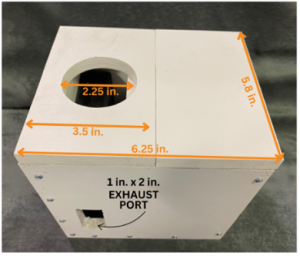
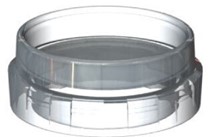
Novel air sampling devices were constructed by the project team (Figure 1) to be deployed inside and outside swine production units to accumulate samples of particulates and aerosols. The devices accommodate a commercially available Air Prep filter cartridge (innovaprep.com) to capture particulates pulled across the filter by a fan housed within the sampling unit.
Figure 1. Air sampler unit constructed for this project (L) and commercial AirPrep Filter (R)
Our project team worked closely with the lead veterinarian at a large swine integrator in Nebraska to access farms within 5 to 7 d of pigs being confirmed PRRSV-positive. Sampling events 1 and 2 focused on evaluating PRRSV presence on indoor surfaces, fresh and stored manure, flies, and maggots. Sampling events 3 through 5 focused on evaluating PRRSV presence in air downwind of PRRSV-positive swine production areas or downwind of land application of manure from PRRSV-positive animals.
Sampling Event 1. A swine breeding operation was identified where animals were currently testing positive for and showing clinical signs of PRRSV infection. At this site, two production areas were selected at random for sampling. Surface swabs were collected from floors, fan louvers, and pen dividers. Fresh fecal samples were collected from sows in the same production areas, and an air sampler was placed on the floor in each room and allowed to operate for two hours before retrieving the filters. For surface samples, sterile swabs were swept over each surface type and then placed into phosphate buffered saline (PBS) elution buffer. Fresh fecal samples were collected using a sterile spatula and placed into clean sample containers. Upon retrieving filters from air samplers, a sterilized knife was used to separate the filter from the plastic casing in which it was mounted, and sterile forceps were used to transfer the filter into a PBS elution tube. All samples were transported on ice to the University of Nebraska-Lincoln (UNL) Schmidt Lab and then submitted to the Iowa State University Veterinary Diagnostic Laboratory for analysis by polymerase chain reaction (PCR).
Sampling Event 2. A swine finisher unit was identified where animals were currently testing positive for and showing clinical signs of PRRSV infection. At this site, two production areas were selected at random for sampling inside the building. Surface swabs were collected from floors, fan louvers, feeders, and pen dividers. An air sampler was placed on the floor in each room and allowed to operate for four hours before retrieving the filters. Additional air samplers were mounted outside the building. For one production area, three samplers were mounted at a height aligning with the center of a minimum ventilation fan and spaced at 5, 12, and 19 feet from the rim of the fan hood. For a second production area, two samplers were mounted at a height aligning with the center of a minimum ventilation fan and spaced at 5 and 13 feet from the rim of the fan hood. These samplers were allowed to run for three hours before filters were retrieved. For surface samples, sterile swabs were swept over each surface type and then placed into PBS elution buffer. Manure samples from two deep pit storage sections of the building were collected using a plastic pole and dipper cup and placed into clean plastic bottles. Maggots observed in one pump out port were collected by hand and placed into PBS elution buffer. Upon retrieving filters from air samplers, a sterilized knife was used to separate the filter from the plastic casing in which it was mounted, and sterile forceps were used to transfer the filter into a PBS elution tube. Flies present around the production buildings were also collected at this site. For one sample, approximately six flies were captured and placed directly into PBS elution buffer. For a second sample, approximately six flies were captured, placed into 70% EtOH for 10 s, and then transferred from the ethanol to PBS elution buffer. All samples were transported on ice to the UNL Schmidt Lab and then submitted to the Iowa State University Veterinary Diagnostic Laboratory for analysis by PCR.
Sampling Event 3. A naturally-ventilated PRRSV-positive swine farm was identified. Air samplers mounted on t-posts were deployed in an array at a height above the ground of roughly 6 ft at varying distances (10 yards to 1 mile) from the buildings after using smoke candles to confirm wind direction and dispersion. Sampling was conducted for approximately 2.5 hours on a day with 40-55°F temperature,10-20 mph winds, and full cloud cover (Figure 2).
Sampling Event 4. At a mechanically-ventilated PRRSV-positive swine farm, sampling was conducted using the same process as for Event 3 for approximately 21.25 hours starting on a day with 85-105°F temperature, 4-10 mph winds, and full sun exposure, then continuing overnight.
Sampling Event 5. Using the previously described process, sampling was conducted for approximately 2.5 hours on a day with 70-95°F temperature, 2-10 mph winds, and partly cloudy conditions downwind of a field where lagoon effluent from PRRSV-positive pigs was being applied via center pivot.
Figure 2. Air sampler array at the naturally ventilated swine farm
All samples were submitted to the Iowa State Veterinary Diagnostic Lab for RT-qPCR analysis to identify PRRS viral genomic material.
What Have We Learned?
Results of PCR analyses for sampling event 1 (Table 1) revealed that, in barns where swine oral fluid samples were positive for PRRSv, all surface samples collected were also positive or suspected positive for PRRSv. The same was true for all of the surface and air samples collected inside the barn and for the air samples located up to 19 ft minimum from the building ventilation fans during sampling event 2 (Table 2). Maggots taken from the manure pit during sampling event 2, along with sterilized and unsterilized flies, tested positive for PRRSV, as well. Conversely, all manure samples obtained during sampling event 2 tested negative using the methodologies employed. This outcome does not dismiss manure as a possible transmission source; rather, it underscores the need for ongoing research to develop a reliable detection method for PRRS within such a complex matrix.
The team has not yet recovered air samples testing positive for PRRSV from any of the exterior arrays in sampling events 3-5 (Table 3). This could be due to ambient air conditions during the tests which may have caused rapid destruction of the virus or dilution of the virus below detectable concentrations. The rolling terrain surrounding facilities where arrays of samplers were posted downwind of buildings or the land application site may have created turbulent air movement that diluted samples such that concentrations of PRRSV genomic material capture on filters were too low to produce a positive result by PCR.
Table 1. Cycle Threshold (Ct) values for sampling event 1
Sample Description
Ct (Result)
Pen Floor, Room 17
37.5 (Suspect)
Fan Louver, Room 17
30.1 (Positive)
Feeder, Room 17
31.6 (Positive)
Air Filter, Room 17
31.2 (Positive)
Pen Floor, Room 18
31.5 (Positive)
Fan Louver, Room 18
31.4 (Positive)
Feeder, Room 18
37.6 (Suspect)
Air Filter, Room 18
30.5 (Positive)
Fecal Sample 1
³40 (Negative)
Fecal Sample 2
³40 (Negative)
Cycle threshold (Ct) indicates the number of PCR cycles required for the sample fluorescence to reach a predefined threshold for identification (<38 = positive, ~38-40 = suspect, ≥40 = negative). Lower Ct values correspond to higher viral RNA concentration.
Table 2. Cycle Threshold (Ct) values for sampling event 2
Sample Description
Ct (Result)
Exhaust Air, Room 5, 5 ft from fan
33.1 (Positive)
Exhaust Air, Room 5, 12 ft. from fan
34.1 (Positive)
Exhaust Air, Room 5, 19 ft. from fan
38.1 (Suspect)
Indoor Air, Room 5, Rep 1
30.9 (Positive)
Indoor Air Room 5, Rep 2
33.3 (Positive)
Exhaust Air, Room 6, 5 ft from fan
32.6 (Positive)
Exhaust Air, Room 6, 13 ft. from fan
32.4 (Positive)
Flies
37.0 (Suspect)
Flies Sterilized in Ethanol
36.3 (Positive)
Maggots
39.9 (Suspect)
Floor, Room 5, Rep 1
32.4 (Positive)
Floor, Room 5, Rep 2
32.3 (Positive)
Louvers, Room 5, Rep 1
33.1 (Positive)
Louvers, Room 5, Rep 2
32.1 (Positive)
Pens, Room 5, Rep 1
37.9 (Positive)
Pens, Room 5, Rep 2
35.8 (Positive)
Feeder, Room 5, Rep 1
35.8 (Positive)
Feeder, Room 5, Rep 2
37.5 (Suspect)
Pens, Room 4, Rep 1
35.6 (Positive)
Pens, Room 4, Rep 2
35.3 (Positive)
Floor, Room 4, Rep 1
31.4 (Positive)
Floor, Room 4, Rep 2
32.9 (Positive)
Louvers, Room 4, Rep 1
33.0 (Positive)
Louvers, Room 4, Rep 2
32.1 (Positive)
Cycle threshold (Ct) indicates the number of PCR cycles required for the sample fluorescence to reach a predefined threshold for identification (<38 = positive, ~38-40 = suspect, ≥40 = negative). Lower Ct values correspond to higher viral RNA concentration.
Table 3. Cycle Threshold (Ct) values for sampling events 3 through 5
Sampling Event
Sample Description
Ct (Result)
Event 3
Air Filters (n=2)
³40 (Negative)
Event 4
Air Filters (n=4)
³40 (Negative)
Fans (n=4)
³40 (Negative)
Oral Fluids, Room 15
34.0 (Positive)
Oral Fluids, Room 16
36.1 (Positive)
Oral Fluids, Room 17
38.0 (Suspect)
Oral Fluids, Room 18
34.7 (Positive
Event 5
Air Filters (n=4)
³40 (Negative)
Cycle threshold (Ct) indicates the number of PCR cycles required for the sample fluorescence to reach a predefined threshold for identification (<38 = positive, ~38-40 = suspect, ≥40 = negative). Lower Ct values correspond to higher viral RNA concentration.
Future Plans
It is essential to identify which ambient weather conditions, if any, are favorable for air dispersion of infective PRRSv and which conditions will significantly limit dispersion. As research continues, the suspected ideal conditions for sampling downwind of mechanically ventilated PRRSv-positive barns or irrigation systems applying lagoon effluent from PRRSv-positive pigs will be 0 to 50°F with low to moderate wind speed and full cloud cover. At least 24 hours of continuous sampling is also expected to produce greater opportunity for positive air samples.
The continued inability to isolate the virus from manure samples is curious, given the universally positive samples we identified from the positive barns. However, the PRRSV is believed to require as few as 10 viral particles to be transmitted. Given the potentially very low concentration of viral material in manure, and the significant PCR inhibitors present in complex organic samples, the team continues to explore new sample preparation and testing methods for this matrix.
Lastly, further investigation into the potential roles of flies and maggots is warranted, particularly with the discovery of sufficient PRRSV genomic material in the gut of surface sterilized flies to yield a positive PRRSV result via RT-qPCR.
Authors
Presenting author
Logan Hafer, Undergraduate Research Assistant, Department of Biological Systems Engineering, University of Nebraska-Lincoln
Corresponding author
Dr. Amy Millmier Schmidt, Professor, Department of Biological Systems Engineering and Department of Animal Science, University of Nebraska-Lincoln, aschmidt@unl.edu
Additional author(s)
Dr. Benny Mote, Associate Professor, Department of Animal Science, University of Nebraska-Lincoln
Dr. Hiep Vu, Associate Professor, Department of Animal Science, University of Nebraska-Lincoln
Butler, J. E., Lager, K. M., Golde, W., Faaberg, K. S., Sinkora, M., Loving, C., & Zhang, Y. I. 2014. Porcine reproductive and respiratory syndrome (PRRS): an immune dysregulatory pandemic. Immunologic research, 59, 81-108. https://link.springer.com/article/10.1007/s12026-014-8549-5.
Dee, S., T. Clement, and E. Nelson. 2023. Transmission of porcine reproductive and respiratory syndrome virus in domestic pigs via oral ingestion of feed material. J of the Am Vet Med Assoc, 262(1). https://doi.org/10.2460/javma.23.08.0447
Osemeke, O.H., T. Donovan, K. Dion, D.J. Holtkamp and D.C.L. Linhares. 2021. Characterization of changes in productivity parameters as breeding herds transitioned through the 2021 PRRSV Breeding Herd Classification System. J Swine Health Prod. 2022;30(3):145-148. https://doi.org/10.54846/jshap/1269
Acknowledgements
Funding for this research was provided by the Nebraska Pork Producers Association under award #22-063 and an Undergraduate Student Research Program award from the UNL Institute of Agriculture and Natural Resources, Agricultural Research Division.
The authors are solely responsible for the content of these proceedings. The technical information does not necessarily reflect the official position of the sponsoring agencies or institutions represented by planning committee members, and inclusion and distribution herein does not constitute an endorsement of views expressed by the same. Printed materials included herein are not refereed publications. Citations should appear as follows. EXAMPLE: Authors. 2025. Title of presentation. Waste to Worth. Boise, ID. April 7–11, 2025. URL of this page. Accessed on: today’s date.
Per- and polyfluoroalkyl substances (PFAS) are persistent in the environment and in humans. While agriculture is not the source of PFAS, feed and animal production are potential transfer points. This webinar shares experiences from Maine, where PFAS was detected in soil, feed, milk, and meat and initiated a multi-pronged response and remediation approach from multiple agencies, on multiple farms. Our speakers will share the important distinctions between PFAS chemicals, short- and long-term ramifications for local farms, and remediation techniques – both implementation and research scale. This presentation was originally broadcast on December 13, 2024.Continue reading “Responding to PFAS on Dairy Farms in Maine”
Manage Cookie Consent
To provide the best experiences, we use technologies like cookies to store and/or access device information. Consenting to these technologies will allow us to process data such as browsing behavior or unique IDs on this site. Not consenting or withdrawing consent, may adversely affect certain features and functions.
Functional
Always active
The technical storage or access is strictly necessary for the legitimate purpose of enabling the use of a specific service explicitly requested by the subscriber or user, or for the sole purpose of carrying out the transmission of a communication over an electronic communications network.
Preferences
The technical storage or access is necessary for the legitimate purpose of storing preferences that are not requested by the subscriber or user.
Statistics
The technical storage or access that is used exclusively for statistical purposes.The technical storage or access that is used exclusively for anonymous statistical purposes. Without a subpoena, voluntary compliance on the part of your Internet Service Provider, or additional records from a third party, information stored or retrieved for this purpose alone cannot usually be used to identify you.
Marketing
The technical storage or access is required to create user profiles to send advertising, or to track the user on a website or across several websites for similar marketing purposes.