
From Lecture to Hands-On Learning: Engaging Iowa’s Manure Applicators Through Active Certification Programs

Purpose

The Iowa Manure Applicator Certification program has transitioned from a traditional lecture-based format to a multimodal learning approach that integrates lectures, discussion, and hands-on activities. This shift was implemented to create more engaging and memorable training experiences, fostering discussion and peer-to-peer knowledge sharing while improving knowledge retention and practical skill application.

Hands-on learning has been widely recognized as an effective educational strategy. Research indicates that individuals retain more information through active engagement rather than passive listening. However, developing these engaged learning opportunities requires additional time and commitment from educators and a willingness from participants to fully engage in the learning process. Our goal was to transform the training environment from passive listening to an interactive space where participants could explore activities, facilitate discussions, and share personal experiences within groups.

What Did We Do?

To achieve this transformation, we restructured the program to incorporate interactive activities designed to bring real-world challenges into the classroom. Instead of serving solely as lecturers, facilitators became discussion leaders, encouraging participants to actively engage with the material. Starting in approximately 2014, we started adding one module to training based on fostering discussion and participant interaction. As the training occurs annually, with livestock farmers or commercial manure applicators required to attend annually, different modules were created each year with at least a three-year break before an existing module is used again.

Some of the hands-on activities integrated into the program include:

    • Carousel Exercise – Applicators rotate through stations, responding to questions on environmental impacts and operational challenges, sparking peer-to-peer discussions.
    • Spill Response Scenario – Groups rank and discuss response steps to manure spills, often incorporating real-world examples shared by applicators and insights from Iowa DNR regulators.
    • Load Loss Competition – Model trucks are used to visually demonstrate best practices for material containment.
    • Stockpiling Locations – Hands-on exercises with topographic, soil, and aerial imagery to develop regulatory knowledge and practical application skills.
    • Application Rate Calibration – Three simulated manures (bed pack [wetted straw], open lot [wetted sand], and turkey litter [wetted wood shavings]) were supplied to each group and a plastic tarp. Each group was asked to apply a prescribed manure application and then to estimate the application rate of other groups. The actual application rate was calculated based on the weight added to the tarp and compared to group estimates.
    • DOT Compliance Activity – Participants perform checklist inspections on model trucks to identify vehicle issues and understand road rules.
    • Video-Based Farm Walkthrough – Applicators observe an Iowa DNR site inspection via video before using Google Maps and a farm description to evaluate livestock production sites for compliance readiness.
    • Biosecurity Bench – Glow germ was placed on at a simulated barn entry and producers went through a Danish style entry. At the end we evaluated how much glow germ made it to the clean side of the entry.
    • Manure Transport Route Selection – Participants were divided into groups and given a map and worksheet. The map identified the location of the farm with manure and the field to which manure was to be applied. Groups were required to select a route from farm to field with the worksheet providing talking points such as travel time, neighbors, and bridge considerations.
Figure 1. Example of a biosecurity exercise using Glow-Germ to illustrate lines of separation.

Each of these activities was designed to promote critical thinking in manure management and spill prevention while allowing facilitators to assess current knowledge levels among participants.

What Have We Learned?

While some participants and facilitators initially approached this transition with skepticism, feedback has been positive. Evaluations suggest that these engaged learning techniques have resulted in increased participant investment, improved knowledge retention, and greater willingness to discuss challenges and ask questions.

Facilitators also report stronger engagement with applicators, who now feel more comfortable sharing experiences, discussing obstacles, and applying learned concepts in real-world situations. Additionally, peer-to-peer learning has emerged as a significant benefit, with applicators contributing valuable insights that complement the formal curriculum.

Data obtained from the Iowa Department of Natural Resources Hazardous Material Release Database (https://programs.iowadnr.gov/hazardousspills/Reports/EPCManureRelease.aspx) was used to track total incidents of manure releases and surface water impacts from these releases.  Within this report, incidents are broken down by species (Hog, cattle, or poultry, by facility type (open lot, confinement), and if they occurred from the facility, because of land application, or during manure transport. A summary of total events is provided in Figure 2. A before and after analysis using 2012 as the break point indicated a statistically lower number of spills (29.9 ± 9.6 compared to 49.9 ± 6.4 spills) after 2014 (p<0.001). However, the number of water quality impacts from spills remained unchanged (10.9 ± 4.6 compared to 10.0 ± 4.8). A breakpoint regression analysis was used to evaluate if the occurrence of spills has changed with time (Figure 2). The breakpoint year was set at 2013 (the year before our first active learning activity was implemented) and results indicated that before 2013 the occurrence of spills was constant with time, while after 2013 we have been decreasing by 3.1 spills per year. Similarly, for water quality impacts the breakpoint year was set at 2013 with results indicating that before 2013 impacts on water (spills reaching a surface water) were constant with time, while after 2013 impacts have been decreasing by 0.3 incidences per year.  While other changes certainty played a role in the reduction of manure spills and water impacts (increased adoption of flow meters and automated flow shutoff systems, a change from tanks to umbilical application to reduce road traffic, and regulatory interventions) our program reviews and spill impact assessment suggest the Iowa Manure Applicator training played a role in helping improve industry performance.

Figure 2. Annual manure spills and water quality impacts in Iowa.

Future Plans

We plan to continue refining the program by incorporating additional interactive elements and expanding hands-on learning opportunities. Future initiatives may include:

    • Enhancing real-world application exercises by integrating on-farm training opportunities.
    • Collecting and analyzing long-term data to assess the impact of training on manure management practices and environmental outcomes.
    • Exploring digital and remote learning tools to reach a broader audience while maintaining interactive engagement.

Authors

Presenting & corresponding author

Daniel Andersen, Associate Professor, Iowa State University, Dsa@iastate.edu

Additional authors

Rachel Kennedy, Iowa State University

Melissa McEnany, Iowa State University

Tony Mensing, Iowa State University

Kapil Aurora, Iowa State University

Kris Kohl, Iowa State University

Additional Information

@drmanure

https://www.facebook.com/IowaManure/

https://www.extension.iastate.edu/immag/commercial-manure-applicators

Acknowledgements

Iowa DNR

The authors are solely responsible for the content of these proceedings. The technical information does not necessarily reflect the official position of the sponsoring agencies or institutions represented by planning committee members, and inclusion and distribution herein does not constitute an endorsement of views expressed by the same. Printed materials included herein are not refereed publications. Citations should appear as follows. EXAMPLE: Authors. 2025. Title of presentation. Waste to Worth. Boise, ID. April 7-11, 2025. URL of this page. Accessed on: today’s date. 
 

Taking the Pulse: Insights into the Needs and Challenges of Iowa’s Commercial Manure Application Industry

Purpose

The Iowa commercial manure application industry plays a crucial role in advancing nutrient utilization, circularity, and water quality within agricultural systems. Effective programming requires an understanding of the industry’s needs, challenges, and perspectives to tailor information and drive behavior change.

To assess the current state of the industry, we surveyed Iowa’s commercial manure applicators to gather insights into business sizes, application capacity, client demand for manure as a cost-effective fertilizer alternative, and pricing structures. The survey served as a needs assessment, helping to align business goals with state water quality objectives. Specifically, we aimed to understand how the industry navigates market demands, regulatory pressures related to environmental stewardship (particularly water and air quality), labor, and time constraints.

What Did We Do?

A comprehensive electronic survey was sent to all 540 of the 562 commercial manure application businesses in Iowa (22 did not have an email on file). We received a response rate of 20%, providing valuable insights into the industry’s scale and operations. Key findings include:

    • Commercial applicators handle 62% of Iowa’s 13 billion gallons of liquid manure annually and nearly 60% of its 6 million tons of solid manure.
    • Manure transport costs and application expenses shape decision-making, influencing equipment selection and service pricing.
    • Current industry capacity and weather-dependent application constraints affect the feasibility of meeting best management practices, such as applying manure only when the soil is 50°F and cooling to minimize nutrient loss.

By examining these trends, we aimed to identify programming opportunities that could support both industry advancements and water quality improvement goals.

What Have We Learned?

The survey results provided critical context for understanding commercial applicator decisions, including:

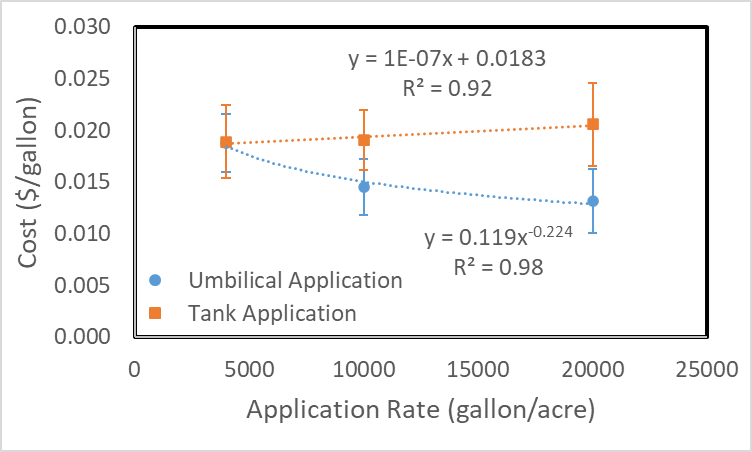
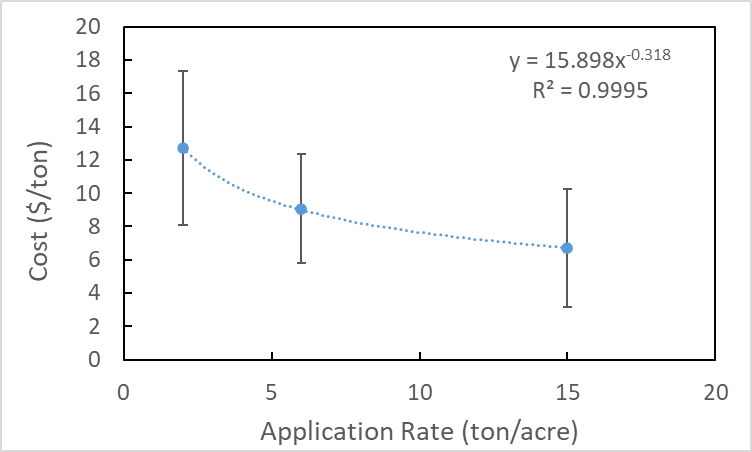
    • Economic Realities – The manure application industry must remain financially viable while balancing regulatory requirements and customer needs. One of the most common questions asked by manure applicators is what people are charging for manure application. To help address this question we asked applicators what they would charge for application for three liquid manure application rates (4000 gallons/acre, 12,000 gallons/acre and 20,000 gallons/acre) meant to represent finishing swine manure, gestation-farrowing manure, and dairy manure respectively (Figure 1). For solid manure applicators we asked what they charge per ton for application rates of 2, 6, and 15 tons/acre, meant to represent layer manure, turkey litter, and bed pack cattle manure rates (Figure 2). Additionally, we asked what hauling charge was used for transporting either liquid or solid manure. The average charge for liquid manure was $0.0411 per gallon-mile, while for solid manure, the average charge was $0.40 per ton-mile. Agitation of liquid manures was generally included in the manure application price; however, if special agitation services were required (an additional agitation tractor beyond standard practice or the use of an agitation boat) an additional charge of $0.002 per gallon or around $150-300 per hour was reported.
Reported liquid manure application price for umbilical application system (blue circles) and manure tank application (orange squares). Error bars represent the reported standard deviation amount respondents at each application rate.
Figure 2. Estimated cost of solid manure application per ton. Error bars represent the reported standard deviation amount respondents at each application rate.
    • Manure Transport & Industry Size – Understanding how manure moves within the state and the cost of application informs strategic equipment investments. Solid manure transport distances were reported to average 14.5 miles while liquid manure transport was reported at 2.0 ± 1 mile.

      Survey responses suggested 2050 people employed in the commercial manure application business, with 920 of these as non-seasonal employees and 1130 as seasonal employees. Overall totals align well with the number of certified commercial manure applicators in Iowa.

    • Regulatory & Timing Constraints – The number of available application days under various weather conditions and the desired soil temperatures at the time of application limits application days available. It also sets a constraint on the application capacity needed to complete manure application. We surveyed how much manure could be applied daily by each company to evaluate application days needed and to evaluate how much increase in application capacity is required. Expansion could occur through either equipment sizing and employee numbers, needed to meet state water quality goals while maintaining viable businesses. On average, businesses can apply 0.6 million gallons of liquid manure per day, with a standard deviation ranging from 0.25 to 1.6 million gallons. Assuming an application rate of around 4000-gallons and acre this means manure could cover 150-acres per day per company. It would take 50 working days to apply all liquid manure in Iowa. On average, businesses apply 526 tons of solid manure per day, requiring 57 working days to apply all the solid manure in Iowa.
    • Industry’s Role in Water Quality – Commercial applicators must be strategic partners in achieving water quality objectives by optimizing manure use through best application rates and timing, and incorporation of technology.

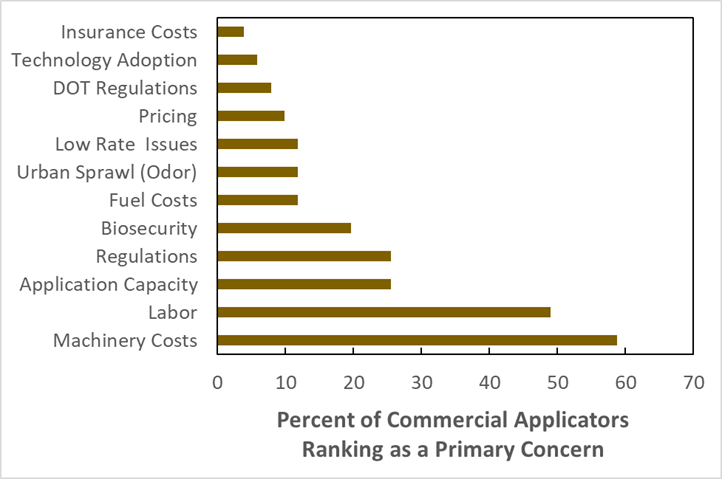
      An open-ended question was asked around what challenges were for your application business over the next ten years (Figure 3). As answers were not limited, most businesses chose to list numerous concerns. These were grouped as best possible to provide categories and to help understand where future programming could address these concerns.

      The primary concerns listed by most businesses were equipment costs and labor availability. Many noted how as equipment costs have increased it takes more hours of application to justify ownership and find a way to make their business cash flow, and how this has translated into repair costs that add to concerns about maintaining a business. There was an expression of how this could make it difficult for a younger generation to get into the business and make sure the industry stays sustainable. Developing materials to help facilitate those interested in developing a business plan and gallons it takes under different conditions would be a useful tool for facilitating making a business case to a lender.

This study underscores the importance of tailoring educational programs to meet industry needs while collaborating with policymakers to develop strategies that advance manure management practices.

Figure 3. Primary concerns of commercial manure application businesses.

Future Plans

To further support the industry and align with water quality objectives, future efforts will focus on:

    • Developing strategic policies that support efficient manure application while maintaining business viability.
    • Expanding educational programming to help applicators navigate regulatory changes and improve application timing strategies.
    • Assessing infrastructure needs to determine equipment investment and business growth opportunities.
    • Enhancing industry collaboration with policymakers to balance business sustainability with environmental stewardship.

Authors

Presenting & corresponding author

Daniel Andersen, Associate Professor, Iowa State University, dsa@iastate.edu

Additional authors

Melissa McEnany, Iowa State University

Rachel Kennedy, Iowa State University

Additional Information

https://www.extension.iastate.edu/immag/commercial-manure-applicators

The authors are solely responsible for the content of these proceedings. The technical information does not necessarily reflect the official position of the sponsoring agencies or institutions represented by planning committee members, and inclusion and distribution herein does not constitute an endorsement of views expressed by the same. Printed materials included herein are not refereed publications. Citations should appear as follows. EXAMPLE: Authors. 2025. Title of presentation. Waste to Worth. Boise, ID. April 711, 2025. URL of this page. Accessed on: today’s date. 

Closing the Loop: Extension’s Role in Driving Circularity in Manure Management

Purpose

Circular agriculture is a farming strategy designed to minimize inputs and environmental impact by improving soil health, reducing waste, and reusing materials. In the context of livestock production and manure management, circularity emphasizes nutrient recycling, minimizing environmental losses, and balancing nutrient inflows and outflows to sustain agricultural systems. These priorities have long been a focus of Extension efforts across livestock-intensive regions.

This work examines the role of Extension in defining, branding, and messaging circularity within manure management. Our objective is to highlight past progress, explore future opportunities, and establish consistent messaging across farmers, industry, and the public. Through multiple analyses, we demonstrate how minor alterations in messaging can tailor information to address different audience concerns.

What Did We Do?

To evaluate the evolution of manure management and its role in circular agriculture, we conducted several analyses:

    • Historical Nutrient Flow & Circularity Metrics 

Using historical data, we traced changes in nutrient use efficiency due to advancements in cropping systems, manure handling, and livestock genetics. 

Findings illustrate continuous improvement in livestock production systems and highlight key drivers of efficiency.

Improvements were attributed to livestock performance, crop performance, and manure management, helping identify areas requiring greater emphasis for future progress.

    • Nutrient Separation vs. Direct Manure Application 

We compared traditional manure application with nutrient separation techniques to assess their impact on nutrient circularity and economic viability. Nutrient separation could include solid liquid separation systems, but ideally will be based on systems that target partitioning of N and P, to better focus on how nutrient flows are impacted.

    • Comparing Manure & Municipal Waste Management 

By comparing manure management practices with municipal waste handling systems, we examined how these comparisons shape public perception.

Extension’s role includes bridging the gap between agricultural decision-making and a public that is increasingly disconnected from farming, requiring clear, relatable messaging.

What Have We Learned?

The analysis highlights several key takeaways:

    • Livestock & Crop Improvements Have Driven Nutrient Use Gains – While significant progress has been made, additional focus on manure management is needed to accelerate circularity.
    • Decision Tools Can Be Re-Branded – Farmers and industry stakeholders can benefit from repurposed decision-support tools that incorporate circularity metrics to inform practical manure management choices.
    • Public Understanding Requires Clear Communication – Agricultural waste and manure management must be explained in ways that connect with non-farm audiences, emphasizing environmental and health benefits.
    • Multimodal Messaging Enhances Engagement – Using a combination of visual graphics, infographics, and multimedia content, Extension can effectively communicate circularity’s value to diverse audiences.

Future Plans

To strengthen Extension’s role in promoting circularity in manure management, future efforts will focus on:

    • Developing targeted messaging for farmers, industry professionals, and the general public to improve adoption of circular manure management practices.
    • Creating practical decision-support tools that incorporate circularity metrics to assist in manure management planning.
    • Enhancing outreach efforts through multimedia resources, including infographics, videos, and interactive educational tools.
    • Strengthening connections between manure management and broader sustainability discussions by aligning messaging with climate resilience, water quality, and regenerative agriculture initiatives.

Authors

Presenting & Corresponding author

Daniel Andersen, Associate Professor, Iowa State University, Dsa@iastate.edu

The authors are solely responsible for the content of these proceedings. The technical information does not necessarily reflect the official position of the sponsoring agencies or institutions represented by planning committee members, and inclusion and distribution herein does not constitute an endorsement of views expressed by the same. Printed materials included herein are not refereed publications. Citations should appear as follows. EXAMPLE: Authors. 2025. Title of presentation. Waste to Worth. Boise, ID. April 711, 2025. URL of this page. Accessed on: today’s date. 

Awful Offal: Partnerships to Benefit Livestock Producers, Local Food Chains, Human Health, and the Environment

Purpose

Livestock producers and meat processors are facing ever evolving challenges when it comes to waste management. Increasing levels of regulation continue to challenge producers, including Washington State’s recently established Organics Management law which sets Methane reduction goals for landfills. This has led many landfills in the state to begin turning away organic material like offal and animal carcasses. Meanwhile climate change is increasing the frequency and intensity of catastrophic animal mortality events, driving the urgent need for solutions to build resources and infrastructure to manage large animal losses.

The Awful Offal group serves as the primary inter-agency effort for addressing policy barriers and problem-solving acute and ongoing animal waste disposal scenarios. The group and its members also participate in state-wide catastrophic mortality preparedness planning. This presentation aims to engage participants with real-world examples of successes and challenges this group has faced through its inception.

What Did We Do?

The Awful Offal work group meets regularly to update members on specific cases or trends in their respective programs. Over years of collaboration, we have been able to identify gaps, provide training and create resources to address some of the largest challenges the state faces with animal carcass management. This has taken shape in the form of offal focused composting workshops, market studies, and countless hours providing resources and technical assistance to operators in need.

What Have We Learned?

We have learned much since this group’s inception, one thing that routinely comes up is that Washington’s diverse climate is going to require an equally diverse set of solutions for tackling this challenge. Composting is a viable and environmentally responsible option for many but also comes with its own unique needs and challenges. Many small meat processors have described the switch from sending material to landfill to composting onsite as “running a second business.” If you also consider many commercial composting operations do not accept this material, we must recognize that no single solution will solve this issue state-wide.

Future Plans

Through robust technical assistance and economic incentives, Washington State Department of Agriculture (WSDA) plans to lead a State-wide effort to promote adoption of on and off-farm composting as a waste management strategy.  WSDA also intends to conduct an in-depth economic and market analysis to identify the specific regional needs and barriers so to further determine how the State can best support additional infrastructure, fund pilot projects and develop resources.

Authors

Presenting author

AJ Mulder, Nutrient Management Specialist, Washington State Department of Agriculture, aj.mulder@agr.wa.gov

Acknowledgements

I would like to acknowledge all the members of the Awful Offal work group, including my colleagues at Washington State Department of Agriculture, Department of Ecology, Washington State University, Department of Health, Department of Fish and Wildlife, USDA and all our industry partners whose input and cooperation this work would be impossible without.


The authors are solely responsible for the content of these proceedings. The technical information does not necessarily reflect the official position of the sponsoring agencies or institutions represented by planning committee members, and inclusion and distribution herein does not constitute an endorsement of views expressed by the same. Printed materials included herein are not refereed publications. Citations should appear as follows. EXAMPLE: Authors. 2025. Title of presentation. Waste to Worth. Boise, ID. April 711, 2025. URL of this page. Accessed on: today’s date. 

Performance of Manure Processing Systems in Wisconsin

Purpose

Advanced manure processing technologies offer the potential to enhance the sustainability of these systems by separating manure into various streams for more efficient post-processing management. This presentation will synthesize findings from multiple full-scale studies on manure processing systems, focusing on separation technologies. It will also include recent evaluations of systems designed to treat manure to a quality suitable for discharge into surface waters. The data presented will cover separation efficiencies of key components, system performance, operational challenges, barriers to adoption, and the results of life cycle assessments of the environmental impacts when integrated into dairy facilities. These insights can provide valuable guidance for producers and stakeholders on how to integrate these systems effectively to achieve targeted environmental and operational outcomes.

What Did We Do?

A number of full-scale manure separation systems were analyzed over time to assess the nutrient separation efficiency of each component. This included systems from previously published data as well as two new sites analyzed in 2024-2025.

Site 1. A total of 45 manure samples were collected over 37 weeks from the Aqua Innovations treatment system located in Middleton, WI. Samples were collected from the (1) influent manure (following digestion), the (2) separated solid (screw press)and (3) liquids from the separator (screw press), (4) separated solid (centrifuge), (5) liquids from separator (centrifuge), (6) ultrafiltration (UF) concentrate and, (7) UF treated liquid, and the (8) reverse osmosis concentrate, and (9) clean water discharged.

Site 2. Samples were also collected from a dairy with a Livestock Water Recycling system located in Kiel, WI. Similarly, samples were collected over 45 sampling events from (1) liquid influent entering the inclined screen/roller press (raw manure), (2) liquid effluent following the inclined screen/roller press, (3) solids following the polymer assisted inclined screen/roller press, (4) liquid effluent following polymer assisted inclined screen/roller press, (5) outflow from clarifier, (6) liquid effluent following reverse osmosis (“clean” water), and (7) nutrient concentrate following reverse osmosis.

Samples were collected and shipped to Great Lakes Labs after each week of sampling and manure analyzed for manure total solids (or dry matter), total phosphorus, total nitrogen, ammoniacal nitrogen, potassium among many other sample parameters. Nutrient separation efficiencies were then compared for the entire system and each system component to previously collected data and data reported in literature.

What Have We Learned?

Separation efficiencies vary significantly for each nutrient through the system. Mutiple separation systems in series reduce variability in separation efficiency. Manure nitrogen is primarily removed from advanced treatment components, ultrafiltration and reverse osmosis, while solids and phosphorus are primarily removed in the initial separation stages.

Future Plans

Data will be further analyzed and published in a peer-reviewed journal. The data will also be integrated into a partial life cycle assessment to determine the impact to various environmental impact categories. This will be useful in aiding farmers in selecting processing systems for targeted outcomes in terms of nutrient separation and environmental outcomes.

Authors

Presenting & corresponding author

Rebecca A. Larson, Professor, Nelson Institute for Environmental Studies, University of Wisconsin-Madison, rebecca.larson@wisc.edu

Additional author(s)

Tyler Liskow, Engineer, Nelson Institute for Environmental Studies, University of Wisconsin-Madison; Brian Langolf, Researcher, Nelson Institute for Environmental Studies, University of Wisconsin-Madison; and Horacio Aguirre-Villegas, Scientist, Nelson Institute for Environmental Studies, University of Wisconsin-Madison

Additional Information

https://dairy.extension.wisc.edu/articles/treating-manure-to-produce-clean-water/

Acknowledgements

Newtrient and the USDA NRCS Conservation Innovation Grants for the funding to complete system sampling.

The authors are solely responsible for the content of these proceedings. The technical information does not necessarily reflect the official position of the sponsoring agencies or institutions represented by planning committee members, and inclusion and distribution herein does not constitute an endorsement of views expressed by the same. Printed materials included herein are not refereed publications. Citations should appear as follows. EXAMPLE: Authors. 2025. Title of presentation. Waste to Worth. Boise, ID. April 711, 2025. URL of this page. Accessed on: today’s date.

Using ManureTech Decision-Support Tools to Aid in Manure System Selection

Purpose

The purpose of the ManureTech Decision-Support Tools (DST) for Dairy and for Swine is to assist farmers, consultants, and others in the dairy/swine industry in optimizing the management of manure from collection to land application. By providing data-driven recommendations based upon customizable inputs and priorities, the ManureTech DST help users make informed decisions about manure management systems in consideration of the economic, environmental, and operational needs of farm management.

What Did We Do?

A multi-state team has developed Excel-based decision-support tools for selecting technology and systems for managing manure on dairy and swine operations as part of a USDA NIFA-funded project.

During this workshop, participants will be introduced to the ManureTech DST for Dairy and the ManureTech DST for Swine and will be provided with hands-on training in using the decision-support tool for dairy.  Major aspects of the tools that will be addressed in the workshop include an introduction to the user interface; entering primary inputs; prioritization of economic, environmental, and operational metrics; and reporting of results, including the ranking of manure system scenarios.

What Have We Learned?

In terms of learning, this effort has provided the project team with a fuller grasp of the complex nature of manure management!  In terms of accomplishments, the team has assembled a tool that considers the multi-faceted benefits and challenges of various manure management systems and presents users with a ranked list of systems for consideration, which should help expedite and enhance system selection.  Users of the ManureTech DST can provide farm-specific weight to economic, environmental, and operational criteria which allows ManureTech DST to rank alternative manure management scenarios in close alignment with individual priorities.

This visual illustrates what a user of the ManureTech Decision-Support Tool sees when weighing economic, environmental, and operational priorities of a farm, so that the rankings of the manure management systems reflect these farm priorities.  In the illustrated case, the user preferences favor economic priorities over others.

Future Plans

Future plans include completing beta testing / pilot-testing of the ManureTech DST and conducting additional training on using the tool.  Over a longer-range timeframe, the team would like to add some additional specialized capabilities and functionality, as a phase II effort.

Authors

Presenting authors

    • Erin Scott, Project/Program Manager, University of Arkansas
    • Varma Vempalli, Wastewater Treatment Specialist, City of Meridian (ID)
    • Jacob Hickman, Systems Analyst, University of Arkansas
    • Rick Stowell, Extension Specialist in Animal Environment, University of Nebraska-Lincoln
    • Teng Lim, Extension Professor and Engineer, University of Missouri

Corresponding author

Rick Stowell, Extension Specialist in Animal Environment, University of Nebraska-Lincoln, Richard.Stowell@unl.edu

Additional authors

    • Erin Scott, Project/Program Manager, University of Arkansas
    • Jacob Hickman, Systems Analyst, University of Arkansas
    • Jennie Popp, Associate Dean and Professor, University of Arkansas
    • Varma Vempalli, Wastewater Treatment Specialist, City of Meridian (ID)
    • Greg Thoma, Director of Agricultural Modeling and Lifecycle Assessment, Colorado State University
    • Teng Lim, Extension Professor and Engineer, University of Missouri

Additional Information

The ManureTech DST and related articles can be accessed at Decision-Support Tools – Livestock and Poultry Environmental Learning Community.

Acknowledgements

The authors acknowledge funding from the USDA NIFA AFRI Water for Food Production Systems program, grant #2018-68011-28691.

The authors are solely responsible for the content of these proceedings. The technical information does not necessarily reflect the official position of the sponsoring agencies or institutions represented by planning committee members, and inclusion and distribution herein does not constitute an endorsement of views expressed by the same. Printed materials included herein are not refereed publications. Citations should appear as follows. EXAMPLE: Authors. 2025. Title of presentation. Waste to Worth. Boise, ID. April 711, 2025. URL of this page. Accessed on: today’s date.

Application of Sonar Depth Finder in Lagoon Sludge Survey

Purpose

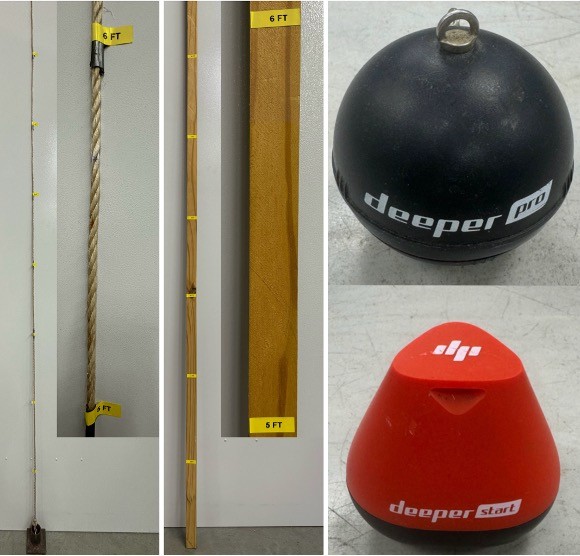
Regular monitoring of lagoon depths is crucial for effective manure management and environmental compliance. Traditional methods, using a disc on a rope or a marked stick from a boat can be time-consuming and pose safety risks, especially in larger or deeper lagoons. This study aimed to determine the feasibility of using low-cost sonar depth finders for lagoon sludge measurement.

What Did We Do?

Depth measurements were conducted by using sonar devices and compared with traditional methods at a 2.5-acre dairy lagoon that received effluent from a pull-plug sediment basin. The sonar devices, along with a cell phone (data logger) were mounted on an air-filled float and dragged across lagoon surface, enabling measurements without the need for a boat.

Fig. 1.  Lagoon depth measurement was conducted using a small kayak (left); practical and simple lagoon depth measurement by dragging air-filled float with sonar ball and cellphone (as data logger) across lagoon surface (right).
Fig. 1. Lagoon depth measurement was conducted using a small kayak (left); practical and simple lagoon depth measurement by dragging air-filled float with sonar ball and cellphone (as data logger) across lagoon surface (right).
Fig. 2. Field measurement points on the lagoon surface for the liquid depth measurement using disc on a rope and a sonar ball sensor. The white dots are measurement points to compare sonar ball method and disc on a rope method, the blue lines were measurement paths dragging a small air-filled float carrying sonar ball

What Have We Learned?

Fig. 3. Liquid depth measurement devices applied: disk on a rope (left), wood stick with depth markings (middle), and two types of commercial sonar balls (right).
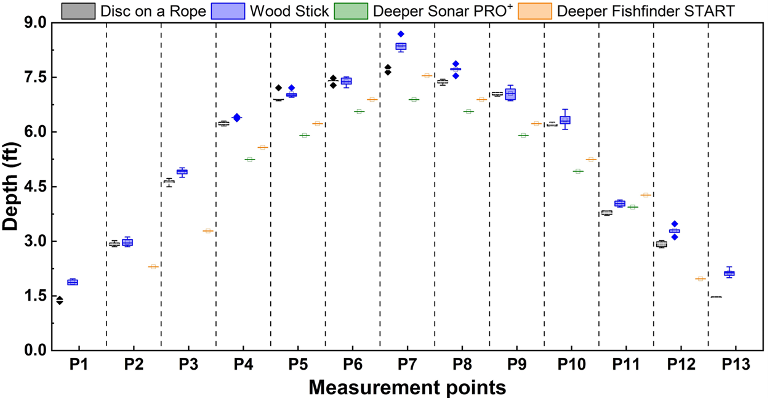
Fig. 4.  Comparison of depth measurements using different measurement methods.
Fig. 4. Comparison of depth measurements using different measurement methods.

The disc on a rope (standard) and wood stick method resulted in similar values. Meanwhile, the sonar balls tend to slightly underestimate depth, with a margin of error below 15%, while the errors were higher for very shallow areas.

Fig. 5.  Linear regression of depths, comparing the Deeper Sonar PRO+ and Deeper Fishfinder START, with disc on a rope values.
Fig. 5. Linear regression of depths, comparing the Deeper Sonar PRO+ and Deeper Fishfinder START, with disc on a rope values.

Linear regression models revealed strong correlations between sonar readings and the disc-on-a-rope method, with R² values of 0.899 for the PRO+ model, and 0.9377 for the START model. Applying a correction model to the sonar data could further enhance the measurement accuracy. This study demonstrated that integrating sonar measurements with periodic sludge sampling provides a practical, safe, and reliable approach to improving lagoon management.

Authors

Presenting author

Moh Moh Thant Zin, Post-doctoral researcher, University of Missouri-Columbia

Corresponding author

Teng-Teeh Lim, Extension Professor, University of Missouri-Columbia, limt@missouri.edu

Additional author(s)

Zonggang Li, Gilbert Mitto, Manobendro Sarker, Rana Das, Cuong Duong, University of Missouri-Columbia.

Acknowledgements

This research was supported by USDA-NIFA, grant award (# 2018-68011-28691), and University of Missouri Extension.

The authors are solely responsible for the content of these proceedings. The technical information does not necessarily reflect the official position of the sponsoring agencies or institutions represented by planning committee members, and inclusion and distribution herein does not constitute an endorsement of views expressed by the same. Printed materials included herein are not refereed publications. Citations should appear as follows. EXAMPLE: Authors. 2025. Title of presentation. Waste to Worth. Boise, ID. April 711, 2025. URL of this page. Accessed on: today’s date.

Using Composted Poultry Litter to Improve the Chemical and Physical Properties of Potting Media for Woody Ornamental Production

Due to a technical glitch, the beginning of the recorded presentation was not recorded. Please accept our apologies.

Purpose

A common media used for woody ornamental production is a mixture of 8 parts pine bark and 1 part sand on a volume basis combined with various amounts of peat moss, sphagnum moss, or vermiculite to improve the aeration porosity (AP) and water holding capacity (WHC). Lime is also added to raise the pH to the level needed for the plant to be grown, and slow-release pellet fertilizer (14-14-14) is mixed in the range of 3 to 8 lb per cubic yard of media to provide a base level of fertility.

While materials such as peat moss and vermiculite hare valuable ingredients to improve the physical characteristics of potting media, there are some significant concerns. Peat moss is obtained from wetlands (peat bogs) and is a non-renewable resource that has increased in price. Vermiculite is a product of heat-treating ore mined from the earth to make the product used in horticulture. The rising energy costs associated with mining and heat processing have caused the costs of vermiculite to increase.

The purpose of this study was to determine if blending 20%, 40%, and 60% (volume basis) of composted poultry litter (CPL) with a bark-sand base mix could replace or reduce the need to mix in non-renewable ingredients to improve the physical properties (AP, WHC, bulk density, pH), and reduce the amount of pellet fertilizer (14-14-14) needed to provide typical levels of fertility for potting media used in ornamental plant production. The anticipated benefits would be reduced production costs for the horticulturalist and development of a consistent market for producers of compost products made from poultry litter mixed with locally sourced plant waste.

What Did We Do?

The first step in the study was to obtain large amounts of composted poultry litter (broiler or breeder litter mixed with wood and other plant waste) and screened pine bark from two separate manufacturers in South Carolina. The other material that was included in the media blends was builder’s sand. Three well-mixed pine bark and compost samples were sent to the Clemson University Agricultural Services Laboratory to determine the concentrations of major and minor plant nutrients, organic matter, carbon, pH, electrical conductivity (EC5), moisture content, and the dry matter bulk density. The only measurements obtained for the sand were the moisture content (3.7%) and density (1.143 g DM/cm3). The pH was assumed to be 7.0 based on published information.  The average chemical and physical characteristics of the pine bark and compost are provided in Table 1. The complete details are given by Chastain et al. (2023).

The next step was to make the four different potting mixes using the three ingredients. The base mix was made by blending 8 parts pine bark with 1 part sand. The other three mixes were blends of the base mix and the compost product (CPL) on a volume basis. The 20% CPL mix was 1 part CPL blended with 4 parts of the base mix. The 40% CPL mix was 2 parts CPL blended with 4 parts of the base mix, and the 60% CPL mix was 3 parts CPL blended with 2 parts of the base mix.

The third step was to measure the dry matter bulk density, aeration porosity (AP), water holding capacity (WHC), and pot water capacity. The density of the four mixes was determined as the dry mass of material in a container with a calibrated volume. The AP and WHC were measured in the laboratory using a test chamber and procedure designed for this purpose (Chastain et al., 2023). The pot water capacity (g water/pot) was measured by filling 6, 6-inch pots with the same volume of each of the 4 mixes (24 pots total). The pots were brought to saturation and the water contained in the pots was measured. The pots were allowed to dry in the laboratory for 4 days and the mass of water in each pot was measured again. The complete details are provided by Chastain et al. (2023).

Table 1. Chemical and physical characteristics of the bark and composted poultry litter used to make the four potting mixes (mean of 3 reps). The moisture content of the sand used was 3.7%, the pH was 7.0, and the bulk density was 1.143 g DM/cm3.

Screened Pine Bark

(% d.b.)

Composted Poultry Litter

(% d.b.)

TAN (NH4-N + NH3-N) 0.00 0.00
Organic-N 0.33 0.96
Nitrate-N 0.00 0.12
Total-N 0.33 1.08
P2O5 0.12 2.45
K2O 0.22 0.82
Calcium 0.33 4.35
Magnesium 0.11 0.36
Sulfur 0.05 0.20
Zinc 0.004 0.02
Copper 0.001 0.02
Manganese 0.014 0.02
Sodium 0.023 0.15
Organic Matter 92.6 13.7
Carbon 52.4 9.94
C:N 161:1 9.2:1
EC5 (mmhos/cm) 2.56 0.71
pH 5.10 7.33
Moisture (%) 59.4 25.6
Density (g DM/cm3) 0.164 0.607

The final step involved calculating the concentrations of plant nutrients and other characteristics from the data shown in Table 1 as a weighted mean based on mass. These nutrient concentrations were converted to a volume basis (lb/yd3) using the mix bulk densities. The volumetric nutrient concentrations of the three CPL and base mix blends were compared with the range of nutrient concentrations that would result from mixing a 14-14-14 pellet fertilizer with the base mix at the rate of 3 to 8 lb per cubic yard.

What Have We Learned?

The results of mixing 20%, 40% and 60% CPL with the base mix on important properties of potting media are given in Table 2 along with target values from the literature. As the amount of composted litter (CPL) was increased the aeration porosity decreased from an unacceptable value of 30% for the base mix to 18% for the 20% CPL mix and 12% for the 60% CPL mix.  The target range for water holding capacity is 45% to 65%. The highest WHC of 50% was for the 40% CPL mix followed by a WHC of 48% for the 20% CPL mix. The most limiting media characteristic appeared to be pH. The desirable range for media pH ranges from 5.5 to 6.4 depending on the plant to be grown.  Based on the upper limit of this range, the highest amount of this compost product that would be recommended based on this study was 40%.  Therefore, these results indicate that the amount of CPL that should be considered for most potting media would be in the range of 20% to 40% of the mix. The actual percentage of CPL that should be used will depend on the pH requirements of the plants to be grown. The pot water capacity results also showed that increasing the percentage of CPL in the mix increased the amount of water that would be held in a container at saturation and after 4 days of evaporation. If a media pH of 6.1 is suitable for the plant to be grown then these results suggest that the 40% CPL mix would be the best since it would provide an AP of 15%, a WHC of 50%, and an increase in pot water capacity of 20% at saturation and 29% following 4 days of evaporation with no irrigation. Using 40% CPL in a potting mix would also provide a 35% increase in dry bulk density which should reduce pot tipping in a production or retail nursery.

Table 2. Impact of adding composted poultry litter (CPL) to a bark-sand base mix on key potting media characteristics. The amount of CPL in the mix was 0%, (100% Base Mix), 20% (20% CPL), 40% (40% CPL), and 60% (60% CPL). AP is the aeration porosity, and WHC is the water holding capacity.

Media Property 100% Base Mix 20% CPL 40% CPL 60% CPL
AP (%) – Target: 10% to 20% 30 18 15 12
WHC (%) – Target: 45% to 65% 46 48 50 46
pH – Target: 5.5 to 6.4 5.3 5.7 6.1 6.5
Density (g DM/cm3) 0.31 0.37 0.42 0.47
Pot Water Capacity – at saturation (g/pot) A 390 420 (+8%) 468 (+20%) 523 (+34%)
Pot Water Capacity – after 4 days (g/pot) B 316 355 (+12%) 407 (+29%) 413 (+31%)

A The average mass of water contained in a 6-inch pot after adding enough water to bring the contents to saturation.

B The average mass of water contained in a 6-inch pot after allowing water to evaporate from the pots for 4 days.

The volumetric nutrient contents of the base mix, the fertilized base mix, and the 20% and 40% CPL mixes are compared in Table 3. The results for the 60% CPL mix were not included since the pH of 6.5 (Table 2) exceeded the upper value of the target range (pH = 6.4). Addition of the pellet fertilizer to the base mix and the 20% and 40% CPL mixes were able to reduce the C:N of the mix and change the plant available-N estimate from – 0.36 lb /yd3 to a positive value. That is, one of the goals of fertilizing a potting mix is to overcome the impact of nitrogen immobilization from the large amount of carbon in the pine bark. The actual target for plant available-N will vary with the plant to be grown. A similar result can be seen for the plant available P2O5. The base mix was not estimated to contain any useful P2O5. The addition of pellet fertilizer or using a CPL blend provided similar amounts of P-fertility. The two CPL mixes provided more K2O than the typical range of pellet fertilized mixes included in this study. The use of CPL instead of pellet fertilizer also added calcium, magnesium, sulfur, and other minor plant nutrients. The only elevated element that was undesirable was sodium. These results point out that potential minor nutrient toxicities (e.g. Mn, Zn) should also be considered when selecting the precise percentage of compost product to use in a potting mix.

Table 3. Comparison of the plant nutrients contained in the bark-sand base mix, fertilized base mix (3 to 8 lb slow-release fertilizer / cubic yard), and the 20% and 40% CPL mixes. The units are pounds of nutrient per cubic yard (lb/yd3)


Plant Nutrients


Base Mix

Fertilized

Base Mix


20% CPL


40% CPL

TAN (NH4-N + NH3-N) 0 0.28 to 0.69 0 0
Organic-N 0.81 0.80 to 0.81 2.61 4.41
Nitrate-N 0 0.20 to 0.49 0.24 0.48
Total-N 0.81 1.28 to 1.98 2.85 4.89
C:N 159:1 65:1 to 101:1 43:1 24:1
Plant Available-N A – 0.36 0.29 to 1.09 0.19 0.70
P2O5 0.29 0.77 to 1.47 5.25 10.20
Plant Available P2O5B 0 0.47 to 1.17 0.42 1.63
Potash (K2O) 0.54 1.01 to 1.71 2.11 3.68
Calcium 0.82 0.82 9.56 18.3
Magnesium 0.27 0.27 0.95 1.62
Sulfur 0.11 0.11 0.50 0.89
Zinc 0.008 0.008 0.054 0.099
Copper 0.003 0.003 0.039 0.074
Manganese 0.034 0.034 0.072 0.111
Sodium 0.057 0.057 0.359 0.661

A Plant Available-N = m f CS [Org-N] + TAN + NO3-N, where m f CS = 0.139 – 0.0036 C:N, R2 = 0.84 (regression by Franklin et al., 2015, method given by Chastain et al., 2023).

P Plant Available P2O5 = PRf [P2O5] Potting MIX + [P2O5] Fertilizer, PRf = 0 for the base mix and blends with fertilizer and 0.40 for CPL. (data from Franklin et al., 2015, method given by Chastain et al., 2023).

The results of this study indicated that composted poultry litter can replace a significant portion or all the expensive, non-renewable ingredients that are currently used to improve the AP, and WHC of a potting mix. The additional water capacity per pot may also reduce irrigation frequency, but additional work is needed. Also, use of CPL in the range of 20% to 40% of the mix can eliminate or reduce the need for lime for pH adjustment and pellet fertilizer to provide common levels of potting mix fertilization. These results only apply directly to the compost product used in this study. A similar study using composted cow manure (Owino et al., 2024) showed similar positive results. However, that product could not be used to adjust AP and WHC and media fertility in the same way as the product used in this study. These studies (Chastain et al., 2023; Owino et al., 2024) are intended to be used as a guide to determine the best compost and base mix proportions based on analysis of the initial ingredients. The final choice concerning the amount of compost to use should be made after growing trial pots of the plant to be produced in a the most beneficial mix.

Future Plans

This information has been used to develop extension programs for poultry and livestock producers that manufacture compost or who are considering composting litter as a treatment option. The other target audience for this information is producers of container ornamentals. Additionally, plant specific trials would be helpful to communicate information concerning the use of compost products in container production. An easy-to-use program or spreadsheet that would allow comparison of potting mix characteristics based on laboratory analysis would allow producers to design one or two mixes that may meet the specific needs of their plants. This would greatly reduce the amount of time needed to test the most beneficial blends.

Authors

Presenting & corresponding author

John P. Chastain, Professor and Extension Agricultural Engineer, Clemson University, jchstn@clemson.edu

Additional authors

Hunter F. Massey, Principle Lecturer, Department of Agricultural Sciences; Tom O. Owino, Associate Professor, Department of Environmental Engineering and Earth Sciences, Clemson University

Additional Information

Chastain, J.P., Massey, H.F., Owino, T.O. 2023. Benefits of Adding Composted Poultry Litter to Soilless Potting Media for the Production of Woody Ornamentals. In: Barbosa, J.C., Silva, L.L., Rico, J.C., Coelho, D., Sousa, A., Silva, J.R.M., Baptista, F., Cruz, V.F., (Eds.) Proceedings of the XL CIOSTA and CIGR Section V International Conference: Sustainable Socio-Technical Transition of Farming Systems. Évora, Universidade de Évora, pp. 10-21, https://rdpc.uevora.pt/rdpc/handle/10174/35910.

Franklin, D., D. Bender-Ӧzenҫ, N. Ӧzenҫ, and M. Cabrera. 2015. Nitrogen mineralization and phosphorus release from composts and soil conditioners found in the southeastern United States. Soil Science Society of America Journal 79:1386-1395. doi:10.2136/sssaj2015.02.0077.

Owino. T.O., Chastain, J.P., Massey, H.F. 2024. Using Composted Cow Manure to Improve Nutrient Content, Aeration Porosity, and Water Retention of Pine Bark-Based Potting Media. In: Cavallo, E., Cheein, F.A., Marinello, F., Saҫilil, K., Muthukumarappan, K., Abhilash, P.C., (Eds.) 15th International Congress on Agricultural Mechanization and Energy in Agriculture ANKAgEng’2023, Lecture Notes in Civil Engineering, Springer Nature Switzerland, 458, pp. 240–261, https://doi.org/10.1007/978-3-031-51579-8_23.

Acknowledgements

This work was supported by the Confined Animal Manure Managers (CAMM) Program of Clemson University Extension. Composted poultry litter was supplied by Mr. Tim McCormick, and the pine bark was supplied by a manufacturer of soil amendments located in, Anderson, SC. Dr. R.F. Polomski, Associate Extension Specialist–Horticulture/Arboriculture at Clemson University, provided valuable assistance in selecting the ingredients for the base mix and provided valuable insight concerning woody ornamental production. Dr. K. Moore, retired director of the Agricultural Service Laboratory, directed the chemical analyses.


The authors are solely responsible for the content of these proceedings. The technical information does not necessarily reflect the official position of the sponsoring agencies or institutions represented by planning committee members, and inclusion and distribution herein does not constitute an endorsement of views expressed by the same. Printed materials included herein are not refereed publications. Citations should appear as follows. EXAMPLE: Authors. 2025. Title of presentation. Waste to Worth. Boise, ID. April 7-11, 2025. URL of this page. Accessed on: today’s date. 
Laboratory estimation of methane emission rates from Midwest dairy manure samples representing common manure types and storage conditions

Purpose

Methane (CH4) emissions from manure storage are a substantial contributor to the cradle-to-farmgate climate footprint for many dairy farms, especially for farms storing manure as liquid or slurry (Rotz et al., 2021). Dairy systems handle, treat, and store manure in various ways. In combination with environmental conditions, these differences in manure-related structures and processes potentially cause substantial farm-to-farm variability in CH4 production and intensity. However, few methods are available to estimate CH4 emissions specific to a manure storage or farm system.

To enable estimation of CH4 emission rate per unit of manure (methane emission rate, MER), research by Andersen et al. (2015) tested a laboratory assay on swine manure from deep pits. These authors showed that MER was related to manure chemical composition and varied across the year, with the highest values recorded in late fall. Our research aimed to build on Andersen et al. (2015) by testing dairy rather than swine manure to 1) compare MER across a variety of manure types, storage types, and typical storage durations, 2) examine seasonal differences in MER, and 3) quantify farm-to-farm and storage-to-storage variation in MER. Ultimately, we expected to illustrate how the MER laboratory assay could be used in estimating farm-specific CH4 emission rates from dairy manure storages.

What Did We Do?

We partnered with 27 dairies in the U.S. Upper Midwest with liquid and slurry manure storages. At approximately 2–4-month intervals throughout 2024, we collected composite samples (n = 208) representing various manure types, typical storage durations, and storage types. Most samples were whole manure (n = 165, 79%) or liquid separated manure (n = 34, 16%), with remaining samples representing flush water and digestate. Samples represented areas where manure was stored for short durations (≤1 mo.; n = 120, 58%) and long durations (>1 mo.; n = 88, 42%). Most long-term storage was unroofed, and most short-term storage was roofed. Samples represented transfer pits (n = 84, 40%), unroofed basins or pits (n = 67, 32%), and below-building pits (n = 30, 14%), among other storage types. Samples were distributed evenly across seasons for most farms, except that fewer samples were collected during winter due to outdoor storages freezing over.

For the MER assay, we incubated 75.06 ± 0.02 g (mean ± standard error) of manure at 72°F in triplicate 100 mL serum bottles for 2.99 ± 0.01 days. Then, we measured gas displacement with a syringe and headspace CH4 concentration with gas chromatography (Agilent 490 Micro GC, Agilent Technologies, Inc., Santa Clara, CA). We calculated MER as the average CH4 emission (mL) at 72°F per liter of manure per day. To examine differences due to manure type, typical storage duration, storage type, and season, we fit linear mixed models to log-transformed MER, then back-transformed model-implied means and standard errors. Additionally, we examined variance components attributable to individual storages and farms in relation to the residual variance. Storage-to-storage differences explained a small amount of total variance, so the random effect of storage was removed. Significance was declared at p<0.05.

What Have We Learned?

Across samples, the MER was highly variable and right-skewed (mean = 37, median = 21, standard deviation = 45 mL CH4 L-1 d-1; Figure 1), with a small fraction of extremely high values (maximum = 236 mL CH4 L-1 d-1). In contrast with our expectations, we found no effect of manure type, typical storage duration, and storage type on MER. Season influenced MER (F [3, 183.4] = 11.3, p < 0.001), with Fall samples exhibiting a larger MER compared with other seasons (Table 1). Larger MERs in Fall samples were driven by greater gas volume and CH4 concentrations in headspace; model-implied means of both variables nearly doubled in Fall compared with other seasons. Considering that all samples were incubated at the same temperature during the MER assay, greater MER during Fall may indicate that these samples had more abundant and active methanogen populations. Additionally, differences in chemical and physical properties of manure may have enhanced substrate availability for methanogenesis in Fall samples relative to other seasons.

Table 1. Results of a laboratory assay to estimate methane emission rate from dairy manure samples (n = 208) by incubating at 72°F in serum bottles for 3 days.
Model-Implied Mean (Confidence Interval)
Variable Spring Summer Fall Winter
Volume displacement, mL 14 (3, 25) 16 (4, 27) 26 (14, 37) 13 (0, 26)
Headspace methane, % 5 (3, 10) 8 (5, 16) 14 (8, 26) 6 (3, 12)
Methane emission rate,
mL CH4 L-1 d-1
13 (7, 25) 22 (11, 43) 41 (21, 79) 15 (7, 33)


Although our results illustrated that the mean MER was generally similar across categories of manure types, storage durations, and storage types, we found that between-farm differences accounted for 18% of the total variance in MER. In other words, samples from the same farm were correlated on average 0.18. This suggests that there are farm-to-farm differences in MER that were not explained by the predictors we considered as fixed effects.

Figure 1. Methane emission rates of samples (n = 208 points) showing the median and first and third quartiles (box) with whiskers 1.5 times the interquartile range.

Future Plans

In future work on this project, we plan to explore if between-farm differences in MER can be explained by other farm meta-data such as bedding type, manure removal frequency, storage volume, and surface area of manure. Additionally, we will explore relationships between manure chemical composition (total solids, volatile solids, total nitrogen) and MER. Similar to Andersen et al. (2015), we are examining the temperature sensitivity of methanogenesis in different sample types. In subsequent work, we may consider relating MER to other chemical constituents in manure samples related to substrate availability (e.g., fiber fractions) or fermentation end-products (e.g., volatile fatty acids).

Authors

Presenting author

MaryGrace Erickson, Postdoctoral Associate, University of Minnesota

Corresponding author

Erin Cortus, Associate Professor and Extension Engineer, University of Minnesota, ecortus@umn.edu

Additional author

Noelle Cielito Soriano, Ph.D. Candidate, University of Minnesota

Additional Information

Andersen, D. S., Van Weelden, M. B., Trabue, S. L., & Pepple, L. M. (2015). Lab-assay for estimating methane emissions from deep-pit swine manure storages. Journal of Environmental Management, 159, 18–26. https://doi.org/10.1016/j.jenvman.2015.05.003

Rotz, A., Stout, R., Leytem, A., Feyereisen, G., Waldrip, H., Thoma, G., Holly, M., Bjorneberg, D., Baker, J., Vadas, P., & Kleinman, P. (2021). Environmental assessment of United States dairy farms. Journal of Cleaner Production, 315, 128153. https://doi.org/10.1016/j.jclepro.2021.128153

Acknowledgements

We thank the farms who participated in this research for providing samples and data. Additionally, we are grateful to Kevin Bourgeault, Seth Heitman, Sabrina Mueller, and Jacob Olson for contributing to sampling and laboratory analysis. This research is supported by USDA NIFA Award 2023-68008-39859, and the Minnesota Rapid Agricultural Response Fund.


The authors are solely responsible for the content of these proceedings. The technical information does not necessarily reflect the official position of the sponsoring agencies or institutions represented by planning committee members, and inclusion and distribution herein does not constitute an endorsement of views expressed by the same. Printed materials included herein are not refereed publications. Citations should appear as follows. EXAMPLE: Authors. 2025. Title of presentation. Waste to Worth. Boise, ID. April 7-11, 2025. URL of this page. Accessed on: today’s date. 
Animal Waste Training for NC Food Animal Producers

Purpose

North Carolina Cooperative Extension takes a lead role in providing education and training opportunities for animal waste management.  Extension provides certification classes for operators on permitted animal farms and for technical specialists who advise and assist those operators.  Extension has been the lead agency to train producers and technical specialists via continuing education classes, field days, and tours. All permitted animal waste facilities must have at least one licensed operator in charge (OIC) on the farm to ensure all rules and regulations are followed.  Training for these groups is mainly done at the county level by Extension Agents assisted by specialists. This poster provides an overview of the activities of the NC Extension team towards Animal Waste Management Training.

What Did We Do?

Extension educates food animal producers through three main activities:

    • Initial OIC Class: Would-be operators attend a mandatory 10-hour class after which they sit for a 50-question exam administered by state agencies. Those passing the exam are designated as certified OICs.  These classes are offered annually by county extension agents in key production counties. There are two types of OIC certification: type A certification for swine and liquid poultry systems and type B for dairy, horse, beef and other high fiber systems.
    • Continuing education classes for OICs: All OIC’s must receive 6 hours of continuing education credit every 3 years.  In 2024, there were 1,924 type A operators and 216 type B operators across the state. Agents and specialists provide the majority of continuing education classes for OICs either in-person or through statewide online classes.  Topics include waste utilization, new technologies, safety, weather readiness, planning for extreme events and disease outbreaks, ventilation, sludge management, and many more.
    • Continuing education classes for Technical Specialists: Agents and specialists also provide the majority of continuing education classes for technical specialists as part of their requirement to receive 6 hours of credit every 3 years.  There is typically a yearly field day or tour participants can attend to meet this requirement.  Around 30 participants usually attend.

What Have We Learned?

There are over 2,100 operators in NC who need continuing education training every 3 years. The requirement for OICs has been around since 1996.  Extension agents and specialists need to work together to provide the highest caliber programs to keep producers engaged, up-to-date, and excited to learn about changes and challenges in NC.  The statewide online option allows agents with less experience in animal waste topics to offer quality programs from top experts in the state and to learn about emerging practices, technologies, and recommendations.  Google form surveys are used to measure knowledge gained, adoption of new practices, and recommendations on future topics.  The agent-specialist group uses the recommendations from surveys to choose future topics and speakers.  Surveys show that OICs are interested in these topics: irrigation calibration, crop and pasture/hayfield management including pest management, lagoon clean out and sludge management, new technologies including digesters and alternative waste facility options.  Technical specialists are interested in lagoon closures, sludge management and utilization, new technology – digester, land applying to pine trees and other alternative crops.

Future Plans

NC State Extension has an animal waste workgroup which is made up of specialists and agents.  This work group is allocated money each year to purchase supplies and materials that will help in programming.  This group helps determine the educational needs of agents, farmers, and technical specialists in the state and works to make sure those needs are met.  The group plans to continue to improve the educational courses offered and determine the best methods of communication to maximize engagement and learning.  The group uses surveys to guide topic and speaker selection.  Future plans include filming more videos to use in educational programs.

Authors

Presenting & Corresponding author

Becky Spearman, County Extension Director and Livestock Extension Agent North Carolina Cooperative Extension – Bladen County, becky_spearman@ncsu.edu

Additional authors

Dr. Mahmoud Sharara, Extension Specialist, North Carolina State University

Dr. Steph Kulesza, Extension Specialist, North Carolina State University

Additional Information

NCSU Animal Waste Portal

Department of Environmental Quality Animal OIC website

Animal Waste Manual Type A (2021)

Animal Waste Manual  Type B (2017)

Q&A: Installing Anaerobic Digesters on NC Swine Farms YouTube Video
Innovation in Swine Manure Management

Acknowledgements

The following Livestock Extension Agents: Amanda Hatcher (Duplin County), Max Knowles (Sampson County), Nancy Keith (Iredell County), Stefani Sykes (Wayne County), and Kaelyn Mohrfield (Lenoir/Greene Counties)


The authors are solely responsible for the content of these proceedings. The technical information does not necessarily reflect the official position of the sponsoring agencies or institutions represented by planning committee members, and inclusion and distribution herein does not constitute an endorsement of views expressed by the same. Printed materials included herein are not refereed publications. Citations should appear as follows. EXAMPLE: Authors. 2025. Title of presentation. Waste to Worth. Boise, ID. April 7-11, 2025. URL of this page. Accessed on: today’s date.