Ammonia Recovery from Livestock Wastewater with Gas Permeable Membranes

Waste to Worth: Spreading science and solutions logoWaste to Worth home | More proceedings….

Why Study Ammonia Recovery from Livestock Wastewater?

This presentation shows a novel system that uses gas-permeable membranes to capture and recover ammonia from liquid manure, reducing ammonia emissions from livestock operations, and recovering concentrated liquid nitrogen that could be sold as fertilizer.

What Did We Do?

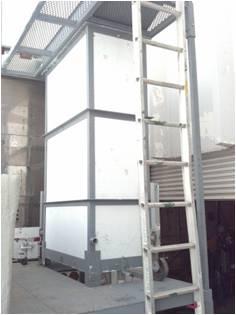
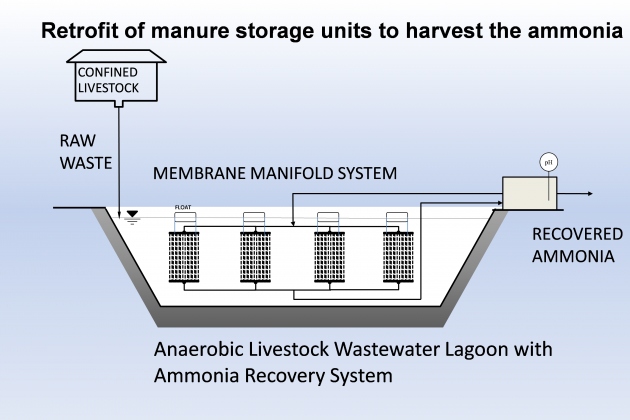
These systems use gas-permeable membranes as components of new processes to capture and recover the ammonia in liquid manures. The new process includes the passage of gaseous ammonia contained in the liquid manure through a microporous hydrophobic membrane and capture and concentration with circulating diluted acid on the other side of the membrane.   The membranes can be assembled in modules or manifolds.  For liquid manure applications, the membrane manifolds are submerged in the liquid and the ammonia is removed from the liquid manure in barn pits or storage tanks and lagoons before it goes into the air.

Cross-sectional diagram of ammonia capture using hydrophobic gas-permeable membrane.  Ammonia gas (NH3) in the liquid manure permeates through hydrophobic membrane walls with micron-sized pores, where it combines with the free protons (H+) in the acid solution to form non-volatile ammonium ions (NH4+).

What Have We Learned?

The concept was successfully tested using concentrated swine manure effluents containing 140 to 1,400 mg/L NH4-N. The use of gas-permeable membranes to remove ammonia from liquid manure was effective, and the rate of N recovery by the gas-permeable membrane system was higher with higher ammonia concentration in the manure.  While ammonia gas passed readily through the membrane pores, the soluble COD compounds did not pass. An average removal rate from 45 to 153 milligrams of ammonia per liter per day was obtained when ammonia concentrations in swine lagoon liquid ranged from 138 to 302 milligrams ammonia per liter.  The rate of ammonia recovery was also increased with increased pH of the wastewater. With a natural pH of 8.3, the rate of N recovery was about 1.2% per hour.  This rate was increased 10 times (to 13% per hour) at pH of 10 after alkali addition.  In another study, we immersed the membrane module into raw liquid manure that had 1,400 milligrams of ammonia per liter, and after 9 days, the total ammonia concentration decreased about 50 percent to 663 mg per liter. The gaseous ammonia in the liquid (or free ammonia) linked to ammonia emissions decreased 95 percent from 114.2 to 5.4 milligrams per liter. The same process was used in 10 consecutive batches of raw swine manure and ended up recovering concentrated nitrogen in a clear solution that contained 53,000 milligrams of ammonia per liter.  The new technology could help change on-farm nitrogen management: Livestock producers could use the technology to help meet air-quality regulations, save fuel, protect the health of livestock and their human caretakers, improve livestock productivity, and recover concentrated liquid nitrogen that can be re-used in agriculture as a valued fertilizer.

Diagram of ammonia recovery system using with gas permeable membranes

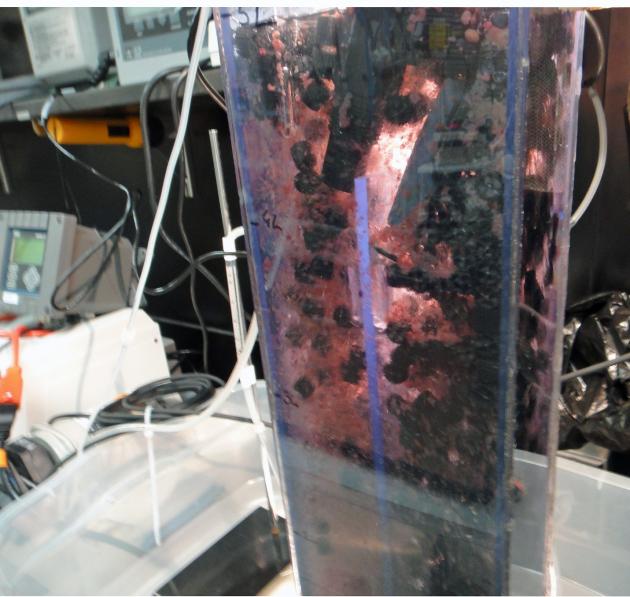
Recovery and concentration of ammonia from liquid manure using gas-permeable membrane system. Diagram and pictures show prototype testing, using the same stripping solution with repeated batches of liquid manure.

Future Plans

On-farm demonstration studies will be conducted in 2013-2014 in cooperation with Dr. John Classen, North Carolina State University, through an NRCS Conservation Innovation Grant (CIG) awarded in FY2012 “Ammonia recovery from swine wastewater with selective membrane technology”.  The project will demonstrate recovery of ammonia from liquid manure effluents using the gas-permeable technology in three different manure collection systems: under floor belt system, scraper system, and anaerobic digester.

USDA seeks a commercial partner to develop and market this invention (US Patent Appl. SN 13/164,363)  http://www.ars.usda.gov/business/docs.htm?docid=763&page=5

Authors

Matias Vanotti, USDA-ARS, Florence, South Carolina, matias.vanotti@ars.usda.gov

Matias Vanotti, Ariel Szogi,  Patrick Hunt

USDA-ARS, Coastal Plains Soil, Water, and Plant Research Center, Florence, SC

Additional Information

“Livestock Waste Management 2.0: Recycling Ammonia Emissions as Fertilizer“ published in the November/December 2012 issue of Agricultural Research magazine  http://www.ars.usda.gov/is/AR/archive/nov12/livestock1112.htm

“Recovery of ammonia with gas permeable membranes” research update at USDA-ARS-CPSWPRC website  http://www.ars.usda.gov/Research/docs.htm?docid=22883#ammonia

Vanotti,M.B., Szogi,A.A.  “Systems and Methods for Reducing Ammonia Emissions form Liquid Effluents and for Recovering Ammonia”. US Patent Appl. SN 13/164,363,  filed June 20, 2011.  US Patent and Trademark Office, Washington, DC.

Vanotti, M.B., Szogi, A.A. 2010. “Removal and recovery of ammonia from liquid manure using gas-permeable membranes”. In: Proceedings of the 2010 American Society of Agricultural and Biological Engineers Annual International Meeting, June 20-23, 2010, Pittsburgh, Pennsylvania. 5 p. Paper No. 1008376.

The authors are solely responsible for the content of these proceedings. The technical information does not necessarily reflect the official position of the sponsoring agencies or institutions represented by planning committee members, and inclusion and distribution herein does not constitute an endorsement of views expressed by the same. Printed materials included herein are not refereed publications. Citations should appear as follows. EXAMPLE: Authors. 2013. Title of presentation. Waste to Worth: Spreading Science and Solutions. Denver, CO. April 1-5, 2013. URL of this page. Accessed on: today’s date.
Treatment Technologies for Ammonia in Liquid Manure: Nitrification/denitrification and Anammox Based Deammonification

Waste to Worth: Spreading science and solutions logoWaste to Worth home | More proceedings….

Why Study Ammonia Removal from Livestock Wastewater?

Biological nitrogen removal is regarded as the most efficient and economically feasible method available for removal of ammonia from wastewater. Its implementation in concentrated livestock farms can help reduce surplus nitrogen and ammonia emissions.

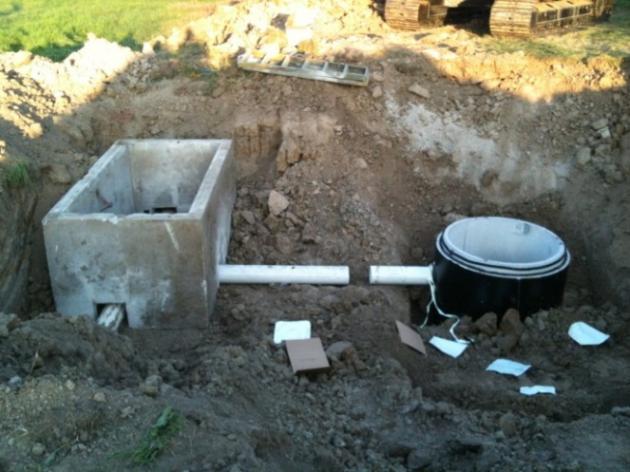
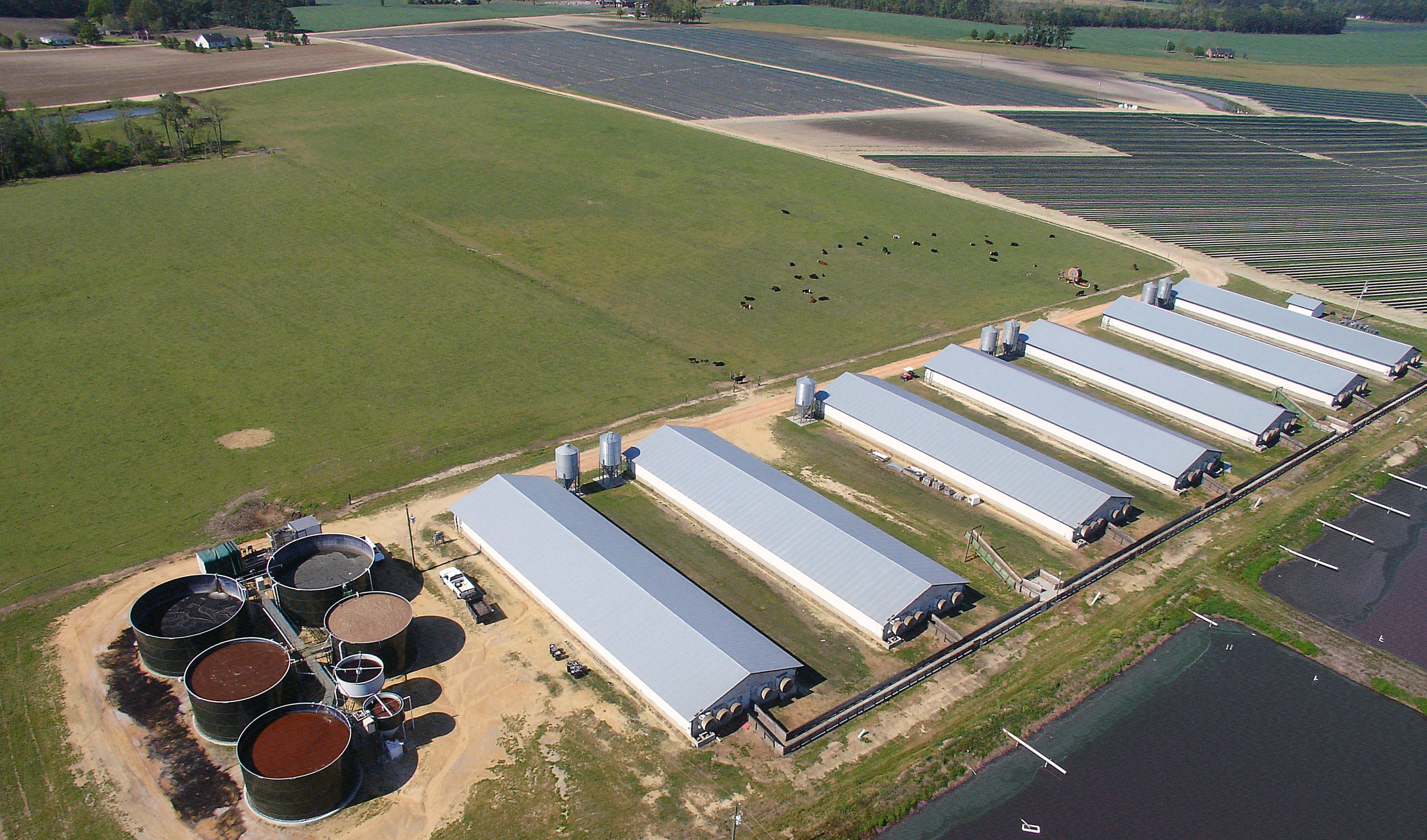
High performance nitrifying sludge (HPNS) is used to start-up biological ammonia removal treatment in swine manure treatment plants. Picture shows second generation project treating manure from 5,200-head finishing operation in Sampson County, NC. The system used solids separation, N removal and P removal processes.

What Did We Do?

The effective use of biological nitrogen removal treatment in animal wastewater required development of new technologies and systems adapted to the higher-strength characteristics of liquid manure.  These include: 1) development of a high performance nitrification bacterial mix; 2) systems that combine nitrification/denitrification with efficient liquid-solids separation; and 3) a new deammonification process using anammox bacteria for the removal of nitrogen in anaerobic digestion effluents.

What Have We Learned?

The discovery of a high-performing nitrifying bacterial sludge (HPNS) adapted to high ammonia concentrations (> 3,000 mg N/L) and low water temperatures (5 oC) significantly reduced biological nitrogen removal (BNR) plant footprint and costs. Nitrification/denitrification of fresh flushed manure was most effective after solid-liquid separation treatment, using a pre-denitrification configuration (Modified Ludzack-Ettinger or MLE process).   The system is currently at its third generation. The third generation was demonstrated full-scale in 2012 in a farrow to finish swine operation that produced 30,500 hogs per year. It eliminated 99% of the ammonia contained in the manure effluent.

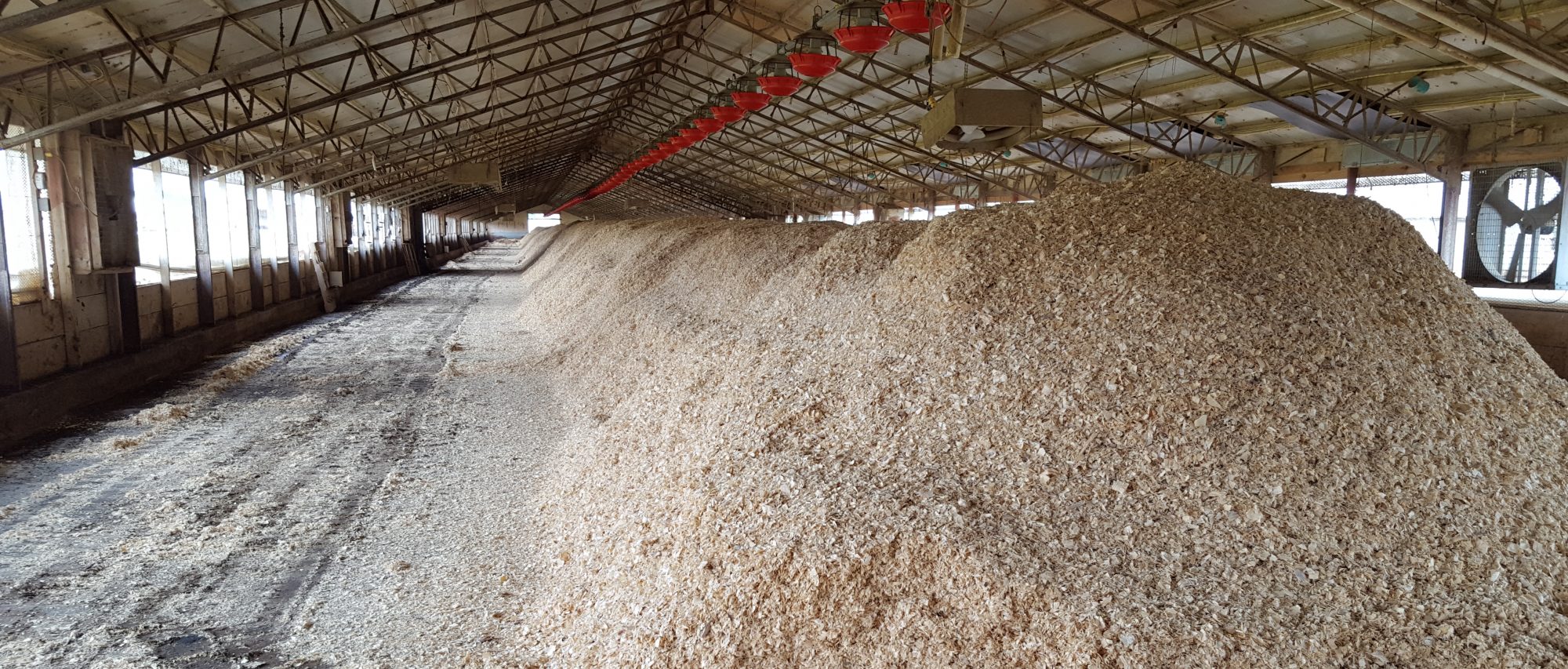
After nitrification/denitrification treatment, the manure effluent contains low ammonia concentration (< 10 mg/L). It is stored in a clean water tank and reused in the barns for recharging the pits or filling flush-tanks. Picture shows clean water tank in third generation project in Wayne county, NC, treating manure from both a 1,200-sow farrow to feeder operation and 12,960 feeder to finish farm.

However, the implementation of nitrification/denitrification process in anaerobic digestion systems is a problem, since both the biogas production and denitrification require carbon.  It would require about 30% less biogas production so that there is sufficient carbon for N removal through nitrification/denitrification.  The discovery of a novel anammox bacteria in manure, Brocadia caroliniensis, is helping us address this problem effectively, especially after recent advances with a single-tank configuration.  The new deammonification process we present here (partial nitritation and anammox) is a completely autotrophic nitrogen removal approach that eliminates the carbon needs for denitrification.  Thus, it can be a promising approach for the biological removal of ammonia from anaerobic digester effluents that are low in carbon and high in ammonia concentration. We obtained rapid deammonification reaction by mixing nitrifying and anammox sludges in a single, aerated tank.  The single-tank approach was tested with digested swine wastewater. Compared with traditional N removal, the deammonification process reduced 57% of the aeration and 100% of the carbon requirement.  Therefore, deammonification is a key technology for development of more economical and energy efficient biological ammonia removal systems in the near future.

Deammonification treatment using single-tank approach. It performs partial nitritation and anammox reaction in fluidized continuous flow reactor. Picture shows detail of single tank at USDA-ARS, Florence, SC. It used a mixture of HPNS and anammox bacteria Brocadia caroliniensis and biofilms plastic carriers to remove the ammonia from anaerobic digester effluents.

Future Plans

The nitrification/denitrification technology has been demonstrated full-scale and is at the commercialization phase.  The single-tank deammonification has been pilot tested.

USDA has filed US patents for “high performance nitrifying sludge ” and “novel anammox bacterium isolate” (see reference list),  and seeks commercial partners to bring deammonification technology to market. http://www.ars.usda.gov/business/docs.htm?docid=763&page=5

Authors

Matias Vanotti, USDA-ARS, Florence, South Carolina, matias.vanotti@ars.usda.gov

Matias Vanotti1*, Patrick Hunt1, José Martinez2, Airton Kunz3, Takao Fujii4, Ariel Szogi1, Kenji Furukawa5
1. USDA-ARS, Florence, South Carolina, USA

2. IRSTEA, Rennes, France

3. Embrapa Swine and Poultry, Concordia, SC, Brazil

4. Sojo University, Kumamoto, Japan

5. Kumamoto University, Japan

Additional Information

  1. Nitrification/Denitrification:

“Development of a Second Generation Treatment System for Management of Livestock Manure”, research update at https://acsess.onlinelibrary.wiley.com/doi/pdf/10.2134/asaspecpub67.c22

Vanotti, M.B., Szogi, A.A., Millner, P.D. and Loughrin, J.H. 2009b. Development of a second-generation environmentally superior technology for treatment of swine manure in the USA. Biores. Technol. 100(22):5406-5416.

Vanotti, M.B., A.A. Szogi, and T.F. Ducey. 2011. High performance nitrifying sludge for high ammonium concentration and low temperature wastewater treatment. US Patent Publication No. US2011/0000851 A1. US Patent and Trademark Office, Washington, DC.

  1. Anammox based Deammonification:

“Deammonification of Swine Wastewater Using Partial Nitritation and Anammox”, research update at USDA-ARS-CPSWPRC website : http://www.ars.usda.gov/Research/docs.htm?docid=22883#Anammox

Matias Vanotti, José Martinez, Takao Fujii, Ariel Szögi, Daisuke Hira. 2012. Ammonia Removal Using Nitrification and Anammox in a Single Reactor. In Proceedings 2012 ASABE Annual International Meeting, Dallas, Texas. July 29 – August 1, 2012. Paper No. 121337837.

Vanotti, M.B., A.A. Szogi, and M.J. Rothrock. 2011. Novel anammox bacterium isolate. US Patent Application No. 13/013,874. US Patent and Trademark Office, Washington, DC.

Acknowledgements

This research was part of USDA-ARS National Program 214 Agricultural and Industrial Byproducts, Research Project 6657-13630-005-00D “Innovative Bioresource Management Technologies for Enhanced Environmental Quality and Value optimization”.

The authors are solely responsible for the content of these proceedings. The technical information does not necessarily reflect the official position of the sponsoring agencies or institutions represented by planning committee members, and inclusion and distribution herein does not constitute an endorsement of views expressed by the same. Printed materials included herein are not refereed publications. Citations should appear as follows. EXAMPLE: Authors. 2013. Title of presentation. Waste to Worth: Spreading Science and Solutions. Denver, CO. April 1-5, 2013. URL of this page. Accessed on: today’s date.

Livestock GRACEnet

Waste to Worth: Spreading science and solutions logoWaste to Worth home | More proceedings….

Abstract

Livestock GRACEnet is a United States Department of Agriculture, Agricultural Research Service working group focused on atmospheric emissions from livestock production in the USA. The working group presently has 24 scientists from 13 locations covering the major animal production systems in the USA (dairy, beef, swine, and poultry). The mission of Livestock GRACEnet is to lead the development of management practices that reduce greenhouse gas, ammonia, and other emissions and provide a sound scientific basis for accurate measurement and modeling of emissions from livestock agriculture. The working group fosters collaboration among fellow scientists and stakeholders to identify and develop appropriate management practices; supports the needs of policy makers and regulators for consistent, accurate data and information; fosters scientific transparency and rigor and transfers new knowledge efficiently to stakeholders and the scientific community.  Success in the group’s mission will help ensure the economic viability of the livestock industry, improve vitality and quality of life in rural areas, and provide beneficial environmental services. Some of the research highlights of the group are provided as examples of current work within Livestock GRACEnet. These include efforts aimed at improving emissions inventories, developing mitigation strategies, improving process-based models for estimating emissions, and producing fact sheets to inform producers about successful management practices that can be put to use now.

Why Was GRACEnet Created?

The mission of Livestock GRACEnet is to lead the development of livestock management practices to reduce greenhouse gas, ammonia, and other emissions and to provide a sound scientific basis for accurate measurement and modeling of emissions.

What Did We Do?

The Livestock GRACEnet group is comprised of 24 scientists from 13 USDA-ARS locations researching the effects of livestock production on emissions and air quality.

Our goals are to:

  • Collaborate with fellow scientists and stakeholders to identify and develop appropriate management practices
  • Support the needs of policy makers and regulators for consistent, accurate data and information
  • Foster scientific transparency and rigor
  • Transfer new knowledge efficiently to stakeholders and the scientific community

Success in our mission will help to ensure the economic viability of the livestock industry, vitality and quality of life in rural areas, and provide environmental services benefits.

Authors

April Leytem, Research Soil Scientist, USDA-ARS april.leytem@ars.usda.gov

Additional Information

https://www.ars.usda.gov/anrds/gracenet/livestock-gracenet/


The authors are solely responsible for the content of these proceedings. The technical information does not necessarily reflect the official position of the sponsoring agencies or institutions represented by planning committee members, and inclusion and distribution herein does not constitute an endorsement of views expressed by the same. Printed materials included herein are not refereed publications. Citations should appear as follows. EXAMPLE: Authors. 2013. Title of presentation. Waste to Worth: Spreading Science and Solutions. Denver, CO. April 1-5, 2013. URL of this page. Accessed on: today’s date.
Demonstration of a Pilot Scale Leach-bed Multistage Digester for Treating Dry-lot Wastes

Waste to Worth: Spreading science and solutions logoWaste to Worth home | More proceedings….

Abstract

Dry-lot feedlot wastes have historically been a challenging feed-stock for digestion due to the dry recalcitrant nature of the waste, and the presence of settleable sand. Leach-bed dry digestion systems could theoretically circumnavigate these difficulties but poor hydraulic conductivities are noted in the literature. In addition to the poor hydraulic conductivities there are often serious problems with system stability and operation.  A leach-bed based design which addresses the hydraulic limitations of previous systems and utilizes a multiple process stages to enhance system stability is currently under development. By adding readily available inert shear stabilizers and biodegradable porosity improvers, hydraulic improvements have been demonstrated to be an order of magnitude higher than without the modifications.  By utilizing a multiple stage process the liquid leachategenerated from the leachate beds is treated through two stages, the buffering/storage tank and the high rate methanogenic reactor. The buffering tank is a tank for the leachate to reach chemical equilibrium and to store the leachate before it is precisely metered into the methanogenic tank.  Within the high rate methanogenic reactor compounds with the leachate are converted into methane which is removed and combusted. This system is demonstrated in a 48’ long refrigeration transport trailer which is essentially energy independent under continuously operation. This system will provide support for the validation of the technology with various wastes and will also serve as a research vessel for the continual optimization of this technology.

Front of the Pilot Unit

Is It Possible to Digest Dry or Solid Manure?

This new anaerobic digestion system has been designed from the ground up based on extension work carried out on Colorado dairy and beef facilities. Previous feasibility studies conducted on these sites indicated that conventional anaerobic digestion was not a recommended technology due to a variety of economic and technical parameters.

However, upon further review, it was found that these constraints were tied to specific technologies, not anaerobic digestion in general. Using an iterative design process, a digestion system was created which could effectively address these problems. In its most basic form, it will efficiently process difficult wastes like Colorado’s dry-lot manures as well as other more conventional waste streams.

What Did We Do?

Colorado State University has a pilot system located on the Foothills Campus. The purpose of this pilot unit is to gather data about the performance of the leachate bay reactor in an integrated system and to provide design criteria for scaling this concept. The system is currently in the inoculation stage. Using a consortium of animal manures and bedding waste generated onsite, the reactors are growing the bacteria needed before further testing can commence.

Intrinsic to the design is a three phased process that is tailored to the available substrates. Solid type wastes (Typically >20% total solids) are placed into the leachate bay reactor where liquid (leachate) is passed through, slowly striping away methane forming organic chemicals.

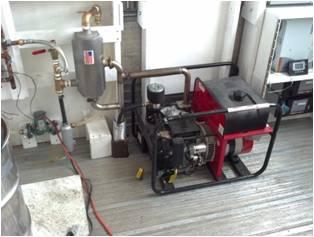
6kW Generator with Heat Exchanger for Heat Reactors with Waste Heat

Slurry wastes (Typically <20% total solids with high suspended solids) can pass into the second stage of the process- the leachate storage tank. This vessel acts as a pre digestion vessel, solids sedimentation basin, and storage tank for the pre-digestion products. Clarified leachate, rich with dissolved organic compounds, is then pumped into the final stage- the high rate reactor. In the high rate reactor process upset is mitigated by providing a very controlled flow rate of the acidic leachate into the reactor. This moderates the pH in the reactor, allowing the methane producing organisms to operate at maximum potential. Quickly degraded waste waters such as: milk processing water, run-off lagoon water, or nearby industrial wastes can be added directly to the high rate reactor.

What Have We Learned?

Solid wastes appropriate for the leachate bay reactor are dry-lot cattle manure, crop residues, equine and poultry manures, among many others. These types of wastes were the important drivers in the breakdown of technical and economic feasibility of conventional digestion systems. Due to the design of the leachate bay reactors though, many of these constraints were avoided and these wastes instead play a powerful role in this systems effectiveness by allowing digestion of often overlooked waste products. Related: Update on this project presented at the 2015 Waste to Worth conference in Seattle.

Manure Loading Dock with LBR

Future Plans

Extensive infrastructure has been built into this pilot unit to facilitate monitoring and logic control of this facility. Ongoing work will be to build out this sensing network. 

Important design parameters will be teased out of the collected data to guide the development of optimization models. With the use of these models, the system can be further modified. Potential technological enhancements include: nutrient recovery from leachate, various flushing procedures to reduce salt loading, and digestion of ligno-cellulotic by-products.

Authors

Sybil Sharvelle, Sybil.Sharvelle@colostate.edu

Lucas Loetscher, Graduate Reseach Assistant, Colorado State University

Sybil Sharvelle, Assistant Professor, Colorado State University

Acknowledgements

  • Colorado Agriculture Experiment Station
  • Colorado NRCS
  • Colorado Bioscience Discovery Grant
  • Colorado Governors Energy Office

The authors are solely responsible for the content of these proceedings. The technical information does not necessarily reflect the official position of the sponsoring agencies or institutions represented by planning committee members, and inclusion and distribution herein does not constitute an endorsement of views expressed by the same. Printed materials included herein are not refereed publications. Citations should appear as follows. EXAMPLE: Authors. 2013. Title of presentation. Waste to Worth: Spreading Science and Solutions. Denver, CO. April 1-5, 2013. URL of this page. Accessed on: today’s date.

The Farm Manure to Energy Initiative: Using Excess Manure to Generate Farm Income in the Chesapeake’s Phosphorus Hotspots

Waste to Worth: Spreading science and solutions logoWaste to Worth home | More proceedings….

Abstract

Currently, all the Bay states are working to achieve nutrient reduction goals from various pollution sources.  Significant reductions in phosphorus pollution from agriculture, particularly with respect to phosphorus losses from land application of manure are needed to support a healthy aquatic ecosystem.  Producers in high-density animal agricultural production areas such as Lancaster County region of Pennsylvania, the Delmarva Peninsula, and the Shenandoah Valley region of Virginia, need viable alternatives to local land application in order to meet nutrient reduction goals.

Field demonstrations will be monitored to determine whether the technologies are environmental beneficial, and economically and technically feasible. Specific measures of performance include: reliability and heat distribution, in-house air quality, avoided propane or electricity use, costs to install and maintain, fertilizer and economic value of ash or biochar produced, air emissions, and fate of poultry litter nutrients. Technology evaluation results will be shared on a clearinghouse website developed in partnership with eXtension.

The Farm Manure to Energy Initiative is also supporting efforts to develop markets for nutrient rich ash and biochar co-products. Field trials using nutrient rich ash and biochar from poultry litter thermochemical processes for fresh market vegetable production are currently underway at Virginia Tech’s Eastern Shore Agricultural Research and Experiment Station.

Purpose

The Farm Manure to Energy Initiative is a collaborative effort to evaluate the technical, environmental, and economic feasibility of farm-scale manure to energy technologies in an effort to expand management and revenue-generating opportunities for excess manure nutrients in concentrated animal production regions of the Chesapeake Bay watershed.

What Did We Do?

The project team went through a comprehensive review process and identified three farm-scale, manure to energy technologies that we think have the potential to generate new revenue streams and provide alternatives to local land application of excess manure nutrients.  Installation and performance evaluation of two of these technologies on four host farms in the Chesapeake Bay region are underway. Partners have also completed a survey of financing options for farm-scale technology deployment and published a comprehensive financing resources guide for farmers in the Chesapeake Bay region.

What Have We Learned?

To date, we have not identified any manure to energy technologies that also provide alternatives to local land application of excess manure nutrients for liquid manures.  Thermochemical manure to energy technologies using poultry litter as a fuel source seem to show the most promise for offering opportunities to export excess nutrients from phosphorus hotspots in the Chesapeake Bay region. Producing heat for poultry houses is the most readily available energy capture option.  We did not identify any vendors with a proven approach to producing electricity via farm-scale, thermochemical manure to energy technologies. With respect to the fate of poultry litter nutrients, preliminary air emissions data indicates that most poultry litter nitrogen (greater than 98%) is converted to non-reactive nitrogen in the thermochemical process. Phosphorus and potash are preserved in the ash or biochar coproducts. Preliminary field trial results indicate that phosphorus in ash and biochar is bioavailable and can be used as a replacement for commercial phosphorus fertilizer, but bioavailability varied according to the thermochemical process.

Future Plans

We are currenty in the process of installing and measuring the performance of farm-scale demonstrations in the Chesapeake Bay region.  We are collaborating with the Livestock and Poultry Environmental Learning Center to develop a clearinghouse website for thermochemical farm-scale manure to energy technologies that will be hosted on the eXtension website.  Performance data from our projects will be shared on this website, which can also be used as a platform to share information about the performance of other farm-scale, thermochemical technology installations around the U.S. Technical training events using farm demonstrations as an educational platform will be hosted during the later half of the project. Additional field and row crop trials to demonstrate the fertilizer value of the concentrated nutrient coproducts are also planned using ash from farm demonstrations.

Authors

Jane Corson-Lassiter, USDA NRCS, Jane.Lassiter@va.usda.gov; Kristen Hughes Evans, Executive Director, Sustainable Chesapeake

Additional partners in the Farm Manure to Energy Initiative include: Farm Pilot Project Coordination, Inc., University of Maryland Center for Environmental Studies, University of Maryland Environmental Finance Center, Virginia Cooperative Extension, Lancaster County Conservation District, the Virginia Tech Eastern Shore Agricultural Research and Extension Center, National Fish and Wildlife Foundation, Chesapeake Bay Funders Network, Chesapeake Bay Commission, and International Biochar Institute.

Additional Information

www.sustainablechesapeake.org

www.fppcinc.org

Acknowledgements

Funding for this project is provided by a grant from the USDA Conservation Innovation Grant program, the National Fish and Wildlife Foundation via the U.S. EPA Innovative Nutrient and Sediment Reduction Program, the Chesapeake Bay Funders Network, as well as technology vendors and host farmers participating in the technology demonstrations.


The authors are solely responsible for the content of these proceedings. The technical information does not necessarily reflect the official position of the sponsoring agencies or institutions represented by planning committee members, and inclusion and distribution herein does not constitute an endorsement of views expressed by the same. Printed materials included herein are not refereed publications. Citations should appear as follows. EXAMPLE: Authors. 2013. Title of presentation. Waste to Worth: Spreading Science and Solutions. Denver, CO. April 1-5, 2013. URL of this page. Accessed on: today’s date.
Money from Something: Carbon Market Developments for Agriculture

Waste to Worth: Spreading science and solutions logoWaste to Worth home | More proceedings….

Abstract

* Presentation slides are available at the bottom of the page.

For more than a decade, the potential to earn revenue from climate-saving activities in agriculture has been touted throughout farm-related industries. This presentation will assume a basic knowledge of the concept of carbon markets as a kind of ecosystem service market. The focus will instead be put on current market opportunities and the importance of learning from past mistakes. Included in the discussion will be carbon offset opportunities for methane capture from manure digesters and composting and nitrous oxide reduction from controls on nitrogen fertilization. Participants will learn about voluntary and compliance market opportunities and the value of offsets versus transactions costs in today’s markets. Sources of market information will also be discussed.

Topics:

  • Ecosystem services markets: Carbon credits and more.
  • Types of offsets relevant to livestock and crop producers (e.g., methane and nitrous oxide).
  • Rules of the road: How to read the key parts of project protocols.
  • Once and future markets: Consider the differences between voluntary and compliance markets.
  • Show us the money: Have any producers really made money from carbon markets?

Purpose

During the past decade, the potential to earn revenue from greenhouse gas reductions in agriculture, especially from anaerobic digestion projects, generated some enthusiasm for this emerging ecosystem market. In 2005, dairies in Washington and Minnesota received the first carbon credit payments for their digesters through the Chicago Climate Exchange (CCX), a pilot cap-and-trade market established in 2003. With the failure of the 111th Congress to complete passage of a national cap-and-trade law in the summer of 2010, the CCX closed shop. What has happened since that time? What is the potential today for livestock producers to benefit from carbon markets or carbon pricing? We look at current markets and summarize the opportunities.

What Did We Do?

The Washington State University (WSU) Energy Program monitors technology, policy and market developments about anaerobic digestion as part of its land-grant mission to support industry and agriculture in Washington state. Because of the potential value of digesters to dairy producers, we follow developments in a wide range of existing and potential ecosystem markets, including renewable energy and fuels, carbon/GHGs, nutrients, and water. Preparation for this presentation included surveys of academic and popular literature, interviews with project developers and market insiders, and analysis of the participation in carbon trading by existing livestock digester projects in the U.S.

What Have We Learned?

The existing landscape of livestock anaerobic digestion projects illustrates three major types or models of carbon market finance: utility-based programs, voluntary carbon markets and compliance-based cap-and-trade markets.

Utility-Based Opportunities

Vermont is home to at least 15 operational dairy-based digesters. Only two digesters serve farms with more than 2,000 cows. Of the balance, about half are below and half above 1,000 cows. All of the Vermont digesters produce renewable electricity and participate in one or more utility-based incentive programs. One example is the Vermont’s Sustainably Priced Energy Enterprise Development (SPEED) program, which establishes standard offer contracts between utilities and renewable energy project developers. The goal of the SPEED program is to support in-state production of renewable power from hydro, solar PV, wind, biomass, landfill gas and farm methane with an overall portfolio target of 20 percent by 2017.

A key mechanism of the program is the long-term (20-year) Standard Offer contract and default pricing for the different types of renewable power. Default prices were calculated to allow developers to recover their costs with a positive return on investment. The default prices established for the first two rounds of farm methane projects were $0.16/kWh and $0.14/kWh, respectively. This compares to an average retail price of $0.146/kWh for electricity in the state. The default prices do not account for the environmental attributes of the green power for farm methane projects.

Many of the Vermont digesters participate in the Cow Power Program, established by  the former Central Vermont Public Service (CVPS), now a part of Green Mountain Power, in 2004. The Cow Power Program offers customers the opportunity to purchase the environmental attributes (renewable energy and GHG reduction) from participating dairy digester projects at a rate of $0.04/kWh. This value was passed along to the suppliers of the dairy-based green power.

These two Vermont programs continue to operate in tandem and provide maximum benefit to Vermont’s diary digester projects. By one estimate, customers participating through the Cow Power program have provided to dairy digester operators more than $3.5 million in value for the environmental attributes created in the past eight years.

Other examples of this type of type of utility-based standard offer or incentive pricing for farm power can be found in North Carolina and Wisconsin.

Voluntary Carbon Offsets Opportunities

Voluntary carbon markets are built on decisions by utilities, corporations, and other businesses to offset their carbon footprint impacts through the purchase of third-party verified carbon credits. While the voluntary carbon market has suffered ups and downs, especially during the recent economic downturn, corporations continue to respond to pressures such as corporate stewardship policies or carbon disclosure programs that require accounting for environmental and greenhouse gas impacts. 

The voluntary market is inhabited by both nonprofit and for-profit organizations that bring sellers and buyers together. The types and value of offsets are more varied, depending on the appetites and budgets of the buyers.

For example, the voluntary carbon market has been a preferred option for Washington-based Farm Power, which has agreements with The Carbon Trust (Portland, OR) and Native Energy (Burlington, VT) for carbon credits generated from the capture and destruction of methane from its farm digester projects in Washington state. Both The Carbon Trust and Native Energy use designated registries and protocols, such as the Carbon Action Registry (CAR) or Verified Carbon Standard (VCS), as the vehicle through which credits are registered, verified, and eventually retired on behalf of their customers.

The Climate Trust – Retires registered carbon offsets on behalf of at least five Oregon-based utilities that are required by state law to offset the GHG impacts that occur from installing new power plants in the state. The Trust also sources offsets for the Smart Energy program created by NW Natural as an opportunity for customers to support production of “carbon-neutral” natural gas through farm-based biodigesters.

Native Energy – Has a diverse base of individual and business customers. They source carbon offsets for a wide range of large, environmentally conscious businesses, such as eBay, Stonyfield Farm, Brita, and Effect Partners, who provided some funding up front for offsets from Farm Power’s Rainier Biogas project. Offset values vary widely depending on demand, supply, and the “value” of the project’s story. In a few cases, offset values may loosely track the prices for compliance-grade carbon offsets with a discount for funding provided in advance of project implementation.

Compliance Cap-and-Trade Offsets Opportunities

Finally, the compliance market opportunity refers to cap-and-trade programs established by state governments to reduce GHG pollution. These are formal regulatory systems. The government establishes caps on GHGs for targeted sources and issues permits or allowances that are distributed, sold, or auctioned to regulated entities for each ton of emissions they generate. Allowances are typically tradable instruments, so entities can easily manage their allowance needs and accounts. The goal of cap-and-trade systems is to use market-based mechanisms to achieve pollution reductions at the lowest possible cost and with the least disruption to the economy.

Systems might also allow covered entities to use offsets generated voluntarily by non-covered entities to meet some portion of their emission reduction target. Allowed offsets are generated using approved protocols, verified by approved third-party verifiers, and registered/sold through approved registries. 

Two domestic cap-and-trade programs survived the past decade and are in operation today—the Regional Greenhouse Gas Initiative (RGGI), which involves nine Northeastern states, and the California market, established by Assembly Bill 32 (AB 32) and administered by the California Air Resources Board (CARB). Each of these systems operates under its own sets of rules.

The table below highlights features of these two market approaches.

Regional Greenhouse Gas Initiative (RGGI)

AB 32 – California Market

Nine states: Connecticut, Delaware, Maine, Maryland, Massachusetts, New Hampshire, New York, Rhode Island, and Vermont

California only (may establish a market connection with Ontario, Canada)

Covers the electricity sector: 200 power plants

Covers power and industrial entities that generate more than 25,000 metric tons of CO2e annually; will expand to include the transportation fuel sector in 2015

Allowances based on U.S. short tons of CO2

Allowances based on metric  tons of CO2

Allowances are auctioned

Allowances are auctioned, with a minimum floor price of $10/MtCO2e

Offsets are very limited – few types, very strict rules, only 3% of compliance allowed

Offsets are allowed in four categories: livestock methane, forestry, urban forestry, and ozone-depleting substances; entities may use offsets for up to 8% of their compliance obligation

Current auction prices: ~ $2.00

Current auction prices: ~$13.50; offset values are estimated to lag allowance prices by about 25%


Among farm digester project developers, interest in the California market is guarded. Agricultural methane capture and destruction is one of just four approved offset categories. The demand for these offsets could become strong, and the rules allow projects from any state to participate. On the other hand, the costs for monitoring equipment can be significant, $15,000 or more for start up, with similar sums every year for verification and registration.  These monitoring and transaction costs will tend to favor projects with larger livestock numbers (1,500+ dairy animal units, or AUs). To date, 60 existing digester projects have listed with the Climate Action Registry—a first step to participation in the California market. Of these projects, 36 have registered more than 800,000 verified carbon credits.

Conclusions:

Values for carbon (i.e., GHG reductions) can be observed in the marketplace and measured in terms of market goodwill or as prices for environmental attributes or carbon credits from voluntary and compliance markets.

Developers of smaller farm digester projects (<1,500 AUs) may find their best value through utility-based incentive programs or through participation in voluntary carbon markets.

Developers of larger farm digester projects (>1,500 AUs) should explore the potential costs and benefits of registering to participate as an offset project in the California carbon market.

Future Plans

The WSU Energy Program will continue to monitor market developments related to this topic and encourage livestock producers to consider methane capture and anaerobic digestion as means to control odors, manage nutrients, and produce valuable biogas resources.

Authors

Jim Jensen, Sr. Bioenergy and Alternative Fuel Specialist, Washington State University Energy Program jensenj@energy.wsu.edu

Additional Information


The authors are solely responsible for the content of these proceedings. The technical information does not necessarily reflect the official position of the sponsoring agencies or institutions represented by planning committee members, and inclusion and distribution herein does not constitute an endorsement of views expressed by the same. Printed materials included herein are not refereed publications. Citations should appear as follows. EXAMPLE: Authors. 2013. Title of presentation. Waste to Worth: Spreading Science and Solutions. Denver, CO. April 1-5, 2013. URL of this page. Accessed on: today’s date.

Valuing Feedstocks for Anaerobic Digestion – Balancing Energy Potential and Nutrient Content

Waste to Worth: Spreading science and solutions logoWaste to Worth home | More proceedings….

Why Study the Interaction Between Energy and Nutrients for Digestion?

To improve the energy production and revenue generation, many farm digester operators are including off-farm feedstocks in the blend.  Off-farm feedstocks are raw materials with high carbon concentrations that can be degraded anaerobically.  Common off-farm feedstocks include food service or retail waste, food processing byproducts, residuals from biofuels production and FOG (fat, oil & grease) resulting from food preparation.  Typically, off-farm feedstocks have a higher energy potential when compared to manure.  Manures generally have biogas potential in the range of 280 to 500 L of biogas/kg of VS, compared to off-farm feedstocks which can range from 300 to 1,300 L of biogas/kg of VS [1].  In addition to the increased biogas production, revenue can also be generated from tipping fees collected for feedstock brought onto a farm.  The tipping fee is typically comparable to the cost of disposing of the material at a landfill or wastewater treatment plant. 

The purpose of this ongoing project is to evaluate the biogas potential and impact on nutrient management of off-farm feedstocks for anaerobic digestion.  

What Did We Do?

The Anaerobic Digestion Research and Education Center (ADREC) has carried out hundreds of biogas methane potential tests (BMP’s) over the past 5 years.  The purpose of the BMP is to evaluate if a feedstock is anaerobically degradable and predict the biogas production under ideal conditions.  As part of the biogas testing, many feedstocks were also characterized for their nutrient composition.

What Have We Learned?

While off-farm feedstocks do offer opportunities to improve the profitability of anaerobic digestion systems, operators must also consider the costs associated with bring material onto the farm.  Water contained in off-farm feedstock contributes to the manure volume and adds cost during land application.  Nutrients contained in feedstocks need to be measured and considered in the context of nutrient management planning.  In addition, the regulatory and record keeping requirements associated with off-farm feedstock should also be factored into any cost-benefit analysis.

Future Plans

ADREC is planning to continue the BMP evaluations as part its normal fee for service activities.

Authors

Dana Kirk, Specialist, Michigan State University, kirkdana@anr.msu.edu

Louis Faivor, Technician, Michigan State Univeristy

Additional Information

http://researchgroups.msu.edu/adrec/about


[1] KTBL.  2012.  Biogas Profitability Calculator.  http://daten.ktbl.de/biogas/showSubstrate.do?zustandReq=3#anwendung


The authors are solely responsible for the content of these proceedings. The technical information does not necessarily reflect the official position of the sponsoring agencies or institutions represented by planning committee members, and inclusion and distribution herein does not constitute an endorsement of views expressed by the same. Printed materials included herein are not refereed publications. Citations should appear as follows. EXAMPLE: Authors. 2013. Title of presentation. Waste to Worth: Spreading Science and Solutions. Denver, CO. April 1-5, 2013. URL of this page. Accessed on: today’s date.
Design, Construction and Implementation of a Pilot Scale Anaerobic Digester at the University of Missouri-Columbia’s Swine Teaching and Research Farm

Waste to Worth: Spreading science and solutions logoWaste to Worth home | More proceedings….

* Presentation slides are available at the bottom of the page.

Abstract

Self-scraping system in hog confinement building.

Animal manure is often utilized by the American agriculture industry as fertilizer without considering the potential energy production. It is well established that on-farm anaerobic digestion (AD) can be effective in providing energy, reducing greenhouse gas emissions, and controlling air and water pollutions. Knowledge of the ADs on biogas production, digested and stored manure nutrients, and air emissions must reach parties of interest. A modular, pilot-scale, mesophilic AD system is being installed for the new swine finishing facility at University of Missouri-Columbia Research Farm.

The new AD design utilizes three insulated, reinforced fiber-glass tanks of 2500-gallon in size, which are commercially available. One tank is designed for feedstock storage and mixing, and the other two tanks are for digestion. The dual-tank set up provides research flexibility as either single stage with two-stream parallel replication or dual-stage single-stream experiments. The design employs small biogas (generated by the AD) boilers for heating the digester tanks and system building.  It also features a feedstock-digestate heat-exchanger for heat reclamation to reduce net energy input; which will be critical to the small and mid-size AD systems not generating electricity (no waste-heat from engines).

Valve control box (under construction). This allows extra manure and effluent to be discharged directly to the lagoon or to pump fresh manure directed back to the digester.

The system also includes a geothermal heat exchanger for biogas cooling to collect condensate in the biogas along with a small iron sponge to reduce H2S concentrations which improves the biogas quality. Excess biogas will be burned in boiler and the heat produced will be dissipated through a dual purpose radiator. The radiator provides building heat in winter and releases heat outside in summer. The goals of this project are to demonstrate AD for small and mid-size swine productions, quantify and characterize manure nutrient changes due to AD and storage, and develop baseline emission factors for raw and digested manure. This paper reports the design, construction and implementation of the AD system.

Why Study Small-Scale Anaerobic Digestion?

The purpose of this project is to establish a pilot scale, on-farm anaerobic digester (AD) that demonstrates and evaluates the potential energy production, manure management, and overall economic viability of such systems. This research will provide invaluable information for small to medium sized swine farms seeking viable energy alternatives, practical manure management practices and air quality improvements.

What Did We Do?

Current digester system enclosed in greenhouse.

Construction began in the Fall of 2012, at the University of Missouri-Columbia’s Swine Teaching and Research Farm. This modular, pilot-scale, mesophilic AD system is being constructed next to a four-room swine finishing research barn. Each of the finishing room has individual deep-pit storage, with a  pull-plug system for draining the manure to the lagoon. Manure scraper systems are installed in two of the rooms to more frequently collect the manure. The AD system is comprised of three insulated, reinforced fiber-glass tanks, each with a capacity of 2500-gallons. The first tank is designed for feedstock storage and pre-mixing, while the other two are for digestion. The dual tank set up allows flexibility for researchers to conduct experiments either with a single stage, two-stream parallel replication or dual-stage single-stream digestion process. The system employs a biogas (generated by AD) boiler for heating the digestion tanks to maintain continuity. A 3,000 gallon biogas bladder storage unit stores the biogas for a few hours. A feedstock-digestate heat exchanger is designed for heat reclamation to increase net energy output; which will be critical to a small to mid-size AD systems that do not generate electricity (no waste-heat from biogas engines). The boilers also supply heat to the AD housing through radiators, while the excess biogas will be flared off.

What Have We Learned?

Designing and implementing an AD system is complex and time consuming. It is very important to involve a good engineering or technical support team. If the barn is not designed to accommodate an AD system, significant consideration is needed to manage the manure collection and transport, and to maintain manure freshness and solids content. Project management is critical to consider planning and coorperation between the farm personnel and management, utility and construction companies, and the engineering support firm.

Future Plans

Pilot test will be conducted to examine and fine-tune the system. The AD system is designed for research and demonstration purposes. Submitted proposals include plans for studying the improved efficiency due to better design and heat-exchangers, effects of feedstock, co-digestion, feedstock pre-treatment on biogas production, and characterizing greenhouse gas emissions from untreated manure and AD-treated manure.

Authors

Brandon Harvey, Research Assistant, Agricultural Systems Management, University of Missouri bchfzf@mail.missouri.edu

Teng Lim, Assistant Professor, Agriculture Systems Management, University of Missouri. Kevin Rohrer, Engineer, Martin Machinery, LLC.

The authors are solely responsible for the content of these proceedings. The technical information does not necessarily reflect the official position of the sponsoring agencies or institutions represented by planning committee members, and inclusion and distribution herein does not constitute an endorsement of views expressed by the same. Printed materials included herein are not refereed publications. Citations should appear as follows. EXAMPLE: Authors. 2013. Title of presentation. Waste to Worth: Spreading Science and Solutions. Denver, CO. April 1-5, 2013. URL of this page. Accessed on: today’s date.

Evaluation of a Trickle Flow Leach Bed Reactor for Anaerobic Digestion of High Solids Cattle Waste

Waste to Worth: Spreading science and solutions logoWaste to Worth home | More proceedings….

Why Study High-Solids Anaerobic Digestion?

Colorado is the second highest producer of high solids cattle waste (HSCW) in the United States. Despite the available resources, Colorado currently has only one operational anaerobic digester treating manure (AgSTAR EPA 2011), which is located at a hog farm in Lamar. Arid climate and limited water resources in Colorado render the implementation of high water demanding conventional AD processes. Studies to date have proposed high solids AD systems capable of digesting organic solid waste (OSW) not more than 40% total solids (TS). Lab tests have shown that HSCW produced in Greeley (Colorado) has an average of 89.4% TS. Multi-stage leach bed reactor (MSLBR) system proposed in the current study is capable of handling HSCW of up to 90% TS.

What Did We Do?

Hydrolysis is carried out in a trickle flow leach bed reactor (TFLBR) and methanogenesis can be carried out in a high rate anaerobic digester (HRAD) like an upflow anaerobic sludge blanket reactor or a fixed film reactor. The objective of this research is to evaluate and optimize the performance of the TFLBR. The system was operated as a batch process and the organic leaching potential of a single pass TFLBR configuration was evaluated. The organic leaching potential was measured in terms of chemical oxygen demand (COD).

Three series’ of reactor experiments were carried out in total. Each subsequent experiment was based on the results on the previously conducted experiment. First set of reactor experiments included three TFLBRs (triplicate) loaded with HSCW. The difficulty encountered during the operation of this experiment was that the flow rate of water through the TFLBR slowed down over time and eventually dropped to zero within the first 24 hrs. This caused water build-up on top of the manure bed, resulting in the failure of hydrolysis. Second set of reactor experiments included six TFLBRs (two sets of triplicates). One set of triplicate was loaded with HSCW and the other set of triplicate was loaded with HSCW bulked with straw (5% by mass) to improve the porosity through the reactor. A layer of fine sand was added on top of the manure bed to facilitate water dispersion through the reactor.

The third set of reactor experiments included the comparison between nutrient dosed and non-nutrient dosed reactors (each carried out in triplicates). The idea behind dosing nutrients to an operational TFLBR was to check if the reactors were nutrient limited during the digestion process. Composite sampling technique was adopted so as to capture the exact leaching potential from each of the reactors.

What Have We Learned?

The first set of reactor experiments helped in identifying the clogging issues in operational TFLBRs handling HSCW. The second set of reactor experiments validated the use of fine sand as a better alternative to improve hydraulic flow when compared to the use of bulking agents. The third set of reactor experiments indicated that the addition of nutrient solution to a single-pass TFLBR operation is essential in improving the overall system yield. Leachate collection by composited sampling method instead of the instantaneous sample method improved the system efficiency by approximately 50%. The average TS reductions in the non-nutrient dosed and nutrient dosed TFLBRs were 23.18% and 22.67% respectively. The non-nutrient dosed TFLBRs underwent approximately 66.32% of COD reduction and the nutrient dosed TFLBRs underwent approximately 73.51% of COD reduction due to COD leaching during hydrolysis, over the period of six weeks. Biochemical methane potential (BCMP) test results indicate high biogas yields from the weekly composited leachate from the reactor experiments proving successful system operation. Approximately 0.43 L CH4/g COD is produced from the leachate collected from the non-nutrient dosed TFLBRs and 0.57 L CH4/g COD is produced from the leachate collected from the nutrient dosed TFLBRs.

Future Plans

The proposed MSLBR system recommends TFLBRs operating under leachate recirculation. The addition of nutrient solution in a leachate recirculated TFLBR would not be unnecessary since the nutrients in the system would be conserved. The success of hydraulic conductivity and leaching quality in a leachate recirculated TFLBR is unknown. More research is required to completely understand the operation and success of the MSLBR system treating HSCW. Pilot scale reactor experiments should be conducted to monitor the operation of the TFLBRs under leachate recirculation.

Authors

Asma Hanif, Graduate Student in Civil & Environmental Engineering, Colorado State University,  asmahanif1988@gmail.com

Dr. Sybil Sharvelle, Assistant Professor in Civil & Environmental Engineering, Colorado State University, Sybil.Sharvelle@colostate.edu


The authors are solely responsible for the content of these proceedings. The technical information does not necessarily reflect the official position of the sponsoring agencies or institutions represented by planning committee members, and inclusion and distribution herein does not constitute an endorsement of views expressed by the same. Printed materials included herein are not refereed publications. Citations should appear as follows. EXAMPLE: Authors. 2013. Title of presentation. Waste to Worth: Spreading Science and Solutions. Denver, CO. April 1-5, 2013. URL of this page. Accessed on: today’s date.
Youth Ag Greenhouse Gas Educational Lab Materials Via Pork Production Scenarios

Waste to Worth: Spreading science and solutions logoWaste to Worth home | More proceedings….

Abstract

Many of today’s high school students have little insight into the basic day-to-day operational decisions and challenges faced by Agricultural producers. Therefore, there is a need for the development of ag-centric and dynamic educational material. Furthermore; there is an even greater need to provide high-school instructors with innovative classroom materials and instructional tools that are conducive to the structured conveyance of ag principles. Targeting the need for these innovative ag educational materials within Arkansas classrooms, this project presents an dynamic lab activity with emphasis on introductory level subject matter about Arkansas swine production systems and the related greenhouse gas emissions. Due to the particular nature of the subject matter, the activity materials were crafted into two complementary products for practicality. The first product is a compilation of swine production reference materials including: terminology and layman definitions of Arkansas swine management strategies and the basic dynamics of greenhouse gasses (CO2, N2O, CH4) as they relate to swine production. The second product is a scenario based critical thinking exercise, implemented from a manipulative decision-tree platform.

Purpose

  1. Educate students within the state of Arkansas about the various management systems intrinsic to swine production operations within their state.
  2. Provide students insight into the management obstacles that Arkansas swine producers are challenged with through balancing Carbon footprints, economic resources, natural resources, and legal compliance with production profitability and productivity

What Did We Do?

This project presents an dynamic lab activity with emphasis on introductory level subject matter about Arkansas swine production systems and the related greenhouse gas emissions. The activity materials were crafted into two complementary products for practicality. The first product is a compilation of swine production reference materials including: terminology and layman definitions of Arkansas swine management strategies and the basic dynamics of common greenhouse gasses (CO2, N2O, CH4) as they relate to this activities scope of swine production. The reference material serves as both an introduction to basic ideas and practices native to swine production and GHGs, and as a guide which aids the students in completion of the second product (lab activity).

The second product is a scenario based critical thinking exercise, implemented from a manipulative decision-tree platform. Flashcards are used to represent three specific swine management systems using a three tier hierarchy. This hierarchy is distinguished by the allocation of Categories, Components, and Options. The “Categories” are the designated ranking class and will represent three major swine production management systems: Housing Management, Waste Management, and Feed Management. The “Components’ are the first sub-order class, and are used to represent various functions/considerations that comprise each “Category” of production system. The “Options” class holds the lowest position within the hierarchy and represents the different configurations/settings for the individual “Components”. For the context of this exercise the students will act as consultants hired by a producer to design the three management systems (via the flashcards) to “best match” the producer’s desired specifications, as defined within by a supplied catalog of unique scenarios.

Graphical reference to the hierarchical structure of the manipulatives used within this project’s lab activity.

Future Plans

Implementation of this project’s developed lab-activity within Arkansas’ high school classrooms via the Arkansas Farm Bureau supported (Ag-In-the-Classroom) program.

Authors

Szymanski “Rick” Fields II, Program Associate, Biological and Agricultural Engineering, University of Arkansas Division of Agriculture Extension rfields@uaex.edu

Karl VanDevender, Professor-Engineer, Biological and Agricultural Engineering, University of Arkansas Division of Agriculture Extension

Additional Information

http://www.extension.org/pages/65635/integrated-resource-management-tool-to-mitigate-the-carbon-footprint-of-swine-produced-in-the-united

Acknowledgements

This is a NIFA funded project (Proposal # 2010-04269; Title of Proposal “Integrated Resource Management Tool to Mitigate the Carbon Footprint of Swine Produced in the U.S”)

Special thanks to Donna VanDevender (High School Science Teacher-Bauxite Arkansas) for her insight into the development of the materials and for providing the opportunity to conduct trial runs of the lab-activity.

The authors are solely responsible for the content of these proceedings. The technical information does not necessarily reflect the official position of the sponsoring agencies or institutions represented by planning committee members, and inclusion and distribution herein does not constitute an endorsement of views expressed by the same. Printed materials included herein are not refereed publications. Citations should appear as follows. EXAMPLE: Authors. 2013. Title of presentation. Waste to Worth: Spreading Science and Solutions. Denver, CO. April 1-5, 2013. URL of this page. Accessed on: today’s date.