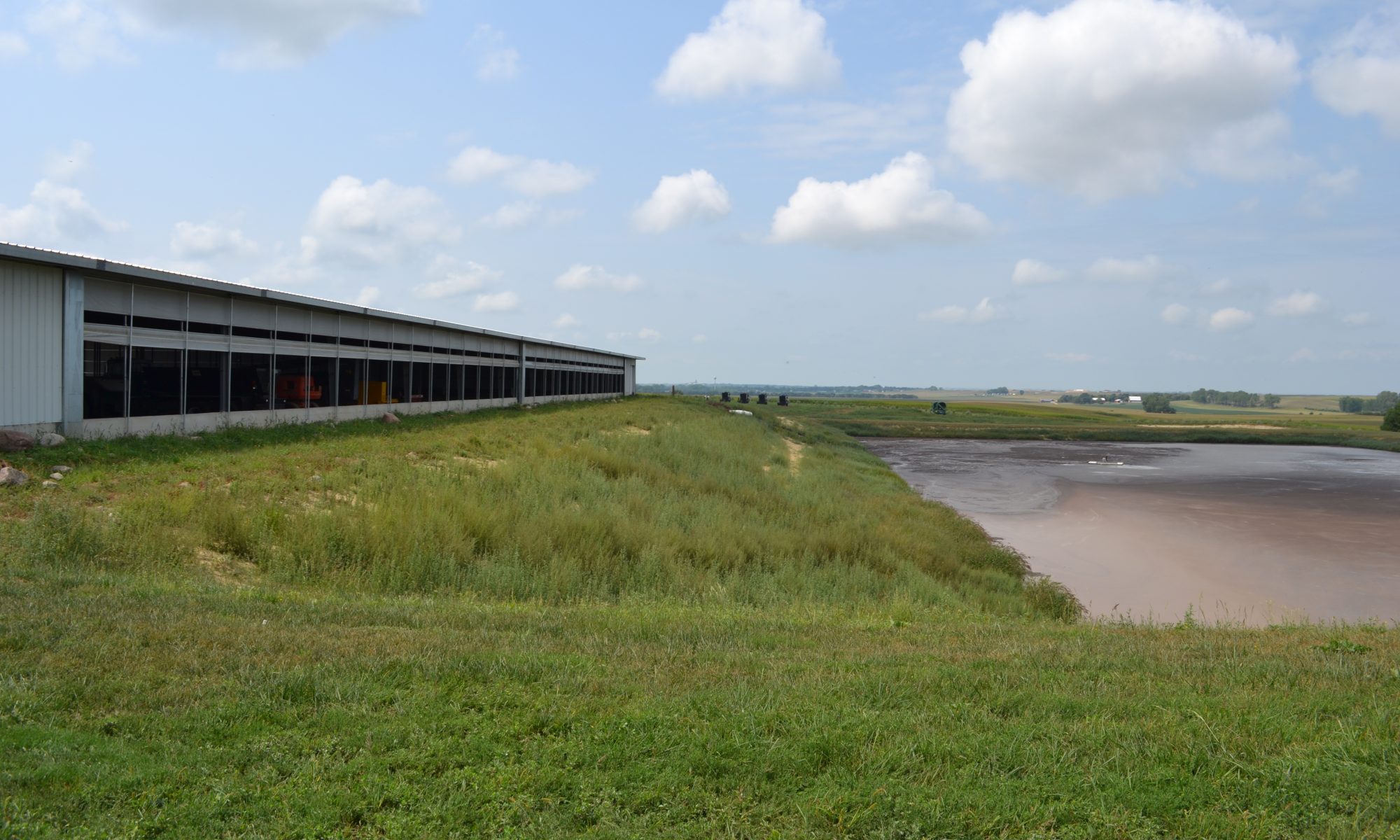
Scheduling conflicts, equipment breakdowns, and wet field conditions can wreak havoc on spring manure application and planting schedules. This webinar will provide valuable insights into maximizing the efficiency and timing of manure application for growing crops, especially corn. By exploring innovative techniques for liquid manure application and the potential for in-season poultry litter application, participants will learn possible ways to navigate challenges in crop management while ensuring nutrient efficiency and maintaining crop yield and quality. This presentation was originally broadcast on January 17, 2025. Continue reading “Application of Manure on Growing Crops”
Call for Abstracts for Waste-to-Worth 2025
You are invited to participate!
The Waste to Worth Conference will be April 7-11, 2025 at the Grove Hotel in Boise, Idaho.
Waste to Worth 2025 welcomes oral, poster, panel, and workshop presentation proposals focused on applied solutions related to animal manure management and protecting the environment.
-
- Submissions should align with one or more of the general areas of emphasis (see below).
- Graduate students are encouraged to submit and participate in a poster presentation competition.
To submit an abstract, go to https://tinyurl.com/W2W2025
For more information, go to: https://wastetoworth.org or the W2W Call for Abstracts flyer.
Deadline is October 30, 2024
Areas of Emphasis
-
- Circular Bioeconomy
- Biosecurity
- Feed & Nutrient Management
- Manure, Soil Health & Sustainability
- Emerging Contaminants
- Manure Storage, Treatment, Handling & Application Systems
- Robotics & Artificial Intelligence in Animal Production Systems
- Value-Added Products from Agricultural Production Systems
- Climate Impacts & Adaptation/Mitigation Measures
- Air Quality, Emissions & Fate
- Educational Programming & Delivery
- Environmental Planning & Regulations in Animal Agriculture
- Case Studies/On-Farm Experience
- Mortality Management
- Sustainable Animal Systems
- New & Innovative Technology
- Water Quality
Who attends?
-
- Extension agents & specialists
- Progressive farmers & producers
- NRCS staff
- Consultants & technical experts
- Regulatory & policy advisors
- Scientists
- Technology providers
Vector Control on Livestock Operations
This webinar will focus on the importance of controlling these pests and the safety of the livestock, the caretakers, and non-target animals and insects around the farm when doing so. This presentation was originally broadcast on June 16, 2023. Continue reading “Vector Control on Livestock Operations”
Worker Safety in Animal Production Systems
There’s more to worker safety than just bumps and bruises. This webinar discusses on-farm injuries related to manure and mortality handling and application as well as potential toxic gas exposures and how to minimize risks of each. This presentation was originally broadcast on October 21, 2022. Continue reading “Worker Safety in Animal Production Systems”
Manure nutrient trends and creating dynamic “book values” through ManureDB
This webinar highlights ManureDB, a database of manure samples informing “book values”. Having current manure test numbers will assist in more accurate nutrient management planning, manure storage design, manure land application, and serve agricultural modeling purposes. This presentation was originally broadcast on June 17, 2022. Continue reading “Manure nutrient trends and creating dynamic “book values” through ManureDB”
Manure Management in an Urban Setting
In this webinar, discover why manure management is important – even in an urban or backyard setting. This presentation was originally broadcast on March 18, 2022. Continue reading “Manure Management in an Urban Setting”
Weeding the Worries Out of Manure Use
This webinar focuses on on adoption of place-based conservation practices to improve water quality. This presentation was originally broadcast on November 19, 2021. Continue reading “Weeding the Worries Out of Manure Use”
Food Safety and Manure Application
This webinar highlights three experts across the U.S. share federal guidelines related to use of animal manures for food production, and practices that promote food safety while using animal manures. This presentation was originally broadcast on March 19, 2021. Continue reading “Food Safety and Manure Application”
Managing manure beyond the farmyard: Manure management for less-typical species and settings
This webinar goes beyond the farm gate and explores how manure and effluent nutrients are handled for some less-than-typical farm-raised animal species. This presentation was originally broadcast on January 17, 2020. More… Continue reading “Managing manure beyond the farmyard: Manure management for less-typical species and settings”
Anaerobic Digestion Policy Analysis: Understanding Perceptions, Knowledge and Implementation
Anaerobic digestion (AD) is a growing technology that uses a series of microbial activities to breakdown organic material such as food waste and manure, to produce biogas for renewable energy, digestate for nutrient recycling as fertilizer, and large reductions in greenhouse gas (GHG) emissions and odors. Currently there are millions of AD systems in China and India, with a vast majority of these systems operating on a small-scale basis, while European nations such as Germany and Italy, have thousands of agricultural- based AD systems, that are large scale and more technologically advanced. Europe with over 17,000 biogas plants has steady increases in AD adoption each year, as more countries are setting sustainability goals that include increasing renewable energy use and reducing GHG emissions. The US however, has less than 300 agricultural-based AD systems and 1500 AD systems at wastewater treatment facilities. An in depth analysis was performed of US policies related to AD adoption and how these policies compare to policies in other countries with higher AD adoption rates. A survey was developed for farmers, policy makers, and extension associates to understand policy effects on AD adoption rates and identify challenges to increasing AD adoption rates in the US. The survey data, along with the AD policy analysis, was used to compare and contrast policies, programs and overall legislative climate between countries and understand the timeline in which policies were administered. While policy is the product of a multitude of variables, including general perceptions, institutional involvement, legal framework, and societal /economic benefits, the survey and subsequent analyses seek to understand how these variables interact. The results of the survey and policy analysis will be presented to detail the general perceptions around AD policies, challenges with AD adoption, operation, and maintenance, and overall perceptions of the AD field in the US.
Authors
Carlton Poindexter, University of Maryland-College Park, cpoindex@umd.edu
Lansing, Stephanie (University of Maryland-College Park)
The authors are solely responsible for the content of these proceedings. The technical information does not necessarily reflect the official position of the sponsoring agencies or institutions represented by planning committee members, and inclusion and distribution herein does not constitute an endorsement of views expressed by the same. Printed materials included herein are not refereed publications. Citations should appear as follows. EXAMPLE: Authors. 2019. Title of presentation. Waste to Worth. Minneapolis, MN. April 22-26, 2019. URL of this page. Accessed on: today’s date.