Manure Management Practices for Mitigation of Gaseous Emissions from Naturally Ventilated Dairy Barns


How Does Management Impact Ammonia, Hydrogen Sulfide & Greenhouse Gases In Dairy Barns?

Emissions of pollutant gases from dairy barns are dependent on manure retention time in the barn and the quality of flushing water (for manure-flush systems). Strategies for mitigating air emissions from barns thus are a function of manure management either via optimal flushing or scraping, and pretreatment of flushing water.

What did we do?      

Ammonia (NH3), hydrogen sulfide (H2S), and greenhouse gases (CO2, CH4, and N2O) emissions, under different manure collection strategies, from a naturally ventilated dairy barn housing about 850 lactating Holstein cows were measured using an on-site real-time monitoring system. The manure collection strategies evaluated included: (i) altering manure-flushing frequency, (ii) alternating flushing and scraping to remove manure, and (iii) manure solids separation system via centrifugation of the flush water.

What have we learned?

Doubling flushing frequency (every 3 h flushing) did not significantly affect NH3 emission (25.5 g cow-1 d-1) compared to the normal every 6 h flushing (24.5 g cow-1 d-1) but reduced CO2 emission by 7.3%. On the hand, H2S, CH4, and N2O emissions were 1.3, 176% and 18.5% higher at the 3-h flushing schedule than at the normal 6-h flushing schedule. Flushing at half the frequency (every 12 h) reduced H2S, CO2, and CH4 by 59.4, 19.8 and 28.5%, respectively. Alternating manure flushing and manure scraping (or vacuuming) every 6 h, decreased CO2, CH4, and N2O emissions by 13.0, 7.8 and 19.5% compared to normal 6-h manure flushing alone. Use of centrifuged water for manure flushing significantly improved emissions mitigations more than all other strategies. Emissions of all the five gases decreased by 43.0 % for NH3, 37.3 % for H2S, 1.2% for CO2, 3.7% for CH4, and 51.7 % for N2O under the latter practice.

Future Plans  

Evaluation of other manure management practices which have not previously or adequately been tested at full-scale facilities or operations.

Authors

P.M. Ndegwa, Associate Professor, Biological Systems Engineering, Washington State University, PO Box 646120, Pullman, WA 99164, USA ndegwa@wsu.edu

H.S Joo, G.M. Neerackal, X. Wang; Department of Biological Systems Engineering, Washington State University, Pullman, WA.; and J.H. Harrison; Department of Animal Sciences, Washington State University, Puyallup, WA.

Additional information

• Joo H., P. Ndegwa, G. Neerackal, X. Wang, J. Harrison, J. Neibergs. 2013. Effects of manure management on ammonia, hydrogen sulfide, and greenhouse gases emissions from naturally ventilated dairy barns. ASABE Annual International Conference. Paper number 131593447; Kansas City, Missouri, July 21 – July 24. (doi: http://dx.doi.org/10.13031/aim.20131593447).

• Neerackal, G.M., H.S. Joo, P.M. Ndegwa, J.H. Harrison. 2014. Manure-pH management for mitigating ammonia emissions from manure-flush dairy barns. ASABE and CSBE/SCGAB Annual International Meeting. Paper number 1892636; Montreal, Quebec, Canada, July 13-17.

Acknowledgements      

This study was partially supported by funds from USDA-NRCS-CIG program (Grant No. 69-3A75-11-210), and Washington State University Agricultural Research Center. The cooperation and assistance of the collaborating producer is also acknowledged.

The authors are solely responsible for the content of these proceedings. The technical information does not necessarily reflect the official position of the sponsoring agencies or institutions represented by planning committee members, and inclusion and distribution herein does not constitute an endorsement of views expressed by the same. Printed materials included herein are not refereed publications. Citations should appear as follows. EXAMPLE: Authors. 2015. Title of presentation. Waste to Worth: Spreading Science and Solutions. Seattle, WA. March 31-April 3, 2015. URL of this page. Accessed on: today’s date.
Ethnobotanical Control of Odor in Urban Poultry Production: A Review


Purpose

Urban agriculture has been growing as the movement of population to the urban centers is increasing. According to FAO (2008), by 2030 majority of the population in sub sahara Africa (SSA) would be living in the urban area. Pollution from animal manure is a global concern and is much more acute and serious in countries with high concentrations of animals on a limited land base for manure disposal (Roderick, Stroot and Varel, 1998), this is the case with urban livestock production. Environmental pollution and odor complaints related to animal production have increased dramatically during the past decade (Ernest and Ronald, 2004). These odors potentially interfere with quality and enjoyment of life (Mauderly, 2002 and Albert, 2002). According to Pfost, Fulhage and Hoehne, 1999, odor complaints are more common when the humidity is high and the air is still or when the prevailing breezes carry odors toward populated areas. Inspite of the role that urban agriculture can play in pursuing the Millennium Development Goals, more specifically those, related to poverty reduction, food security, and environmental sustainability, odor from livestock still remains a major obstacle to future development. According to Obayelu 2010 there has been public’s increasing intolerance of livestock odors, hence the need to find solutions which will be ecosystem friendly. This paper will review some methods of odor control focusing on natural solutions to this problem.

What did we do?

For an odor to be detected downwind, odorous compounds must be: (a) formed, (b) released to the atmosphere, and (c) transported to the receptor site. These three steps provide the basis for most odor control. If any one of the steps is inhibited, the odor will diminish. (Chastain, 2000)

There are four general types of compounds for odor control: (1) masking agents that override the offensive odors, (2) counteractants that are chemically designed to block the sensing of odors, (3) odor absorption chemicals that react with compounds in manure to reduce odor emission, and (4) biological compounds such as enzymatic or bacterial products that alter the decomposition so that odorous compounds are not generated (Chastain, 2000). Some of these compounds are added directly to the manure while others are added to the feed. Yucca schidigera is a natural feed additive for livestock and poultry used to control odors, ammonia and other gas emissions, which can be detrimental to livestock performance. Essential oils are being promoted as effective and safe antimicrobial or antiviral (disinfectant) agents that also act as masking agents in the control of odor examples are thymol and carvacrol. Natural zeolite, clinoptilolite (an ammonium-selective zeolite), has been shown t o enhance adsorption of volatile organic compounds and odor emitted from animal manure due to its high surface area. Cai et al. (2007) reported reduction >51% for selected offensive odorants (i.e. acetic acid, butanoic acid, iso-valeric acid, dimethyl trisulfide, dimethyl sulfone, phenol, indole and skatole) in poultry manure with a 10% zeolite topical application. Treatment of broiler litter with alum was originally developed to reduce the amount of soluble phosphorous in poultry litter. However, it was also observed that using alum reduced the pH of the litter to below 6.5, and as a result, reductions in ammonia emissions from the litter have been observed.

Amendment of manure with alkaline materials such as cement kiln dust, lime, or other alkaline by-products can increase the pH to above 12.0, which limits the vast majority of microbialactivity, including odor producing microorganisms (Veenhuizen and Qi, 1993, Li et al., 1998). The effect of the addition of lime and other ONAs that alter the pH and moisture content of the waste and bedding requires further scientific research (McGahan, et al., 2002).

Dust particles can carry gases and odors. Therefore, dust control in the buildings can reduce the amount of odor carried outside. Management practices that can greatly reduce the amount of dust in poultry buildings are Clean interior building surfaces regularly, Reduce dust from feed, this can be by addition of oil to dry rations, proper and timely maintenance of feeders, augers, and other feed handling equipment. Also managing the relative humidity (RH) in poultry houses. Planting just three rows of trees around animal farms has also been proven to cut nuisance emissions of dust, ammonia, and odors from poultry houses. The use of tress around livestock facilities to mitigate odour and improve air quality has been recently reviewed by Tyndall and Colletti (2000). They concluded that trees have the potential to be an effective and inexpensive odor control technology particularly when used in combination with other odour control methods. Trees ameliorate odours by dilutio n of odour, encourage dust and aerosol deposition by reducing wind speeds, physical interception of dust and aerosols, and acting as a sink for chemical constituents of odour.

What have we learned?

The use of indigenous microorganisms for odor reduction related to livestock is being promoted under Natural farming, in this instance cultured mixtures of microorganisms consisting mainly of lactic acid bacteria, purple bacteria and yeast are used. This is already made into commercial product and marketed as effective microorganism activated solution (EMAS).

Interestingly, there is paucity of information on ethnobotanicals that are useful for odour control. Most literatures on ethnobotany focused of treatment and control of animal diseases but not on traditional control of the environment of livestock. As scientists are still working hard to develop chemical or biological additives which will eliminate or reduce odors associated with poultry wastes there is the need to survey traditional livestock owners for information that can serve for development of effective,inexpensive, efficient and suitable agent for odor control in poultry management.

Corresponding author, title, and affiliation

Oyebanji Bukola, Department of Animal Sciences, Obafemi Awolowo University, Ile-Ife, Nigeria

Corresponding author email

Oyebanji.bukola44@gmail.com

References

Albert, H. (2002) Outdoor Air Quality. Livestock Waste Facilities Handbook, Midwest Plan Service (MWPS),
Iowa State University in Ames, Iowa. Volume 18, section 3 Page 96.

Cai, L., Koziel, J.A., Liang, Y., Nguyen, A.T., and H. Xin. 2007. Evaluation of zeolite for
control of odorants emissions from simulated poultry manure storage. J. Environ. Qual.
36:184-193.

Chastain, J.P., and F.J. Wolak. 2000. Application of a Gaussian Plume Model of Odor
Dispersion to Select a Site for Livestock Facilities. Proceedings of the Odors and VOC
Emissions 2000 Conference, sponsored by the Water Environment Federation, April 16-19,
Cincinnati, OH., 14 pages, published on CD-ROM.

Ernest, F.B and Ronald, A.F.(2004) An Economic Evaluation of Livestock Odor Regulation Distances.
Journal of Environmental Quality, Volume 33, November–December 2004

FAO 2008. Urban agriculture for sustainable poverty alleviation and food security. FAO Rome

Mauderly, J.L. (2002) Health Effects of Mixtures of Air Pollutants. Air Quality and Health: State of the Science, Proceedings of the Clean Air Strategic Alliance Symposium, Red Deer, Alberta, Canada, June 3-4, 2002.

McGahan. E, Kolominska, C Bawden, K. and Ormerod. R (2002). Strategies to reduce odour emissions from Meat chicken farms Proceedings 2002 Poultry Information Exchange

Pfost, D. L., C. D. Fulhage, and J. A. Hoehne (1999) Odors from livestock operations: Causes and possible cures. Outreach and Extension Pub. # G 1884. University of MissouriColumbia.

Obayelu, A. E 2010. Assessment Of The Economic And Environmental Effects Of Odor Emission From Mechanically Ventilated Livestock Building In Ibadan Oyo State Nigeria. International Journal of science and nature VOL. 1(2) 113-119

Tyndall, J. and J. Colletti. 2000. Air quality and shelterbelts: Odor mitigation and livestock production a literature review. Technical report no. 4124-4521-48-3209 submitted to USDA, National Agroforestry Center, Lincoln, NE.

The authors are solely responsible for the content of these proceedings. The technical information does not necessarily reflect the official position of the sponsoring agencies or institutions represented by planning committee members, and inclusion and distribution herein does not constitute an endorsement of views expressed by the same. Printed materials included herein are not refereed publications. Citations should appear as follows. EXAMPLE: Authors. 2015. Title of presentation. Waste to Worth: Spreading Science and Solutions. Seattle, WA. March 31-April 3, 2015. URL of this page. Accessed on: today’s date.

Environmental Footprints of Beef Production in the Kansas, Oklahoma and Texas Region

Why Look at the Environmental Footprint of Livestock?

Both producers and consumers of animal products have concern for the environmental sustainability of production systems. Added to these concerns is the need to increase production to meet the demand of a growing population worldwide with an increasing desire for high quality protein. A procedure has been developed (Rotz et al., 2013) that is now being implemented by the U.S. beef industry in a comprehensive national assessment of the sustainability of beef. The first of seven regions to be analyzed consisted of Kansas, Oklahoma and Texas.

What did we do? 

A survey and visits of ranch and feedyard operations throughout the three state region provided data on common production practices. From these data, representative ranch and feedyard operations were defined and simulated for the climate and soil conditions throughout the region using the Integrated Farm System Model (USDA-ARS, 2014). These simulations predicted environmental impacts of each operation including farm-gate carbon, energy, water and reactive nitrogen footprints. Individual ranch and feedyard operations were linked to form 28 representative cattle production systems. A weighted average of the production systems was used to determine the environmental footprints for the region where weighting factors were determined based upon animal numbers obtained from national agricultural statistics and survey data. Along with the traditional beef production systems, Holstein steers and cull animals from the dairy industry in the region were a lso included.

What have we learned?             

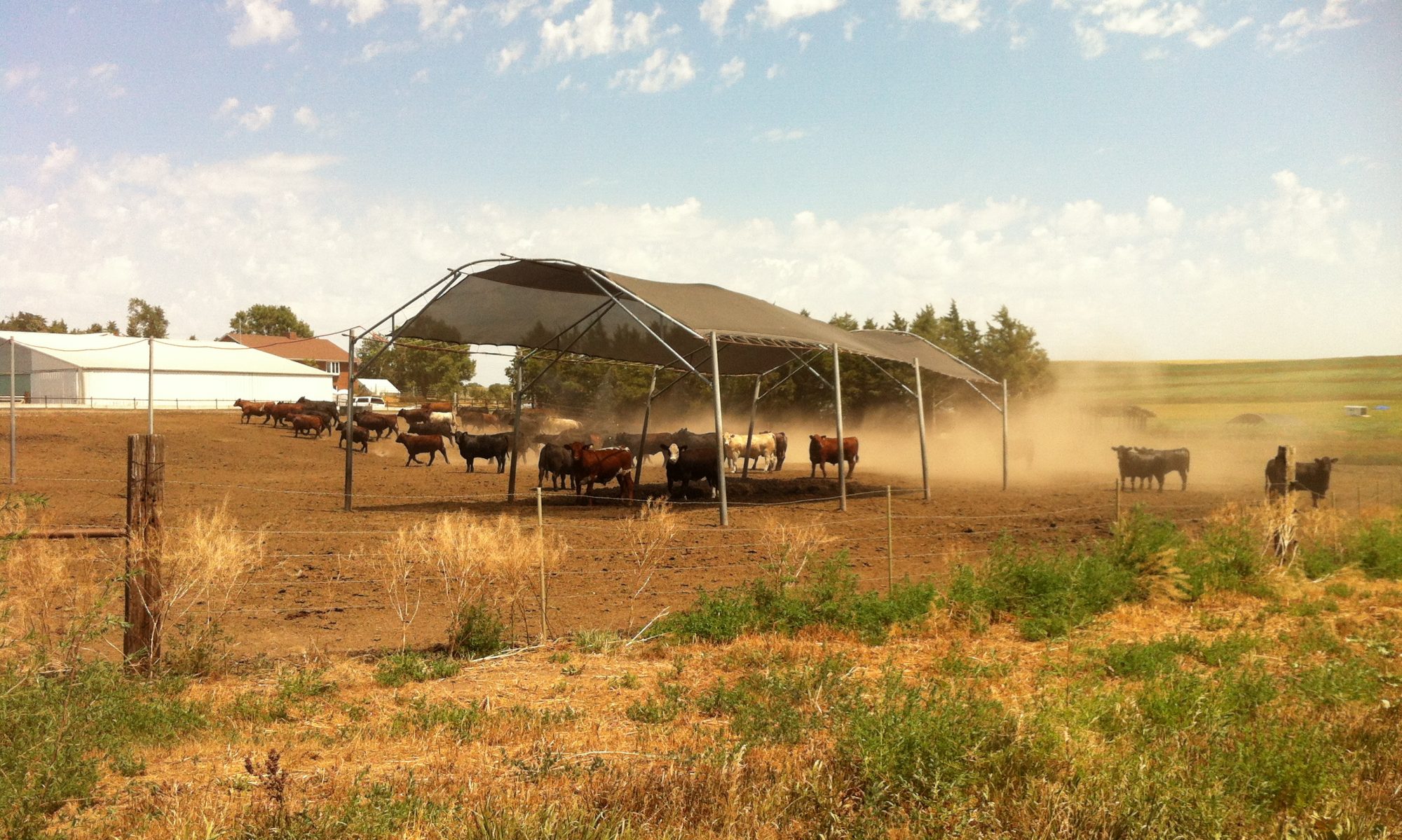
The carbon footprint of beef produced was 18.4 ± 1.7 kg CO2e/kg carcass weight (CW) with the range in individual production systems being 13.0 to 25.4 kg CO2e/kg CW. Footprints for fossil energy use, non precipitation water use, and reactive nitrogen loss were 51 ± 4.8 MJ/kg CW, 2450 ± 450 liters/kg CW and 138 ± 12 g N/kg CW, respectively. The major portion of the carbon, energy and reactive nitrogen footprints was associated with the cow-calf phase of production (Figure 1).

Beef footprints

Beef footprints

Future Plans   

Further analyses are planned for the remaining six regions of the U.S. which will be combined to provide a national assessment. Cattle production data will be combined with processing, marketing and consumer data to complete a comprehensive life cycle assessment of beef production and use.

Authors       

C. Alan Rotz, Agricultural Engineer, USDA-ARS al.rotz@ars.usda.gov

Senorpe Asem-Hiablie and Kim Stackhouse-Lawson

Additional information                

Rotz, C. A., B. J. Isenberg, K. R. Stackhouse-Lawson, and J. Pollak. 2013. A simulation-based approach for evaluating and comparing the environmental footprints of beef production systems. J. Anim. Sci. 91:5427-5437.

USDA-ARS. 2014. Integrated Farm System Model. Pasture Systems and Watershed Mgt. Res. Unit, University Park, PA. Available at: http://www.ars.usda.gov/Main/docs.htm?docid=8519. Accessed 5 January, 2015.

Acknowledgements    

This work was partially supported by the Beef Checkoff.

The authors are solely responsible for the content of these proceedings. The technical information does not necessarily reflect the official position of the sponsoring agencies or institutions represented by planning committee members, and inclusion and distribution herein does not constitute an endorsement of views expressed by the same. Printed materials included herein are not refereed publications. Citations should appear as follows. EXAMPLE: Authors. 2015. Title of presentation. Waste to Worth: Spreading Science and Solutions. Seattle, WA. March 31-April 3, 2015. URL of this page. Accessed on: today’s date.


Ammonia and Nitrous Oxide Model for Open Lot Cattle Production Systems

Purpose 

Air emissions, such as ammonia (NH3) and nitrous oxide (N2O), vary considerably among beef and dairy open lot operations as influenced by the climate and manure pack conditions. Because of the challenges with direct measurements, process-based modeling is a recommended approach for estimating air emissions from animal feeding operations. The Integrated Farm Systems Model (IFSM; USDA-ARS, 2014), a whole-farm simulation model for crop, dairy and beef operations, was previously expanded (version 4.0) to simulate NH3 emissions from open lots. The model performed well in representing emissions for two beef cattle feedyards in Texas (Waldrip et al., 2014) but performed poorly in predicting NH3 emissions measured at an open lot dairy in Idaho.

What did we do? 

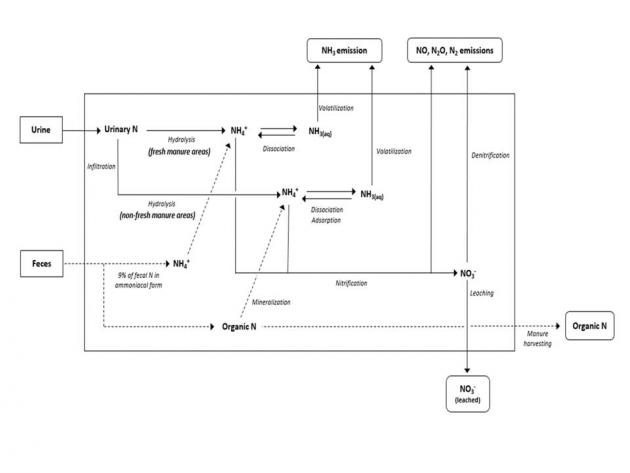
The open lot nitrogen routine of IFSM was revised to better represent the effects of climate on lot and manure pack conditions. Processes affecting the formation and emission of NH3 and N2O from open lots were revised and better integrated. These processes included urea hydrolysis, surface infiltration, ammonium-ammonia association/dissociation, ammonium sorption, NH3 volatilization, nitrification, denitrification, and nitrate leaching (Figure 1). The soil water model in IFSM was also modified and used to represent an open lot. The accuracy of the revised model (version 4.1) was evaluated using measurements from two beef cattle feedyards in Texas (Todd et al., 2011; Waldrip et al., 2014) and an open lot dairy in Idaho (Leytem et al., 2011). Comparing the two regions, Idaho typically has much drier conditions in summer and wetter conditions in winter.

Lot model

Figure 1. The revised Integrated Farm Systems Model (IFSM)

What have we learned? 

The revised model predicted NH3 emissions for the Texas beef cattle feedyards similar to the previous version with model predictions having 59 to 81% agreement with measured daily emissions. Simulated NH3 emissions for the Idaho open lot dairy improved substantially with 56% agreement between predicted and measured daily NH3 emissions. For the Idaho open lot dairy, IFSM also predicted daily N2O emissions with 80% agreement to those measured. These results support that IFSM can predict NH3 and N2O emissions from open lots as influenced by climate and lot conditions. Therefore, IFSM provides a useful tool for estimating open lot emissions of NH3 and N2O along with other aspects of performance, environmental impact and economics of cattle feeding operations in different climate regions, and for evaluating management strategies to mitigate emissions.

Future Plans    

The revised IFSM is being used to study nitrogen losses and whole farm nutrient balances of open lot feed yards and dairies. The environmental benefits and economic costs of mitigation strategies will be evaluated to determine best management practices for these production systems.

Authors      

C. Alan Rotz, Agricultural Engineer, USDA-ARS al.rotz@ars.usda.gov

Henry F. Bonifacio, April B. Leytem, Heidi M. Waldrip, Richard W. Todd

Additional information 

Leytem, A.B., R.S. Dungan, D.L. Bjorneberg, and A.C. Koehn. 2011. Emissions of ammonia, methane, carbon dioxide, and nitrous oxide from dairy cattle housing and manure management systems. J. Environ. Qual. 40:1383-1394.

Todd, R.W., N.A. Cole, M.B. Rhoades, D.B. Parker, and K.D. Casey. 2011. Daily, monthly, seasonal and annual ammonia emissions from Southern High Plains cattle feedyards. J. Environ. Qual. 40:1-6.

USDA-ARS. 2014. Integrated Farm System Model. Pasture Systems and Watershed Mgt. Res. Unit, University Park, PA. Available at: http://www.ars.usda.gov/Main/docs.htm?docid=8519. Accessed 5 January, 2015.

Waldrip, H.M., C.A. Rotz, S.D. Hafner, R.W. Todd, and N.A. Cole. 2014. Process-based modeling of ammonia emissions from beef cattle feedyards with the Integrated Farm System Model. J. Environ. Qual. 43:1159-1168.

Acknowledgements      

This research was funded in part by the United Dairymen of Idaho. Cooperation of the dairy and beef producers is also acknowledged and appreciated.

The authors are solely responsible for the content of these proceedings. The technical information does not necessarily reflect the official position of the sponsoring agencies or institutions represented by planning committee members, and inclusion and distribution herein does not constitute an endorsement of views expressed by the same. Printed materials included herein are not refereed publications. Citations should appear as follows. EXAMPLE: Authors. 2015. Title of presentation. Waste to Worth: Spreading Science and Solutions. Seattle, WA. March 31-April 3, 2015. URL of this page. Accessed on: today’s date.
 

Improving Estimation of Enteric Methane Emissions from Dairy and Beef Cattle: A Meta-Analysis


Purpose

The enteric methane emissions from dairy and beef cattle are considered as a major contributor of greenhouse gases emissions in U.S. Since enteric methane emission represents an unproductive loss of dietary energy, one of the predominant methane emission estimation procedures are driven by first estimating daily gross energy intake (GEI) by individual animals and then multiplying it by an estimate of “methane conversion factor (Ym)”, which is in the range of 4–10% of GEI. The IPCC Tier 2 enteric methane emission estimation procedures are driven by first estimating daily and annual gross energy consumption by individual animals within an inventory class which are then multiplied by an estimate of CH4 loss per unit of feed (Ym). The extent to which feed energy is converted to CH4 depends on several interacting feed and animal factors. It is important to examine the influences of feed properties and animal attributes on Ym. Such influences are important to better understand the microbiological mechanisms involved in methanogenesis with a view to designing emission abatement strategies, as well as to identify different values for Ym according to animal husbandry practices. The search for influences of feed properties and animal attributes on Ym is not sufficiently documented and sometimes equivocal. There is considerable room for improvement in the IPCC Tier 2 prediction in Ym. As more data are collected, a meta-analysis may better determine the influential variables. The objective of this study was to conduct a systematic literature review and meta-analysis in order to identify and quantify the sources of the variability and uncertainty in reported Ym values, and in particular the influence of feed and animal properties upon Y

What did we do?

Multiple strategies were undertaken to identify potentially eligible studies to be included in the meta-analysis. The inclusion criteria were: the study must have reported measured CH4 emission data which can be expressed in the form of Ym; and the study must be published in a peer reviewed journal in English. The selected studies were distributed to a group of trained analysts for data extraction. Standard data extraction sheets were developed for consistency. As a result of the data review and extraction processes, a meta-analysis dataset was created. The dataset for the meta-analysis included all control treatment means at various common feed and animal combinations. Some studies provided treatment means at different conditions; in these cases, more than one treatment means (data points) were extracted from one study. Treatment means for special feed additive treatments were not included. Data across studies were analyzed statistically using the MIXED procedures of SAS (SAS for Windows, Version 9.3, SAS Institute, Cary, NC). Model development was conducted in a meta-analytical manner by treating study effect as random. The numbers of animals contributing to each treatment mean were used as a weighting variable. Various processes were used to test for confounding terms. Significant effects were declared at P < 0.05.

What have we learned?

The literature search efforts yielded a total of 75 peer reviewed studies that provided measured enteric CH4 emissions from beef or dairy cattle operations, which were expressed as Ym. These studies included 184 treatment means at various animal and feed combinations.The CH4 emission rates expressed in g/animal/day were positively related with weight of animal (P<0.01), and they showed a bimodal distribution, which could be due to the weight difference between dairy and beef cattle. The CH4 emission rates expressed in Ym, or g/kg DMI were more close to have a normal distribution, and they have much less variation compared with CH4 emission rates expressed in g/animal/day. The Ym values were significantly affected by feeding style (grazing vs. housed, P<0.01) and cattle type (dairy vs. beef, P<0.01), and an interaction of feeding style and cattle type was observed (P<0.01). The Ym for beef had large variation than the Ym for dairy cattle. Grazing beef had the largest mean value of Ym. For housed cattle, no significant difference was observed between beef and dairy (P=0.54).Forage content in diet significantly affect the Ym values (P<0.01), while effect of geography region was not significant at 0.05 level (P=0.06). For grazing cattle, significant higher Ym was observed for beef cattle as compared to dairy cattle (7.9% vs. 6.1%, P=0.02). The effect of diet forage content on Ym could be explained by the feed digestibility. It was found Ym was negatively related with the general energy intake (GEI) of cattle per kg of body weight (P<0.01), or the OM digestibility of feed (P=0.01). The higher the OM digestibility of feed, the higher GEI per kg of body weight, and the lower the Ym value. The OM digestibility of feed and the GEI per kg of body weight were positively related with each other and may not be independent. When both of them were included in the model of Ym, only the OM digestibility of feed was significant. A model was obtained for estimating Ym from the OM digestibility of feed. The reported fat content in diet ranged from 18 to 64 g per kg of dry matter. The Ym value was negatively related with the fat content in diet. Although the effect was not statistically significant in this meta-analysis (P=0.31), it confirmed the hypothesis that increasing fat content in diet can potentially result in reduced CH4 emission. The effect of lactation status on Ym was examined for dairy cattle, including both grazing and housed animals. Lactating dairy cattle tend to have lower Ym than dry one (6.5% vs. 7.0%). However, the effect was not statistically significant (P=0.32). The days in milk for lactating dairy cattle showed no significant effect on Ym values (P=0.39).

Future Plans

  1. Identify research gaps in estimation of Ym values in literature. Quantify the uncertainties and highlight the main source of variation.
  2. Refine the Ym estimation model.
  3. Based on the results, develop suggestions or guidelines to improve feed efficiency and to reduce carbon footprint per unit of product

Authors

Zifei Liu, Assistant professor, Kansas State University zifeiliu@ksu.edu

Yang Liu, Xiuhuan Shi

Additional information

http://www.bae.ksu.edu/~zifeiliu/

The authors are solely responsible for the content of these proceedings. The technical information does not necessarily reflect the official position of the sponsoring agencies or institutions represented by planning committee members, and inclusion and distribution herein does not constitute an endorsement of views expressed by the same. Printed materials included herein are not refereed publications. Citations should appear as follows. EXAMPLE: Authors. 2015. Title of presentation. Waste to Worth: Spreading Science and Solutions. Seattle, WA. March 31-April 3, 2015. URL of this page. Accessed on: today’s date.

Effects of Subsurface Litter Application Technology on Odor


Purpose         

Manure handling and application to agricultural land from animal facilities creates odor nuisances where population sprawl encroaches into once rural areas. The University of Maryland Eastern Shores (UMES) and The Pennsylvania State University (PSU) collaborated on data collection to quantify the odor reduction benefit of a novel technology called the Subsurfer which places poultry litter of ≤ 25% moisture content beneath the soil surface as opposed to traditional broadcast application.

What did we do?

Two 80-foot square locations were chosen at PSU’s Ag Progress site having similar grassy vegetation. For three separate trials, turkey litter was used, a slight departure from the usual use of poultry litter. This litter was chosen because it was available, and had a favorable moisture content of less than 25%. Three treatments were applied; subsurface application for location one , broadcasting for location two using the Subsurfer at the rate of two tons per acre, and no litter as a background. . Field-applied litter was evaluated using Nasal Ranger Field Olfactometer (NRO) instruments measuring dilutions-to-threshold (D/T) during field application employing the Multiple-Assessor Repeat Observation (MARO) method (Brandt et at., 2011a and 2011b). Odor assessment teams made observations at each location prior to litter application (background measurement) and at 1, 4, and 24 hr after the litter was applied at each location. Whole air samples were collected in 10-liter Tedlar® bags 4 hr after litter application using surface isolation flux chambers and the vacuum suitcases. A team of five qualified odor panelists quantified odor detection threshold (DT) using Dynamic Triangular Forced-Choice Olfactometry (DTFCO) on an Ac’ScentTM International Dynamic Olfactometer (St. Croix Sensory, Lake Elmo, MN) the same day of sample collection.

What have we learned?

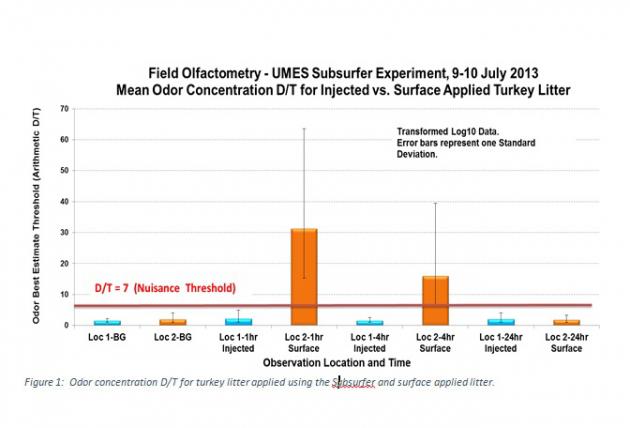
Results show greater than 75% reduction in mean odor concentration by DTFCO and NRO-MARO methods when the Subsurfer is used. Figure 1 shows the odor concentration D/T reduction of 92% (97% less background) for the 9 July 2013 data collection event when applying litter using the Subsurfer. Figure 1. odor concentration for turkey litter applied using the subsurfer and surface applied litter

Results from subsequent events (23 and 25 July 2013) showed significant reduction as well not below 75% when litter was applied using the Subsurfer. Figure 2 exhibits the same trend of 86% reduction (92% less background) in odor concentration DT using the DTFCO method. Again, measurements from subsequent data collection events yield similar results (minimum 75% reduction of odor concentration when the Subsurfer is used).

Figure 2. odor concentration for turkey litter applied using the subsurfer and surface applied litter

Future Plans

No future work is planned at this time.

Authors

Hile, Michael, Ph. D. Candidate in Agricultural and Biological Engineering (ABE) at Penn State (PSU) mlh144@psu.edu

Dr. Robin Brandt, Senior Lecturer in ABE at PSU, Ms. Nancy Chepketer, Graduate Assistant at UMES, Dr. Eileen E. Fabian, Professor in ABE at PSU and Dr. Herschel A. Elliott, professor in ABE at PSU, Dr. Arthur Allen, Associate Professor and Associate Resea

References              

Brandt, R.C., H.A. Elliott, M.A.A. Adviento-Borbe, E.F. Wheeler, P.J.A. Kleinman, and D.B. Beegle. 2011a. Field Olfactometry Assessment of Dairy Manure Land Application Methods. J. Environ. Qual. 40: 431-437.

Brandt, R.C., M.A.A. Adviento-Borbe, H.A. Elliott, E.F. Wheeler. 2011. Protocols for Reliable Field Olfactometry Odor Evaluations. J. Appl. Engr Agr. Vol. 27(3): 457-466.

The authors are solely responsible for the content of these proceedings. The technical information does not necessarily reflect the official position of the sponsoring agencies or institutions represented by planning committee members, and inclusion and distribution herein does not constitute an endorsement of views expressed by the same. Printed materials included herein are not refereed publications. Citations should appear as follows. EXAMPLE: Authors. 2015. Title of presentation. Waste to Worth: Spreading Science and Solutions. Seattle, WA. March 31-April 3, 2015. URL of this page. Accessed on: today’s date.

Hydrogen Sulfide Release from Dairy Manure Storages Containing Gypsum Bedding


Why Look at Potential Connections Between Gypsum and Hydrogen Sulfide?

Gypsum, a recycled product from the waste streams of the manufacturing and construction industries, provides ideal bedding for livestock because it absorbs moisture keeping the animals dry, is non-abrasive, and discourages bacterial growth as it is inert and non-organic. Gypsum is calcium sulfate (CaSO4•2H2O) and provides a sulfur source material that potentially increases H2S production from the manure storage due to the high generation of H2S levels. The goal of this research project is to compare H2S concentrations among Pennsylvania dairy farms that use traditional bedding, gypsum bedding and gypsum bedding with an amendment. Related: Manure Storage Safety | 2013 Waste to Worth conference proceedings by these authors “Gypsum Bedding – Risks & Recommendations for Manure Handling

Information from this gypsum bedding project was recently featured on a pre-conference webcast More…


What did we do?

Ten farms were observed during 19 fall and spring agitation events. Portable multi-gas meters (models MX6, M40 and Tango, Industrial Scientific, Pittsburgh, PA) were place around the perimeter of each manure storage, 10 meters downwind of the storage perimeter and attached to the operator for the duration of the event to monitor exposure. Each meter recorded gas measurements every minute during the first hour of manure agitation. Wind speed, wind direction and air temperature were recorded every minute during these events using a weather station (Kestral Communicator model 4500, Nielsen-Kellerman, Birmingham, MI). Manure storage design and manure handling practices were characterized. Manure was characterized according to general chemistry (temperature, pH and oxidation-reduction potential) as well as submitted for a full nutrient analysis content including total nitrogen, sulfur, calcium, percent solids and phosphorus source coefficient.

What have we learned?

Figure 1 shows cumulative H2S concentrations versus gypsum application rate. Gypsum and non-gypsum farms represented by the diamonds show a significant increase in cumulative H2S concentrations with increasing gypsum application rate. The observations depicted by the squares represent farms that use Vital™ Breakdown (manufactured for Homestead Nutrition, New Holland, PA), a treatment reported to reduce H2S emissions. One of the farms observed, also pointed out in Figure 1 by the triangles, uses OK-1000 (manufactured by Pro-soil Ag Solutions, Hawkins, TX) as a manure additive. Though it appears that these manure additives reduce cumulative H2S concentrations, the reduction was not statistically significant because not enough observations were recorded to provide statistical power.

Movement of manure prior to the storage location appears to allow H2S to escape before entering long term storage (shown in Figure 1 as prior agitation), lowering H2S concentrations released during agitation of the manure storage. Wind flowing into proximate buildings inhibited the dissipation of H2S thereby increasing cumulative H2S concentrations as shown by the observation pointed out by the image of wind direction in Figure 1. Four observations of operator exposure (out of 19 observations including non-gypsum, gypsum and gypsum with additive) yielded H2S concentrations above 20 ppm (above the Occupational Health and Safety Administration’s (OSHA) recommended exposure limit. Of the four operators above 20 ppm H2S, three were working over the rim of the storage, which increased risk of exposure. Downwind H2S concentrations above 20 ppm ten meters from storage occurred for eight out of the fourteen observations from farms that use gypsum, showing that children and animals within ten meters of the storage are at risk.

Figure 1. cumulative hydrogen sulfide concentrations for first 60 minutes of agitations versus gypsum application rate

Future Plans  

Bench scale work will be performed in hopes of finding a manure additive that reduces H2S production from farms that use gypsum. A new product (Dri Mat) formulated from its precursor, VitalTM Breakdown, will be mixed with manure and analyzed to determine the efficacy to reduced H2S emissions. Iron oxide, a by-product of acid mine drainage passive treatment lagoons will be one of the treatments for this work as well.

Authors  

Hile, Michael, Ph. D. Candidate in Agricultural and Biological Engineering (ABE) at Penn State (PSU) mlh144@psu.edu

Dr. Eileen E. Fabian, Professor in ABE at PSU, Dr. Herschel A. Elliott, professor in ABE at PSU, Dr. Robin Brandt, Senior Lecturer in ABE at PSU, Dr. C. Alan Rotz, Agricultural Engineer at USDA-ARS and Dr. Ray Bryant, Soil Scientist at USDA-ARS.

Acknowledgements      

This project would not have been possible without the support from Natural Resources Conservation Service’ (NRCS) Conservation Innovation Grant (CIG) program, USA Gypsum and Industrial Scientific.

The authors are solely responsible for the content of these proceedings. The technical information does not necessarily reflect the official position of the sponsoring agencies or institutions represented by planning committee members, and inclusion and distribution herein does not constitute an endorsement of views expressed by the same. Printed materials included herein are not refereed publications. Citations should appear as follows. EXAMPLE: Authors. 2015. Title of presentation. Waste to Worth: Spreading Science and Solutions. Seattle, WA. March 31-April 3, 2015. URL of this page. Accessed on: today’s date.
Swine Manure Odor Reduction Using a Humic Amendment: On-Farm Demonstration


Why Study Odors from Pig Farms?

Odor-related nuisance complaints associated with animal production facilities are on the rise as residential sprawl encroaches on once rural areas. The efficacy of odor control additives is highly variable and most have limited success. This project demonstrated the efficacy of a commercial humic-material product (ManureMaxTM, Manufactured by JDMV Holding, LLC; Huston, TX) for limited control of liquid swine manure odors.

What did we do?

Two similarly-operated, 2,250-pig, tunnel-ventilated finishing barns on one farm were used for the demonstration. Barns were widely-separated by 1,800 feet of woodland and fields and were occupied by pigs of similar age. The underfloor manure storage pit (5-ft deep) of one barn received monthly additions with the additive while the other barn received no additive. After 20 weeks when hogs were finished for market and barns cleaned for restocking, treatments were switched so the previously untreated barn received the amendment. Odors at the barn ventilation exhaust were evaluated monthly by direct sensory methods (olfactometry) using human subjects. Field-applied manure was evaluated at the end of each 20-week grow-out period. Nasal Ranger Field Olfactometer (NRO) units were used to evaluate barn exhaust odor dilutions-to-threshold (D/T) and odors during field application, employing the Multiple-Assessor Repeat Observation (MARO) method (B randt et at., 2011a and 2011b). Barn ventilation exhaust was normalized against fan velocity and compared as odor flux (odor units min-1) among treatments. Whole air samples were collected in 10-liter TedlarTM® bags during each field visit and brought back to the Penn State Odor Assessmnt Laboratory (PSOAL) for evaluation. A team of five qualified odor panelists quantified odor detection threshold (DT) using Dynamic Triangular Forced-Choice Olfactometry (DTFCO) on an Ac’ScentTM International Dynamic Olfactometer (St. Croix Sensory, Lake Elmo, MN) within 10 hours of sample collection.

What have we learned?

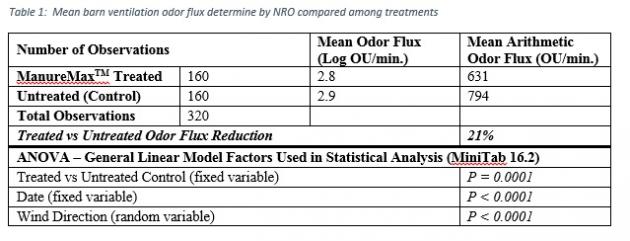
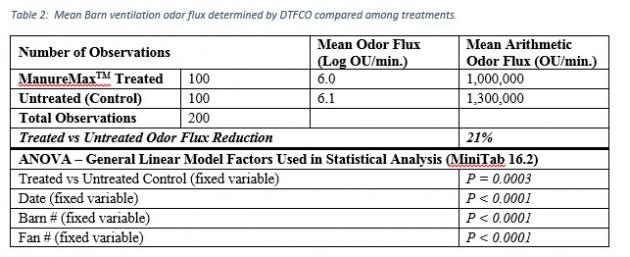
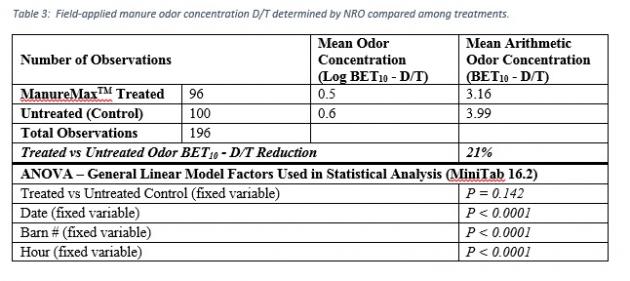
Results show a 21% reduction in mean barn odor exhaust as shown in Table 1 and Table 2. The humic amendment significantly decreased barn ventilation odor flux by 21% in both field NRO and laboratory DTFCO evaluations. Evaluation of field applied manure yield a 21% and 60% decrease in odor concentrations for NRO and DTFCO, respectively.mean barn ventilation odor flux

mean barn ventilation odor flux

field-applied manure odor concentration

field-applied manure odor concentration DT

Authors

Hile, Michael, Ph. D. Candidate in Agricultural and Biological Engineering (ABE) at Penn State (PSU) mlh144@psu.edu

Brandt, Robin, Senior Lecturer in ABE at PSU, Eileen E. Fabian, Professor in ABE at PSU and Herschel A. Elliott, professor in ABE at PSU. Robert E. Mikesell, Program Coordinator and Senior Lecturer, Department of Animal Science at PSU.

Additional information

Brandt, R.C., H.A. Elliott, M.A.A. Adviento-Borbe, E.F. Wheeler, P.J.A. Kleinman, and D.B. Beegle. 2011a. Field Olfactometry Assessment of Dairy Manure Land Application Methods. J. Environ. Qual. 40: 431-437.

Brandt, R.C., M.A.A. Adviento-Borbe, H.A. Elliott, E.F. Wheeler. 2011. Protocols for Reliable Field Olfactometry Odor Evaluations. J. Appl. Engr Agr. Vol. 27(3): 457-466.

Brandt, R. C., H. A. Elliott, E. E. Fabian, M. L. Hile, R. E. Mikesell, Jr., 2014. Manure Additive Shows Swine Odor Reduction. Fact Sheet. Penn State University, Department of Agricultural and Biological Engineering.

Acknowledgements

Thanks to JDMV Holding, LLC Houston, TX) for providing funding and product for this project. This project would not have been possible without the support from Natural Resources Conservation Service’ (NRCS) Conservation Innovation Grant (CIG) program.

The authors are solely responsible for the content of these proceedings. The technical information does not necessarily reflect the official position of the sponsoring agencies or institutions represented by planning committee members, and inclusion and distribution herein does not constitute an endorsement of views expressed by the same. Printed materials included herein are not refereed publications. Citations should appear as follows. EXAMPLE: Authors. 2015. Title of presentation. Waste to Worth: Spreading Science and Solutions. Seattle, WA. March 31-April 3, 2015. URL of this page. Accessed on: today’s date.
Reducing Emissions of Carbonyl Compounds with Waste-Cooking-Oil Biodiesel/Butanol/Diesel Blends Fuelled on the Diesel Engine


What Factors Should We Consider with Biodiesel?*

In recent years, the increasing depletion of petroleum resources from environment and the worsening pollution problems have led to concerns regarding alternatives to petroleum fuels. It is by now well known that the EU has set a target of replacing 10% of conventional fuels with biofuels by 2020. As renewable, biodegradable, and nontoxic fuel research has continued to the present, biodiesel has attracted considerable attention over the past decade.To the best of our knowledge, relatively little is known about CBCs produced by burning butanol and waste cooking oil (WCO) biodiesel blends in diesel engines. In this study, we use butanol and waste cooking oil biodiesel blended with diesel to evaluate the fuel potential to decrease CBC emissions from diesel engines. Emission factors are compared and discussed. Additionally, the feasibility of biodiesel blends and optimum percentage of biodiesel in fuel blends are assessed.

What did we do?  

In this study, six fuels are tested during the experiments. The base fuel is a premium diesel fuel (D100, 98%fossil diesel and 2% biodiesel) produced by Chinese Petroleum Corporation (CPC). In addition, the biodiesel (made by waste cooking oil) used for testing is produced by Greatec Green Energy Corporation in Taiwan. n-butanol is obtained from J. T. Baker (>99.5% purity). The diesel blend fuels used in this study are: B10 (10 vol% butanol), B10W10 (10 vol% butanol and 10 vol% biodiesel), B10W20 (10 vol% butanol and 20 vol% biodiesel), and B10W30 (10 vol% butanol and 30 vol% biodiesel), and B10W40 (10 vol% butanol and 40 vol% biodiesel), respectively.

The pollutant emissions from a diesel-fueled engine generator are examined. This diesel engine, made by Subaru (DY23-2D), is a four-cycle, air-cooled, overhead valve, single-cylinder. Moreover, the combustion system is direct injection and no further modification is needed. The bore and stroke are 70 mm and 60 mm, respectively. The displacement volume is 230 cc and the maximum output power is 2.8 kW at 3000 rpm. The torque is 10.5 Nm at 2200 rpm. Tests are performed at steady state condition with the engine running at 2200 rpm with torque and power outputs of 10.4 Nm (75% of the max load) and 2.1 kW, respectively, for the six test fuels.

What have we learned?

Biodiesel, a renewable and degradable fuel, is widely used due to its low emissions and toxicity. Biodiesel can be produced from animal fats or vegetable oils with methanol or ethanol as the catalyst via transesterification. Although blends of biodiesel/diesel/alcohols are well known in emission reduction, butanol has been recently found to have economic and sustainable potential as a substitute for ethanol in diesel blends. This study investigates the emissions of carbonyl compounds (CBCs) and regulated traditional pollutants that are produced from diesel engine combustion in steady-state conditions. Experimental results indicate that formaldehyde and acetaldehyde are the major and secondary carbonyls in the exhaust, which account for 84.6–69.7% of total CBC concentrations for all test fuels. It is also found out that using B10W40 instead of D100 is able to reduce PM and NOx by 46.5% and 31.8%, respectively. There is a decrease of form aldehyde concentrations in proportion to butanol-biodiesel content among the blends.

Future Plans      

The outcome of using biodiesel-butanol-diesel blends as alternative fuels is encouraging. In general, the variation of carbonyl emissions of biodiesel in engines can be affected by several factors, such as engine load, biodiesel components, and driving cycle. Further research is necessary for a better understanding of formation of carbonyl from esters. More careful attention must be paid to non-regulated emissions from biodiesel blends.

Authors         

Yuan-Chung Lin, Prof. at Inst. Environ. Eng., National Sun Yat-Sen University. Taiwan Deputy Executive Officer at Environ. Protec. & Safety Center yuanchung.lin@gmail.com

Kang-Shin Chen, Po-Ming Yang, Yuan-Chung Lin*, Kuang C. Lin, Syu-Ruei Jhang, I-Wei Wang

Additional information

Yuan-Chung (Oliver) Lin Ph.D.

Prof. at Inst. Environ. Eng., National Sun Yat-Sen University. Taiwan

Deputy Executive Officer at Environ. Protec. & Safety Center

TEL: +886-7-5252000 ext 4412

+886-7-5254412

FAX: +886-7-5254412

Cell: +886-935795228

yclin@faculty.nsysu.edu.tw

yuanchung.lin@gmail.com

The authors are solely responsible for the content of these proceedings. The technical information does not necessarily reflect the official position of the sponsoring agencies or institutions represented by planning committee members, and inclusion and distribution herein does not constitute an endorsement of views expressed by the same. Printed materials included herein are not refereed publications. Citations should appear as follows. EXAMPLE: Authors. 2015. Title of presentation. Waste to Worth: Spreading Science and Solutions. Seattle, WA. March 31-April 3, 2015. URL of this page. Accessed on: today’s date.
The Dairy Manure Biorefinery


Why Consider Additional Technologies with Anaerobic Digestion?

Some dairy farms have experimented with “add-on” technologies to enhance the value of the products generated from anaerobic digesters to improve economics and address other environmental and management concerns. This effort has intensified in recent years, as prices paid for electricity continue to fall. This trend is making it more difficult to justify the installation of new digesters or maintain active anaerobic digestion (AD) projects based on electricity sales alone. 

What did we do?

Based on ten years of research and extension within the field of dairy digesters, we are proposing that the concept of a dairy manure biorefinery can be useful to focus ongoing research and commercialization efforts (Figure 1). A biorefinery integrates a core biomass conversion process (in this case, AD, converting manure and in many cases other organic substrates) with additional downstream technologies. These combined technologies generate multiple value-added products including fuels, electricity, chemicals, and other products (NREL, 2009). Most add-on technologies relevant to dairy facilities have been modified from technologies used in the wastewater treatment and oil and gas industries. 

What have we learned?

Ongoing research and commercialization efforts by our team and others aim to:

  • Adapt technologies to fit the economic and other constraints of dairy digesters.
  • Increase efficiency and reduce costs by maximizing the complimentary nature of technologies (e.g. waste heat from one process is used in another process).

Specific add-on technologies that are continuing to evolve within the biorefinery context include:

Biogas Upgrading to remove impurities from biogas (primarily carbon dioxide, hydrogen sulfide, and water vapor).

Output: Purified biogas that can be used as a transportation fuel (e.g. liquefied natural gas) or injected directly into natural gas piplelines.

Additional social and economic benefits: Renewable fuel can reduce demand for fossil fuels, and can often receive economic credits (e.g. renewable identification numbers, low carbon fuel standard)

Fiber Upgrading to process the fiber that is removed from AD effluent.

Output: Upgraded fiber can be sold as a higher-value soil amendment in the horticultural industry

Additional social and economic benefits: Fiber can replace use of non-renewable resource (peat moss) by horticultural industry

Nutrient Recovery to strip nitrogen (N) and phosphorus (P) from anaerobic digester effluent.

Outputs: Soil amendment products that can be sold offsite where nutrients are needed

Additional social and economic benefits: Reductions in N and P applied to nearby fields, and reduced effluent hauling distances/costs for land application due to lower nutrient concentration in effluent

Water Recovery to generate “recycled” water using advanced technologies

Output: Water that can be used for animal drinking, or as dilution water for the AD facility

Additional social and economic benefits: Reduces consumption of fresh water, a limited resource, and reduces costs for land-application of AD effluent

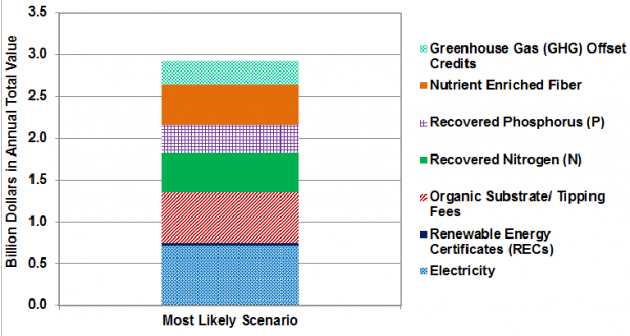
Overall Potential Impact. Improving economics and addressing other critical issues for dairy producers (e.g. nutrient issues) has the potential to advance farm-based AD adoption significantly beyond its current 244 farms. It has been estimated that a mature bio-refinery industry based on AD on large U.S. dairy farms could create an estimated bio-economy of nearly $3 billion that complements the production of milk and dairy products (ICUSD, 2013).

Figure 1. Stepwise depiction of the process

Figure 2. Total likely value added by most likely scenario

Authors

Georgine Yorgey (presenting author)a, Craig Frearb, Nick Kennedya, Chad Krugera, Jingwei Mab, and Tara Zimmermana

a Center for Sustaining Agriculture and Natural Resources, Washington State University

b Department of Biological Systems Engineering, Washington State University

Future Plans

An extension document describing this concept and the add-on technologies in additional detail is being prepared. This document is part of a series of extension documents on Dairy AD Systems, being prepared by the authors and other colleagues at Washington State University. In addition, ongoing work and collaborations by our team are seeking to investigate, evaluate, and improve individual technologies and the linkages amongst them.

Additional Information

ICUSD, 2013. National market value for anaerobic digestion products. Report to Innovation Center for US Dairy, August 2013.

Acknowledgements

This research was supported by USDA National Institute of Food and Agriculture, contract #2012-6800219814; and Biomass Research Funds from the Washington State University Agricultural Research Center.

The authors are solely responsible for the content of these proceedings. The technical information does not necessarily reflect the official position of the sponsoring agencies or institutions represented by planning committee members, and inclusion and distribution herein does not constitute an endorsement of views expressed by the same. Printed materials included herein are not refereed publications. Citations should appear as follows. EXAMPLE: Authors. 2015. Title of presentation. Waste to Worth: Spreading Science and Solutions. Seattle, WA. March 31-April 3, 2015. URL of this page. Accessed on: today’s date.