Climate Change and Animal Agriculture Self-Study Topics

Each of these free, self-paced modules tackles a specific topic about climate change and animal agriculture. It is best to go through the materials/topics in order as they are designed to progressively take you through the material.


Climate and Weather Trends

How has climate changed? What are the recent trends in rainfall, temperature, etc.? How do I learn more about my region?


Climate Impacts on Animal Production

How does/will climate change impact animal production? Are there opportunities as well? The materials are categorized by species (beef, dairy, pigs, poultry).


Adaptation & Risk Management

Will farmers need to look at investing in ways to manage the risks of extreme weather events? Includes information specific to different species and disaster management resources.


Sources of Greenhouse Gases and Introduction to Life Cycle Assessment

Which greenhouse gases (GHGs) are produced by animal agriculture? How much and how does the industry compare to other GHG sources?


Mitigating (Reducing or Eliminating) GHGs

How does animal production, in general, reduce the amount of greenhouse gases it emits? What items or practices are unique to each species?


Regulations, Opportunities and Market Options

What are the main ways policy makers could approach greenhouse gas reductions? Are there opportunities for agriculture?


Communicating Science Amidst Controversy

How do I provide science-based information when people do not even agree about the topic?


Acknowledgements

This page was developed as part of a project “Animal Agriculture and Climate Change” an extension facilitation project to increase capacity for ag professionals. It was funded by USDA-NIFA under award # 2011-67003-30206. If you have questions about any of the topics or have problems with links, contact Crystal Powers cpowers2@unl.edu or Jill Heemstra jheemstra@unl.edu.

For questions about the AACC project, contact Rick Stowell rstowell2@unl.edu or Crystal Powers.

How Farmers and Ranchers Are Adapting to Local Weather Extremes

Most farmers and ranchers are acutely aware of weather and how it factors into their risk management planing. Climatologists have indicated that the trend toward more extreme events and greater extremes is going to continue. This has many implications for animal agriculture producers. The farmers featured in this Waste to Worth panel all provided their perspectives on adapting to extreme events through diversity, building resilience, and keeping an eye toward long-term profitability.

Diversity, Resilience and Manure Management with Cover Crops

A former ag teacher, Keith Berns understands that you need to be open to multiple ways of achieving a goal. His desire to build resilience into his farm system led to a business selling cover crop seeds that emphasize diversity. He outlines several scenarios where he uses cover crops on his farm and also several ways his seed customers utilize diverse cover crop and annual forage mixes. High stocking densities naturally incorporate manure, and residue helps conserve and hold valuable moisture during/after extreme rainfall events. [Nebraska/Kansas]

Perspectives On a Changing Climate

Dr. Sandra Matheson, DVM (retired) raises grass-fed beef cattle on her northwestern ranch. Weather extremes have created more dust, mud, and she has seen an increase in disease and health issues with cattle. She utilizes the decision-making process, holistic management, and planned grazing to create a system with the greatest amount of adaptability and resilience for her environment and its potential extremes. Her goals converge around building the soil. [Washington]

Grazing Dairy Finds Plants that Work in Low Water Environments

Michael DeSmet watched his cows when they entered a new paddock and noticed something surprising – they liked weeds. Upon further investigation, he found out that the weeds they were selecting were high-protein, palatable, and could survive on very small amounts of precipitation. Michael was no stranger to making changes; he had already converted the family dairy operation into a grazing-based system selling milk into niche markets. He continues to examine forage options for his pastures that allow the farm to utilize limited water, extend the grazing season, and improve soil quality. [New Mexico]

The authors are solely responsible for the content of these proceedings. The technical information does not necessarily reflect the official position of the sponsoring agencies or institutions represented by planning committee members, and inclusion and distribution herein does not constitute an endorsement of views expressed by the same. Printed materials included herein are not refereed publications. Citations should appear as follows. EXAMPLE: Authors. 2015. Title of presentation. Waste to Worth: Spreading Science and Solutions. Seattle, WA. March 31-April 3, 2015. URL of this page. Accessed on: today’s date.

Poultry Digestion – Emerging Farm-Based Opportunity

While EPA AGSTAR has long supported the adoption of anaerobic digestion on dairies and swine farms, they have not historically focused on the use of anaerobic digestion on egg laying and other poultry facilities. This has been because the high solids and ammonia concentrations within the manure make anaerobic digestion in a slurry-based system problematic. Development of enhanced downstream ammonia and solids recovery systems is now allowing for effective digestion without ammonia toxicity. The process also generates dilution water, avoiding the need for fresh water consumption, and eliminating unwanted effluent that needs to be stored or disposed of to fields. The system produces high-value bio-based fertilizers. In this presentation, a commercial system located in Fort Recovery Ohio will be used to detail the process flow, its technologies, and the co-products sold.

Why Examine Anaerobic Digestion on Poultry Farms?

The purpose of this presentation is to supply a case study on a commercial poultry digestion project for production of combined heat and power as well as value-added organic nutrients on a 1M egg-layer facility in Ohio.

What did we do?

In this study we used commercial farm information to demonstrate that poultry digestion is feasible in regard to overcoming ammonia inhibition while fitting well into an existing egg-layer manure management system. Importantly, during the treatment process a significant portion of nutrients within the manure are concentrated for value-added sales, ammonia losses to the environment are reduced, and wastewater production is minimized due to recycle of effluent as dilution water.

What have we learned?

In this study, commercial data shows that ammonia and solids/salts levels that are potentially inhibitory to the biology of the digestion process can be controlled. The control is through a post-digestion treatment that includes ammonia stripping and recovery as ammonium sulfate as well as fine solids separation using a dissolved air flotation process with the addition of a polymer. The resulting treated effluent is sent back to the front of the digester as dilution water for the high solids poultry manure. The separated fine solids and the ammonium sulfate solution are dried using waste engine heat to produce a nutrient-rich fertilizer for off-farm sales. The stable anaerobic digestion process resulting from the control of potential inhibitors that might accumulate in the return water, if no post-treatment occurred, leads to production of a significant supply of electrical power for sales to the grid.

Demonstration at commercial scale shows the promise anaerobic digestion with post-digestion treatment and effluent recycle can play in a more sustainable poultry manure treatment system including managing nutrients for export out of impacted watersheds.

Future Plans

Future plans include continued work with industry in developing and/or providing extension capabilities around novel digestion and post-treatment processes for a variety of manures and on-farm situations. Expansion of such processes to poultry and other on-farm business plans will allow for improved reductions in wastewater production, concentrate nutrients for export out of impacted watersheds and do so within a positive economic business plan.

Authors

Craig Frear, Assistant Professor at Washington State University cfrear@wsu.edu

Quanbao Zhao, Project Engineer DVO Incorporated, Steve Dvorak, President DVO Incorporated

Additional information

Additional information about the corresponding author can be found at http://www.csanr.wsu.edu while information about the poultry project and the industry developer can be found at http://www.dvoinc.net. Numerous articles related to anaerobic digestion, nutrient recovery and separation technologies for climate, air, water and human health improvements can be found at the WSU website using their searchable articles function.

Acknowledgements

This research was supported by funding from USDA National Institute of Food and Agriculture, Contract #2012-6800219814; National Resources Conservation Service, Conservation Innovation Grants #69-3A75-10-152; and Biomass Research Funds from the WSU Agricultural Research Center. 

The authors are solely responsible for the content of these proceedings. The technical information does not necessarily reflect the official position of the sponsoring agencies or institutions represented by planning committee members, and inclusion and distribution herein does not constitute an endorsement of views expressed by the same. Printed materials included herein are not refereed publications. Citations should appear as follows. EXAMPLE: Authors. 2015. Title of presentation. Waste to Worth: Spreading Science and Solutions. Seattle, WA. March 31-April 3, 2015. URL of this page. Accessed on: today’s date.


Measuring Nitrous Oxide and Methane Emissions from Feedyard Pen Surfaces; Experience with the NFT-NSS Chamber Technique

Why Study Nitrous Oxide and Methane at Cattle Feedyards?

Accurate estimation of greenhouse gas emissions, including nitrous oxide and methane, from open beef cattle feedlots is an increasing concern given the current and potential future reporting requirements for GHG emissions. Research measuring emission fluxes of GHGs from open beef cattle feedlots, however, has been very limited. Soil and environmental scientists have long used various chamber based techniques, particularly non-flow-through – non-steady-state (NFT-NSS) chambers for measuring soil fluxes. Adaptation of this technique to feedyards presents a series of challenges, including spatial variability, presence of animals, chamber base installation issues, gas sample collection and storage, concentration analysis range, and flux calculations.

What did we do? 

Following an extensive review of the literature on measuring emissions from cropping and pasture systems, it was decide to adopt non-flow-through – non-steady-state (NFT-NSS) chambers as the preferred measurement methodology. However, the use of these NFT-NSS chambers had to be adapted for use in conditions of beef cattle feedyards and open corral dairies.

What have we learned? 

Trials of various techniques for sealing the chamber to the manure surface including piling soil/manure around the chamber and various weighted skirts were trial, however no technique was as good at sealing the chamber as a metal ring driven 50-75 mm into the underlying substrate.

Chamber bases could potentially injure animal in the pen and/or animal could disturb the measurement installation, so measurements were only conducted in recently vacated pens.

Gas samples were drawn from a septa in the chamber cap using a 20 ml polyethylene syringe and immediately injected into a 12 ml evacuated exetainer vial for transport, storage and analysis. Trials of alternative vials led to sample loss and contamination issues.

Gas samples were analyzed using a gas chromatograph equipped with ECD, FID and TCD detectors for nitrous oxide, methane and carbon dioxide determination, respectively.

The metal rings or bases must be installed at least 24 and preferably 48 hours before measurements are commenced as the disturbance caused when installing the bases will result in a temporarily enhanced emission flux.

Ten, 20 cm dia chambers constructed from PVC pipe caps are deployed in a pen and yield a reasonable approximation of the average emission fluxes from the pen.

The range of gas concentrations measured in the chamber at the end of a 30 minute deployment was up to 2 orders of magnitude greater than that typically measured in cropping systems research. This required careful choice of calibration gas concentrations and calibration of the gas chromatograph. The response of the ECD detector used for determining N2O concentration may not be linear over the entire range experienced.

The rate of increase in concentration in the chamber is often curvilinear in form and a quadratic approach was adopted for determination of the flux rate.

Future Plans 

On-going studies are quantifying N2O and CH4 flux rates from pen surfaces in a cattle feedlots under varying seasonal conditions; further work is identifying contributing factors.

Authors

Kenneth D. Casey, Associate Professor at Texas A&M AgriLife Research, Amarillo TX kdcasey@ag.tamu.edu

Heidi M. Waldrip, Research Soil Scientist at USDA ARS CPRL, Bushland TX; Richard W. Todd, Research Soil Scientist at USDA ARS CPRL, Bushland TX; and N. Andy Cole, Research Soil Scientist at USDA ARS CPRL, Bushland TX;

Additional information 

For further information, contact Ken Casey, 806-677-5600

Acknowledgements

Research was partially funded from USDA NIFA Special Research Grants

The authors are solely responsible for the content of these proceedings. The technical information does not necessarily reflect the official position of the sponsoring agencies or institutions represented by planning committee members, and inclusion and distribution herein does not constitute an endorsement of views expressed by the same. Printed materials included herein are not refereed publications. Citations should appear as follows. EXAMPLE: Authors. 2015. Title of presentation. Waste to Worth: Spreading Science and Solutions. Seattle, WA. March 31-April 3, 2015. URL of this page. Accessed on: today’s date.

Factors Affecting Nitrous Oxide Emissions Following Subsurface Manure Application

[Abstract] Subsurface manure application is theoretically susceptible to greater denitrification losses and nitrous oxide (N2O) emissions compared to surface application methods – primarily attributed to manure being placed in a more anaerobic environment. A review of field studies suggest N2O emissions typically range from 0.1% to 3% of total applied N from subsurface application methods, but there is considerable variation in emissions depending on pre- and post-application soil moisture conditions, readily-available carbon content in manure compared to background levels in soil, localized nitrogen form and oxygen concentration at the application site, and application depth. This paper will summarize peer-reviewed literature of field studies that quantify N2O emissions subsequent to subsurface manure application and identify the most prominent determining factors cited by authors.

Why Study Nitrous Oxide Emissions of Manure?

Ammonia abatement efficiencies of up to 90 percent have been documented with subsurface application and incorporation of animal manures compared to conventional surface application methods. While reducing ammonia emissions has positive implications for air and water quality, a portion of the nitrogen conserved may come at the expense of increased nitrous oxide emissions produced during denitrification and nitrification processes in the soil. As a greenhouse gas 300 times more potent than carbon dioxide at trapping heat, nitrous oxide has been linked to anthropogenic climate change and depletion of stratospheric ozone. Release of nitrous oxide from agriculturally-productive soils into the atmosphere also represents a loss of crop nutrients. Understanding the circumstances and manageable factors that contribute to nitrous oxide formation in soils subsequent to manure application is important for retaining crop nutrients and preventing greenhouse gas emissions.

What did we do?

A literature review was performed to investigate the factors that contribute to nitrous oxide emissions following subsurface application of animal manure to both grassland and arable land, compare results from different application techniques, and examine the conditions and circumstances that lead to nitrous oxide emissions.

What have we learned?

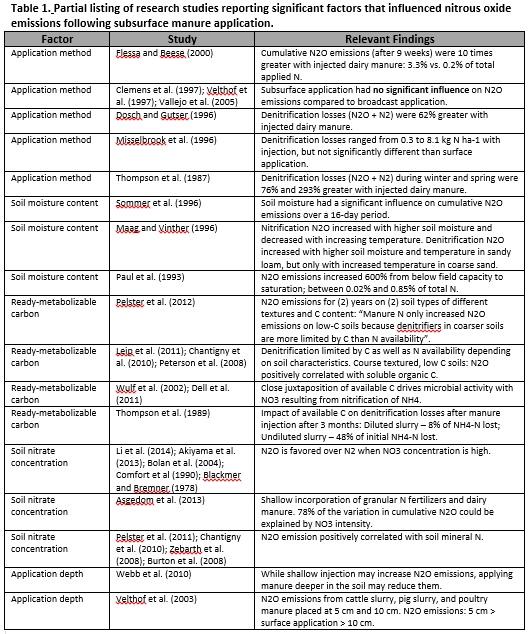
Several studies demonstrate significant increases in nitrous oxide emissions (from 0.1 to 3 percent) attributable to factors including increasing soil moisture content, high concentrations of readily-available carbon in manure substrate, increased nitrate concentration in soil, shallow application depth, high soil temperature, and ambient conditions during and immediately following application (table 1). Other studies show no difference in nitrous oxide emissions as compared to surface application methods. Reasons that subsurface application techniques will not necessarily result in greater nitrous oxide emissions were: 1) the length of the diffusion path from the site of denitrification to the soil surface may lead to a greater portion of denitrified nitrogen being emitted as nitrogen gas; 2) the soil moisture conditions and aeration level at the time of application may not be suitable for increased nitrous oxide production; 3) prior to manur e application, soils may already contain readily-metabolizable carbon and mineral nitrogen, thus any increase in nitrous oxide emission following application may not have a significant impact; and 4) weather events subsequent to manure application may effect soil moisture content and water-filled-pore-space, thereby affecting nitrous oxide emissions. Several studies document nitrous oxide emissions due to subsurface application methods (including manure incorporation and shallow injection) but research comparing nitrous oxide emissions from different subsurface application techniques and application depth is limited. Lack or absence of data in literature about manure chemistry, nitrogen application rates, application technique or method, as well as soil and atmospheric conditions during and after application made it more difficult to draw specific conclusions on factors affecting nitrous oxide emissions from subsurface-applied manure.

Further research is needed to determine the environmental and economic tradeoffs of implementing subsurface manure application methods for abatement of NH3 considering different future greenhouse gas emissions and market scenarios. Recent work suggests a link between denitrifier community density, organic C, and N2O emissions. Characterization of these biological mechanisms and identification of genetic markers for key enzymes should continue, particularly with respect to various subsurface manure application techniques, different manure types and N application rates, soil types, environmental conditions, and soil chemistry. Subsurface application depth plays an important role in determining the proportion of N2O to N2 emitted during denitrification; however, the number of field studies that examine the impact of application depth is limited. More research is needed to determine optimal manure application depth as influenced by soil type, soil chemistry, timing of application, and vegetative cover. Finally, future research on subsurface manure application will allow existing and future prediction models to improve estimation of annual N2O emissions at landscape scale and airshed levels. Refinement of greenhouse gas inventories, including N2O emissions from agricultural production systems, will assist agriculture producers, scientists, and policy makers in making informed decisions on greenhouse gas emission mitigation.

research articles reporting factors of Nitrous Oxide

Future Plans

Future agricultural greenhouse gas regulations and/or carbon market incentives have potential implications for agricultural producers, including the method and timing of manure application. Controlled, replicated, and well-documented research on subsurface manure application and subsequent nitrous oxide release is critical for estimating the costs and benefits of different manure application techniques.

Authors

David W. Smith, Extension Program Specialist, Texas A&M AgriLife Extension DWSmith@ag.tamu.edu

Dr. Saqib Mukhtar, Professor and Associate Department Head for Extension, Texas A&M AgriLife Extension

Additional information

The publication ‘Estimation and Attribution of Nitrous Oxide Emissions Following Subsurface Application of Animal Manure: A Review’ has been accepted for publication in Transactions of the ASABE.

Acknowledgements

Funding for this effort provided by USDA-NIFA grant No. 2011-67003-30206.

The authors are solely responsible for the content of these proceedings. The technical information does not necessarily reflect the official position of the sponsoring agencies or institutions represented by planning committee members, and inclusion and distribution herein does not constitute an endorsement of views expressed by the same. Printed materials included herein are not refereed publications. Citations should appear as follows. EXAMPLE: Authors. 2015. Title of presentation. Waste to Worth: Spreading Science and Solutions. Seattle, WA. March 31-April 3, 2015. URL of this page. Accessed on: today’s date.

Small to Mid-Sized Dairies: Making Compact Anaerobic Digestion Feasible

Why Consider Small or Medium Digester Projects?

Anaerobic digestion (AD) is an environmentally-friendly manure management process that can generate renewable energy and heat, mitigate odors, and create sustainable by-products such as bedding or fertilizer for dairies and farmers. However, due to economics, a majority of commercially available AD technologies have been implemented on large farming operations. Since the average herd size of dairies across the country is below 200 head of milking cows, there is a need for small-scale AD systems to serve this market.

eucolino allen farmsWhat did we do?

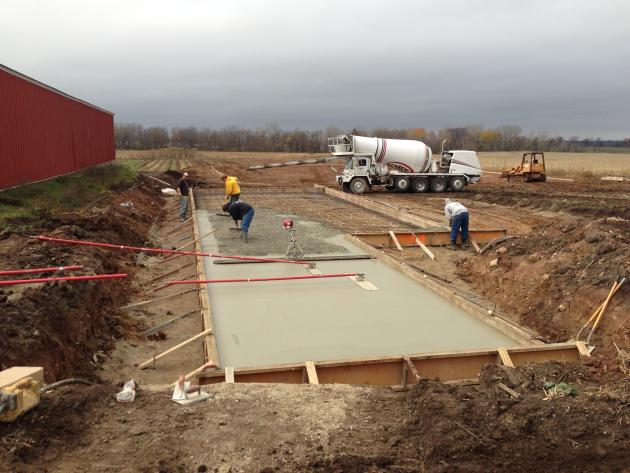
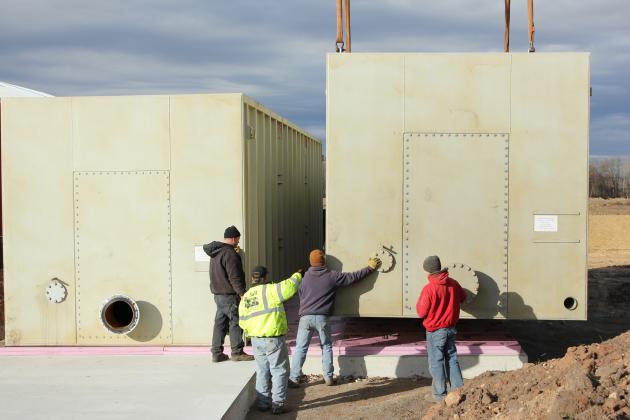
The University of Wisconsin-Oshkosh, in collaboration with BIOFerm™ Energy Systems, installed the EUCOlino—a small-scale, mixed, plug-flow digester—onto on a 136 milking head Wisconsin Dairy. The system is pre-manufactured, containerized and requires very limited on-site construction.   This includes grading, pouring a concrete pad for the containers and electrical services installation.

Start-up and commissioning were performed after the delivery of the 64 kWe combined heat and power (CHP). The input materials consist of bedded-pack dairy manure (corn or bean stover and straw), parlor wash water, and minor additional substrates such as lactose or fats, oils, and grease.

Solid materials are dumped via bucket tractor into a hopper feeder system that uses an auger to feed substrate into the anaerobic digestion tank. Additional parlor water is piped directly into the anaerobic digestion tank and mixed with the solids to make a feedstock of approximately 13% total solids. The solids are fed hourly, which is controlled by the PLC system.

The digester has a ~30-day retention time and the biogas produced is stored in a bag above the fermenters. Biogas produced is conditioned and combusted in a CHP mounted on a separate skid. Effluent from the system is pumped directly to an open pit lagoon for storage and subsequently land applied as fertilizer. The system produces approximately 25 – 33 m3/hour of biogas, with a raw biogas quality of 52-60% CH4 and less than 700 ppm H2S.

concrete pads for installation
installation
input

What have we learned?

This project has been an important step forward in developing future small-scale anaerobic digesters across the U.S.  Notably, our installation has given us insight into balancing system economics with the size of small-scale models; the energy output of the system must exceed pre-processing energy requirements and the digester must still be large enough for the designed residence time. Our experience has shown that, while reducing the size of a digester, these requirements remain essential for an installation to economically make sense.

Additionally, challenges involved in AD at the small-scale are related to pre-processing or feedstock conveyance. Once suitable consistence or size for conveyance, anaerobically digesting the organic fraction can be relatively easy. Inconsistency of incoming feedstocks is very detrimental to the system’s stability. Additionally, exterior feedstock storage and above ground piping can limit processing potential when severe cold weather settles in. While all of these are challenges that are easily overcome with engineering, they come at a cost and that can make or break the economics at this scale.

Future Plans

For the small-scale EUCOlino to be effective in the United States, it is key to establishing a U.S.- based manufacturing location. Pre-processing needs to be well-suited to the incoming feedstock. Post-digestion products need established off-takers, for electricity generation, bedding, fertilizer, etc.

Authors

Steven Sell, Manager Application Engineer, BIOFerm™ Energy Systems beaw@biofermenergy.com

Whitney Beadle, Marketing Communications, BIOFerm™ Energy Systems

Additional information

The following publications offer additional information on the Allen Farms digester:

Readers interested in this topic can also visit our website for more information on the Allen Farms digester and other BIOFerm projects. We can also be found on Facebook, Twitter, and LinkedIn.

The authors are solely responsible for the content of these proceedings. The technical information does not necessarily reflect the official position of the sponsoring agencies or institutions represented by planning committee members, and inclusion and distribution herein does not constitute an endorsement of views expressed by the same. Printed materials included herein are not refereed publications. Citations should appear as follows. EXAMPLE: Authors. 2015. Title of presentation. Waste to Worth: Spreading Science and Solutions. Seattle, WA. March 31-April 3, 2015. URL of this page. Accessed on: today’s date.

The Great Biogas Gusher


Why Pursue Bio-Energy?

The great Texas Oil Boom, also referred to as the Gusher Age, provided for dramatic economic growth in the US in the early 20th century, and ushered in rapid development and industrial growth. Although we typically think of the Middle East when we consider the impacts of oil discoveries on local economies (reference Dubai), at the time of its discovery, the oil finds in Texas were unprecedented; and the US quickly became the world’s top producer of petroleum.

As we all know, the rest of the world came to the party, and the US was soon falling in the ranks of top petroleum producers. Though the US oil reserves are vast, increasing concerns over the environmental impacts of finding, mining, extracting, refining, and consuming fossil fuels has incentivized the development of renewable energy resources, such as solar, wind, hydro, and bioenergy. Of these forms of renewable energy, bioenergy holds the promise for replacement of fossil fuels for transportation use.

a biogas collection systemWhat did we do?

Bioenergy may be described as fuels derived from organic materials, such as agricultural wastes, through processes like anaerobic digestion. The US has even more organic resources above the Earth’s surface than are identified in the petroleum and natural gas deposits yet to be exploited, yet the development of agricultural bioenergy systems seems to be progressing at a snail’s pace, as compare to the great Oil Boom. There is enormous potential in producing biogas from agricultural, industrial, municipal solid waste, sewage and animal byproducts which can be used to fuel vehicles. The EPA estimates that 8,200 US dairy and swine operation could support biogas recovery systems, as well as some poultry operations. Biogas can be collected from landfills and used to power natural gas vehicles or to produce energy. Wastewater treatment plants are estimated by the EPA to have the potential of about 1 cubic foot of digester gas per 100 gallons of wastewater, this energy could potentially meet 12% of the US electricity demand. Industrial, commercial and institutional facilities provide another source of biogas, in particular supermarkets, restaurants, and educational facilities with food spoilage.

What have we learned?

This presentation compares and contrasts the historical development of fossil fuel reserves with the potential for development of bioenergy from agricultural sources, such as animal wastes and crop residues. The US energy potential from these sources is grossly quantified, and current development inhibitions are identified and discussed. Opportunities for gathering biogas and bioenergy from multiple regional sources, similar to the processes used in the Texas oil fields, are discussed. The presentation offers insight into overcoming these obstacles, and how the US may once again rise to the top of the energy development rankings through efficient use and stewardship of our organic resources.

Percentage of waste water treatment plants that send solids to anaerobic digestion broken out by state

Future Plans

Biogas and bioenergy resources present an enormous opportunity for renewable energy development, and progression toward energy independence for the U.S. The U.S. currently has more than 2,000 active biogas harvesting sites, but claims more than 11,000 additional sites can be developed in the U.S., with the potential to power more than 3 million American homes if used to fuel electricity generating power plants. The USDA, EPA and DOE recently created a US Biogas Opportunities Roadmap which is off to a good start, which hopefully will initiate biogas programs, and foster investment in biogas systems to improve the market vitality in each state. To move the process forward, policy-makers, investors and the public need to have improved collaboration and communication on the state level. We need to develop a clear plan and strategy for developing these valuable biogas resources to promote environmental sustainability and economic growth of our b ioenergy sector.

Author

Gus Simmons, P.E., Director of Bioenergy, Cavanaugh & Associates, P.A. gus.simmons@cavanaughsolutions.com

Additional Information           

http://www.cavanaughsolutions.com 1-877-557-8924

http://www.epa.gov/climatechange/Downloads/Biogas-Roadmap.pdf

Acknowledgements      

USDA/DOE/EPA US Bioenergy Roadmap

The authors are solely responsible for the content of these proceedings. The technical information does not necessarily reflect the official position of the sponsoring agencies or institutions represented by planning committee members, and inclusion and distribution herein does not constitute an endorsement of views expressed by the same. Printed materials included herein are not refereed publications. Citations should appear as follows. EXAMPLE: Authors. 2015. Title of presentation. Waste to Worth: Spreading Science and Solutions. Seattle, WA. March 31-April 3, 2015. URL of this page. Accessed on: today’s date.

Farms of the Future: Seeking Agricultural Energy Independence


Why Look to Agriculture and Bioenergy?

As the world population continues to grow at an exponential rate, the ability to nourish this planet’s inhabitants with clean water and safe, healthy food are of paramount importance. This paper describes some of the considerations for and impacts of the demand for the production of food in developed and developing countries on energy resources, and ways in which advancements in on-farm, bioenergy production systems may help farms achieve the incredible production requirements of the next thirty years. Our challenge is to expand agriculture’s output to accommodate the increasing population, without hindering its environmental footprint.

What did we do?  

Today only roughly two percent (2%) of the population produces the food for our plant. This includes all the fruits, vegetables, meats and dairy products that the world’s population of over 7 billion people acquires and eats from markets, grocers, and restaurants. Our global population is projected to exceed nine billion people by the year 2050, all of who will need to be supplied with food derived from the farms of the future. Through technological advances, and improvements in motorized equipment, each farmer is now able to feed roughly 150 people, compared to only 19 people in the 1940’s (Prax, 2010). In the year 2050, a farmer will be required to feed at least 200 people, and based on the rate of reduction in both the number of farms and the amount of land under agricultural production, that number may reach 300 people. But what will these ‘Farms of the Future’ be like? The number of actively producing farms in the developed world has suffered a slow, steady decline over the past two decades, while the global demand for fresh foods, protein and feedstocks have steadily increased. How will we feed a population of more than nine billion with fewer and fewer farms, and how will we feed the livestock needed to feed the increased population?
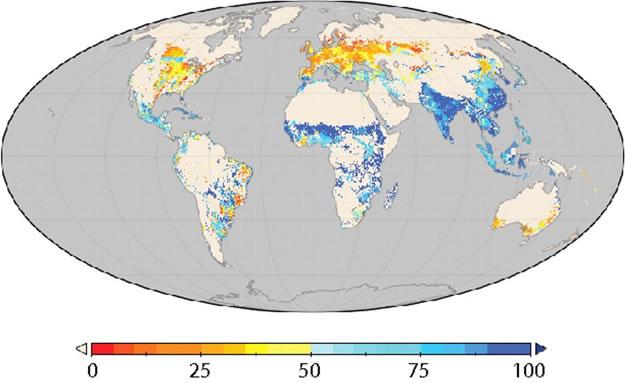
Figure 1.

What have we learned?  

The growth in our global population also means a growth in the need for clean water, which is a somewhat fixed volume on planet Earth. More importantly, though, the growth in the demand for clean water for drinking purposes also places a greater constraint on the amount of fresh water available for irrigation of crops and to provide for the drinking water required of livestock. The increase in our population means much greater demands for energy – for everything from transportation, lighting, and communications devices to water treatment, agricultural production, and food processing. The culmination of these increasing demands on our planets finite resources has been dubbed by many as the “Food-Water-Energy Nexus.”

Future Plans  

The interdependency of agriculture, water, and energy has become commonly referred to as “the Nexus.” This term does not indicate a crossroads, where a pathway to agricultural production is independent of impacts on water supply and energy availability. Instead, it denotes a relationship of give and take: the decisions we make to utilize, exploit, or economize one of these critical elements of human existence are likely to have broad-reaching impacts on the other two.
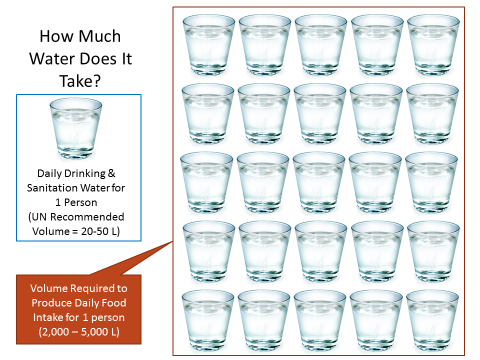
Figure 2.The realization of these interdependencies, and more importantly, the fragility of the balance of satisfying these needs must lead us to proactively invest in agricultural innovations, as much as we have with water and energy. The needs for energy innovations have been wildly popularized in society, such as may be seen through promulgation of solar panels the world-over. Similarly, water sustainability innovations, such as reclaiming water from wastes, water conservation devices, and even desalinization. However, the drive for innovations in maximizing the productivity of healthy foods through sustainable agricultural practices seems, by many, silent in comparison.

There is no doubt that the ‘Farms of the Future’ must be able to be self-sustaining; but what does that mean? Will they be able to take the manures from livestock, swine and poultry, convert them to biogas to run the machinery serving their farms, and also provide the nutrient-rich fertilizers for their crops, and bedding for their animals? Will they be able to return nutrients, water, and carbon to the land in which the food is produced in such a manner that none is wasted (meaning the only export from the farms is the food products that are to be consumed, rather than in the form of air emissions, water waste, and exported solid wastes)? What alternate sources of revenue may be developed to sustain small, locally sourced farms?

Demand Placed on Lands

This presentation will discuss how farms of the future can prepare to deal with issues of climate change and greenhouse gas reduction and what is needed in agriculture, water conservation, and stewardship to prepare our world for the additional people inhabiting the Earth in 2050.
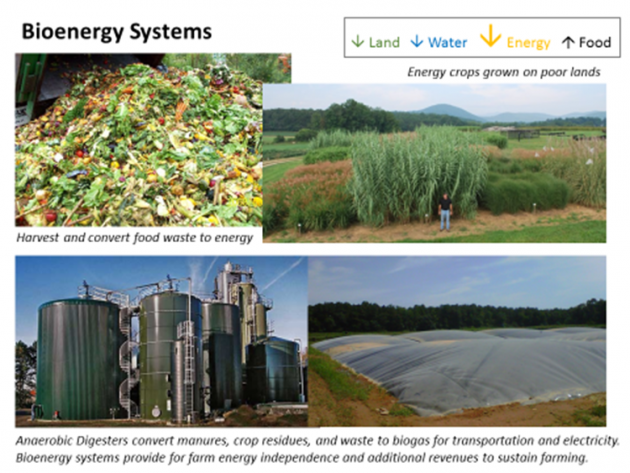
Figure 3.

Author         

Gus Simmons, P.E., Director of Bioenergy, Cavanaugh & Associates, P.A. gus.simmons@cavanaughsolutions.com

Additional information  

www.cavanaughsolutions.com

Gus Simmons, P.E. 1-877-557-8924

Acknowledgements      

Sources:

1. Monfreda, C., N. Ramankutty, and J. A. Foley (In Press), Farming the Planet. 2: The Geographic Distribution of Crop Areas, Yields, Physiological Types, and NPP in the Year 2000, Global Biogeochemical Cycles, doi:10.1029/2007GB002947.

The authors are solely responsible for the content of these proceedings. The technical information does not necessarily reflect the official position of the sponsoring agencies or institutions represented by planning committee members, and inclusion and distribution herein does not constitute an endorsement of views expressed by the same. Printed materials included herein are not refereed publications. Citations should appear as follows. EXAMPLE: Authors. 2015. Title of presentation. Waste to Worth: Spreading Science and Solutions. Seattle, WA. March 31-April 3, 2015. URL of this page. Accessed on: today’s date.


Calculating Carbon Footprints for the UGA Dairy And Swine Farms Using Selected Models


Why Examine Carbon Footprints of Farms?

World Agriculture is currently faced with the challenge of feeding a rapidly increasing global population, predicted to peak at 9.2 billion by 2075, while meeting an obligation to reduce greenhouse gas (GHG) emissions. The emission of GHG can cause many serious problems, such as global temperature rise, sea level rise and ocean acidification.

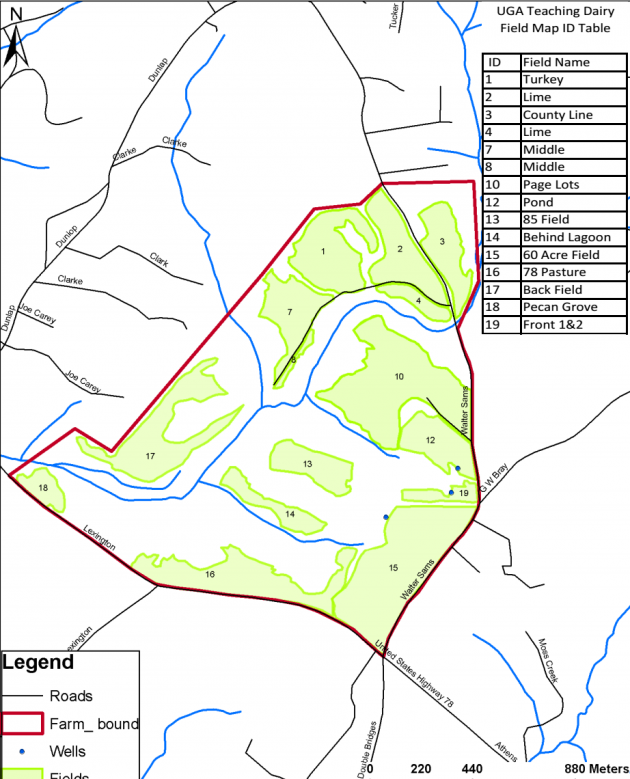
Satellite map of university of georgia dairy farmAgriculture releases significant amounts of CO2, CH4 and N2O to the atmosphere. It is estimated that the agriculture sector contributes around 10-12% (~ 5-6 Gt CO2-equivelents yr-1 in 2005) of total global anthropogenic GHG emissions, which is about 50 and 60% of methane and nitrous oxide emissions, respectively. UGA made a commitment to reduce the GHG emissions. These emissions are currently calculated using a model called campus-carbon-calculator. However this model is limited in agricultural applications because it does not account for many management changes that might reduce GHG emissions. The purpos e of our project was to select or develop a model for estimating the GHG emissions from UGA farms. It was necessary for this model to account for crop production, dairy production and swine production and desirable for the model to have limited data requirements, be easy to use and allow for a variety of management options to reduce GHG emissions.

What did we do?

We selected four models (Cool Farm Tool (Version 2.0), COMET-FARM Tool, Farm Smart (Version 1.5) and Pig Production Environmental Footprint Calculator (Version 3.X)) and also used the current-used model Clean Air-Cool Planet Campus Carbon Calculator (Version 6.9) to calculate GHG emissions on the UGA swine farm and dairy farm. We gathered inputs needed in both farms based on models with the help of farm managers, experts and references. Some inputs needed to be calculated and summarized and this was done using best available information. We entered information about swine farm into selected models and compared results on GHG emissions.

satellite map of University of Georgia swine farmWhat have we learned?

GHG emissions for the swine farm calculated using four different models are shown in Table 1. Estimates for GHG emissions in 2013 varied from 328228.06 kg CO2-equivalent (Pig Production Environmental Footprint Calculator (Version 3.X)) to 575000 kg CO2-equivalent using Clean Air-Cool Planet Campus Carbon Calculator (Version 6.9). While the Clean Air-Cool Planet Campus Carbon Calculator (Version 6.9) was the simplest one to use with only two inputs needed, it provided the highest estimates. Conversely, the Pig Production Environmental Footprint Calculator (Version 3.X) was the most complex and difficult to use but was the only tool that could adequately account for the anaerobic digester at this farm.

Table 1. Greenhouse gas emissions in swine farms 2013 using different models

We will finish calculating GHG emissions on the dairy farm and compare models based on carbon footprints and time and effort required. We will investigate a variety of proposed management changes on both farms to determine the resulting impacts on carbon footprints.

Authors

Lin Ma, master student in Department of Crop and Soil Science, University of Georgia malin12@uga.edu

Mark Risse, professor in Department of Crop and Soil Science, University of Georgia

Additional Information

Cool Farm Tool (Version 2.0) https://app.coolfarmtool.org/account/login/?next=/

COMET-FARM Tool http://cometfarm.nrel.colostate.edu/

Farm Smart (Version 1.5) http://sites.usdairy.com/farmsmart/Pages/Home.aspx

Acknowledgements

Thanks to Drs. Lane Ely and Robert Dove and the employees and managers at the UGA Swine and Dairy Centers for supplying information and time to us for this effort.

The authors are solely responsible for the content of these proceedings. The technical information does not necessarily reflect the official position of the sponsoring agencies or institutions represented by planning committee members, and inclusion and distribution herein does not constitute an endorsement of views expressed by the same. Printed materials included herein are not refereed publications. Citations should appear as follows. EXAMPLE: Authors. 2015. Title of presentation. Waste to Worth: Spreading Science and Solutions. Seattle, WA. March 31-April 3, 2015. URL of this page. Accessed on: today’s date.

Impact of Manure Incorporation on Greenhouse Gas Emissions in Semi-Arid Regions


Purpose

Gaseous emissions from animal feeding operations (AFOs) can create adverse impacts ranging from short-term local effects on air quality, to long-term effects due to greenhouse gas generation. This study evaluates gaseous emissions from manure application with differing times to incorporation. The purpose of the study is to identify ways to improve manure management and land application BMPs in semi-arid regions with a high soil pH.

What did we do?

Manure application and incorporation methods were evaluated in a field setting on a soil with high pH. Scraped dairy manure was surface applied at a rate of 50 tons/acre to a Millville silt loam. Incorporation events occurred immediately, 24hrs after application, 72 hrs after application, and no incorporation. Gaseous emissions were monitored using a closed dynamic chamber with a Fourier Transformed Infrared (FTIR) spectroscopy gas analyzer, which is capable of monitoring 15-pre-programmed gases simultaneously including ammonia, carbon dioxide, methane, nitrous oxide, oxides of nitrogen, and volatile organic compounds. Emissions were monitored for 15 days.

What have we learned?

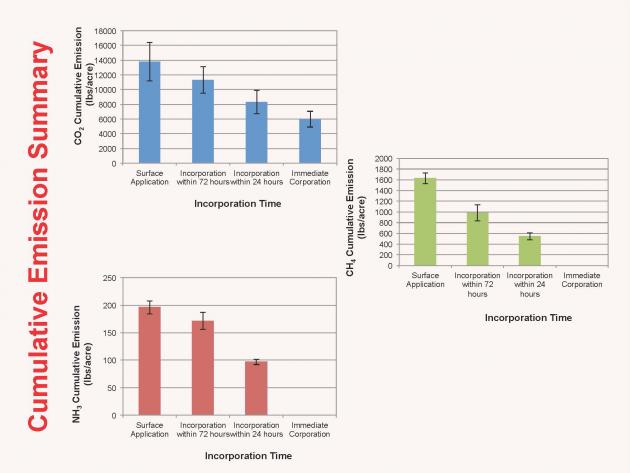
Emissions for methane (CH4) and ammonia (NH3) stopped when the manure was incorporated. For methane, 33% of the emissions occurred within the first 24 hours, 61% within the first 72 hrs. For ammonia, 50% of the emissions occurred within the first 24 hours, 88% within the first 72 hours. Carbon dioxide (CO2) emissions were reduced, but continued at a baseline level after incorporation. Immediate incorporation reduced total CO2 emissions for the 15 days by approximately 50%. Incorporation within 24 hours and 72 hours, reduced total CO2 emissions for the 15 days by 40% and 18%, respectively. Based on this data, incorporation greatly reduces NH3, CH4, and CO2 emissions. Rapid incorporation is needed to have a meaningful impact on NH3 and CH4 emissions. Best management practices should emphasize the need for immediate incorporation.

(Click to enlarge the graphs below).

Cumulative emissions summary: ammonia, carbon dioxide, and methane

Future Plans  

Examine the impact of tannins on gaseous emissions.

Authors   

Rhonda Miller, Ph.D.; Agricultural Systems Technology and Education Dept.; Utah State University rhonda.miller@usu.edu

Pakorn Sutitarnnontr, Ph.D.; South Florida Water Management District; Naples, FL Markus Tuller, Ph.D.; Soil, Water, and Environmental Science Dept.; University of Arizona Jim Walworth, Ph.D.; Soil, Water, and Environmental Science Dept.; University of Ar

Additional Information

Sutitarnnonntr, P., E. Hu, R. Miller, M. Tuller, and S. B. Jones. 2013. Measurement Accuracy of a Multiplexed Portable FTIR- Surface Chamber System for Estimating Gas Emissions. ASABE 2013 Paper and Presentation No. 131620669. St. Joseph, MI: American Society of Agricultural and Biological Engineers.

Website: http://agwastemanagement.usu.edu

Acknowledgements      

The authors gratefully acknowledge support from a USDA-CSREES AFRI Air Quality Program Grant #2010-85112-50524.

The authors are solely responsible for the content of these proceedings. The technical information does not necessarily reflect the official position of the sponsoring agencies or institutions represented by planning committee members, and inclusion and distribution herein does not constitute an endorsement of views expressed by the same. Printed materials included herein are not refereed publications. Citations should appear as follows. EXAMPLE: Authors. 2015. Title of presentation. Waste to Worth: Spreading Science and Solutions. Seattle, WA. March 31-April 3, 2015. URL of this page. Accessed on: today’s date.