
High Clearance Robotic Irrigation Impacts on Soybeans and Corn Yield and Nutrient Application

Purpose

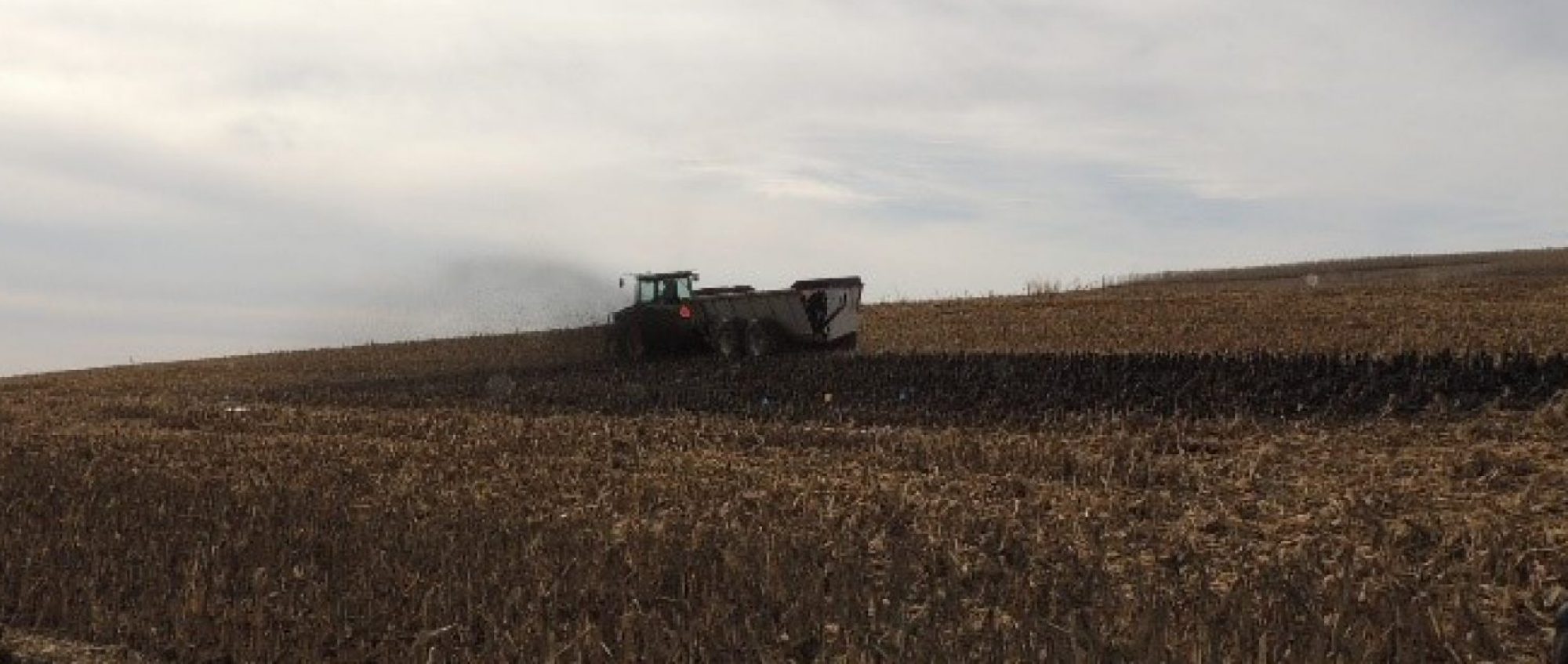
This collaborative project between The Ohio State University, Iowa State University, and 360YieldCenter intends to demonstrate the in-season application of commercial and animal nutrient sources and water application as a unified strategy to reduce nutrient losses while improving profitability with increased grain yields. A new and innovative high-clearance robotic irrigator (HCRI) is being used to apply liquid-phase nutrients in-season beyond all stages of row crops. Replicated strip trials of Fall, Spring, and in-season application will occur using the HCRI (e.g., 360 RAIN Robotic Irrigator, Figure 1). The in-season application consists of traditional N and P application rates as well as reduced rates to take advantage of better matching nutrient availability to crop needs during the growing season. Data were collected to verify nitrate-nitrogen leaching loss using liquid swine manure as a nutrient source in Iowa, while total and dissolved reactive phosphorus losses with both runoff and leaching using commercially available nutrients were collected in in Ohio. Secondly, as climate shifts result in water scarcity during critical crop growth stages, robotic irrigation water applications will be used to meet the crop needs. Higher crop yields are anticipated via precision water management.

Figure 1: 360 RAIN Unit (HCRI)

What Did We Do?

OSU is conducting two field demonstrations, one with a focus on water quality, and a second for comparison of nutrient management practices. The HCRI is being utilized to apply commercial fertilizer in-season via dilution in irrigation water with up to 12 applications per growing season (effective 4.5 in. of precipitation season dependent). Nutrient injection rates (N and P) are scaled to plant nutrient uptake and irrigator pass intervals. Both sites are farmed in accordance with existing crop rotation and standard practices.

Beck’s Hybrid Site (West 1A) – The Beck’s Hybrid site (78 ac) is subdivided in accordance with the sub-watershed boundaries and managed with two treatments: 1) conventional commercial fertilizer application in accordance with the Tri-State Fertilizer recommendations, and 2) in-season nutrient management (N and P) using the HCRI and Tri-State Fertilizer Recommendations with the exception nutrient application  matching with plant nutrient uptake rates as judged by growing degree days (GDD). This site is instrumented as a paired watershed for surface water and subsurface tile drainage. Further, these watersheds are monitored for precipitation, flow, and water quality (nitrate, nitrite, total phosphorus and DRP).

Molly Caren Agricultural Center (MCAC) Site 1 (Field 7) – Field demonstrations at this site (140 ac) are laid-out in a randomized complete block design (RCBD) strip trial design with treatments that include: 1) commercial fertilizer application (N and P) in accordance with the Tri-State Fertilizer recommendations, 2) in-season nutrient management (N and P) using the HCRI and Tri-State Recommendations with the exception nutrient application matched with crop nutrient uptake rates based on growth stages as determined by GDD, and 3) in-season nutrient management (N and P) using the HCRI and 67.7% Tri-State recommend application rates matched with crop nutrient uptake rates based on growth stages (GDD). Strip trials are 160 ft. in width and approximately 1,170 ft. in length (4.3 ac treatments) with eight replicates.

MCAC Site 2 (Field 8A) – Field demonstration site used to test HCRI and “sandbox” for other RCBD trials outside of NRCS CIG grant to discovery and planning for future projects. This site varies depending on studies each year, but trials are completed via RCBD strips.

Data Collection and Analysis – Demonstration sites are grid sampled each season on a 1-ac grid (Beck’s) and within treatments (MCAC site) to monitor soil fertility levels. Soil moisture and temperature in situ sensors (CropX) are placed in both study locations (three per treatment, 15 total sensors). Tissue samples are collected by treatment type to assess nutrient uptake at three stages of crop growth. Harvested crops are scaled by treatment to ensure yield monitor accuracy. Remote sensing imagery (RGB, ADVI and thermal) is collected 10 or more times during the growing season to evaluate crop growth and development. Data is analyzed using RCBD procedures in SAS.

Water Quality Assessment – Surface and subsurface (tile) monitoring capacity was established in 2016 at the Beck’s Hybrid Site. Two isolated subareas within a single production field were identified and the surface and subsurface pathways were instrumented with control volumes and automated sampling equipment. Surface runoff sites were equipped with H-flumes while compound weirs were installed at each of the subsurface (tile) outlets. Each sampling point (two surface and two subsurface) is equipped with an automated water quality sampler and programmed to collect periodic samples during discharge events. Once collected, samples will be analyzed for N and P. An on-site weather station provides weather parameters. Water samples are collected weekly from the field plots during periods of drainage and follow the same ISU protocol for NO3–N. Dissolved reactive phosphorus (DRP) and digested (total phosphorous) samples are analyzed using ascorbic acid reduction method.

What Have We Learned?

2023 Results

At the Beck’s Hybrid location field West 1A was planted to corn for the 2023 cropping season. There was an 8.0 bu/ac difference between irrigated and non-irrigated treatments. Nitrogen was injected using the rain unit and put on crop for the first application and use of the rain machine. Not having the rain unit in June made a significant difference in this study. The results of this location from 2023 should be taken lightly as complete implementation was not done until August. Location study information can be seen in Figure 2 and results in Figure 3.

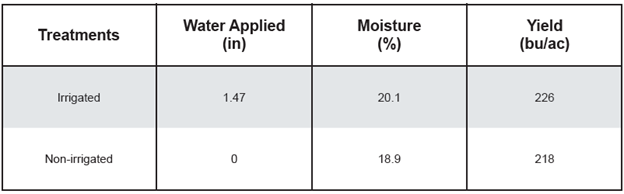
Figure 2: Study information for Beck's Hybrid location in 2023 cropping season.
Figure 2: Study information for Beck’s Hybrid location in 2023 cropping season.
Figure 3: Results for Beck's Hybrid field location in 2023.
Figure 3: Results for Beck’s Hybrid field location in 2023.

In 2023, field 7 at MCAC was in soybeans and had no irrigation completed for this growing season.

Field 8A at MCAC was in corn for the 2023 cropping season. Irrigation had a statistically significant effect on yield over all treatments. Nitrogen had statistical significance from 120 versus 170 and 220 units on nitrogen treatments. The 170 units of nitrogen was the optimal amount of nitrogen for all treatments. Not having the irrigator installed in early June caused there to be less yield in irrigated treatments. The results of this location from 2023 should be taken lightly as complete implementation was not done until August. Location study information can be seen in Figure 4 and results in Figure 5.
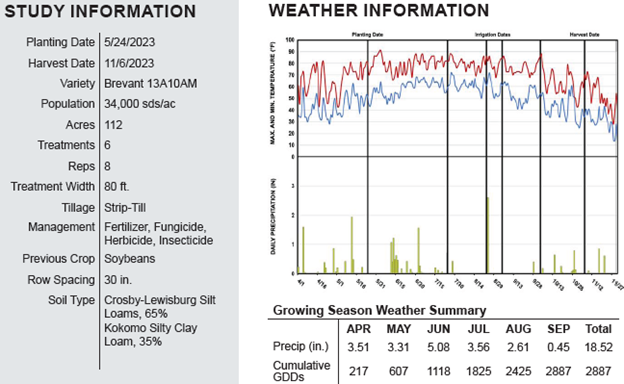
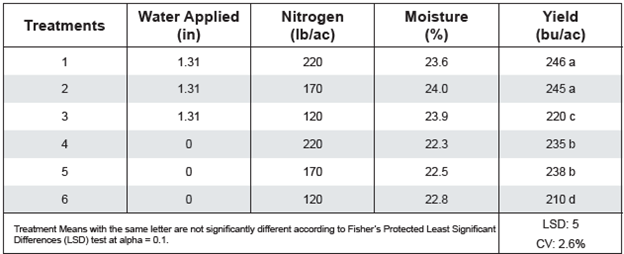
Figure 4: Study information for MCAC 8A location in 2023 cropping season.
Figure 5: Results for MCAC 8A field location in 2023.

2024 Results

Field 7 at MCAC was in corn for the 2024 cropping season. Irrigation had a statistically significant effect on yield over all treatments. There was a 48 bu/ac between irrigated two-thirds nutrients and non-irrigated and 44 bu/ac between irrigated and non-irrigated for the 2024 growing season. A total of 773 gallons of diesel was used to run the irrigator for this trial for 2024 cropping season across 71 acres. A total of 25,739 kWh was used to run the electric pumps, base station, and well for 2024 growing season across 71 acres. These are the initial results that were published in efields and further results will continue to be analyzed to meet all project objectives. This data will be used to help in evaluating HCRI versus traditional crop production and management practices to meet project objectives. Location study information can be seen in Figure 6 and results in Figure 8. In Figure 7, aerial imagery can be seen from the 2024 cropping season.

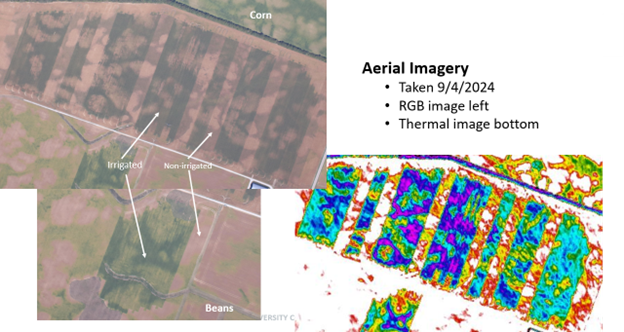
Figure 6: Study information for MCAC 7 location in 2024 cropping season.
Figure 7: Aerial imagery of field 7 (Top l) and field 8A (Bottom left) from 2024 cropping season.
Figure 8: Results for MCAC 7 field location in 2024.

Field 8A at MCAC was in soybeans for the 2024 cropping season. Irrigation had a statistically significant effect on yield over non-irrigated. A total of 211 gallons of diesel was used to run the irrigator for this trial for 2024 cropping season across 11 acres. A total of 3,475 kWh was used to run the electric pumps, base station, and well for 2024 growing season across 11 acres. Location study information can be seen in Figure 9 and results in Figure 10. In Figure 7, aerial imagery can be seen from the 2024 cropping season.

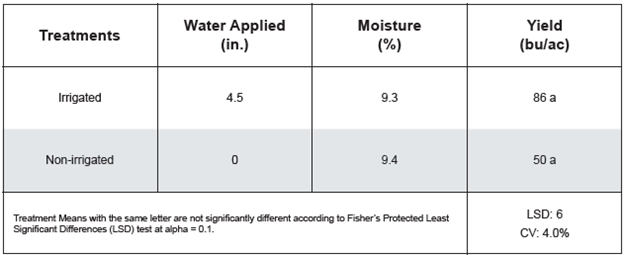
Figure 9: Study information for MCAC 8A location in 2024 cropping season.
Figure 10: Results for MCAC 8A field location in 2024.

Future Plans

During the next 12 months, we are planning for the HCRI operation at the two sites for cropping practices and irrigation for 2025 growing season. We will be aggregating weather data, agronomic data, plant samples, surface and ground water quality samples, and machine performance data for all years of the project with the current end date as spring of 2026. We are hoping to continue to perform testing with this technology and implementing the dry product skid for field operations for the 2025 growing and full-scale implementation across all studies in 2026. The results from the Iowa State portion of this funded project will also be reported in the future as well. There is a significant need to further develop programs for injecting macro and micronutrients in liquid and granular form for growers. The potential to significantly cut application rates exists with this technology. Also, implementing this technology with liquid livestock manure producers will change the paradigm of how manure is managed in the future.

Authors

Presenting & corresponding author

Andrew Klopfenstein, Senior Research Engineer, The Ohio State University, Klopfenstein.34@osu.edu

Additional authors

Justin Koch, Innovation Engineer, 360YieldCenter; Kapil Arora, Field Agricultural Engineer, Iowa State University; Daniel Anderson, Associate Professor, Iowa State University; Matthew Helmers, Professor, Iowa State University; Kelvin Leibold, Farm Management Specialist, Iowa State University; Alex Parsio, Research Engineer, The Ohio State University; Chris Tkach, Lecturer, The Ohio State University; Christopher Dean, Graduate Research Associate, The Ohio State University; Ramareo Venkatesh, Research Associate, The Ohio State University; Elizabeth Hawkins, Agronomics Systems Field Specialist, The Ohio State University; John Fulton, Professor, The Ohio State University; Scott Shearer, Professor and Chair, The Ohio State University

Additional Information

eFields On-Farm Research Publication 2023 and 2024 Editions – https://digitalag.osu.edu/efields

Acknowledgements

Natural Resources Conservation Service – Conservation Innovation Grant (NR223A750013G037)

Ohio Department of Agriculture – H2Ohio Grant

USDA, NRCS, 360YieldCenter, Beck’s Hybrids, Molly Caren Agricultural Center, Rooted Agri Services, Iowa State University, The Ohio State University


The authors are solely responsible for the content of these proceedings. The technical information does not necessarily reflect the official position of the sponsoring agencies or institutions represented by planning committee members, and inclusion and distribution herein does not constitute an endorsement of views expressed by the same. Printed materials included herein are not refereed publications. Citations should appear as follows. EXAMPLE: Authors. 2025. Title of presentation. Waste to Worth. Boise, ID. April 7-11, 2025. URL of this page. Accessed on: today’s date.
Moving Manure Research Forward Through the NRCS CIG Program

The Conservation Innovation Grants (CIG) program is a federal grant program that is part of the USDA NRCS EQIP program. This talk will describe the most significant parts of the program, explain the program intent and eligibility, and outline important program requirements that are unique to CIG. The second part of the presentation will review several successful projects on equipment and practices for in-season nutrient management and nutrient recovery techniques. This presentation was originally broadcast on February 28, 2025. Continue reading “Moving Manure Research Forward Through the NRCS CIG Program”

Conservation Planning for Air Quality and Atmospheric Change (Getting Producers to Care about Air)

Purpose

The United States Department of Agriculture-Natural Resources Conservation Service (USDA-NRCS) works in a voluntary and collaborative manner with agricultural producers to solve natural resource issues on private lands. One of the key steps in formulating a solution to those natural resource issues is a conservation planning process that identifies the issues, highlights one or more conservation practice standards that can be used to address those issues, and allows the agricultural producer to select those conservation practices that make sense for their operation. In this conservation planning process, USDA-NRCS looks at natural resource issues related to soil, water, air, plants, animals, and energy (SWAPA+E). This presentation focuses on the resource concerns related to the air resource.

What Did We Do

In order to facilitate the conservation planning process for the air resource, USDA-NRCS has focused on five main issues: emissions of particulate matter (PM) and PM precursors, emissions of ozone precursors, emissions of airborne reactive nitrogen, emissions of greenhouse gases, and objectionable odors. Each of these resource concerns are further subdivided into resource concern components that are mainly associated with different types of sources or activities found on agricultural operations. By focusing on those agricultural sources and activities that have the largest impact on each of these air quality and atmospheric change resource concerns, USDA-NRCS has developed a set of planning criteria for determining when a resource concern exists. We have also identified those conservation practice standards that can be used to address each of the resource concern components.

What Have We Learned

Our focus on the agricultural sources and activities that have the largest impact on air quality has helped to evolve the conservation planning process by adding resource concern components that are targeted and simplified. This approach has led to a clearer definition of when a resource concern is identified, as well as how to address it. For example, the particulate-matter focused resource concern has been divided into the following resource concern components: diesel engines, non-diesel engine combustion equipment, open burning, pesticide drift, nitrogen fertilizer, dust from field operations, dust from unpaved roads, windblown dust, and confined animal activities. Each of these types of sources can produce particles directly or gases that contribute to fine particle formation. In order to know whether a farm has a particulate matter resource concern, a conservation planner would need to determine whether one or more of these sources is causing an issue. Once the source(s) of the particulate matter issue is identified, a site-specific application of conservation practices can be used to resolve the resource concern.

We expect that increased clarity in the conservation planning process will lead to a greater understanding of the air quality and atmospheric change resource concerns and how agricultural producers can reduce air emissions and impacts. Simple and clear direction should eventually lead to greater acceptance of addressing air quality and atmospheric change resource concerns.

Future Plans

USDA-NRCS will continue to refine our approach to addressing air quality and atmospheric change resource concerns. As we gain a greater scientific understanding of the processes by which air emissions are generated and air pollutants are transported from agricultural operations, we can better target our efforts to address these emissions and their resultant impacts. Internally, we will be working throughout our agency to identify those areas where we can collaboratively work with agricultural producers to improve air quality.

Authors

Greg Zwicke, Air Quality Engineer, USDA-NRCS National Air Quality and Atmospheric Change Team
greg.zwicke@usda.gov

Additional Authors
Allison Costa, Air Quality Engineer, USDA-NRCS National Air Quality and Atmospheric Change Team

Additional Information

General information about the USDA-NRCS can be found at https://www.nrcs.usda.gov. An overview of the conservation planning process is available at https://www.nrcs.usda.gov/wps/portal/nrcs/detail/national/programs/technical/cta/?cid=nrcseprd1690815.

The USDA-NRCS website for air quality and atmospheric change is https://www.nrcs.usda.gov/wps/portal/nrcs/main/national/air/.


The authors are solely responsible for the content of these proceedings. The technical information does not necessarily reflect the official position of the sponsoring agencies or institutions represented by planning committee members, and inclusion and distribution herein does not constitute an endorsement of views expressed by the same. Printed materials included herein are not refereed publications. Citations should appear as follows. EXAMPLE: Authors. 2022. Title of presentation. Waste to Worth. Oregon, OH. April 18-22, 2022. URL of this page. Accessed on: today’s date.

Conservation Practices and Animal Agriculture


Module Home | Importance of Conservation | Conservation Practices in Animal Ag (you are here)

Many conservation practices are available for animal agriculture producers interested in protecting air and water quality, improving soil health or wildlife habitat, and increasing the productivity of animals, pastures, and crops. This module will especially focus on conservation practices impacting water quality with the goal of keeping clean water clean.

Farmers and ranchers can implement conservation practices on their own. They can also seek technical or financial assistance through agencies such as a local Conservation District or USDA Natural Resources Conservation Service (NRCS).

NRCS has developed approximately 160 conservation practice standards at the national level. States have the option of adopting a standard and using the same or more stringent criteria. Farmers should use state-adopted standards whenever available. To find out whether your state has adopted a certain standard, contact your local NRCS office.

Conservation practices relevant to water quality and animal agriculture can be divided into three categories. Clicking the link will take you to a virtual tour website that describes each practice and includes several photos.

Manure
Management

manure storage structure

Land & Pasture Management

stream crossing

Mortality
Management

poultry mortality compost

Conservation Practices Included In Each Virtual Tour

Manure Management

  • Anaerobic Digester (366)
  • Composting Facility (317)
  • Dust Control from Animal Activity on Open Lot Surfaces (Ac.) (375)
  • Feed Management (592)
  • Nutrient Management (590)
  • Roofs and Covers (367)
  • Vegetated Treatment Area (635)
  • Waste Facility Closure (360)
  • Waste Recycling (633)
  • Waste Separation Facility (632)
  • Waste Storage Facility (313)
  • Waste Transfer (634)
  • Waste Treatment (629)
  • Waste Treatment Lagoon (359)

Land & Pasture Management

  • Access Control (472)
  • Cover Crop (340)
  • Critical Area Planting (342)
  • Denitrifying Bioreactor (605)
  • Diversion (362)
  • Fence (382)
  • Filter Strip (393)
  • Grassed Waterway (412)
  • Heavy Use Protection Area (561)
  • Livestock Shelter Structure (576)
  • Prescribed Grazing (528)
  • Riparian Forest Buffer (391)
  • Riparian Herbaceous Cover (390)
  • Saturated Buffer (604)
  • Streambank & Shoreline Protection (580)
  • Stream Crossing (578)
  • Watering Facility (614)

Mortality Management

  • Animal Mortality Facility (316)
  • Emergency Animal Mortality Management (368)

Applying Conservation Practices to Individual Farms

Conservation practices should be implemented on an individual farm basis to ensure they are addressing a natural resource concern and will be effective in the particular farm setting.

Some questions to ask when evaluating whether a conservation practice will be beneficial for an animal agriculture operation:

  • Is the farm a confinement facility or are animals on pasture (or both)?
  • Are confined animals kept under a roof or open lots (or both)?
  • Where are pastured animals housed or fed in the winter?
  • Does the operation include crop land?
  • Are there waterbodies such as streams or ponds on the facility or crop land?
  • How does the farm store or handle manure; as a solid or slurry/liquid?
  • How much manure does the farm produce and where is it currently stored?
  • Are there neighbors nearby? How many and where?
  • Are there environmentally sensitive features on or near the facility? Wells, sinkholes, public parks or public use areas, wildlife, impaired waterbody, or similar features should all be considered.
  • What are the goals of the farmer or rancher? What is important to them and what do they have interest and capacity to implement and manage?

For example, consider these fictional farms. Both have 200 dairy cows and are interested in developing a manure management system. They are both in the same state with similar soil types.

Farm 1: There is a child in college interested in returning to help manage the farm, so future expansion is a strong possibility. The farm has sufficient cropland to use the manure they currently produce as crop fertilizer.

Farm 2: This farm is considering organic production. They do not have much cropland and must export most of their manure to neighboring crop farmers. This farm also has connections to organic crop farmers as well as the nursery and landscape industry.

While both farms have similar characteristics, they have very different goals. Their conservation plans could be very different. Farm 1 is likely to consider an earthen or concrete slurry manure storage structure with the biggest question being how large to make the structure considering a possible expansion in the near future. They are likely to develop a comprehensive nutrient management plan (CNMP) to ensure the cropland base continues to support any future expansion.

Farm 2 may look at manure collection and storage very differently. The cattle may have access to open lots (manure is handled as a solid) or grazing paddocks. Given the off-farm connections and lack of crop land, composting or other ways to generate value-added products may be an option. Marketing manure or exporting it off-farm will be important to this farm’s manure management plans.

Both farms intend to protect natural resources but need to implement different practices to reach their goals.

Previous: Importance of Conservation | Next: (Home) Animal Ag, Manure, and Stewardship

Acknowledgements

These materials were developed by the Livestock and Poultry Environmental Learning Center (LPELC) with funding from the USDA.Natural Resources Conservation Service through an interagency agreement with the U.S. Environmental Protection Agency.
All images on this page, unless otherwise noted, are courtesy of the U.S. Department of Agriculture or USDA NRCS. For questions on this material, contact Jill Heemstra, jheemstra@unl.edu.


The Importance of Conservation in Animal Agriculture


Module Home | Importance of Conservation (you are here) | Conservation Practices in Animal Ag

This page focuses largely on USDA Natural Resources Conservation Service (NRCS) practice standards and how NRCS works with farmers by providing technical and financial assistance. The next section in this module discusses many of the practices relevant to animal agriculture in greater detail.


Why is conservation important in animal agriculture?

Conservation is key for farmers interested in protecting natural resources while producing food, fuel, and fiber from working lands. There are a variety of conservation practices that can be voluntarily implemented to protect natural resources for surrounding ecosystems, community, and future generations. Conservation practices can have both on-farm and off-farm benefits and can be customized to the unique location, soils, and needs of each farm. Conservation practices are site-specific, not one-size-fits-all. They must be planned and installed with the characteristics of the individual site in mind.

Many conservation practices are voluntary and incentivized through technical and financial assistance. If a farm is subject to regulatory oversight, NRCS practice standards may not meet the requirements of state or federal regulations or permits. Producers should double-check those requirements rather than assuming that they will suffice.

several different types of animal agriculture operations

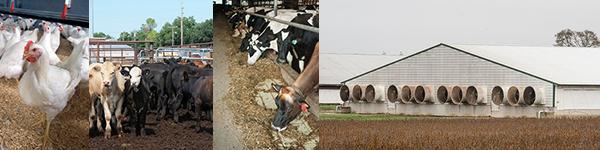
Photo 1. Animal agriculture operations are very different from farm to farm.

Because manure is one of the largest by-products of animal feeding operations, conservation practices are often designed to increase the farmer’s ability to manage manure as a beneficial resource and reduce risk associated with manure application. Nutrients (whether from manure or from inorganic fertilizer) not taken up by crops can run off from fields or leach to groundwater through rain events or irrigation.

Conservation practices can have beneficial impacts on water quality, wildlife habitat, and air quality. Adopting practices that result in manure applications that are well-timed, at agronomic rates, and away from sensitive locations can help farmers make significant positive contributions to water quality. Conservation practices are important in grazing operations to improve soil and vegetation health and to protect water quality and wildlife habitat. For example, restricting livestock access to a stream or creek reduces the chance the animals will deposit manure or urine in the water, break down stream banks and beds, and/or stir up sediment. Rotational grazing can provide important rest and recovery time for vegetation and allow wildlife cover for nesting or raising their young.

Agencies Involved in Implementing Conservation on Farms

There are several public agencies that cooperate to encourage the use of conservation practices on farms:

USDA Natural Resources Conservation Service (NRCS)

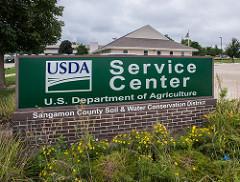
usda service center sign

Photo 2. A local USDA Service Center

USDA NRCS was established in 1935 to work in close partnerships with farmers and ranchers, local and state governments, and other federal agencies to maintain healthy and productive working landscapes on a voluntary, non-regulatory basis. Originally known as the “Soil Conservation Service,” the name was changed to NRCS in 1994 to better reflect the broad scope of the agency’s mission. Learn more about the history of NRCS.

The National Office is located in Washington, DC, and is where national policy, procedures, and conservation practice standards are developed. State offices adopt these standards, either directly, or with changes that make the standards more stringent. The local or district office (Photo 2) works directly with farmers and ranchers to assist them in protecting natural resources by implementing conservation practices on working land. They provide technical and sometimes financial assistance for conservation practices. Learn more about how NRCS is organized.

Video: How to receive conservation assistance from NRCS

Financial assistance for USDA NRCS conservation practices comes from the Farm Bill, a piece of legislation that is developed about every 5 years by Congress. The Farm Bill is traditionally made up of several programs in the areas of food and nutrition assistance, marketing, commodity support, research, conservation, and more. The conservation programs authorized in the 2014 Farm Bill include:

  • Environmental Quality Incentives Program (EQIP)
  • Conservation Stewardship Program (CSP)
  • Agricultural Management Assistance Program (AMA)

Local NRCS offices will help farmers determine if their conservation needs are a fit for financial assistance. Factors that they will consider include:

  • Whether the farm is in a watershed or area designated with a high need for conservation practices
  • Past efforts of the farmer
  • Legislative priorities, such as bioenergy
  • The need to encourage beginning, veteran, and minority farmers

More information on financial assistance is available below (How Do Farmers Access Technical or Financial Assistance for Conservation?)

Conservation Districts

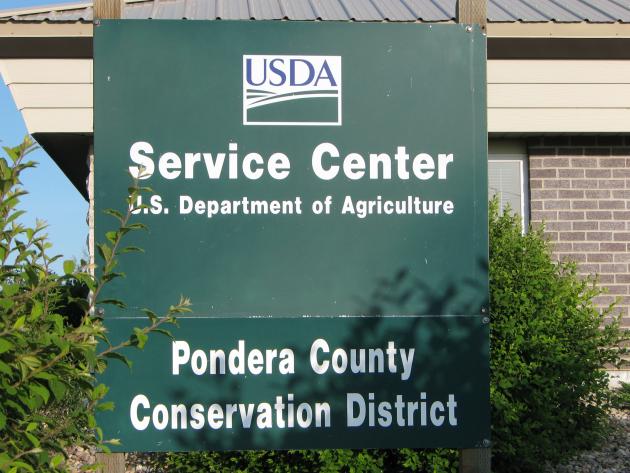
conservation district signPhoto 3. This local conservation district office is located in the same building as the local USDA service center.

Conservation districts are local governmental units responsible for protecting and conserving natural resources in their assigned geographic area. They are governed by a locally-elected board. In some states, they may have a different name, such as soil and water conservation district or natural resource conservation district. There are over 3,000 conservation districts, nationwide.

Conservation districts often partner with NRCS (Photo 3) to work with local farmers, ranchers, and other landowners to implement conservation practices that help address issues of local importance. By working together, NRCS and the districts can more efficiently address conservation needs.

US Environmental Protection Agency

EPA’s role in conservation is primarily regulatory but also includes non-regulatory, voluntary, and incentive-based programs such as the Clean Water Act Section 319 funding. This program provides grants to states and tribes to reduce nonpoint source runoff.

EPA also develops partnerships with industry. One such example is the EPA AgSTAR program, which works with farmers on a voluntary basis to encourage the use of anaerobic digesters for manure treatment and renewable energy generation.

Recommended resource: EPA National Agriculture Center includes information on regulations, compliance assistance, and partnerships.

State Environmental/Water Quality Agencies

sky reflected in water

Photo 4. State environmental agencies are generally tasked with enforcing the Clean Water Act and Clean Air Act.

Many Clean Water Act and other programs that originate with federal statutes are implemented by State, Tribal, and Territorial environmental agencies. Those programs generally work directly with local partners and landowners to develop watershed plans and implement nonpoint source control measures. Those partners often include Conservation Districts for agricultural projects and often utilize resources from multiple agencies and organizations, including USDA. Under Section 319 of the CWA, states, territories, and tribes receive grant money that supports a wide variety of activities to control nonpoint source pollution, including technical assistance, financial assistance, education, training, technology transfer, demonstration projects, and monitoring to assess the success of nonpoint source implementation projects.

Recommended Resource: Nonpoint Source Success Stories features stories about nonpoint source impairments with documented water quality improvements attributable to restoration efforts.

State Agricultural Departments

For the most part State agricultural Departments do not play a direct regulatory role in enforcing the Clean Water Act or Clean Air Act. One major area where state agriculture departments are involved in the implementation of conservation practices are in the case of animal mortality, both routine and catastrophic. Most states have regulations that specify appropriate methods for carcass disposal. State agriculture departments may also develop programs that encourage the use of conservation practices through cost-share, educational outreach, or other methods.

NRCS Conservation Practice Standards

There are over 160 conservation practices for which national standards have been developed. Any that are adopted by a state can be implemented in that state to assist farmers and ranchers with their environmental stewardship efforts. Farmers and ranchers should use the conservation practice adopted by the state, rather than the national standard.

To find your state’s approved practice standards, contact your local NRCS office for assistance.

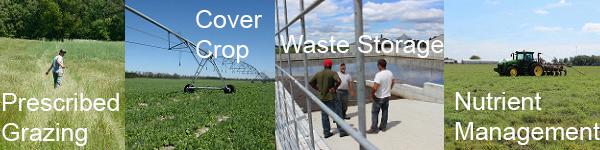
conservation practice collage

Photo 5. Many different conservation practices are used on animal agriculture operations.

What are conservation practice standards?

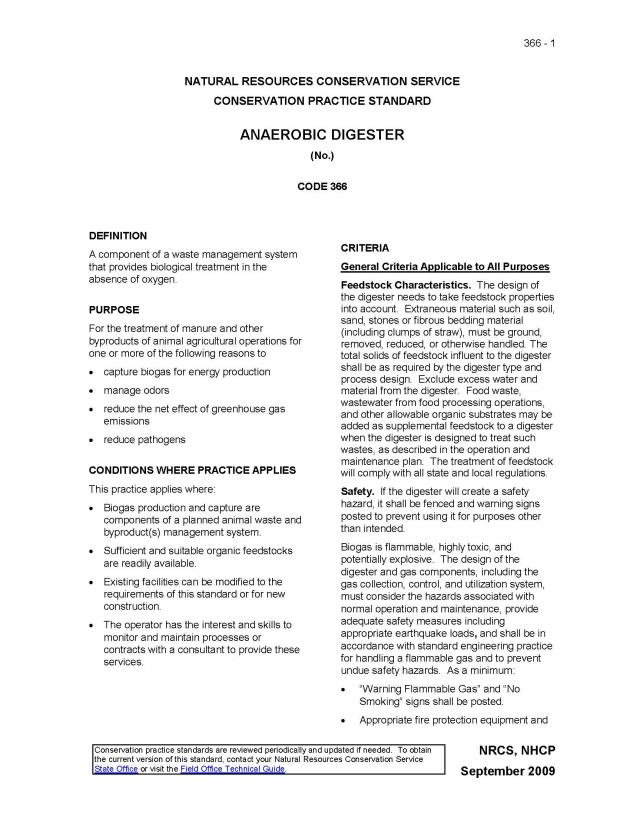
page 1 of the conservation practice standard for anaerobic digester (366)

Photo 6. A screenshot of the Anaerobic Digester conservation practice standard. Click here to download the full-size PDF version.

A conservation practice is defined as: “A specific treatment, such as a structural or vegetative measure, or management techniques, commonly used to meet specific needs in planning and implementing conservation, for which standards and specifications have been developed.”

NRCS conservation practice standards provide guidance for applying conservation practices and set the minimum level for acceptable application of the technology. Each standard is given a number. For example, the standard for “Anaerobic Digester” is #366. Practice standards include information (Photo 6), such as:

  • Purpose: The conservation goal achieved with this practice
  • Where it applies: The type of farm, land use, or situation where the practice is appropriate
  • Criteria: Location, safety considerations, permits needed, management, related conservation practices, and other important considerations

Three categories of conservation practices that apply to animal agriculture include:

  • Manure Management
  • Land and Pasture Management
  • Mortality (Dead Animal) Management

Specific practices and details about each practice are included in the next section, Conservation Practices in Animal Agriculture.

How are standards for practices developed/updated?

Practice standards may be newly identified or change over time based on new science and technology. They are periodically reviewed and updated, usually every 5 years. Any new or updated practice standard is reviewed by technical experts in pertinent fields and is available for review and comment by the public before it is adopted.

NRCS publishes national conservation practice standards in its National Handbook of Conservation Practices (NHCP). If a practice is adopted by a state, the state has some latitude to develop a more stringent or specific version that fits typical conditions or situations in that state.

Recommended Resource: The first 12-13 minutes of the video “Use of NRCS Conservation Practice Standards and Specifications” describes the process of how a new standard may be identified as well as the process used to validate it and the sections included in a standard. It is presented for NRCS staff, but is useful for others that work with farmers who want more background on how a practice standard is developed and what is required to be in a standard.

What is conservation planning?

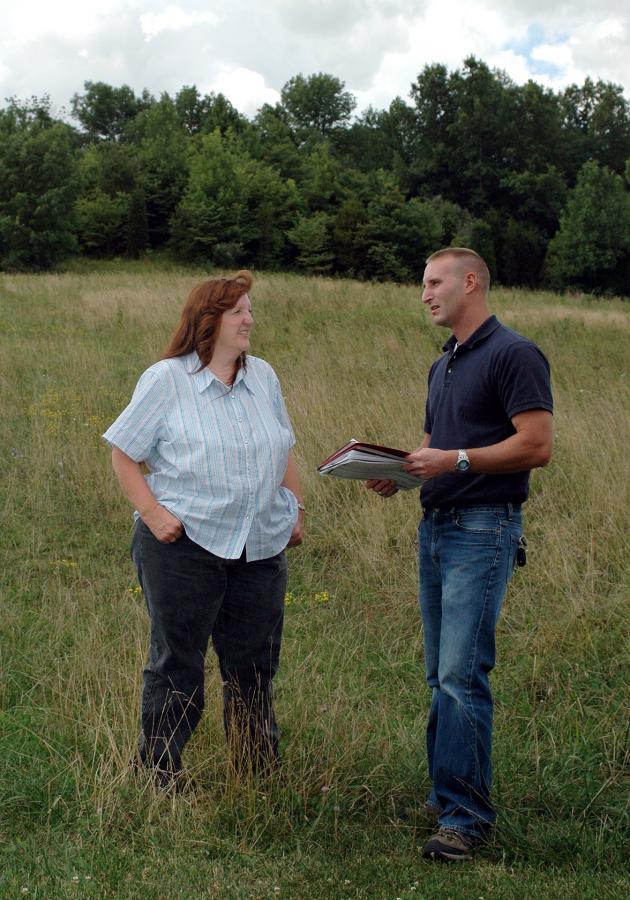
conservation planning

Photo 7. Conservation planning needs to consider individual farm goals and current conditions.

A conservation plan is a record of the conservation practices implemented on a farm or ranch. It may include sub-plans such as one for grazing management, comprehensive nutrient management, wildlife management, or others.

Conservation planning starts with a farmer or rancher recognizing a problem area or wanting to improve some aspect of the farm or ranch. The next step is to contact NRCS. NRCS helps the farmer or rancher review and analyze the current conditions for possible solutions. Depending on the preferences of the client, certain practices may be selected to include in the conservation plan.

Conservation plans are voluntary and are developed by NRCS at no cost.

How do farmers access technical or financial assistance for conservation?

Contact your local NRCS office to access technical assistance in implementing conservation practices. If conservation practices are eligible for financial assistance (cost-share), farmers complete and submit an application. If approved for cost-share, a contract is developed that specifies what will be done, when it will be done, and how much assistance will be provided.

A look at specific practices that can apply to animal agriculture operations is discussed in the next section, Conservation Practices in Animal Agriculture

Previous: (Home) Animal Ag, Manure, and Water Quality | Next: Conservation Practices in Animal Ag

Acknowledgements

These materials were developed by the Livestock and Poultry Environmental Learning Center (LPELC) with funding from the USDA.Natural Resources Conservation Service through an interagency agreement with the U.S. Environmental Protection Agency.
All images on this page, unless otherwise noted, are courtesy of the U.S. Department of Agriculture or USDA NRCS. For questions on this material, contact Jill Heemstra, jheemstra@unl.edu.
 

USDA-NRCS Conservation Practice Standard: Amending Soil Properties with Gypsum Products


Proceedings Home W2W Home w2w17 logo

The US Department of Agriculture National Resource Conservation Service is tasked with providing support to preserve the nation’s natural resources.  They provide farmers with financial and technical assistance to voluntarily put conservation practices on the ground by promoting methods to preserve and improve natural resources and promoting Best Management Practices for environmentally sound farm production.  The NRCS uses technical guides or “Conservation Practice Standards”, which contain technical information about the conservation of soil, water, air, and related plant and animal resources, as the primary scientific references for this process.  Recently, the NRCS has developed a new national conservation practice standard for the use of gypsum to improve soil resources.  This presentation will discuss the specifics of this standard and the particular relevance to animal waste management.

The NRCS national conservation practice standards entitled “Amending Soil Properties with Gypsum Products” has the following definition: using gypsum- (calcium sulfate dihydrate) derived products to change the physical and/or chemical properties of soil.  The standard outlines the use of gypsum for four different purposes, two of which are directly related to animal waste management.  These two purposes are: 1) Improve surface water quality by reducing dissolved phosphorus concentrations in surface runoff and subsurface drainage, and 2) Improve water quality by reducing the potential for pathogens and other contaminants from moving from areas of manure and biosolids application.  The specific guidance provided in the standard for these two purposes will be discussed.  There are also concerns regarding gypsum use in agriculture which are addressed in the standard.  The guidance regarding these concerns will also be discussed.  Within NRCS, the promotion of Best Management Practices for the natural resource conservation is handled on a state by state bases.  This allows each state to focus on the issues that are most important for their specific region.  An update of the current activities of the NRCS for financial and technical assistance in regards to gypsum use will be discussed.    

Author

H. Allen Torbert

The authors are solely responsible for the content of these proceedings. The technical information does not necessarily reflect the official position of the sponsoring agencies or institutions represented by planning committee members, and inclusion and distribution herein does not constitute an endorsement of views expressed by the same. Printed materials included herein are not refereed publications. Citations should appear as follows. EXAMPLE: Authors. 2017. Title of presentation. Waste to Worth: Spreading Science and Solutions. Cary, NC. April 18-21, 2017. URL of this page. Accessed on: today’s date.
 

Using Whole Farm Walkovers to Prioritize Soil and Water Management with Farmers and Evaluate Watershed Resource Condition


Purpose

Each farm uniquely contributes toward collective water quality passing through and leaving their neighborhood.  University of Wisconsin – Discovery Farms research shows that critical sites, critical times, and critical conditions play a major role in loss of sediment and nutrients from farmland.  Critical site losses can contribute the majority of whole farm annual sediment and nutrient loss, and very often, single-large event storms can be the source of almost all loss from a farm in any given year.  Identifying critical areas, and how they are being managed, is step one toward maintaining soil productivity and minimizing sediment and nutrient loss within agricultural watersheds.

To understand and reduce agriculture’s environmental footprint, there needs to be accurate documentation of what’s currently happening on the land and how the current farming system is impacting water quality.  UW – Discovery Farms has been working with farmers to conduct whole farm walkovers to document and better understand the effectiveness of their farming system toward minimizing sediment and nutrient loss from cropland.

example text from a farm walkoverWhat we did

The UW – Discovery Farms Program and Yahara Pride Farms, a non-profit organi­zation dedicated to improving water quality of the Yahara River wa­tershed in south central, Wisconsin, have worked with more than 60 farmers in three Wisconsin watersheds to conduct whole farm walkovers (2012-2014).   This process helped prioritize soil and water management on individual farms by raising awareness of critical site locations and what their current condition is.  On a watershed scale, whole farm walkovers also help to evaluate watershed resource conditions at a particular point in time.

Whole farm walkovers evaluated cropland and other farmland areas, identifying critical sites where significant loss of sediment and/or nutrients either could occur, or was actively occurring.  This concept is producer derived and producer desired, and was not meant to take the place of agency plans.

figure 2. example map from a walkoverA simple “stop-light” scoring process was used to attach qualitative scores to critical sites that posed risk for sediment or nutrient loss as follows: 1) Green  – areas with excellent or very good management (no changes required); 2) Yellow – areas that need some improvement over a period of 1 – 5 years; and 3) Red – areas that need improvement within the next 12 -18 months.

Walkovers were summarized into two-page color-coded text and map documents (Fig. 1 and 2).  This information identified the risk of sediment or nutrient loss with a rank based on the green-yellow-red criteria.  It also documented practices that farmers were currently using that protect water quality.  This information was shared with each farmer to ensure that the evaluation identified all of the critical areas on their farm.  Areas that need improvement were discussed and strategies developed to secure additional assistance where necessary.

What we learned

This concept is producer derived and producer desired.  Farmer feedback has helped improve the deliverables and keep the process practical.  Farmers have welcomed staff to walk their land and consult back with an honest discussion, helping them understand critical sites they manage.  Many “yellow and red” areas identified within cropland were corrected even before staff could return to the farm with summarized information.  This validates the importance of 1:1 on-farm interactions and the value farmers attached to the walkover process.  Whole farm walkovers have helped farmers begin planning repairs to actively contributing critical sites, and consider land management changes to minimize sediment and nutrient loss from their property.

Results from two different watersheds show approximately 75% of farmland is being managed very well, with minimal risk of losing sediment or nutrients; 20% needs some attention and conservation repair; and approximately 2% was showing significant risk, with most of that existing outside of cropland areas.  The general breakdown is similar between the two watersheds, with differences in the details and kind of yellow and red critical areas, reflecting local landscapes and farming systems.  A summary follows:

Watershed DR had 9,923 acres of farmland evaluated for 27 farmers on 85 tracts of land.  A total of 250 critical areas were identified in this glaciated, long sloped landscape influenced by corn-soybean crop rotations and a small number of active dairy farms, with breakout as follows:

  • (78%) green;
  • (20%) yellow – most categorized as concentrated water flow areas.  Other “yellows” included stream corridor, livestock areas, un-cropped upland areas, and manure piles;
  •  (< 2%) red – all categorized within stream corridors.

Watershed JV had 4,816 acres of farmland evaluated for 33 farmers on 54 tracts of land.  A total of 599 critical areas were identified in this unglaciated, steeper sloped landscape influenced by dairy / forage based farming systems, with breakout as follows:

  • (76%) green;
  • (21%) yellow – most categorized as concentrated water flow areas.  Other “yellows” included entry from cropland concentrated flow into non-cropland, un-cropped upland areas, livestock areas, and stream corridor;
  • (2.5 %) red – most categorized as un-cropped upland.  Other “reds” included concentrated flow areas, and livestock areas.

Future plans

We will teach this process to crop consultants, farmer groups, soil and water conservation professionals, and farmers to empower them with a proactive way to identify local critical sites and respond by choosing practical soil, water and nutrient management practices that work within their regional neighborhood and within their chosen farming systems.

Authors

Kevan Klingberg, and Todd Prill

Outreach Specialist, kevan.klingberg@ces.uwex.edu, and Watershed Coordinator, discovery.farms.prill@gmail.com, respectively, University of Wisconsin –Extension, Discovery Farms Program, PO Box 429, Pigeon Falls, WI, 54760, www.uwdiscoveryfarms.org.

Additional Information

Example walkover and map

http://www.uwdiscoveryfarms.org

The authors are solely responsible for the content of these proceedings. The technical information does not necessarily reflect the official position of the sponsoring agencies or institutions represented by planning committee members, and inclusion and distribution herein does not constitute an endorsement of views expressed by the same. Printed materials included herein are not refereed publications. Citations should appear as follows. EXAMPLE: Authors. 2015. Title of presentation. Waste to Worth: Spreading Science and Solutions. Seattle, WA. March 31-April 3, 2015. URL of this page. Accessed on: today’s date.