Closing Abandoned Livestock Lagoons Effectively to Utilize Nutrients and Avoid Environmental Problems

Proceedings Home W2W Home w2w17 logo

Purpose

In Nebraska alone, nearly 400 earthen manure storage structures are in operation; approximately four dozen requests to cease operation of permitted lagoons were received by the Nebraska Department of Environmental Quality in the prior decade with many more non-permitted storage structures being in need of proper closure. Abandoned livestock lagoons, earthen manure storage basins, and other manure storages (e.g. concrete pits) need to be decommissioned in a manner that controls potential environmental risk and makes economical use of accumulated nutrients. Currently, limited guidance is available to support lagoon closure planning and implementation and few professionals who support livestock producers have experience planning or participating in the manure storage closure process. The main focus of this project was to produce two videos that document the processes for planning and executing a lagoon closure.

What did we do?

The University of Nebraska Haskell Ag Laboratory, located near Concord, NE, had an anaerobic lagoon that was operated for over 20 years, but has not received swine manure additions since 2009 when the swine unit was depopulated. The decommissioning of this storage structure was proposed in 2014 and provided our team an opportunity to plan, implement and document the procedures necessary to properly close this structure. When we went to find material on how to accomplish this properly, we did not find suitable material. Two grants were secured in 2016 from the U.S. Pork Center of Excellence (USPCE) to fund our team efforts to document the closure process – from planning to completion – with two separate videos. The first video is focused on the planning activities necessary to prepare for removal and utilization of stored liquid and sludge. The second is focused on the liquid and sludge removal and utilization activities, decommissioning of conveyance structures, and deconstruction of the lagoon berm to return the site to a natural grade.

Activities conducted to execute the lagoon closure have included:

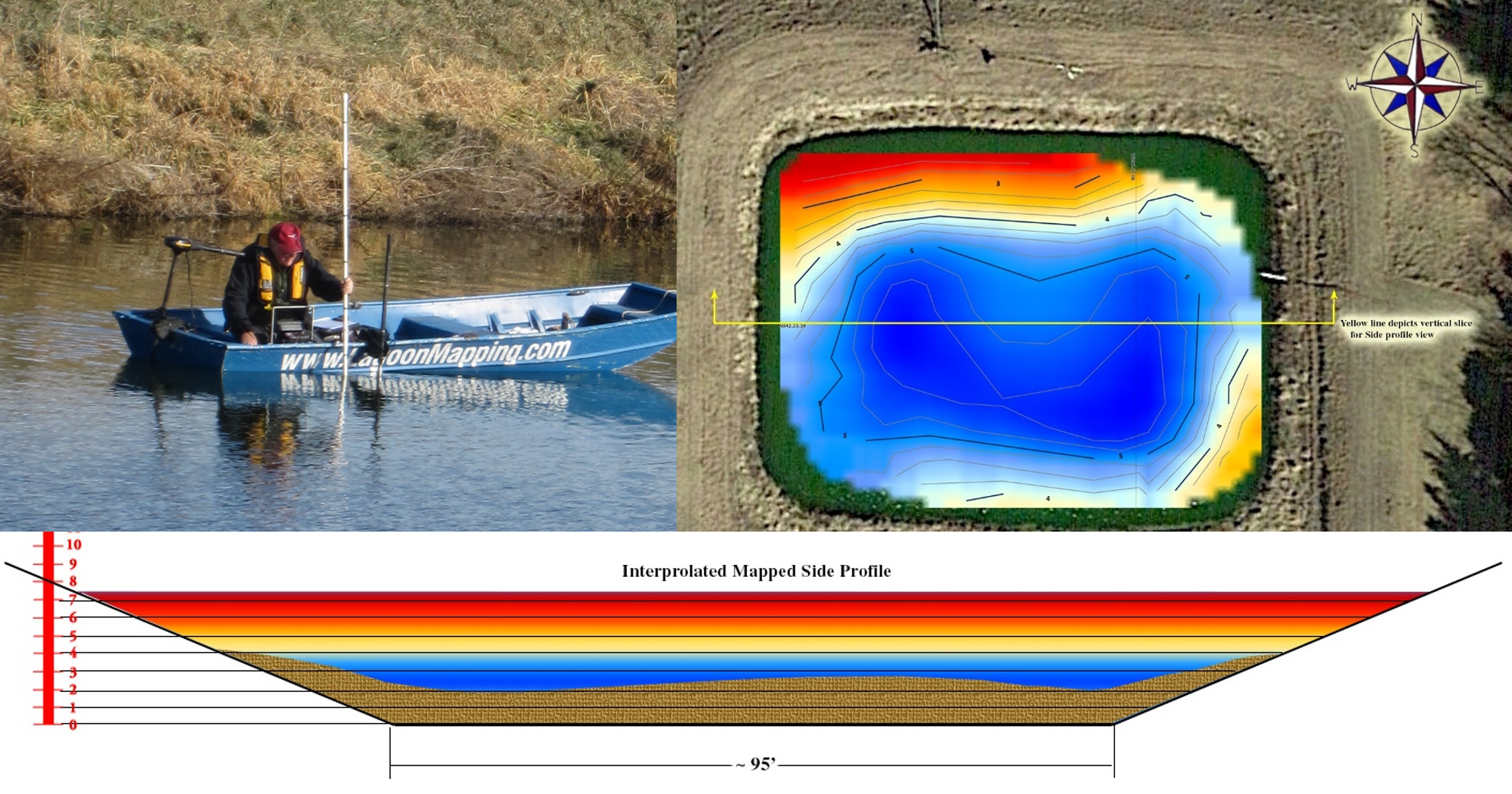
1) Mapping of sludge levels with sonar and analyzing sludge samples to estimate volume and nutrient content of sludge, which enabled development of a land application plan for utilizing the products

Figure 1. Sonar sludge mapping

Figure 1. Sonar sludge mapping.

2) De-watering the lagoon (effluent used for sprinkler irrigation and flood irrigation)

3) Hosting a demonstration event during which participants:

a. observed sludge removal and land application processes,

b. participated in a manure spreader calibration,

c. inspected the soil beneath the lagoon liner,

d. viewed the abandoned production buildings and heard about options for eliminating conveyance of liquid from the building to the lagoon,

e. explored alternative sludge removal methods, and

f. participated in a classroom session where presenters shared details of the closure planning process, cost-share opportunities for closure of manure storage structures, and expectations for re-grading and re-seeding the site following removal of sludge.

Figure 2. Participants learned about planning land application of the sludge

Figure 2. Participants learned about planning land application of the sludge.

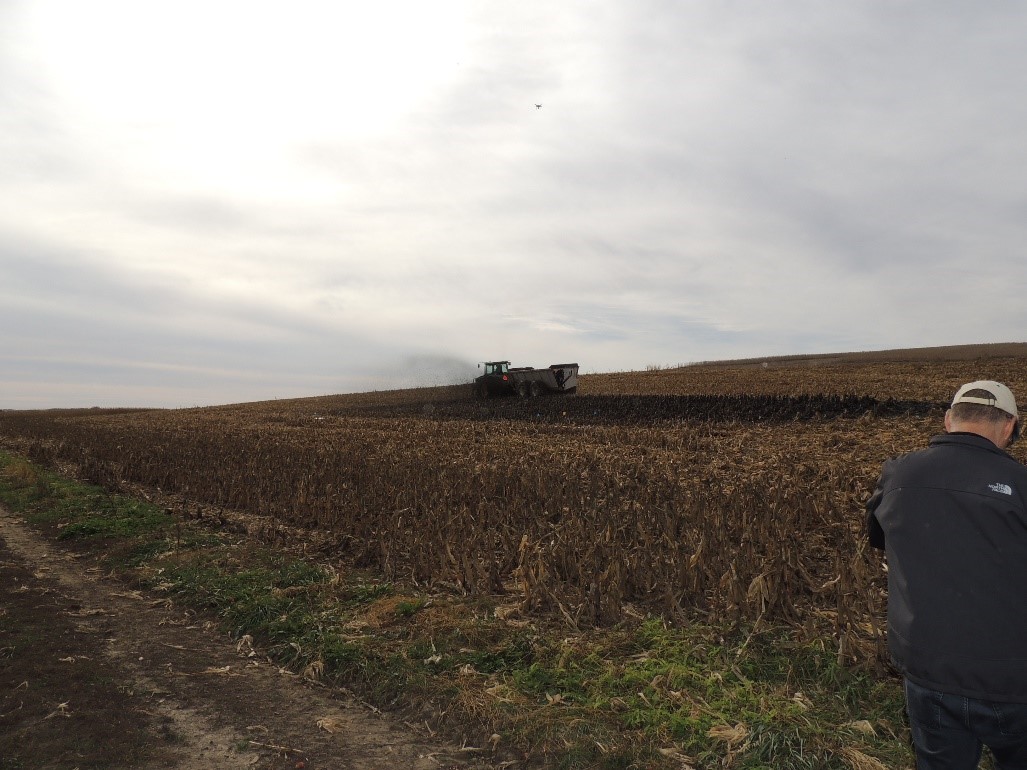
Figure 3. Land application of the sludge and calibration of the manure spreader

Figure 3. Land application of the sludge and calibration of the manure spreader.

4) Removing the sludge and applying it to cropland following the demonstration event.

Documentation of all planning, demonstration, and closure execution activities have been captured via extensive video footage, still photos, and participant interviews. Production of the videos is in process with completion and release of videos anticipated in summer 2017.

What have we learned?

Although every manure storage closure process is expected to present its own unique challenges and opportunities for learning, the process documented during this project has provided a number of insights:

1) While this process involved pumping liquid from the lagoon prior to attempting sludge removal in order to observe the sludge layer and document the volume present, a more appropriate, and likely more effective, process is to agitate the storage prior to and during pumping activities to enable handling all of the material as a slurry;

2) Dewatered sludge volume (nearly 200,000 gallons) and nutrient content (44.2 lbs. TKN, 37.5 lbs. organic N, 89.3 lbs. P2O5 and 7.6 lbs. K2O per 1,000 gallons) for this system yielded enough nutrients to apply to 80-100 acres, based on a phosphorus removal rate. It is unknown what the release of the organic N component of the sludge will be, but using just the phosphorus content, application of 1000 gallons per acre would provide enough phosphorus for what would be removed from 220 bushels of corn, which is worth approximately $35 with winter 2017 prices.;

3) Given the high phosphorus content in the sludge and that the nearby fields at the Haskell Ag Lab were not in need of phosphorus, an appropriate application rate for the sludge was determined as 8-10 tons/acre;

4) Soil beneath the lagoon liner yielded a phosphorus concentration of 556 ppm, likely a result of an inadequate liner in the lagoon as originally constructed in the 1960s; and

5) Installation of a bentonite clay liner during renovation of the structure in 1992 appeared to be effective as the liner was fully intact when observed during closure activities.

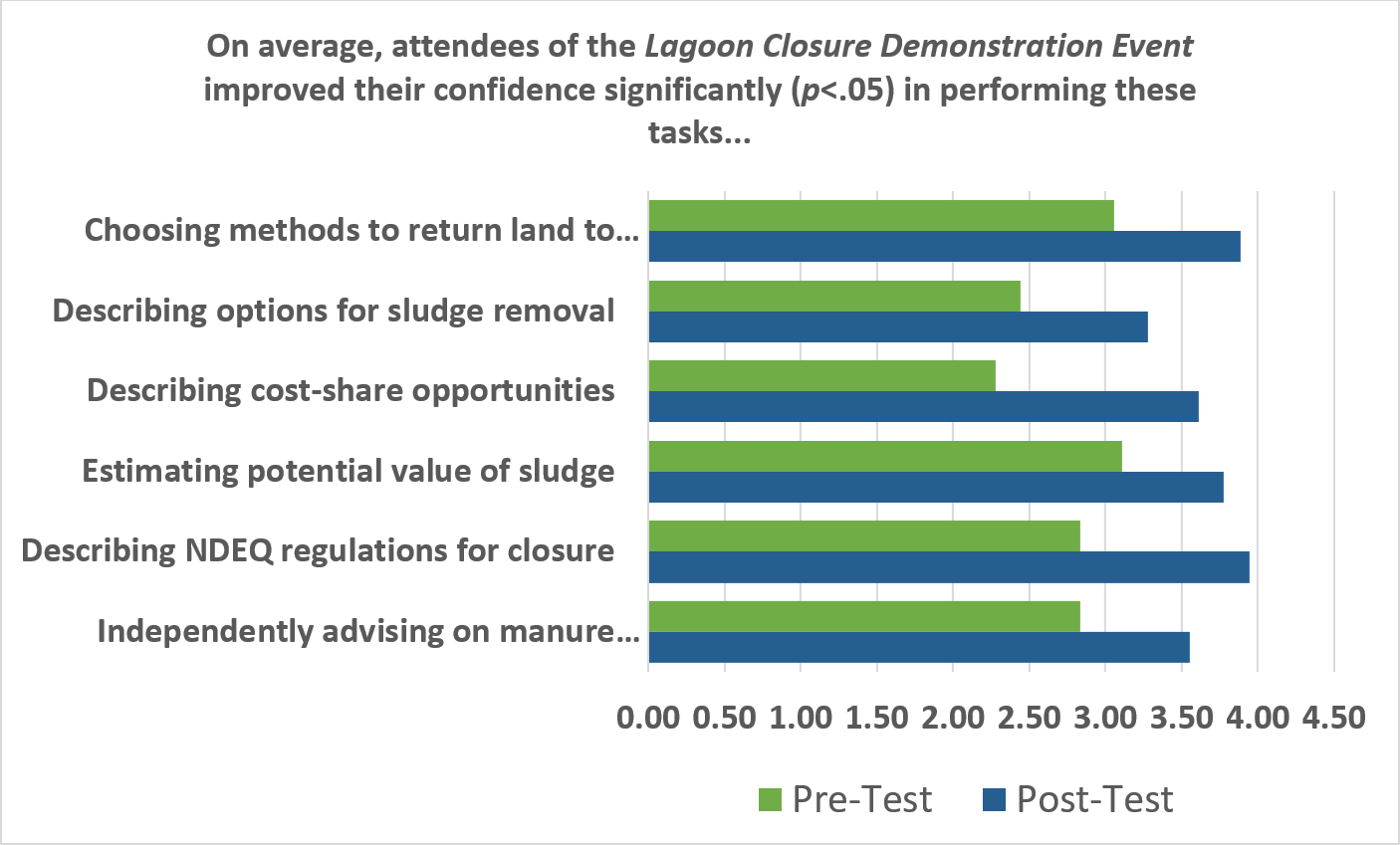
Pre-post surveys completed by 33 attendees of the demonstration event revealed that attendees improved their confidence in performing six key tasks identified by the team as being impactful. Results are summarized in Figure 4.

Figure 4. Impacts of the lagoon closure demonstration event

Figure 4. Impacts of the lagoon closure demonstration event.

Future Plans

We plan to continue the decommissioning process by:

1) Completing sludge removal and application to cropland;

2) Deconstructing the berms, leaving the liner intact, and returning the area to natural grade;

3) Seeding the area to establish ground cover and mitigate runoff and erosion; and

4) Plugging the inlet pipes in manure pits within the animal housing in lieu of removing buried conveyance pipes.

The two videos are in production and will be made available through the Pork Information Gateway (www.porkgateway.org) during summer 2017.

Corresponding author, title, and affiliation

Leslie Johnson, Research Technologist, University of Nebraska – Lincoln

Corresponding author email

ljohnson13@unl.edu

Other authors

Charles Shapiro and Amy Schmidt, University of Nebraska – Lincoln

Additional information

https://water.unl.edu/article/animal-manure-management/lagoon-closure-and-your-environmental-responsibility

Acknowledgements

The authors would like to recognize the U.S. Pork Center of Excellence (USPCE) for funding the development of the videos documenting this process and enabling us to complete this project. We would also like to acknowledge that without the support of the industry, who provided equipment and advice, we would not have been able to get this project off the ground. Also a special thanks to the Agricultural Research Division for their support.

Assessment of Coordinated Anaerobic Digestion of Dairy Manure


Proceedings Home | W2W Home w2w17 logo

Purpose            

Improving the economic feasibility of anaerobic digestion projects for processing dairy manure.

What did we do? 

We completed a study that evaluated the economics of dairy manure granulation as means to export phosphorus from P-sensitive watersheds. To achieve this goal we developed a techno-economic optimization model that considers all dairy farms within the watershed simultaneously to determine the minimum break-even price for the granulated manure.

A second study was developed to assess the economics of anaerobic digestion using a techno-economic optimization model. We incorporated different revenue sources (power sale, methane destruction credits, renewable energy certificates (RECs) and tipping fee (if co-substrate is available). The model evaluated the project feasibility over ranges of values for technical and economic parameters to quantify the project resilience to uncertainty in process conditions.

What have we learned? 

The results from the first study indicated that multi-farm participation can significantly improve feasibility and overall economics of manure granulation. Herd sizes were found to be a critical parameter in deciding whether a farm can economically participate in coordinated management. For manure granulation projects, liquid-solid separation followed by transportation of separated solids was always more economical than transporting raw manure from satellite farm to central processing facility. In the second study, electricity sale price was found to be the key parameter that determines the feasibility of anaerobic digesters. The hub-spoke configuration, where a large central farm hosts the digester and smaller surrounding farms contribute to it was found to be the most favorable arrangement. The size of the hub farm was critical to the feasibility of the project. Similarly, transportation distance was a critical factor that constrained the extent of cooperative digesters.

Future Plans    

The information generated from these studies is being written into peer-review publications and factsheets to share insights of collaborative manure management with a wider audience.We are currently expanding the model by adding the option for manure transportation via pipelines. Furthermore, we are also incorporating additional biogas utilization technologies,i.e., natural gas sale over pipelines and also the utilization of power/heat on-site in manure upgrading and processing.

Corresponding author, title, and affiliation        

Troy M. Runge, Associate Professor, University of Wisconsin-Madison

Corresponding author email    

trunge@wisc.edu

Other authors   

Mahmoud A. Sharara, Rebecca Larson

Additional information

1. http://www.are.wisc.edu/

2. Sharara, Mahmoud, Apoorva Sampat, Laura W. Good, Amanda S. Smith, Pamela Porter, Victor M. Zavala, Rebecca Larson, and Troy Runge. “Spatially explicit methodology for coordinated manure management in shared watersheds.” Journal of Environmental Management 192 (2017): 48-56.

3. Sharara, Mahmoud, Qiang Yang, Thomas L. Cox, and Troy Runge. “Techno-economic assessment of dairy manure granulation.” In 2016 ASABE Annual International Meeting, p. 1. American Society of Agricultural and Biological Engineers, 2016.

Acknowledgements       

This work is based on research supported by the USDA National Institute of Food and Agriculture for its financial support (USDANIFABRDI Grant No. 2012-10006-19423) and funding from Dane County, Wisconsin under Award Number 12486.

A Quantitative Assessment of Beneficial Management Practices to Reduce Carbon and Reactive Nitrogen Footprints of Dairy Farms in the Great Lakes Region

w2w17 LogoProceedings Home | W2W Home 

Purpose 

Assessing and improving the sustainability of dairy production is essential to secure future food production. Implementation of Beneficial Management Practices (BMPs) can reduce carbon and reactive nitrogen footprints of dairy farms. BMPs can and have been developed for different farm components, including feed, manure management and field cultivation practices. It is practically and economically infeasible to empirically test all combinations of BMPs at a whole farm scale. We therefore use whole-farm process-based models to assess the impact of several Beneficial Management Practices (BMPs) on carbon and reactive nitrogen footprints of dairy farms in the Great Lakes region. Specifically the aim of this study is to evaluate the influence of Beneficial Management Practices (BMPs) on carbon, reactive nitrogen and phosphorus footprints of dairy farms in the Great Lakes region.

What did we do? 

1. Baseline farms

We developed two baseline model farms, a small 150 cow herd farm and a large 1500 cow herd farm, that are thought to be representative for current dairy farming practices in the Great Lakes region, particularly Wisconsin and New York State (Table 1). The two baseline dairy farms were developed based on individual team members’ expertise and a consultation with external experts (Dane County Conservationists, Madison, Wisconsin). For the 1500 cow farm, the baseline scenario was partly based on a previously-studied commercial dairy farm in NY state. Since this commercial dairy farm already employs some BMPs (e.g. anaerobic digestion as BMP in manure management), the farm was ‘downgraded’ to derive the baseline.

Table 1. Description of the baseline farms

2. Beneficial Management Practices

Farm-specific BMPs were developed for three farm components, i.e. “Feed”, “Manure Management & Storage” and “Field management”. These BMPS were developed based on expert judgement and are expected or known to reduce whole-farm GWPs.

To ensure a meaningful integration of BMPs and a consistent comparison of whole-farm BMPs to the baseline and to each other, we used the following set of rules (per farm type): i) Total cultivated area was fixed (areas of individual crops can vary per scenario); ii) Herd size was fixed; iii) Milk production was allowed to float, however, only if the production increased (no decreases in milk production); iv) Purchases of crops and protein mixes were minimized as far as possible.

Table 2. Individual BMPs for the 1500 and 150 cow farm

3. Process model simulation

The Integrated Farm System Model (IFSM4.3) was used to simulate the two baseline farms (i.e. 1500 cow farm in NY and 150 cow farm in WI) and all the individual BMPs. IFSM was used as a baseline model. The other process-based models, that is DNDC, APEX and CNCPS, were used to check IFSM predictions.

4.Whole-farm mitigation strategy

The individual BMPs were analyzed in terms of potential reduction in carbon and reactive nitrogen footprint. The best performing individual BMPs were combined into a whole-farm mitigation strategy and this whole-farm mitigation strategy was subsequently modeled in IFSM.

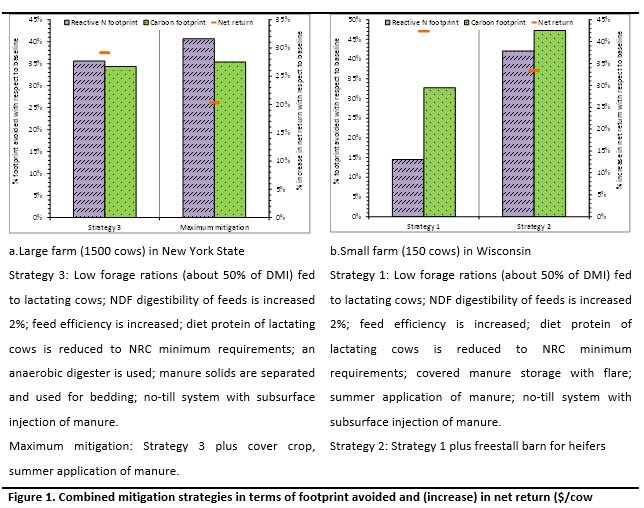
Figure 1. Combined mitigation strategies in terms of footprint avoided and (increase) in net return ($/cow

What have we learned? 

A comparison of model simulations of feed BMPs to the baseline shows that an integrated feed BMP (low forage, corn silage:alfalfa 3:1, ~2% NDF digestibility, reduced protein 14%, added fat, increased feed efficiency) can potentially reduce carbon and reactive nitrogen footprints with ~20% and ~24%, respectively, while remaining cost effective (18% increase in net return in $/cow), for both farm sizes.

For the small farm, replacing the bedded-pack barn with a free stall barn for the heifers, substantially reduces the carbon and the reactive nitrogen footprint with 12% and 11%, respectively. The manure management BMP ‘sealed with flare’ provides the largest potential reduction in carbon footprint for both farms (11% – 20%), primarily through a mitigation of CH4 emissions from manure storage.

Field management BMPs only provide a minimal reduction in carbon footprint (~3%), however, the field BMP ‘no-till with injection’ substantially reduces the reactive N footprint (~16%) for both farm sizes. This reduction is primarily achieved by a reduction in ammonia volatilization.

Based on the results for the individual BMPs, two combined whole-farm mitigation strategies were developed per farm and simulated in IFSM (Figure 1). For both the large farm and the small farm, the integrated whole-farm BMPs show an overall potential to reduce carbon and reactive nitrogen footprints with 33% to 37% and 15% to 42% respectively, simultaneously increasing milk production and the net return per cow with 10% to 12% and 20% to 42%, respectively.

This analysis suggests that BMPs can be applied to reduce greenhouse gas emissions and reactive nitrogen losses without sacrificing productivity or profit to the farmer.

Future Plans    

Future research plans include a further comparison and analysis of IFSM predictions with predictions from other process models, including CNCPS, APEX, and ManureDNDC. In addition, we will assess the impact of climate change on the reactive nitrogen and carbon footprint of the baseline farms and the developed whole-farm mitigation strategies.

Corresponding author, title, and affiliation         

Karin Veltman, PhD, University of Michigan, Ann Arbor

Corresponding author email    

veltmank@umich.edu

Other authors   

Alan Rotz, Joyce Cooper, Larry Chase, Richard Gaillard, Pete Ingraham, R. César Izaurralde, Curtis D. Jones, William Salas, Nick Stoddart, Greg Thoma, Peter Vadas, Olivier Jolliet

Additional information                

Veltman et al. (2017) Comparison of process-based models to quantify nutrient flows and greenhouse gas emissions associated with milk production. Agricultural Ecosystems and Environment, 237, 31–44

DairyCAP project, www.sustainabledairy.org, aims to reduce the life cycle environmental impact of dairy production systems in the US.

Acknowledgements       

This material is based upon work that is supported by the National Institute of Food and Agriculture, U.S. Department of Agriculture, under award number 2013-68002-20525. Any opinions, findings, conclusions, or recommendations expressed in this publication are those of the author(s) and do not necessarily reflect the view of the U.S. Department of Agriculture.

The authors are solely responsible for the content of these proceedings. The technical information does not necessarily reflect the official position of the sponsoring agencies or institutions represented by planning committee members, and inclusion and distribution herein does not constitute an endorsement of views expressed by the same. Printed materials included herein are not refereed publications. Citations should appear as follows. EXAMPLE: Authors. 2017. Title of presentation. Waste to Worth: Spreading Science and Solutions. Cary, NC. April 18-21, 2017. URL of this page. Accessed on: today’s date.

An Overview of a USDA Coordinated Agricultural Project on Dairy Production Climate Change Mitigation


Proceedings Home W2W Home w2w17 logo

Purpose           

The purpose of this presentation is to outline the components and products of a USDA coordinated agricultural project focusing on dairy production systems in the Great Lakes region.

What did we do?          

We have conducted research that includes measurement, modeling, and life cycle assessment for dairy production systems to improve sustainability at the farm level.  The largest component of this grant was an assessment of best management practices to reduce greenhouse gas emissions. This project also included developing outreach materials and programs for extension and educational purposes.

What have we learned?             

There are a number of strategies throughout the dairy production system that can reduce greenhouse gas emissions.  There is significant variability in climate, location, dairy system design among other aspects that require different management strategies in order to reduce the net impact of dairy systems to climate change.

Future Plans    

The project will be completed in the near future which includes finalizing modeling and life cycle assessments as well as extension and education materials. Beyond the project lifetime, future plans are to expand access to the models developed for expansion and use by other researchers. In addition, there are ongoing initiatives to educate stakeholders with the information produced from the project.

Corresponding author, title, and affiliation        

Matt Ruark, Associate Professor, University of Wisconsin-Madison

Corresponding author email   

mdruark@wisc.edu

Additional information             

sustainabledairy.org

Acknowledgements

This material is based upon work that is supported by the National Institute of Food and Agriculture, U.S. Department of Agriculture, under award number 2013-68002-20525. Any opinions, findings, conclusions or recommendations expressed in this publication are those of the author(s) and do not necessarily reflect the view of the U.S. Department of Agriculture.

The Value of Cover Crops in Dairy Production Systems


Proceedings Home W2W Home w2w17 logo

Purpose           

The purpose of this research was to identify trade-offs among soil erosion, soil health, and crop production when using cover crops with manure application.Continuous corn silage cropping systems in Wisconsin leads to overall removal of N from the system unless manure is applied. However, this cropping system allows for the planting of cover crops or a winter silage crop post harvest, which may lead to increases in soil N over time. Cover crops are valuable in these corn-silage based rotations as they also provide ground cover after harvest and can reduce N leaching after fall manure application. 

What did we do? 

The cropping system investigated was a continuous corn silage system with fall manure application. The experiment was a randomized complete block split-plot design where the whole plot treatments were no cover, rye as a cover (chemically terminated) or as a forage (harvested) crop and the split plot treatment was depth.The objective of this study was to determine the effect of cover cropping on potentially mineralizable nitrogen (PMN) over a growing season using a 7-day anaerobic incubation (2015 and 2016 season), a long-term aerobic incubation (2015 season), and N uptake by corn. 

What have we learned? 

There were no statistical differences in short-term PMN among cover crop treatments at any time point in 2015 or 2016. However, the cover crop treatments led to a yield reduction compared to no cover crop use in both years. Thus, our study showed significant effects of cover cropping on agronomic factors like corn yield and N uptake but these same differences were not measurable in the soil N.

Future Plans    

This work will continue to evaluate the long-term effects of cover crop use on soil health.

Corresponding author, title, and affiliation       

Matthew Ruark, University of Wisconsin-Madison

Corresponding author email 

mdruark@wisc.edu

Other authors   

Jaimie West, Kavya Khrishnan, Kevin Shelley

Additional information          

ruarklab.soils.wisc.edu

extension.soils.wisc.edu

Acknowledgements

This material is based upon work that is supported by the National Institute of Food and Agriculture, U.S. Department of Agriculture, under award number 2013-68002-20525. Any opinions, findings, conclusions or recommendations expressed in this publication are those of the author(s) and do not necessarily reflect the view of the U.S. Department of Agriculture.

The authors are solely responsible for the content of these proceedings. The technical information does not necessarily reflect the official position of the sponsoring agencies or institutions represented by planning committee members, and inclusion and distribution herein does not constitute an endorsement of views expressed by the same. Printed materials included herein are not refereed publications. Citations should appear as follows. EXAMPLE: Authors. 2017. Title of presentation. Waste to Worth: Spreading Science and Solutions. Cary, NC. April 18-21, 2017. URL of this page. Accessed on: today’s date.

Reducing Greenhouse and Ammonia Emissions from Manure Systems


Proceedings Home W2W Home w2w17 logo

Purpose             

Dairy manure systems produce greenhouse gas and ammonia emissions that contribute to climate change. There are many potential practices and management strategies that can reduce these emissions which can conserve nutrients and reduce environmental impacts. This work assesses different processing strategies, additives, and manure storage covers to reduce emissions from dairy manure systems.

What did we do? 

We completed three laboratory/field trials to assess emissions from manure systems. The first trial was to assess the greenhouse gas and ammonia emissions during storage and land application of manure that was processed with solid separation and digestion in combination with solid separation. A second trial assessed emissions and manure characteristics from storage with various commercial additives. The third study assessed ammonia emissions from digested manure storages with various biomass covers including raw wood, steam treated wood, and biochar produced from wood and corn cobs.

What have we learned? 

The results from the study indicate that separation and digestion result in significant reductions in greenhouse gas emissions. However, as expected, ammonia emissions following digestion are increased due to increased nitrogen mineralization. Results also indicate that separation alone had a similar impact to greenhouse gas emissions, but did not further reduce emissions following digestion. Commercially available products that are designed to be added to manure storages had little to no impact on emissions or manure characteristics for the conditions present in this study. Lastly, biochar was capable of reducing ammonia emissions significantly when applied as a cover. Although the biochar was capable of sorbing ammonical nitrogen, the results indicate that the physical barrier on the manure surface was the primary driver for the reduction in ammonia emissions.

Future Plans    

Following the outcomes of this work, information is being added to a dairy manure life cycle assessment to determine larger system wide impacts from changes in management practices or the inclusion of a processing system. In addition, work is being conducted to look at potential benefits that may be gained over a number of impact factors when manure management systems are optimized with other waste management systems from the municipal sector.

Corresponding author, title, and affiliation        

Rebecca Larson, Assistant Professor, University of Wisconsin-Madison

Corresponding author email    

rebecca.larson@wisc.edu

Other authors   

M.A. Holly, Agricutural Engineer at USDA ARS, J.M. Powell, Soil Scientist at USDA ARS, H. Aguirre-Villegas, Assistant Scientist at University of Wisconsin-Madison

Additional information 

Holly, M.A., R.A. Larson, M. Powell, M. Ruark, and H. Aguirre-Villegas. 2017. Evaluating greenhouse gas and ammonia emissions from digested and separated manure through storage and land application. Agriculture, Ecosystems & Environment, 239:410-419. http://www.sciencedirect.com/science/article/pii/S0959652616321953

Holly, M.A. and R.A. Larson. 2017. Effects of Manure Storage Additives on Manure Composition and Greenhouse Gas and Ammonia Emissions. Transactions of the ASABE, Accepted in Print.

Holly, M.A. and R.A. Larson. 2017. Evaluation of Biochar, Activated Biochar, and Steam Treated Wood as Dairy Manure Storage Covers for Ammonia Mitigation. In Review.

Acknowledgements       

This material is based upon work that is supported by the National Institute of Food and Agriculture, U.S. Department of Agriculture, under award number 2013-68002-20525. Any opinions, findings, conclusions or recommendations expressed in this publication are those of the author(s) and do not necessarily reflect the view of the U.S. Department of Agriculture.


The authors are solely responsible for the content of these proceedings. The technical information does not necessarily reflect the official position of the sponsoring agencies or institutions represented by planning committee members, and inclusion and distribution herein does not constitute an endorsement of views expressed by the same. Printed materials included herein are not refereed publications. Citations should appear as follows. EXAMPLE: Authors. 2017. Title of presentation. Waste to Worth: Spreading Science and Solutions. Cary, NC. April 18-21, 2017. URL of this page. Accessed on: today’s date.

Integrating Small Scale Digestion Systems in Developing Regions


Proceedings Home W2W Home w2w17 logo

Purpose           

People in developing countries regularly lack access to energy or their energy source is not reliable. Low cost anaerobic digestion systems have the potential to provide methane to be used in a variety of end uses. Unfortunately, many low cost systems are not evaluated and it is unclear if they are living up to the expectations of the end users or those that are promoting or financially supporting their installation.

What did we do? 

We have evaluated multiple small scale anaerobic digestion systems in Uganda and Bolivia to assess their energy production potential, impact of digestate as a fertilizer (using plot studies), pathogen reduction through the digester, and impact to kitchen air quality when biogas stoves replace firewood. Based on feedback we have also designed, tested and implemented a low cost separation system for handling digestate to recycle separated liquids and improve handling of solids. We have also modified an absorption chiller to run on biogas and are in the process of wider spread adoption and evaluation.

What have we learned? 

Throughout this assessment we have learned that many institutional level digestion systems in developing countries are not meeting the biogas demands of the end users. While they like the improved cooking time and reduced air quality impacts in the kitchen, only small households are producing enough gas to realize many of these benefits. Biogas poses a reduction in PM2.5 (fine particulates) within kitchens when compared to firewood stoves. However, when any amount of firewood is used in the kitchens (when there is not enough biogas), much of this benefit is lost. Therefore it is critical to improve the biogas production of these systems.

Maize plot trials show that compared to control plots digestate applied in any form (slurry or separated solids) significantly improves yields. When compared to inorganic fertilizer applications the grain yields are statistically similar but the stover yields increase significantly. End users show a preference for using the separated solids and the reduction in water needed to operate the systems. While these benefits seem appealing, there may be concern for the risks associated with pathogens in the digestate when applied to food crops. While digesters showed a significant reduction in pathogen related to the system retention time, pathogen remained in the effluent and must be handled properly to limit transfer to food and the human health risks after ingestion.

Increasing the end use of biogas beyond cooking to chillers has shown great potential for implementation and has high demand for end users. Systems have been able to provide cooling at multiple locations for extended periods with low biogas demands. Additional materials are needed to provide end users with guidance on troubleshooting and operation.

Future Plans    

Based on the results of these studies we are moving forward with farmer trials of the digestate to assess end user issues and motivations. In addition, we are currently designing a low cost heating system to improve biogas production efficiency in order to meet end user needs or decrease the size of digesters. Finally we are working on an evaluation of chiller biogas needs and providing training on all aspects of the digestion systems.

Corresponding author, title, and affiliation      

Rebecca Larson, Assistant Professor at the University of Wisconsin-Madison

Corresponding author email    

rebecca.larson@wisc.edu

Other authors   

A. McCord, Associate Director at University of Wisconsin-Madison, Vianney Tumwesige, CEO at GreenHeat Uganda, Dorothy Lsoto at W2E Uganda

Additional information              

http://www.greenheatinternational.com/

http://www.waste2energyltd.com/

McCord, A.I., S.A. Stefanos, V. Tumwesige, D. Lsoto, A. Meding, A. Adong, J.J. Schauer, and R.A. Larson. 2017. Biogas and the impacts of fuel choice on institutional kitchen air quality in Kampala, Uganda. Indoor Air. In Review, revisions requested.

McCord, A.I., S.A. Stefanos, V. Tumwesige, D.T. Lsoto, M. Kawala, J. Mutebi, I. Nansubuga, and R.A. Larson. 2017. Anaerobic digestion and public sanitation in Kampala: risks and opportunities. In Review.

Intake and Digestibility of Nutrients, Manure Production, and Nitrogen Excretion as Affected by Nonfiber Carbohydrate Sources and Rumen Degradable Protein Levels in the Diet of Dairy Cows


Proceedings Home W2W Home w2w17 logo

Purpose           

This study was to determine the effects of nonfiber carbohydrate (NFC) sources and rumen degradable protein (RDP) levels in diet on apparent total-tract nutrient digestibility, manure production and nitrogen (N) excretion in dairy cows.

What did we do?         

Eighteen mid-lactation multiparous Holstein cows were used in this split-plot study. Cows were randomly assigned to 9 or 11% RDP (16.5% crude protein (CP) for all diets, dry matter (DM) basis) as main plots and cows within each RDP level were further assigned to 3 NFC treatments, including (DM basis): 10% dextrose (D), 5% dextrose, 5% purified starch (DS), and 10% purified starch (S). Each period lasted 4 weeks and samples were collected during the fourth week.

What have we learned? 

There was no NFC x RDP interaction for response variables. Intake (kg/d) responded linearly for DM (24.3, 24.2, and 22.6), organic matter (22.7, 22.6, and 21.1), CP (4.0, 3.9, and 3.7), and neutral detergent fiber (7.0, 6.9, and 6.5) for D, DS and S, respectively (all P < 0.01). Same pattern was observed for the amount of nutrient digested, but apparent total-tract digestibility (%) was unaffected by dietary treatments, averaging 70.4, 71.8, 72.2, and 41.9 for DM, organic matter, CP and neutral detergent fiber, respectively. Fecal DM excretion (kg/d) was 7.2, 7.2, and 6.7 for D, DS, and S, respectively (P = 0.02), but urine volume (29.3 L/d) and urine N (254 g/d) were not affected. However, fecal N (180, 179, and 173 g/d) decreased, and N use efficiency (100x Milk N/N intake; 26.9, 27.4, and 29.3 %) increased linearly as starch in diet increased. There was no dietary effect on milk protein production (173 g/d). In this study, the substitution of starch for dextrose in the diet reduced DM and nutrient intake, did not alter digestibility, but reduced fecal DM and N excretions.

Future Plans   

Future studies will further look into the effect of carbohydrate and nitrogen in diet on nutrient use efficiency, manure excretion, as well as methane emission in dairy cows.

Corresponding author, title, and affiliation      

Michel Wattiaux, Professor, Department of Dairy Science, University of Wisconsin-Madison

Corresponding author email  

wattiaux@wisc.edu

Other authors  

Fei Sun, PhD candidate, Department of Dairy Science, University of Wisconsin-Madison -Matias Aguerre, Assistant Professor, Department of Animal and Veterinary Sciences, Clemson University

Additional information               

Fei Sun is the presenting author of this presentation and can be contacted for questions regarding this study via fei.sun@wisc.edu

Acknowledgements      

This study was funded by the Dairy Coordinated Agricultural Project

Results of Nutrient Recovery System Installed on Large Scale Dairy Operation After 2-years of Operation


Proceedings Home W2W Home w2w17 logo

*Do not make slides downloadable

Purpose 

For centuries, farmers have disposed of manure by simply spreading it on the land. It is a natural fertilizer. Today, that practice is no longer considered the best solution. Field spreading is now understood to contribute to a growing global problem of the pollution of water, soil, and air. Consequently, U.S. dairy farmers face increased fiscal and operational pressure from the progression of ever tightening environmental regulations. Conventional handling of manure also imposes a number of operational challenges (limitations for storage, land application and irrigation, settlement in lagoons, high manure hauling costs, etc.) and typically requires a relatively large land base to allow adequate nutrient management.

In Indiana, a dairy that was daily producing thousands of tons of livestock waste was investigating how technology could capture the valuable nutrients remaining in their cow manure after it had gone through the farm’s anaerobic digestion process. Their goal was to convert the manure/digestate into a nutrient rich cake that could be easier managed and made into fertilizer, and the liquid clean enough to be used unrestricted for land application.

The farm’s key operational deliverables were 1) to reduce the manure’s handling and transportation costs, 2) allow for precision applications of the processed manure as carbon-based fertilizer and 3) allow for re-use of nutrient reduced liquid for field irrigation.

What did we do? 

The dairy farm chose to implement a nutrient recovery technology from Trident Processes LLC. The technology separates the manure/digestate into three fractions: 1) cellulosic fiber, 2) a concentrated cake of nutrient enriched solids, and 3) water with about 1% remaining solids.

Trident’s turn-key system, consisting of different mechanical and chemical components, processes the manure and diverts each separated fraction into their separate spaces. Sensors and programmable controls (PLC) allow for smooth operation, requiring minimal operator attendance. The entire system can be monitored, controlled and diagnosed remotely.

The manure is fed into the system following the digestion process. The initial step is the extraction of the large fiber, which is done via a rotary screen conditioner. The wetted material separates, with the effluent water and fine solids sifting down through the screen while the larger fiber is retained. This step is critical as it ensures the fine particles, which contain the nutrients, are sent down stream for further treatment.

FIBER: The extracted fiber is sent to a screw press for further dewatering. This renders it as a 30% dry cellulosic fiber biomass that is ideal for recycling as cow bedding or other biomass use. Any liquid squeezed from the fiber is diverted to join the fine solids stream.

SOLIDS: The effluent water and solids are sent to a dissolved air flotation (DAF) tank. Polymerization ensures effective flocculation of the feedstock, resulting in a concentration of the nutrient rich particles that float to the surface. The sludge formed on the surface is skimmed off the top and gravity fed into a multi-disc press for second-stage dewatering. The press gently dewaters and thickens the recovered solid/nutrient sludge into a 25% solids, nutrient rich cake.

WATER: The final effluent water, now nutrient reduced, contains less than 1.2% solids and is sent to the lagoon for storage. The water is then reused for irrigation through efficient pivot systems or as operational water on the farm.

What have we learned? 

By implementing Trident’s Nutrient Recovery System, the farms’ objectives have been met and/or exceeded. After running for nearly two years the system is producing the following statistics:

• Fully automated operation requiring about 1 hr/shift for operator attendance (visual checks)

• 98% system uptime

• Polymer costs: $0.06 – $0.08/day/cow

• Reduction of handling and irrigation costs: $ 0.01/gal (conventional) vs $0.003/gal (center pivot)

• $250,000/yr electrical power savings with MD Press vs. centrifuge

• 73,000+ ton/yr nutrient cake produced

• 81% P, 70% organic N (54% TKN), and 20% K is the average nutrient capture rate

• 1% (max.) solids in the effluent water sent to lagoons

• 99% Suspended solids captured

Future Plans 

Dairy farm: A fertilizer plant will go live in the near future, allowing the farm to sell their concentrated nutrients to the plant as feedstock for custom fertilizer production.

Technology provider: 2nd Phase effluent treatment to capture and retain the solid and nutrient fraction of the existing process, allowing to meet stream discharge standards and comply with BOD / COD levels. Bench scale testing is completed. Farm scale pilot testing is scheduled to run from March 2017-December 2017.

Corresponding author, title, and affiliation       

Richard Shatto (Senior Partner at Point Nexus Consulting), Frank Engel (Director Marketing at KPD Consulting Ltd.)

Corresponding author email 

frank.engel@kpdconsulting.ca

Additional information 

https://youtu.be/PvaTGmyws-w (Carl Ramsey’s presentation at Indiana Dairy Forum)

http://www.progressivedairy.com/topics/manure/prairie-s-edge-dairy-on-pa… (Progressive Dairyman article)

http://tridentprocesses.com/documents/case-study-trident-nutrient-recove… (Newtrient case study)

https://are.wisc.edu/manure-processing/ (manure management project with University of Wisconsin)

http://www.foodqualityandsafety.com/article/nutrient-recovery-improves-s… (Nutrient Recovery Improves Sustainability article in Food Quality & Safety Magazine)

Acknowledgements       

Carl Ramsey, Environmental Manager at Prairie’s Edge Dairy Farm

Soil Net LLC, Dr. Aicardo Roa (strategic partner for chemical separation process)

Leap Tech, R.C. Ludke (strategic partner for automation)

Monetizing Environmental Benefits Associated with Dairy Manure Management Systems that Include Anaerobic Digestion – Challenges, Opportunities, and Values


Proceedings Home W2W Home w2w17 logo

Purpose 

A large agricultural lender reported in August 2016 that the current 20-month milk price low is not part of the typical three-year milk price cycle (which is marked by a year where the milk price is below the cost of production, followed by a year of recovering prices, and ending with a year where prices are well above the cost of production) that has been taking place since the late 1990’s, but rather is a correction of the dairy industry. That same report stated, that at the conclusion of the correction, milk prices will be more in-line with those of the early 2000’s, when the cost of production, on average, was close to the milk price, albeit with some variation. Overall, it is predicted to be a deviation from the recent three-year cycle pattern. To survive, dairy farms of the future will be compelled to even more carefully evaluate capital investments, including advanced manure treatment technologies, to assess their returns, both tangible and non-tangible, as they address regulatory and society-based environmental concerns.

Estimating the value of greenhouse gas reductions will be important to farms anticipating efforts to regulate carbon emissions in the future or to take advantage of carbon credits. Recognizing the value of water quality can also inform manure management system decisions. An economic value may help when comparing alternatives that have off-setting impacts across air and water environments.

What did we do? 

This effort attempted to look at the economic values of the environmental benefits that a manure management system can provide, focusing specifically on greenhouse gas (GHG) reductions (both direct and indirect), air quality improvements, and water quality improvements. The resulting values can then be used as additional inputs in manure management system decisions on the farm. The U.S. EPA has put an economic value on the “Social Cost of Carbon”, which was incorporated into the process of putting a value on a manure treatment system. Careful nutrient recycling impacts GHG emissions and also yields societal benefits from water quality improvements downstream. Reductions of both phosphorous and nitrogen concentrations in water bodies can be valued for the impact on drinking water treatment, habitat changes, and recreational use.

What have we learned?            

Through a rigorous process, we have been able to show the positive impact that anaerobic digestion systems (ADS) in New York State (NYS) can have on GHG reductions; the relevant work is presented in the accompanying paper. We learned that a focused outreach effort is needed to show multiple target audiences the possible GHG reduction values for NYS farms and to explain policy ideas that would help achieve reductions on-farm, therefore contributing to the State’s ambitious renewable energy and GHG reduction goals.

Future Plans  

Future plans in this area include continued work in quantifying the environmental benefits of anaerobic digestion (AD) and in collaborating with our industry and State partners to find ways to monetize those benefits. Immediate plans include 1) a day-long program to expose and educate key NYS legislators and government officials on the benefits of farm-based ADS and the need to find ways to pay for these benefits, and 2) collecting data from additional farm-based ADS for use in further validating or changing the assumptions needed to develop reduction values.

Corresponding author, title, and affiliation      

Curt Gooch, Dairy Environmental Systems and Sustainability Engineer, Cornell University

Corresponding author email 

cag26@cornell.edu

Other authors   

Peter Wright, Cornell University

Additional information               

http://www.manuremanagement.cornell.edu/