
Manure Management Technology Selection Guidance

Proceedings Home W2W Home w2w17 logo

Purpose

Manure is an inevitable by-product of livestock production. Traditionally, manure has been land applied for the nutrient value in crop production and improved soil quality.With livestock operations getting larger and, in many cases, concentrating in certain areas of the country, it is becoming more difficult to balance manure applications to plant uptake needs. In many places, this imbalance has led to over-application of nutrients with increased potential for surface water, ground water and air quality impairments. No two livestock operations are identical and manure management technologies are generally quite expensive, so it is important to choose the right technology for a specific livestock operation. Information is provided to assist planners and landowners in selecting the right technology to appropriately address the associated manure management concerns.

What did we do?

As with developing a good conservation plan, knowledge of manure management technologies can help landowners and operators best address resource concerns related to animal manure management. There are so many things to consider when looking at selecting various manure treatment technologies to make sure that it will function properly within an operation. From a technology standpoint, users must understand the different applications related to physical, chemical, and biological unit processes which can greatly assist an operator in choosing the most appropriate technology. By having a good understanding of the advantages and disadvantages of these technologies, better decisions can be made to address the manure-related resource concerns and help landowners:

• Install conservation practices to address and avoid soil erosion, water and air quality issues.

• In the use of innovative technologies that will reduce excess manure volume and nutrients and provide value-added products.

• In the use of cover crops and rotational cropping systems to uptake nutrients at a rate more closely related to those from applied animal manures.

• In the use of local manure to provide nutrients for locally grown crops and, when possible, discourage the importation of externally produced feed products.

• When excess manure can no longer be applied to local land, to select options that make feasible the transport of manure nutrients to regions where nutrients are needed.

• Better understand the benefits and limitations of the various manure management technologies.

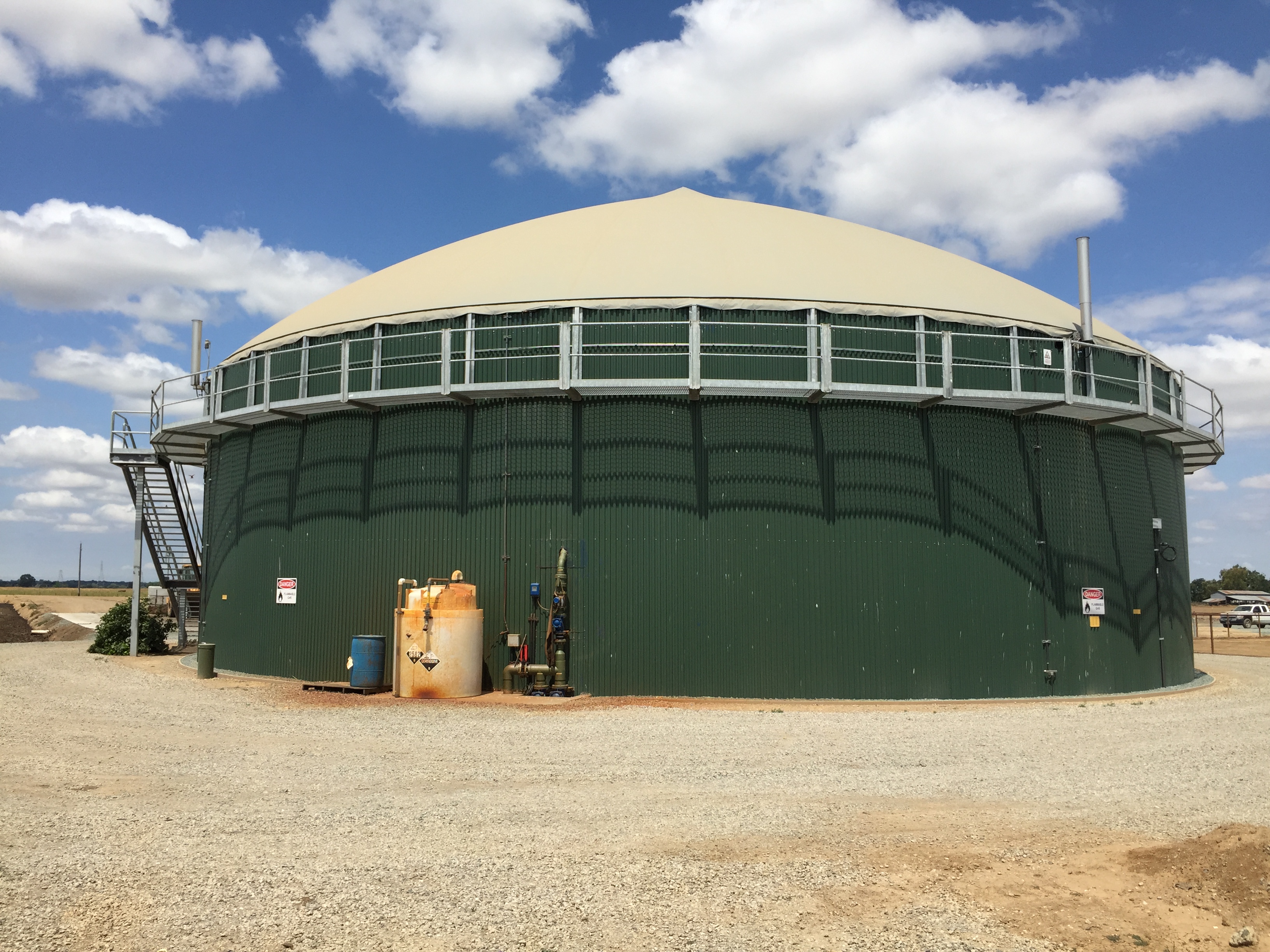
Picture of holding tank

Complete-Mix Anaerobic Digester – option to reduce odors and pathogens; potential energy production

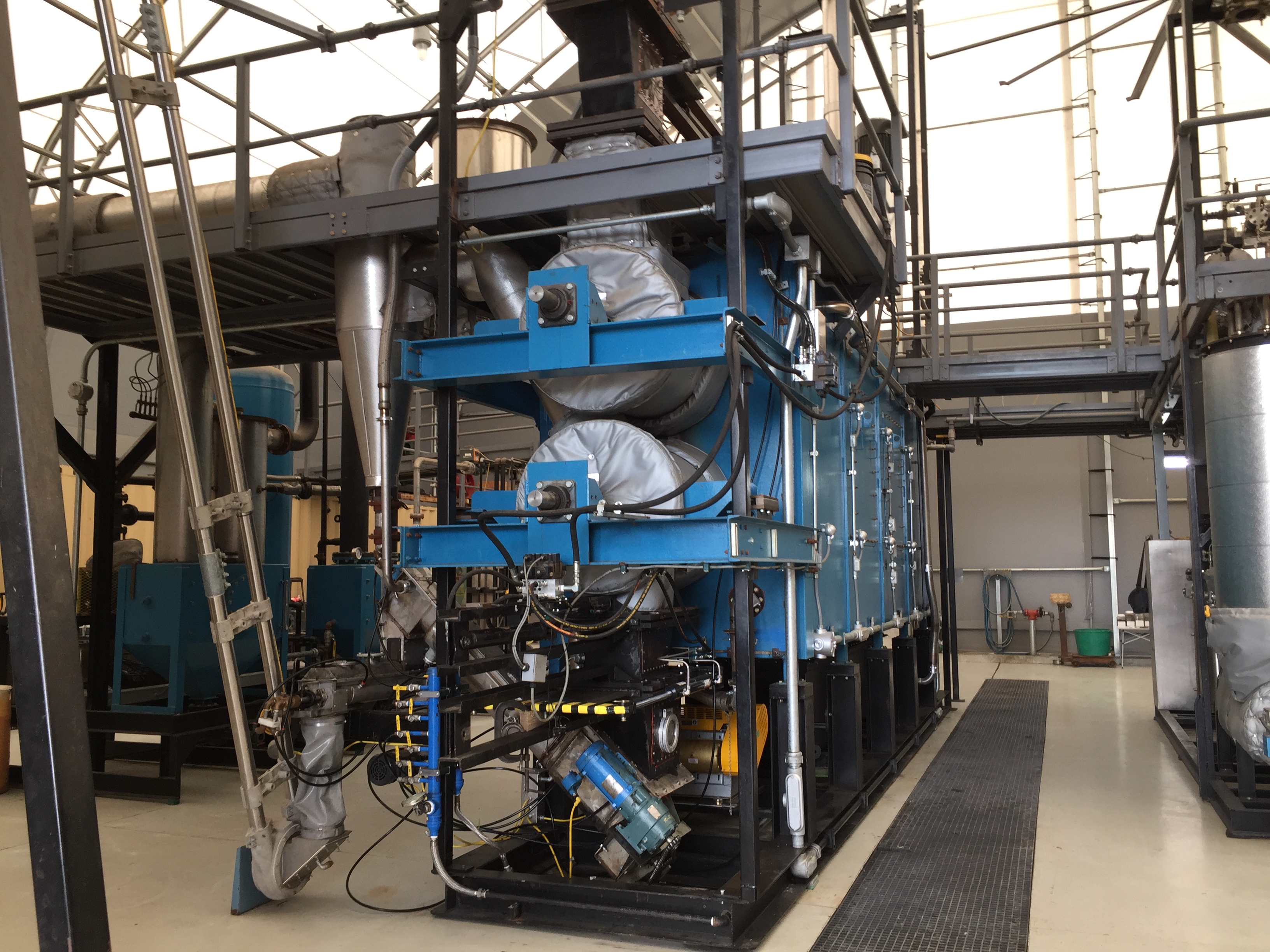
Picture of mechanical equipment

Gasification (pyrolysis) system – for reduced odors; pathogen destruction; volume reduction; potential energy production.

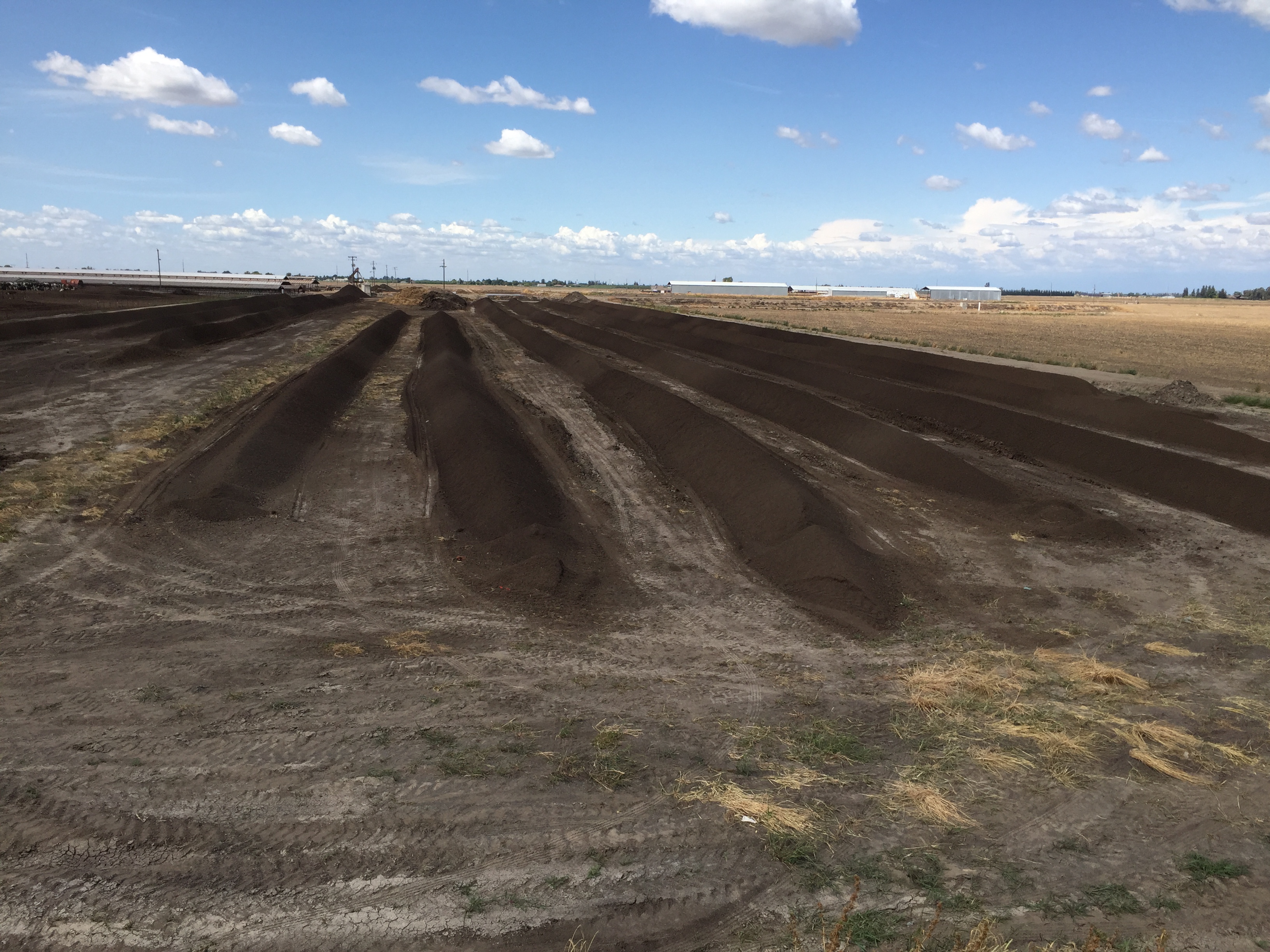
Picture of field

Windrow composting – reduce pathogens; volume reduction

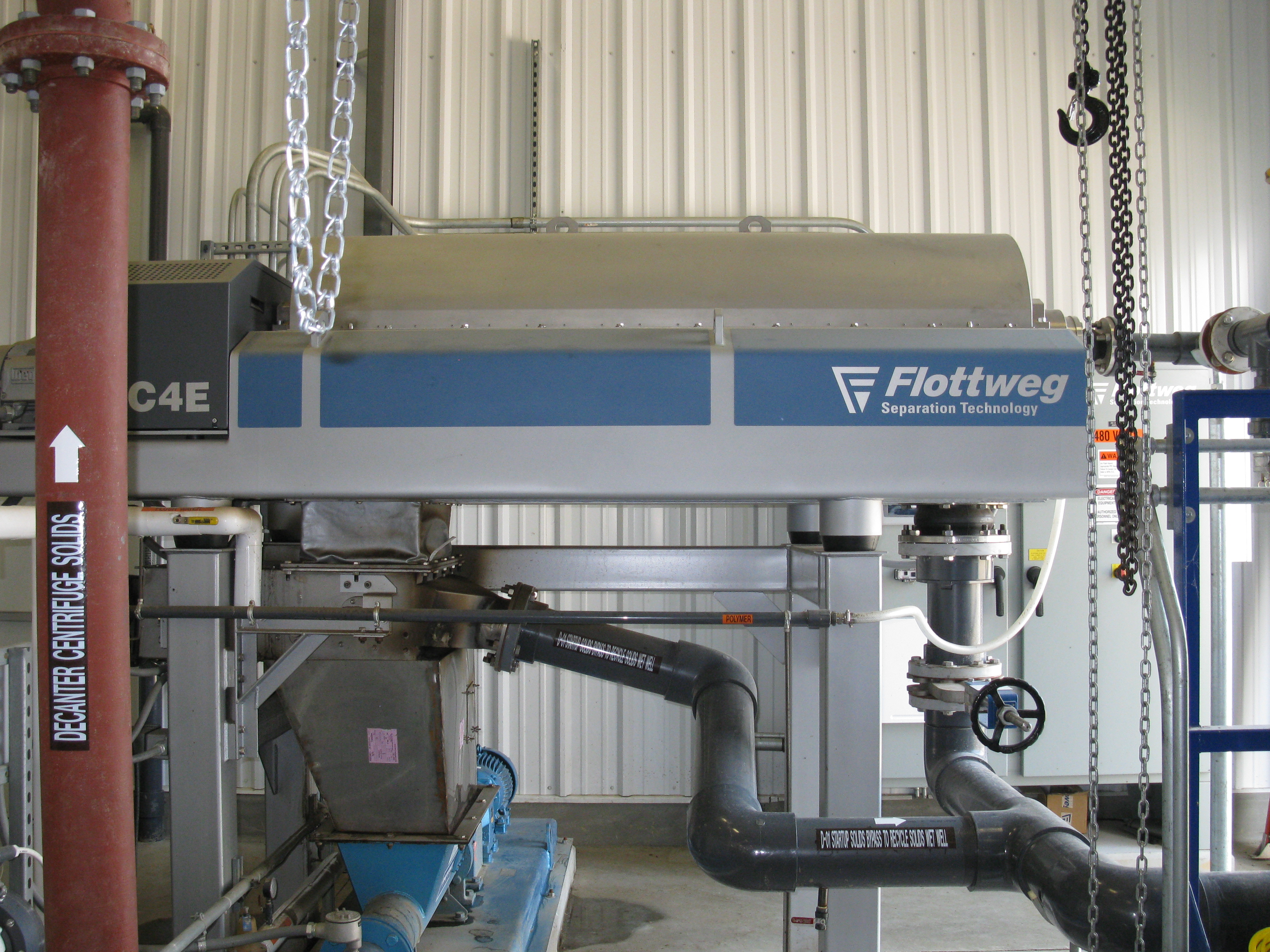
Picture of Flottweg separation technology

Centrifuge separation system – multiple material streams; potential nutrient
partitioning.

What have we learned?

• There are several options for addressing manure distribution and application management issues. There is no silver bullet.

• Each livestock operation will need to be evaluated separately, because there is no single alternative which will address all manure management issues and concerns.

• Option selections are dependent on a number of factors such as: landowner objectives, manure consistency, land availability, nutrient loads, and available markets.

• Several alternatives may need to be combined to meet the desired outcome.

• Soil erosion, water and air quality concerns also need to be addressed when dealing with manure management issues.

• Most options require significant financial investment.

Future Plans

Work with technology providers and others to further evaluate technologies and update information as necessary. Incorporate findings into NRCS handbooks and fact sheets for use by staff and landowners in selecting the best technology for particular livestock operations.

Corresponding author, title, and affiliation

Jeffrey P. Porter, P.E.; National Animal Manure and Nutrient Management Team Leader USDA-Natural Resources Conservation Service

Corresponding author email

jeffrey.porter@gnb.usda.gov

Other authors

Darren Hickman, P.E., National Geospatial Center of Excellence Director USDA-Natural Resources Conservation Service; John Davis, National Nutrient Management Specialist USDA-Natural Resources Conservation Service, retired

Additional information

References

USDA-NRCS Handbooks – Title 210, Part 651 – Agricultural Waste Management Field Handbook

USDA-NRCS Handbooks – Title 210, Part 637 – Environmental Engineering, Chapter 4 – Solid-liquid Separation Alternatives for Manure Handling and Treatment (soon to be published)

Webinars

Evaluation of Manure Management Systems – http://www.conservationwebinars.net/webinars/evaluation-of-manure-management-systems/?searchterm=animal waste

Use of Solid-Liquid Separation Alternatives for Manure Handling and Treatment – http://www.conservationwebinars.net/webinars/use-of-solid-liquid-separation-alternatives-for-manure-handling-and-treatment/?searchterm=animal waste

The authors are solely responsible for the content of these proceedings. The technical information does not necessarily reflect the official position of the sponsoring agencies or institutions represented by planning committee members, and inclusion and distribution herein does not constitute an endorsement of views expressed by the same. Printed materials included herein are not refereed publications. Citations should appear as follows. EXAMPLE: Authors. 2017. Title of presentation. Waste to Worth: Spreading Science and Solutions. Cary, NC. April 18-21, 2017. URL of this page. Accessed on: today’s date.

Composting of Dairy Manure with the Addition of Zeolites to Reduce Ammonia Emissions

Proceedings Home W2W Home w2w17 logo

Purpose

The purpose of this project was to demonstrate the effects of adding natural clinoptilolite zeolites to a dairy manure compost mix at the moment of initiating the composting process on ammonia emissions, nitrogen retention, composting performance, and characteristics of the final compost product. A typical dairy cow in the U.S. produces approximately 148 lb of manure daily (feces and urine, not counting bedding; Lorimor et al., 2000). This amounts to millions of tons of monthly manure production. On-farm composting of manure is one of the most-used practices to manage dairy manure in Idaho. Composting reduces manure volume between 35 and 50%, which allows the material to be significantly more affordable to transport than fresh, wet manure. Composting converts the nitrogen (N) present in the raw manure into a more stable form, which is released slowly over a period of years and thereby not totally lost to the environment. Composting contributes to alleviating problems associated with ground and surface water contamination and also reduces odor complaints (Rink et al., 1992; Fabian et al., 1993). During the manure handling and composting process, between 50 and 70% of the nitrogen can be lost as ammonia if additional techniques are not used to increase nitrogen retention. In most cases, manures from dairies and other livestock operations don’t have the proper carbon to nitrogen (C:N) ratio to be composted efficiently without added carbon (usual straw bedding has a C:N of 60 to 90). Dairy cow manure is rich in nitrogen (C:N ratios below 18:1), causing a great proportion of the available nitrogen to be lost as ammonia due to the lack of carbon to balance the composting process. The loss of nitrogen from manures as ammonia reduces the nutrient value of the manure, produces an inefficient composting process, and generates local and regional pollution. Lack of carbon also results in a lower-grade compost that can carry elevated concentrations of salts, potassium and phosphorous. In many arid zones there are not enough sources of carbon to balance the nitrogen present in the manure.

Zeolite is a mineral defined as a crystalline, hydrated aluminosilicate of alkali and alkaline earth cations having an infinite, open, three-dimensional structure. Zeolites are able to further lose or gain water reversibly and to exchange cations with and without crystal structure (Mumpton, 1999). Zeolites are mined in several western U.S. states where dairy production also is concentrated. This paper showcases a project that explored the effects of adding natural zeolites to dairy manure at the time of composting as a tool to reduce ammonia emissions and retain nitrogen in the final composted product.

What did we do?

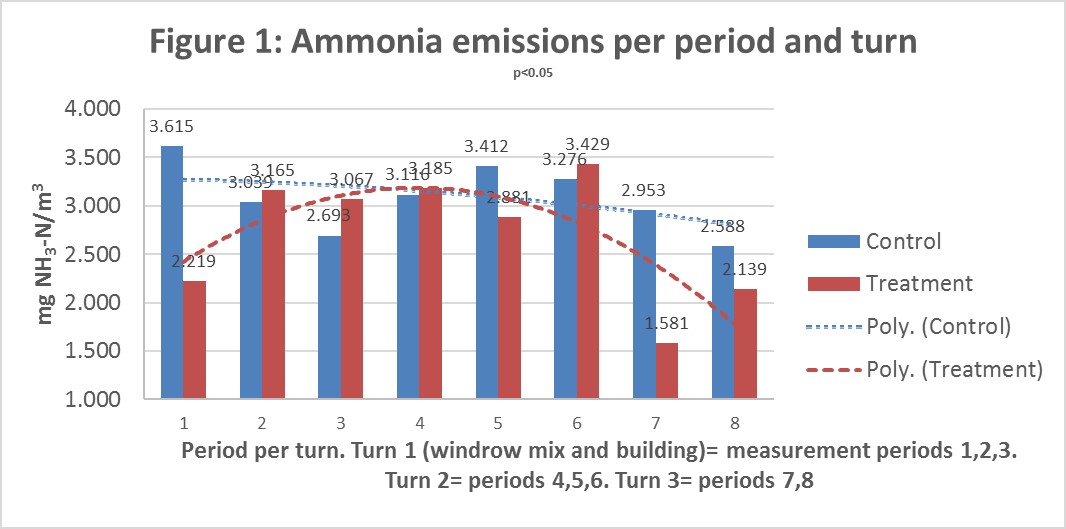
This on-farm research and demonstration study was conducted at an open-lot dairy in southern Idaho with 100 milking Jersey cows. Manure stockpiled during the winter and piled after the corral’s cleaning was mixed with freshly collected manure from daily operations and straw from bedding and old straw bales, in similar proportions for each windrow. The compost mixture was calculated using a compost spreadsheet calculator (WSU-Puyallup Compost Mixture Calculator, version 1.1.; Puyallup, WA). Moisture was adjusted by adding well water to reach approximately 50% to 60% moisture on the initial mix. Windrows were mixed and mechanically turned using a tractor bucket. Three replications were made on control and treatment. The control consisted of the manure and straw mix as described. The treatment consisted of the same mix as the control, plus the addition of 8% of clinoptilolite zeolite by weight during the initial mix. Windrows were actively composted for four months or more. Ammonia emissions were measured using passive samplers (Ogawa & Co., Kobe, Japan) for the first five to seven days after building each windrow (called turn 1 in Figure 1) and after the two subsequent turns. Ammonia emissions per measurement period and per turn were obtained. Three periods of one to three days at the time of building each windrow and after the first turn were measured. After the second turn, two measurement periods of three to four days were made. Values of mg NH3-N/m3 are time-corrected by minutes of sampling (Figure 1). Complete initial manure (compost feedstock mix) and final screened compost nutrient lab analyses were performed for each windrow. Analyses of variance (ANOVA) on lab data and on ammonia samples were performed using SAS 9.4 (SAS Institute, Cary, NC).

Figure 1. Ammonia emissions per period and turn

What have we learned?

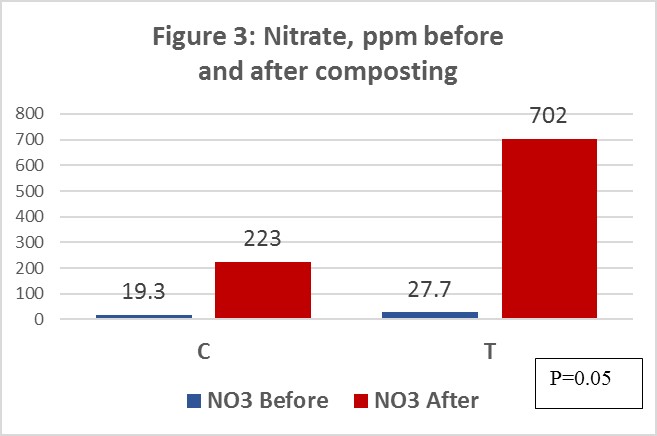
The addition of 8% w/w natural zeolites to the dairy manure compost mix on a mechanically turned system using a tractor bucket reduced cumulative ammonia emissions by 11% during the first three turns (Figure 2) and showed a significant reduction trend in ammonia emissions. Figure 1 shows the differences and trend line in ammonia emissions per monitoring period and per turn. Treated windrows’ cumulative emissions were significantly lower (P<0.05) at 2.76 mg NH3-N/m3 from control windrows at 3.09 mg NH3-N/m3. Nitrates (NO3) on the composted treatment (702 ppm) were 3 times greater (p=0.05) than the control (223 ppm) (Figure 3). These results demonstrate that the addition of natural zeolites has a positive effect on reducing ammonia emissions during the composting process and increasing the conversion to nitrates, retaining nitrogen in the compost in a form that is more available to crops.

Figure 2. Cumulative ammonia emissions

Figure 3. Nitrate, ppm before and after composting

Future Plans

Field days and journal publications about this project are expected to occur within the next year.

Corresponding author, title, and affiliation

M. E. de Haro-Martí. Extension Educator. University of Idaho Extension, Gooding County, Gooding, Idaho.

Corresponding author email

mdeharo@uidaho.edu

Other authors

M. Chahine. Extension Dairy Specialist. University of Idaho Extension, Twin Falls R&E Center, Twin Falls, Idaho. H. Neibling. Extension Irrigation Engineer. University of Idaho Extension, Kimberly R&E Center, Kimberly, Idaho. L. Chen. Extension Waste Management Specialist,

Additional information

References:

Fabian, E. F., T. L. Richard, D. Kay, D. Allee, and J. Regenstein. 1993. Agricultural composting: a feasibility study for New York farms. Available at: http://compost.css.cornell.edu/feas.study.html . Accessed 04/28/2011.

Lorimor, J., W. Powers, A. Sutton. 2000. Manure Characteristics. Manure Management System Series. Midwest Plan Service. MPWS-18 Section 1. Iowa State University.

Mumpton, F.A. 1999. La roca magica: Uses of Natural Zeolites in Agriculture and Industry. Proceedings of the National Academy of Sciences of the United States of America, Vol. 96, No. 7 (Mar. 30, 1999), pp. 3463-3470

Rink, R., M. van de Kamp, G.B. Willson, M.E. Singley, T.L. Richard, J.J. Kolega, F.R. Gouin, L.L. Laliberty Jr., D.K. Dennis. W.M. Harry, A.J. Hoitink, W.F.Brinton. 1992. On-Farm Composting Handbook. NRAES-54. Natural Resource, Agriculture, and Engineering Service. Cooperative Extension. Ithaca, New York.

Acknowledgements

This project was made possible through a USDA- ID NRCS Conservation Innovation Grants (CIG) # 68-0211-11-047. The authors also want to thank the involved dairy farmer and colleagues that helped during this Extension and research project. Thanks to Dr. April Leytem and her technicians at USDA-ARS in Kimberly, ID, for the loan of the Ogawa passive samplers and for sample analysis.

Additive to Mitigate Odor and Hydrogen Sulfide Gas Risk from Gypsum Bedded Dairy Manure

Proceedings Home W2W Home w2w17 logo

Purpose

Dangerous levels of hydrogen sulfide (H2S) gas released from gypsum-bedding-laden dairy manure storages have imposed risks to animal and human health, as demonstrated both on-farm and in bench scale studies (Fabian-Wheeler et al., 2017; Hile, 2016). Gypsum bedding is popular with some producers for advantages to cow comfort and health along with agronomic benefits. This project demonstrated the effect of iron oxide (FeO2) as a promising additive to dairy manure storages on mitigating H2S releases and odor.

What did we do?

Two bench-scale trials comprised three replicates each (15 kg manure each vessel) of three treatments: (1) control (dairy manure only), (2) manure with gypsum added 0.35% by weight, and (3) manure with gypsum and iron oxide added at a 1:1 molar ratio with gypsum. Headspace gas concentrations were measured using a Fourier transform infrared analyzer (FTIR model 700, California Analytical, Inc., Orange, CA) from each experimental vessel prior to and during manure agitation. Nutrient analyses were performed upon initial mixing and at the end of the incubations (PSU Agricultural Analytical Laboratory and Fairway Laboratories). Final incubation of the first trial included an odor evaluation of headspace gas according to international standard EN 13725 using qualified human assessors at the Penn State Odor Assessment Laboratory (abe.psu.edu/research/natural-resource-protection/odors). Odor quality testing on undiluted headspace gas used the labelled magnitude scale (LMS), Odor Intensity Referencing Scale (OIRS) and Hedonic Tone (pleasantness).

What have we learned?

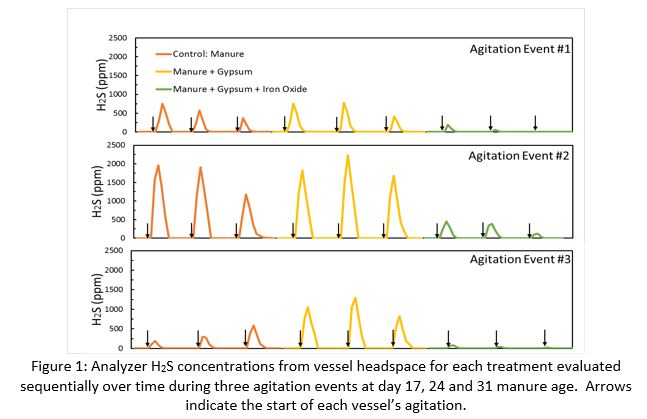
High total sulfur in gypsum-laden manure confirms that gypsum provides the sulfur source that is converted to H2S. However, introduction of iron oxide maintained 98.8% total sulfur of manure sample by the end of incubation. The H2S concentrations remain low (below 5 ppm) in static conditions until gases are immediately released as soon as manure is agitated. Maximum H2S concentrations were reduced 83% to 96% in gypsum-laden manure by adding iron oxide (Figure 1). Despite anecdotal field reports of increased malodor associated with gypsum bedded manure, odor detection threshold (DT) did not increase with addition of gypsum compared to the control (manure only). However a 1:1 molar ration of iron oxide reduced the DT by approximately 50%. Odor quality results show that gypsum-laden manure created a less pleasant odor when compared to control manure.

Figure 1. Analyzer H2S concentrations from vessel headspace for each treatment evaluated sequentially over time during three agitation events at day 17, 24, and 31 manure age

Future Plans

Field-scale research would strengthen these findings and document management and economics associated with the iron oxide treatment use on farm. Additional odor surveys would confirm odor intensity reduction via iron oxide.

Corresponding author, title, and affiliation

Eileen E. Fabian (Wheeler), Professor in Agricultural and Biological Engineering (ABE) at Penn State (PSU)

Corresponding author email

fabian@psu.edu

Other authors

Long Chen, Ph.D. Candidate in ABE at PSU, Dr. Michael Hile, Project Associate in ABE at PSU and Dr. Mary Ann Bruns, Associate Professor in Ecosystems Science & Management at PSU

Additional information

Fabian-Wheeler, E., M. L. Hile, D. J. Murphy, D. E. Hill, R. Meinen, R. C. Brandt, H. A. Elliott, D. Hofstetter. 2017. Operator Exposure to Hydrogen Sulfide from Dairy Manure Storages Containing Gypsum Bedding. Journal Agricultural Safety and Health 23(1): 9-22.

Hile. M. L. 2016. Hydrogen sulfide production in manure storages on Pennsylvania dairy farms using gypsum bedding. Ph.D. dissertation. University Park, PA.: The Pennsylvania State University, Department of Agricultural and Biological Engineering.

Acknowledgements

This work was a partnership of Penn State College of Agricultural Sciences graduate student competitive grant program, Penn State Extension, and USA Gypsum

The authors are solely responsible for the content of these proceedings. The technical information does not necessarily reflect the official position of the sponsoring agencies or institutions represented by planning committee members, and inclusion and distribution herein does not constitute an endorsement of views expressed by the same. Printed materials included herein are not refereed publications. Citations should appear as follows. EXAMPLE: Authors. 2017. Title of presentation. Waste to Worth: Spreading Science and Solutions. Cary, NC. April 18-21, 2017. URL of this page. Accessed on: today’s date.

Partnerships in the Manure Nutrient Management Field

Proceedings Home W2W Homew2w17 logo

Purpose

Responsible manure nutrient management improves environmental quality while maintaining agricultural productivity. Multiple organizations and individuals play a part in improving the understanding and practice of responsible management. But how does manure nutrient management information flow? The “Pathways” project’s goals were to understand and delineate pathways for effective information dissemination and use among various agricultural professional audiences that facilitate successful integrated (research/outreach/education) projects and programs. This presentation examines the relevance of partnerships within the manure nutrient management network and barriers to these partnerships.

What did we do?

We disseminated the “Pathways” survey online utilizing the mailing lists of several professional and producer organizations and listservs associated with manure management. There were 964 surveys started and 608 completed. The six types of organizations with more than 10% of the total survey population’s responses were university/Extension; government non-regulatory agencies; government regulatory agencies; producers; special government agencies; and sale or private enterprises.

The South Dakota State University Institutional Review Board deemed the survey exempt under federal regulation 45 CFR 46.101 (b) (IRB-1402010-EXM and IRB-1502001-EXM).

What have we learned?

The survey posed “How important is collaboration with each of the following groups related to manure nutrient management?” Figure 1 shows the mean relevance among all survey participants, evaluated on a scale of 1 (Not important/somewhat unimportant) to 4 (Highly important). On average, all potential partner groups were recognized as important (>2). Partnerships with producers were deemed most important (3.68) by all survey respondents.

After assessing relevance, we asked survey participants to indicate what barriers, if any, deter them from collaboration with each of the following groups related to manure nutrient management (select all that apply). For all potential partners listed, with the exception of tribal governments, “No Barriers to Use” was the most selected option. “Do Not Have a Relationship” was a common and stronger barrier for commodity, sales and service partners, compared to government agencies, for example.

The barriers “Discouraged or Not Allowed” and “No Incentive to Collaborate” were relatively small selections. The barrier “Do Not Have a Relationship” is possible to overcome at both individual and organizational levels, where needed.

Figure 1. The average relevance and the distribution of barriers to collaborating or partnering with the types of organizations specified, for purposes of manure nutrient management

Future Plans

In the future, assessing the reasons for specific partnerships can further aid improving communication and collaboration in the manure nutrient management network.

Corresponding author, title, and affiliation

Erin Cortus, Associate Professor and Environmental Quality Specialist at South Dakota State University

Corresponding author email

erin.cortus@sdstate.edu

Additional information

lpelc.org/the-pathways-project

Acknowledgements

The Pathways Project greatly appreciates the support of the North Central Region Water Network Seed Grant, South Dakota Sustainable Agriculture Research and Education, and the collaborative groups of educators, researchers and agency personnel, for improving and advocating the survey.

The authors are solely responsible for the content of these proceedings. The technical information does not necessarily reflect the official position of the sponsoring agencies or institutions represented by planning committee members, and inclusion and distribution herein does not constitute an endorsement of views expressed by the same. Printed materials included herein are not refereed publications. Citations should appear as follows. EXAMPLE: Authors. 2017. Title of presentation. Waste to Worth: Spreading Science and Solutions. Cary, NC. April 18-21, 2017. URL of this page. Accessed on: today’s date.

Recommendations of the Chesapeake Bay Program Expert Panel on Manure Treatment Technologies

Proceedings Home W2W Home w2w17 logo

Purpose

The US EPA Chesapeake Bay Program assesses nutrient loading to the Chesapeake Bay. There is a need to determine the impact of manure treatment technologies on reducing the nitrogen and phosphorus loading from agriculture. Furthermore, many states within the Chesapeake Bay Watershed control nutrient discharges through watershed nutrient trading programs. Tables of standard nutrient removal efficiencies of various technologies will allow states to implement these programs.

What did we do?

The panel standing on the dock of the Chesapeake Bay

An expert panel was convened by the EPA Chesapeake Bay Program to determine nutrient removal potential of manure treatment technologies. The following seven technology categories were reviewed: thermochemical processing, anaerobic digestion, composting, settling, mechanical solid-liquid separation, and wet chemical treatment. Within these categories, the panel defined 24 named technologies for detailed review. The scientific literature was reviewed to determine the ability of each technology to transfer volatile nitrogen to the atmosphere and transfer nutrients to a waste stream more likely to be used off-farm (or transported out of the Chesapeake Bay Watershed).

What have we learned?

Manure treatment technologies are used reduce to odors, solids, and organic matter from the manure stream, with only minor reductions in nutrient loading. The panel determined that Thermo-Chemical Processing and Composting have the potential to volatilize nitrogen, and all of the technologies have the ability to transfer nutrients into a more useful waste stream. The greatest effect of treatment technologies is the transformation of nutrients to more stable forms – such as precipitation of insoluble phosphorus from dissolved phosphorus.

Future Plans

The panel’s report is undergoing final authorization from the Chesapeake Bay Program for release to the public. Future panels may choose to revisit the issue of nutrient reduction from manure treatment technologies. The current panel recommends future panels expand the categories of technologies to include liquid aerobic treatment, and examine more named technologies as they become available within the Chesapeake Bay Watershed.

Corresponding author, title, and affiliation

Douglas W. Hamilton, Associate Professor Oklahoma State University

Corresponding author email

dhamilt@okstate.edu

Other authors

Keri Cantrell, KBC Consulting;John Chastain, Clemson University; Andrea Ludwig, University of Tennessee; Robert Meinen, Penn State University; Jactone Ogejo, Virginia Tech; Jeff Porter, USDA Natural Resource Conservation Service, Eastern Technology Suppor

Additional information

https://www.chesapeakebay.net/

http://osuwastemanage.bae.okstate.edu/

Two related presentations given at the same session at Waste to Worth 2017

Acknowledgements

Funding for this panel was provided by the US EPA Chesapeake Bay Program and Virginia Tech University through EPA Grant No. CB96326201

The authors are solely responsible for the content of these proceedings. The technical information does not necessarily reflect the official position of the sponsoring agencies or institutions represented by planning committee members, and inclusion and distribution herein does not constitute an endorsement of views expressed by the same. Printed materials included herein are not refereed publications. Citations should appear as follows. EXAMPLE: Authors. 2017. Title of presentation. Waste to Worth: Spreading Science and Solutions. Cary, NC. April 18-21, 2017. URL of this page. Accessed on: today’s date.

Cultivation of Duckweed on Anaerobically Digested Dairy Manure for Nitrogen and Phosphorus Removal

Proceedings Home | W2W Home w2w17 logo

Purpose

The purpose of this research included identifying the optimum cultivation conditions of five different strains of duckweed while evaluating the nutrient uptake of nitrogen (N) and phosphorus (P) in anaerobically digested dairy manure to promote biomass production.

What did we do?

The growth of duckweed was assessed on the cultivation parameters of temperature, pH, dissolved oxygen, light intensity, nutrient concentrations, and biomass production. Three strains, namely Landoltia punctata, Lemna gibba and Lemna minuta, were identified as the promising candidates for their high levels of nutrient uptake and biomass production. The temperature and light intensity were maintained in an environmental chamber at 25°C and 10,000 lux, respectively. The nutrient uptake through duckweed cultivation, characterized by the changes of total nitrogen (TN), total Kjeldahl nitrogen (TKN), and total phosphorus (TP), was assessed on the anaerobically digested dairy manure in three dilution ratios i.e., 1:13, 1:18, and 1:27 by volume.

What have we learned?

In the dilution ratios 1:18 and 1:27 all duckweed strains grew successfully. However, in dilution ratio 1:13 all three duckweed species were inhibited by the high nutrient concentration. The batch system created an aerobic environment within the anaerobically digested dairy manure medium with a dissolved oxygen content of 2-6 mg/L. At the high light intensity of 10,000 (lux) a buffer was needed in order to keep the medium’s pH constant to promote duckweed growth. This research compared the nutrient reduction of the microbial growth within the anaerobically digested dairy manure and a standard solution of 1.6 g/L of Hoagland E-medium to the nutrient reduction from the three strains of duckweed at the dilution ratios of 1:13, 1:18, and 1:27. Experimental results revealed that the average duckweed productivities were 1.50, 1.30 and 0.50 grams per square foot per day for Landoltia punctata, Lemna gibba, and Lemna minuta, respectively. At the dilution ratio of 1:27 the highest significant reductions came from Landoltia punctata at 86.0% for TN, 87.5% for TKN, and a TP of 89.5%. At the dilution ratio of 1:18 Lemna gibba got the next highest at 83.8% for TN, 85.6% for TKN, and a TP of 76.2%. Lemna minuta came in last with the highest nutrient reductions in dilution ratio 1:18 with 83.1% for TN, 84.7% for TKN, and a TP of 76.5%. A light intensity of 10,000 lux, pH of 6.5, a temperature of 25°C and a dilution ratio of 1:27 promoted active duckweed growth on anaerobically digested dairy manure.

Future Plans

We will continue the duckweed cultivation work to optimize manure nutrient uptake and to convert duckweed biomass into bioethanol.

Corresponding author, title, and affiliation

Lide Chen, Assistant Professor/Waste Management Engineer, University of Idaho

Corresponding author email

lchen@uidaho.edu

Other authors

Kevin Kruger (University of Idaho)

Additional information

Kevin Kruger is a graduate student who conducted the duckweed cultivation tests.

Acknowledgements

This work is supported by the USDA NIFA and Idaho Agricultural Experiment Station.

PA Finishing Swine Barn Experience: Changing from Mortality Burial to a Michigan Style Composting Barn

Proceedings Home W2W Home w2w17 logo

Purpose

In the spring of 2014, the farmer with a 2020 finishing pig barn, wanted to change from burial of mortality to composting the mortality. We will document the change and the use of the composting barn from July 2014 to Dec 2016.

What did we do?

This 2020 finish pig barn space has about 3% mortality and expects about 250 deaths per year to compost. We discussed building a PA Michigan single wall compost barn design. The farmer built a 24×40 compost barn, with a 3 feet center dividing wall. The barn was completed in the summer of 2014 and we will track the pig barn turns and compost barn mortality loadings from July 2014 to December 2016. The barn has used about 56 cubic yards of woodchips/ bark mulch the first year and then replaced with about 40 cubic yards of sawdust for the second year.

The compost temperatures have reached 130 Degrees F and the farmer is very pleased with how the barn works and how he can mix and turn the compost. The presentation will cover barn costs, barn design and sawdust mortality loading and turning.

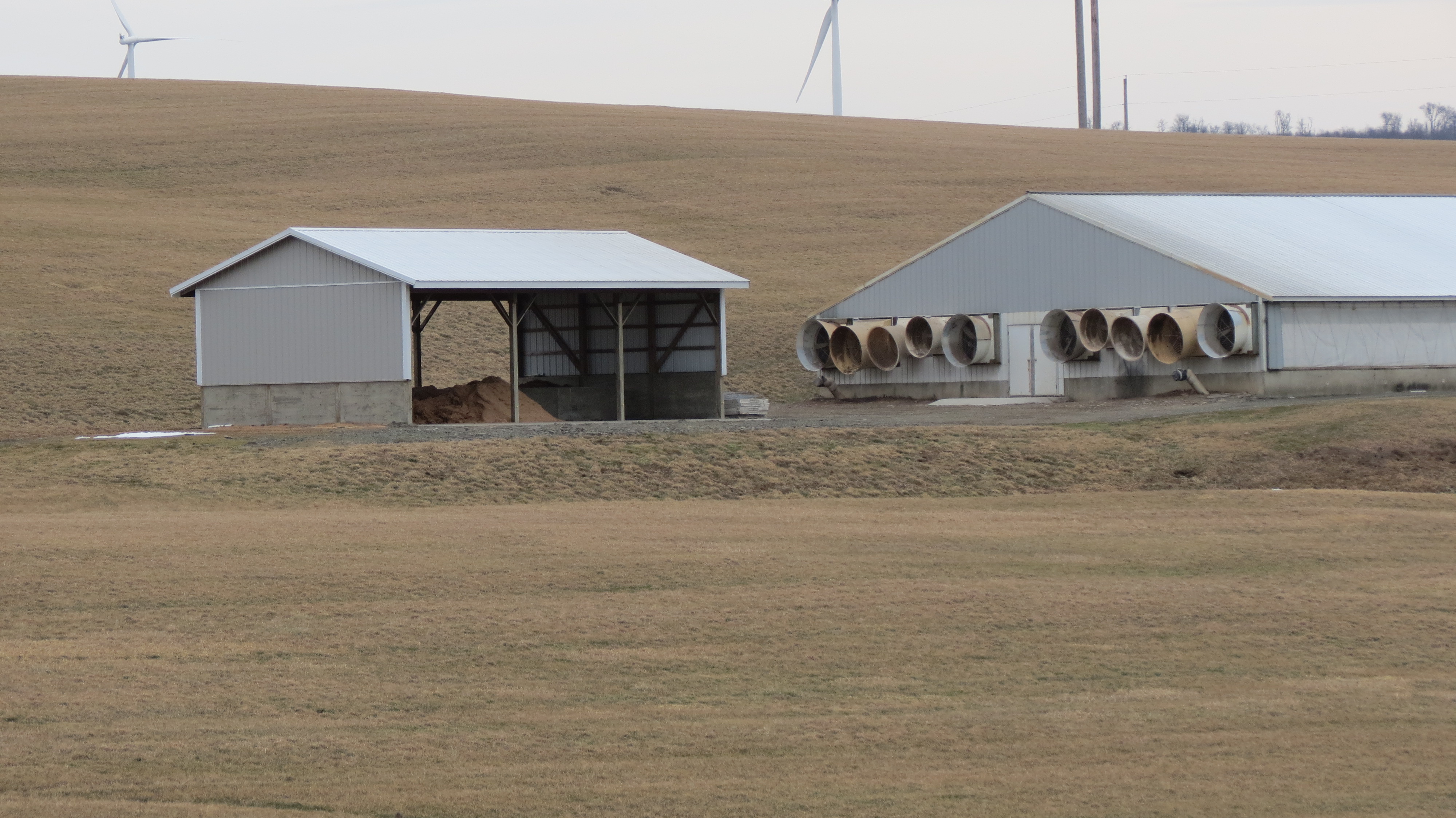
Field with windmills and barn
PA Michigan compost barn built at the end of the hog barn

Compost heap under shelter
Excellent example of free flowing air into the compost piles while
having a center push up wall to help turn the piles

What have we learned?

We have documented the farmers use of the barn, the mortality rates, compost sawdust and woodchip use, and mixing schedules. We have also documented the mortality cost rates for this farm.

Future Plans

We will highlight this PA Michigan compost barn type to other pig barns and document the use of them in Pennsylvania.

Corresponding author, title, and affiliation

J Craig Williams

Corresponding author email

Jcw17@psu.edu

Additional information

http://extension.psu.edu/animals/health/composting

http://msue.anr.msu.edu/program/info/managing_animal_mortalities

The authors are solely responsible for the content of these proceedings. The technical information does not necessarily reflect the official position of the sponsoring agencies or institutions represented by planning committee members, and inclusion and distribution herein does not constitute an endorsement of views expressed by the same. Printed materials included herein are not refereed publications. Citations should appear as follows. EXAMPLE: Authors. 2017. Title of presentation. Waste to Worth: Spreading Science and Solutions. Cary, NC. April 18-21, 2017. URL of this page. Accessed on: today’s date.
Organizing demonstrations and tours for Government officials and Extension on Animal Mortality Management

Proceedings Home W2W Home w2w17 logo

Purpose

Provide some discussion on putting together Tour and Demonstration educational events. To Provide real life demonstrations and educational opportunities dealing with Mortality management.

What did we do?

The agent participated on a multi-state and multi country steering committee to organize and host an international symposium on Animal Mortality and Disposal Management. This was the 5th symposium and had 179 registered attendees from 11 different countries: Australia, Canada, China, Georgia, Korea, New Zealand, Nigeria, the UK, the US, Tunisia, and Vietnam.

The agent served as the host state coordinator (Penn), the 3 bus tour coordinator and the demonstration’s chairperson. Demonstrations included high density foaming, compost pile building and turning, environmental grinder processors, Clean Harbor Industries,  truck wash stations, and proper euthanasia with cap and bolt guns. The agent will list the success and challenges of these types of demonstrations and educational events. Results are from the 5th International Symposium on Managing Animal Mortality, Products, and By-products, and Associated Health Risk: Connecting Research, Regulations and Response at the Southeast Agricultural Research and Extension Center on Wednesday, September 30, 2015.

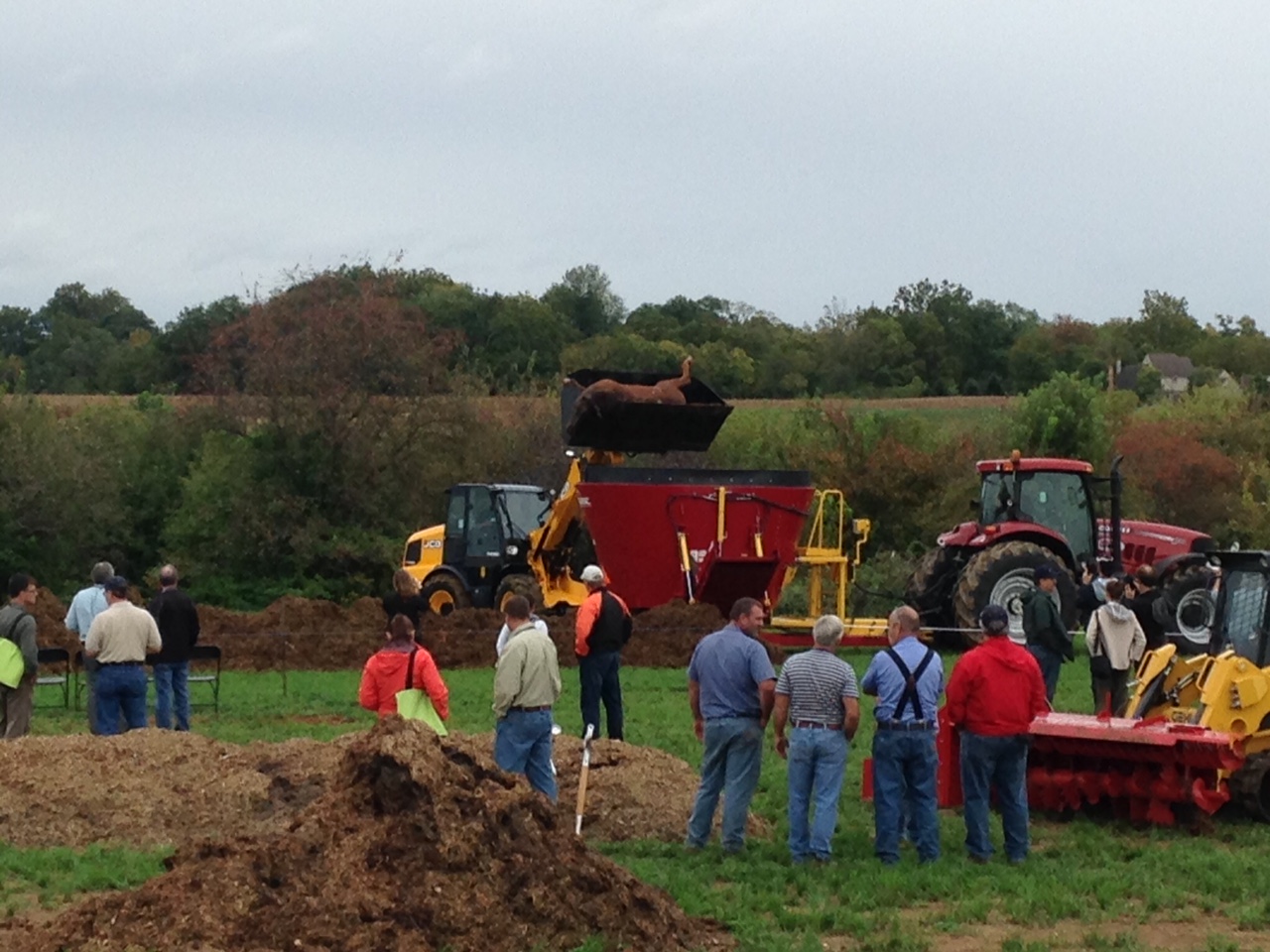
Moving horse for mortality composting
Examples of demonstrations during the field day

What have we learned?

Excellent industry tours and Farm tours and Demonstrations are an excellent learning opportunity. All Parties including Extension, Farmers, Industry and government personnel can benefit from hands on education.  Those in attendance gained skills and knowledge to be able to host their own training sessions and to be better prepared to handle animal mortality outbreaks and events in their own state.  They gained a first hand experience on pile building and related technologies for this type of event.

Demo with tractor covering mortality composting pile
Turning of a 60 day compost pile

Future Plans

The International Committee on Animal Mortality and Waste Products is a collection of University researchers and educators, State Department of Agriculture, Federal Homeland Security and Environmental Protection Agency personnel. The committee plans to meet for future International Symposiums as needed.

http://animalmortmgmt.org/symposium/contributors/

Corresponding author, title, and affiliation

J Craig Williams, County Agent, Penn State Extension

Corresponding author email

jcw17@psu.edu

Additional information

Conference website

http://animalmortmgmt.org/

The authors are solely responsible for the content of these proceedings. The technical information does not necessarily reflect the official position of the sponsoring agencies or institutions represented by planning committee members, and inclusion and distribution herein does not constitute an endorsement of views expressed by the same. Printed materials included herein are not refereed publications. Citations should appear as follows. EXAMPLE: Authors. 2017. Title of presentation. Waste to Worth: Spreading Science and Solutions. Cary, NC. April 18-21, 2017. URL of this page. Accessed on: today’s date.
EPA’s Nutrient Recycling Challenge


Proceedings Home W2W Home w2w17 logo

Purpose 

Come to this session to learn about the Nutrient Recycling Challenge and meet some of the involved partners and experts, as well as some innovators who are competing to develop nutrient recovery technologies that meet the needs of pork and dairy farmers. This session will begin with an overview of the challenge. Next, innovators will provide snapshot presentations about the technology ideas they are working on, followed by live feedback/Q&A sessions on each technology where we can harness the buzzing brainpower at Waste to Worth. Finally, we will move into a “workshop” designed to support innovators participating in the Nutrient Recycling Challenge as they refine their designs before they build prototypes.

What did we do?

Background on the Nutrient Recycling Challenge

At Waste to Worth 2015, the U.S. Environmental Protection Agency (EPA) hosted a brainstorm session about developing technologies that livestock farmers want to help manage manure nutrients. That session sowed the seeds for the Nutrient Recycling Challenge—a global competition to find affordable and effective nutrient recovery technologies that create valuable products farmers can use, transport, or sell to where nutrients are in demand. Pork and dairy producers, USDA, and environmental and scientific experts saw the tremendous opportunity to generate environmental and economic benefits, and partnered with EPA to launch the challenge in November 2015 (www.nutrientrecyclingchallenge.org).

What have we learned? 

There is a tremendous opportunity to generate environmental and economic benefits from manure by-products, but further innovation is needed to develop more effective and affordable technologies that can extract nutrients and create products that farmers can use, transport, or sell more easily to where nutrients are in demand.

In the Nutrient Recycling Challenge, innovators have proposed a range of technology systems to recover nitrogen and phosphorus from dairy and swine manure, including physical, chemical, biological, and thermal treatment systems. Some such systems may also be compatible with manure-to-energy technologies, such as anaerobic digesters. Farms of all sizes are interested in nutrient recovery, and there is demand for diverse types of technologies due to a diversity in end users. To improve the adoptability of nutrient recovery systems, it is critical that innovators are mindful of the affordability of technologies, and work to lower capital and operations and maintenance costs, and improve the potential for returns on investment. A key factor for offsetting the costs of a technology and improving its marketability will be in its ability to generate valuable nutrient-containing products that are competitive in the market.

Future Plans 

The challenge has four phases, in which innovators are turning concepts into designs, and eventually to pilot these working technologies on livestock farms. Thirty-four innovator teams whose concepts were selected from Phase I are refining technology designs in Phase II.  Design prototypes will be built in Phase III. This workshop is designed to help innovators maximize their potential for developing nutrient recovery technologies that meet farmer needs.

Corresponding author, title, and affiliation 

Joseph Ziobro, Physical Scientist, U.S. Environmental Protection Agency; Hema Subramanian, Environmental Protection Specialist, U.S. Environmental Protection Agency

Corresponding author email 

ziobro.joseph@epa.gov; subramanian.hema@epa.gov

Session Agenda

  1. Overview of the Nutrient Recycling Challenge, Hema Subramanian and Joseph Ziobro of EPA
  2. Nutrient Recycling Challenge Partner Introductions, Nutrient Recycling Challenge Partners (including National Milk Producers Federation, Newtrient, Smithfield Foods, U.S. Department of Agriculture Agricultural Research Service and Natural Resources Conservation Service, U.S. Department of Energy, and Water Environment & Reuse Foundation)
  3. Showcase of Innovators’ Technology Ideas
    • Decanter Centrifuge and Struvite Recovery for Manure Nutrient Management, Hiroko Yoshida
    • Manure Solids Separation BioFertilizer Produccion Drinking Water Efluente, Aicardo Roa Espinosa
    • Nutrient Recovery from Anaerobic Digestates, Rakesh Govind
    • Organic Waste Digestion and Nutrient Recycling, Steven Dvorak
    • Manure Treatment with the Black Solder Fly, Simon Gregg
  4. Nutrient Recycling Challenge Workshop for Innovators
    • Developing technologies: From concept to pilot (to full-scale), Matias Vanotti
    • Waste Systems Overview for Dairy and Swine and Innovative Technologies: What Steps Should be Taken (Lessons Learned), Jeff Porter

The authors are solely responsible for the content of these proceedings. The technical information does not necessarily reflect the official position of the sponsoring agencies or institutions represented by planning committee members, and inclusion and distribution herein does not constitute an endorsement of views expressed by the same. Printed materials included herein are not refereed publications. Citations should appear as follows. EXAMPLE: Authors. 2017. Title of presentation. Waste to Worth: Spreading Science and Solutions. Cary, NC. April 18-21, 2017. URL of this page. Accessed on: today’s date.
Spotlight on Manure Management in North Carolina and the Atlantic Coastal Plains


Proceedings Home W2W Home w2w17 logo

Purpose 

To provide information about commonly-found manure management systems and approaches in North Carolina and the Coastal Plains, and discuss opportunities for technological innovation in the areas of manure management and nutrient recovery/utilization. Hear from a diverse panel of researchers, animal agriculture producers, and agency representatives who will provide background on the environmental conditions of the region and discuss specific technical considerations for innovative research and development. Learn about what has and hasn’t worked in past attempts to recover nutrients at animal agriculture farms in the area, and about the exciting possibilities for innovation in the U.S. Environmental Protection Agency’s (EPA’s) Nutrient Recycling Challenge (www.nutrientrecyclingchallenge.org).

What did we do? 

N/A

What have we learned? 

N/A

Future Plans 

N/A

Corresponding author, title, and affiliation 

Joseph Ziobro, Physical Scientist, U.S. Environmental Protection Agency; Hema Subramanian, Environmental Protection Specialist, U.S. Environmental Protection Agency

Corresponding author email 

ziobro.joseph@epa.gov; subramanian.hema@epa.gov

Other authors

Dr. John Classen, Associate Professor and Director of Graduate Programs, College of Biological and Agricultural Engineering at North Carolina State University

Dr. Kelly Zering, Professor of Agricultural and Resource Economics, North Carolina State University

Additional information

Session Agenda

  1. Background, history, and technical information about manure management in North Carolina and the Coastal Plains

Presenter: Dr. John Classen, Associate Professor and Director of Graduate Programs, College of Biological and Agricultural Engineering at North Carolina State University

  1. Lessons Learned from the Smithfield Agreement

Presenter: Dr. Kelly Zering, Professor of Agricultural and Resource Economics, North Carolina State University

  1. Panel: Challenges and Opportunities around Manure Management Systems

Moderator: Hema Subramanian

Panel to include the above speakers plus representatives from the local animal agriculture industry, North Carolina Department of Agriculture and Consumer Services, North Carolina Department of Environmental Quality, and U.S. Environmental Protection Agency.