
Fate of Barbiturates and Non-steroidal Anti-inflammatory Drugs During Carcass Composting

Waste to Worth: Spreading science and solutions logoWaste to Worth home | More proceedings….

Why Are We Concerned About Drug Residues in Animal Mortality Compost?

With disease issues, the decline of the rendering industry, a ban on use of downer cows for food, and rules to halt horse slaughter, environmentally safe and sound practices for disposal of horses and other livestock mortalities are limited. Improper disposal of carcasses containing veterinary drugs has resulted in the death of domestic animals and wildlife. Composting of carcasses has been performed successfully to reduce pathogens, nutrient release, and biosecurity risks. However, there is concern that drugs used in the livestock industry, as feed additives and veterinary therapies do not degrade readily and will persist in compost or leachate, threatening environmental exposure to wildlife, domestic animals and humans.

Two classes of drugs commonly used in the livestock and horse industries include barbiturates for euthanasia and non-steroidal anti-inflammatory drugs (NSAID) for relief of pain and inflammation. Sodium pentobarbital (a barbiturate) and phenylbutazone (an NSAID) concentrations in liver, compost, effluent and leachate were analyzed in two separate horse carcass compost piles in two separate years. Horse liver samples were also buried in 3 feet of loose soil in the first year and drug concentrations were assessed over time.

What did we do?

Year 1- On 9/22/09 a 6 x 6 m piece of 10 mil plastic sheeting was laid on bare soil with a 2% slope, at the edge of Cornell University’s compost site in Ithaca, NY. Water was poured on the plastic to check the direction of flow. A hole was dug at the low end of the pad, under the plastic, large enough to fit a 76 l galvanized garbage can. A stainless steel canner was placed in the garbage can to collect effluent. A hole was cut in the plastic over the canner for collection. A 0.6 m high base (3.7 x 3.7 m) of coarse carbon material (woodchips) was laid on the plastic. A 27 year old Appaloosa mare, weighing approximately 455 kg that had been dosed with 1 gram phenylbutazone at midnight on 9/22/09 and again at 8:00 am was led onto the base and euthanized for severe lameness by a qualified veterinarian with 120 ml Fatal Plus® solution (active ingredient 390 mg/ml Pentobarbital Sodium). After the horse had been euthanized and the veterinarian ensured there were no signs of life, the carcass was maneuvered onto the wood chips with the head on the upward slope of the pad. The liver was removed from the horse and cut into 48 pieces, each weighing approximately 100 grams, and nylon mesh bags were then placed in whiffle balls. A 2 m length of nylon twine was attached to each ball. Twenty-three balls were inserted in the horse’s gut cavity and 22 balls were placed in a 1 m hole in the ground (burial hole) which was dug approximately 1.5 m from the pad. Pieces of the intestine and some blood were also placed in the hole to help mimic the presence of a carcass. The remaining 3 nylon mesh bags with liver were packaged for delivery to Cornell University’s Animal Health Diagnostic Center (AHDC) to determine initial NSAID and barbiturates concentrations. Two Hobo U12 data loggers with 4 temperature probes each were set up to record hourly temperatures. Five of the probes were placed in the compost pile: under the horse’s chest, in the horse’s hind gut, in the horse’s chest cavity, under the horse’s spine and under the horse’s right hind quarter. Two of the probes were placed in the burial hole and one probe was left out to record ambient temperature. The hole was covered with loose soil. The horse was covered with woodchips so that the pile was approximately 1.8 m high. The plastic liner was tightened by rolling it over and under wooden fence posts.

Year 2- In year 1, the collection of “leachate” included precipitation that diluted the leachate. In year 2, to target only the liquids that leached out of the horse and through the pile, two 3 m long troughs with a 1% slope were built out of 15 and 10 cm diameter PVC pipe attached to 5 x 15 cm untreated lumber. The troughs were placed on the pad from the centerline to the edge of the pile end-to-end with slopes going toward the outside of the pile. Leachate drained via gravity into 2-liter polyethylene bottles attached to the troughs. The exposed ends of the troughs were covered with 1 m length of aluminum flashing to keep rainwater out of the collection bottles.

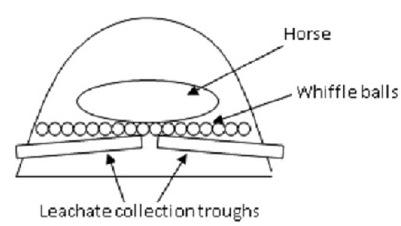
On 8/10/10 the leachate collection troughs were laid on bare soil with a 2% slope at the edge of Cornell University’s compost site in Ithaca, NY. A 0.6 m high base (3.7 x 3.7 m) of coarse carbon material (woodchips) was laid on top of the troughs. A 22 year old horse weighing approximately 590 kg, that had been dosed with 1 gram phenylbutazone at midnight on 08/10/10 and again at 7:30 am, was led onto the base and euthanized by a qualified veterinarian with 300 mg xylazine as a sedative, then with 120 ml Fatal Plus® solution (active ingredient 390 mg/ml Pentobarbital Sodium). After the horse had been euthanized and the veterinarian ensured there were no signs of life, the carcass was maneuvered on the wood chips with the head on the upward slope of the pad. The veterinarian took 4 tubes of blood from a vein in the nose and a vein in the front leg of the horse in heparinized Vacutainer® tubes for initial concentrations of pentobarbital and phenylbutazone. Twenty-six whiffle balls that had been pre-filled with wood chips (the base material of the compost pile) were placed such that they would be under the horse and liquids coming from the horse would be absorbed by the chips inside the balls, as well as in the surrounding base material, while the excess would drain down the leachate collection troughs and be captured in the 2 liter bottles at the end of the troughs (Figure 1). One Hobo U12 data logger with 4 temperature probes was set up to record hourly temperatures. The probes were placed under the horse’s neck and rump, on top of the horse’s abdomen, and one was left out to record ambient temperature. The horse was covered with woodchips so that the pile was approximately 1.8 m high. Additional woodchips were added to the pile on August 13 and the pile was covered with a breathable polyester compost cover to collect only what was leaching from the animal.

Figure 1 Cross-section of horse compost pile showing placement of leachate collection troughs and woodchip-filled whiffle balls.

On 8/10/10 a 0.6 m high base (3.5 x 3.5 m) of coarse carbon material was laid near the horse compost pile. A 455 kg 3 year, 7 month old, 2nd lactation Holstein cow was euthanized, due to a lung abscess, in the same manner as the horse (300 mg xylazine, followed by 120 ml Fatal Plus®). Four tubes of blood were withdrawn from her milk vein as described for the horse. One Hobo U12 data logger with 4 temperature probes was set up to record hourly temperatures. The probes were placed under the cow’s udder and rear leg, on top of the cow’s back, and one was left out to record ambient temperature. The cow was then covered with woodchips so that the pile was approximately 1.8 m high. Additional woodchips were added to the pile the following day before the pile was covered with a compost cover.

What did we learn?

In year one, phenylbutazone concentrations in the liver of the horse were undetectable (< 10 ppb) by 20 days of composting or burial in loose soil and were undetectable in effluent from the pile at the time of first sampling on day 6. Pentobarbital concentrations were undetectable (< 10 ppb) in liver samples retrieved from both the compost pile and loose soil by day 83. Rate of decay was faster in the soil, exponentially decreasing by 18% per day, with a half-life of 3 days, than in the compost pile where there was a 2% decrease per day and a half-life of 31 days, but occurred at the same rate of 1% and a half-life between 55 and 67 mesophilic degree days when calculated on the number of mesophilic degree days to which it was exposed. This suggests that breakdown of pentobarbital is not initiated by the heat of composting, but by the biological degradation that occurs in both soil and compost at mesophilic temperatures. Pentobarbital in the effluent decreased by 20% per day with a half-life of 3.1 days but was still detectable (0.1 ppm) at 223 days of composting.

In year 2, phenylbutazone was not detected in any of the samples analyzed (compost and leachate) other than blood taken from the jugular vein of the horse immediately after euthanasia. Pentobarbital concentrations in the compost were still detectable after 224 days of composting, but had decreased from 79.2 (initial) to 5.8 ppm. Pentobarbital in leachate was 2.2 ppm at day 56 of composting, after which no additional fluids leached into the leachate collection containers.  Rate of decay in the leachate was 35.2% per day with a half-life of 1.6 days. When managed properly, composting will deter domestic and wild animals from scavenging on treated carcasses while they contain the highest drug concentrations providing an effective means of disposal of euthanized and/or NSAID treated livestock. The resulting compost contains either no or very low concentrations of both NSAIDs and barbiturates rendering it safe for use in agriculture.

Barbiturate poisoning in domestic and wild animals has occurred from ingestion of tissue from animals euthanized with pentobarbital. Many of the reported cases have occurred from direct feeding on improperly disposed livestock in which little or no degradation or biotransformation of pentobarbital has occurred.  During the time period in which carcasses would be desirable to domestic and wild animals as a food source, composting creates sufficient heat to deter them from digging in to the pile. In addition, when covered properly, the smell of decomposition is minimized, also reducing attraction. The diverse community of microorganisms in the compost pile aids in the degradation and biotransformation of pentobarbital, especially after the thermophilic phase of composting is over. Properly implemented composting, as a means of disposal of euthanized or NSAID treated livestock, will deter domestic and wild animals from scavenging for carcasses when they contain the highest drug concentrations. The resulting compost contains either no or very low concentrations of either NSAIDs or barbiturates, rendering the compost safe for use in agriculture.

Future Plans

Education and implementation work continues in this area nationally and internationally. A 5th International Symposium on Depopulation and Disposal of Livestock is in the planning stages. A study on the Fate of anthelmintics (drugs that expel parasitic worms from the body) in livestock manure has just been completed.

Authors

Jean Bonhotal,  Mary Schwarz,  Cornell University, Cornell Waste Management Institute, Ithaca, NY

Karyn Bischoff, Joseph G Ebel, Jr. Cornell University, College of Veterinary Medicine, Ithaca, NY

Additional Information

Visit Cornell Waste Management Institute Web site: http://cwmi.css.cornell.edu/mortality.htm

Trends in Animal & Veterinary Sciences Journal article http://cwmi.css.cornell.edu/fate.pdf

The authors are solely responsible for the content of these proceedings. The technical information does not necessarily reflect the official position of the sponsoring agencies or institutions represented by planning committee members, and inclusion and distribution herein does not constitute an endorsement of views expressed by the same. Printed materials included herein are not refereed publications. Citations should appear as follows. EXAMPLE: Authors. 2013. Title of presentation. Waste to Worth: Spreading Science and Solutions. Denver, CO. April 1-5, 2013. URL of this page. Accessed on: today’s date.

What Practices Increase Infiltration and Reduce Runoff on Slopes Greater Than 30%?

Waste to Worth: Spreading science and solutions logoWaste to Worth home | More proceedings….

Why Are We Concerned About Runoff on Farms?

Farming in the driftless region of Wisconsin where the steep fields and waterways are all connected to rivers and streams can have signficant risks to water quality.  Sediment and nutrient movement into streams, rivers, and lakes in this part of the state has always been an issue, and agriculture has been identified as the largest contributor.  This talk is given by a farmer living and farming in one of the most challenging areas of the country.

What Did We Do?

Home dairy farm

For seven years, the UW – Discovery Farm Program (DFP) and the United States Geological Survey (USGS) conducted a paired research project on a livestock operation in the driftless region of Wisconsin.  This farm consisted of about 800 acres of tillable acres where fields are steep (some >30% slope), and every one drains into a waterway or stream which eventually flows into the Mississippi River.

What Have We Learned?

The USGS installed two in-stream monitoring stations in two small headwater streams that divide the farm.  The north basin consists of 430 acres with 150 acres cropland, 250 acres woodland, and 30 acres pasture.  The south basin consists of 215 acres with 39 acres cropland and pasture, 107 acres woodland, and 69 acres in CRP/CREP.  The farming system uses a combination of conservation tools and techniques that have been adapted to fit the physical setting of the area, and the goals and vision of the producer who has a rich history of conservation. Harvesting precipitation is constantly at the forefront of operations through careful soil management, a network of small check dams and larger at-grade stabilization structures, and a focus on minimizing soil disturbance activities. Seven years of data indicated that almost all sediment losses occurred during a few large summer storms that exceed the design criteria.

Overlooking the dairy farm

Future Plans

This project is completed and all that remains is the development of outreach and education materials.

Authors

Joe Bragger, Dairy Farm Manager, Bragger Family Dairy,  braggfam@triwest.net

Dennis R Frame, Director, UW – Discovery Farms

Amber Radatz, Outreach Specialist, UW – Discovery Farms

Eric Cooley, Outreach Specialist, UW – Discovery Farms

Dam on the farm

Additional Information

Information is available through the website (http://www.uwdiscoveryfarms.org) or by contacting the office at 1-715-983-5668.

The authors are solely responsible for the content of these proceedings. The technical information does not necessarily reflect the official position of the sponsoring agencies or institutions represented by planning committee members, and inclusion and distribution herein does not constitute an endorsement of views expressed by the same. Printed materials included herein are not refereed publications. Citations should appear as follows. EXAMPLE: Authors. 2013. Title of presentation. Waste to Worth: Spreading Science and Solutions. Denver, CO. April 1-5, 2013. URL of this page. Accessed on: today’s date.

The Financial Benefits of Composting Stable Waste for the Equine Industry

Waste to Worth: Spreading science and solutions logoWaste to Worth home | More proceedings….

Abstract

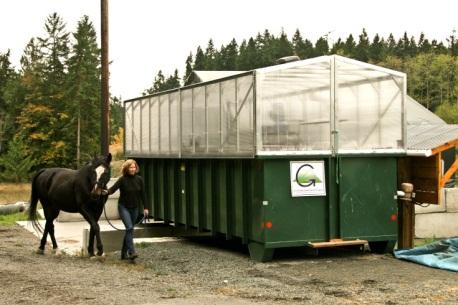
Composting is becoming widely accepted as a best management practice for equine facilities.  Stable waste is a readily compostable feedstock which generates heat and transforms into a finished compost product in as little as 2 weeks using in-vessel technologies. Composting the stable waste is financially beneficial, turning a liability into an asset, negating disposal fees, offering a decrease in bedding expenses and creating a saleable product.  In- vessel composting allows for compliance with increasing environmental regulations associated with manure management.

The primary topic will be the cost analysis of in-vessel vs. open pile composting of stable waste. The author will also compare the value of the product produced, specifically the value added with weed seed kill, reduction of pathogens, and the uniform quality and dryness of end product.  The presenter will provide lab data showing compost stability and pathogen reduction using both shavings and pellet bedding.  Value of the end product is seen in bedding re-use and/or soil amendment.

Discussion of cost savings will differ for different venues in the industry.  Case studies will be shown for the financial analysis of a private 20 horse stable and the 65 horse stable at the US Army base at Fort Myer/Henderson Hall in Washington DC.

In-Vessel Earth Flow system used for manure waste at IOS Ranch, Bainbridge Island, WA

Why Study Composting Stable Waste?

To identify a financially beneficial way to dispose of stable waste for equine facilities.

What Did We Do?

Costs associated with the disposal of stable waste are increasing, taking a larger part of the operating budget for many barns.  The increasing costs are largely due to environmental awareness and new and expanded regulations for all segments of the waste stream.  Barns can no longer legally pile manure unprotected in the backyard. In many regions, haulers have to be registered and dump sites are forced to put in expensive regulation-specified collection pads.  .  Farms are less likely to take and store stable waste for land use and not all municipal dump sites have the infrastructure to handle the waste.  Barn owners are left searching for affordable solutions.

Composting came to the forefront as a proven method to dispose of stable waste by turning a cost into a revenue stream by eliminating haul off disposal fees and creating a saleable by product with stable soil amendment.  Urban locations have the added burden of odor control; also addressed with a composting system, especially with an in-vessel system.    With these systems, environmental regulations are met and even exceeded. The resulting composted material can be either sold or used on site as soil amendment or for bedding reuse. If the material is sold, the infrastructure for this sales effort will need to be established.

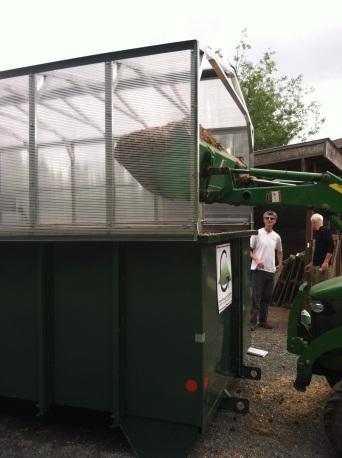
Existing technology for composting food waste was examined to treat stable waste.  The in-vessel composting systems with an automated auger and computer-controlled cycles adapted to stable waste easily.  In fact one of the test sites, Joint Base Meyers/Henderson, tested the use of stable waste from the Caisson Stable as the bulking agent for the food waste from their commissary and mess halls.  In a second test, the stable waste was used exclusively and proved to be a superior soil amendment that passed all laboratory testing and is currently being used at Arlington National Cemetery.

Private stables are putting in-vessel systems on site as they have small footprints, low energy consumption, low manpower hours, ease of use and comply with regulation. Medium sized barns (over 40 horses) use Site Built flow systems that have many of the same benefits as the in-vessel systems.  Larger stables, event centers and high-density equine areas are looking at large scale Aerated Static Pile (ASP) yards.  Cost models show these yards to be a lucrative financial investment when cost and difficulty of disposal is present as well as a market for the end product.  Even when conservative numbers are used for both number of horses serviced and value of end product, ASP facilities are a good business opportunity.  The investment cost for the in-vessel systems, site built systems and ASP sites vary by size and volume.  In cases where the expense of haul off of the stable waste exists, the ROI for an in-vessel system illustrates a solid investment.

Easy loading with the front bucket of a tractor.

Horse manure and traditional wood shavings or pellets is an excellent feedstock for composting. As explained by Michael Bryon Brown of Green Mountain Technology, “Horses are not ruminants and therefore do not extract as much nutrient from the grasses they eat. This leaves more energy available for the compost process. Typically, horse manure is collected with bedding material which is saturated in urine which has available urea and ammonia. The wood shavings are also an excellent bulking agent and carbon source for the compost process. The bedded horse manure has a high C:N ratio of 30:1 or higher. However, much of the N is in the form of ammonia which is readily available. The net effect is that if the horse manure balls are blended with the shavings before the ammonia dissipates, it will create the ideal compost matrix.”      

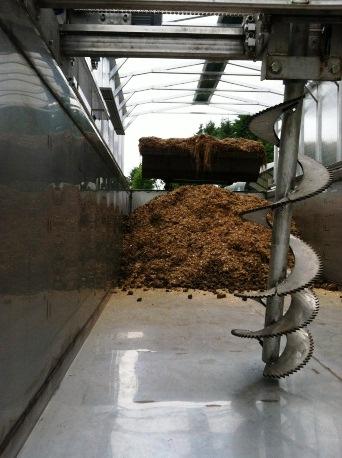
In the auger-based systems, the horse manure is shredded and blended with the bedding, bringing the nitrogen in contact with the grass fibers.  This blended material generates heat, driving off moisture as vapor.  Temperatures rise to 135-155F sterilizing the compost, killing weed seed and drying the mixture.  In-vessel composted material is ready to exit the system in 10-14 days; in a site-built system, depending on length of the bay, 15-25 days.  The exiting material is void of any manure or ammonia smell and is homogenous in nature.  Laboratory testing has shown the compost to be stable and free of pathogens according to EPA regulations.  Composting stable waste reduces by up to 50% both water-soluble phosphorous and nitrogen that would be present in rain water runoff from an untreated pile.

Interior auger used to mix and move the stable waste material.

The price for composted material will vary across the country in accordance with the demand for the product.  In urban areas outside of Seattle, Washington, compost is selling for as much as $32 a yard at retail and $20 a yard wholesale.  Untreated aged horse manure is being sold in Florida for $5 a yard.  Historically barns have advertised manure for sale with an ad in the local paper, offering to fill up a pick up for a nominal sum.  Initial effort will be spent to set up a network of buyers for the compost material. Once the network is set it should create a steady income stream.

Options other than soil amendment include re-use as bedding for both equine and dairy businesses, lowering another cost of operation if the compost material is priced below new shavings.  Regional prices for new shavings vary by up to $8 dollars per yard and availability ranges from scarce to plentiful.  Further financial gain can occur with the added health benefits to bedding re-use, long recognized in the dairy industry and recently explored in the equine industry.

What Have We Learned?

Spread sheets supporting above findings.

Future Plans

We plan to follow development and enforcement of regulations on manure waste, support networking of compost markets, continue research on the health benefits of bedding re-use and continue to develop composting systems that are affordable for the equine industry.

Authors

Mollie Bogardus, MBA in Sustainable Business, Bainbridge Graduate Institute, Equine Specialist, Green Mountain Technologies, Inc. mollie@compostingtechnology.com

Additional Information

Bogardus, Mollie. “Equine Applications – Case Studies.” Green Mountain Technologies, Inc.. N.p., 13 Sept. 2012. Web. 27 Feb. 2013. <http://compostingtechnology.com/equine>.

Brezovec, Paul. “Evaluating Composting for Contingency Bases «  « BioCycle BioCycle.” Composting, Renewable Energy & Sustainability | BioCycle.net BioCycle. Version Nov 2012, Vol.53, No. 11, p. 20. Biocycle Magazine, n.d. Web. 27 Feb. 2013. <http://www.biocycle.net/2012/11/evaluating-composting-for-contingency-ba….

“Equine Applications- Media- lab results.” Green Mountain Technologies. Green Mountain Technologies, Inc, n.d. Web. 27 Feb. 2013. <http://compostingtechnology.com/equine>.

Price Youngquist, Caitlin. “Composted Manure and Stall Bedding Pilot Project | Better Ground.” Better Ground, the outreach program of Snohomish Conservation District. SARE, 13 Feb. 2013. Web. 27 Feb. 2013. <http://www.betterground.org/composted-manure-and-stall-bedding-pilot-pro….

Price, Caitlin. “Composted Manure and Stall Bedding Pilot Project | Better Ground.” Better Ground, the outreach program of Snohomish Conservation District. SARE, 26 Feb. 2013. Web. 27 Feb. 2013. <http://betterground.org/composted-manure-and-stall-bedding-pilot-project/>.

Sikora, Lawrence. “Composting Effects on Phosphorous availability in Animal Manures.” SERA-17 Organization to Minimize Phosphorous Losses from Agriculture. SERA-17, n.d. Web. 15 Jan. 2013. <www.sera17.ext.vt.edu/Document/BMP_composting_effects.pdf>.

Wheeler, Eileen. “Cornell Cooperative Extension, Orange County Equine, Saratoga County Equine.” Cornell Cooperative Extension, Orange County Equine, Saratoga County Equine. Penn State, n.d. Web. 27 Feb. 2013. <http://www.cceequine.org>.Zaborski, Ed. “Composting to Reduce Weed Seeds and Plant Pathogens – eXtension.” eXtension – Objective. Research-based. Credible.. University of Illinois at Urbana-Champaign, 22 Oct. 2012. Web. 27 Feb. 2013. <http://www.extension.org/pages/28585/composting-to-reduce-weed-seeds-and….

Acknowledgements

Special thanks to Caitlin Price Youngquist , Farm Planner, Snohomish Conservation District, for her continuing collaboration and dedicated work on this subject.

The authors are solely responsible for the content of these proceedings. The technical information does not necessarily reflect the official position of the sponsoring agencies or institutions represented by planning committee members, and inclusion and distribution herein does not constitute an endorsement of views expressed by the same. Printed materials included herein are not refereed publications. Citations should appear as follows. EXAMPLE: Authors. 2013. Title of presentation. Waste to Worth: Spreading Science and Solutions. Denver, CO. April 1-5, 2013. URL of this page. Accessed on: today’s date.
Soil Amendments Reduced Herbicides Mobility into Agricultural Runoff

Waste to Worth: Spreading science and solutions logoWaste to Worth home | More proceedings….

Abstract

Recycling waste such as municipal sewage sludge (SS) and yard waste (YW) for use as low-cost fertilizer resulted in positive effects on the growth and yield of vegetable crops. Eighteen runoff plots were established at Kentucky State University research farm (Franklin County, KY) to study the impact of soil amendments on reducing surface runoff water contamination by residues of dimethazone and trifluralin herbicides arising from agricultural fields. Three soil management practices: municipal sewage sludge (SS), SS mixed with YW, and no-mulch rototilled bare soil were used to monitor the impact of soil amendments on herbicide residues in soil following natural rainfall events. Biobeds (a soil cavity filled with a mixture of wheat straw, peat moss, and top soil) reduced dimethazone and trifluralin by 84 and 82%, respectively in runoff water that would have been transported down the land slope of agricultural fields and contaminate natural water resources. Biobeds installed in SS and SS+YW treatments reduced dimethazone by 65 and 46% and trifluralin by 52 and 79%, respectively. We concluded that soil amendments could be used to intercept pesticide-contaminated runoff from agricultural fields, creating optimum conditions for sorption and biodegradation such that the amount of pesticides adjacent to water bodies is significantly reduced. This practice might provide a potential solution to pesticide contamination of surface and seepage water from farmlands.

What Did We Do?

Eighteen runoff plots were established at Kentucky State University research farm to study the impact of soil amendments on reducing surface runoff water contamination by residues of dimethazone and trifluralin herbicides arising from agricultural fields.The field trial area was established on a Lowell silty loam soil (pH 6.7, 2% organic matter) of 10% slope located at the Kentucky State University (KSU) Research Farm (Franklin County, KY). The farm is located in the Kentucky River Watershed in the Blue Grass Region. Eighteen (18) field plots of 3.7 m wide and 22 m long each were installed with stainless steel borders along each side to prevent cross contamination between adjacent treatments. A gutter was installed across the lower end of each plot with 5% slope to direct runoff to the tipping buckets and collection bottles for runoff water measurement. At the bottom of each plot, a pan lysimeter (n=18) of 1.5 m deep was installed for collecting infiltration water following natural rainfall events.

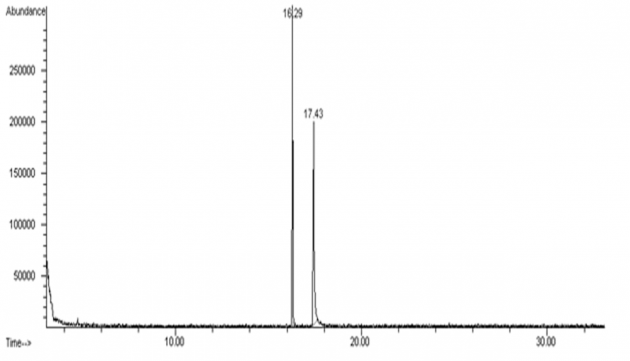
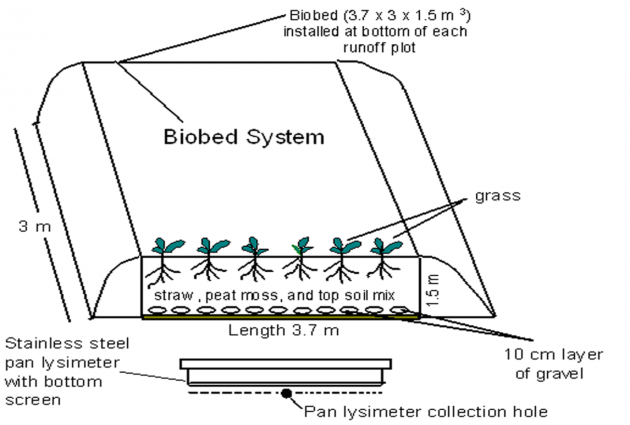
At the lower end of each of nine experimental plots, nine biobed systems were installed (Figure 1.). Three soil management practices were used in experimental plots: 1) municipal sewage sludge obtained from Metropolitan Sewer District, Louisville, KY was mixed with yard waste compost (obtained from Con Robinson Company, Lexington, KY) and incorporated into native soil at 15 t acre-1 (on dry weight basis) with a plowing depth of 15 cm, 2) municipal sewage sludge  was mixed with native soil at 15 t acre-1 (on dry weight basis) with a plowing depth of 15 cm, and 3) a no-mulch (NM) control treatment (roto-tilled bare soil) was used for comparison purposes. The soil in the experimental area was sprayed with a mixture of dimethazone (Command 3ME) and trifluralin (Treflan) formulations at the recommended rates of application in Kentucky. [1] Seedlings of muskmelon (Cucumis melo cv. Athena) and bell pepper (Capsicum annuum cv. Artistotle) were planted with 25 and 60 cm in-row spacing, respectively. Runoff water under three natural rainfall events was collected and quantified at the lower end of each plot throughout the growing season using tipping-bucket runoff metering apparatus. Pan lysimeters were used to monitor the presence or absence of pesticide residues in the vadose zone, the unsaturated water layer below the plant root. Trifluralin and dimethazone were extracted with 150 mL of a mixture of methylene chloride [CH2Cl2] + acetone (6:1, v/v) using liquid-liquid partition. Concentrated extracts were injected into a gas chromatograph (GC) equipped with flame ionization detector (FID). The gas chromatograph (HP 5890, Hewlett Packard) was equipped with a 30-m (0.23-mm diameter, 0.33-µm film thickness) fused silica capillary column with HP-5 (5% phenyl polysiloxane, 95% methyl polysiloxane) liquid phase. Operating conditions were 230, 250, and 280 °C for injector, oven, and detector, respectively. Under these conditions retention times (Rt) of trifluralin and dimethazone averaged 16.29 and 17.43 min, respectively (Figure 2).

Figure 1. Schematic diagram of a slot-mulch biobed system. Note that a pan lysimeter is installed at the bottom of each biobed system to collect infiltration water and monitor herbicide mobility.

Figure 2. Gas chromatographic (GC) chromatograms of native soil extracts prepared in acetonitrile: hexane: methanol (45:45:10 v/v) at 1 h (upper graph) and 3 d (lower graph) following spraying with a mixture of Clomazone and Treflan formulations at the recommended rate of application

What Have We Learned?

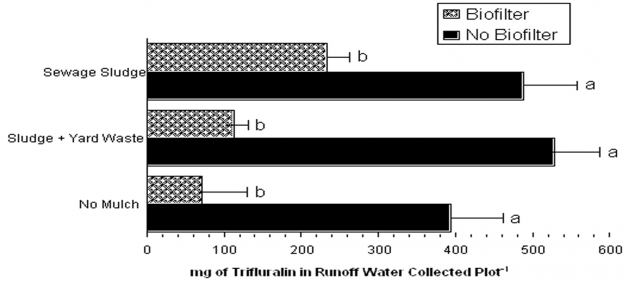
Herbicide residues detected in soil and water (Figures 3 & 4) were confirmed using gas chromatography (GC)/mass spectrometry (GC/MS) (Hewlett Packard Model 5971a). The increased organic matter content of soil due to the addition of soil amendments (SS and SS mixed with YW compost) increased the concentration of dimethazone and trifluralin retained in soil. Dimethazone residues extracted from SS and SS+YW compost increased by 14 and 50%, respectively compared to no-mulch soil. Similarly, trifluralin residues increased by 17 and 75% in SS and SS mixed with yard waste, respectively, compared to no-mulch native soil. This could be explained by the adsorption properties of dimethazone on soil particles [2] that varied with increasing percentages of organic matter following the addition of amendments as well as the partial degradation of dimethazone by soil microbes. [3] Loux et al. [2] proposed hydrophobic bonding to organic matter to be the primary mechanism of dimethazone sorption and that bioavailability and dissipation of dimethazone in soil are determined by dimethazone adsorption properties. Yard waste compost contains significant concentrations of humic acid, the main constituent of soil organic matter. Functional groups in humic acid, namely carboxylic and phenolic groups appeared to be the principle sites for the adsorption and interaction with trifluralin. [4]

Table 1. indicated that the soil binding property (Koc) of dimethazone is 150-562 mL g-1 while Koc of trifluralin is 8,000 mL g-1. Greater Koc values of trifluralin indicated a tighter binding to the soil particles. Plots amended with SS+YW mix increased volume of water percolated into the vadose zone by 55% compared to no-mulch treatments. Plots with biofilters also increased the volume of water percolated into the vadose zone. This increase was greatest (44%) in SS+YW treatments.  This increase could be attributed to the reduced bulk density and increased soil particle interspaces after addition of yard waste compost. As indicated previously, water solubility, vapor pressure, and Koc value of a pesticide have a great impact on its mobility and distribution in the environment. Dimethazone residues in infiltration water were reduced from 0.5 to 0.31 mg plot-1 (38 % reduction), while trifluralin residues were reduced from 17.7 to 7.3 mg plot-1 (60 % reduction). This is attributed to the presence of biobeds (biofilters) as well as the physical and chemical characteristics of each of the two herbicides that vary from the high water solubility and low Koc values of dimethazone to the low water solubility and high Koc values of trifluralin (Table 1).

Figure 3. Dimethazone residues in runoff water (upper graph) and trifluralin residues in runoff water (lower graph) collected down the land slope under three soil management practices. Each plot is 3.7 m x 22 m long (0.02 acre). Statistical comparisons were done between plots with biofilters and plots with no biofilters.

Figure 4. Dimethazone residues in infiltration water (upper graph) and trifluralin residues in infiltration water (lower graph) collected under three soil management practices. Statistical comparisons were done between plots with biofilters and plots with no biofilters.

Future Plans

Future objectives will be to test the performance of biobed systems in reducing trace-elements mobility from soil amendments into runoff and seepage water.

Authors

George F. Antonious, Professor, Kentucky State University –College of Agriculture, Food Science, and Sustainable Systems- Division of Environmental Studies and Sustainable Systems, Frankfort, KY 40601, USA george.antonious@kysu.edu

Eric T. Turley, Co-Investigator, Kentucky State University-College of Agriculture, Food Science, and Sustainable Systems- Division of Environmental Studies and Sustainable Systems, Frankfort, KY 40601, USA

Regina R. Hill, Research Assistant, Kentucky State University-College of Agriculture, Food Science, and Sustainable Systems- Division of Environmental Studies and Sustainable Systems , Frankfort, KY 40601, USA

Additional Information

https://kysu.edu/academics/cafsss/agriculture-research/division-of-environmental-studies-and-sustainable-systems/

Acknowledgements

The authors acknowledges Darrell Slone and Janet Pfeiffer for their kind assistance in planting pepper and melon at KSU research farm. This investigation was supported by two grants from USDA/CSREES to Kentucky State University under agreements No.KYX-10-08-43P & No.KYX-2006-1587.

The authors are solely responsible for the content of these proceedings. The technical information does not necessarily reflect the official position of the sponsoring agencies or institutions represented by planning committee members, and inclusion and distribution herein does not constitute an endorsement of views expressed by the same. Printed materials included herein are not refereed publications. Citations should appear as follows. EXAMPLE: Authors. 2013. Title of presentation. Waste to Worth: Spreading Science and Solutions. Denver, CO. April 1-5, 2013. URL of this page. Accessed on: today’s date.
From Waste to Energy: Life Cycle Assessment of Anaerobic Digestion Systems

Waste to Worth: Spreading science and solutions logoWaste to Worth home | More proceedings….

Abstract

In recent years, processing agricultural by-products to produce energy has become increasingly attractive due to several reasons: centralized availability of low cost by-products, avoiding the fuel vs. food debate, reduction of some associated environmental impacts, and added value that has the potential to generate additional income for producers. Anaerobic digestion systems are one waste-to-energy technology that has been proven to achieve these objectives.  However, investigation on the impacts of anaerobic digestion has focused on defined segments, leaving little known about the impacts that take place across the lifecycle. Current systems within the U.S. are dairy centric with dairy manure as the most widely used substrate and electricity production as the almost sole source for biogas end use.  Recently, there is more interest in exploring alternative feedstocks, co-digestion pathways, digestate processing, and biogas end uses.  Different operational and design practices raise additional questions about the wide reaching impacts of these decisions in terms of economics, environment, and operational aspects, which cannot be answered with the current state of knowledge.

Why Study the Life Cycle of Anaerobic Digestion?

Waste management is a critical component for the economic and environmental sustainability of the agricultural sector. Common disposal methods include land application, which consumes large amounts of land resources, fossil energy, and produces significant atmospheric GHG emissions. Proof of this is that agriculture accounts for approximately 50% of the methane (CH4) and 60% of the nitrous oxide (N2O) global anthropogenic emissions, being livestock manure one of the major sources of these emissions (Smith et al., 2007). In the last decades, the development of anaerobic digestion (AD) systems has contributed to achieve both climate change mitigation and energy independence by utilizing agricultural wastes, such as livestock manure, to produce biogas. In addition, it has been claimed that these systems contribute to nutrient management strategies by adding flexibility to the final use and disposal of the remaining digestate. Despite these advantages, the implementation of AD systems has been slow, due to the high investment and maintenance costs. In addition, little is still known about the lifecycle impacts and fate and form of nutrients of specific AD systems, which would be useful to validate their advantages and identify strategic and feasible areas for improvement.

The main goal of this study is to quantify the lifecycle GHG emissions, ammonia emissions, net energy, and fate and form of nutrients of alternative dairy manure management systems including land-spread, solid-liquid separation, and anaerobic digestion. As cow manure is gaining an important role within the biofuel research in the pursuit for new and less controversial feedstocks, such as corn grain, the results of this study will provide useful information to researchers, dairy operators, and policy makers.

What Did We Do?

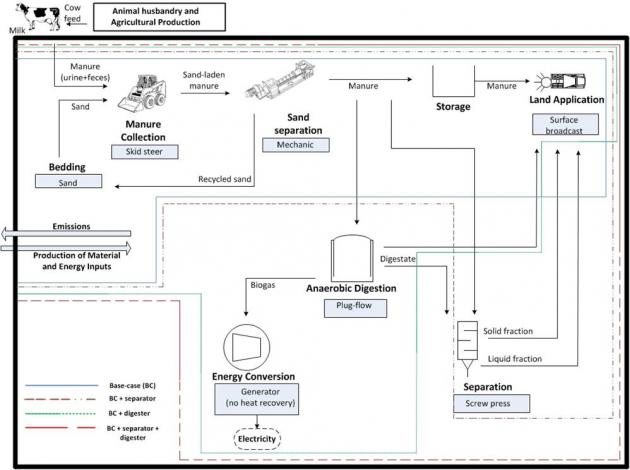
Lifecycle sustainability assessment (LCSA) methods were used to conduct this research, which is focused in Wisconsin. The state has nearly 1.3 million dairy cows that produce approximately 4.7 million dry tons of manure annually and is the leading state for implemented agricultural based AD systems. Manure from a 1,000 milking cow farm (and related maintenance heifers and dry cows) was taken as the base-case scenario. Four main processes were analyzed using the software GaBi 5 (PE, 2012) for the base case: manure production and collection, bedding sand-separation, storage, and land application. Three different manure treatment pathways were compared to the base-case scenario: including a solid-liquid mechanical separator, including a plug-flow anaerobic digester, and including both the separator and the digester. The functional unit was defined as one kilogram of excreted manure since the function of the system is to dispose the waste generated by the herd. A cradle-to-farm-gate approach was defined, but since manure is considered waste, animal husbandry and cultivation processes were not included in the analysis (Fig. 1). Embedded and cumulative energy and GHG emissions associated with the production of material and energy inputs (i.e. sand bedding, diesel, electricity, etc.) were included in the system boundaries; however, the production of capital goods (i.e. machinery and buildings) were excluded.

Figure 1. System boundaries of the base case scenario (land-spread manure) and the three manure treatment pathways: 1) solid-liquid separation, 2) anaerobic digestion, 3) anaerobic digestion and solid-liquid separation.

Global warming potential (GWP) was characterized for a 100-year time horizon and measured in kg of carbon dioxide equivalents (CO2-eq). Characterization factors used for gases other than CO2 were 298 kg CO2-eq for N2O, 25 kg CO2-eq for abiotic CH4 based on the CML 2001 method, and 24 kg CO2-eq for biotic CH4. CO2 emissions from biomass are considered to be different from fossil fuel CO2 emissions in this study; the former recycles existing carbon in the system, while the latter introduces new carbon into the atmosphere. In this context, it will be assumed that CO2 emissions from biomass sources were already captured by the plant and will not be characterized towards GWP[1]. This logic was applied when characterizing biogenic methane as one CO2 was already captured by the plant, therefore, reducing the characterization factor from 25 kg CO2-eq to 24 kg CO2-eq. Even though ammonia (NH3) does not contribute directly to global warming potential, it is considered to be an indirect contributor to this impact category (IPCC, 2006).

Data was collected from different sources to develop lifecycle inventory (LCI) as specific to Wisconsin as possible, in order to maximize the reliability, completeness, and representativeness of the model. The following points summarize some of the data sources and assumptions used to construct the LCI:

  • Related research (Reinemann et al., 2010): This model provided data about animal husbandry and crop production for dairy diet in Wisconsin.
  • Manure management survey: The survey, sent to dairy farms in Wisconsin, has the objective of providing information related to manure management practices and their associated energy consumption.
  • In house experiments: laboratory experiments, conducted at the University of Wisconsin-Madison, provided characterization data about manure flows before and after anaerobic digestion and solid-liquid separation and manure density in relation to total solids (Ozkaynak and Larson, 2012).
  • Material and energy databases: National Renewable Energy Laboratory U.S. LCI dataset (NREL, 2008), PE International Professional database (PE, 2012), and EcoInvent (EcoInvent Center, 2007), which are built into GaBi 5. The electricity matrix used in this LCA represents the mix of fuels that are part of the electric grid of Wisconsin.
  • Representative literature review.

Biotic emissions from manure have been cited to be very site specific (IPCC, 2006) and even though the Intergovernmental Panel on Climate Change (IPCC) provides regional emission factors, they are only for CH4 and N2O. Specific GHG emission factors were developed for Wisconsin based on the Integrated Farm System Model (IFSM) (Rotz et al., 2011), and by using key parameters that affect emissions (e.g. temperature, volatile solids, manure management practices) for each stage of the manure management lifecycle.

What Have We Learned?

Emissions are produced from consumed energy and from manure during each stage of the manure management lifecycle. In the base-case scenario, manure storage is the major contributor to GHG emissions. In this scenario, a crust tends to form on top of stored manure due to the higher total solids content when compared to digested manure and the liquid fraction of the separated manure. The formation of this crust affects overall GHG emissions (e.g. crust formation will increase N2O emissions but reduce CH4 emissions). The installation of a digester reduces CH4 emissions during storage due to the destruction of volatile solids that takes place during the digestion process. However, some of the organic nitrogen changes form to ammoniacal nitrogen, increasing ammonia and N2O emissions posterior to storage and land application. Energy consumption increases with both anaerobic digester and separation, but net energy is higher with anaerobic digestion due to the production of on-farm electricity. The nutrient balance is mostly affected by the solid-liquid separation process rather than the anaerobic digestion process.

Future Plans

A comprehensive and accurate evaluation of the lifecycle environmental impacts of AD systems requires assessing the multiple pathways that are possible for the production of biogas, which are defined based on local resources, technology, and final uses of the resulting products.  A second goal of this research is to quantify the net GHG and ammonia emissions, net energy gains, and fate of nutrients of multiple and potential biogas pathways that consider different: i) biomass feedstocks (e.g miscanthus and corn stover), ii) management practices and technology choices, and iii) uses of the produced biogas (e.g. compressed biogas for transportation and upgraded biogas for pipeline injection) and digestate (e.g. bedding). This comprehensive analysis is important to identify the most desirable pathways based on established priorities and to propose improvements to the currently available pathways.

Authors

Aguirre-Villegas Horacio Andres. Ph.D. candidate. Department of Biological Systems Engineering, University of Wisconsin-Madison.  aguirreville@wisc.edu

Larson Rebecca. Ph.D. Assistant Professor. Department of Biological Systems Engineering, University of Wisconsin-Madison.

Additional Information

    • Ozkaynak, A. and R.A. Larson.  2012.  Nutrient Fate and Pathogen Assessment of Solid Liquid Separators Following Digestion.  2012 ASABE International Meeting, Dallas, Texas, August 2012

References

De Klein C., R. S.A. Novoa, S. Ogle, K. A. Smith, P. Rochette, T. C. Wirth,  B. G. McConkey, A. Mosier, and K. Rypdal. 2006. Chapter 11: N2O emissions from managed soils, and CO2 emissions from lime and urea application. In Volume 4: Agriculture, Forestry and Other Land Use. IPCC 2006, 2006 IPCC Guidelines for National Greenhouse Gas Inventories, Prepared by the National Greenhouse Gas Inventories Programme, Eggleston H.S., Buendia L., Miwa K., Ngara T. and Tanabe K. (eds). Published: IGES, Japan.

Ecoinvent Centre.2007. Ecoinvent Eata. v2.0. Ecoinvent Reports No.1-25. Swiss Centre for Life Cycle Inventories. Dübendorf.

National Renewable Energy Laboratory (NREL). 2008. U.S. Life-Cycle Inventory (LCI) Database.

Ozkaynak, A. and R.A. Larson.  2012.  Nutrient Fate and Pathogen Assessment of Solid Liquid Separators Following Digestion.  2012 ASABE International Meeting, Dallas, Texas, August 2012

PE International. 2012. Software-systems and databases for lifecycle engineering.

Reinemann D. J., T.H. Passos-Fonseca, H.A. Aguirre-Villegas, S. Kraatz, F. Milani, L.E. Armentano, V. Cabrera, M. Watteau, and J. Norman. 2011. Energy intensity and environmental impact of integrated dairy and bio-energy systems in Wisconsin, The Greencheese Model.

Rotz, C. A., M. S. Corson, D. S. Chianese, F. Montes, S.D. Hafner, R. Jarvis, and C. U. Coiner. 2011. The Integrated Farm System Model (IFSM). Reference Manual Version 3.4. Accessed on Nov, 2012. Available at: http://www.ars.usda.gov/Main/docs.htm?docid=8519

Smith, P., D. Martino, Z. Cai, D. Gwary, H. Janzen, P. Kumar, B. McCarl, S. Ogle, F. O’Mara, C. Rice, B. Scholes, O. Sirotenko. 2007: Agriculture. In Climate Change 2007: Mitigation. Contribution of Working Group III to the Fourth Assessment Report of the Intergovernmental Panel on Climate Change [B. Metz, O.R. Davidson, P.R. Bosch, R. Dave, L.A. Meyer (eds)], Cambridge University Press, Cambridge, United Kingdom and New York, NY, USA.

Acknowledgements

This work was funded by the Wisconsin Institute for Sustainable Agriculture (WISA-Hatch)

The authors are solely responsible for the content of these proceedings. The technical information does not necessarily reflect the official position of the sponsoring agencies or institutions represented by planning committee members, and inclusion and distribution herein does not constitute an endorsement of views expressed by the same. Printed materials included herein are not refereed publications. Citations should appear as follows. EXAMPLE: Authors. 2013. Title of presentation. Waste to Worth: Spreading Science and Solutions. Denver, CO. April 1-5, 2013. URL of this page. Accessed on: today’s date.
Mitigating Air Emissions from Animal Manure: Summaries of Innovative Technologies

Reprinted, with permission, from the proceedings of: Mitigating Air Emissions From Animal Feeding Operations Conference.

Summaries Sorted By:

Technologies that apply to multiple species, uses, technology types, and/or pollutants are listed under all applicable groups.

Animal Species

Facility or Use Area

Type of Technology

Pollutant Mitigated

Avian Influenza Mortality Management Options, Composting Procedures and Lessons Learned

This presentation outlines mortality management options during an animal disease outbreak and highlight the composting methodology implemented on poultry operations during the HPAI outbreak, as well as the successes, challenges and lessons learned. This presentation was originally broadcast on February 17, 2017. More… Continue reading “Avian Influenza Mortality Management Options, Composting Procedures and Lessons Learned”

Designing Structures to Remove Phosphorus from Drainage Waters

Waste to Worth home | More proceedings….

Abstract

Several groups have developed P removal structures, which are units filled with P sorbing materials and designed to channel runoff water through them while retaining the filter material and P.  The goal is to prevent P from entering a surface water body and allow filtered P to be removed from the watershed after the P-saturated material is removed.  The P sorbing materials utilized are typically by-products from various industries and include steel slag, FGD gypsum, drinking water treatment residuals, and acid mine drainage residuals.  A modeling tool has been developed for (1) sizing a structure based on filter media properties and watershed characteristics, (2) predicting the lifetime of a P removal structure, and (3) estimating total P removal.  In addition to the modeling tool, data from full scale filters will be presented.

Why Are We Concerned About Phosphorus in Water?

Excessive phosphorus (P) in surface waters can result in algae growth, fish kills, eutrophication, and overall poor water quality.  This problem is especially evident in the Illinois River Basin and Chesapeake Bay.  Sources of P to aquatic ecosystems include wastewater treatment plants and also non-point runoff sources (agriculture, horticulture, urban/suburban landscapes).

Soils that have continuously received excess P beyond plant needs typically become “built up” to high levels of soil P.  These soils release dissolved P during rainfall/runoff events.  Current best management practices (BMPs) mostly address particulate P (i.e. P bound to soil particles) transport, not dissolved P.  Dissolved P is more damaging than particulate P because it is immediately 100% available to aquatic life.  Even if all P applications to high P soils are ceased and BMPs are implemented to reduce erosion (i.e. particulate P transport), dissolved P transport will continue to occur for at least 15 years, assuming that plants are harvested from the site.  If plants are not harvested and removed from the site, then dissolved P concentrations may remain elevated in runoff for much longer.

Because soil P levels will remain high for many years, even if P applications cease and efforts are made to “mine” the soil P using plants, the system will continue to “leak” dissolved P during every runoff event.  This has resulted in the need to develop a new BMP that can reduce the transport of dissolved P.

What Did We Do?

Through use of various industrial by-products, we constructed landscape “filters” that remove dissolved P in runoff from “hot spots” before it reaches streams and lakes.  Many industrial by- products that are typically land-filled, including materials produced during drinking water treatment, power generation, and steel production have a beneficial re-use in improving surface water quality by adsorbing P from passing water.

Phosphorus removal structure located at Stillwater Country Club, which utilizes steel slag as the P sorbing material

Several P removal structures were constructed in residential and agricultural watersheds.  Industrial by-products such as flu gas desulfurization gypsum and steel slag were used as P sorbents in the filters.  These filters can be placed in locations known to produce high dissolved P concentrations in runoff; the materials are contained within the structure, which allows them to be removed after they are no longer effective at filtering P (i.e. “saturated” with P).  The materials can then be replaced with fresh materials.  This represents a true removal of P from the system instead of simply tying up the P temporarily.

Automatic samplers and flow meters were used to monitor flow rates and collect samples for measurement of dissolved P and other parameters.  Samples were collected throughout runoff events at both inlet (pre-treatment) and outlet (post-treatment) of structures.  Based on flow volumes and measured P concentrations at the inlet and outlet of structures, P load and P load reductions were calculated.

In addition, approximately 16 different P sorbing materials were tested under flow-through conditions in the laboratory in order to quanitify P removal under different inflow P concentrations and retention times.  With this data set, we have produced a user-friendly model to aid in construction of P removal structures, predict how much P they will remove, and how long they will last until the material is saturated with P.

Phosphorus box filters designed to treat runoff from a poultry farm located in Maryland

What Have We Learned?

Over 8 months of monitoring at the Stillwater site, dissolved P concentrations varied from 0.3 to 1.5 mg L-1 for a residential watershed.  The structure located at that site was able to remove 25% of all the dissolved P that entered the structure over a time period of 8 months.  Other materials can adsorb much more P, but the hydraulic conductivity is much lower, therefore limiting the amount of water that can be treated.  Depending on the material and conditions, P removal structures can pay for themselves if a P trading credit program is ever implemented for non-point source total maximum daily loading (TMDLs).

Future Plans

The computer program model will eventually be made available on the web for practitioners, especially the Natural Resources Conservation Service (NRCS), to aid in P removal structure design.  We are also developing a new P sorbing material that will have greater P sorption capacity and a large hydraulic conductivity, enabling it to both remove P and treat large amounts of water. A large P removal structure is under construction on an eastern Oklahoma poultry farm, where it will capture and treat runoff from areas directly around the poultry houses.

Canister filters placed in a drainage ditchlocated in Maryland

Authors

Chad Penn, Associate professor of soil and environmental chemistry, Oklahoma State University,

Josh Payne,  Area animal waste management specialist, Oklahoma State University

Josh McGrath, Associate professor of soil fertility, University of Maryland

Jeff Vitale, Associate professor of agricultural economics, Oklahoma State University

Additional Information

Stoner, D., C.J. Penn, J.M. McGrath, and J.G. Warren.  2012.  Phosphorus removal with by-products in a flow-through setting.  J. Environ. Qual.  41:654-663.

Penn, C.J., J.M. McGrath, E. Rounds, G. Fox, and D. Heeren.  2012.  Trapping phosphorus in runoff with a phosphorus removal structure.  J. Environ. Qual. 41:672-679.

Grubb, K.L., J.M. McGrath, C.J. Penn, and R.B. Bryant. 2012. Effect of land application of phosphorus saturated gypsum on soil phosphorus. Applied and Environmental Soil Science. vol. 2012, Article ID 506951, 7 pages, 2012. doi:10.1155/2012/506951

Grubb, K.L., J.M. McGrath, C.J. Penn, and R.B. Bryant. 2011. Land application of spent gypsum from ditch filters: Phosphorus source or sink? Agricultural Sciences: 2:364-374.

Penn, C.J. and J.M. McGrath.  2011. Predicting phosphorus sorption onto normal and modified slag using a flow-through approach.  J. Wat. Res. Protec. 3:235-244.

Penn, C.J., R.B. Bryant, M.A. Callahan, and J.M. McGrath.  2011. Use of industrial byproducts to sorb and retain phosphorus.  Commun. Soil. Sci. Plant Anal.  42:633-644.

Penn, C.J., R.B. Bryant, P.A. Kleinman, and A. Allen.  2007.  Removing dissolved phosphorus from drainage ditch water with phosphorus sorbing materials.  J. Soil Water Cons.  62:269-276.

Penn, C.J., J.M. McGrath, and R.B. Bryant.  2010.  Ditch drainage management for water quality improvement. In “Agricultural drainage ditches: mitigation wetlands for the 21rst century”.  Ed. M.T. Moore.  151-173.

Acknowledgements

The authors are grateful to the NRCS, the National Slag Association, The United States Golf Association, and the USDA-ARS for their support of this work.

The authors are solely responsible for the content of these proceedings. The technical information does not necessarily reflect the official position of the sponsoring agencies or institutions represented by planning committee members, and inclusion and distribution herein does not constitute an endorsement of views expressed by the same. Printed materials included herein are not refereed publications. Citations should appear as follows. EXAMPLE: Authors. 2013. Title of presentation. Waste to Worth: Spreading Science and Solutions. Denver, CO. April 1-5, 2013. URL of this page. Accessed on: today’s date.
Minnesota Watershed Nitrogen Reduction Planning Tool

Abstract

Using the nitrogen reduction planning model involves three steps.  The first step is to select a watershed, enter hypothetical adoption rates for each BMP, and compare the effectiveness and cost of the individual BMPs.  The second step is to compare suites of the BMPs that would attain any given reduction in the N load at minimum cost.  The third step is to “drill down” to the details and assumptions behind the models of effectiveness and costs of any particular BMP and make any adjustments to reflect your particular situation.

Why Develop a Nitrogen Reduction Planning Tool?

A watershed-level nitrogen reduction planning tool (Excel spreadsheet) compares the effectiveness and cost of nine different “best management practices” (BMPs), alone and in combination, for reducing N loads leaving a Minnesota watershed.  The Minnesota Pollution Control Agency is developing a new set of standards for nitrate nitrogen in surface waters based on aquatic life toxicity.  The tool was developed to assist the agency and local resource managers to better understand the feasibility and cost of various “best management practices” to reduce N loading from Minnesota cropland.

What Did We Do?

The BMPs are:  reducing corn N fertilizer rates to extension recommended rates, changing fertilizer application timing, seeding cover crops, installing tile line bioreactors or controlled drainage, planting riparian buffers, or converting some corn and soybean acres to a perennial crop. The spreadsheet does its analysis for a watershed that the user selects.  However, the N loadings and crop economic calculations are done first by agroecoregion before aggregating the results into the watershed of interest.  Agroecoregions are units having relatively homogeneous climate, soil and landscapes, and land use/land cover.  The spreadsheet includes area data for the fifteen high-N HUC8 watersheds that make up roughly the southern half of the state, along with the state as a whole.  When the user selects a watershed for analysis, formulas retrieve results as an area-weighted average of the agroecoregions making up that watershed.  Each of the fifteen HUC8 watersheds includes between four and nine agroecoregions.

The N loadings from each agroecoregion are calculated in three categories:  drainage tile discharges, leaching from cropland, and runoff.  Nitrogen loading amounts modeled are “edge-of-field” measures that do not account for denitrification losses that occur beyond the edge of field as groundwater travels towards and is discharged to streams.  The BMPs consider only loading from cropland, but loading from forests and impervious urban and suburban land is also included in the totals.

What Have We Learned?

The EPA’s Science Advisory Board has said that a 45% reduction in both N and P is needed in the Mississippi River to reduce the size of the Gulf of Mexico hypoxic zone.  This tool suggests that the BMPs considered are not likely to achieve much more than half that reduction even at high adoption rates.  Reducing N fertilizer rates on corn down to extension-recommended levels and shifting from fall to spring or sidedressed applications tend to be among the cheaper BMPs to adopt, but the results vary across watersheds and weather scenarios.  Various other factors such as crop and fertilizer prices also affect the results, hence the need for a computer tool.

Future Plans

The tool and results of a larger project will be reviewed during the first half of 2013.  The tool may then play a role in implementation of the new N state standards in the state.

Authors

William F. Lazarus, Professor and Extension Economist, University of Minnesota wlazarus@umn.edu

Geoff Kramer, Research Fellow, Department of Biosystems and Bioproducts Engineering, University of Minnesota

David J. Mulla, Professor, Department of Soil, Water, and Climate, University of Minnesota

David Wall, Senior Hydrologist, Watershed Division, Minnesota Pollution Control Agency

Additional Information

The latest version of the tool and an overview paper are available at the author’s project page.

Davenport, M. A., and B. Olson. “Nitrogen Use and Determinants of Best Management Practices:  A Study of Rush River and Elm Creek Agricultural Producers Final Report, submitted to the Minnesota Pollution Control Agency  as part of a comprehensive report on nitrogen in Minnesota Surface Waters.” Department of Forest Resources, University of Minnesota, St. Paul, Minnesota, September 2012.

Fabrizzi, K., and D. Mulla. “Effectiveness of Best Management Practices for Reductions in Nitrate Losses to Surface Waters In Midwestern U.S. Agriculture.  Report submitted to the Minnesota Pollution Control Agency  as part of a comprehensive report on nitrogen in Minnesota Surface Waters.” September 2012.

Lazarus, W. F., et al. “Watershed Nitrogen Reduction Planning Tool (NBMP.xlsm) for Comparing the Economics of Practices to Reduce Watershed Nitrogen Loads.” December 11, 2012, http://wlazarus.cfans.umn.edu/.

Mulla, D. J., et al. “Nonpoint Source Nitrogen Loading, Sources and Pathways for Minnesota Surface Waters.  Report submitted to the Minnesota Pollution Control Agency  as part of a comprehensive report on nitrogen in Minnesota Surface Waters.” Department of Soil, Water & Climate, University of Minnesota, September 2012.

Acknowledgements

Partial support for this project was provided by the Minnesota Legislature.

The authors are solely responsible for the content of these proceedings. The technical information does not necessarily reflect the official position of the sponsoring agencies or institutions represented by planning committee members, and inclusion and distribution herein does not constitute an endorsement of views expressed by the same. Printed materials included herein are not refereed publications. Citations should appear as follows. EXAMPLE: Authors. 2013. Title of presentation. Waste to Worth: Spreading Science and Solutions. Denver, CO. April 1-5, 2013. URL of this page. Accessed on: today’s date.