Dairy manure was once considered a waste, but it can be transformed into a valuable resource. As demand for sustainable waste management grows, innovative ways for converting dairy manure are being actively researched to enhance both dairy productivity and environmental sustainability. One such method, hydrothermal carbonization (HTC), has recently garnered significant attention due to its ability to convert wet biomass into value-added products. HTC involves treating wet biomass, such as dairy manure with high water content, at moderate temperatures (180℃-250℃) and pressure. The outcome of HTC is hydrochar, a solid product with high carbon and nutrient content.
Hydrochar has strong potential as a means of soil amendment, carbon sequestration and/or biofuel. Our lab scale experiments showed that hydrochar retains more than 90% phosphorus (P) from dairy manure. For hydrochar production to become a viable technology for dairy farms, a continuous system is essential. Such a system would offer numerous benefits, including increased production, enhanced efficiency, and greater potential for commercialization. The purpose of this study is to design a pre-commercial conceptual process for the continuous production of hydrochar from dairy manure.
What Did We Do?
Manure management consists of collecting manure from the floor to utilize it in the best possible way. Most dairy farms treat manure through anaerobic digestion to produce energy, separate the solids for use as a bedding material, and/or apply directly to field applications. To explore alternative ways of handling the large quantities of manure in a quick chemical method and recycling nutrients back to the cropland, dairy manure is processed into P-rich hydrochar via an HTC process. Based on the results of our laboratory experiments, a conceptual process was developed, which is capable of treating dairy manure from a mid-size farm with 1,000 lactating cows and equates to 38,000 tons of manure per year with 8-10% solids. The process design includes engineering designing details of manure preparation and handling, feeding and discharge mechanisms, main equipment (such as HTC reactor and heat exchangers), heating and temperature controls, and schemes for post-HTC process wastewater (post-water) handling. Figure 1 is the schematic of the conceptual process with major process equipment, where the thick, black lines indicate the flow of dairy manure slurry containing solids, while the thin, blue lines represent the flow of post-processed water.
Firstly, dairy manure collected from the dairy barns (approx. 10% solids) is stored in a storage tank (T-101) before being pumped into the feeding tank (T-102), where it is heated to 167°F (75°C) by the recycled post-water from preheater I (E-201) through internal heating coils. The feeding tank is equipped with a marine-style impeller for agitation to maintain solid suspension. Two preheaters (E-201 and E-202) are used to further heat the slurry to the required HTC temperature before entering the reactor (R-301). Preheater I is a shell-and-tube heat exchanger to heat the slurry up to 320°F (160°C) by heat recovery using the hot post-water from post-water tank (T-304). Preheater II is a tubular electric heater and is to finish the last stage of heating to 437°F (225°C). A continuously stirred tank reactor (CSTR) with agitation is the main equipment to thermochemically process dairy manure into hydrochar. After a 30-minute retention time in the reactor, the resulting product mixture is collected in the receiving tank/separator (T-302). Then the hot post processed-water is separated from the solid (the wet hydrochar cake) and collected in a storage tank (T-304) before being used as a heating medium for heat recovery. The wet hydrochar cake coming out of decanter centrifuge (T-303) is dewatered through an air-drying unit (C-305) to a water content of 12% or less, which can be used directly for land applications or packaged and transported to other markets.
Figure 1 Schematic of the conceptual process with major process equipment.
What Have We Learned?
Continuous hydrochar production holds great potential for recycling phosphorus from dairy manure back into the cropland as a soil amendment and for sequestrating carbon back to the soil. The conceptual process represents a significant step towards practically promoting this alternative manure treatment technology and creating a value-added product for nutrient cycling. This process is capable of producing approximately 5 million pounds (2,300 metric tons) of air-dried hydrochar per year, a yield of about 60% of the solid matter from dairy manure, and with a phosphorus concentration of approx. 1.4 lb/100 lb. Hydrochar is hydrophobic and can be sufficiently dried by ambient air. The air dried hydrochar contains a moisture content of 12% or less (as low as 5% per laboratory results due to hydrochar’s hydrophobic characteristics) and is suitable for long term storage and/or distance transportation. Because the raw, wet dairy manure can be processed directly from the farm without any pretreatment, the HTC process offers a good possibility for a cost-effective waste management alternative while producing valuable hydrochar for phosphorus recycling.
Future Plans
Upon completing this continuous flow process design, we will conduct a techno-economic assessment (TEA) to provide insights into the system’s economic feasibility, cost structure, and profitability. The TEA study will also offer a better perspective on the economic viability, technical challenges, and potential profitability of adopting and investing in the continuous hydrochar production system from dairy manure for waste management and nutrient cycling.
Authors
Presenting author
Imran Hussain Mahdy, Graduate Student (Ph.D.), University of Idaho
Corresponding author
Brian He, Professor, University of Idaho, bhe@uidaho.edu
Acknowledgements
USDA AFRI, UADA NIFA and Idaho Agricultural Experiment Station are acknowledged for their financial support through Sustainable Agricultural Systems (SAS) program (Grant 2020-69012-31871), and hatch project of IDA0-1716 (Accession number1012741).
The authors are solely responsible for the content of these proceedings. The technical information does not necessarily reflect the official position of the sponsoring agencies or institutions represented by planning committee members, and inclusion and distribution herein does not constitute an endorsement of views expressed by the same. Printed materials included herein are not refereed publications. Citations should appear as follows. EXAMPLE: Authors. 2025. Title of presentation. Waste to Worth. Boise, ID. April 7–11, 2025. URL of this page. Accessed on: today’s date.
Ammonia (NH3) found in anaerobically digested dairy wastewater (ADDW) could pose a serious threat to the environment. Various methods, including ion exchange and reverse osmosis, have been employed to remove ammonia from ADDW. While these techniques can be effective, they have significant drawbacks, particularly the generation of highly concentrated wastewater as a byproduct. This concentrated effluent poses a considerable challenge for safe disposal, potentially leading to secondary environmental impacts if not managed appropriately. As a result, while these methods address ammonia removal, they often shift the burden to another critical area, necessitating the development of more sustainable and holistic wastewater treatment solutions. In recent years, an electrochemical approach has garnered significant attention as an innovative and efficient alternative for wastewater treatment. This method is gaining growing recognition for its effectiveness in degrading a broad spectrum of pollutants, including ammonia, with minimal chemical additives. Its versatility, coupled with the potential for on-site application and reduced secondary waste production, makes electrochemical treatment a compelling solution for addressing the challenges posed by traditional wastewater treatment technologies. Different active radicals (•OH, OH–) generated during electrochemical process are used to oxidize NH3 to nitrogen gas (N2) and increase the selectivity of N2 (Eq. 1-4). The selectivity of N₂ in ammonia decomposition measures how much of the nitrogen from NH₃ is converted into N₂ gas instead of forming other nitrogen-containing byproducts.
(1) 2NH3 + 6OH– → N2 + 6H2O + 6e–
(2) NH3 + •OH → •NH2 +H2O
(3) NH2 + •NH2 → N2H4
(4) N2H4 → N2 + 2H2
Not many studies have looked into how ammonia breaks down during electrochemical treatment or how to predict this process. One common problem is that ammonia undergoes oxidation beyond the desired or controlled extent, leading to the formation of undesirable products like nitrate (NO3–), nitrite (NO2–) etc. Achieving high ammonia removal efficiency and selective conversion to non-reactive N₂ gas is critical for optimizing electrochemical treatment. The purpose of this research was to investigate the viability and kinetics of electrochemical treatment for improving dairy wastewater quality through ammonia removal at different current densities.
What Did We Do?
Anaerobically digested dairy wastewater was sourced from a commercial dairy facility in southern Idaho and was stored at 39.2°F prior to the experiment. The concentrations of ammonia, nitrate, and nitrite in the collected wastewater were measured using a Hach DR 5000 spectrophotometer.
In the electrochemical reactor, a niobium-based boron-doped diamond (BDD/Nb) electrode was used as the anode, while a graphite plate served as the cathode (Fig. 1). Both electrodes had a working surface area of 3.10 in2 (20 cm²), with the interelectrode gap kept constant at 0.39 inch (1 cm).
Figure 1. Experimental set-up.
Different levels of electric current (20, 30, 40, and 50 mA/cm2) were applied to study their effect on how ammonia was efficiently removed. The breakdown process of ammonia was analyzed using a mathematical model called pseudo-first-order kinetics. Additionally, changes in ammonia, nitrate, and nitrite levels and production of N2 gas were recorded over a 120-minute treatment period. The connection between the reaction speed and the applied current was also examined.
What Have We Learned?
Figure 2 illustrates the effect of applied current density on the removal of ammonia during the electrochemical treatment of ADDW. The removal of ammonia increased substantially with higher applied current densities (from 20 to 50 mA/cm2), with removal efficiency of 80.12% to 98.26% during a 120-minute treatment time. The applied current density is a critical operating factor that influences the electrochemical reaction by regulating the generation of active radicals on the electrode surface. This trend can be attributed to the fact that higher current densities enhance the formation of active radicals, which in turn accelerates the ammonia oxidation rate.
Figure 3 shows that ammonia removal at various current densities followed the pseudo-first order kinetic model. The relationship between the reaction rate constant (min-1) and applied current density (mA/cm2) demonstrated an exponential function with a high correlation coefficient value (R2= 0.98) (Fig. 4). This supports the accuracy of the pseudo-first order kinetic model in describing ammonia removal from ADDW. From the concentration profile, it is clear that a substantial amount of nitrogen was released from the system into the gas phase, primarily as N2 gas. This nitrogen loss from the system was estimated based on the total nitrogen mass balance. Ultimately, the selectivity of nitrogen reached to 90%. It was noted that the concentration of NH3 declined over time during the electrochemical treatment, with only a small amount of NO3− and NO2− being produced. The final concentration of NO3− and NO2− were 140 mg/L and 0.87 mg/L respectively. It has been documented that NO2⁻ can undergo reactions with NH3 to form N2 or be oxidized by oxygen gas (O2) to produce NO3⁻. This likely explains why the final concentration of NO2⁻ was lower compared to that of NO3⁻. All of these findings clearly demonstrate that the electrochemical treatment can effectively remove ammonia from ADDW and achieve high nitrogen selectivity.
Figure 2. Effects of applied current densities on ammonia removal efficiency.Figure 3. Pseudo-first order kinetic model for ammonia removal at different current densities.Figure 4. Relation between reaction rate constant and applied current density.
Future Plans
In the future, we will work on nitrogen and phosphorus recovery simultaneously from dairy liquid manure by applying electrochemical treatment approach.
Authors
Presenting author
Ashish Kumar Das, Ph.D. Student, Environmental Science Program, College of Natural Resources, University of Idaho
Corresponding author
Dr. Lide Chen, Professor, Department of Soil and Water Systems, Twin Falls Research and Extension Center, University of Idaho, lchen@uidaho.edu
Acknowledgements
This research was funded by the USDA Sustainable Agricultural Systems Initiative through the Idaho Sustainable Agriculture Initiative for Dairy (ISAID) grant (Award No. 2020-69012-31871).
The authors are solely responsible for the content of these proceedings. The technical information does not necessarily reflect the official position of the sponsoring agencies or institutions represented by planning committee members, and inclusion and distribution herein does not constitute an endorsement of views expressed by the same. Printed materials included herein are not refereed publications. Citations should appear as follows. EXAMPLE: Authors. 2025. Title of presentation. Waste to Worth. Boise, ID. April 7–11, 2025. URL of this page. Accessed on: today’s date.
The overall objectives of this research are to investigate the design, implementation, and evaluation of a pilot-scale composting system for dairy manure. This composting system was developed because of the significant quantities of dairy manure produced in Idaho and the need to improve dairy compost quality while reducing air emissions during the composting process. This composting system provides the ability to simulate on-farm composting in Idaho while measuring and regulating key composting parameters, gas emissions, and implementing changes during operation.
What Did We Do?
This pilot-scale composting system was developed by adapting a home composter to simulate a mechanically turned windrow system. The composters were modified to include aeration control, air monitoring equipment (Gasmet), and measure key composting parameters throughout the process. Ten compost reactors were built, which allowed for several combinations of treatments and multiple replications. Each reactor is connected to a plenum with the capacity to interconnect several reactors or isolate each one and regulate airflows and chamber pressure. During the initial trial, two replications of each amendment: control, biochar, pumice, wood chips, and zeolites were evaluated. A follow-up trial will repeat the two replications per treatment, for a total of four replications. Modifications of the composting system during the trial addressed challenges with moisture control, odor, temperature regulation, air velocity, and compost balling.
Figures 1 and 2 define the blocking pattern and layout of the composting system for all ten compost reactors. The blocking pattern was generated for two primary reasons: Create replications for each treatment and compensate for a temperature differential between both ends of the research space caused by the cooling method in the greenhouse.
What Have We Learned?
We learned that the pilot-scale composting system can effectively simulate different types of on-farm composting methods, demonstrating its adaptability for research. During the composting trial, the aeration was regulated to simulate forced and natural airflow composting systems. The ability to continuously measure the headspace size confirmed a significant decrease in composting volume, as expected in a full sized composting system. The temperature monitoring showed we were able to reach thermophilic composting for the first two weeks of the trial and showed temperature increases at each turning event. These findings indicate that this system can be a valuable tool for developing more efficient on-farm dairy manure management practices at the pilot-scale.
Future Plans
The design and implementation of this composting system have only completed one trial run. The immediate next step is to complete another round of the compost trial. Each resulting compost mix with the corresponding amendment will be tested in a crop-testing greenhouse trial. The amount of compost, or any other products, handled by these reactors allows for further tests in the lab, at the pilot scale, or in a greenhouse.
In the short term and beyond the dairy manure trials, the reactor system will be tested for other processes, including different composting techniques and amendments. Other processes to be tested include soil amendments and their impact on air emissions, anaerobic digestion without mixing, emissions from diverse waste streams and amendment combinations, among others.
Authors
Presenting author
Anthony Scott Simerlink, Assistant Professor, Extension Educator – Power County, University of Idaho
Corresponding author
Mario E. de Haro-Martí, Professor, Extension Educator – Gooding County, University of Idaho, mdeharo@uidaho.edu
Acknowledgements
Funding for this project was provided by a USDA-NIFA Sustainable Agriculture Systems (SAS) grant #2020-69012-31871.
The authors are solely responsible for the content of these proceedings. The technical information does not necessarily reflect the official position of the sponsoring agencies or institutions represented by planning committee members, and inclusion and distribution herein does not constitute an endorsement of views expressed by the same. Printed materials included herein are not refereed publications. Citations should appear as follows. EXAMPLE: Authors. 2025. Title of presentation. Waste to Worth. Boise, ID. April 7–11, 2025. URL of this page. Accessed on: today’s date.
Backyard poultry production is growing globally with 85 million backyard chickens estimated in the U.S. (Mace & Knight, 2024). Whether kept as pets or to provide a local and sustainable food source, flocks can harbor pathogens and antibiotic-resistant bacteria that can be transmitted to humans via the environment, pests, food products, and direct contact. Poultry waste can contaminate soil and water sources, posing risks to nearby humans and other animals. Flocks can attract pests that may carry diseases and disrupt local ecosystems. This project, which will launch in the summer of 2025, aims to improve understanding among backyard poultry farmers of potential health, environmental, community, and food safety risks associated with their systems and motivate the adoption and promotion of behaviors critical to public health and sustainability of local food systems using a peer-to-peer outreach approach.
This project will evaluate an approach to motivating behavioral changes among a cohort of backyard poultry farmers that is predicated on evaluating current flock management practices among participants, improving understanding of health risks associated with current practices, and motivating implementation of recommended practices to mitigate health risks. Beneficiaries of project outcomes include members of households in which chickens are maintained, local community members, consumers of local poultry products, and the broader population that shares environmental resources with these sites and are impacted by human health threats. Our project will uniquely address multiple facets of backyard poultry production that contribute to human health, environmental sustainability, food safety, and community well-being through engagement with existing poultry owners to improve knowledge, promote the adoption of best practices, and facilitate communication networks. Assessments of current production practices among participating local backyard poultry farmers will inform educational needs related to managing these systems for environmental and public health benefits. Facilitated engagement among participants during educational events will promote shared goals, motivate practice adoption, and build confidence among participants in their role as citizen scientists capable of promoting a broader community understanding of the topics addressed.
What Did We Do?
The overall goal of this project is to mitigate potential disease transmission risks to humans from small poultry flocks by delivering data-informed educational programming and assessing subsequent behavioral changes among audience members. After a thorough investigation using previous studies conducted on the impact of community engagement in health education, we have designed our research to identify, deliver, and assess an effective methodology to achieve the following objectives.
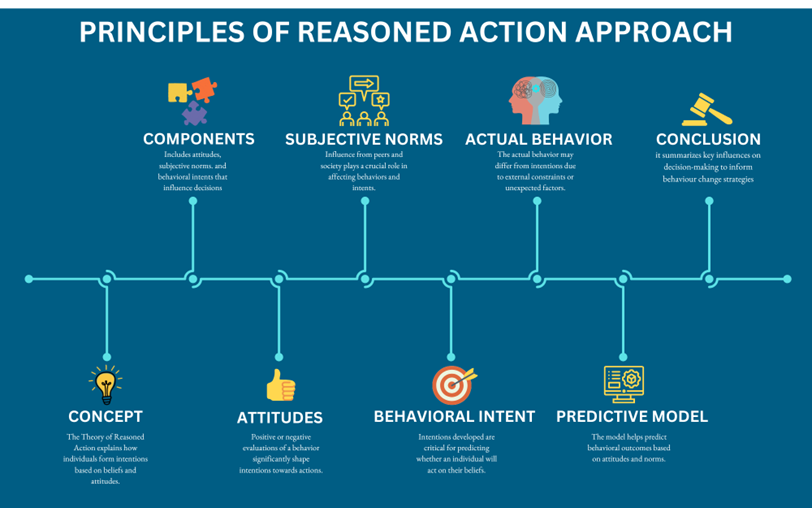
Objective 1: Evaluate the knowledge, perceptions, and practices among backyard poultry farmers that may contribute to their risks for acquiring AMR genes/infections from their birds using a Reasoned Action Approach.
Figure 1: Graphical representation of the Reasoned Action Approach, a psychological model to explain and predict behavior
Objective 2: Quantify the contribution of backyard poultry manure and bird management practices to the presence and concentration of pathogenic organisms and resistance genes in the environment via sampling and analysis of manure, soils, runoff, and flying insects.
Objective 3: Develop, deliver, and assess impacts of educational programming designed to motivate the adoption of new integrated antimicrobial management approaches in backyard poultry farming to reduce the potential spread of AMR.
Thirty backyard poultry farmers from up to three counties in Nebraska will be recruited through community groups, personal connections, and university extension contacts. Participants will be surveyed and observed to understand their current knowledge, perceptions, and management practices, and identify knowledge gaps related to bird health, biosecurity, and disease transmission risks. The Reasoned Action Approach, a social cognitive model for behavioral analysis will be used to categorize the data, predicting and explaining their behavior towards healthy farming practices. The mixed-methods study will use standard statistical methods and qualitative data for a richer interpretation.
Sampling of environmental matrices and potential insect transmission vectors will be conducted and used to complete a risk factor assessment to understand disease demography.
Through face-to-face and digital sessions, engagement and education sessions will be designed to address knowledge gaps in poultry handling, waste management, personal hygiene, water quality, food safety, and human health risks. It will promote best practices and encourage participation through rewards, project-based learning, on-farm demonstrations, and regular reflection on personal impact. The recruited farmers will be appointed as trainers for other farmers in their locality to continue to promote the learning outcomes from the training. The training sessions will be assessed through a post-training survey using a knowledge-based questionnaire, and all discussions with farmers will be recorded for future evaluation. This data will help determine improvements for future outreach events on infectious disease control in backyard poultry farms, enhancing the training’s impact.
What Have We Learned?
The number of households engaging in “backyard poultry production” is growing regionally, nationally, and globally. Evidence also suggests that chickens are not strictly confined to the outdoors but are becoming indoor “pets,” creating complex human-chicken relationships responsible for zoonotic disease outbreaks and antibiotic resistance risks (Singh et al., 2018; Tobin et al., 2015). According to a 2010 study, the USDA confirmed almost 50% of the population related to backyard poultry production lacks knowledge about human health risks associated with contact with live birds (USDA, 2011). Studies reflect a critical need for decision-making support to ensure healthy birds, applying biosecurity practices that mitigate animal-to-human disease transmission risks and development of antibiotic-resistant bacteria, promoting environmental sustainability, and providing healthy local food sources to communities. While these systems represent only a small part of the U.S. poultry industry, their positive impact on local food systems is widely recognized, as are their potential contributions to zoonotic disease transmission, antibiotic resistance, and local ecosystem disruptions. Public awareness about poultry-associated health risks and adopting best practices for biosecurity and disease prevention is critical to balancing healthy local food production with community well-being.
Future Plans
This project aims to improve the health, prosperity, and sustainability of backyard poultry farmers by focusing on zoonotic disease transmission, pest management, and natural resource protection. It will provide training, technical assistance, and peer support to improve knowledge and adoption of best practices for producing healthy local food sources. This will reduce health risks, decrease healthcare costs, and support market access and profitability among urban farmers. The community-based approach will foster mutually beneficial relationships among producers, communities, and experts, promoting sustainable production practices that prioritize health, community needs, and the environment.
Authors
Presenting author
Nafisa Lubna, Graduate Student, University of Nebraska-Lincoln
Corresponding author
Amy Schmidt, Professor, University of Nebraska-Lincoln, aschmidt@unl.edu
Additional author
Mark E. Burbach, Environmental Social Scientist, University of Nebraska-Lincoln
Additional Information
Mace, J. L., & Knight, A. (2024). From the backyard to our beds: The spectrum of care, attitudes, relationship types, and welfare in non-commercial chicken care. Animals, 14(2), 288.
Peters, G. J., & Crutzen, R. (2021). The core of behavior change: introducing the Acyclic Behavior Change Diagram to report and analyze interventions.
Singh, S., Chakraborty, D., Altaf, S., Taggar, R. K., Kumar, N., & Kumar, D. (2018). Backyard poultry system: A boon to rural livelihood. International Journal of Fauna and Biological Studies, 5(1), 231-236.
Tobin, M. R., Goldshear, J. L., Price, L. B., Graham, J. P., & Leibler, J. H. (2015). A framework to reduce infectious disease risk from urban poultry in the United States. Public Health Reports, 130(4), 380-391.
USDA. (2011). Reference of the health and management of chicken flocks in urban settings in four U.S. cities, 2010. Fort Collins, CO: USDA.
The authors are solely responsible for the content of these proceedings. The technical information does not necessarily reflect the official position of the sponsoring agencies or institutions represented by planning committee members, and inclusion and distribution herein does not constitute an endorsement of views expressed by the same. Printed materials included herein are not refereed publications. Citations should appear as follows. EXAMPLE: Authors. 2025. Title of presentation. Waste to Worth. Boise, ID. April 7–11, 2025. URL of this page. Accessed on: today’s date.
In Nebraska, approximately 117 out of nearly 550 groundwater-based community public water systems are required to conduct quarterly sampling due to elevated nitrate-N levels, with ten systems having already implemented costly treatment measures such as reverse osmosis to mitigate this issue. The intensive production of row crops under irrigation in the state are a primary reason for elevated nitrate concentrations in groundwater. However, the environmental impact of nitrate leaching from agricultural fields is not confined to Nebraska; it is a widespread issue across the US Midwest, where intensive crop production is prevalent.
Despite advances in N management stemming from studies comparing nitrogen fate and transport under synthetic versus manure fertilizers, cover crops versus no cover crops, and other practices, research indicates that when manure is applied following research-based best management practices (BMPs), the risk of nitrate leaching is significantly lower compared to when synthetic fertilizers are applied following BMPs. While individual practices such as cover cropping or manure application have been shown to reduce nitrate leaching, their combined effects on both nitrate leaching potential and crop productivity, particularly in corn (Zea mays L.) systems, have not been thoroughly studied. There remains a critical need to comprehensively evaluate implementation of BMPs that can reduce nitrogen losses to groundwater in Nebraska and utilize evidence-based research to motivate the implementation of BMPs.
This study was conducted to evaluate the effects of the integrated use of beef manure, woodchips, and cover crops on corn (Zea mays L.) productivity and nitrate leaching.
What Did We Do?
A two-year study was conducted on drip-irrigated land with a loamy sand soil having 0 to 2% slopes at UNL’s Haskell Agricultural Laboratory research site near Concord, Nebraska from 2022 to 2023. A total of 24 plots were established, each measuring 6.1 m x 30.48 m, and six treatments were randomly assigned to plots in a factorial combination of two fertilizer sources (manure and inorganic fertilizer), two cover crops (rye cover crop and no cover crop), and two carbon amendment treatments (woodchips of mixed species and no woodchips). Each year, all the plots received the same total N rate, equating to 30% of the total N application broadcasted at planting in the form of Agrotain coated urea, which was calculated using University of Nebraska’s N rate algorithm. The manure plots received the remaining N (70% of the total) in the form of beef manure at planting using a manure spreader. The inorganic plots received the remaining N in the form of UAN side-dressed at the V6 corn growth stage. Each year, inorganic fertilizer plots received additional P, S, and Zn at the time of planting to balance the amount of these nutrients supplied by the manure.
Data collected included:
Soil. Deep core soil samples up to 120 cm were collected before planting in the spring and after harvest each fall, divided into four depths of 30 cm increment, composited by depth within each plot, and stored in a cooler before being transported to the lab for analysis.
Crop. Plant growth parameters assessed at V10 (±1) stage included plant height, leaf chlorophyll, and canopy fullness. Grain yield, harvest index, nitrogen harvest index and partial factor productivity were determined at harvest.
Water. Concentration of NO3-N and NH4-N in the pore water below the root zone was measured one to two times each week throughout the growing season with the help of suction cup lysimeters, two of which were installed 6 m apart between the center two rows of each plot at a depth of 1.2 m.
Cover crop failed to establish in 2023 spring due to dry conditions, therefore, cover crop data and its effects are not reported in this paper.
What Have We Learned?
Key results of this study include:
Manure significantly reduced nitrate leaching by providing a slower, more synchronized N release compared to inorganic fertilizers.
Woodchip mulch initially delayed N availability and biomass N uptake but ultimately helped reduce nitrate leaching by improving soil moisture retention and temperature moderation.
Aboveground biomass N uptake was significantly affected by fertilizer source with manure improving biomass N uptake by 11% compared to inorganic fertilizer.
Inorganic fertilizers boosted corn yields by 9% compared to manure treatments, but increased the risk of nitrate leaching, highlighting a trade-off between productivity and environmental impact.
Integrated management of manure and mulch was deemed crucial for optimizing N use efficiency and minimizing environmental risks in irrigated corn systems.
Future Plans
Identifying nutrient and land management practices that support sustainable agricultural practices by safeguarding groundwater quality while maintaining farm productivity are critical to the future of agriculture. Future research is expected to focus on refining the practices used in this study to maximize their benefits, including other practices such as in-season nitrogen management, and assessing outcomes under varying environmental conditions and soil types. Nitrogen availability from manure is heavily influenced by environmental and soil conditions, so multi-year data from this site and others should help determine when in-season nitrogen supplementation with inorganic fertilizer is needed to offset nitrogen deficits caused by slow conversion of organic nitrogen.
Because of the failure of cover crops to thrive in this study, future research to assess multiple practices in combination should include a cover crop versus no cover crop treatment.
Combining crop productivity and nitrogen fate and transport data with measures of soil biological conditions may also help identify trends in biological characteristics that contribute significantly to factors like nitrogen conversion and plant nitrogen uptake.
Authors
Presenting & corresponding author
Amy Millmier Schmidt, Professor and Livestock Bioenvironmental Engineering Specialist, University of Nebraska-Lincoln, aschmidt@unl.edu
Additional authors
Swetabh Patel, Assistant Professor, University of Minnesota; Michael Kurtzhals, Graduate Research Assistant, University of Nebraska-Lincoln; Arshdeep Singh, Graduate Research Assistant, University of Nebraska-Lincoln; Leslie Johnson, Extension Educator, University of Nebraska-Lincoln; Javed Iqbal, Assistant Professor, University of Nebraska-Lincoln
This research was funded by USDA-NIFA Award No. 2022-68008-36509.
The authors extend their sincere gratitude to Logan Dana, Operations Manager at the UNL Haskell Ag Lab, for his role in supporting this project.
The authors are solely responsible for the content of these proceedings. The technical information does not necessarily reflect the official position of the sponsoring agencies or institutions represented by planning committee members, and inclusion and distribution herein does not constitute an endorsement of views expressed by the same. Printed materials included herein are not refereed publications. Citations should appear as follows. EXAMPLE: Authors. 2025. Title of presentation. Waste to Worth. Boise, ID. April 7–11, 2025. URL of this page. Accessed on: today’s date.
The safe and biosecure disposal of livestock mortalities is a vital concern for livestock producers and the environment. Traditional on-farm livestock disposal methods include composting and land burial, with burial posing environmental risks if leachate generated during carcass decomposition moves through the soil profile to reach groundwater. A 1995 study on the groundwater quality around six poultry mortality piles found elevated concentrations of ammonia and nitrate in the surrounding wells, demonstrating the risk of water contamination from carcass disposal (1). Moreover, the risk of disease transmission to nearby animal facilities associated with an outbreak and large mortality event, particularly due to a foreign animal disease outbreak, dictates that on-farm mortality disposal be conducted in a way that contains and eliminates pathogenic organisms. In the case of a large mortality event, landfills or rendering facilities may not have capacity to receive mortalities or they might refuse to accept them.
On-farm methods accepted in most states include land burial, composting, and incineration. While burial of mortalities often requires less labor and capital cost than composting or incineration, it comes with unique challenges, namely having sufficient space to bury large quantities of animals, adequate soil structure to contain leachate produced during decomposition, and sufficient depth to groundwater to avoid groundwater contamination. Composting is a valuable method as it can destroy many pathogens because of the heat produced in the process, and the by-product is useful. Some of its downsides include the nuisance odor produced and insects such as flies that often accompany the piles. Incineration, while highly effective at reducing volume of carcasses and disease-causing organisms, relies on access to a portable incinerator and sufficient fuel to operate it (2).
Shallow burial with carbon (SBC) is an emerging method for carcass disposal that combines the more common methods of composting and burial. With this method, a shallow pit is excavated in soil and 24 in of carbon material is placed in the trench prior to placing carcasses. The carcasses are then covered using the excavated soil. A field study comparing performance characteristics of SBC and composting for swine carcass disposal (3) found that SBC maintained thermophilic temperatures that met EPA 503(b) time-temperature standards (4), produced less leachate per unit mass of carcasses, and yielded lower contaminant loads (e.g. E. coli) than compost units, suggesting it may also be a suitable mortality disposal method during a foreign animal disease (FAD) outbreak. Further, SBC is a desirable mortality disposal option because it requires less carbon material than composting and does not require management beyond the establishment of the disposal site.
While the previous field study demonstrated lower leachate production from SBC than composting units, the potential may exist to further limit leachate production by identifying carbon materials with greater capacity to absorb liquid produced during carcass decomposition. The primary purpose of establishing a base of carbon material in SBC or composting disposal units is to absorb leachate released during decomposition, reducing the transport of contaminants to water sources. Therefore, this study explored absorbency of several organic materials for inclusion in SBC or mortality compost piles to reduce leachate losses.
What Did We Do?
Our team identified several alternative organic materials for pile construction including wood chips, silty clay loam soil, corn stover, recycled paper pulp (SpillTech(R) Loose Absorbent), and cellulose fiber (Pro Guard Cellulose Fiber). These were tested alone and in combination with 1% by mass (of base material) of sodium and potassium polyacrylate crystals, and 2-mm water gel beads (ZTML MS brand). Hydrogels (HG), sodium polyacrylate (SP), and potassium polyacrylate (PP) were demonstrated in previous studies to retain water in experimental greenhouses (5).
Five replicates of each treatment were enclosed in 4×6 inch cotton mesh bags (TamBee Disposable Tea Filter Bags, Amazon.com) and weighed prior to being submerged in deionized (DI) water at pH 7 for two hours (Figure 1). Bags were removed from the water and allowed to drain for 5 minutes before being weighed again. The bags were resubmerged for an additional 22 hours after which they were removed, allowed to drain for 5 minutes, and weighed again.
Figure 1. Methodology to evaluate absorptivity of treatments
Five replicates of each combination of base material and absorbent additive were also evaluated using DI water adjusted to pH 3, 5, 7, 8, 10 and using 0.01M NaCl to evaluate the effect of pH on absorbency.
The swelling ratio (SR) of each treatment was calculated using the following formula:
SR = Ww – Wd
where Ww is the wet weight and Wd is the dry weight.
The expected water holding capacity (C) was calculated for each combination.
C = SR ⋅ D
Where C is measured in gallons of water per lb of treatment material and D is the density of base material.
The average of the SR value for the five replications of each combination was further used to determine economic feasibility for retaining leachate from a large-scale mortality compost or burial pile. This was done by first determining the average amount of leachate produced from the mortality piles during the preceding year-long field study in eastern Nebraska (6,030 gallons). This was considered the target volume of material held by an alternative material or combination of materials in the economic assessment.
The volume of leachate was converted to mass, and the swelling ratio average values were used to calculate the mass of base material needed to hold the target quantity of water. These values were then used to calculate the total cost (based on pricing from various sellers) to build a pile of each of these materials that would hold the target volume of leachate. Table 1 shows the price per pound of each material tested; the price of the wood chips, corn stover, and soil were estimated based on these sources, though true price will vary based on region and supplier.
Results from an analysis of variance (ANOVA) of the SR data showed that SR was not significantly impacted by the soaking time or by pH of the soaking solution. The results also showed that only the addition of 1% SP had a significant effect among the three superabsorbent additives when compared to no additive in the same base material. This effect was relatively equal between all base materials. The other super absorbents (1% HG and 1% PP) did not have a significant effect due to the high variability in the results. The most meaningful differences in absorptive capacity were attributed to base material (Figure 2). On average, the swelling ratio of cellulose fiber (no additives, 24-hour soak, pH 7) is 0.577 gallons water/lb base material. For corn stover, this value is only slightly lower, at 0.447 gallons water/lb base material. Wood chips, the material used in compost piles in the preceding study, had much worse results at only 0.188 gallons water/lb base material.
Figure 2. Mean swelling ratios for organic base materials tested (without additives) after 24-hours soaking in water, pH 7. Letters denote significant differences in water holding capacity, error bars show standard error.
The results of the economic analysis are included in Table 2. The corn stover (without super absorbents) emerged as the most cost-effective material, with an estimated $258 total cost of material required to absorb the average amount of leachate observed in a previous yearlong field study that evaluated leachate volume produced from six disposal piles, each containing 20 pigs with a mean weight of 5,826 lb (±90.8 lb). The next most economical option was soil alone ($392) and then corn stover with sodium polyacrylate added ($782).
Table 2. Material cost to retain a leachate volume of 6,030 gallons
Material
Mass Required of Base Material (lb)
Cost
Woodchips
36,425
$ 1,655
Woodchips + SP
36,126
$ 2,993
Corn Stover
14,202
$ 258
Corn Stover + SP
14,060
$ 782
Cellulose Fiber
10,442
$73,085
Cellulose Fiber + SP
10,338
$72,742
Soil
86,462
$ 392
Soil + SP
85,597
$ 3,596
Recycled Paper
27,289
$50,256
Recycled Paper + SP
27,016
$50,766
SP: sodium polyacrylate
Future Plans
To confirm the swelling ratios calculated in the lab are realistic, further testing of the effectiveness of the recommended base construction will be needed at field-scale. Additionally, analysis of evapotranspiration, rainfall, and temperature in the piles should be collected to build a working relationship of the leachate rates to important environmental conditions and provide insight into the variable water quantities that change with geographical location. Combining these measurements with climate information will form a better predictive model for broader applicability.
Authors
Presenting author
Alexis Samson, Undergraduate Researcher, Department of Biological Systems Engineering, University of Nebraska-Lincoln
Corresponding author
Amy Schmidt, Professor, Department of Biological Systems Engineering and Department of Animal Science, University of Nebraska-Lincoln, aschmidt@unl.edu
Additional authors
Mara Zelt, Research Technologist, University of Nebraska-Lincoln
Gustavo Castro Garcia, Graduate Research Assistant, University of Nebraska-Lincoln
Castro, G., Schmidt, A. (2023). Evaluation of Swine Cadaver Disposal through Composting and Shallow Burial with Carbon (poster presentation). ASABE AIM. Omaha, NE.
This project was partially supported by the National Pork Board Award #22-073. The technical assistance of Maddie Kopplin and Josh Mansfield was critical to the completion of this study.
The authors are solely responsible for the content of these proceedings. The technical information does not necessarily reflect the official position of the sponsoring agencies or institutions represented by planning committee members, and inclusion and distribution herein does not constitute an endorsement of views expressed by the same. Printed materials included herein are not refereed publications. Citations should appear as follows. EXAMPLE: Authors. 2025. Title of presentation. Waste to Worth. Boise, ID. April 7–11, 2025. URL of this page. Accessed on: today’s date.
One of the key reasons to implement manure anaerobic digestion (AD) to energy or an impermeable cover and flare (CF) system is to reduce greenhouse gas (GHG) emissions, especially methane (CH4), a potent GHG that makes up most of the US agricultural footprint. These systems that process or store manure, commonly liquid dairy or swine manure, are often referred to as biogas capture systems because they keep oxygen out and contain the manure gases that form primarily from the breakdown of organic matter by microorganisms. The biogas captured is then directed through collection pipes to a utilization system, where the goal is to convert the methane to the less potent carbon dioxide (CO2) via either combustion or electrochemical conversion. For AD systems, the biogas collected is consistent enough to burn or convert for useful energy. For CF systems, particularly those used in the Northeast and Upper Midwest, the biogas collected under the liquid manure storage cover is highly variable throughout the day and year, making it more suitable to flare the methane in the biogas rather than harvest energy. Biogas capture systems must be operated and maintained to avoid methane leaks and venting, particularly to realize their carbon reduction value that can often be monetized. Tools to easily identify point-source biogas losses, such as an optical gas imaging (OGI) camera, are still relatively costly for a bioenergy operation, however they can be used to periodically survey and conduct find it and fix it campaigns to repair and correct problems that may have gone unseen to the naked eye. The ability to better understand where and how biogas leaks and vents occur in AD and CF systems enables better design, operation, maintenance, and public confidence.
What Did We Do?
Twelve biogas capture systems operating on commercial dairy farms in NYS were surveyed once per quarter for at least a year for point-source methane losses using an optical gas imaging (OGI) camera (Teledyne FLIR GF77 uncooled) tuned to the infrared spectrum wavelength range (7 – 8.5 micrometers) where methane gas is absorbed. Any methane loss visualized with the OGI camera was recorded and its characteristics described and reported back to the farm or system owner. Other observations about the methane loss were recorded and losses were measured and/or quantified when feasible. The apparent size of the biogas loss was recorded, primarily by distinguishing between OGI visibility in “normal” camera mode versus “high sensitivity mode (HSM)”. Unique losses versus repeated (by visit) were tracked, indicating ease and motivation to correct the loss. Biogas vents were distinguished from biogas leaks, by characterizing a leak as an unknown or unintended biogas loss during normal operation. Biogas venting was considered loss that occurred by design during abnormal operating conditions, such as overpressure in the digester vessel that could not be immediately corrected with flaring excess biogas.
What Have We Learned?
This work is continuing through this year, and eight sites are completed so far. The results from those sites, that include four AD to energy systems (three electricity generation and one biomethane production) and four CF dairy manure storage systems, have generally highlighted that AD systems experience biogas venting more than biogas leaking whereas CF systems experience more leaking than venting. The number of unique biogas losses found was higher in CF systems than in AD systems, which may be due to their much larger biogas capture surface area that is also susceptible to damage from wind, wildlife, and thermal stress. Additionally, the biogas collection and flare struggle with variable biogas flow, quality, and operational robustness that results in lack of combustion during prolonged periods of the year. Another observation, which requires additional data collection from AD to biomethane systems to have confidence in, is that AD to electricity systems can result in biogas venting and/or unnoticed leaking when the biogas produced is greater than what the installed electric capacity can utilize. Additionally, most if not all AD to biomethane systems are instrumented to detect and measure biogas losses as part of their verification requirements for carbon market programs, making it less likely for losses to go unnoticed or unaddressed.
Future Plans
A methane loss detection protocol for both AD to energy systems and CF manure storage systems was developed by Cornell CALS PRO-DAIRY that has been improved during this project and will continue to evolve. Once the full 12 sites are completed, the protocol will be shared more broadly for reference, and best practices recommended for operations and maintenance to prevent, find, and correct biogas losses. Follow on work may include additional methane loss detection with total loss measurement of AD vessels and manure storage covers, to verify assumed loss rates used as defaults in GHG accounting.
Authors
Presenting & corresponding author
Lauren Ray, Sr. Extension Associate, Cornell University – PRO-DAIRY, LER25@cornell.edu
Additional authors
Jason P. Oliver, Dairy Environmental Systems Engineer, Cornell University PRO-DAIRY;
Peter Wright, Agricultural Engineer, Cornell University
This work is sponsored by the New York State Department of Agriculture and Markets. Special thanks to our collaborating dairy farms and biogas capture system operators.
The authors are solely responsible for the content of these proceedings. The technical information does not necessarily reflect the official position of the sponsoring agencies or institutions represented by planning committee members, and inclusion and distribution herein does not constitute an endorsement of views expressed by the same. Printed materials included herein are not refereed publications. Citations should appear as follows. EXAMPLE: Authors. 2025. Title of presentation. Waste to Worth. Boise, ID. April 7-11, 2025. URL of this page. Accessed on: today’s date.
Porcine reproductive and respiratory syndrome virus (PRRSV) is a major concern to the U.S. swine industry due to the severe economic loss it can cause. Its symptoms include severe flu-like symptoms, respiratory distress, fever, and premature abortions in pregnant sows. The virus is spread during close contact between pigs or exposure to contaminated urine, semen, feces, and nasal and mammary secretions (1). Control measures have proven exceedingly costly with PRRSV which causes an estimated $1 billion in lost production in the U.S. pork industry per year (3), an 80% increase from a decade earlier (2)(4). With very few, truly effective methods available to control PRRSV after the start of an outbreak, developing methods to mitigate the dispersion of the virus has become a major priority.
Common biosecurity measures for swine operations (e.g., controlled access, personal hygiene, animal management, pest control, and production area cleaning and disinfection) have proved insufficient to stop PRRSV transmission. Producers are, therefore, seeking to understand the potential risks posed by more novel transport methods. Observations of new PRRSV cases emerging during manure handling activities have raised questions about aerosolized manure as a potential transmission vector. This study was conducted to test this possibility in the following stages:
Verify the presence of viable virus sample within pit manure, lagoon samples, or dust coming from barns with active PRRSv outbreaks.
Develop a reliable method for collecting and preserving viable airborne viral samples.
Assess the aerosol transmission “footprint” of PRRSV originating from positive swine farms to improve understanding of potential farm-to-farm disease transmission risks.
What Did We Do?
Novel air sampling devices were constructed by the project team (Figure 1) to be deployed inside and outside swine production units to accumulate samples of particulates and aerosols. The devices accommodate a commercially available Air Prep filter cartridge (innovaprep.com) to capture particulates pulled across the filter by a fan housed within the sampling unit.
Figure 1. Air sampler unit constructed for this project (L) and commercial AirPrep Filter (R)
Our project team worked closely with the lead veterinarian at a large swine integrator in Nebraska to access farms within 5 to 7 d of pigs being confirmed PRRSV-positive. Sampling events 1 and 2 focused on evaluating PRRSV presence on indoor surfaces, fresh and stored manure, flies, and maggots. Sampling events 3 through 5 focused on evaluating PRRSV presence in air downwind of PRRSV-positive swine production areas or downwind of land application of manure from PRRSV-positive animals.
Sampling Event 1. A swine breeding operation was identified where animals were currently testing positive for and showing clinical signs of PRRSV infection. At this site, two production areas were selected at random for sampling. Surface swabs were collected from floors, fan louvers, and pen dividers. Fresh fecal samples were collected from sows in the same production areas, and an air sampler was placed on the floor in each room and allowed to operate for two hours before retrieving the filters. For surface samples, sterile swabs were swept over each surface type and then placed into phosphate buffered saline (PBS) elution buffer. Fresh fecal samples were collected using a sterile spatula and placed into clean sample containers. Upon retrieving filters from air samplers, a sterilized knife was used to separate the filter from the plastic casing in which it was mounted, and sterile forceps were used to transfer the filter into a PBS elution tube. All samples were transported on ice to the University of Nebraska-Lincoln (UNL) Schmidt Lab and then submitted to the Iowa State University Veterinary Diagnostic Laboratory for analysis by polymerase chain reaction (PCR).
Sampling Event 2. A swine finisher unit was identified where animals were currently testing positive for and showing clinical signs of PRRSV infection. At this site, two production areas were selected at random for sampling inside the building. Surface swabs were collected from floors, fan louvers, feeders, and pen dividers. An air sampler was placed on the floor in each room and allowed to operate for four hours before retrieving the filters. Additional air samplers were mounted outside the building. For one production area, three samplers were mounted at a height aligning with the center of a minimum ventilation fan and spaced at 5, 12, and 19 feet from the rim of the fan hood. For a second production area, two samplers were mounted at a height aligning with the center of a minimum ventilation fan and spaced at 5 and 13 feet from the rim of the fan hood. These samplers were allowed to run for three hours before filters were retrieved. For surface samples, sterile swabs were swept over each surface type and then placed into PBS elution buffer. Manure samples from two deep pit storage sections of the building were collected using a plastic pole and dipper cup and placed into clean plastic bottles. Maggots observed in one pump out port were collected by hand and placed into PBS elution buffer. Upon retrieving filters from air samplers, a sterilized knife was used to separate the filter from the plastic casing in which it was mounted, and sterile forceps were used to transfer the filter into a PBS elution tube. Flies present around the production buildings were also collected at this site. For one sample, approximately six flies were captured and placed directly into PBS elution buffer. For a second sample, approximately six flies were captured, placed into 70% EtOH for 10 s, and then transferred from the ethanol to PBS elution buffer. All samples were transported on ice to the UNL Schmidt Lab and then submitted to the Iowa State University Veterinary Diagnostic Laboratory for analysis by PCR.
Sampling Event 3. A naturally-ventilated PRRSV-positive swine farm was identified. Air samplers mounted on t-posts were deployed in an array at a height above the ground of roughly 6 ft at varying distances (10 yards to 1 mile) from the buildings after using smoke candles to confirm wind direction and dispersion. Sampling was conducted for approximately 2.5 hours on a day with 40-55°F temperature,10-20 mph winds, and full cloud cover (Figure 2).
Sampling Event 4. At a mechanically-ventilated PRRSV-positive swine farm, sampling was conducted using the same process as for Event 3 for approximately 21.25 hours starting on a day with 85-105°F temperature, 4-10 mph winds, and full sun exposure, then continuing overnight.
Sampling Event 5. Using the previously described process, sampling was conducted for approximately 2.5 hours on a day with 70-95°F temperature, 2-10 mph winds, and partly cloudy conditions downwind of a field where lagoon effluent from PRRSV-positive pigs was being applied via center pivot.
Figure 2. Air sampler array at the naturally ventilated swine farm
All samples were submitted to the Iowa State Veterinary Diagnostic Lab for RT-qPCR analysis to identify PRRS viral genomic material.
What Have We Learned?
Results of PCR analyses for sampling event 1 (Table 1) revealed that, in barns where swine oral fluid samples were positive for PRRSv, all surface samples collected were also positive or suspected positive for PRRSv. The same was true for all of the surface and air samples collected inside the barn and for the air samples located up to 19 ft minimum from the building ventilation fans during sampling event 2 (Table 2). Maggots taken from the manure pit during sampling event 2, along with sterilized and unsterilized flies, tested positive for PRRSV, as well. Conversely, all manure samples obtained during sampling event 2 tested negative using the methodologies employed. This outcome does not dismiss manure as a possible transmission source; rather, it underscores the need for ongoing research to develop a reliable detection method for PRRS within such a complex matrix.
The team has not yet recovered air samples testing positive for PRRSV from any of the exterior arrays in sampling events 3-5 (Table 3). This could be due to ambient air conditions during the tests which may have caused rapid destruction of the virus or dilution of the virus below detectable concentrations. The rolling terrain surrounding facilities where arrays of samplers were posted downwind of buildings or the land application site may have created turbulent air movement that diluted samples such that concentrations of PRRSV genomic material capture on filters were too low to produce a positive result by PCR.
Table 1. Cycle Threshold (Ct) values for sampling event 1
Sample Description
Ct (Result)
Pen Floor, Room 17
37.5 (Suspect)
Fan Louver, Room 17
30.1 (Positive)
Feeder, Room 17
31.6 (Positive)
Air Filter, Room 17
31.2 (Positive)
Pen Floor, Room 18
31.5 (Positive)
Fan Louver, Room 18
31.4 (Positive)
Feeder, Room 18
37.6 (Suspect)
Air Filter, Room 18
30.5 (Positive)
Fecal Sample 1
³40 (Negative)
Fecal Sample 2
³40 (Negative)
Cycle threshold (Ct) indicates the number of PCR cycles required for the sample fluorescence to reach a predefined threshold for identification (<38 = positive, ~38-40 = suspect, ≥40 = negative). Lower Ct values correspond to higher viral RNA concentration.
Table 2. Cycle Threshold (Ct) values for sampling event 2
Sample Description
Ct (Result)
Exhaust Air, Room 5, 5 ft from fan
33.1 (Positive)
Exhaust Air, Room 5, 12 ft. from fan
34.1 (Positive)
Exhaust Air, Room 5, 19 ft. from fan
38.1 (Suspect)
Indoor Air, Room 5, Rep 1
30.9 (Positive)
Indoor Air Room 5, Rep 2
33.3 (Positive)
Exhaust Air, Room 6, 5 ft from fan
32.6 (Positive)
Exhaust Air, Room 6, 13 ft. from fan
32.4 (Positive)
Flies
37.0 (Suspect)
Flies Sterilized in Ethanol
36.3 (Positive)
Maggots
39.9 (Suspect)
Floor, Room 5, Rep 1
32.4 (Positive)
Floor, Room 5, Rep 2
32.3 (Positive)
Louvers, Room 5, Rep 1
33.1 (Positive)
Louvers, Room 5, Rep 2
32.1 (Positive)
Pens, Room 5, Rep 1
37.9 (Positive)
Pens, Room 5, Rep 2
35.8 (Positive)
Feeder, Room 5, Rep 1
35.8 (Positive)
Feeder, Room 5, Rep 2
37.5 (Suspect)
Pens, Room 4, Rep 1
35.6 (Positive)
Pens, Room 4, Rep 2
35.3 (Positive)
Floor, Room 4, Rep 1
31.4 (Positive)
Floor, Room 4, Rep 2
32.9 (Positive)
Louvers, Room 4, Rep 1
33.0 (Positive)
Louvers, Room 4, Rep 2
32.1 (Positive)
Cycle threshold (Ct) indicates the number of PCR cycles required for the sample fluorescence to reach a predefined threshold for identification (<38 = positive, ~38-40 = suspect, ≥40 = negative). Lower Ct values correspond to higher viral RNA concentration.
Table 3. Cycle Threshold (Ct) values for sampling events 3 through 5
Sampling Event
Sample Description
Ct (Result)
Event 3
Air Filters (n=2)
³40 (Negative)
Event 4
Air Filters (n=4)
³40 (Negative)
Fans (n=4)
³40 (Negative)
Oral Fluids, Room 15
34.0 (Positive)
Oral Fluids, Room 16
36.1 (Positive)
Oral Fluids, Room 17
38.0 (Suspect)
Oral Fluids, Room 18
34.7 (Positive
Event 5
Air Filters (n=4)
³40 (Negative)
Cycle threshold (Ct) indicates the number of PCR cycles required for the sample fluorescence to reach a predefined threshold for identification (<38 = positive, ~38-40 = suspect, ≥40 = negative). Lower Ct values correspond to higher viral RNA concentration.
Future Plans
It is essential to identify which ambient weather conditions, if any, are favorable for air dispersion of infective PRRSv and which conditions will significantly limit dispersion. As research continues, the suspected ideal conditions for sampling downwind of mechanically ventilated PRRSv-positive barns or irrigation systems applying lagoon effluent from PRRSv-positive pigs will be 0 to 50°F with low to moderate wind speed and full cloud cover. At least 24 hours of continuous sampling is also expected to produce greater opportunity for positive air samples.
The continued inability to isolate the virus from manure samples is curious, given the universally positive samples we identified from the positive barns. However, the PRRSV is believed to require as few as 10 viral particles to be transmitted. Given the potentially very low concentration of viral material in manure, and the significant PCR inhibitors present in complex organic samples, the team continues to explore new sample preparation and testing methods for this matrix.
Lastly, further investigation into the potential roles of flies and maggots is warranted, particularly with the discovery of sufficient PRRSV genomic material in the gut of surface sterilized flies to yield a positive PRRSV result via RT-qPCR.
Authors
Presenting author
Logan Hafer, Undergraduate Research Assistant, Department of Biological Systems Engineering, University of Nebraska-Lincoln
Corresponding author
Dr. Amy Millmier Schmidt, Professor, Department of Biological Systems Engineering and Department of Animal Science, University of Nebraska-Lincoln, aschmidt@unl.edu
Additional author(s)
Dr. Benny Mote, Associate Professor, Department of Animal Science, University of Nebraska-Lincoln
Dr. Hiep Vu, Associate Professor, Department of Animal Science, University of Nebraska-Lincoln
Butler, J. E., Lager, K. M., Golde, W., Faaberg, K. S., Sinkora, M., Loving, C., & Zhang, Y. I. 2014. Porcine reproductive and respiratory syndrome (PRRS): an immune dysregulatory pandemic. Immunologic research, 59, 81-108. https://link.springer.com/article/10.1007/s12026-014-8549-5.
Dee, S., T. Clement, and E. Nelson. 2023. Transmission of porcine reproductive and respiratory syndrome virus in domestic pigs via oral ingestion of feed material. J of the Am Vet Med Assoc, 262(1). https://doi.org/10.2460/javma.23.08.0447
Osemeke, O.H., T. Donovan, K. Dion, D.J. Holtkamp and D.C.L. Linhares. 2021. Characterization of changes in productivity parameters as breeding herds transitioned through the 2021 PRRSV Breeding Herd Classification System. J Swine Health Prod. 2022;30(3):145-148. https://doi.org/10.54846/jshap/1269
Acknowledgements
Funding for this research was provided by the Nebraska Pork Producers Association under award #22-063 and an Undergraduate Student Research Program award from the UNL Institute of Agriculture and Natural Resources, Agricultural Research Division.
The authors are solely responsible for the content of these proceedings. The technical information does not necessarily reflect the official position of the sponsoring agencies or institutions represented by planning committee members, and inclusion and distribution herein does not constitute an endorsement of views expressed by the same. Printed materials included herein are not refereed publications. Citations should appear as follows. EXAMPLE: Authors. 2025. Title of presentation. Waste to Worth. Boise, ID. April 7–11, 2025. URL of this page. Accessed on: today’s date.
Livestock producers dealing with animal mortalities may opt for composting as a biosecure on-farm carcass disposal method. The composting process accelerates the decomposition of animal remains, stabilizes nutrients, and, when executed correctly, subjects the carcasses to elevated temperatures capable of eliminating pathogens. Nevertheless, the use of compost derived from animal mortalities may introduce potentially harmful nutrients, heavy metals, pharmaceuticals, or pathogens to cropland when applied as a soil amendment (Sims and Kleinman, 2005).
At the same time, mortality compost represents a potential soil health amendment due to its high carbon content. With carbon being an important building block for organic matter in the soil, the soil will have improved structure and water-holding capacity if carbon content is elevated. There will also be increased microbial activity adding to the soil’s microbial diversity and nutrients present.
This study aimed to confirm these findings and to determine the balance of positive and negative impacts of mortality compost application in Eastern Nebraska by exploring key biological and chemical risk factors in soil receiving swine mortality compost over the course of one growing season.
What Did We Do?
This experiment was conducted at the University of Nebraska Rogers Memorial Farm, located 11 miles east of Lincoln, Nebraska. The study site was comprised of silty clay loam soil that had been cropped using a long-term no-till management system with controlled wheel traffic. Background soil and compost chemical results are portrayed in Table 1. Corn was grown during the previous season, and soybeans were grown during the period of this study. Eight plots (15’ x 15’) were established and randomly assigned to either a 20-ton/ac application of swine mortality compost or no application (control). The compost, made with swine mortalies and a bulking agent of wood chips, was applied to the surface one week after planting.
In-season sampling. Two weeks following treatment application, and every two weeks during the growing season thereafter, soil from each plot was collected from the top 0-4” of the soil profile by random core sampling using a 2 in diameter hand probe. A roughly 200 g composite sample of soil from each plot was used for subsequent analysis. Soil temperature was also recorded for each plot on sampling days at two random locations to depths of 2” and 4” at each location using a hand temperature probe.
Soil samples were assessed in the UNL Schmidt Laboratory in the Department of Biological Systems Engineering for moisture content by drying soil for 48 hours at 221°F, and for the mean weight diameter of wet-stable aggregates by wet-sieving for 10 min at a rate of 30 vertical oscillations per minute. Several biological properties of the soil were also examined, including E.coli prevalence, determined by the proportion of positive samples following enrichment of eight 1-g subsamples of soil in LB broth (Miller) for 8 h at 98.6°F followed by culturing on ChromAgar E.coli selective media for 24 h at 98.6°F. Microbial respiration was measured for two 20-g samples of air-dried soil per plot placed into a 33.8 fl oz glass jar containing a 0.5 fl oz vial of 0.5 M potassium hydroxide (KOH). The soil was re-wet with 0.24 fl oz of deionized water before jars were sealed and incubated at 77°F for 4 days, and the mass of CO2 released during the incubation was determined using the difference in electrical conductivity in the trap material. Finally, metabolic functional diversity was observed for the soil microbial populations by determining the oxidation rates of 31 different carbon substrates using Biolog® EcoPlates following a 48-hour incubation at 77°F of a 10-4 dilution of a 3 g soil sample. Soil microbes in the EcoPlate wells cause oxidation of the carbon species in the plates and results in a color change, which is measured by a microplate reader at 590 and 750 optical density (OD) units. The overall average color intensity, a measure of general population size and activity, as well as the proportional activity by metabolic type (amino acids, carbohydrates, carboxylic acids, polymers, and amines/amines), were considered as ecological soil health indicators in this study.
Harvest and post-harvest sampling. Grain yields were determined by hand harvesting a row length equal to 1/1000 ac from each plot. Soybeans were dried and weighed, and yield values were then converted to bu/ac using a standard 15% moisture content for the soybeans.
Following harvest, soil from each plot was retrieved according to the previously detailed methodology and sent to a commercial laboratory to determine end-of-season values for pH, sum of cations, soluble salts, calcium, organic matter (%), nitrate-N, phosphate (P2O5), potassium (K2O), sulfate, sodium, magnesium, zinc, iron, copper, manganese and heavy metals (arsenic, lead, and chromium) in the top 0-4” of the soil profile. Bulk density was also determined for two locations per plot at depths of 0-2″ and 2-4″.
Table 1. Initial chemical characteristics of compost and soil
Chemical
Compost
Soil
pH
7.1
6.6
Soluble salts (mmho/cm)
11.4
0.13
Zinc, ppm
57.6
1.12
Iron, ppm
1477
44.8
Copper, ppm
13.4
0.73
Manganese, ppm
100.6
9.2
Arsenic, ppm
1.807
5.971
Lead, ppm
2.09
14.46
Chromium, ppm
7.48
35.85
What Have We Learned?
The application of the compost treatment significantly increased the prevalence of E. coli in the soil samples, but only early (4 weeks) in the growing season (Figure 1). This is likely influenced by the compost’s organic matter and microbial diversity, which serve as a carbon source and support microbial population growth. However, as the season progressed, the difference in the prevalence of E.coli in soil that had or had not received compost application narrowed, potentially due to other factors impacting microbial survivability (such as temperature or moisture content) becoming dominant factors. Regression analysis comparing E.coli prevalence to soil moisture and temperature did not show a strong relationship (R-squared values of 0.48 and 0.18, respectively), which indicates that the microbial population is being impacted by other, more complex factors not included in this analysis.
No other soil biology, chemistry, or physical properties that we tested proved to be significantly impacted (a ≥ 0.05) by the application of mortality compost to the soil, nor was the soybean grain yield. This indicates that while the soil health impacts of this single-season compost application were negligible, there is also little risk to water quality associated with the application of 20 ton/ac swine mortality compost in crop production areas that are well-managed with soil conservation best practices.
Figure 1. Prevalence of E.coli in soil over time following compost application. Symbols next to values in week 4 denote a significant difference in the proportion of E.coli-positive samples. Error bars represent SEM (n=4).
Future Plans
The results suggest that there is little risk of prolonged elevated E. coli prevalence in soil when using swine mortality compost in row crop production areas. However, precipitation producing runoff may pose a risk to nearby surface water bodies if experienced within six weeks of compost application. Future research would be required to fully understand the risk of this occurring, but previous research conducted at the same farm determined that a 12.2 m (40 ft) setback of bare soil was sufficient to prevent most chemical and biological pollutants from leaving a field via runoff after receiving surface application of manure (Gilley et al., 2017). This is an encouraging and valuable guideline for producers who are generating compost as part of their operation and must find suitable sites for application.
The negligible soil health improvements from mortality compost application during this single-season study could dissuade crop producers from seeking out this material if it were available in their vicinity. However, where organic matter is needed to improve soil health over time, this product should not be discounted as a valuable soil carbon amendment. While we did not observe any positive soil health impacts from a single 20 ton/ac application of compost in this study, other studies have seen single season effects. Several other studies found significant impacts of applying a single season of organic amendment on soil microbial biomass (Lazcano, et al., 2012; Leytem, et al., 2024; Crecchio, et al., 2001) and on C:N ratio, which were not tested in this study. Thus, future research could explore alternative rates of application, frequency of sampling, or testing methodologies.
Another possible explanation for the lack of significant soil health impacts was that the field used in this study has been under long-term conservation (20+ years of no-till) practices. As a result, we suspect that the soil health improvement gap (e.g., the difference between soil health status and potential soil health status under ideal management) may be quite minimal. Soil sampled from our plots prior to treatment application revealed an average organic matter (OM) concentration of 3.8%, which exceeds the average 2 to 3% OM concentration for this soil type (Magdoff et al, 2021). However, other soil health factors such as bulk density, microbial population richness, and organic nutrient availability were in line with reports for similar soil types (Oregon State University Extension Service., 2019; Chau et al., 2011; University of Florida., 2015). This likely indicates that future applications of this sort should avoid fields with elevated soil organic matter, as they will not greatly benefit from the addition of organic amendments where soil carbon is already sufficient to the needs of the soil ecosystem.
Authors
Presenting author
Jillian Bailey; Undergraduate Researcher; Department of Biological Systems Engineering; University of Nebraska-Lincoln
Corresponding author
Amy Schmidt, Professor, Department of Biological Systems Engineering, University of Nebraska-Lincoln, aschmidt@unl.edu
Additional author
Mara Zelt, Research Technologist, Department of Biological Systems Engineering, University of Nebraska-Lincoln
Additional Information
Castro, G., Schmidt, A. (2023). Evaluation of Swine Cadaver Disposal through Composting and Shallow Burial with Carbon (poster presentation). ASABE AIM. Omaha, NE. https://publuu.com/flip-book/818714/1802503
Crecchio, C., Curci, M., Mininni, R., Ricciuti, P., & Ruggiero, P. (2001). Short-term effects of municipal solid waste compost amendments on soil carbon and nitrogen content, some enzyme activities and genetic diversity. Biology and Fertility of Soils, 34(5), 311–318. https://doi.org/10.1007/s003740100413
Gilley, J. E., Bartelt-Hunt, S. L., Eskridge, K. M., Li, X., Schmidt, A. M., & Snow, D. D. (2017). Setback distance requirements for removal of swine slurry constituents in runoff. Transactions of the ASABE, 60(6), 1885–1894. https://doi.org/10.13031/trans.12310
Lazcano, C., Gómez-Brandón, M., Revilla, P., & Domínguez, J. (2012). Short-term effects of organic and inorganic fertilizers on soil microbial community structure and function. Biology and Fertility of Soils, 49(6), 723–733. https://doi.org/10.1007/s00374-012-0761-7
Leytem, A.B., Dungan, R.S., Spiehs, M.J., Miller, D.N. (2024). Safe and sustainable use of bio-based fertilizers in agricultural production systems. In: Amon, B., editor. Developing Circular Agriculture Production Systems. 1st edition. Cambridge, UK: Burleigh Dodds Science Publishing. p. 179-214. https://doi.org/10.19103/AS.2023.0120.16
Sims, J. T., & Kleinman, P. J. A. (2005). Managing Agricultural Phosphorus for Environmental Protection. In J. T. Sims, & A. N. Sharpley (Eds.) Phosphorus: Agriculture and the Environment (Vol. 46, pp. 1021-1068). American Society of Agronomy. https://doi.org/10.2134/agronmonogr46.c31
Funding for this study was provided by the Agricultural Research Division (ARD) of the University of Nebraska-Lincoln through an Undergraduate Student Research Program grant award. Much gratitude is extended to collaborating members of Rogers Memorial Farm, Stuart Hoff and Paul Jasa, and to the members of the Schmidt Lab – Alexis Samson, Logan Hafer, Maddie Kopplin, and Carol Calderon – for their assistance with sample collection and analysis.
The authors are solely responsible for the content of these proceedings. The technical information does not necessarily reflect the official position of the sponsoring agencies or institutions represented by planning committee members, and inclusion and distribution herein does not constitute an endorsement of views expressed by the same. Printed materials included herein are not refereed publications. Citations should appear as follows. EXAMPLE: Authors. 2025. Title of presentation. Waste to Worth. Boise, ID. April 7–11, 2025. URL of this page. Accessed on: today’s date.
Management of Nutrients for Reuse (MaNuRe) aims to address the need in livestock agriculture to better manage and reuse both water and nutrient resources. MaNuRe is a multi-university, multi-disciplinary project to develop, assess, and support the best in manure treatment technology.
With the combination of continued global population growth and trend of extreme climate events and the resulting variability in reliable water resources, the requirement of water recycling becomes an integral part of agriculture wastewater resource management. Important nutrients are also lost to wastewaters, but could be recycled and reused for food production. Water treatment and nutrient needs vary geographically and change based on production, thus the user-driven strategy inherently demands a systems-based, flexible decision-making approach.
To provide the best experiences, we use technologies like cookies to store and/or access device information. Consenting to these technologies will allow us to process data such as browsing behavior or unique IDs on this site. Not consenting or withdrawing consent, may adversely affect certain features and functions.
Functional
Always active
The technical storage or access is strictly necessary for the legitimate purpose of enabling the use of a specific service explicitly requested by the subscriber or user, or for the sole purpose of carrying out the transmission of a communication over an electronic communications network.
Preferences
The technical storage or access is necessary for the legitimate purpose of storing preferences that are not requested by the subscriber or user.
Statistics
The technical storage or access that is used exclusively for statistical purposes.The technical storage or access that is used exclusively for anonymous statistical purposes. Without a subpoena, voluntary compliance on the part of your Internet Service Provider, or additional records from a third party, information stored or retrieved for this purpose alone cannot usually be used to identify you.
Marketing
The technical storage or access is required to create user profiles to send advertising, or to track the user on a website or across several websites for similar marketing purposes.