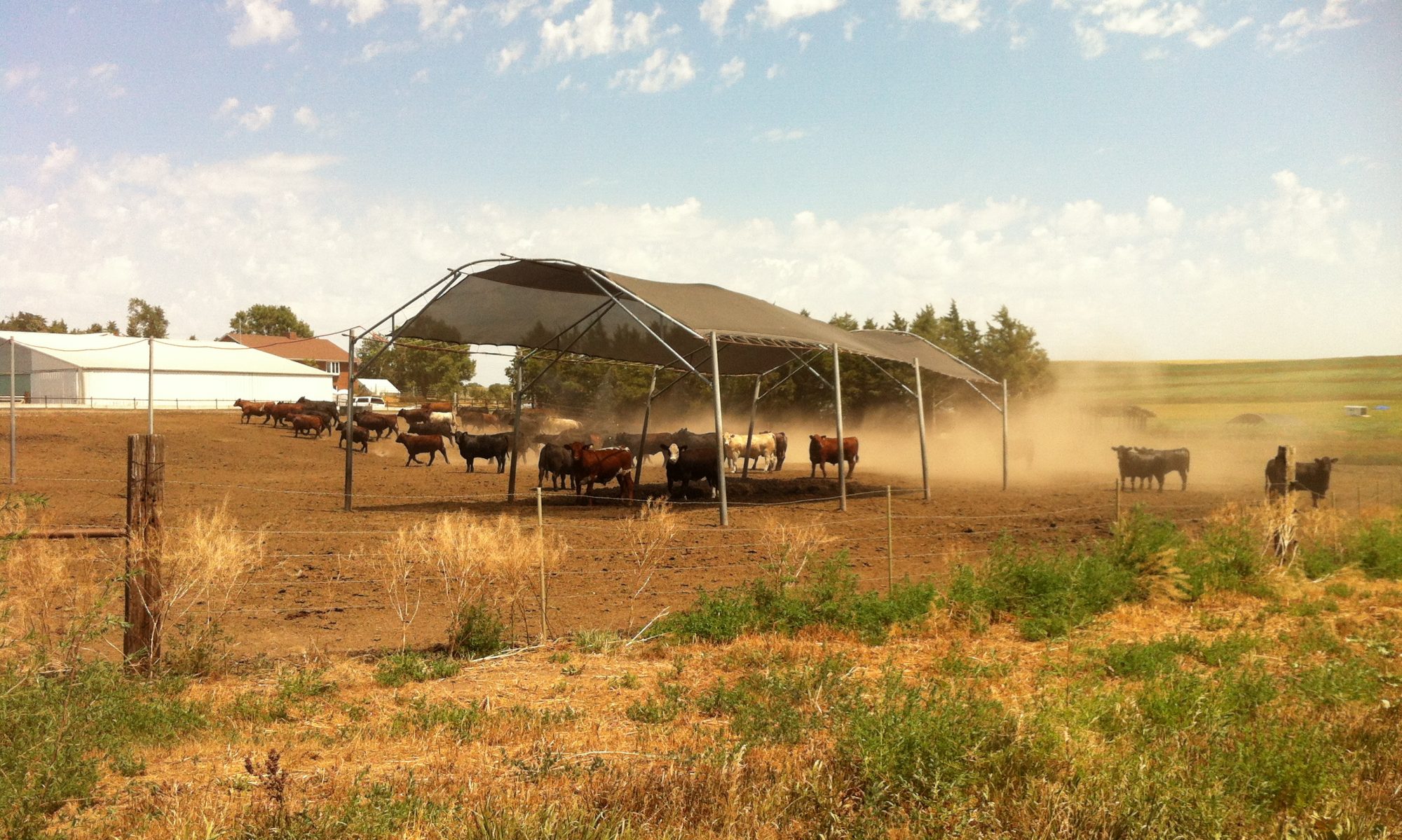

Optimizing stoichiometry in Cover Crops to Boost Soil Health and Enhance Carbon Sequestration

Purpose

Increasing the quantity of carbon (C) inputs is a pathway to build soil C stores. One way to achieve this is using cover crop mixtures which can increase the amount and types of root exudates, supporting greater microbial activity and biomass. However, few studies use stoichiometry i.e., C:Nitrogen (N) ratios (the amount of C in relation to the amount of N present) to select cover crop mixes. Our major objective is to understand plant-soil feedback in the context of the legacy effects of cover crop stoichiometry on soil health, C-sequestration, and crop yields. We hypothesized that cover crops with a lower C:N ratio will increase nitrogen availability for the next crop cycle and increase C-sequestration.

What Did We Do?

We are conducting a multi-year, random-block field experiment comparing cover crop mixtures with low, medium-low, medium-high, and high C:N ratios (Table 1), and a fallow control (n=5). We are also interested in the effect of cover crop termination (herbicide vs. roller-crimper) on subsequent barley cash crop. The experiment was established in Southern Idaho, at the Kimberly Research and Extension Center. Soil samples were taken at the start of the experiment in fall 2023, spring, and fall 2024 to compare cover crop effects on soil health.
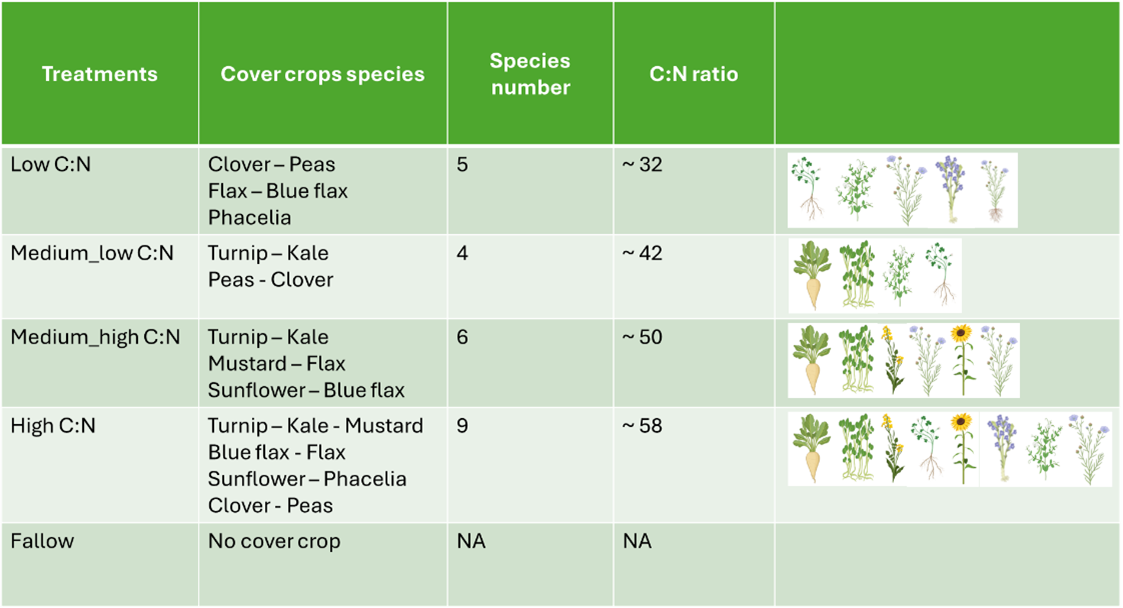
Table 1. Treatments implemented in this study

“Soil health is the continued capacity of soil to function as a vital living ecosystem that sustains plants, animals and humans, and connects agricultural and soil science to policy, stakeholder needs and sustainable supply-chain management” (Lehmann, et al. 2020). Moreover, natural or anthropogenic actions can change soil properties rapidly. It makes these properties be considered as good soil health indicators, that can be physical, chemical and biological. The first two have a slow response compared to the microbiological and biochemical properties.

The soil health properties evaluated in this research are:

*Physical properties: water holding capacity (the amount of water that a soil can retain).

*Chemical properties: pH, soil organic matter (decayed material that originated from a living organism), nutrient analysis (NH4-N, NO3-N, PO4, major ways that nutrients can be taken by plants).

*Biological properties:  enzyme activities involved in the main biogeochemical cycles mineralizing organic matter (α- and β- glucosidase, cellobiosidase, acid and alkaline phosphatase, leucine aminopeptidase, N-acetyl-glycosaminidase), substrate induce respiration (response of microbial respiration to the addition of a nutrient as glucose), carbon mineralization (process for capturing, storing, and utilizing CO2 to synthesize other products). Also, we included agronomic parameters such as yield, crop biomass, full and empty grain.

Statistical analysis was conducted using R software version 4.4.0. Evaluating these attributes allow to verify the soil status and apply better management to get a desire outcome, e.g. increase organic matter in soil.

What Have We Learned?

Overall, the results in the first year of the study showed that medium-high C:N ratio treatment has the potential to improve soil health (Fig. 1), while herbicide termination performed better in comparison to roller crimper termination treatment.

The preliminary results show among all treatments an increase in moisture and pH with a decrease in water holding capacity during the spring compared with the fall seasons compared to fallow treatment. Active microbial biomass (i.e., substrate-induced respiration) did not differ between treatments for fall 2023 and spring 2024; however, carbon and nitrogen mineralization was higher before the treatments were established. Additionally, phosphorous did not vary across time.

Fig. 1. Potential nitrification rates in soil samples under cultivation with different C:N stoichiometry of cover crops. Lowercase letters above columns indicate differences at P < 0.05

Agronomic parameters showed that herbicide termination method gave more barley height, dry aboveground biomass, seed counts, grain weight, total full grain, and barley yield (Fig. 2). On the other hand, the roller crimper termination method increased the amount of empty grain and the presence of weeds in the field.
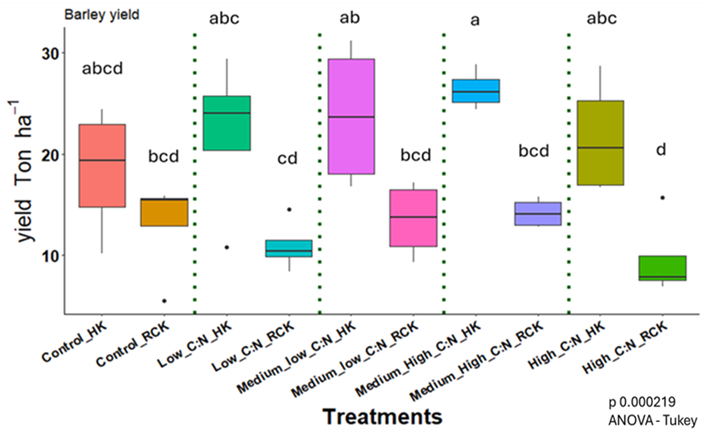
Fig. 2. Barley yield in 2024 following different cover crops based on their C:N stoichiometry. Lowercase letters above columns indicate differences at P < 0.05

Future Plans

To understand if the environmental condition has a positive or negative influence in soil health parameters, we replicate it at the Plant Materials Center (NRCS, USDA, Pullman, WA) where the environmental conditions are distinct from those in Southern Idaho. Also, we plan to conduct two more years of the experiment. We expect that the information obtained at the end of the study can provide fundamental information to the research community and guide farmers in the selection of cover crops and the termination methods for them in different environmental conditions.

Authors

Presenting authors

Vanessa Otero Jiménez, Postdoctoral Fellow, University of Idaho

Linda Schott, Assistant Professor and Extension Specialist, University of Idaho

Michael Strickland, Research Associated Professor, University of Idaho

Corresponding author

Vanessa Otero Jiménez, Postdoctoral Fellow, Soil and Water System Department, University of Idaho, Vanessao@uidaho.edu

Additional author

Steven Lee, Plant Materials Center, Natural Resources Conservation Service, United States Department of Agriculture

Acknowledgements

This work is supported by grant no. 2021-09118-1027664 from the USDA National Institute of Food and Agriculture. Any opinions, findings, conclusions, or recommendations expressed in this publication are those of the author(s) and do not necessarily reflect the view of the U.S. Department of Agriculture.

The authors are solely responsible for the content of these proceedings. The technical information does not necessarily reflect the official position of the sponsoring agencies or institutions represented by planning committee members, and inclusion and distribution herein does not constitute an endorsement of views expressed by the same. Printed materials included herein are not refereed publications. Citations should appear as follows. EXAMPLE: Authors. 2025. Title of presentation. Waste to Worth. Boise, ID. April 7–11, 2025. URL of this page. Accessed on: today’s date.
N2 Applied: A Novel Approach to Increasing Nitrogen in Animal Manure

Due to a technical glitch, the beginning of the recorded presentation was not recorded. Please accept our apologies.

Purpose

Manure management technologies are constantly being developed. But do these technologies meet their intended purpose?  How effectively do they perform?  Providing impartial evaluations on the effectiveness and longevity of these technologies requires time, finances, and expertise.

Newtrient, with support from a Natural Resources Conservation Service (NRCS) Conservation Innovation Grant (CIG) and a New York Farm Viability Institute Grant, has been evaluating 15 manure-related technologies with a focus on water quality. Through this effort, Newtrient will document the findings from each study to promote the broader adoption of these technologies in livestock manure management. One of the technologies evaluated, N2 Applied, explored the use of plasma treatment to increase nitrogen content in the manure waste stream, while simultaneously reducing ammonia and greenhouse emissions. This presentation will primarily highlight the results from the N2 Applied evaluation.

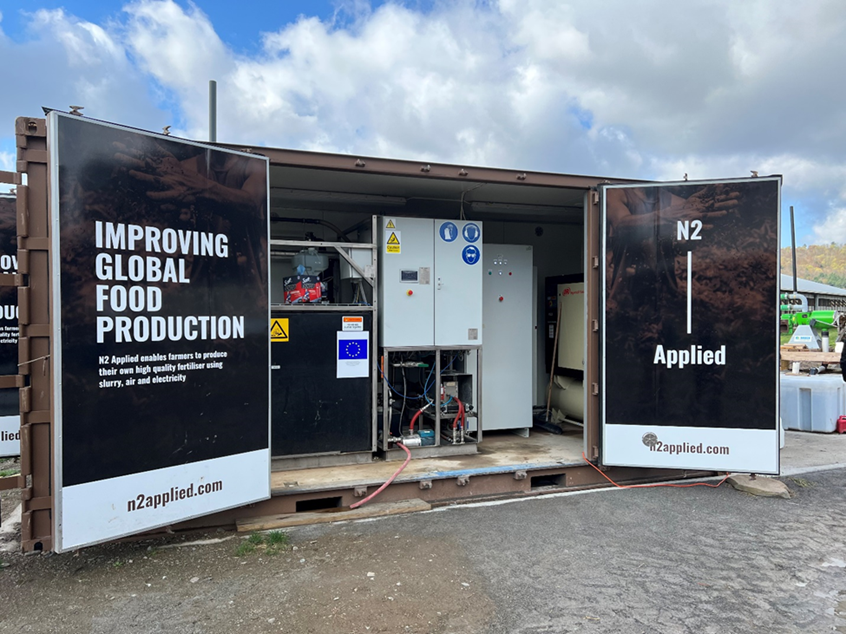
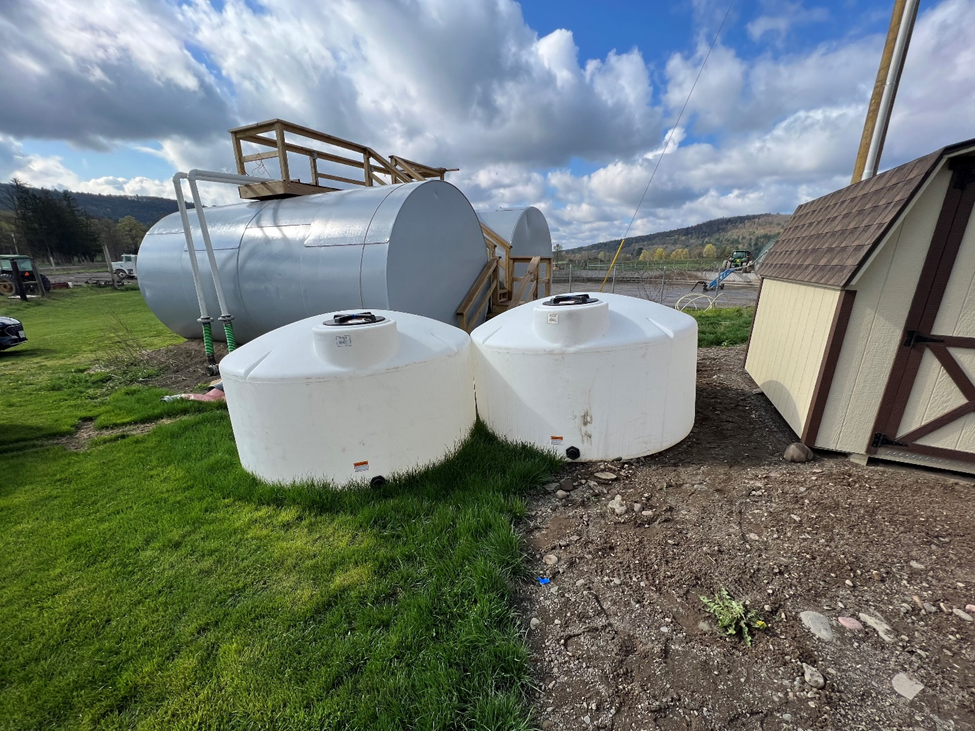
 Figure 1. N2 Applied Demonstration Unit.

Figure 1. N2 Applied Demonstration Unit.

What Did We Do?

Newtrient collaborated with Washington State University to develop a technology review protocol. This evaluation process was modeled after the NRCS approach for assessing Waste (Manure) Treatment technologies, as outlined in Conservation Practice Standard 629, Waste Treatment. One of the challenges in reviewing manure management technologies has been obtaining technical third-party evaluations. This protocol established a comprehensive method for reviewing and evaluating these technologies.

For the N2 Applied system, Newtrient contracted with Cornell University as the third-party evaluator. This evaluation compared the nitrogen content and stability of untreated and treated dairy manure over a 15-week period. Both static and flow-through tanks were studied to assess the effectiveness of this treatment process. Liquid samples were analyzed for nutrient content, with a focus on water quality issues, and a limited number of air samples were collected to evaluate greenhouse gas emissions and air quality.

The N2 Applied plasma technology uses electricity to split atmospheric nitrogen and oxygen which then forms into reactive nitrogen gas.  This gas is absorbed into the manure waste stream raising the amount of plant available nitrogen while also lowering the pH.  This demonstration unit was delivered and operated from a 20 feet long cargo bin.

Figure 2. Static and Flow Through Tanks Utilized for Technology Evaluation.

What Have We Learned?

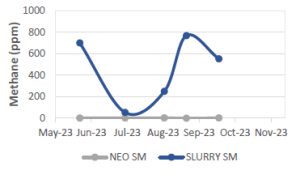
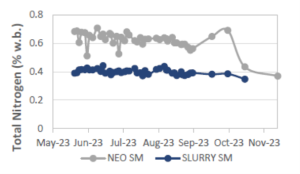
The N2 Applied technology increased the nitrogen content of the dairy manure by more than 50% in the static tanks and nearly 50% in the flow-through tanks. The plasma torch created nitrogen oxides by combining atmospheric nitrogen and oxygen gases. This treatment process lowered the pH to a set point, initially set at 5.5 but later adjusted to 5.0. This lower pH inhibited the microbial production of methane (CH4) and converted more of the nitrogen to ammonium (NH4+) instead of the more volatile ammonia (NH3). The following two figures show the impact of the N2 Applied technology on methane and nitrogen stability for the static tank portion of the study.

Figure 3. CH4 from static tanks

The nitrogen content remained stable for more than 4 months, and methane production was significantly reduced through this process. Coarse solid/liquid separation was a key component ensuring the efficient operation of the technology.

Figure 4. Nitrogen Levels with and without N2 Applied Technology.

For this demonstration unit, the plasma torch used approximately one-half of the energy consumed.  The estimated annual electrical cost to operate this unit was $26,800.  With the lessons learned from this evaluation, the new commercial unit will have much lower electrical costs.

Future Plans

The N2 Applied system evaluated for this study was a demonstration unit. Based on the lessons learned, a commercial unit is currently being developed, with deployment to the United States expected in late 2025. Once a new unit is installed, another series of studies will be conducted following a similar testing protocol.

For the commercial unit, a critical factor to evaluate will be the long-term stability of the nitrogen-enriched manure. Additionally, it will be important to assess production rates, along with capital and operating costs. Agronomic trials, combined with field emission measurements, will determine the impact on crop yield and air quality once the product is land applied.

Authors

Presenting & Corresponding author

Jeff Porter, Technical Consultant, Newtrient,  jeff.porter@newtrient.com

Additional author

Mark Stoermann, Chief Operating Officer, Newtrient

Additional Information

Project and Vendor Information: 2020 NRCS Conservation Innovation Grant – Newtrient

Acknowledgements

Special thanks to the USDA-NRCS Conservation Innovation Grant program and the New York Farm Viability Institute for providing funding to allow for this technology evaluation to take place.

Videos, Slideshows and other media

Webinar Highlighting Evaluation Results: N2 Applied – Insights and Innovation

Newtrient Solutions Catalog: N2 Applied

N2 Applied Homepage: Home – N2 Applied

GEA Manure Enricher: Produce your own sustainable fertilizer | GEA ProManure E2950

The authors are solely responsible for the content of these proceedings. The technical information does not necessarily reflect the official position of the sponsoring agencies or institutions represented by planning committee members, and inclusion and distribution herein does not constitute an endorsement of views expressed by the same. Printed materials included herein are not refereed publications. Citations should appear as follows. EXAMPLE: Authors. 2025. Title of presentation. Waste to Worth. Boise, ID. April 7–11, 2025. URL of this page. Accessed on: today’s date.
Agronomic Effectiveness of Nitrogen and Phosphorus Recovered from Swine Manure

Purpose

New technologies have been developed to extract and recover concentrated nitrogen (N) and phosphorus (P) from animal manure which can be upcycled as substitutes for conventional nitrogen (Urea) and triple super phosphate (TSP) fertilizers. In this study, the effectiveness of recovered nitrogen (RN) and phosphorus (RP) from liquid swine manure were compared with conventional N (CN) and conventional P (CP). Further, the availibility of RP to crop was enhanced using acidification of the material.

What Did We Do?

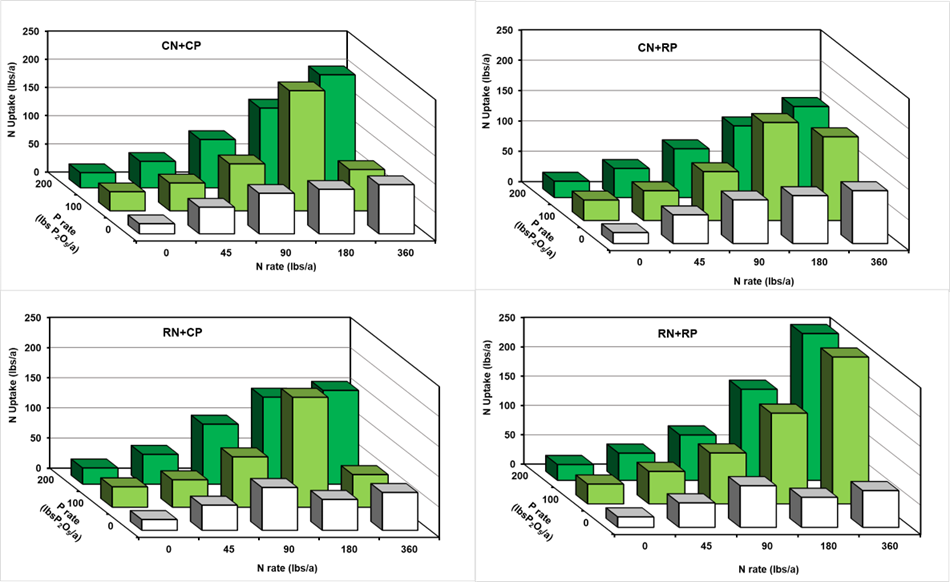
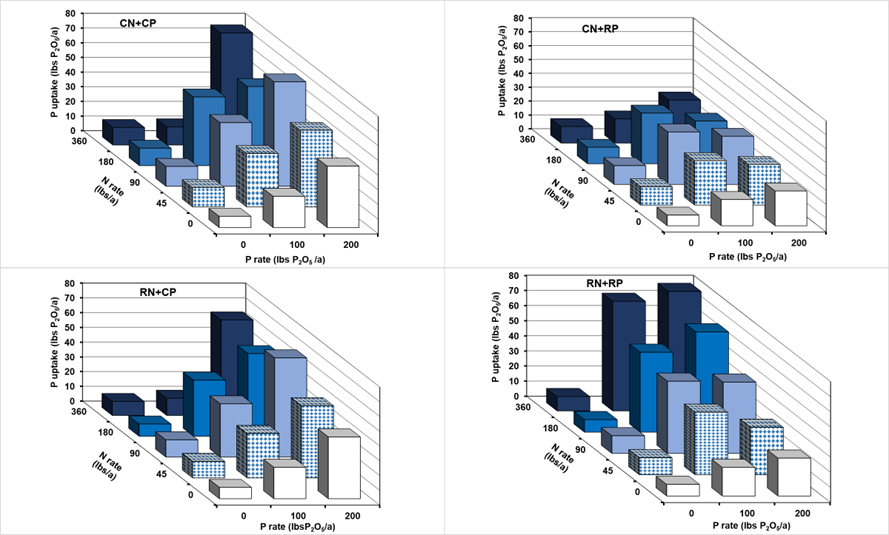
The RN was captured from liquid swine manure using a gas permeable membrane technology (Vanotti and Szogi, 2015). The RP was also captured from liquid swine manure using nitrification followed by chemical precipitation with calcium hydroxide (Vanotti et al., 2005). We evaluated annual ryegrass growth response to conventional and recovered nutrients using four nutrient combinations: CN+CP, RN+CP, CN+RP, and RN+RP at five N rates and three P rates (Figures 1 & 2). In a subsequent experiment, the solubility of RP was modified by acidifying the material before its application.

Figure1. Annual ryegrass N uptake in response to N and P under the different nutrient combinations. CN, conventional nitrogen, CP, conventional phosphorus, RN, recovered nitrogen, RP, recovered phosphorus. (Paye et al., 2024a)
Figure 2. Annual ryegrass P uptake in response to N and P applications under the different nutrient combinations. CN, conventional nitrogen, CP, conventional phosphorus, RN, recovered nitrogen, RP, recovered phosphorus. (Paye et al., 2024a)

What Have We Learned?

The experimental soil was deficient in N and P, thus, the ryegrass responded to application of both nutrients. The ryegrass N uptake under RN was similar to N uptake under CN when using CP (Figure 1). When RN was blended with RP, the N uptake was significantly greater than the N uptake of conventional (CN+CP) nutrients blend. The P uptake of CP was greater than RP when using CN. However, the P uptake of RP blended with RN was substantially greater than CN+CP (Figure 2). The Acidification of RP improved its solubility and agronomic effectiveness (Paye et al., 2024b). Ryegrass supplied with acidified RP produced 8 – 38% greater dry matter yield and had 48 – 72% greater P uptake than ryegrass supplied with CP or non-acidified RP. The greater overall biomass yield and nutrient uptake of the recovered N and P combination demonstrate this as a novel nutrient combination that could be critical for improving crop yield and nutrient use efficiency in a circular agricultural system.

Future Plans

Crop response to these recovered nutrient blends will be evaluated using other crops under both greenhouse and field conditions.

Authors

Presenting & Corresponding Author

Wooiklee S. Paye, Research Soil Scientist, USDA-ARS Coastal Plains Soil, Water and      Plant Research Center, Florence, SC, wooiklee.paye@usda.gov

Additional authors

Raul Moral, Professor, Miguel Hernandez University, Orihuela, 03312 Alicante, Spain.

Matias B. Vanotti and Ariel A. Szogi, Research Soil Scientists, USDA-ARS Coastal Plains Soil, Water and Plant Research Center, Florence, SC 29501 USA.

Quentin D. Read, Statistician, USDA-ARS Southeast Area, 840 Oval Drive, Raleigh, NC 27606 USA.

Additional Information

Paye, W. S., Herrero, R. M. Vanotti, M. B., Szogi, A. A., & Read, Q.D. (2024a). Agronomic Effectiveness of Nitrogen and Phosphorus Recovered from Swine Manure. Agrosystems, Geosciences and Environment. (In Press).

Paye, W. S., Vanotti, M. B., Szogi, A. A., & Herrero, R. M. (2024b). Enhancing the Agronomic Efficiency of Calcium Phosphate Recovered from Swine Manure. In ASA, CSSA, SSSA International Annual Meeting. ASA-CSSA-SSSA.

Vanotti, M.B., & Szogi, A.A. (2015). Systems and methods for reducing ammonia emissions from liquid effluents and for recovering the ammonia. U.S. Patent No. 9,005,333 B1, U.S. Patent and Trademark Office.

Vanotti, M.B., Szogi, A.A., & Hunt, P.G. (2005). Wastewater treatment system. U.S. Patent No. 6,893,567, U.S. Patent and Trademark Office.

Acknowledgements

This research was part of USDA-ARS National Programs 212 Soil and Air, ARS Project 6082-12630-001-00D. Raul Moral’s scientific visit to USDA-ARS Florence, SC, was funded by the Government of Spain, Ministry of Science & Innovation, through Fellowship Award PRX21/002116.  The authors are thankful to Paul Shumaker and William Brigman for greenhouse and laboratory assistance. Mention of trade names or commercial products in this article is solely for the purpose of providing specific information and does not imply recommendation or endorsement by the U.S. Department of Agriculture.

The authors are solely responsible for the content of these proceedings. The technical information does not necessarily reflect the official position of the sponsoring agencies or institutions represented by planning committee members, and inclusion and distribution herein does not constitute an endorsement of views expressed by the same. Printed materials included herein are not refereed publications. Citations should appear as follows. EXAMPLE: Authors. 2025. Title of presentation. Waste to Worth. Boise, ID. April 7–11, 2025. URL of this page. Accessed on: today’s date.
Manure and Wood Based Biochar Soil Amendment Field Trials

*note: due to a technical glitch, the audio at the beginning of this recorded presentation was not captured. Please accept our apologies.

Purpose

Sustainable intensification of agriculture aims to boost food production while minimizing environmental damage. Current farming practices often lead to inefficient nutrient cycling, contributing significantly to water and air pollution. Agricultural runoff, especially from livestock systems, introduces pollutants like nitrogen and phosphorus into waterways, causing issues like eutrophication and anoxic conditions, which harm aquatic ecosystems. Agricultural emissions also account for a large portion of global methane and nitrous oxide emissions. To meet increasing food demands, farms have intensified production, further worsening environmental impacts due to increased use of nutrients and feed. Addressing these issues requires innovative solutions that can balance productivity and sustainability.

One promising approach is pyrolysis, which thermochemically converts biomass into syngas, bio-oils, and biochar. While syngas and bio-oils are used for energy, biochar can improve soil health, reduce nutrient leaching, and sequester carbon. Research shows biochar can effectively retain nitrogen and phosphorus, making it a potential candidate for use in wastewater treatment and as a manure storage cover to reduce emissions. Additionally, converting manure into biochar could improve transport logistics by densifying nutrients, making it more economically feasible for farms to manage nutrient surpluses. However, more research is needed to expand biochar’s use beyond fields and into broader agricultural applications to fully realize its environmental and economic benefits.

What Did We Do?

A pilot pyrolysis system, the Pilot Activator from ARTi (Figure 1), was installed at UW-Platteville to process biomass under controlled conditions, allowing for plot-scale studies on biochar applications in agriculture. Biochar was made from separated manure solids at 400 and 600 degrees C at the pilot system at UW-Platteville. Additional biochar was produced from wood chips from a full-scale system integrated at a site in Wisconsin. Biochar was applied to plot trials (Figure 2) to assess the impacts to yield, soil nutrient cycling, crop nutrient uptake, and greenhouse gas and ammonia emissions with varying manure and biochar applications. The trials have been divided into two concurrent field trials to assess various aspects of biochar incorporation practices into livestock-cropping systems.

Figure 1. Pilot scale pyrolysis unit

Trial 1 – Separated manure solids biochar as a phosphorus fertilizer

The main objective in this study is to examine the impacts of applying separated manure solids versus biochar made from separated manure solids to assess the impact of pyrolysis on the phosphorus availability. Separated manure solids (10.9 tons/acre) and biochar produced from separated manure solids at 400 and 600 degrees C was applied based on phosphorus demands for corn silage and supplemented with urea after biochar application, incorporated into soil, to meet recommended nitrogen application. Crop yield and soil impact were assessed at the end of the trial.

Trial 2 – Biochar amended slurry manure

The main objective in this second trial is to examine the impacts of integrating biochar with slurry manure applications to assess the impacts to corn silage production systems, ammonia and greenhouse gas emissions. Slurry manure was applied at a rate of 10,000 gal/acre and biochar was applied and incorporated. Treatments included manure control, biochar made from separated solids at 400 and 600 degrees C at 1 ton/acre, wood biochar made at 600 degrees C applied at 1, 2,5, 5 and 10 tons per acre, and a control that received no manure or biochar. Plots were assessed for the impact to soil nutrient concentration, corn silage yield, nutrient use efficiency, and emissions (measured using a Gasmet Technologies Inc. model DX4015 Portable Fourier-transform infrared spectroscopy (FTIR) Multi-component Gas Analyzer).

For each trial, soil sampling and analysis was conducted prior to amendment application, post application, and post-harvest. Corn silage was grown in all trials and harvested and weighed at the end of each trial. Biochar was always applied to the soil following manure application and then incorporated within 24 hours. At the end of the season, plant tissue samples were collected, dried, and analyzed for nutrient uptake to be used to calculate nutrient use efficiency.

Figure 2: Land application of biochar to field trial plots before and after incorporation

What Have We Learned?

Data is currently being analyzed from year one of the field trial to assess the impacts with biochar application. Thus far, we have determined little difference in yields in the treatments for both trials. This indicates for trial 1 that phosphorus availability from biochar produced from separated manure solids is similar to that of the separated solids.  Additional data analysis will allow for comparison of emissions and impacts to soil nutrients.

Future Plans

Additional data analysis will be completed this spring to determine statistical differences in treatments for the parameters measured. In addition, as biochar is thought to have greater impacts in future cropping years, the fields will have manure applied in year 2 and the plots analyzed again for the same impacts as year one to determine further impacts as biochar ages in the soil.

Authors

Presenting and Corresponding author

Rebecca A. Larson, Professor, Nelson Institute for Environmental Studies, University of Wisconsin-Madison, rebecca.larson@wisc.edu

Additional author(s)

Tyler Liskow, Engineer, Nelson Institute for Environmental Studies, University of Wisconsin-Madison; Brian Langolf, Researcher, Nelson Institute for Environmental Studies, University of Wisconsin-Madison; and Joseph Sanford, Assistant Professor, University of Wisconsin-Platteville

Additional Information

Biochar Production through Slow Pyrolysis of Animal Manure

Acknowledgements

This material is based on work that is supported by the National Institute of Food and Agriculture, U.S. Department of Agriculture, NLGCA under award number 2022-70001-37309.

Any opinions, findings, conclusions, or recommendations expressed in this publication are those of the author(s) and do not necessarily reflect the view of the U.S. Department of Agriculture.

The authors are solely responsible for the content of these proceedings. The technical information does not necessarily reflect the official position of the sponsoring agencies or institutions represented by planning committee members, and inclusion and distribution herein does not constitute an endorsement of views expressed by the same. Printed materials included herein are not refereed publications. Citations should appear as follows. EXAMPLE: Authors. 2025. Title of presentation. Waste to Worth. Boise, ID. April 7-11, 2025. URL of this page. Accessed on: today’s date.
Phosphorus Recycling from Dairy Manure via Hydrochar – Experience from the Lab-Scale to Pilot-Scale Hydrothermal Carbonization Prototype

Due to a technical glitch, the beginning of the recorded presentation was not recorded. Please accept our apologies.

Purpose

To address the depletion of phosphorus resources and the environmental issues associated with phosphorus enriched runoff from the application of raw manure, a strategic and sustainable approach is to recycle phosphorus from dairy manure using innovative and efficient methods. Hydrothermal carbonization (HTC) has been considered one of the sustainable techniques, which can transform dairy manure into phosphorus-enriched hydrochar at relatively low temperatures, typically ranging from 180 to 250 °C. This process not only recovers valuable phosphorus but also converts organic waste into a stable, nutrient-rich product that can be used as a soil amendment or phosphorus fertilizer.

Despite the massive experimental activity performed to characterize the HTC process, the design and development of a validated bench-scale model is crucial for scaling up. While numerous studies have explored the HTC process at the laboratory level, only a limited number of studies have assessed the technical feasibility and performance of implementing this process on an industrial scale. In this context, the purpose of this study was to provide a detailed and systematic examination of phosphorus recovery from dairy manure using a lab-scale HTC reactor and illustrated the basis of the design of a bench-scale processor and evaluated its performance in terms of hydrochar yield (HY) and phosphorus recovery (PR).

What Did We Do?

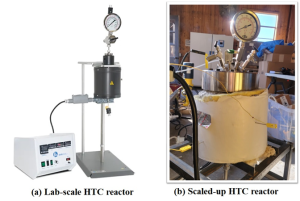
Fig. 1. Scale-up of the hydrothermal carbonization (HTC) reactor from lab-scale to bench-scale. (a) Lab-scale HTC reactor with a 300 mL capacity, used for small-batch experiments. (b) Scaled-up bench-scale HTC reactor with a 9 L capacity. 
Fig. 1. Scale-up of the hydrothermal carbonization (HTC) reactor from lab-scale to bench-scale. (a) Lab-scale HTC reactor with a 300 mL capacity, used for small-batch experiments. (b) Scaled-up bench-scale HTC reactor with a 9 L capacity.

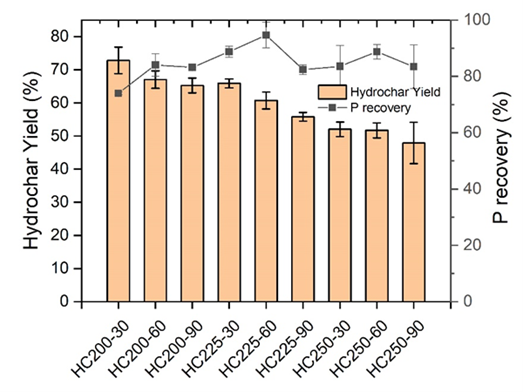
In this study, the HTC of raw dairy manure with a 7.9% of total solids was first conducted using the lab-scale reactor to optimize the process parameters, including temperature and reaction time, and then scaled up at a scale of 30 times larger (Fig. 1). The HTC-derived hydrochar samples were named according to the temperature and reaction time. For example, HC200-30 represents the hydrochar sample obtained at 200 °C and 30 min. The scaled-up reactor was designed and operated at the optimized conditions obtained from the lab-scale study, which was 225 ºC and 60 min of reaction time. The HY, which also reflects the mass reduction of dairy manure (on a dry weight basis), and PR were the two main parameters evaluating the HTC of dairy manure. We additionally evaluated the energy required for hydrochar processing in both lab- and bench-scale processors.

The HY and PR expressed as a percentage were determined by the following equations:

What Have We Learned?

Fig. 2 shows the effects of HTC processing temperature and reaction time on the HY and PR using the lab-scale reactor. It was observed that the HY decreased gradually as the processing temperature and time increased, which is attributed to the temperature and time dependent degradation of organic matter during HTC. The highest PR was observed at 225 ºC and 60 min.

Fig. 2. Hydrochar yield (%) and phosphorus recovery (%) efficiency under different hydrothermal carbonization conditions.

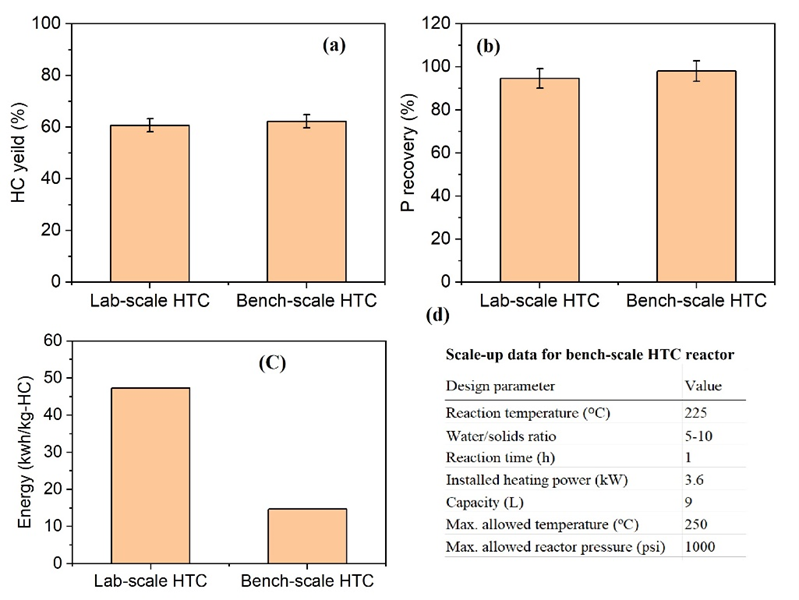
As shown in Fig. 3, the scale-up of the hydrothermal carbonization (HTC) process demonstrated that HY and PR remained consistent between lab-scale and bench-scale systems, indicating that the transition to a larger reactor did not compromise HY or PR. Notably, the energy input per mass of hydrochar was significantly reduced in the bench-scale system, improving overall energy efficiency. These findings indicate that scaling up HTC can enhance process feasibility while maintaining similar nutrient recovery.

Fig. 3. Comparison between lab-scale and bench-scale HTC systems. (a) Hydrochar yield (%), (b) phosphorus recovery (%), (c) Energy input (kwh/kg-HC), and (d) specifications of the scale-up reactor.

Future Plans

We plan to further develop a continuous-flow HTC system at pilot-scale as a potential advanced manure processing pathway. We will also conduct technoeconomic and environmental assessments to verify scalability and sustainability.

Authors

Presenting author

Mohammad Nazrul Islam, Postdoctoral Fellow, University of Idaho

Corresponding author

Lide Chen, Professor, Dept. of Soil & Water Systems, University of Idaho, lchen@uidaho.edu

Additional author

Brian He, Professor, Dept. of Chemical and Biological Engineering, University of Idaho

Acknowledgements

This work is supported partially by USDA NIFA (award number 2021-67022-35504) and the University of Idaho P3R1 grant.


The authors are solely responsible for the content of these proceedings. The technical information does not necessarily reflect the official position of the sponsoring agencies or institutions represented by planning committee members, and inclusion and distribution herein does not constitute an endorsement of views expressed by the same. Printed materials included herein are not refereed publications. Citations should appear as follows. EXAMPLE: Authors. 2025. Title of presentation. Waste to Worth. Boise, ID. April 7-11, 2025. URL of this page. Accessed on: today’s date.
Ammonia Recovery from Anaerobically Digested Dairy Manure Using Electrodialysis Coupled with A Hydrophobic Gas-permeable Membrane for Stripping

Due to a technical glitch, the beginning of the recorded presentation was not recorded. Please accept our apologies.

Purpose

Nitrogen is considered an essential macronutrient for plant growth and development. Ammonia, a key part of the nitrogen cycle, arises through two main pathways: naturally through biological nitrogen fixation bacteria and artificially through the Haber-Bosch process. The Haber-Bosch is an energy-intensive process relying on fossil fuels and contributing to greenhouse gases emission. Recovering ammonia from anaerobically digested dairy manure offers a more sustainable alternative to this energy-intensive process, reduces reliance on fossil fuels and mitigates environmental impact. Furthermore, the recovered ammonia can be used as a value-added product to improve soil health and sustainable agricultural productivity. Various technologies have been applied to recover ammonia from dairy manure. However, these technologies were not very efficient in terms of energy consumption, resource recovery, and treatment time.  The purpose of this research was to develop a hybrid system where electrodialysis and membrane stripping were applied simultaneously to enhance ammonia recovery from anaerobically digested dairy manure within a shorter treatment period. This approach promotes circular economy through transforming dairy waste into a valuable resource.

What Did We Do?

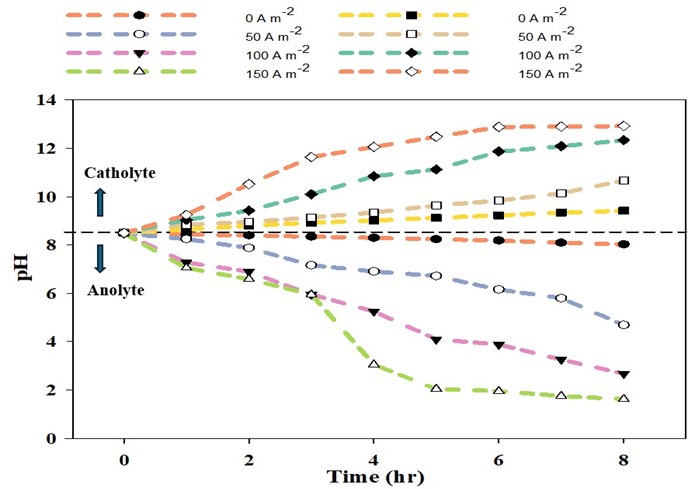
We developed a three-chamber electrodialysis and membrane stripping (ED-MS) combined system, in which the anode and the cathode chambers were separated by a cation exchange membrane (CEM), and the cathode and trap chambers were separated by a hydrophobic gas-permeable membrane (GPM). The GPM was used for membrane stripping. The authigenic acid in anolyte and the authigenic base in catholyte have been utilized as absorbents and stripping agents to improve ammonia recovery in the ED-MS system. We have applied different current densities ranging from 0 to 150 A/m2 to observe the effect of ammonia removal and recovery efficiency within an 8-hour treatment period. We also observed the maximum rate of nitrogen flux passing through the CEM and GPM for a specific energy consumption.

What Have We Learned?

From this research, we have learned that with increasing current density the removal and recovery efficiency of ammonia also increased. The presence of ammonia in the trap chamber increases with increasing treatment time (Figure 1).  This ED-MS treatment process demonstrated a broad range of effectiveness for current densities ranging from 0 to 150 A/m2, achieving ammonia removal efficiencies of 42.97% to 99.49% and recovery efficiencies of 11.7% to 75.9% over an 8-hour treatment time. The main reason for this increment is to accelerate the electrolysis process and increase the rate of acid production in the anolyte and base production in the catholyte (Figure 2). The product recovered was ammonium sulfate which can be used as a fertilizer. The highest nitrogen flux through CEM and GPM was identified as 616.1 and 207.6 g-N m-2d-1, respectively, with a specific energy consumption of 45.3 kWhkg-1N-1 (Figure 3). Therefore, this research supports the idea that the ED-MS technique could be a viable solution for sustainable ammonia recovery from anaerobically digested dairy manure on a large scale.

Figure 1. Ammonia distribution in three chambers at different treatment times.
Figure 2. Changing pH with different current densities in anolyte and catholyte.
Figure 3. Effect of current density on nitrogen flux and specific energy consumption.

Future Plans

To continue this research, we have a plan to investigate the reaction kinetics of this ED-MS hybrid system. Further, we will develop a novel electrochemical reactor to recover nitrogen and phosphorus simultaneously from dairy waste.

Authors

Presenting author

Ashish Kumar Das, Ph.D. Student, Environmental Science Program, College of Natural Resources, University of Idaho

Corresponding author

Dr. Lide Chen, Professor, Department of Soil and Water Systems, Twin Falls Research and Extension Center, University of Idaho, lchen@uidaho.edu

Acknowledgements

This research was funded by the USDA Sustainable Agricultural Systems Initiative through the Idaho Sustainable Agriculture Initiative for Dairy (ISAID) grant (Award No. 2020-69012-31871).


The authors are solely responsible for the content of these proceedings. The technical information does not necessarily reflect the official position of the sponsoring agencies or institutions represented by planning committee members, and inclusion and distribution herein does not constitute an endorsement of views expressed by the same. Printed materials included herein are not refereed publications. Citations should appear as follows. EXAMPLE: Authors. 2025. Title of presentation. Waste to Worth. Boise, ID. April 7-11, 2025. URL of this page. Accessed on: today’s date.

Staying in the Loop: Circularity in Integrated Crop and Livestock Production

Have you heard or read about circularity and the circular economy? These buzzwords describe sustainability concepts that are being adopted in many sectors, including food animal production. This webinar shares definitions for these concepts and how they can inform thinking about changes to animal systems and manure management. This presentation was originally broadcast on June 21, 2024. Continue reading “Staying in the Loop: Circularity in Integrated Crop and Livestock Production”