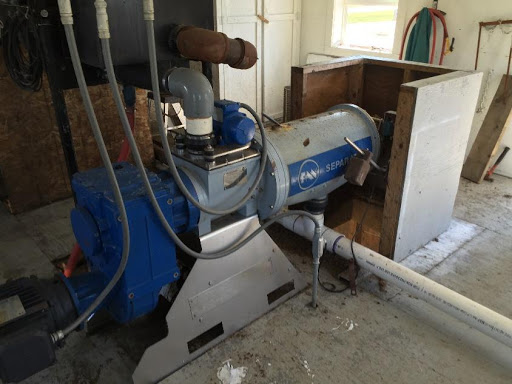
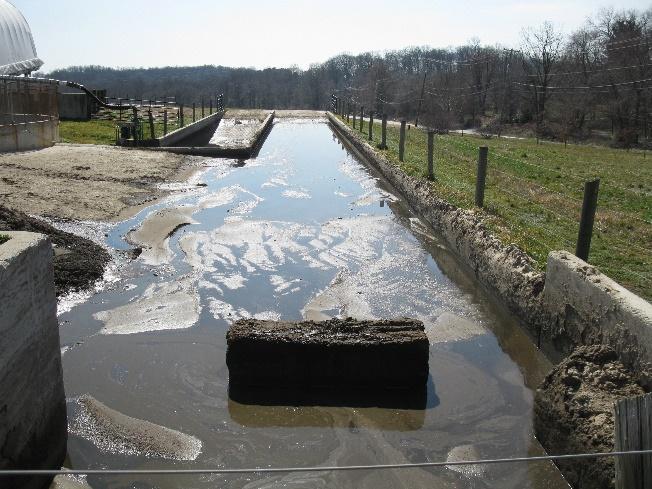
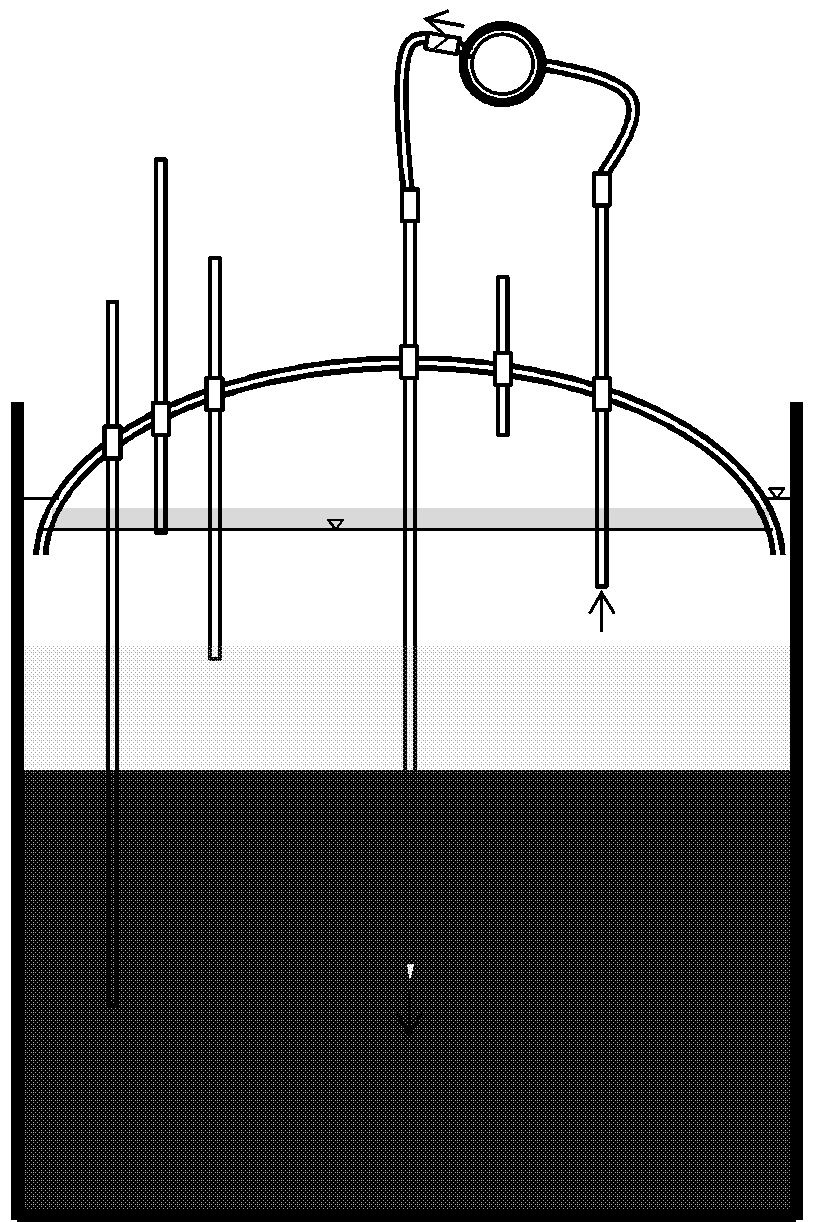
Animal manures contain nutrients [primarily nitrogen (N) and phosphorus (P)] and organic material that are beneficial to crops. Unfortunately, for economic and logistics reasons, dairy manure tends to be applied to soils near where it is generated. Over time P concentrations in soils where dairy manure is applied builds up, and is often in excess of crop demands. We previously described, and have subsequently built, a full-scale version of a MAnure PHosphorus EXtraction (MAPHEX) System capable of removing greater than 90 percent of the P from manures. While originally designed to remove phosphorus, we postulated that the MAPHEX System was also capable of removing odor and microbes, and of concentrating alkalinity into a solid, economically transported form. In this study the MAPHEX System was shown to be highly versatile at removing greater than 90 % of the phosphorus from a wide range of dairy manures. In addition to that, the study showed that the System is also capable of concentrating and recovering alkalinity from manures, while also removing over 80 % of microbes and reducing the odor of the effluent applied to fields by half. We have also lowered daily operating costs by testing the effect of lower-cost chemicals as alternatives to ferric sulfate, and by showing that the diatomaceous earth (DE) filtering material can be recycled and reused.
Kleinman, Peter (USDA-ARS); Hristov, Alex (Pennsylvania State University); Bryant, Ray (USDA-ARS)
The authors are solely responsible for the content of these proceedings. The technical information does not necessarily reflect the official position of the sponsoring agencies or institutions represented by planning committee members, and inclusion and distribution herein does not constitute an endorsement of views expressed by the same. Printed materials included herein are not refereed publications. Citations should appear as follows. EXAMPLE: Authors. 2019. Title of presentation. Waste to Worth. Minneapolis, MN. April 22-26, 2019. URL of this page. Accessed on: today’s date.
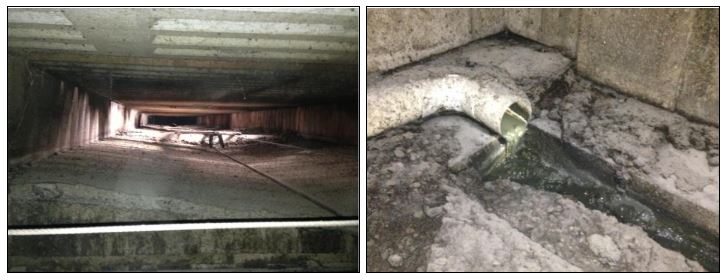
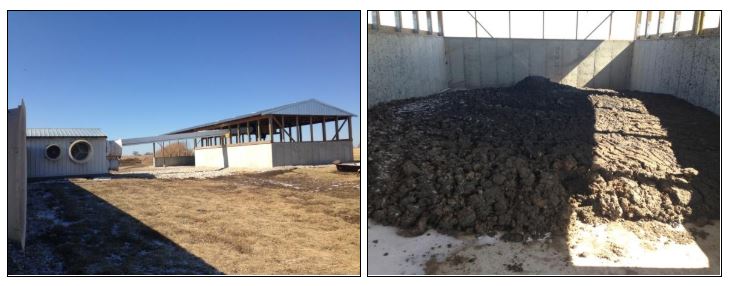
A 1200-hd solid-liquid separation finishing barn was built in Missouri for improved manure management and air quality. The facility has a wide V-shaped gutter below slatted flooring (Figure 1), which continuously drains away liquids. A scraper is used to collect the solids, which are then managed separately. Field sampling and research were conducted to evaluate the performance of the solid-liquid separation finishing barn in improving manure nutrient management, potential nutrient/water recycling based on filtration, and barn construction and operating costs.
What did we do?
The barn (built in 2010) was closely monitored for manure production and nutrient content, and operating costs. Laboratory-scale pretreatments and filtrations were conducted to evaluate the practicality of nutrient/water recycling from the separated liquid manure.
What we have learned?
The daily liquid manure production averaged 885 gallons and daily solid manure production averaged 299 gallons (about ¼ of the total manure volume). The separation system removed 61.7%, 41.7%, 74.8%, and 46.2% of the total manure nitrogen, ammonium, phosphorous, and potassium, respectively, with the collected solids. The filtration results indicate that the microfiltration and reverse osmosis were time and energy intensive, which was probably constrained by the relatively small-scale unit (inefficient compared with larger units), small filter surface area, and high concentration of dissolved nutrients.
The construction cost of the solid-liquid separation barn with solid manure storage was $323,000 ($269/pig-space, in 2010), 17% higher compared to the traditional deep-pit barn ($175 to $230/pig-space). It is likely that the solid-liquid separation barn will become less expensive when more barns of similar design are built, and the conveyor system can be improved and simplified for less maintenance and lower costs. Additional electricity cost was $331 per year for daily operation of the scraper and conveyor systems, and pumping the separated liquid manure fraction. The additional maintenance cost of the scraper system averaged $1,673/year. A net gain of $3,975/year was observed when considering the value of the separated manures, cost of land application, and annual maintenance cost.
A payback period of 15.1 years on the additional investment was estimated, when compared with the popular deep-pit operation. However, the payback period can be reduced by many factors, including improved conveyor system and growing popularity of the barn design in an area. When the distance to transport the slurry manure was increased from 5 miles to 7.5 and 10 miles, the payback periods became 12.7 and 11.3 years, respectively. The solid-liquid separation barn was shown to have better air quality when compared with deep-pit barns based on monthly measurements of ammonia and hydrogen sulfide concentrations.
Impacts/Implications of the Research.
This study monitored the manure production of a commercial finishing barn utilizing a solid-liquid separation system. Overall, we can conclude that the final results obtained from monitoring the total manure production rate, air quality exiting the barn fans, and the pig growth rates made sense relative to other comparative sources. The overall results indicate that the barn design can attain some valuable benefits from separating the solid and liquid streams. About a quarter of the manure volume was collected and managed as nutrient-dense solid manure (defined as ‘stackable’). The solid manure held 80% of the total solids and nearly 75% of the phosphorous.
Take Home Message
There are alternative barn designs and manure management systems (relative to lagoon and deep-pit operations) that should be considered when planning for a new operation or expansion. Considerations should include the need to better manage manure nutrients and improve air quality for human and animal occupants.
Future plans
Further consideration of the manure management, including work load and major- and micro-nutrients need to be furthered analyzed. Future research may look into application of a larger-scale crossflow system to see if nutrient removal and flow rates can be improved significantly. Future research may focus on improving manure filtrate flow, and determining the cost of installation and upkeep for a filtration unit that can operate at the level of a farm operation. Extrapolating the costs off of bench-scale model does not seem remotely indicative of the true cost, due to improved efficiency and power of larger unit.
Authors
Lim, Teng (Associate Professor and Extension Agricultural Engineer, Agricultural Systems Management, University of Missouri, limt@missouri.edu)
Brown, Joshua (University of Missouri); Zulovich, Joseph (University of Missouri); and Massey, Ray (University of Missouri).
Funding for this research project was provided by the National Pork Checkoff and University of Missouri Extension.
Figure 1. The V-shape pit with automated manure scraper and trough at center (Left), and gravity draining of liquid manure from the trough to the sump pit (Right).Figure 2. The storage shed for solid manure to the north of the modified scraper barn (Left), and stored solid manure (Right).
The authors are solely responsible for the content of these proceedings. The technical information does not necessarily reflect the official position of the sponsoring agencies or institutions represented by planning committee members, and inclusion and distribution herein does not constitute an endorsement of views expressed by the same. Printed materials included herein are not refereed publications. Citations should appear as follows. EXAMPLE: Authors. 2019. Title of presentation. Waste to Worth. Minneapolis, MN. April 22-26, 2019. URL of this page. Accessed on: today’s date.
Advancedmanure treatment may become a major system on some dairy farms in the future. Reducing the impacts of excess nitrogen and or phosphorous may be necessary on farms with a limited or remote land base. Additional treatments to recover solids, extract energy, concentrate nutrients, reduce odors, reduce the mass/volume, and/or reduce pathogens may become more of a priority as farms seek to move toward sustainability. Potential systems should be evaluated from many perspectives including on an economic and effectiveness basis. There are many variables to consider in evaluating a manure management system. Potential systems should be selected based on many criteria including: operational history, operational reliability, market penetration, capital cost, O&M cost, value proposition, and vendor information and documentation including case studies and customer reviews.
What did we do?
Manure management formally started in the second half of the 20th century with the development and implementation of the water quality best management practice (BMP) of long-term manure storage. Storage provides farms with the opportunity to recycle manure to cropland when applied nutrients can be more efficiently used by the crop. Many long-term manure storages were built to improve nutrient recycling and minimize risk. In some cases, anaerobic lagoons were built to both reduce the organic matter spread to fields and store manure. Simultaneously as poultry and livestock consolidation escalated, more manure storages were built and their volume increased to reflect the recognized need to store manure longer. Cooperative Extension, Soil and Water Conservation Districts and Natural Resources Conservation Service have assisted in providing planning, design, construction and maintenance of these manure storage systems.
What have we learned?
Many lessons have been learned from storing manure long-term. They include, but are not limited to:
While storing manure long-term reduces water quality impairment, it also produces and emits methane, a greenhouse gas. Greenhouse gases are reported to contribute to global warming. The US dairy industry is under attack by some because of this, and it is likely that the decline in fluid milk sales has, in some part, been affected by this. The lesson learned here is that the implementation of BMPs can have unintended consequences; therefore, all future BMPs need to be thoroughly vetted before substantial industry uptake happens in order to avoid undesirable unintended consequences.
Larger long-term storages are better than short-term (smaller) ones. Storages that store manure for a longer period of time provide farms with increased flexibility when it comes to recycling manure to cropland.
Long-term storages can emit odors that can be offensive to neighbors and communities. Farms have adopted improved manure spreading practices, namely direct incorporation, to reduce odor issues but incorporation doesn’t work well on some crops. Some farms have also adopted anaerobic digestion as a long-term storage pre-treatment step in order to reduce odor emissions from storage and land application.
Substantial precipitation can accumulate in long-term storages located on farms in humid climates. Increased storage surface area (generally an outcome of building larger storages) results in more precipitation to store and handle as part of the manure slurry. Every acre-foot of net perception results in 325,900 gallons of additional slurry to store and spread. If each manure spreader load is 5,000 gallons, then this means 65 additional loads are required.
Neighbors of larger farms are more sensitive to intensive truck traffic than regular but low-level truck traffic. Long-term storages require intensive, focused effort to empty and the over the road truck traffic can be offensive in some farm locations.
Insufficient storage duration results in the need to recycle manure to cropland during inopportune times and thus may not be contributing to the BMP goal. Fall spreading is still required on many farms; however, it also may be unlikely that a sufficient spring planting window exists for farms to spread all their manure in the spring, avoid compacting wet soils and also get spring crops planted in time.
Where longer term storage duration and or incorporation of the manure to prevent odor emissions is needed to facilitate spring and summer manure spreading, farms may have more manure nutrients than needed to meet crop demand.
Future Plans
The above lessons learned support the need for advanced manure treatment systems on some farms that can also be used as the basis for considerations that should be included when evaluating all manure treatment systems. It is important that the manure treatment equipment/system components and the overall system address the farm need(s) as best as possible. A challenge with evaluating the existing manure treatment equipment available to the farmer is the lack of performance and economic data. Comparatively, advanced manure treatment (we define this as treatment above basic primary solid-liquid separation) is in its infancy stage of adoption and thus little field performance data exists. Our plans are to continue (as funding allows) to perform more on-farm manure treatment system evaluations and to report facts to our US dairy industry stakeholders.
Corresponding author, title, and affiliation
Curt Gooch, Environmental Systems Engineer, PRO-DAIRY Dairy Environmental System Program, Dept. of Animal Science, Cornell University
cag26@cornell.edu
Other authors
Peter Wright, Agricultural Engineer, PRO-DAIRY Dairy Environmental System Program, Dept. of Animal Science, Cornell University
Additional information
Additional project information, including reports about on-farm assessment of manure treatment systems, is available on the Dairy Environmental System Program webpage: www.manuremanagement.cornell.edu
Acknowledgements
New York State Department of Agriculture and Markets for their continued financial support of the PRO-DAIRY Program, the New York State Energy Research and Development Authority (NYSERDA) for funding many on-farm sponsored projects, and the US dairy farmers who have collaborated with us for over three decades.
The authors are solely responsible for the content of these proceedings. The technical information does not necessarily reflect the official position of the sponsoring agencies or institutions represented by planning committee members, and inclusion and distribution herein does not constitute an endorsement of views expressed by the same. Printed materials included herein are not refereed publications. Citations should appear as follows. EXAMPLE: Authors. 2019. Title of presentation. Waste to Worth. Minneapolis, MN. April 22-26, 2019. URL of this page. Accessed on: today’s date.
NRCS has a new technical document entitled “Solid-Liquid Separation Alternatives for Manure Handling and Treatment.” It was created through efforts from Dr. John Chastain, Clemson University with funding provided by USDA-NRCS.
This document brings together both the theory behind solid-liquid separation and the practical application of many different separation technologies. Several farm scale demonstration projects are also summarized in the report. Solid-liquid separation can serve to achieve many livestock operational objectives such as nutrient partitioning, improved pumping characteristics, solids removal from storage facilities and reduced organic loadings. The use of separation technologies is essential for many operations and has become an integral part of the efficient performance of these livestock facilities. Some of the purposes and uses of this document include assisting in solid-liquid separation technology selection, evaluating separation performance, and quantifying the impact of solid-liquid separation on manure management. This presentation provides an overview of this document including methods of solid-liquid separation, influence of manure characteristics and handling methods, fundamentals of solid-liquid separation, performance of various solid-liquid separation technologies, unique separation technologies and applications and design considerations.
What Did We Do?
Use of coagulant and flocculant to enhance solid-liquid separation (Source: USDA-NRCS)
Extensive effort through literature searches and testing went into compiling performance and design information on various types of solid-liquid separation technologies. Separation theory was incorporated into the document to provide an understanding of separation principles and background information to assist in technology selection for improved system performance. To improve usability of the document, it was divided into the following chapters: Methods of Solid-Liquid Separation, Manure Characteristics and Handling Methods, Fundamentals of Solid-Liquid Separation, Measures of Solid-Liquid Separation Performance, High-Rate Solid-Liquid Separation, Unique Applications of Solid-Liquid Separation Technology, and Design Considerations. Several examples were provided throughout to assist in the design process of the various technologies. The document also includes information on the uses and benefits of coagulants and flocculants and separation methods associated with sand laden manure. Numerous system diagrams assist in illustrating the vast array of solid-liquid separation technologies that can be implemented in an animal manure treatment system.
What Have We Learned?
Sand settling land (Source: USDA-NRCS)
This work brings together fundamental information about solid-liquid separation, benefits and limitations of many separation technologies, performance measurement techniques along with design considerations into one document. Even though there are significant differences in performance and costs between the various separation technologies, the approach selected is largely dependent on critical elements such as landowner objectives, facility size, performance goals, operation and maintenance and other factors. This document will help designers and operators choose the separation technology or technologies that will best meet the goals established for the operation.
Future Plans
This document will be published as chapter 4 of the USDA-NRCS National Engineering Handbook, Part 637 Environmental Engineering.
A special thank you goes out to the Piedmont-South Atlantic Coast Cooperative Ecosystems Studies Unit (CESU). This Cooperative and Joint Venture Agreement allowed for this work to be completed.
Additional support was provided by the Confined Animal Manure Managers Program, Clemson Extension, Clemson University, Clemson, SC.
The authors are solely responsible for the content of these proceedings. The technical information does not necessarily reflect the official position of the sponsoring agencies or institutions represented by planning committee members, and inclusion and distribution herein does not constitute an endorsement of views expressed by the same. Printed materials included herein are not refereed publications. Citations should appear as follows. EXAMPLE: Authors. 2019. Title of presentation. Waste to Worth. Minneapolis, MN. April 22-26, 2019. URL of this page. Accessed on: today’s date.
The question came up at an extension meeting on manure as to how adding 18,250 lbs. of sand per cow stall per year was impacting the soil. Words like a “it will take a long time” and “not sure” didn’t serve as satisfactory answers.
Upon talking to a soil scientist, I found in 25 to 50 years the soil texture could include 20% more sand, when using a vertical tillage system. By the look on his face I could tell that was not a good thing. This has led me to ask what impact will this have on our soil if it continues?
What did we find?
First, I confirmed the recommendation of 50 lbs. of sand per cow stall per day from the Dairyland Initiative. 50 lbs./ stall/ day x 365 days = 18,250 lbs./stall/year. About 2/3 of a dump truck per year per cow stall.
In surveying dairies in the Midwest, the average dairy has between 2 and 4 acres of land for which to spread manure, for each cow. At that rate, if equally spread, the dairy farmer will be adding between 4,550 lbs. and 9,125 lbs. per acre per year.
Also, in interviewing the farmers we found a majority of them utilize vertical tillage. In vertical tillage the top 3 inches of soil material is mixed. The sand will accumulate in the top 3” unless another system of tillage is utilized. At a rate of 4,550 – 9,125 lbs./year depending if you have 2, 3, 4 acres of area to spread your manure on with vertical tillage, it will take between 25 and 50 years to change the soil 20% more sand. Example-from a 40% loam to a 60% sandy loam.
Sand added Top 3″
W.H. Gardner published (1962) work he was doing on infiltration when there was a difference in soil texture. It showed when the pore space or texture differed, water infiltration slowed down.
If the pore space is smaller on top it will hold water tightly and will not allow it to infiltrate to the larger pore space until the pore spaces are filled up. If the pore spaces are larger on top, the water more easily will move in the large spaces before moving downward once the upper pore spaces are filled.
We did an experiment adding 20% more sand to the top 3” of a glass cylinder (1). A second glass cylinder was filled with the same parent soil as the first (2).
Every soil will be unique, but in this trial, it took 5 minutes for the water to infiltrate to the bottom on the original parent soil (2). In the cylinder with sand added (1), it took 1 hour and 10 minutes to reach the bottom.
In several follow up trials with various soils the pattern was repeated. The sand added cylinder was significantly slower to let water in. Unlike the example with the cylinders we do not have a containment system on fields to hold the water in place until it can soak in. If our fields have no containment system around them the water will become runoff as in this picture.
As we add sand to the top 3“of soil, organic matter is diluted. Organic matter plays a part in several areas.
Sand has a cation exchange of 10 or less. Organic matter significantly increases the cation exchange of the soil. More sand and less organic matter decrease the ability of the soil to retain nutrients, such as phosphorus. If we cannot hold onto the nutrients, nutrification of our waters will occur and have negative consequences for the environment.
A second benefit of organic matter is at a 3” depth, for each 1% of organic matter we lose, we also lose 13,500 gallons of water holding capacity. This is important for filling out ears of corn and maturation of crops in a timely manner.
Summary of what we have learned.
The addition of sand at these levels decreases the rate of infiltration of rainfall causing runoff. This runoff takes with it soil, nutrients and the water we could use for our crops.
The cation exchange decreases as sand dilutes the top 3” of vertically tilled fields. With a lower cation exchange, there is a decrease in the soils ability to hold nutrients. Nutrients the crops could use. Nutrients that cost money to provide. Nutrients in too abundant supply, do harm in our water system.
A decrease in organic matter also decreases the ability of soils to hold water. For each 1% loss of organic matter we lose 13,500 gallons of water holding capacity.
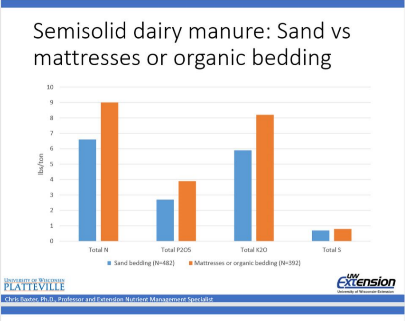
The quality per volume of manure is also diminished. As sand is added to the manure the % of N, P, K, and sulfur is diminished.
A definition of a contaminant is “either biological, chemical, physical or radiological substance that becomes harmful for humans or living organisms”. If sand bedding is not a contaminant, it acts like one.
Future plans.
The challenge is to make this information aware to dairy farmers and people who assist them in understanding the options available and making decisions. Specifically, the challenge is to be able to bring the future to the present so the ramifications of the current practice of adding 18,250 lbs. of sand per cow stall per year to our soils is recognized as unsustainable and another system can be implemented to benefit the soils.
I would like to thank Professors Bill Bland and Francisco Arriaga-University of Wisconsin Department of Soil Science for their assistance. One of several videos showing the dynamics of water movement through the soil can be accessed by the following link. https://www.youtube.com/watch?v=ego2FkuQwxc
The authors are solely responsible for the content of these proceedings. The technical information does not necessarily reflect the official position of the sponsoring agencies or institutions represented by planning committee members, and inclusion and distribution herein does not constitute an endorsement of views expressed by the same. Printed materials included herein are not refereed publications. Citations should appear as follows. EXAMPLE: Authors. 2019. Title of presentation. Waste to Worth. Minneapolis, MN. April 22-26, 2019. URL of this page. Accessed on: today’s date.
This study examined the effects of different treatments of poultry faecal matter on potential greenhouse gas emission and its field application and also evaluated dietary manipulation of protein on the physico-chemical quality of broiler faeces and response of these qualities to 1.5% alum (Aluminium sulphate) treatment during storage.
Poultry litters were randomly assigned to four treatments: salt solution, alum, air exclusion and the control (untreated). Chicks were allotted to corn-soy diets for 42d. The diets were 22 and 20% CP with methionine + lysine content balance and, 22 and 20% CP diets with 110% NRC recommendation of methionine and lysine.
Alum treated faeces had higher (p<0.05) nitrogen retention than other treatments. Treated faecal samples retained more moisture (p < 0.05) than control. The pH tended to be acidic in treated samples (alum, 6.03, p<0.05) and alkaline in the control (7.37, p<0.05). Mean faecal temperature was lower for alum treated faecal samples (28.58oC, p<0.05) and highest for air-tight (29.4oC, p<0.05). Nitrogen depletion rate was significant lower (p<0.05) in alum treated faecal samples. Post-storage, samples treated with alum increased substantially (≥ 46.51%) in total microbial count, while total viable count was lower (p>0.05; 2.83×10⁶ cfu/ml) in air-tight treatment. Maize seeds planted on alum, air-excluded and control litter soils had average germination percentage range of 65–75%, 54–75% and 74-75%, respectively. In Sorghum plots, GP was 99%, and 89%, respectively for alum and air-tight treated soil 2WAP. Average maize height 21DAP was 48 cm and 23 cm for alum and air-tight treatment, respectively. Salt treated faecal samples did not support germination. Faecal pH of broiler fed low protein diets was acidic (4.76-4.80) while treatment with alum (1.5%) led to further reduction in pH (4.78 to 4.58) faecal nitrogen and organic matter compared with control faeces in a 7 days storage. Faecal minerals were generally lower. In conclusion, feeding low level of dietary protein with or without methionine and lysine supplementation in excess of requirement is a suitable mitigation for nitrogen emission and mineral excretion in broiler production. Alum treated poultry litter will mitigate further nitrogen loss in storage because it lowered nitrogen depletion rate, pH, weight, temperature and supports potential agronomic field application index.
On-farm Demonstration of the application of these results to assist farmers to produce poultry sustainably.
*BOLU, Steven Abiodun, ADERIBIGBE, Simeon Adedeji OLAWALE, Simon, Malomo, G. A., Olutade, S.G and Suleiman, Z.G. Department of Animal Production, University of Ilorin, Ilorin, Kwara State, Nigeria. *Corresponding Author: Department of Animal Production, University of Ilorin, Ilorin, Kwara State, Nigeria. Email: bolusao2002@yahoo.co.uk Phone: +234 8060240049
The authors are solely responsible for the content of these proceedings. The technical information does not necessarily reflect the official position of the sponsoring agencies or institutions represented by planning committee members, and inclusion and distribution herein does not constitute an endorsement of views expressed by the same. Printed materials included herein are not refereed publications. Citations should appear as follows. EXAMPLE: Authors. 2019. Title of presentation. Waste to Worth. Minneapolis, MN. April 22-26, 2019. URL of this page. Accessed on: today’s date.
An Anaerobic Sequencing Batch Reactor (ASBR) is a high-rate liquid digestion system that retains microflora in the reactor by sequentially feeding influent, mixing the reactor, settling solids, and decanting effluent from the top of the reactor (Figure 1). All operations take place in a single reactor vessel. Since solids are retained in the reactor vessel, Solids Retention Time (SRT) can be managed separately from Hydraulic Retention Time (HRT). Although ASBR digesters are highly efficient at conversion of low-solids high-energy organic liquids to biogas, very few designs have made it out of the laboratory and onto the farm. Two problems have hindered ASBR development: detachment of roofs from reactor vessels and poor settling and retention of solids.
Figure 1. Four phases of an Anaerobic Sequencing Batch Reactor cycle
What did we do?
Improvements to ASBR design at Oklahoma State University have led to a patent pending invention that solves both settling roof detachment problems (Figure 2). Roof detachment is alleviated by employing a floating cover. The new design uses a partial mixing system — suspended solids are lifted below the mixing withdrawal point during the react phase of the ASBR cycle. The decanting point is fixed relative to the floating cover, so effluent is decanted from the clear liquid above the cloud of settling solids.
Figure 2. Next generation ASBR design developed at Oklahoma State University (from OSU provisional patent disclosure 2016-040)
What did we learn?
A battery of six, 30L reactors were operated under full and then partial mixing schemes with an HRT of 15 days and an Organic Loading Rate (OLR) of 0.31 g COD L-1 day-1. Partial mixing greatly improved reactor performance as measured in effluent quality and solids retention. Effluent from the reactors operated under the partial mixing scheme had significantly (p = 0.05) lower Total Suspended Solids (TSS) compared to the fully mixed reactors – 129 versus 452 mg L-1. Average SRT of the partially mixed reactors was 760 days versus 72 days for the fully mixed reactors. Biogas production was largely unaffected by switching from fully mixed to partially mixed operation. Average volumetric reactor efficiency (VRE) was 0.23 L biogas L1 reactor day-1 under full mixing and 0.28 L biogas L1 reactor day-1 under partial mixing.
When OLR was increased on the partially mixed reactors to 0.62 g COD L-1 day-1 with an HRT of 7.5 days, TSS concentration of effluent remained below 200 mg L-1 with an average of 183 mg L-1. Average SRT was 440 days, and VRE rose to 0.70 L biogas L1 .reactor day-1. Organic matter removal efficiency measured as Chemical Oxygen Demand (COD) averaged 0.91%.
Future Plans
Prototype testing of reactor at HRT < 5 days and OLR > 1.0 g g COD L-1day-1 is currently underway. After that we plan to construct a 1,000 L mobile reactor for on-farm testing.
Author
Douglas W. Hamilton
Associate Professor and Extension Waste Management Specialist
Biosystems and Agricultural Engineering
Oklahoma State University
The authors are solely responsible for the content of these proceedings. The technical information does not necessarily reflect the official position of the sponsoring agencies or institutions represented by planning committee members, and inclusion and distribution herein does not constitute an endorsement of views expressed by the same. Printed materials included herein are not refereed publications. Citations should appear as follows. EXAMPLE: Authors. 2019. Title of presentation. Waste to Worth. Minneapolis, MN. April 22-26, 2019. URL of this page. Accessed on: today’s date.
DUCTOR Corp. has developed a biological process that separates and captures nitrogen (ammonia) from organic waste streams. The biogas industry is a natural platform for this biotechnology as it solves the problem of ammonia inhibition, which has long bedeviled traditional anaerobic digestion (AD) processes. DUCTOR’s technology allows for stabilized and optimized biogas production from 100% high nitrogen feedstocks (such as poultry manure) and significantly strengthens the economics of biogas facilities: relatively inexpensive inputs, optimized gas production as well as new, higher value revenue streams from the organically produced byproducts—a pure Nitrogen fertilizer and a high Phosphorus soil amendment. DUCTOR’s mission is to promote biogas as a renewable energy source while securing efficient waste management and sustainable food & energy production, supporting the development of circular economies.
Purpose
Figure 1. High Nitrogen Feedstock
High concentrations of ammonia in organic waste streams have been a perpetual challenge to the biogas industry as ammonia is a powerful inhibitor of biogas production. In typical methanogenic communities, as ammonia levels exceed 1500mg/L Ammonia-N, the inhibition of methane production begins until it reaches toxic levels above 3000mg/L. Traditionally, various mechanical and chemical methods have been deployed to lower ammonia concentrations in high nitrogen organic feedstocks prior to or following biodigestion (Figure 1). These methods have proven cumbersome and operationally unstable. They either require dilution with often costly supplemental feedstocks, are fresh water intensive, waste valuable nutrients, or require caustic chemicals injurious to the environment. Without the application of these methods, nitrogen levels will build up in the digester and negatively affect the efficiency of biogas (methane) production. DUCTOR’s proprietary process revolutionizes ammonia removal with a biological approach, which not only optimizes the operational and economic performance of biogas production, it also allows for the ammonia to be recaptured and recycled as an organic fertilizer product (a 5-0-0 Ammonia Water). This biotechnical innovation represents a significant advancement in biogas technology.
What did we do?
DUCTOR’s innovation is the invention of a fermentation step prior to the classic anaerobic digestion process of a biogas facility (Figure 2). During this fermentation step in a pre-treatment tank, excess nitrogen is biologically converted into ammonia/ammonium and captured through a physical process involving volatilization and condensation of the liquid portion of the digestate.
Figure 2. Typical DUCTOR facility layout
We ran a demonstration biogas facility with these two steps in Tuorla, Finland for 2000 hours using 100% poultry litter as fermenter feedstock without experiencing ammonia inhibition of the methanogenesis process. While the control, a single-stage traditional digester, showed increased buildup of toxic ammonia, the fermented material coming out of the first stage of the DUCTOR process (having ~50-60% of its nitrogen volatilized and removed) exhibited uniform levels of nitrogen below the inhibition threshold (Figure 3). This allowed a stable and efficient digestion by the methanogenic microbial community in the second stage digester. The fermentation step effectively eliminates the need for co-digestion of poultry manures with other higher C/N ratio substrates.
Figure 3: Ammonium concentration & Methane quantities in treated and untreated substrates
What we have learned?
In addition to solving the problem of ammonia inhibition, DUCTOR’s innovation realizes the separation of valuable recycled nutrients in a manner that can produce additional revenue streams. The result of the fermentation process in the first stage digestion tank is an organically produced non-synthetic ammonia (NH4OH), which is condensed and collected. This ammonia water product can be marketed and sold as an organic fertilizer as it is the result of a completely biological process with no controlled chemical reactions. The non-synthetic ammonia produced comes from the digestion of poultry litter by ammonifying microorganisms in anaerobic conditions. Furthermore, this ammonia water is in a plant available form that can be metered onto fields based on crop demands and thus reduce the amount of excess nitrates leaching into the water table and surrounding watershed.
The solids byproduct that results from the completion of the anaerobic digestion process has a large fraction of phosphorus and potash. This digestate can be dried and pelleted to produce a high-phosphorus soil amendment. While recognizing demand for this product would vary by region based on existing phosphorus levels in the soil, it offers a transportable & storable way to return these valuable elements to the nutrient cycle.
Finally, the importance of gas production as a form of sustainable, renewable energy cannot be understated. With 2/3rds of the world’s greenhouse gas emissions coming from the burning of fossil fuels for energy or electricity generation,1 biogas derived from anaerobic digestion can displace some of those processes and reduce environmental greenhouse gas emissions.2 Currently, there are many state and federal policies focusing on renewable energy credits and low carbon fuel standards to incentivize this displacement.3 With the ability to unlock poultry litter as an additional AD feedstock, biogas facilities can offer greater volumes of biogas production per ton of manure than either dairy or swine.
Future plans
We have several commercial projects that will feature the DUCTOR technology at various stages of development in North America. The demonstration facility at Tuorla has been disassembled and shipped to Mexico where it will be reassembled as part of a larger commercial project there. In cooperation with our Mexican partner, we will demonstrate successful operations under a new set of conditions, including different climate and a new source of poultry litter from different regional growing practices. We further intend to demonstrate the highly efficient water use of the process in a drought-prone area.
Additionally, we have received approval from the North Carolina Utilities Commission for entry into their pilot program for injecting biomethane into North Carolina’s natural gas pipelines. Our first project there is expected to begin construction in Spring 2019 to be completed and operational by early 2020. These projects, and others in development, will bring a very attractive and new manure management option to poultry farmers, while recycling nutrients from the waste stream and returning them to the soil in a measurable and sustainable manner.
Author
Bill Parmentier, Project Development, DUCTOR Americas
3Methane is a potent greenhouse gas that is over 20 times more damaging on the environment than carbon dioxide. Anaerobic digestion stops the release of methane into the environment by capturing it and using it for energy production or transportation fuel.
Federal incentives include the Rural Energy for America Program (REAP), Alternative Fuel Excise Tax Credit, & Federal Renewable Energy Production Tax Credit to name a few. Examples of state level incentives include various states Renewable Portfolio Standards (RPS) as well as California’s Low Carbon Fuel Standard (LCFS) or Oregon’s Clean Fuels Standard (CFS).
The authors are solely responsible for the content of these proceedings. The technical information does not necessarily reflect the official position of the sponsoring agencies or institutions represented by planning committee members, and inclusion and distribution herein does not constitute an endorsement of views expressed by the same. Printed materials included herein are not refereed publications. Citations should appear as follows. EXAMPLE: Authors. 2019. Title of presentation. Waste to Worth. Minneapolis, MN. April 22-26, 2019. URL of this page. Accessed on: today’s date.
Manure management practices recycle nutrients in animal manures for crop production. Harmful microbes and viruses in the manure are generally reduced in the soil environment over time. The soil properties influencing how long animal virus persistence are poorly understood and may be specific even down to the type of microbe present. Recently, porcine epidemic diarrhea virus (PEDV), which causes nearly 100% mortality in newborn piglets, has become a serious challenge for swine production. An important concern is whether PEDV in manure applied to nearby farmland may be a source for herd reinfection. How long will PEDV persist in the soil and still be infectious? Are some soils better suited to reduce PEDV risk?
What did we do?
A laboratory study was conducted to mimic a standard manure application practice (manure slurry application into soil) to determine if it reduced the potential for PEDV reinfection. In our study, we tested a range of soil types spiked with PEDV-positive manure slurry and evaluated how PEDV detection and potential infectious risk was affected by soil type. Quantitative PCR and live swine bioassays were used to enumerate PEDV and to determine whether manure and soil samples contained infectious PEDV (Stevens et al., 2018).
What have we learned?
Manure Slurry/Soil Incubations. PEDV genomes declined at different rates depending upon the type of soil tested (Figure 1). While PEDV declined rapidly and was not detected by PCR in Soil #1, #2, and #5 in just 24 hours, PEDV genomes in Soil #6 and #7 decreased more slowly the other soils. Soils #3 and #4 displayed an intermediate rate of decline and reached our detection limit at 48 hours. Soil is an important factor on PEDV persistence.
Figure 1. Porcine epidemic diarrhea virus genomes in the manure slurry/soil incubation determined by reverse-transcriptase quantitative polymerase chain reaction.
Swine Bioassay. Several of the samples tested positive for infections PEDV (Table 2) even when PCR indicated no virus was present; PCR molecular detection of the virus did not produce a complete picture of PEDV survival. For instance, the PCR method indicated no virus in soil #1 or #2 at 24 hours, yet the soil-manure mixture caused disease in a swine bioassay test—the gold standard test for infectious PEDV.
Table 2. Outcome of Swine Bioassay
Manure-slurry Soil Composite
Time (hours)
#1
#2
#3
#4
#5
#6
#6
24
Pos
Pos
Neg
Pos
Neg
Neg
Pos
48
Pos
Neg
Neg
Neg
Pos
Neg
Pos
†Animals inoculated by oral gavage of 10 mL of phosphate buffer-diluted sample. A porcine epidemic diarrhea virus positive (Pos) or negative (Neg) score is based on fecal swab molecular diagnostic test (reverse transcriptase quantitative polymerase chain reaction).
Are there any soil environmental factors that can help predict whether/how long infectious PEDV lasts in soils? Anything that would damage or disrupt the membrane or proteins on the outside of PEDV would render the virus non-infectious. Theoretically moist soils with lots of active bacteria would release enzymes to chew up PEDV proteins or alkaline (high pH) soils may denature PEDV proteins and damage membranes to inactivate PEDV. On the other hand, soils where manure rapidly dries would help preserve PEDV. None of these hypotheses could explain the PCR or swine bioassay results. Only one factor seemed related to PEDV persistence—high soil phosphorous seemed to protect the virus. No single factor seemed to destroy the virus.
Future Plans
Additional studies are underway determining where PEDV is found within three production sites and the surrounding environment immediately after an outbreak of PEDV. The sites will be monitored over 18 months to signs of PEDV re-emergence.
Authors
Corresponding author: Dan Miller, Research Microbiologist, USDA Agriculture Research Service; email: Dan.miller@ars.usda.gov
Other authors: Erin Stevens (Department of Animal Science, University of Nebraska – Lincoln); Amy Schmidt (Department of Biological Systems Engineering, University of Nebraska – Lincoln); Sarah Vitosh-Sillman and J. Dustin Loy (School of Veterinary Medicine and Biomedical Sciences, University of Nebraska – Lincoln).
Additional information
Stevens EE, Miller DN, Brittenham BA, Vitosh-Sillman SJ, Brodersen BW, Jin VL, et al. Alkaline stabilization of manure slurry inactivates porcine epidemic diarrhea virus. Journal of Swine Health and Production. 2018;26(2):95-100.
Acknowledgements
Funding for this research was provided by the National Pork Board and USDA Agriculture Research Service operational funds. USDA is an equal opportunity provider and employer.
The authors are solely responsible for the content of these proceedings. The technical information does not necessarily reflect the official position of the sponsoring agencies or institutions represented by planning committee members, and inclusion and distribution herein does not constitute an endorsement of views expressed by the same. Printed materials included herein are not refereed publications. Citations should appear as follows. EXAMPLE: Authors. 2019. Title of presentation. Waste to Worth. Minneapolis, MN. April 22-26, 2019. URL of this page. Accessed on: today’s date.
Much of the antimicrobials (AM) used therapeutically and prophylactically pass through the animal and enter the environment through irrigation with beef runoff wastewater (WW). There are concerns repeated low-level AM loading of soils through irrigation will alter the natural biota resulting in increased resistance; thereby, making AM critical for human and animal health less effective.
What Did We Do?
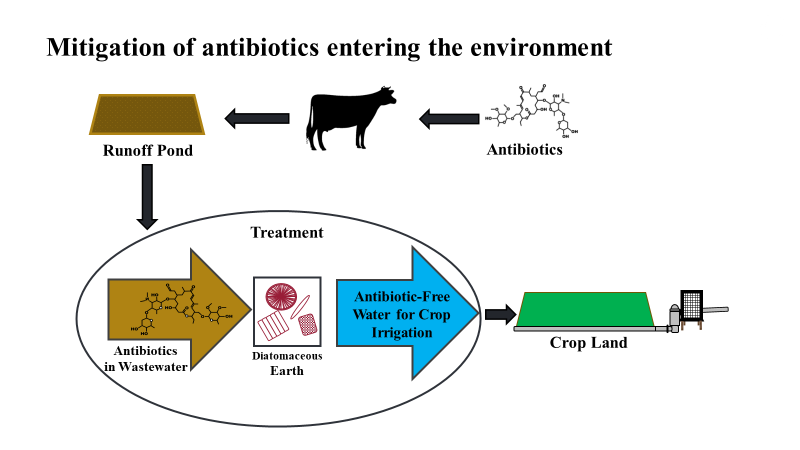
Several studies are summarized describing a cost-effective removal process of AM from beef wastewater before being applied as irrigation. Study 1 investigated three radiolabeled AM, ([14C]-erythromycin (ERY), [3H]-chlortetracycline (CTC), and [3H]-monensin (MON)) to quantify their partitioningin the aqueous and solids fractions of a beef wastewater (WW) containing suspended solids (SS). Following this, several flocculants were evaluated for removing SS with sorbed AM from WW. Study 2 evaluated the sorption properties of tylosin (TYL) with diatomaceous earth (DE) added to WW as a binding agent. Study 3 evaluated the proposed treatment process using pre-treatment of WW with flocculants then adding a binding agent to remove aqueous phase AM before being used an irrigation water.
What Have We Learned?
Study 1) After 48 hours, more ERY sorbed to the SS fraction than the aqueous. CTC partitioning occurred in three phases: a rapid sorption to the SS fraction between 0.5 and 8 hours with desorption into the aqueous fraction at 24 hours followed by short steady state at 48 hours with further desorption at 96 hours. The most lipophilic antibiotic, MON, quickly sorbed into the SS fraction and remained in equilibrium with the aqueous fraction after 48 hours. Calculated partitioning coefficients, Kd, for WW were very different from published soil-water values illustrating wastewater uniqueness. A follow up study determined alum and ferric chloride removed some ceftiofur (CEF) and chlorotetracycline (CTC); however, they were ineffective for removing TYL. Therefore, a process was needed to remove aqueous phase AM (figure 1). Study 2 evaluated three DE sources for binding aqueous TYL in WW. Raw (DER) contained organic carbon (OC) (3% g g-1), clays (20%) and amorphous silica (65%). Kieselguhr (DEK) had no OC (<1% g g-1), no clay (2%) and amorphous silica (96%). had nearly 3.5 times greater maximum sorption capacity when compared to DEK. Sorption of TYL to DEK and DER at different pH values showed cationic and hydrogen bonding interactions are important. Higher sorption of TYL to DER compared to DEK suggested clays-DE matrix was important for TYL sorption. Removing OC improved TYL sorption and decreased the separation time for DE/AM removal to complete treatment. Study 3 found CEF and CTC would bind to DE in controlled, neutral aqueous solution. When AMs were spiked into WW collected from a beef feedlot runoff pond, DE successfully removed TYL and CTC, but not CEF. Wastewater treated with excess alum to remove SS followed by DE treatment showed similar removal rates for TYL. Pretreatment of water with alum also resulted in CEF removal if larger amounts of DE are needed. The reason for change in CEF binding when pretreated WW with alum is still under investigation. Alum treatment appeared to remove most of the CTC spiked into WW and therefore no assessment of how CTC binding to DE after treatment.
Future Plans
Future work will include: evaluating the proposed treatment process on other AM and their metabolites. Development of modified DE matrices specific for non-polar AM and metabolites. These matrices could be combined to remove both polar and non-polar contaminants. Finally, the process needs to be evaluated for effectiveness of contaminant removal with municipal wastewater treatment systems.
Authors
Bryan L. Woodbury, Agricultural Engineer, USDA-U.S. Meat Animal Research Center, Clay Center, NE
Bobbi S. Stromer, Chemist Post Doc., USDA-U.S. Meat Animal Research Center, Clay Center, NE
Clinton. F. Williams, Lead Soil Scientist, USDA-US Arid-Land Agric. Research Center, Maricopa, AZ.
Katherine A. Woodward, Ph.D. Candidate, Tufts University, Civil & Environmental Eng., Medford, MA
Heldur Hakk, Research Chemist, USDA-Edward T. Schafer Agricultural Research Center, Fargo, ND.
Sara Lupton, Research Chemist, USDA-Edward T. Schafer Agricultural Research Center, Fargo, ND.
Additional Information
Stromer, B.S., B.L. Woodbury and C.F. Williams. 2018. Tylosin sorption to diatomaceous earth described by Langmuir isotherm and Freundlich isotherm models. Chemosphere. 193:912-920.
Figure 1. Illustration of a wastewater treatment process to reduce the antimicrobials load applied through irrigation of agricultural wastewater. Loading soils with antimicrobials may cause increased antimicrobial resistance. This resistance may make antimicrobials less effective to treat humans.
Acknowledgements
USDA is an equal opportunity provider and employer.
The authors are solely responsible for the content of these proceedings. The technical information does not necessarily reflect the official position of the sponsoring agencies or institutions represented by planning committee members, and inclusion and distribution herein does not constitute an endorsement of views expressed by the same. Printed materials included herein are not refereed publications. Citations should appear as follows. EXAMPLE: Authors. 2019. Title of presentation. Waste to Worth. Minneapolis, MN. April 22-26, 2019. URL of this page. Accessed on: today’s date.
Manage Cookie Consent
To provide the best experiences, we use technologies like cookies to store and/or access device information. Consenting to these technologies will allow us to process data such as browsing behavior or unique IDs on this site. Not consenting or withdrawing consent, may adversely affect certain features and functions.
Functional
Always active
The technical storage or access is strictly necessary for the legitimate purpose of enabling the use of a specific service explicitly requested by the subscriber or user, or for the sole purpose of carrying out the transmission of a communication over an electronic communications network.
Preferences
The technical storage or access is necessary for the legitimate purpose of storing preferences that are not requested by the subscriber or user.
Statistics
The technical storage or access that is used exclusively for statistical purposes.The technical storage or access that is used exclusively for anonymous statistical purposes. Without a subpoena, voluntary compliance on the part of your Internet Service Provider, or additional records from a third party, information stored or retrieved for this purpose alone cannot usually be used to identify you.
Marketing
The technical storage or access is required to create user profiles to send advertising, or to track the user on a website or across several websites for similar marketing purposes.