EPA’s Nutrient Recycling Challenge


Proceedings Home W2W Home w2w17 logo

Purpose 

Come to this session to learn about the Nutrient Recycling Challenge and meet some of the involved partners and experts, as well as some innovators who are competing to develop nutrient recovery technologies that meet the needs of pork and dairy farmers. This session will begin with an overview of the challenge. Next, innovators will provide snapshot presentations about the technology ideas they are working on, followed by live feedback/Q&A sessions on each technology where we can harness the buzzing brainpower at Waste to Worth. Finally, we will move into a “workshop” designed to support innovators participating in the Nutrient Recycling Challenge as they refine their designs before they build prototypes.

What did we do?

Background on the Nutrient Recycling Challenge

At Waste to Worth 2015, the U.S. Environmental Protection Agency (EPA) hosted a brainstorm session about developing technologies that livestock farmers want to help manage manure nutrients. That session sowed the seeds for the Nutrient Recycling Challenge—a global competition to find affordable and effective nutrient recovery technologies that create valuable products farmers can use, transport, or sell to where nutrients are in demand. Pork and dairy producers, USDA, and environmental and scientific experts saw the tremendous opportunity to generate environmental and economic benefits, and partnered with EPA to launch the challenge in November 2015 (www.nutrientrecyclingchallenge.org).

What have we learned? 

There is a tremendous opportunity to generate environmental and economic benefits from manure by-products, but further innovation is needed to develop more effective and affordable technologies that can extract nutrients and create products that farmers can use, transport, or sell more easily to where nutrients are in demand.

In the Nutrient Recycling Challenge, innovators have proposed a range of technology systems to recover nitrogen and phosphorus from dairy and swine manure, including physical, chemical, biological, and thermal treatment systems. Some such systems may also be compatible with manure-to-energy technologies, such as anaerobic digesters. Farms of all sizes are interested in nutrient recovery, and there is demand for diverse types of technologies due to a diversity in end users. To improve the adoptability of nutrient recovery systems, it is critical that innovators are mindful of the affordability of technologies, and work to lower capital and operations and maintenance costs, and improve the potential for returns on investment. A key factor for offsetting the costs of a technology and improving its marketability will be in its ability to generate valuable nutrient-containing products that are competitive in the market.

Future Plans 

The challenge has four phases, in which innovators are turning concepts into designs, and eventually to pilot these working technologies on livestock farms. Thirty-four innovator teams whose concepts were selected from Phase I are refining technology designs in Phase II.  Design prototypes will be built in Phase III. This workshop is designed to help innovators maximize their potential for developing nutrient recovery technologies that meet farmer needs.

Corresponding author, title, and affiliation 

Joseph Ziobro, Physical Scientist, U.S. Environmental Protection Agency; Hema Subramanian, Environmental Protection Specialist, U.S. Environmental Protection Agency

Corresponding author email 

ziobro.joseph@epa.gov; subramanian.hema@epa.gov

Session Agenda

  1. Overview of the Nutrient Recycling Challenge, Hema Subramanian and Joseph Ziobro of EPA
  2. Nutrient Recycling Challenge Partner Introductions, Nutrient Recycling Challenge Partners (including National Milk Producers Federation, Newtrient, Smithfield Foods, U.S. Department of Agriculture Agricultural Research Service and Natural Resources Conservation Service, U.S. Department of Energy, and Water Environment & Reuse Foundation)
  3. Showcase of Innovators’ Technology Ideas
    • Decanter Centrifuge and Struvite Recovery for Manure Nutrient Management, Hiroko Yoshida
    • Manure Solids Separation BioFertilizer Produccion Drinking Water Efluente, Aicardo Roa Espinosa
    • Nutrient Recovery from Anaerobic Digestates, Rakesh Govind
    • Organic Waste Digestion and Nutrient Recycling, Steven Dvorak
    • Manure Treatment with the Black Solder Fly, Simon Gregg
  4. Nutrient Recycling Challenge Workshop for Innovators
    • Developing technologies: From concept to pilot (to full-scale), Matias Vanotti
    • Waste Systems Overview for Dairy and Swine and Innovative Technologies: What Steps Should be Taken (Lessons Learned), Jeff Porter

The authors are solely responsible for the content of these proceedings. The technical information does not necessarily reflect the official position of the sponsoring agencies or institutions represented by planning committee members, and inclusion and distribution herein does not constitute an endorsement of views expressed by the same. Printed materials included herein are not refereed publications. Citations should appear as follows. EXAMPLE: Authors. 2017. Title of presentation. Waste to Worth: Spreading Science and Solutions. Cary, NC. April 18-21, 2017. URL of this page. Accessed on: today’s date.
Spotlight on Manure Management in North Carolina and the Atlantic Coastal Plains


Proceedings Home W2W Home w2w17 logo

Purpose 

To provide information about commonly-found manure management systems and approaches in North Carolina and the Coastal Plains, and discuss opportunities for technological innovation in the areas of manure management and nutrient recovery/utilization. Hear from a diverse panel of researchers, animal agriculture producers, and agency representatives who will provide background on the environmental conditions of the region and discuss specific technical considerations for innovative research and development. Learn about what has and hasn’t worked in past attempts to recover nutrients at animal agriculture farms in the area, and about the exciting possibilities for innovation in the U.S. Environmental Protection Agency’s (EPA’s) Nutrient Recycling Challenge (www.nutrientrecyclingchallenge.org).

What did we do? 

N/A

What have we learned? 

N/A

Future Plans 

N/A

Corresponding author, title, and affiliation 

Joseph Ziobro, Physical Scientist, U.S. Environmental Protection Agency; Hema Subramanian, Environmental Protection Specialist, U.S. Environmental Protection Agency

Corresponding author email 

ziobro.joseph@epa.gov; subramanian.hema@epa.gov

Other authors

Dr. John Classen, Associate Professor and Director of Graduate Programs, College of Biological and Agricultural Engineering at North Carolina State University

Dr. Kelly Zering, Professor of Agricultural and Resource Economics, North Carolina State University

Additional information

Session Agenda

  1. Background, history, and technical information about manure management in North Carolina and the Coastal Plains

Presenter: Dr. John Classen, Associate Professor and Director of Graduate Programs, College of Biological and Agricultural Engineering at North Carolina State University

  1. Lessons Learned from the Smithfield Agreement

Presenter: Dr. Kelly Zering, Professor of Agricultural and Resource Economics, North Carolina State University

  1. Panel: Challenges and Opportunities around Manure Management Systems

Moderator: Hema Subramanian

Panel to include the above speakers plus representatives from the local animal agriculture industry, North Carolina Department of Agriculture and Consumer Services, North Carolina Department of Environmental Quality, and U.S. Environmental Protection Agency. 

Elimination of Equine Streptococci from Soiled Equine Bedding


Proceedings Home W2W Home w2w17 logo

Purpose            

Streptococcus equi subspecies equi (S. equi), causes the potentially fatal respiratory disease in horses known as “strangles”, while the closely related Streptococcus equi subspecies zooepidemicus (S. zooepidemicus) causes potentially fatal infections in humans. A study was undertaken to determine the survival of these 2 organisms in compost and soiled bedding.

What did we do? 

Dacron bags were filled with a feedstock mixture of soiled equine bedding and feed waste at ratios of 3:1 (C:N ratio 40.6), 1:1 (C:N ratio 31.9), and 1:4 (C:N ratio 25.4). The Dacron bags were inoculated with S. zooepidemicus, and placed in 3 compost windrows of the same 3 feedstock ratios 24 h later. Streptococci were quantified at different time points. Next, S. equi was inoculated into Dacron bags then placed into a compost windrow of the same feedstock ratio. Streptococci were quantified. To rule out killing of both Streptococcal species by microflora during the 24 h storage period, samples of soiled equine bedding, both autoclaved and non-autoclaved, were inoculated with S. zooepidemicus and periodically sampled. A repeated study was conducted with S. equi. To determine the role of moisture on the killing of S. equi in equine waste, soiled equine bedding was dried at 37 °C for 48 h and sterile water then added to dried bedding.

What have we learned?             

Microbes in soiled equine bedding may eliminate Streptococci, indicating that normal compost microflora may provide sustainable methods for the control of human and animal pathogens.

Future Plans    

Future studies could assess the role of individual bacterial species in the abatement of Streptococci, and possible additives to a compost pile which might increase numbers of streptocidal organisms. In addition, compost could be examined to discover novel antibiotics or bacteriophages which may be used for disease control.

Corresponding author, title, and affiliation        

Alexandria Garcia, Graduate Student, University of Maine

Corresponding author email    

Alexandria.poulin@gmail.com

Other authors   

Dr. Robert Causey, Associate Professor at University of Maine, Scott Mitchell, Student, Kathleen Harvey, Student, Ashley Myer, Student, Mark Hutchison, Extension Professor, and Martin Stokes, Professor

Additional information               

Garcia, Alexandria, “Abatement of Streptococcus equi in Equine Compost” (2016). Electronic Theses and Dissertations. 2435.

http://digitalcommons.library.umaine.edu/etd/2435

Acknowledgements       

Maine Agricultural Center, Dr. M. Susan Erich, Mark Hutchinson


The authors are solely responsible for the content of these proceedings. The technical information does not necessarily reflect the official position of the sponsoring agencies or institutions represented by planning committee members, and inclusion and distribution herein does not constitute an endorsement of views expressed by the same. Printed materials included herein are not refereed publications. Citations should appear as follows. EXAMPLE: Authors. 2017. Title of presentation. Waste to Worth: Spreading Science and Solutions. Cary, NC. April 18-21, 2017. URL of this page. Accessed on: today’s date.
Closing Abandoned Livestock Lagoons Effectively to Utilize Nutrients and Avoid Environmental Problems

Proceedings Home W2W Home w2w17 logo

Purpose

In Nebraska alone, nearly 400 earthen manure storage structures are in operation; approximately four dozen requests to cease operation of permitted lagoons were received by the Nebraska Department of Environmental Quality in the prior decade with many more non-permitted storage structures being in need of proper closure. Abandoned livestock lagoons, earthen manure storage basins, and other manure storages (e.g. concrete pits) need to be decommissioned in a manner that controls potential environmental risk and makes economical use of accumulated nutrients. Currently, limited guidance is available to support lagoon closure planning and implementation and few professionals who support livestock producers have experience planning or participating in the manure storage closure process. The main focus of this project was to produce two videos that document the processes for planning and executing a lagoon closure.

What did we do?

The University of Nebraska Haskell Ag Laboratory, located near Concord, NE, had an anaerobic lagoon that was operated for over 20 years, but has not received swine manure additions since 2009 when the swine unit was depopulated. The decommissioning of this storage structure was proposed in 2014 and provided our team an opportunity to plan, implement and document the procedures necessary to properly close this structure. When we went to find material on how to accomplish this properly, we did not find suitable material. Two grants were secured in 2016 from the U.S. Pork Center of Excellence (USPCE) to fund our team efforts to document the closure process – from planning to completion – with two separate videos. The first video is focused on the planning activities necessary to prepare for removal and utilization of stored liquid and sludge. The second is focused on the liquid and sludge removal and utilization activities, decommissioning of conveyance structures, and deconstruction of the lagoon berm to return the site to a natural grade.

Activities conducted to execute the lagoon closure have included:

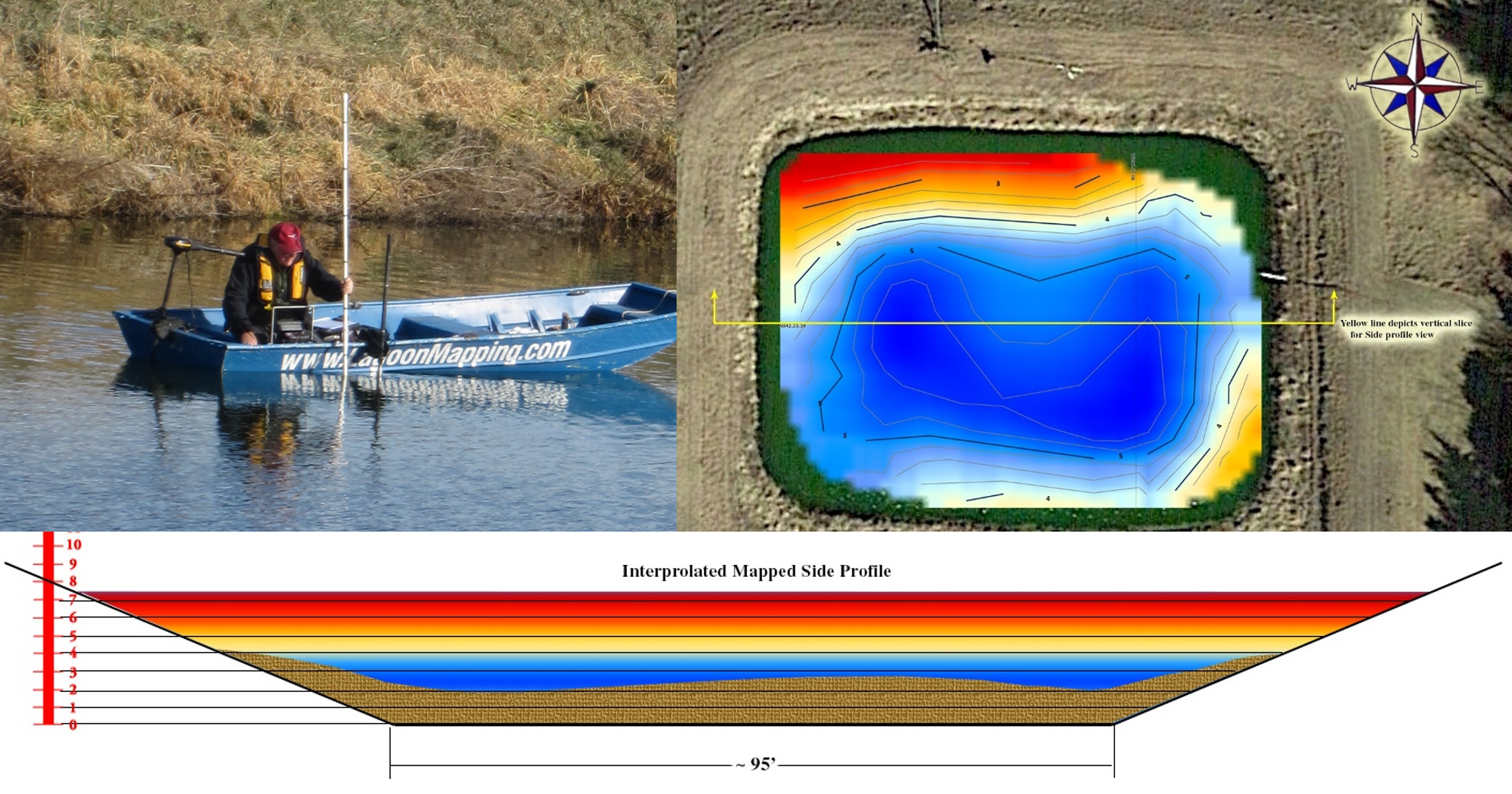
1) Mapping of sludge levels with sonar and analyzing sludge samples to estimate volume and nutrient content of sludge, which enabled development of a land application plan for utilizing the products

Figure 1. Sonar sludge mapping

Figure 1. Sonar sludge mapping.

2) De-watering the lagoon (effluent used for sprinkler irrigation and flood irrigation)

3) Hosting a demonstration event during which participants:

a. observed sludge removal and land application processes,

b. participated in a manure spreader calibration,

c. inspected the soil beneath the lagoon liner,

d. viewed the abandoned production buildings and heard about options for eliminating conveyance of liquid from the building to the lagoon,

e. explored alternative sludge removal methods, and

f. participated in a classroom session where presenters shared details of the closure planning process, cost-share opportunities for closure of manure storage structures, and expectations for re-grading and re-seeding the site following removal of sludge.

Figure 2. Participants learned about planning land application of the sludge

Figure 2. Participants learned about planning land application of the sludge.

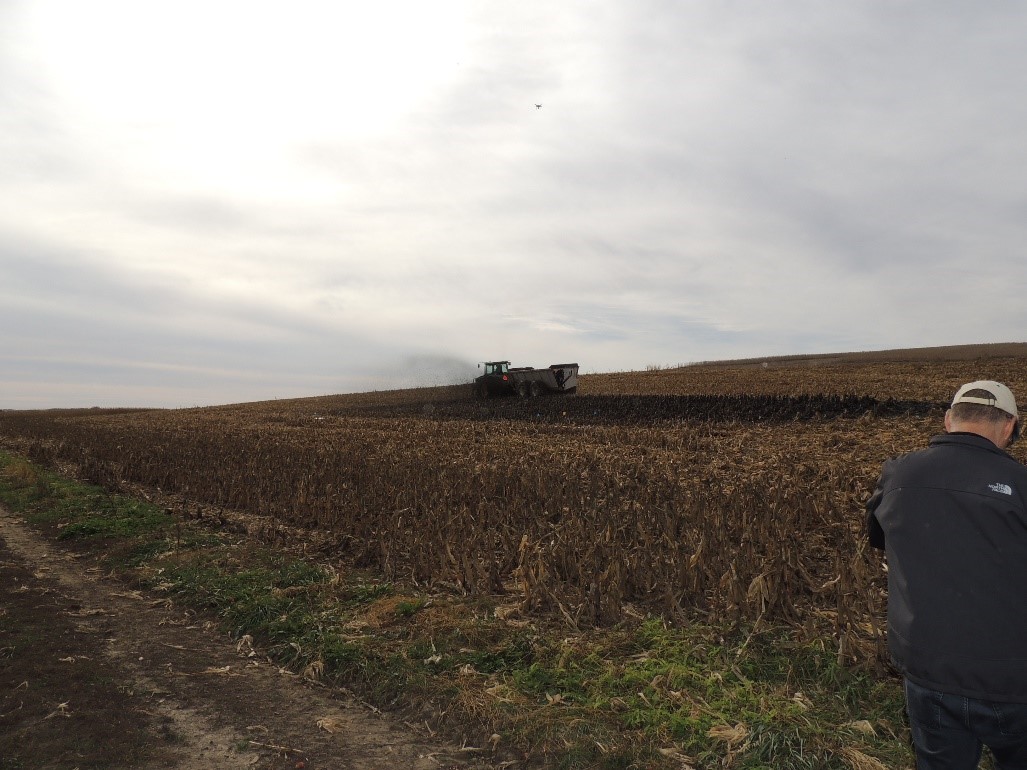
Figure 3. Land application of the sludge and calibration of the manure spreader

Figure 3. Land application of the sludge and calibration of the manure spreader.

4) Removing the sludge and applying it to cropland following the demonstration event.

Documentation of all planning, demonstration, and closure execution activities have been captured via extensive video footage, still photos, and participant interviews. Production of the videos is in process with completion and release of videos anticipated in summer 2017.

What have we learned?

Although every manure storage closure process is expected to present its own unique challenges and opportunities for learning, the process documented during this project has provided a number of insights:

1) While this process involved pumping liquid from the lagoon prior to attempting sludge removal in order to observe the sludge layer and document the volume present, a more appropriate, and likely more effective, process is to agitate the storage prior to and during pumping activities to enable handling all of the material as a slurry;

2) Dewatered sludge volume (nearly 200,000 gallons) and nutrient content (44.2 lbs. TKN, 37.5 lbs. organic N, 89.3 lbs. P2O5 and 7.6 lbs. K2O per 1,000 gallons) for this system yielded enough nutrients to apply to 80-100 acres, based on a phosphorus removal rate. It is unknown what the release of the organic N component of the sludge will be, but using just the phosphorus content, application of 1000 gallons per acre would provide enough phosphorus for what would be removed from 220 bushels of corn, which is worth approximately $35 with winter 2017 prices.;

3) Given the high phosphorus content in the sludge and that the nearby fields at the Haskell Ag Lab were not in need of phosphorus, an appropriate application rate for the sludge was determined as 8-10 tons/acre;

4) Soil beneath the lagoon liner yielded a phosphorus concentration of 556 ppm, likely a result of an inadequate liner in the lagoon as originally constructed in the 1960s; and

5) Installation of a bentonite clay liner during renovation of the structure in 1992 appeared to be effective as the liner was fully intact when observed during closure activities.

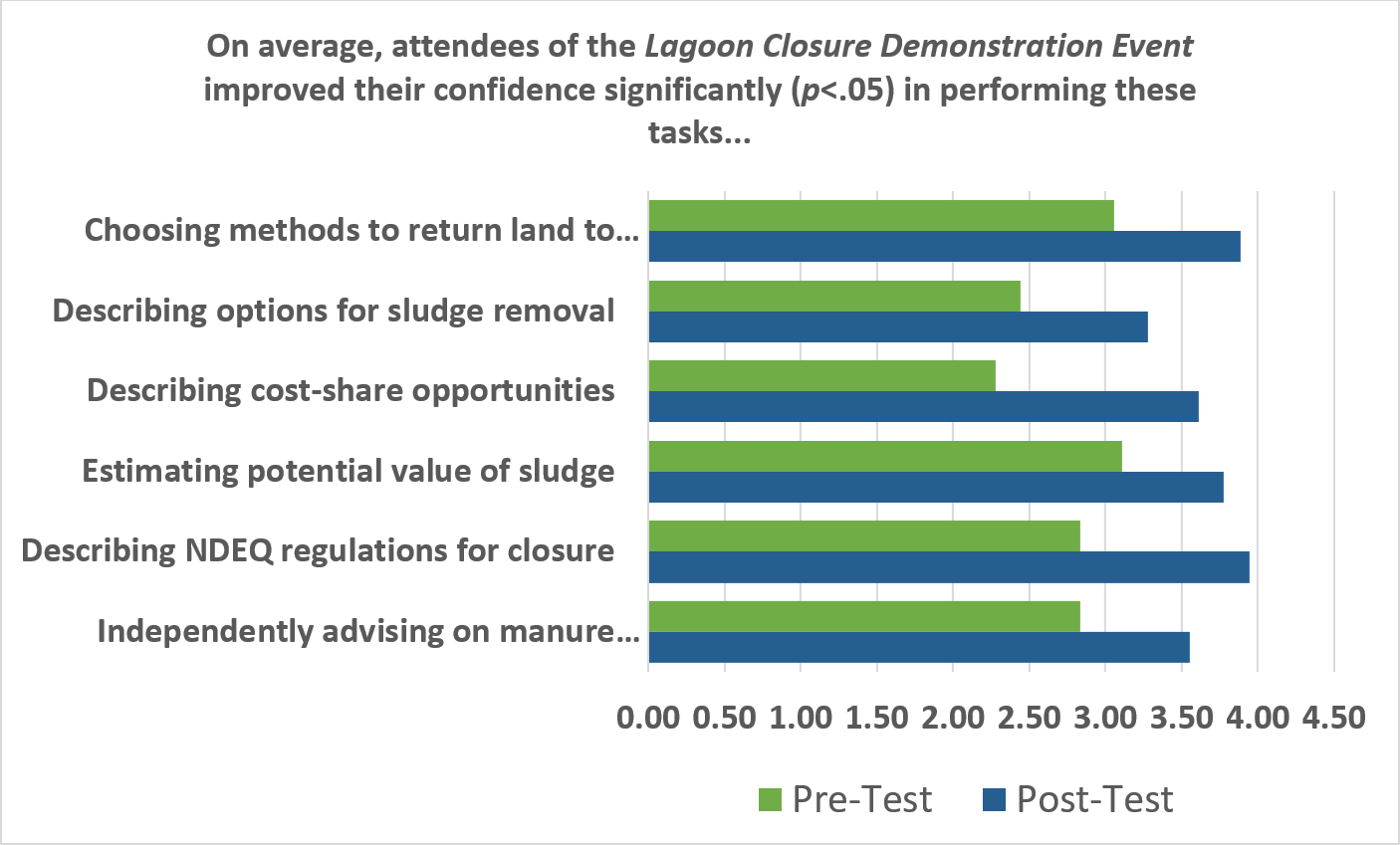
Pre-post surveys completed by 33 attendees of the demonstration event revealed that attendees improved their confidence in performing six key tasks identified by the team as being impactful. Results are summarized in Figure 4.

Figure 4. Impacts of the lagoon closure demonstration event

Figure 4. Impacts of the lagoon closure demonstration event.

Future Plans

We plan to continue the decommissioning process by:

1) Completing sludge removal and application to cropland;

2) Deconstructing the berms, leaving the liner intact, and returning the area to natural grade;

3) Seeding the area to establish ground cover and mitigate runoff and erosion; and

4) Plugging the inlet pipes in manure pits within the animal housing in lieu of removing buried conveyance pipes.

The two videos are in production and will be made available through the Pork Information Gateway (www.porkgateway.org) during summer 2017.

Corresponding author, title, and affiliation

Leslie Johnson, Research Technologist, University of Nebraska – Lincoln

Corresponding author email

ljohnson13@unl.edu

Other authors

Charles Shapiro and Amy Schmidt, University of Nebraska – Lincoln

Additional information

https://water.unl.edu/article/animal-manure-management/lagoon-closure-and-your-environmental-responsibility

Acknowledgements

The authors would like to recognize the U.S. Pork Center of Excellence (USPCE) for funding the development of the videos documenting this process and enabling us to complete this project. We would also like to acknowledge that without the support of the industry, who provided equipment and advice, we would not have been able to get this project off the ground. Also a special thanks to the Agricultural Research Division for their support.

Phosphorus Recovery from Anaerobic Swine Lagoon Sludge Using the Quick Wash Process

Proceedings Home W2W Home w2w17 logo

Purpose

Long term and significant accumulation of sludge in anaerobic swine lagoons reduces its storage volume and ability to treat waste. Usually, excess accumulation of lagoon sludge is removed using pump or dredge. The dredged sludge is then land applied at agronomic rates according to its nutrient content.

The accumulation of phosphorus (P) in the sludge requires the largest area of land application based on crop agronomic requirements. Therefore, nutrient management plans may limit application to crop or pastureland near the animal facility to avoid P build up in excess of soil and crop assimilative capacities. Although dewatered sludge can be moved off the farm, transportation becomes less economical with increasing distances. An option is to extract and recover P in a concentrated form for its economical transfer to P-deficient croplands, for use as fertilizer.

What did we do?

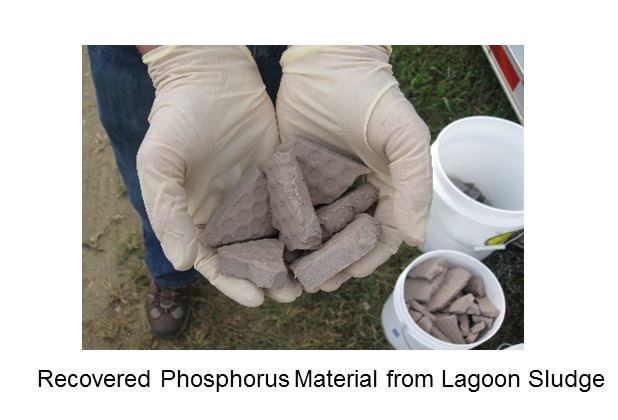
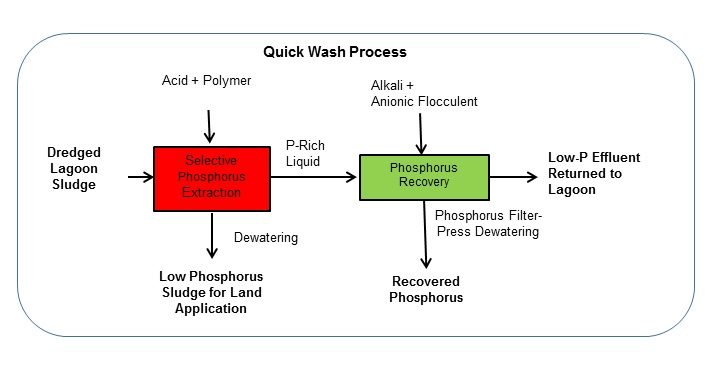
A patented treatment process, called Quick Wash (QW), developed by USDA-ARS for extraction and recovery of P from animal manure solids was tested for recovery of P from anaerobic swine lagoon sludge. With the QW process,Chart of Quick Wash Process P was extracted in solution from dredged sludge by mixing with sulfuric acid prior to dewatering using polymer enhanced mechanical solid-liquid separation. After that, P was recovered by addition of liquid lime and an anionic flocculent to the separated liquid extract to form a calcium-containing P precipitate. The QW process generated two solid products: 1) sludge solids low in P; and 2) a concentrated P material.

What have we learned?

Picture of recovered phophorus material from lagoon sludge

While most of the nitrogen and carbon was left in the washed sludge solids, the QW process extracted and recovered as much as 90 % of the P from sludge. From results of a pilot field test, the P grade of the recovered phosphate was in the range of 24.0% – 30.5 % P2O5. The inclusion of this process in a lagoon sludge management plan offers producers an opportunity to locally land-apply the low-P sludge as a carbon-rich soil amendment and recover P as a valuable product for export from the farm.

Future Plans

USDA granted an exclusive license of the invention to Renewable Nutrients, LLC (Pinehurst, NC) to commercialize in the U.S the process for P recovery from animal and municipal waste streams. Renewable Nutrients is developping commercialization plans for the Quick Wash process that will include the operating and equipment costs of phosphorus recovery from dredged lagoon sludge.

Corresponding author, title, and affiliation

Ariel A. Szogi, Research Leader, USDA-ARS Coastal Plains Soil, Water, and Plant Research Center, Florence, SC.

Corresponding author email

ariel.szogi@ars.usda.gov

Other authors

Matias B. Vanotti; and Paul D. Shumaker – USDA-ARS Coastal Plains Soil, Water, and Plant Research Center, Florence, SC.

Additional information

https://www.renewablenutrients.com/

Acknowledgements

This work is part of USDA-ARS National Program 212; ARS Project 6082-12630-001-00D “Improvement of Soil Management Practices and Manure Treatment/Handling Systems of the Southern Coastal Plain.”

A Quantitative Assessment of Beneficial Management Practices to Reduce Carbon and Reactive Nitrogen Footprints of Dairy Farms in the Great Lakes Region

w2w17 LogoProceedings Home | W2W Home 

Purpose 

Assessing and improving the sustainability of dairy production is essential to secure future food production. Implementation of Beneficial Management Practices (BMPs) can reduce carbon and reactive nitrogen footprints of dairy farms. BMPs can and have been developed for different farm components, including feed, manure management and field cultivation practices. It is practically and economically infeasible to empirically test all combinations of BMPs at a whole farm scale. We therefore use whole-farm process-based models to assess the impact of several Beneficial Management Practices (BMPs) on carbon and reactive nitrogen footprints of dairy farms in the Great Lakes region. Specifically the aim of this study is to evaluate the influence of Beneficial Management Practices (BMPs) on carbon, reactive nitrogen and phosphorus footprints of dairy farms in the Great Lakes region.

What did we do? 

1. Baseline farms

We developed two baseline model farms, a small 150 cow herd farm and a large 1500 cow herd farm, that are thought to be representative for current dairy farming practices in the Great Lakes region, particularly Wisconsin and New York State (Table 1). The two baseline dairy farms were developed based on individual team members’ expertise and a consultation with external experts (Dane County Conservationists, Madison, Wisconsin). For the 1500 cow farm, the baseline scenario was partly based on a previously-studied commercial dairy farm in NY state. Since this commercial dairy farm already employs some BMPs (e.g. anaerobic digestion as BMP in manure management), the farm was ‘downgraded’ to derive the baseline.

Table 1. Description of the baseline farms

2. Beneficial Management Practices

Farm-specific BMPs were developed for three farm components, i.e. “Feed”, “Manure Management & Storage” and “Field management”. These BMPS were developed based on expert judgement and are expected or known to reduce whole-farm GWPs.

To ensure a meaningful integration of BMPs and a consistent comparison of whole-farm BMPs to the baseline and to each other, we used the following set of rules (per farm type): i) Total cultivated area was fixed (areas of individual crops can vary per scenario); ii) Herd size was fixed; iii) Milk production was allowed to float, however, only if the production increased (no decreases in milk production); iv) Purchases of crops and protein mixes were minimized as far as possible.

Table 2. Individual BMPs for the 1500 and 150 cow farm

3. Process model simulation

The Integrated Farm System Model (IFSM4.3) was used to simulate the two baseline farms (i.e. 1500 cow farm in NY and 150 cow farm in WI) and all the individual BMPs. IFSM was used as a baseline model. The other process-based models, that is DNDC, APEX and CNCPS, were used to check IFSM predictions.

4.Whole-farm mitigation strategy

The individual BMPs were analyzed in terms of potential reduction in carbon and reactive nitrogen footprint. The best performing individual BMPs were combined into a whole-farm mitigation strategy and this whole-farm mitigation strategy was subsequently modeled in IFSM.

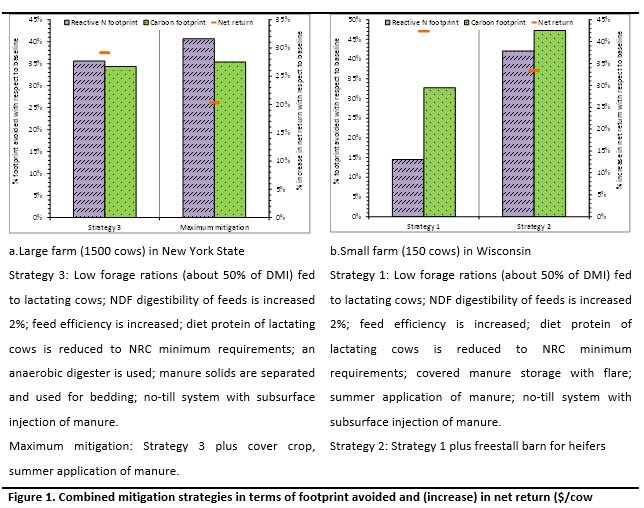
Figure 1. Combined mitigation strategies in terms of footprint avoided and (increase) in net return ($/cow

What have we learned? 

A comparison of model simulations of feed BMPs to the baseline shows that an integrated feed BMP (low forage, corn silage:alfalfa 3:1, ~2% NDF digestibility, reduced protein 14%, added fat, increased feed efficiency) can potentially reduce carbon and reactive nitrogen footprints with ~20% and ~24%, respectively, while remaining cost effective (18% increase in net return in $/cow), for both farm sizes.

For the small farm, replacing the bedded-pack barn with a free stall barn for the heifers, substantially reduces the carbon and the reactive nitrogen footprint with 12% and 11%, respectively. The manure management BMP ‘sealed with flare’ provides the largest potential reduction in carbon footprint for both farms (11% – 20%), primarily through a mitigation of CH4 emissions from manure storage.

Field management BMPs only provide a minimal reduction in carbon footprint (~3%), however, the field BMP ‘no-till with injection’ substantially reduces the reactive N footprint (~16%) for both farm sizes. This reduction is primarily achieved by a reduction in ammonia volatilization.

Based on the results for the individual BMPs, two combined whole-farm mitigation strategies were developed per farm and simulated in IFSM (Figure 1). For both the large farm and the small farm, the integrated whole-farm BMPs show an overall potential to reduce carbon and reactive nitrogen footprints with 33% to 37% and 15% to 42% respectively, simultaneously increasing milk production and the net return per cow with 10% to 12% and 20% to 42%, respectively.

This analysis suggests that BMPs can be applied to reduce greenhouse gas emissions and reactive nitrogen losses without sacrificing productivity or profit to the farmer.

Future Plans    

Future research plans include a further comparison and analysis of IFSM predictions with predictions from other process models, including CNCPS, APEX, and ManureDNDC. In addition, we will assess the impact of climate change on the reactive nitrogen and carbon footprint of the baseline farms and the developed whole-farm mitigation strategies.

Corresponding author, title, and affiliation         

Karin Veltman, PhD, University of Michigan, Ann Arbor

Corresponding author email    

veltmank@umich.edu

Other authors   

Alan Rotz, Joyce Cooper, Larry Chase, Richard Gaillard, Pete Ingraham, R. César Izaurralde, Curtis D. Jones, William Salas, Nick Stoddart, Greg Thoma, Peter Vadas, Olivier Jolliet

Additional information                

Veltman et al. (2017) Comparison of process-based models to quantify nutrient flows and greenhouse gas emissions associated with milk production. Agricultural Ecosystems and Environment, 237, 31–44

DairyCAP project, www.sustainabledairy.org, aims to reduce the life cycle environmental impact of dairy production systems in the US.

Acknowledgements       

This material is based upon work that is supported by the National Institute of Food and Agriculture, U.S. Department of Agriculture, under award number 2013-68002-20525. Any opinions, findings, conclusions, or recommendations expressed in this publication are those of the author(s) and do not necessarily reflect the view of the U.S. Department of Agriculture.

The authors are solely responsible for the content of these proceedings. The technical information does not necessarily reflect the official position of the sponsoring agencies or institutions represented by planning committee members, and inclusion and distribution herein does not constitute an endorsement of views expressed by the same. Printed materials included herein are not refereed publications. Citations should appear as follows. EXAMPLE: Authors. 2017. Title of presentation. Waste to Worth: Spreading Science and Solutions. Cary, NC. April 18-21, 2017. URL of this page. Accessed on: today’s date.
Reducing Greenhouse and Ammonia Emissions from Manure Systems


Proceedings Home W2W Home w2w17 logo

Purpose             

Dairy manure systems produce greenhouse gas and ammonia emissions that contribute to climate change. There are many potential practices and management strategies that can reduce these emissions which can conserve nutrients and reduce environmental impacts. This work assesses different processing strategies, additives, and manure storage covers to reduce emissions from dairy manure systems.

What did we do? 

We completed three laboratory/field trials to assess emissions from manure systems. The first trial was to assess the greenhouse gas and ammonia emissions during storage and land application of manure that was processed with solid separation and digestion in combination with solid separation. A second trial assessed emissions and manure characteristics from storage with various commercial additives. The third study assessed ammonia emissions from digested manure storages with various biomass covers including raw wood, steam treated wood, and biochar produced from wood and corn cobs.

What have we learned? 

The results from the study indicate that separation and digestion result in significant reductions in greenhouse gas emissions. However, as expected, ammonia emissions following digestion are increased due to increased nitrogen mineralization. Results also indicate that separation alone had a similar impact to greenhouse gas emissions, but did not further reduce emissions following digestion. Commercially available products that are designed to be added to manure storages had little to no impact on emissions or manure characteristics for the conditions present in this study. Lastly, biochar was capable of reducing ammonia emissions significantly when applied as a cover. Although the biochar was capable of sorbing ammonical nitrogen, the results indicate that the physical barrier on the manure surface was the primary driver for the reduction in ammonia emissions.

Future Plans    

Following the outcomes of this work, information is being added to a dairy manure life cycle assessment to determine larger system wide impacts from changes in management practices or the inclusion of a processing system. In addition, work is being conducted to look at potential benefits that may be gained over a number of impact factors when manure management systems are optimized with other waste management systems from the municipal sector.

Corresponding author, title, and affiliation        

Rebecca Larson, Assistant Professor, University of Wisconsin-Madison

Corresponding author email    

rebecca.larson@wisc.edu

Other authors   

M.A. Holly, Agricutural Engineer at USDA ARS, J.M. Powell, Soil Scientist at USDA ARS, H. Aguirre-Villegas, Assistant Scientist at University of Wisconsin-Madison

Additional information 

Holly, M.A., R.A. Larson, M. Powell, M. Ruark, and H. Aguirre-Villegas. 2017. Evaluating greenhouse gas and ammonia emissions from digested and separated manure through storage and land application. Agriculture, Ecosystems & Environment, 239:410-419. http://www.sciencedirect.com/science/article/pii/S0959652616321953

Holly, M.A. and R.A. Larson. 2017. Effects of Manure Storage Additives on Manure Composition and Greenhouse Gas and Ammonia Emissions. Transactions of the ASABE, Accepted in Print.

Holly, M.A. and R.A. Larson. 2017. Evaluation of Biochar, Activated Biochar, and Steam Treated Wood as Dairy Manure Storage Covers for Ammonia Mitigation. In Review.

Acknowledgements       

This material is based upon work that is supported by the National Institute of Food and Agriculture, U.S. Department of Agriculture, under award number 2013-68002-20525. Any opinions, findings, conclusions or recommendations expressed in this publication are those of the author(s) and do not necessarily reflect the view of the U.S. Department of Agriculture.


The authors are solely responsible for the content of these proceedings. The technical information does not necessarily reflect the official position of the sponsoring agencies or institutions represented by planning committee members, and inclusion and distribution herein does not constitute an endorsement of views expressed by the same. Printed materials included herein are not refereed publications. Citations should appear as follows. EXAMPLE: Authors. 2017. Title of presentation. Waste to Worth: Spreading Science and Solutions. Cary, NC. April 18-21, 2017. URL of this page. Accessed on: today’s date.
Results of Nutrient Recovery System Installed on Large Scale Dairy Operation After 2-years of Operation


Proceedings Home W2W Home w2w17 logo

*Do not make slides downloadable

Purpose 

For centuries, farmers have disposed of manure by simply spreading it on the land. It is a natural fertilizer. Today, that practice is no longer considered the best solution. Field spreading is now understood to contribute to a growing global problem of the pollution of water, soil, and air. Consequently, U.S. dairy farmers face increased fiscal and operational pressure from the progression of ever tightening environmental regulations. Conventional handling of manure also imposes a number of operational challenges (limitations for storage, land application and irrigation, settlement in lagoons, high manure hauling costs, etc.) and typically requires a relatively large land base to allow adequate nutrient management.

In Indiana, a dairy that was daily producing thousands of tons of livestock waste was investigating how technology could capture the valuable nutrients remaining in their cow manure after it had gone through the farm’s anaerobic digestion process. Their goal was to convert the manure/digestate into a nutrient rich cake that could be easier managed and made into fertilizer, and the liquid clean enough to be used unrestricted for land application.

The farm’s key operational deliverables were 1) to reduce the manure’s handling and transportation costs, 2) allow for precision applications of the processed manure as carbon-based fertilizer and 3) allow for re-use of nutrient reduced liquid for field irrigation.

What did we do? 

The dairy farm chose to implement a nutrient recovery technology from Trident Processes LLC. The technology separates the manure/digestate into three fractions: 1) cellulosic fiber, 2) a concentrated cake of nutrient enriched solids, and 3) water with about 1% remaining solids.

Trident’s turn-key system, consisting of different mechanical and chemical components, processes the manure and diverts each separated fraction into their separate spaces. Sensors and programmable controls (PLC) allow for smooth operation, requiring minimal operator attendance. The entire system can be monitored, controlled and diagnosed remotely.

The manure is fed into the system following the digestion process. The initial step is the extraction of the large fiber, which is done via a rotary screen conditioner. The wetted material separates, with the effluent water and fine solids sifting down through the screen while the larger fiber is retained. This step is critical as it ensures the fine particles, which contain the nutrients, are sent down stream for further treatment.

FIBER: The extracted fiber is sent to a screw press for further dewatering. This renders it as a 30% dry cellulosic fiber biomass that is ideal for recycling as cow bedding or other biomass use. Any liquid squeezed from the fiber is diverted to join the fine solids stream.

SOLIDS: The effluent water and solids are sent to a dissolved air flotation (DAF) tank. Polymerization ensures effective flocculation of the feedstock, resulting in a concentration of the nutrient rich particles that float to the surface. The sludge formed on the surface is skimmed off the top and gravity fed into a multi-disc press for second-stage dewatering. The press gently dewaters and thickens the recovered solid/nutrient sludge into a 25% solids, nutrient rich cake.

WATER: The final effluent water, now nutrient reduced, contains less than 1.2% solids and is sent to the lagoon for storage. The water is then reused for irrigation through efficient pivot systems or as operational water on the farm.

What have we learned? 

By implementing Trident’s Nutrient Recovery System, the farms’ objectives have been met and/or exceeded. After running for nearly two years the system is producing the following statistics:

• Fully automated operation requiring about 1 hr/shift for operator attendance (visual checks)

• 98% system uptime

• Polymer costs: $0.06 – $0.08/day/cow

• Reduction of handling and irrigation costs: $ 0.01/gal (conventional) vs $0.003/gal (center pivot)

• $250,000/yr electrical power savings with MD Press vs. centrifuge

• 73,000+ ton/yr nutrient cake produced

• 81% P, 70% organic N (54% TKN), and 20% K is the average nutrient capture rate

• 1% (max.) solids in the effluent water sent to lagoons

• 99% Suspended solids captured

Future Plans 

Dairy farm: A fertilizer plant will go live in the near future, allowing the farm to sell their concentrated nutrients to the plant as feedstock for custom fertilizer production.

Technology provider: 2nd Phase effluent treatment to capture and retain the solid and nutrient fraction of the existing process, allowing to meet stream discharge standards and comply with BOD / COD levels. Bench scale testing is completed. Farm scale pilot testing is scheduled to run from March 2017-December 2017.

Corresponding author, title, and affiliation       

Richard Shatto (Senior Partner at Point Nexus Consulting), Frank Engel (Director Marketing at KPD Consulting Ltd.)

Corresponding author email 

frank.engel@kpdconsulting.ca

Additional information 

https://youtu.be/PvaTGmyws-w (Carl Ramsey’s presentation at Indiana Dairy Forum)

http://www.progressivedairy.com/topics/manure/prairie-s-edge-dairy-on-pa… (Progressive Dairyman article)

http://tridentprocesses.com/documents/case-study-trident-nutrient-recove… (Newtrient case study)

https://are.wisc.edu/manure-processing/ (manure management project with University of Wisconsin)

http://www.foodqualityandsafety.com/article/nutrient-recovery-improves-s… (Nutrient Recovery Improves Sustainability article in Food Quality & Safety Magazine)

Acknowledgements       

Carl Ramsey, Environmental Manager at Prairie’s Edge Dairy Farm

Soil Net LLC, Dr. Aicardo Roa (strategic partner for chemical separation process)

Leap Tech, R.C. Ludke (strategic partner for automation)

Effectiveness of Different Dairy Manure Management Practices in Controlling the Spread of Antibiotics and Antibiotic Resistance


Proceedings Home W2W Home w2w17 logo

Purpose            

Even when antibiotics are used judiciously, antibiotic residues, antibiotic resistant bacteria (ARB) and antibiotic resistance genes (ARG) can accumulate in human waste and manure and contribute to the spread of antibiotic resistance. Modern U.S. dairy farms use antibiotics for disease treatment and prevention according to the guidance of veterinary physicians. While dairy manure handling and treatment systems may effectively mitigate antibiotic resistance, the fate of antibiotic residues, ARB and ARG through these systems has not been adequately investigated. 

What did we do? 

Working cooperatively with 11 dairies in 3 states (NY, PA, MD) our multi-institutional (U. Buffalo, Cornell, U. Maryland, U. Michigan), interdisciplinary team is investigating the effect different manure management practices (e.g. long-term storage, composting, anaerobic digestion, etc.) have on antibiotic residue levels, ARB and ARG. Every 6 weeks for 2 years manure is being collected pre- and post- each treatment step of the various manure handling systems used by each farm. All samples are being characterized and tested for select antibiotic residues (tetracyclines, macrolides, sulfonamides, penicillins and ceftiofurs), with select samples also analyzed for ARB and ARG. To guide these efforts, antibiotic usage and manure treatment system operational data are also being collected for each farm.

What have we learned? 

A year of samples has been collected with analysis of antibiotic residues, ARB and ARG on-going. Based on the preliminary data, antibiotic residues are detectable at low-concentrations (< 200 mg/L) in each farm’s manure. Antibiotic residue levels are generally lower in treated manure compared to levels in raw manure, though mitigation efficacy is variable. Early findings show some composting systems have the capacity to lower antibiotic residue levels. Antibiotic residue levels are also lower in separated manure solids, with evidence for partitioning of soluble antibiotic residues into separated manure liquids. At this time, the effects of anaerobic digestion and long-term anaerobic manure storage on antibiotic residue levels remain unclear. Select samples are currently being analyzed for ARB and ARG.

Future Plans 

We are entering our second year of field monitoring and ARB and ARG analysis is on-going. Laboratory efforts are also beginning to test the effectiveness of specific anaerobic digester operational parameters at mitigating antimicrobial resistance. Extension/outreach meetings with stakeholder groups are also being planned. The ultimately project goals are to discern the fate of antibiotic residues, ARB and ARG as they move through dairy manure handling systems, identify the efficacy of different manure treatment systems at mitigating antibiotic resistance and extending this knowledge to dairy operators.

Corresponding author, title, and affiliation      

Jason Oliver, Postdoctoral Associate at Dept. of Animal Science, Cornell University

Corresponding author email    

jpo53@cornell.edu

Other authors   

Curt Gooch, Senior Extension Associate at Cornell University, Dept. of Animal Science, PRO-DAIRY

Additional information               

Additional project information can be found on the dairy environmental system webpage: www.manuremanagement.cornell.edu

Acknowledgements

This material is based upon work that is supported by the National Institute of Food and Agriculture, U.S. Department of Agriculture, under award number 2016-68003-24601. Any opinions, findings, conclusions, or recommendations expressed in this publication are those of the author(s) and do not necessarily reflect the view of the U.S. Department of Agriculture.

Project collaborators include: (PD) Diana Aga, University of Buffalo, Dept. of Chemistry (Co-PI); her students Mitch Mayville and Jarod Hurst; (Co-PD) Lauren Sassoubre , University of Buffalo, Dept. of Civil, Structural & Environmental Engineering; (Co-PDs) Stephanie Lansing and Gary Felton, Associate Professors at University of Maryland, Dept. of Environmental Science & Technology; their student Jenna Schueler; (Co-PD) Krista Wigginton, Assistant Professor at University of Michigan, Dept. of Civil & Environmental Engineering; Lutgarde Raskin, Professor at University of Michigan, Dept. of Civil & Environmental Engineering; and their student Emily Crossette.


The authors are solely responsible for the content of these proceedings. The technical information does not necessarily reflect the official position of the sponsoring agencies or institutions represented by planning committee members, and inclusion and distribution herein does not constitute an endorsement of views expressed by the same. Printed materials included herein are not refereed publications. Citations should appear as follows. EXAMPLE: Authors. 2017. Title of presentation. Waste to Worth: Spreading Science and Solutions. Cary, NC. April 18-21, 2017. URL of this page. Accessed on: today’s date.

Developing a Comprehensive Nutrient Management Plan (CNMP)

Proceedings Home W2W Home w2w17 logo

Purpose

Livestock producers are presented with a number of challenges and opportunities. Developing a quality Comprehensive Nutrient Management Plan (CNMP) can effectively help landowners address natural resource concerns related to soil erosion, water quality, and air quality from manure management. As livestock operations continue to expand and concentrate in certain parts of the country, utilizing a CNMP becomes even more important. Following the NRCS 9-step planning process is critical in developing a good plan. Effective communication is a key element between all parties involved in the planning process. A CNMP documents the decisions made by the landowner for the farmstead area, crop and pasture area, and nutrient management. Information will cover the elements essential for developing a quality CNMP.

What did we do?

Since the CNMP documents the records of decisions by the landowner, it has to be organized in such a fashion that it is understandable to and usable by the landowner. The CNMP is the landowner’s plan. Therefore, the role of the planner is to help landowners do the things that will most benefit them and the resources in the long run. This will take both time and effort. To provide consistency with other conservation planning efforts within NRCS, CNMPs following the same process outlined in the National Planning Procedures Handbook. There are several items that are essential for a quality CNMP to be developed:

• Have a good understanding of potential resource concerns especially soil erosion, water quality and air quality.

• Make the appropriate number of site visits. Trying to do this from the office will likely lead to a poor quality CNMP that may not be implemented.

• Address resource concerns for the Farmstead and Crop and Pasture areas.

• Ensure that all nutrient sources are addressed.

• Follow the 9 steps of planning.

• Decisions are agreed upon by the landowner. The CNMP reflects the landowner’s record of decisions.

• Follow-up to address any questions or concerns.

• Update as necessary. A CNMP is not a static document.

Field

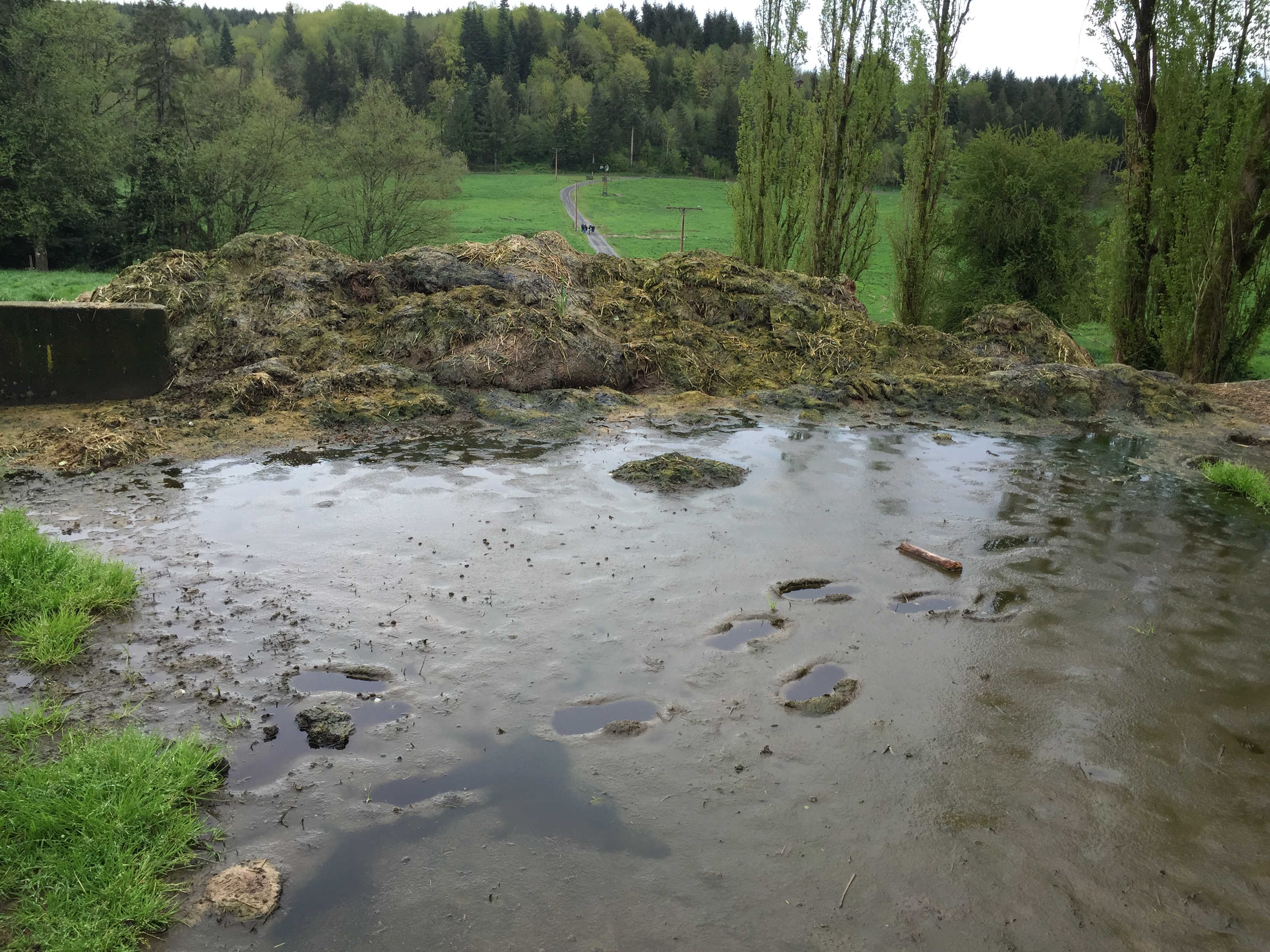
Land application of animal manure without proper land treatment practices

Muddy field with standing water

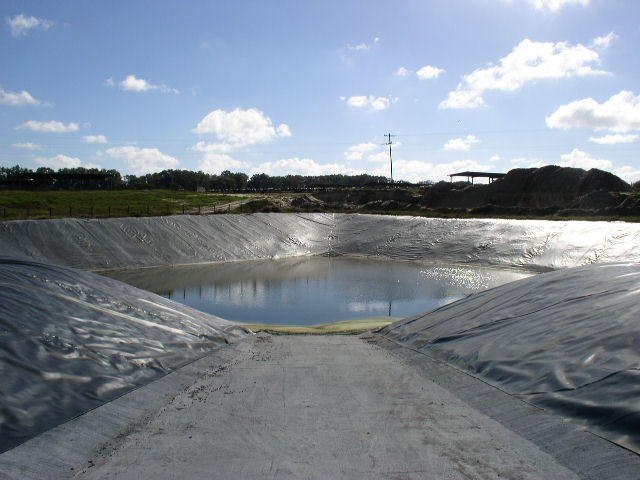
Proper animal manure storage required to address water quality issues

Picture of lined water bed

Evaluation of storage area to adequately address surface and subsurface
water quality issues

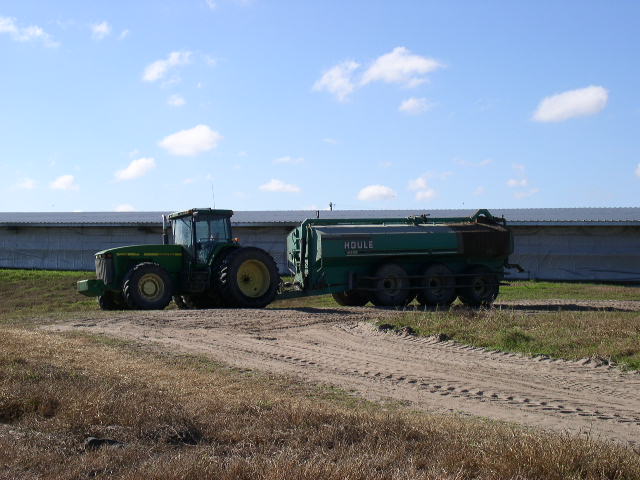
Picture of tractor and tanker spreader

Land application and nutrient management are critical elements for a
properly prepared CNMP

What have we learned?

The quality of CNMPs varies greatly across the country. Some were becoming so large that landowners were having difficulty finding the activities that needed to be completed. The revised CNMP format and process following the NRCS Conservation Planning approach should improve both the quality and usability of the plans developed. Due to statutes in the Farm Bill, all conservation practices recorded in the record of decision of the CNMP, whether receiving financial assistance or not, must be implemented by the end of the established contract period between the landowner and NRCS. Therefore it is important to only include the practices that are going to be implemented. CNMPs should be periodically updated to account for operational changes such as animal numbers, cropping systems, or land application methods.

Future Plans

The CNMP planning process will be evaluated to determine whether landowner objectives are being met and resource concerns properly addressed. Additional evaluations will look at the consistency of the plans generated across the country and the usability by landowners.

Corresponding author, title, and affiliation

Jeffrey P. Porter, P.E.; National Animal Manure and Nutrient Management Team Leader, USDA-Natural Resources Conservation Service

Corresponding author email

jeffrey.porter@gnb.usda.gov

Additional information

References

USDA-NRCS General Manual – Title 190, Part 405 – Comprehensive Nutrient Management Plans

USDA-NRCS Handbooks – Title 180, Part 600 – National Planning Procedures Handbook

Code of Federal Register (CFR) Title 7, Part 1466 – Environmental Quality Incentives Program (1466.7 EQIP Plan of Operations and 1466.21 Contract Requirements)

Webinar

Comprehensive Nutrient Management Plans and the Planning Process – http://www.conservationwebinars.net/webinars/comprehensive-nutrient-management-plans-and-the-planning-process/?searchterm=cnmp

The authors are solely responsible for the content of these proceedings. The technical information does not necessarily reflect the official position of the sponsoring agencies or institutions represented by planning committee members, and inclusion and distribution herein does not constitute an endorsement of views expressed by the same. Printed materials included herein are not refereed publications. Citations should appear as follows. EXAMPLE: Authors. 2017. Title of presentation. Waste to Worth: Spreading Science and Solutions. Cary, NC. April 18-21, 2017. URL of this page. Accessed on: today’s date.