
Closing Abandoned Livestock Lagoons Effectively to Utilize Nutrients and Avoid Environmental Problems

Proceedings Home W2W Home w2w17 logo

Purpose

In Nebraska alone, nearly 400 earthen manure storage structures are in operation; approximately four dozen requests to cease operation of permitted lagoons were received by the Nebraska Department of Environmental Quality in the prior decade with many more non-permitted storage structures being in need of proper closure. Abandoned livestock lagoons, earthen manure storage basins, and other manure storages (e.g. concrete pits) need to be decommissioned in a manner that controls potential environmental risk and makes economical use of accumulated nutrients. Currently, limited guidance is available to support lagoon closure planning and implementation and few professionals who support livestock producers have experience planning or participating in the manure storage closure process. The main focus of this project was to produce two videos that document the processes for planning and executing a lagoon closure.

What did we do?

The University of Nebraska Haskell Ag Laboratory, located near Concord, NE, had an anaerobic lagoon that was operated for over 20 years, but has not received swine manure additions since 2009 when the swine unit was depopulated. The decommissioning of this storage structure was proposed in 2014 and provided our team an opportunity to plan, implement and document the procedures necessary to properly close this structure. When we went to find material on how to accomplish this properly, we did not find suitable material. Two grants were secured in 2016 from the U.S. Pork Center of Excellence (USPCE) to fund our team efforts to document the closure process – from planning to completion – with two separate videos. The first video is focused on the planning activities necessary to prepare for removal and utilization of stored liquid and sludge. The second is focused on the liquid and sludge removal and utilization activities, decommissioning of conveyance structures, and deconstruction of the lagoon berm to return the site to a natural grade.

Activities conducted to execute the lagoon closure have included:

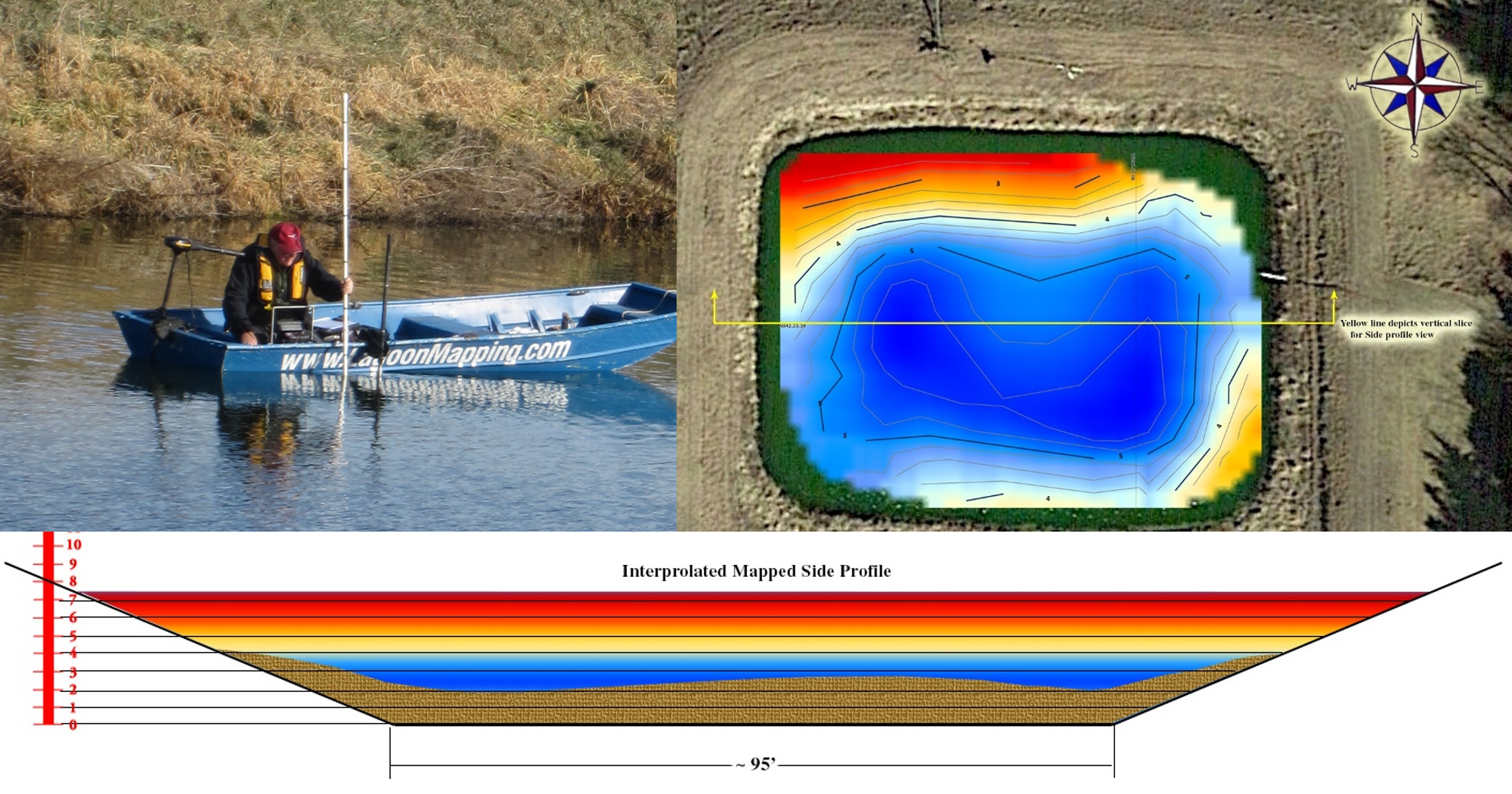
1) Mapping of sludge levels with sonar and analyzing sludge samples to estimate volume and nutrient content of sludge, which enabled development of a land application plan for utilizing the products

Figure 1. Sonar sludge mapping

Figure 1. Sonar sludge mapping.

2) De-watering the lagoon (effluent used for sprinkler irrigation and flood irrigation)

3) Hosting a demonstration event during which participants:

a. observed sludge removal and land application processes,

b. participated in a manure spreader calibration,

c. inspected the soil beneath the lagoon liner,

d. viewed the abandoned production buildings and heard about options for eliminating conveyance of liquid from the building to the lagoon,

e. explored alternative sludge removal methods, and

f. participated in a classroom session where presenters shared details of the closure planning process, cost-share opportunities for closure of manure storage structures, and expectations for re-grading and re-seeding the site following removal of sludge.

Figure 2. Participants learned about planning land application of the sludge

Figure 2. Participants learned about planning land application of the sludge.

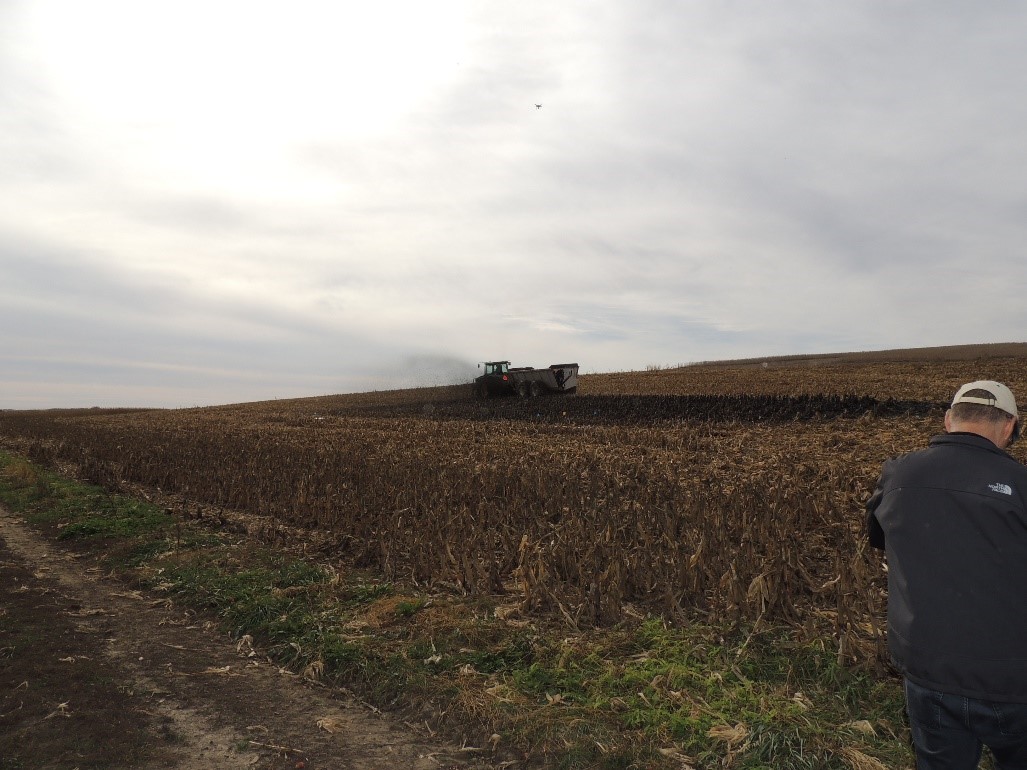
Figure 3. Land application of the sludge and calibration of the manure spreader

Figure 3. Land application of the sludge and calibration of the manure spreader.

4) Removing the sludge and applying it to cropland following the demonstration event.

Documentation of all planning, demonstration, and closure execution activities have been captured via extensive video footage, still photos, and participant interviews. Production of the videos is in process with completion and release of videos anticipated in summer 2017.

What have we learned?

Although every manure storage closure process is expected to present its own unique challenges and opportunities for learning, the process documented during this project has provided a number of insights:

1) While this process involved pumping liquid from the lagoon prior to attempting sludge removal in order to observe the sludge layer and document the volume present, a more appropriate, and likely more effective, process is to agitate the storage prior to and during pumping activities to enable handling all of the material as a slurry;

2) Dewatered sludge volume (nearly 200,000 gallons) and nutrient content (44.2 lbs. TKN, 37.5 lbs. organic N, 89.3 lbs. P2O5 and 7.6 lbs. K2O per 1,000 gallons) for this system yielded enough nutrients to apply to 80-100 acres, based on a phosphorus removal rate. It is unknown what the release of the organic N component of the sludge will be, but using just the phosphorus content, application of 1000 gallons per acre would provide enough phosphorus for what would be removed from 220 bushels of corn, which is worth approximately $35 with winter 2017 prices.;

3) Given the high phosphorus content in the sludge and that the nearby fields at the Haskell Ag Lab were not in need of phosphorus, an appropriate application rate for the sludge was determined as 8-10 tons/acre;

4) Soil beneath the lagoon liner yielded a phosphorus concentration of 556 ppm, likely a result of an inadequate liner in the lagoon as originally constructed in the 1960s; and

5) Installation of a bentonite clay liner during renovation of the structure in 1992 appeared to be effective as the liner was fully intact when observed during closure activities.

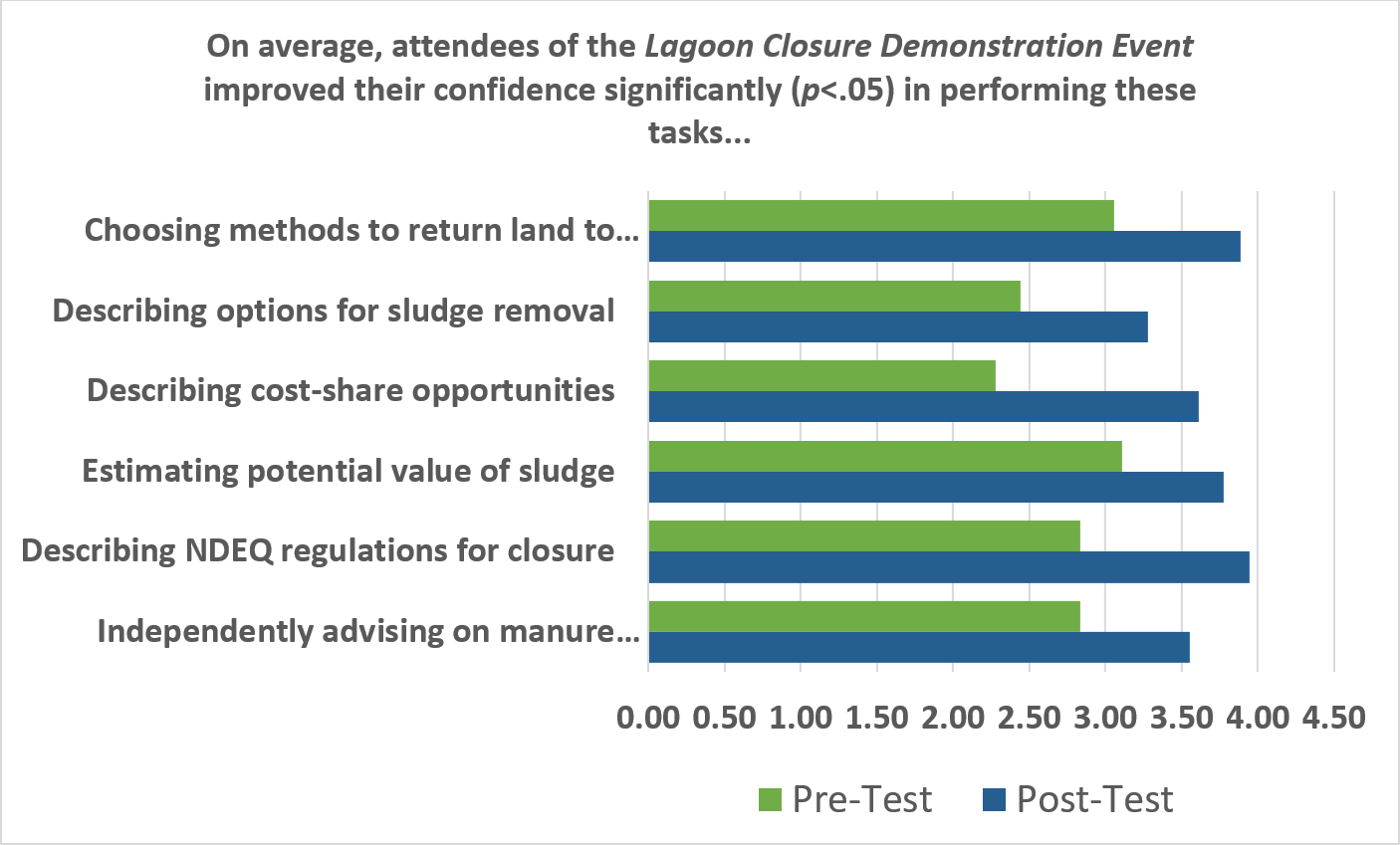
Pre-post surveys completed by 33 attendees of the demonstration event revealed that attendees improved their confidence in performing six key tasks identified by the team as being impactful. Results are summarized in Figure 4.

Figure 4. Impacts of the lagoon closure demonstration event

Figure 4. Impacts of the lagoon closure demonstration event.

Future Plans

We plan to continue the decommissioning process by:

1) Completing sludge removal and application to cropland;

2) Deconstructing the berms, leaving the liner intact, and returning the area to natural grade;

3) Seeding the area to establish ground cover and mitigate runoff and erosion; and

4) Plugging the inlet pipes in manure pits within the animal housing in lieu of removing buried conveyance pipes.

The two videos are in production and will be made available through the Pork Information Gateway (www.porkgateway.org) during summer 2017.

Corresponding author, title, and affiliation

Leslie Johnson, Research Technologist, University of Nebraska – Lincoln

Corresponding author email

ljohnson13@unl.edu

Other authors

Charles Shapiro and Amy Schmidt, University of Nebraska – Lincoln

Additional information

https://water.unl.edu/article/animal-manure-management/lagoon-closure-and-your-environmental-responsibility

Acknowledgements

The authors would like to recognize the U.S. Pork Center of Excellence (USPCE) for funding the development of the videos documenting this process and enabling us to complete this project. We would also like to acknowledge that without the support of the industry, who provided equipment and advice, we would not have been able to get this project off the ground. Also a special thanks to the Agricultural Research Division for their support.

Utilization of Woody Biomass and Manure as Agricultural Soil Amendments in Nebraska


Proceedings Home W2W Home w2w17 logo

Purpose 

While Eastern Redcedar are native to Nebraska and much of the Central U.S., the ability of these trees to thrive in many soils and under a broad range of climatic conditions has contributed to their designation as an invasive species. Cedar tree proliferation negatively impacts agriculture by reducing groundwater availability, compromising grazing land, impeding forage production for cattle, and altering surface water flows. Agricultural crop and livestock producers depend on affordable access to water, healthy and productive soils, and quality grazing land to remain profitable. Land treatment practices that return organic matter to soil improve soil health, which in turn positively impacts crop productivity, soil water holding capacity, soil fertility, and grazing land forage quality and productivity. This project is investigating the use of two readily available by-products in Nebraska, livestock manure and cedar tree wood chips,  as amendments on agricultural land to improve soil productivity metrics. The overall goal of this project is to demonstrate a value-added use for woody biomass to offset the cost of tree management activities and encourage landowner management of cedars.

What did we do? 

Crop year 2016 was the first year of the Woody Biomass and Manure Project. Six treatments were applied to 12-m x 10-m plots within cooperators’ fields following the 2015 harvest:

1. woody biomass (WB1), 6 ton/ac

2. woody biomass (WB2), 12 ton/ac

3. woody biomass with liquid N (WBLN), 6 ton/ac

4. woody biomass with swine manure (WBSM), 6 ton/ac

5. woody biomass with cattle manure (WBCM), 6 ton/ac

6. control (Cont), no amendments

Manure and liquid nitrogen treatments received less than 30 lbs ac-1 of N in the fall. The experiment is a completely randomized block design with four replications of each treatment, for a total of 24 plots, at each of the sites. Since the plots were established within existing crop fields, the producers were encouraged to continue their current management strategies. Both sites were irrigated, and fertilizer was applied uniformly across all plots using the pivot throughout the growing season.

Soil was sampled for chemical and biological properties in the spring and fall of 2016 and sent to a commercial lab for analyses. Rye was sampled by hand harvesting 0.25 square feet from four locations within each plot for a total of 1 square foot. Corn was sampled by hand harvesting six plants from each plot. Stand counts were also completed. WATERMARK sensors were installed at three depths (1, 2, and 3 ft) in two replications of four treatments (WBCM, WB1, WB2, Cont) at both sites. Additionally, temperature sensors were installed at a depth of 1 ft. A total of 16 plots were monitored (8 plots per site with 2 replications of 4 treatments).

What have we learned? 

Soil biological and chemical characteristics have not been affected during the first year. There were no differences in the amount or type of soil microbes due to treatment. WBCM and WBLN had greater soil nitrate than WB1 and WBSM early in the spring. Additionally, WBCM had greater soil K than the other treatments. Other than these two instances, there were no differences in organic matter, pH, and macronutrients. However, this is not surprising since measurable changes in soil properties typically occur over many years and manure application rate was relatively low. More importantly, though, is that microbial populations were not decreased by the cedar mulch.

Cedar mulch applications did not decrease biomass yield of corn and rye when applied with nitrogen. In fact, in the rye, WBLN had the greatest biomass yields followed by WBCM, WB1, WBSM, and Cont. WB2 had the lowest rye biomass, which was probably due to nitrogen tie-up by the wood chips due to the initially higher C:N ratio. There was no treatment effect for corn biomass or stand counts.

At the site planted to corn at a depth of one foot, the three woody biomass treatments monitored (WB1, WB2, and WBCM) were significantly wetter and cooler than the control from mid-June until mid-July. WBCM was also wetter at a depth of two feet than the control. Unfortunately, due to rodent activity, statistical analyses at the rye site and other times of the growing season are not possible. The differences in soil moisture and temperature are probably due to shading and the physical barrier to evaporation that the wood chips supply. The increased soil moisture under the woody biomass treatments could reduce irrigation.

Future Plans  

In order to apply for competitive funding, we need more supporting data. We are going to increase monitoring of soil moisture and temperature, so that three replications of all six treatments are monitored at both sites. Additionally, a greenhouse study will be conducted to provide water quality data and rate of decomposition of the wood chips.

Corresponding author, title, and affiliation       

Linda Schott, Extension Graduate Research Assistant, University of Nebraska-Lincoln

Corresponding author email   

linda.rae.schott@gmail.com

Other authors   

Amy Schmidt, Assistant Professor, University of Nebraska-Lincoln; Amy Timmerman, Associate Extension Educator, University of Nebraska-Lincoln; Adam Smith, Assistant Forester, Nebraska Forest Service

Additional information               

More information can be found at: manure.unl.edu

Acknowledgements       

This project is funded by the Nebraska Forest Service. We would like to thank the Middle Niobrara Natural Resource District, especially Mike Murphy, Travis Connot, and Zach Peterson, for their assistance to this project. We would also like to thank the Nebraska Forest Service, especially Richard Woollen, Adam Smith, and Heather Nobert, for their assistance to this project. Additionally, this project would not be possible without our two farmer cooperators, Leonard Danielski and Greg Wilke.

Integrating Small Scale Digestion Systems in Developing Regions


Proceedings Home W2W Home w2w17 logo

Purpose           

People in developing countries regularly lack access to energy or their energy source is not reliable. Low cost anaerobic digestion systems have the potential to provide methane to be used in a variety of end uses. Unfortunately, many low cost systems are not evaluated and it is unclear if they are living up to the expectations of the end users or those that are promoting or financially supporting their installation.

What did we do? 

We have evaluated multiple small scale anaerobic digestion systems in Uganda and Bolivia to assess their energy production potential, impact of digestate as a fertilizer (using plot studies), pathogen reduction through the digester, and impact to kitchen air quality when biogas stoves replace firewood. Based on feedback we have also designed, tested and implemented a low cost separation system for handling digestate to recycle separated liquids and improve handling of solids. We have also modified an absorption chiller to run on biogas and are in the process of wider spread adoption and evaluation.

What have we learned? 

Throughout this assessment we have learned that many institutional level digestion systems in developing countries are not meeting the biogas demands of the end users. While they like the improved cooking time and reduced air quality impacts in the kitchen, only small households are producing enough gas to realize many of these benefits. Biogas poses a reduction in PM2.5 (fine particulates) within kitchens when compared to firewood stoves. However, when any amount of firewood is used in the kitchens (when there is not enough biogas), much of this benefit is lost. Therefore it is critical to improve the biogas production of these systems.

Maize plot trials show that compared to control plots digestate applied in any form (slurry or separated solids) significantly improves yields. When compared to inorganic fertilizer applications the grain yields are statistically similar but the stover yields increase significantly. End users show a preference for using the separated solids and the reduction in water needed to operate the systems. While these benefits seem appealing, there may be concern for the risks associated with pathogens in the digestate when applied to food crops. While digesters showed a significant reduction in pathogen related to the system retention time, pathogen remained in the effluent and must be handled properly to limit transfer to food and the human health risks after ingestion.

Increasing the end use of biogas beyond cooking to chillers has shown great potential for implementation and has high demand for end users. Systems have been able to provide cooling at multiple locations for extended periods with low biogas demands. Additional materials are needed to provide end users with guidance on troubleshooting and operation.

Future Plans    

Based on the results of these studies we are moving forward with farmer trials of the digestate to assess end user issues and motivations. In addition, we are currently designing a low cost heating system to improve biogas production efficiency in order to meet end user needs or decrease the size of digesters. Finally we are working on an evaluation of chiller biogas needs and providing training on all aspects of the digestion systems.

Corresponding author, title, and affiliation      

Rebecca Larson, Assistant Professor at the University of Wisconsin-Madison

Corresponding author email    

rebecca.larson@wisc.edu

Other authors   

A. McCord, Associate Director at University of Wisconsin-Madison, Vianney Tumwesige, CEO at GreenHeat Uganda, Dorothy Lsoto at W2E Uganda

Additional information              

http://www.greenheatinternational.com/

http://www.waste2energyltd.com/

McCord, A.I., S.A. Stefanos, V. Tumwesige, D. Lsoto, A. Meding, A. Adong, J.J. Schauer, and R.A. Larson. 2017. Biogas and the impacts of fuel choice on institutional kitchen air quality in Kampala, Uganda. Indoor Air. In Review, revisions requested.

McCord, A.I., S.A. Stefanos, V. Tumwesige, D.T. Lsoto, M. Kawala, J. Mutebi, I. Nansubuga, and R.A. Larson. 2017. Anaerobic digestion and public sanitation in Kampala: risks and opportunities. In Review.

Continuous Response Measurement: A Tool to Assess the Effectiveness of Agricultural GHG Mitigation Messaging among Extension Educators


Proceedings Home W2W Home w2w17 logo

Purpose           

The purpose of this paper is to demonstrate the feasibility of using the Continuous Response Measurement (CRM) tool together with focus group discussion among CRM users to evaluate the effectiveness of Extension education videos that feature controversial subject matter. In this case, CRM was employed to measure live audience perception and response while viewing a video titled “Mitigation of Greenhouse Gases in Animal Agriculture” produced by the USDA NIFA sponsored Animal Agriculture in a Climate Change project.

What did we do? 

The CRM technique (or dial testing) was employed to assess response from 32 Cooperative Extension agents and NRCS technical service providers at the October 2016 ‘Cattle & Climate Conversations Workshop’ held in Denver, Colorado. Participants represented multiple states in the U.S. Southwest with expertise and clientele involved in cattle production. Each participant used a small hand-held dial to continuously evaluate the mitigation video (shown in two 15-minute segments) and rate their agreement with the statement “This is effective at encouraging adoption of mitigation techniques.” Following the CRM activity, participants took part in a focus group discussion to provide qualitative feedback on the video. A sample of “critical moments” in the video were replayed and participants provided explanation and feedback into why these moments elicited strong positive or negative responses. Texas A&M AgriLife Extension, with funding by USDA NIFA Competitive Grant 2011-67003-30206, contracted with the Texas Tech University College of Media and Communication to conduct the CRM activity, forum discussion, and to prepare the final report.

What have we learned? 

In many ways, cooperative extension agents and NRCS technical service providers serve as information gatekeepers to ensure that local agriculture producers and clientele within their service area receive scientifically-valid, researched-based, objective information on a range of relevant issues. They are also keenly sensitive to how educational content (and particularly those that involve controversial topics) will be perceived by clientele. The CRM technique with focus group discussion is an effective tool for generating both quantitative and qualitative data that can be used to improve audience perception and increase receptivity.

The CRM activity elicited several interesting ‘positive’ and ‘negative’ responses as participants viewed the mitigation video. For example, participants indicated positive responses as the video featured actual agricultural producers, when economic benefits were mentioned along with mitigation strategies, and during footage of working field technology. Conversely, interview footage of academic experts “offering redundant or unnecessary information”, dense charts and illustration with no succinct benefits, and explicit references to “climate change” coincided with the most negative responses.

During focus group discussions, participants offered several constructive suggestions to improve the overall message and perception. Recommendations included shortening the video to shorter segments, eliminating repetitive information (particularly among academic experts), tailoring content to specific types of production (e.g., pasture-based cattle production, feedlot cattle production) and region, and featuring agricultural producers using a technology with a relevant success story including economic benefits.

Future Plans   

While the CRM technique provides important and useful insight into audience perception of existing educational content, this tool offers great benefit to Extension educators during product development. Future projects should consider CRM and focus group testing as a means to evaluate the effectiveness of educational content for intended audiences, thereby improving the overall perception and usefulness of the final product. A Journal of Extension article with more information on this CRM activity is currently being drafted.

Corresponding author, title, and affiliation      

David W. Smith, Extension Program Specialist, Texas A&M AgriLife Extension Service

Corresponding author email   

davidsmith@tamu.edu

Other authors  

Saqib Mukhtar, University of Florida IFAS/Extension; Glenn Cummings, Texas Tech University; Coy Callison, Texas Tech University

Additional information               

Full paper to be submitted to Journal of Extension April 2016.

Acknowledgements      

Funding for this effort provided by USDA-NIFA Competitive Grant 2011-67003-30206. Special thanks to the Texas Tech University College of Media and Communication.


The authors are solely responsible for the content of these proceedings. The technical information does not necessarily reflect the official position of the sponsoring agencies or institutions represented by planning committee members, and inclusion and distribution herein does not constitute an endorsement of views expressed by the same. Printed materials included herein are not refereed publications. Citations should appear as follows. EXAMPLE: Authors. 2017. Title of presentation. Waste to Worth: Spreading Science and Solutions. Cary, NC. April 18-21, 2017. URL of this page. Accessed on: today’s date.

Developing a Comprehensive Nutrient Management Plan (CNMP)

Proceedings Home W2W Home w2w17 logo

Purpose

Livestock producers are presented with a number of challenges and opportunities. Developing a quality Comprehensive Nutrient Management Plan (CNMP) can effectively help landowners address natural resource concerns related to soil erosion, water quality, and air quality from manure management. As livestock operations continue to expand and concentrate in certain parts of the country, utilizing a CNMP becomes even more important. Following the NRCS 9-step planning process is critical in developing a good plan. Effective communication is a key element between all parties involved in the planning process. A CNMP documents the decisions made by the landowner for the farmstead area, crop and pasture area, and nutrient management. Information will cover the elements essential for developing a quality CNMP.

What did we do?

Since the CNMP documents the records of decisions by the landowner, it has to be organized in such a fashion that it is understandable to and usable by the landowner. The CNMP is the landowner’s plan. Therefore, the role of the planner is to help landowners do the things that will most benefit them and the resources in the long run. This will take both time and effort. To provide consistency with other conservation planning efforts within NRCS, CNMPs following the same process outlined in the National Planning Procedures Handbook. There are several items that are essential for a quality CNMP to be developed:

• Have a good understanding of potential resource concerns especially soil erosion, water quality and air quality.

• Make the appropriate number of site visits. Trying to do this from the office will likely lead to a poor quality CNMP that may not be implemented.

• Address resource concerns for the Farmstead and Crop and Pasture areas.

• Ensure that all nutrient sources are addressed.

• Follow the 9 steps of planning.

• Decisions are agreed upon by the landowner. The CNMP reflects the landowner’s record of decisions.

• Follow-up to address any questions or concerns.

• Update as necessary. A CNMP is not a static document.

Field

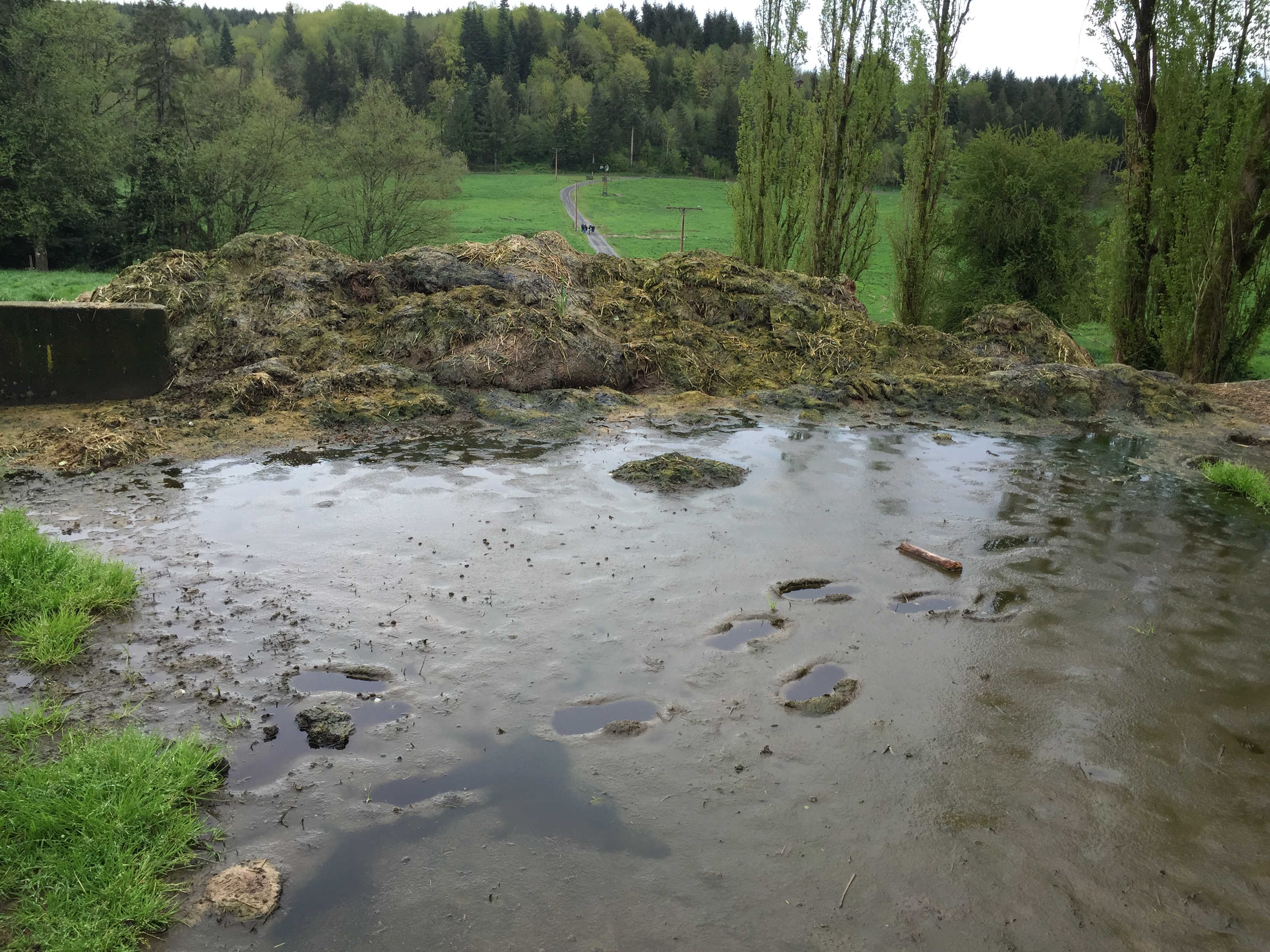
Land application of animal manure without proper land treatment practices

Muddy field with standing water

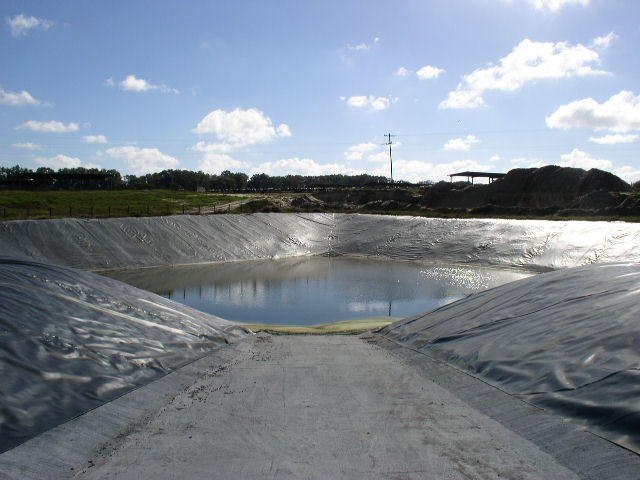
Proper animal manure storage required to address water quality issues

Picture of lined water bed

Evaluation of storage area to adequately address surface and subsurface
water quality issues

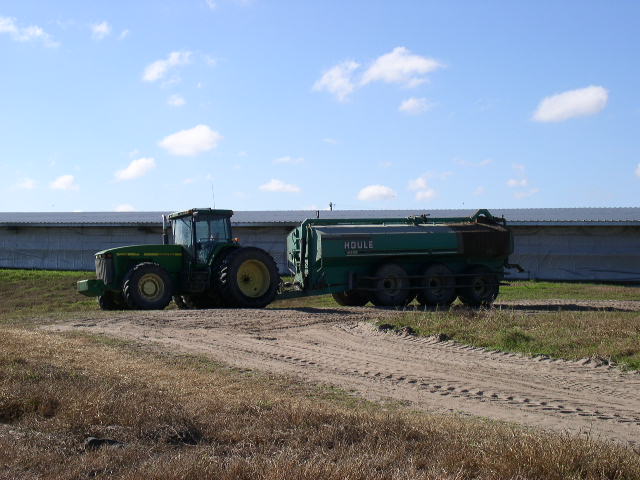
Picture of tractor and tanker spreader

Land application and nutrient management are critical elements for a
properly prepared CNMP

What have we learned?

The quality of CNMPs varies greatly across the country. Some were becoming so large that landowners were having difficulty finding the activities that needed to be completed. The revised CNMP format and process following the NRCS Conservation Planning approach should improve both the quality and usability of the plans developed. Due to statutes in the Farm Bill, all conservation practices recorded in the record of decision of the CNMP, whether receiving financial assistance or not, must be implemented by the end of the established contract period between the landowner and NRCS. Therefore it is important to only include the practices that are going to be implemented. CNMPs should be periodically updated to account for operational changes such as animal numbers, cropping systems, or land application methods.

Future Plans

The CNMP planning process will be evaluated to determine whether landowner objectives are being met and resource concerns properly addressed. Additional evaluations will look at the consistency of the plans generated across the country and the usability by landowners.

Corresponding author, title, and affiliation

Jeffrey P. Porter, P.E.; National Animal Manure and Nutrient Management Team Leader, USDA-Natural Resources Conservation Service

Corresponding author email

jeffrey.porter@gnb.usda.gov

Additional information

References

USDA-NRCS General Manual – Title 190, Part 405 – Comprehensive Nutrient Management Plans

USDA-NRCS Handbooks – Title 180, Part 600 – National Planning Procedures Handbook

Code of Federal Register (CFR) Title 7, Part 1466 – Environmental Quality Incentives Program (1466.7 EQIP Plan of Operations and 1466.21 Contract Requirements)

Webinar

Comprehensive Nutrient Management Plans and the Planning Process – http://www.conservationwebinars.net/webinars/comprehensive-nutrient-management-plans-and-the-planning-process/?searchterm=cnmp

The authors are solely responsible for the content of these proceedings. The technical information does not necessarily reflect the official position of the sponsoring agencies or institutions represented by planning committee members, and inclusion and distribution herein does not constitute an endorsement of views expressed by the same. Printed materials included herein are not refereed publications. Citations should appear as follows. EXAMPLE: Authors. 2017. Title of presentation. Waste to Worth: Spreading Science and Solutions. Cary, NC. April 18-21, 2017. URL of this page. Accessed on: today’s date.

Natural Resources Conservation Service Reaction to the Final H2S/ Gypsum CIG Study Report


Proceedings Home W2W Home w2w17 logo

Purpose            

The Natural Resources Conservation Service (NRCS) and partners worked with Eileen Fabian-Wheeler of the Pennsylvania State University to study the manure gas risks associated with gypsum bedding at dairy farms. This was a NRCS Conservation Innovation Grant (CIG) project. As a result of the information gathered and the published final report, NRCS has taken the following actions which are described below.

What did we do? 

1. The NRCS National office has published National Bulletin 210-15-9 dated 7/14/15 detailing safety risks from manure storages of dairy cows bedded with gypsum.

2. The NRCS National Standard 333 for Amending Soil Properties with Gypsum Products has included a safety reference warning about adding gypsum to liquid manure storage facilities.

3. Pennsylvania NRCS has led and participated in numerous safety programs discussing the relationship between gypsum added to liquid manure storage facilities and the production of hydrogen sulfide (H2S). Within Pennsylvania (PA), NRCS and agency partner employees have been made aware of the risks of gypsum and excessive H2S production through the repeated use of a wide variety of educational medium.

4. Pennsylvania NRCS developed a new safety sign titled, “During Agitation, Deadly Gases Possible”. The sign was developed in direct response to the new Penn State Conservation Innovation Grant report that H2S is proven to be released during the agitation of manure with gypsum. There are possible ties to other high sulfur materials.

5. Pennsylvania NRCS developed a new PA Fact Sheet #5 titled, “Under Barn Storage Facilities, (Pros and Cons)”. The factsheet was developed to increase awareness of safety risks with under barn manure storages including extreme risks with H2S coming from high sulfur manure/bedding additives. (Can also include other high sulfur feed materials)

6. Pennsylvania has added safety requirements and clarifications to the PA 313 Waste Storage Facility Standard including;

a. requirements for agitation signs at covered/uncovered manure storages,

b. gypsum cannot be added to solid covered or under-the-barn waste storages (known to produce excessive H2S gas production),

c. silage leachate or other materials containing high sulfur cannot be stored in covered under-the-barn storages.

7. Pennsylvania NRCS has added safety warnings and clarifications to the PA 634 Waste Transfer Standard; “Gypsum bedding, silage leachate, and other waste components containing high amounts of sulfur can produce excessive amounts of manure gases…can create dangerous manure gas situations….”

8. Pennsylvania NRCS has rewritten the PADEP/PSU Fact Sheet MM2, to include up-to-date safety information, especially highlighting known H2S gas origins and hazards. Now titled PA NRCS Fact Sheet #10, this is a ready reference available to be supplied to producers at time of manure storage planning and design.

9. Pennsylvania NRCS engineers and others are currently on alert for the proper reporting of manure gas accidents.  They are investigating H2S as a probable most significant cause of manure gas accidents.  Hydrogen sulfide should be the first manure gas suspected and investigated.

10. Pennsylvania NRCS is alerting our field employees and partner agency field employees about the high sulfur content in ethanol by-products, which is different than brewer’s grain by-products. The ethanol production process normally includes the addition of significant amounts of sulfuric acid into the ethanol process for multiple purposes including chemistry, sanitation, pH control, and others, but leaving behind significant sulfur, which can cause unexpected H2S production with by-product reuse.

11. Pennsylvania NRCS has purchased 4 multi-gas meters for in-state training use. Meters measure 4 gases. The NRCS meters are intended for educational / awareness use and encouraging landowners / manure haulers to purchase for their own use.

Corresponding author, title, and affiliation        

W. Hosea Latshaw, PE, USDA NRCS Pa State Conservation Engineer

Corresponding author email    

hosea.latshaw@pa.usda.gov

Acknowledgements       

Manure Gas Risks Associated with Gypsum Bedding at Dairy Farms, Final Project Report, USDA NRCS Conservation Innovation Grant, Pennsylvania State University, Project Manager: Eileen Fabian-Wheeler, December 2017


The authors are solely responsible for the content of these proceedings. The technical information does not necessarily reflect the official position of the sponsoring agencies or institutions represented by planning committee members, and inclusion and distribution herein does not constitute an endorsement of views expressed by the same. Printed materials included herein are not refereed publications. Citations should appear as follows. EXAMPLE: Authors. 2017. Title of presentation. Waste to Worth: Spreading Science and Solutions. Cary, NC. April 18-21, 2017. URL of this page. Accessed on: today’s date.

Sensitivity of Soil Microbial Processes to Livestock Antimicrobials

Proceedings Home W2W Home w2w17 logo

Purpose

Many of the antimicrobials administered to livestock are excreted in manure where they may undergo natural breakdown, become more tightly associated with the manure and soil, or become mobilized in wastewater/runoff. Both liquid and solid manure is usually applied to nearby crop fields as a manure fertilizer, recycling the nutrients in the manure. Public concerns about the overuse of antimicrobials leading to greater antibiotic resistance and potentially greater risk for human health have led to new regulations limiting the use of antimicrobials in animal production. However, there are several significant research questions that need to be explored in order to determine how important the links are between antimicrobial use in livestock production and increased antibiotic resistance in humans.

One important issue involves how important soil processes (decomposition, nutrient transformation, and gas emissions) could be altered by antimicrobial compounds in manures and wastewater. In a previous study at a cattle feedlot in central Nebraska, we found typical antimicrobial concentrations in feedlot runoff at low part per billion (ppb) levels and were detected infrequently (<20% of the time). One exception, monensin, was usually detected with an average concentration of 87 ppb and peak concentrations above 200 ppb. Adding complexity to this issue is that soils may experience a variety of conditions ranging from fully aerobic, to denitrifying (using nitrate as a terminal electron acceptor), to anaerobic, and a diverse variety of microbes may predominate in these various conditions. How might soil functions be affected under a range of conditions experiencing differing concentrations of antibiotic? Are there clear very high concentration thresholds that completel! y inhibit specific soil functions? The purpose of this study was to determine the effects of three common livestock antibiotics at multiple concentrations on decomposition, nutrient transformation, and gas production in pasture soil under aerobic, denitrifying, and anaerobic conditions.

What did we do?

A soil slurry incubation study was conducted with pasture soil where runoff from a nearby cattle feedlot was occasionally applied. Monensin, sulfamethazine, and lincomycin were amended (0, 5, 500, and 5000 ppb) to mason jars and serum bottles containing soil and simulated cattle feedlot runoff. The mason jars were flushed with air (aerobic) while serum bottles were flushed with nitrogen gas (anaerobic). Denitrifying conditions were established initially in a subset of anaerobic serum bottles which were supplemented with nitrate (100 mg NO3-N L-1). All antimicrobial amendments and conditions were replicated in triplicate and incubated at 20°C. Headspace gas composition and decomposition products were both measured using gas chromatography and monitored over several weeks.Table 1. Summary of the effects of various livestock antibiotics on decomposition under aerobic, anaerobic, and denitrifying conditions

What have we learned?

Soil processes were generally affected only at the highest antibiotic concentrations, which are 10x greater than observed levels in feedlot runoff. Furthermore, the effects on soil processes depended upon the antibiotic tested (Table 1). Monensin, a broad-range antimicrobial, had the greatest effect on a number of processes. At highest monensin concentrations tested (5000 ppb), both aerobic and anaerobic decomposition (including denitrification) were affected as shown by greater VFA concentrations and low to no gas production (CO2, N2O, and CH4). Even at 500 ppb, monensin had some effect—CO2, N2O, and CH4 gas production were reduced. Sulfamethazine at 5000 ppb inhibited full denitrification (no N2O produced), but there was no effect on other gases or VFA. At 500 ppb sulfamethazine, N2O production was reduced by half. Lincomycin’s only observable effect was lower (0.5x) N2O production at the 5000 ppb level under denitrification conditions.

These results show important soil processes can be blocked by high levels of antibiotics found in animal manures, but inhibition depends upon the antibiotic.  A general antimicrobial like monensin affected microbial processes far more than antimicrobials with a specific mode of action.  The highest antibiotic levels evaluated were 5 to 10 times higher than levels found in animal manures, so soils are likely not impacted under normal conditions where manures mixed and distributed into soils.  Antibiotic breakdown in the soil further helps reduce the potential for antibiotics to build up in the soils.

Future Plans

These incubations only assessed the effect of a one-time dose of antimicrobials. Future studies will examine how longer soil exposures affect soil processes. Additional studies will also compare how soils that have different manure exposure histories (cattle feedlot soil with heavy exposure versus protected prairie soils with very low manure exposure) would react to higher levels of antimicrobials.

Corresponding author, title, and affiliation

Dan Miller, Microbiologist, USDA-ARS

Corresponding author email

dan.miller@ars.usda.gov

Other authors

Matteo D’Alessio, Postdoctoral Researcher, Nebraska Water Center; Dan Snow, Director of Services, Water Sciences Laboratory

Additional information

151 Filley Hall, UNL East Campus, Lincoln, NE 68583

Ph: 402-472-0741

https://dl.sciencesocieties.org/publications/csa/pdfs/61/8/4?search-result=1

The authors are solely responsible for the content of these proceedings. The technical information does not necessarily reflect the official position of the sponsoring agencies or institutions represented by planning committee members, and inclusion and distribution herein does not constitute an endorsement of views expressed by the same. Printed materials included herein are not refereed publications. Citations should appear as follows. EXAMPLE: Authors. 2017. Title of presentation. Waste to Worth: Spreading Science and Solutions. Cary, NC. April 18-21, 2017. URL of this page. Accessed on: today’s date.

Effectiveness of Livestock Exclusion in a Pasture of Central North Carolina


Proceedings Home W2W Home w2w17 logo

*Do not make slides downloadable

Purpose 

Jordan Lake (Reservoir), located in central North Carolina, is a 5,650-ha impoundment with a 436,860-ha watershed of which 18% was urban, 20% agricultural, and 56% forested. Like many lakes in the eastern U.S., the use of this water resource is being threatened by excessive nutrient inputs. A proposed nutrient reduction strategy set overall nitrogen (N) and phosphorus (P) load reduction goals for the watershed at 8-35% for N and 5% for P. Because much of the agricultural land in the watershed was used for pasture, the initial focus of reduction efforts was on pastures with livestock exclusion fencing identified as having the most potential. The objective of this project was to document the effectiveness of a combination of livestock exclusion fencing and nutrient management implemented on a beef cattle pasture typical of pastures in the Jordan Lake watershed and of the Piedmont region of NC.

What did we do? 

figure 1aThe paired watershed experimental approach used in this project, required simultaneous monitoring of two watersheds (treatment and control), during a calibration and a treatment period. The calibration period was from 12/30/07 to 10/5/11 and the treatment period was from 10/6/11 to 12/18/15. During both periods, the rainfall and quantity and quality of discharge were monitored continuously. Land use information (number of cattle, fertilization, soil test results) was collected at least annually. The treatment watershed (Past-treat) encompassed 54.5 ha all but 7.3 ha of which was used for beef cow pasture. The control watershed (Past-cont) encompassed 78.1 ha 39.5 ha of which was pasture, while most of the remainder (27.5 ha) was wooded.

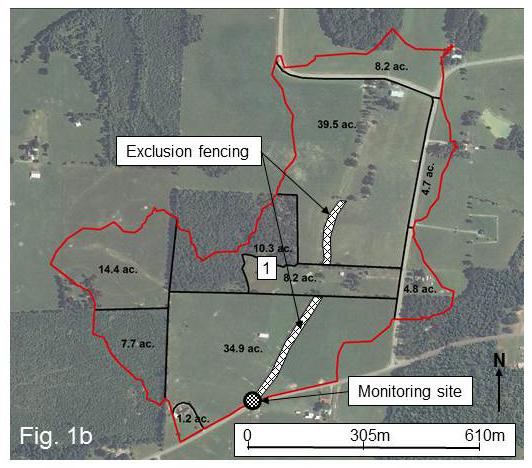
In the treatment watershed the exclusion fenceline was constructed in October, 2011 about 3 m from the top of the streambank on either side and was limited to the main stream channel only (fig. 1b). Nutrient management was also implemented which eliminated P application as soil tests showed that there was adequate P in the soil to support the growth of pasture grasses such as fescue. In the control watershed, beef cattle had unlimited access to the stream channel during the entire project (fig. 1a). Monitoring included collecting flow-proportional samples during storm events and analyzing them for total Kjeldahl (TKN), ammonia (NH3-N), and inorganic (NOx-N) nitrogen as well as total phosphorus (TP) and total suspended solids (TSS).

What have we learned?           

figure 1bStatistical analyses of storm event load data documented that during the post-fencing period, mass loading of TKN (34%), NH3-N (54%), TN (33%), TP (47%), and TSS (60%) was reduced significantly in the treatment relative to the control watershed, while storm discharge and NOx-N loads were not significantly different. These data showed that even a relatively narrow exclusion corridor implemented on only the main stream channel can significantly reduce the export of nitrogen, phosphorus, and sediment from a beef cattle pasture.

Future Plans   

Evaluate livestock exclusion fencing at another Piedmont site with a wider exclusion corridor.

Corresponding author, title, and affiliation       

Daniel Line, Extension Specialist at NC State University

Corresponding author email    

dan_line@ncsu.edu

Other authors  

Deanna Osmond, Professor, NC State University

Additional information              

Published in J. Environmental Quality 45:1926-1932

Acknowledgements      

This project received support from the National Institute of Food and Agriculture, U.S. Department of Agriculture, Integrated Water Quality Grant award 2011-0515 as well as funding from NCDEQ-DWR as pass-through funds from U.S. EPA 319.

Innovative Business Models for On-farm Anaerobic Digestion in the U.S.

Proceedings Home W2W Home w2w17 logo

Purpose

AgSTAR is a collaborative voluntary program of the Environmental Protection Agency (EPA) and United States Department of Agriculture (USDA). AgSTAR promotes the use of anaerobic digestion (AD) systems to advance economically and environmentally sound livestock manure management. AgSTAR has strong ties to industry, government, non-profit and university stakeholders and assists those who enable, purchase or implement anaerobic digesters by identifying project benefits, risks, options and opportunities.

Anaerobic digestion (AD) continues to be a sustainable manure management opportunity with growing interest in innovative business models for project development.   AD systems provide a number of benefits, including improved nutrient management, locally sourced renewable energy, and diversified revenue streams for farmers.   As energy prices remain low across the country, and interest grows in managing food waste and organics outside of landfills, new business models have been implemented to make these on-farm AD projects viable. This presentation will provide a national overview of the livestock AD sector, explore new AD projects across the U.S., and highlight successful projects with innovative business models.

The presentation will cover several case studies of AD projects on topics including:

  • Third-party ownership and development of projects;
  • Food waste collection and boosting project profitability through tip fees and increased biogas production;
  • Eco-market products from dairy manure fibers; manure-based alternatives to peat moss for the horticulture industry; and
  • Biogas to vehicle fuel; opportunities and financial considerations.

With only 244 operating on-farm AD projects across the U.S., there exists a great opportunity for market share growth at the approximately 8,000 farms that could support a project. This, coupled with the desire for alternative management of organic waste streams, provides a unique opportunity for this sector to grow in the near future.

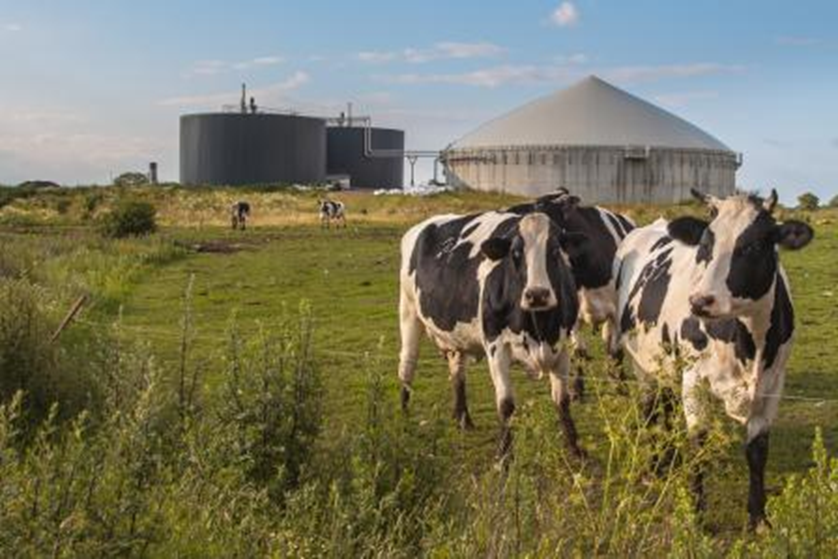
Pigs in a fieldCows in a field

Corresponding author, title, and affiliation

Nick Elger

Program Manager

AgSTAR & Global Methane Initiative

U.S. Environmental Protection Agency

1201 Constitution Ave NW, Mail code: 6207J

Washington, D.C. 20460

Phone: 202.343.9460

Email: elger.nicholas@epa.gov

https://www.epa.gov/agstar

https://www.globalmethane.org/

Review of Odor Management Planning Templates and Calculators Across the US

Proceedings Home | W2W Home waste to worth 2017 logo

Purpose

Odor is a common and prevalent problem for new and existing livestock operations, and odor is often a source of conflict between neighbors. Odor cannot be removed in entirety from livestock production, but it can be managed. A few states have developed odor management plan guidelines or templates that may be mandatory, or voluntarily for the sake of good stewardship. Our long term goal is to construct an odor management plan template for South Dakota and beyond, and improve producer-neighbor relationships. Towards this goal, we present a review of established tools, templates and odor impact calculators that are in use in the United States.

What did we do?

We sent a questionnaire to four odor management plan (OMP) developers in Minnesota, Michigan, Nebraska and Pennsylvania. The questionnaire asked questions about the development process, users, marketing, and evaluation of odor management planning guides. We compared and contrasted the responses and identified opportunities to build on these past experiences elsewhere. Similarly, based on existing literature and online tools, four odor impact estimation calculators, or footprint tools were reviewed. These include the South Dakota Odor Footprint Tool, Odor From Feedlots Setback Emissions Tool (Minnesota), Odor Footprint Tool (Nebraska), and Purdue Odor Setback Model (Indiana).

What have we learned?

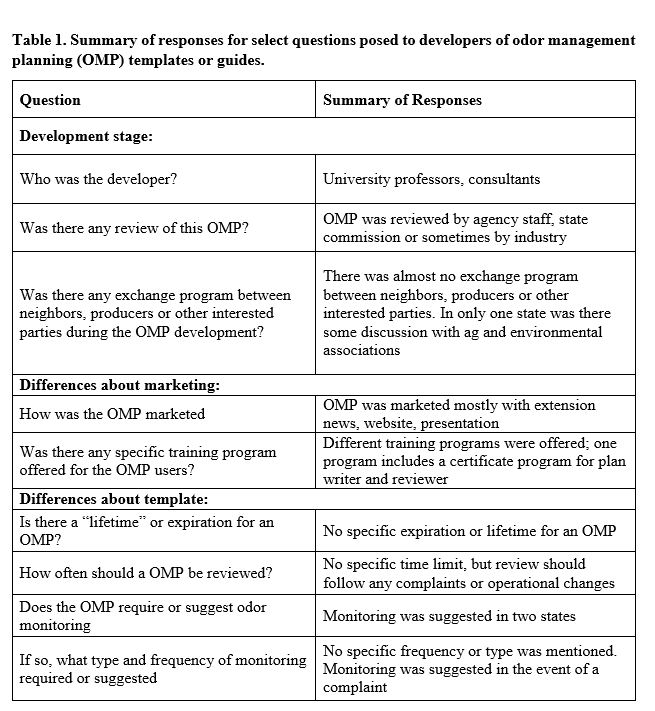
From the questionnaire it was clear that though an odor management plan is not a mandatory requirement in most of the states surveyed, the developers produced these guides for the betterment of the livestock industry of their state. During development of the OMPs, there was little exchange between producers, neighbors or policy makers collectively. Also, the use, evaluation and impact of the OMP templates was not tracked. There was not extensive marketing for the odor management plan guides aside from extension news updates and some presentations.

The pattern or format of the OMPs from the four different states was similar. Documentation of odor sources and record keeping of odor complaints was encouraged in all with a tabulated form. Michigan’s was the only guide to suggest quantitative estimation of odor impact, even though there are some nice and effective tools available to make these calculations for most states and regions. Odor monitoring was suggested in two states and one state suggested third party monitoring keep the assessment unbiased. Table 1 presents an overall review of questionnaire findings for the four states surveyed.

Table 1. Summary of responses for select questions posed to developers of odor management planning (OMP) templates or guides

All four odor footprint tools were compared based on the odor emission estimates and dispersion model incorporation. Two of the tools considered terrain factors in odor dispersion calculations. Additional comparisons are shown in Table 2.

Table 2. Comparison of odor setback/odor footprint estimation tools

Future Plans

Building off of the feedback from OMP developers in other states, we plan to engage multiple interest groups in identifying the scope, use and dissemination of an OMP developed for South Dakota. There will be an emphasis on conflict resolution in the event of odor complaints so that odor complaints can be resolved locally (between neighbors) as much as possible.

Corresponding author, title, and affiliation

Suraiya Akter, Graduate Research Assistant, Agricultural and Biosystems Engineering, South Dakota State University

Corresponding author email

suraiya.akter@sdstate.edu

Other authors

Erin Cortus, Associate Professor and Environmental Quality Engineer, Agricultural and Biosystems Engineering, South Dakota State University

Additional information

erin.cortus@sdstate.edu

Acknowledgements

We would like to thank Dr. Jerry May (MSU), Mr. David Schmidt (UMN), Mr. Karl Dymond (Pennsylvania State), Dr. Richard Koelsh (UNL) for their kind response to the questionnaire.