GHG Mitigation Opportunities for Livestock Management in the U.S.

Waste to Worth: Spreading science and solutions logoWaste to Worth home | More proceedings….

Purpose

The purpose of this project is to review the current understanding of methodologies available for the mitigation of Greenhouse gas emissions from livestock production. Greenhouse gas emissions from livestock production are largely associated with naturally occurring biological processes in the animal and particularly within the symbiotic microorganisms associated with these animals and their excreted waste products.  Enteric emissions are primarily a result of CH4 producing microorganisms, called methanogens that exist in the gastrointestinal tract of most animals.  However the quantity produced by these methanogens is dependent on the development of the gastrointestinal tract of the animal that they are associated with.  For example, ruminants produce a much greater quantity of methane because of the presence and fermentative capacity of the rumen that monogastrics, such as swine, do not have.  Although non-ruminant species can also produce methane via hindgut fermentation, the quantities of methane associated with hindgut fermentation are much less than that of foregut fermenters, such as ruminants.  To clarify, in 2009, enteric fermentation contributed 71% of CH4 from agriculture (6,655 Gg of 9,372 Gg CH4), and ruminants were responsible for 96% (6,385 Gg), horses 2.5% (171 Gg) and swine 1.5% (99Gg) of the enteric emissions in the US(EPA, 2009).  Additionally, livestock manure can emit CH4 and N2O during storage and with field application.  Storage conditions (aeration, temperature, pH) as well as manure composition have a major influence on the gases emitted and rates of emission.  Methane emissions from manure that is stored can be reduced by cooling, covering, separating solids from slurry, or by capturing the CH4 emitted.

What did we do

We conducted a thorough review of the existing literature regarding GHG emissions from livestock in the U.S.

What have we learned

We have learned that there are myriad opportunities to reduce GHG emissions from livestock.  Additionally, many of the practices that will reduce GHG emissions will also tend to concomitantly increase the efficiency of production of the livestock and their products.  Unfortunately, there are limited amounts of data on the potential unintended side effects also associated with the push for improved efficiencies from livestock production.  While some practices may target specific modes of GHG emissions, most are focused on improving the overall efficiency of production.

Future plans

We are currently working to expand our research capabilities to evaluate future mitigation techniques and continue to work with EPA and USDA on numerous public projects to enhance producer mitigation of GHG emissions.

Additional Information

A thorough review (Carbon Sequestration and Greenhouse Gas Fluxes in Agriculture: Challenges and Opportunities) of the issues discussed here and in agriculture in general is available at the Council for Agricultural Science and Technology website ( http://www.cast-science.org/publications/?carbon_sequestration_and_greenhouse_gas_fluxes_in_agriculture_challenges_and_opportunities&show=product&productID=27392 )

Authors

Shawn Archibeque, Colorado State University

The authors are solely responsible for the content of these proceedings. The technical information does not necessarily reflect the official position of the sponsoring agencies or institutions represented by planning committee members, and inclusion and distribution herein does not constitute an endorsement of views expressed by the same. Printed materials included herein are not refereed publications. Citations should appear as follows. EXAMPLE: Authors. 2013. Title of presentation. Waste to Worth: Spreading Science and Solutions. Denver, CO. April 1-5, 2013. URL of this page. Accessed on: today’s date.

Current and Future Economic Impact of Heat Stress in the U.S. Livestock and Poultry Sectors

Waste to Worth: Spreading science and solutions logoWaste to Worth home | More proceedings….

Why Study Heat Stress in Farm Animals?

Farm animals have well known zones of thermal comfort (ZTC).  The range of ZTC is primarily dependent on the species, the physiological status of the animals, the relative humidity and velocity of ambient air, and the degree of solar radiation.  Economic losses are incurred by the U.S. livestock industries because farm animals are raised in locations and/or seasons where temperature conditions venture outside the ZTC.  The objective of this presentation is to provide current estimates of the economic losses sustained by major U.S. livestock industries from thermal stress and to outline future challenges as animal productivity is improved.  Species (production) considered are: chicken (meat), chicken (eggs), turkey (meat), cattle (meat), cattle (milk), and pig (meat). 

What Did We Do?

Financial losses are the summation of:

  1. decreased performance (growth, lactation, egg production),
  2. change in feed intake,
  3. increased mortality, and
  4. decreased reproduction. 

USDA and industry data were used to estimate the population size of each species in each month of the year, for each of the 50 states.  Weather data from the National Weather Service from 270 stations over a minimum of 70 years were used to estimate mean daily maximum and minimum temperatures and relative humidity, and their variances. 

A model based on an abrupt threshold and linear decrease in performance and reproduction and a linear increase in mortality above and below the ZTC is used for each species.  Solar radiation and air velocity are assumed negligible.  Probabilities of exceeding minimum or maximum values of ZTC are calculated from means and variances of weather data in each of the 50 states.  Four scenarios of losses are estimated. 

Total potential losses are calculated as if no thermal stress abatement strategies were used by any of the animal industries.  This estimate is biased upwards, as most animal production systems uses some form of active cooling, but it is used to set a ceiling to the magnitude of the actual losses.  For each species, losses are also calculated under minimum cooling (fans), intermediate cooling (fans and sprinklers), and extensive cooling (evaporative cooling).  For each state and for each species the optimal strategy is the one that among the four results in the minimum financial losses under Monte Carlo simulations (1000 year replicates). 

What Did We Learn?

At current production levels, the optimum cooling system varies considerably across species and states.  Nationally, heat stress results in total economic losses ranging between $1.9 and $2.7 billions per year.  Although projected increases in ambient temperatures (+ 1.2 to 1.3 °F by 2050) will result in additional financial losses, the additional metabolic heat resulting from the projected increase in animal productivity will have far greater impact, between 2 and 4 times as much as global warming.  Considering that all moderate to intensive animal cooling system currently in use require substantial amounts of water and are approaching their maximum cooling capacity, technical innovations that will be both water and energy efficient will be badly needed before 2050.

Authors

Normand R. St-Pierre, The Ohio State University, Columbus, OH-43201


The authors are solely responsible for the content of these proceedings. The technical information does not necessarily reflect the official position of the sponsoring agencies or institutions represented by planning committee members, and inclusion and distribution herein does not constitute an endorsement of views expressed by the same. Printed materials included herein are not refereed publications. Citations should appear as follows. EXAMPLE: Authors. 2013. Title of presentation. Waste to Worth: Spreading Science and Solutions. Denver, CO. April 1-5, 2013. URL of this page. Accessed on: today’s date.

Coupling Dairy Manure Anaerobic Digesters with Commercial Greenhouses – An assessment of Technical and Economic Feasibility

Waste to Worth: Spreading science and solutions logoWaste to Worth home | More proceedings….

Abstract

Despite all of the positive environmental benefits of anaerobic digestion, the economics are not sufficient for widespread adoption by US farmers when selling surplus power to the grid.  Often farms are only paid the wholesale price (2 to 3 cents/kWh) for electricity, making it difficult to justify generating it in the first place.  In addition, typically in the Northeast, approximately 40% of the energy from a digester goes unused (excess heat).  Therefore, promising value-added technology/business partnerships need to be evaluated and demonstrated, such as partnering anaerobic digestion with commercial greenhouses. 

Greenhouses are an ideal end user of the waste heat and surplus electricity produced by a digester.  In the Northeast and other similar climates, heat and electricity represent a major expense for greenhouse growers.  Greenhouses can make use of excess heat to provide the necessary growing conditions for year-round production and excess electricity can be used to run supplemental lighting to keep production constant year-round.

To facilitate the adoption of digester/greenhouse unions, we are developing a comprehensive computer model of both the energy output of farm-based digesters, the energy requirements of the associated farm, and the energy required by greenhouses, in terms of timing and magnitude.  We will use existing and project-developed data collected from five Northeast digesters and three greenhouse operations to aid in developing and validating the model.  The model will be complex enough to handle varying biomass inputs and required outputs, and the economics of operation.  We will use the model to run several real-world “what ifs” and use the outputs for making recommendations to existing anaerobic digesters considering coupling with greenhouses. System economics are also going to be included.

Authors

Curt Gooch, Cornell PRO-DAIRY cag26@cornell.edu

Tim Shelford, Cornell PRO-DAIRY


The authors are solely responsible for the content of these proceedings. The technical information does not necessarily reflect the official position of the sponsoring agencies or institutions represented by planning committee members, and inclusion and distribution herein does not constitute an endorsement of views expressed by the same. Printed materials included herein are not refereed publications. Citations should appear as follows. EXAMPLE: Authors. 2013. Title of presentation. Waste to Worth: Spreading Science and Solutions. Denver, CO. April 1-5, 2013. URL of this page. Accessed on: today’s date.

Online Bioenergy Training for Extension Educators

Waste to Worth: Spreading science and solutions logoWaste to Worth home | More proceedings….

Purpose

The online Bioenergy Training Center provides educational training resources for Extension educators focused not only on the technical feasibility of bioenergy generation, but also on approaches and processes that assist communities in understanding the comprehensive implications of bio-based alternative energy. The intended outcome of the courses is to bring viable bioenergy projects into communities by providing Extension educators with tools and knowledge they can use to make this happen.

What Did We Do?

Developed three peer-reviewed, research-based online modular courses. Content was developed by experts from across the North Central Region. Included in one of the modules is a bioenergy and renewable energy community assessment toolkit.

Screen shot of the front page of the Bioenergy Training web site.

What Have We Learned?

The curriculum went live on the web in February 2013. We have not received any feedback on it to date. However, based on the reviews of individuals who used the bioenergy and renewable energy community assessment toolkit in 2012, it does a very good job of helping developers and communities objectively assess renewable energy projects.

Future Plans

Use the curriculum as a foundation for distance learning courses targeting other audiences.

Authors

M. Charles Gould, Extension Educator, Michigan State University, gouldm@msu.edu

Over 50 individuals participated in some aspect of curriculum development.

Additional Information

The Bioenergy Training Center web site is being revamped. It will be posted here at a later date.

Acknowledgements

Curriculum materials and training programs of ‘The Bioenergy Training Center’ were made possible through a grant from the National Water Resources Program, National Institute of Food and Agriculture, U.S. Department of Agriculture. NIFA/USDA Agreement No. WISN-2007-03790. Project Title: “Energy Independence, Bioenergy Generation and Environmental Sustainability: The Role of a 21st Century Engaged University”.

The authors are solely responsible for the content of these proceedings. The technical information does not necessarily reflect the official position of the sponsoring agencies or institutions represented by planning committee members, and inclusion and distribution herein does not constitute an endorsement of views expressed by the same. Printed materials included herein are not refereed publications. Citations should appear as follows. EXAMPLE: Authors. 2013. Title of presentation. Waste to Worth: Spreading Science and Solutions. Denver, CO. April 1-5, 2013. URL of this page. Accessed on: today’s date.

Direct Measurements of Methane Emissions from a Dairy Lagoon in Northeast Colorado

Waste to Worth: Spreading science and solutions logoWaste to Worth home | More proceedings….

Abstract

Methane (CH4) emissions from cattle feedlots and dairies could represent a large component of agriculture’s greenhouse gas (GHG) inventory.  A significant source of CH4 is anaerobic lagoons used to store and process manure slurries.  Understanding these systems is a crucial step in quantifying the carbon budgets of livestock operations.  New open-path CH4 analyzers provide a method for measuring CH4 emissions from waste lagoons on a near continuous basis.  The resulting data will help to better quantify GHG emissions related to beef and milk production. At a commercial dairy in northeastern Colorado during 2011 – 2012, emissions of CH4 were measured at the on-site waste lagoon (3.1-ha) using a micrometeorological measurement technique called eddy covariance (EC). The only method to directly measure fluxes of energy and trace gases at the field-scale, EC is widely utilized around the globe to quantify carbon and water budgets for a variety of ecosystems and landscapes. Methane fluxes peaked around 7 mol m^-2 d^-1 in mid- to late-summer 2012, with much variability from Jul – Oct (5 +/- 1.4 mol m^-2 d^-1). Yearly carbon budgets for the release of methane from the lagoon will be examined as well.

Authors

Kira Shonkwiler, Colorado State University, Dept of Atmospheric Science              kshonk@atmos.colostate.edu

Dr. Jay Ham, Colorado State University, Dept of Soil and Crop Sciences, Christina Williams, Colorado State University, Dept of Soil and Crop Sciences


The authors are solely responsible for the content of these proceedings. The technical information does not necessarily reflect the official position of the sponsoring agencies or institutions represented by planning committee members, and inclusion and distribution herein does not constitute an endorsement of views expressed by the same. Printed materials included herein are not refereed publications. Citations should appear as follows. EXAMPLE: Authors. 2013. Title of presentation. Waste to Worth: Spreading Science and Solutions. Denver, CO. April 1-5, 2013. URL of this page. Accessed on: today’s date.

Measuring Greenhouse Gas and Nitrogen Gaseous Losses When Comparing Bulking Agents Used to Compost Separated Hog Solids

Waste to Worth: Spreading science and solutions logoWaste to Worth home | More proceedings….

Why Study Composting Separated Manure Solids?

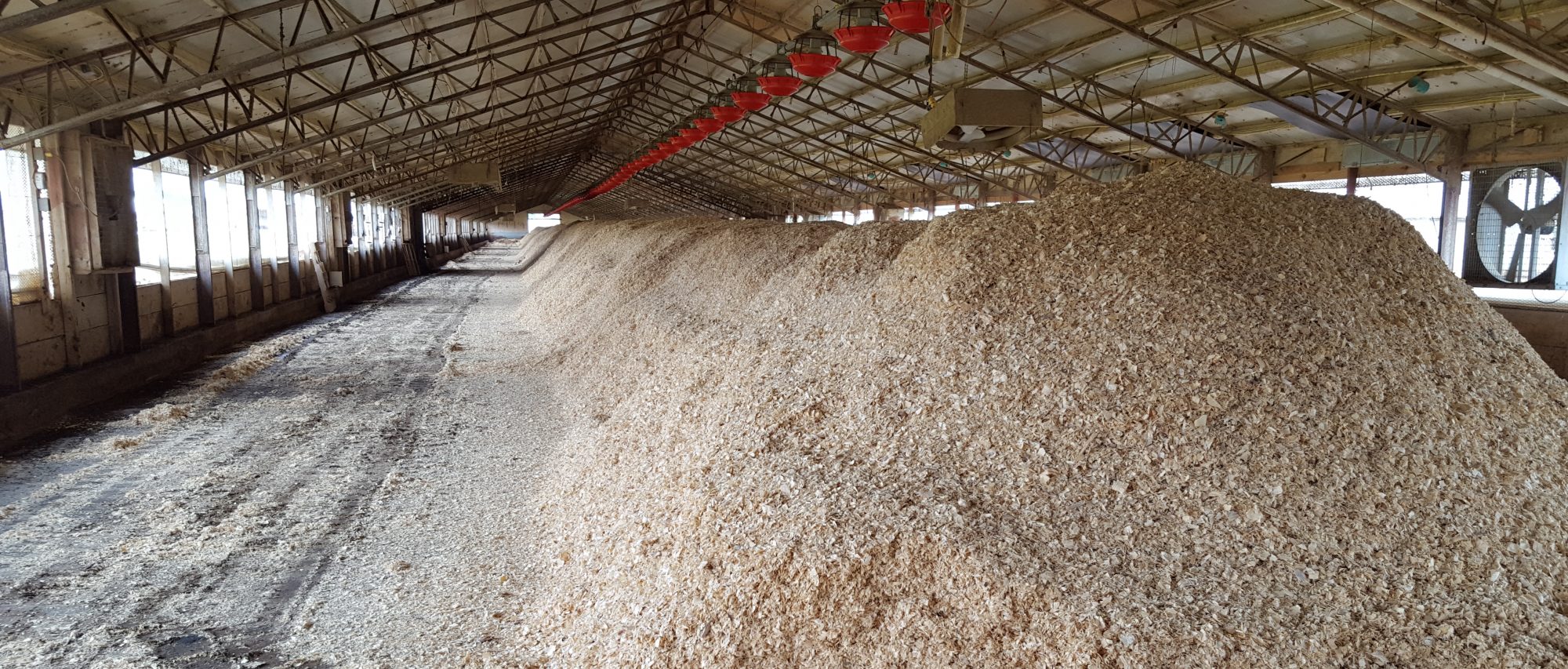
This research is evaluating management options for conventional hog producing facilities in regions of Manitoba that will have insufficient land base for sustainably applying raw slurry manure when manure application regulations switch from nitrogen based to phosphorus based rates. Producers are being encouraged to use solid-liquid separation, such as centrifugation, to remove the phosphorus rich solid fraction so that it can be transported and applied further away where there is a phosphorus deficiency. However, the resulting separated hog solids (SHS) product is still odorous and prone to nitrogen losses through ammonia volatilization. Therefore, it has been suggested that composting the SHS before it is applied is a beneficial management practice that would allow producers to capitalize on agricultural and environmental benefits such as reduced odours, stabilization of minerals, application of a homogeneous product, and acts as a multi-beneficial soil conditioner. However, the low starting C:N of 15:1 and small particle size of SHS make it a unique and challenging product to compost in windrows, a common form of large production on-farm composting. The SHS must be combined with a bulking agent that allows adequate nutrient balance for decomposition as well as a porous structure. Therefore, this project is comparing wood shavings (WS) and wheat straw (WHT) as bulking agents to evaluate which is the better management practice based upon minimizing greenhouse gas emissions and additional nitrogen gas losses as well as overall quality of the mature compost. 

LI-8100a automated flux chamber

What Did We Do?

Starting in October 17, 2012 we created two windrows containing SHS, one with wood shavings as a bulking agent and one with wheat straw. The materials were mixed in a feed mixer to produce a homogeneous mixture with the initial starting parameters shown in Table 1. The windrows were turned once a week for the first four weeks with a Backus windrow turner.

Gas emissions were measured with the use of the highly innovative technology of the LI-8100a automated chamber system (LICOR BioSciences) and Fourier Transform Infrared spectroscopy (FTIR) multi-gas analyzer (Gasmet DX4015). By combining these two instruments it has the advantage of nearly continuous unattended data collection and simultaneous measurement of greenhouse gases (carbon dioxide, methane, nitrous oxide) and additional nitrogen gases (ammonia, nitrous dioxide, and nitrogen monoxide). There were four automated chambers on each windrow; a flux measurement was taken every half hour, alternating between the two windrows. Flux emissions were calculated using linear regression analysis.

Table 1. Initial starting parameters for the two windrows

Initial In-process Compost

Starting C:N

Starting Moisture %

Starting Bulk Density (kg/m3)

Starting pH

WHT + SHS

32.5

63.70

170.5

6.86

WS + SHS

35.5

60.45

350

6.5

The temperature, % oxygen, and moisture content of the windrows were recorded to identify when the compost needed to be turned and to track the composting process and relate it to the gases emitted.

Backhus compost windrow turner

What Have We Learned?

In September 2011 we conducted a trial that used straw as a bulking agent but found the contact between the separated hog solids and straw was poor due to the difference in particle size allowing for large pore spaces and the waxy texture of straw. The porous structure made it difficult to maintain moisture in the compost windrow and when water was added some of the separated hog solids actually “washed off”.  In the winter, the windrow wasn’t big enough or it was too porous that it did not insulate well so self heating stopped and the pile froze in January. These problems slowed the decomposition process and resulted in compost with straw pieces still visible.

For this trial we decided to try using wood shavings as an alternative bulking agent, because wood shavings have a smaller particle size which we predicted would result in better contact with the separated hog solids and a less porous structure allowing better insulation against the weather (water loss in the summer, heat loss in the winter). Additionally, it is expected that wood shavings are also beneficial in reducing ammonia losses.

However, during this trial we experienced much wetter and cooler conditions compared to the year before, so we did not have to add water to the windrows. This was beneficial for the windrow with straw because the moisture content did not decline resulting in a steady rate of decomposition during the first month of composting noted by continuous CO2 emissions. Eventually the moisture content became too high creating anaerobic conditions and the production of CH4 after the second and fourth turnings. NO2 emissions were also detected during the same time as CH4, indicating some aerobic respiration occurring. After CO2 emissions reduced there was a small amount of N2O and NO measured.

The windrow with wood shavings took a little longer to start producing CO2 because it became anaerobic from the start. CH4 was produced much early and at higher emission rates compared to the windrow with the straw as a bulking agent. N2O, NO, and NO2 were emitted at the same time as CH4, indicating there were anaerobic and aerobic pockets throughout the windrow. N2O emissions continued after CO2 emissions declined.

Composting in the winter

After the windrows had been in the active stage of composting for three months, the temperature within the windrows gradually declined and both windrows froze up in early January.

We are currently in the process of calculating the ammonia flux determinations. Due to the nature of ammonia it is prone to absorbtion reactions on the surface of the LI-8100a and FTIR systems’ tubing. The surface reactions cause a time delay for the FTIR to analyze the concentration compared to the other gases. Thus, this gas requires a different time interval to calculate the flux.

Future Plans

A common problem with using chamber measurements on compost windrows is underestimation of gas emissions from chambers placed on the top of the windrow when high winds blow through the windrow horizontally, reducing the “chimney effect”. Having the ability to collect gas emission data at such a high frequency using the LI-8100a automated chamber and FTIR system allows us to identify when gases emissions may be underestimated due to wind. The next step is to determine if we can correlate the wind speed and direction with under estimation of gas losses.  

Authors

Jolene Rutter, MSc. Candidate, University of Manitoba, Jolene_rutter@hotmail.com

Mario Tenuta, Canada Research Chair in Applied Soil Ecology, University of Manitoba

Matt Gervais, Soil Ecology Field Technician, University of Manitoba

Acknowledgements

Western Economic Diversification Canada, Manitoba Pork Council, Manitoba Horticultural Productivity Enhancement Centre, Manitoba Rural Adaptation Council, NSERC, National Center for Livestock and the Environment, University of Manitoba Soil Ecology Laboratory, Glenlea Research Farm, Prairie Agricultural Machinery Institute, Compo-stages, Puratone


The authors are solely responsible for the content of these proceedings. The technical information does not necessarily reflect the official position of the sponsoring agencies or institutions represented by planning committee members, and inclusion and distribution herein does not constitute an endorsement of views expressed by the same. Printed materials included herein are not refereed publications. Citations should appear as follows. EXAMPLE: Authors. 2013. Title of presentation. Waste to Worth: Spreading Science and Solutions. Denver, CO. April 1-5, 2013. URL of this page. Accessed on: today’s date.

Software For Evaluating the Environmental Impact of Dairy and Beef Production Systems

Waste to Worth: Spreading science and solutions logoWaste to Worth home | More proceedings….

Why Model Environmental Impacts of Livestock?

Quantifying the long term environmental impacts of dairy and beef production is complex due to the many interactions among the physical and biological components of farms that affect the amount and type of emissions that occur. Emissions are influenced by climate and soil characteristics as well as internal management practices. Software models are needed to perform an integrated and comprehensive assessment of all important environmental and economic effects of farm management and mitigation strategies. Related: Manure value & economics

What Did We Do?

Figure 1. The Integrated Farm System Model simulates the performance, determines the economics, and predicts the air and water emissions of farm production systems.

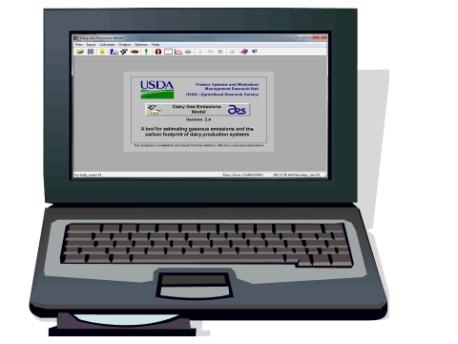
Software tools were created that perform whole-farm analyses of the performance, economics and environmental impact of dairy and beef production systems. The Integrated Farm System Model (IFSM) is a comprehensive research tool that simulates production systems over many years of weather to quantify losses to the environment and the economics of production. From the simulated performance and losses, environmental footprints are determined for carbon, energy use, water use and reactive nitrogen loss. Crop, dairy and beef producing farms can be simulated under different management scenarios to evaluate and compare potential environmental and economic benefits. The Dairy Gas Emissions Model (DairyGEM) provides a simpler educational tool for studying management effects on greenhouse gas, ammonia and hydrogen sulfide emissions and the carbon, energy and water footprints of dairy production systems.

What Have We Learned?

Analyses with either the IFSM or DairyGEM tools illustrate the complexity of farming systems and the resultant effect of management choices. Although IFSM was primarily developed and used as a research tool, it is also used in classroom teaching and other education applications. DairyGEM provides an easier and more graphical tool that is best suited to educational use.

Future Plans

Figure 2. DairyGEM is an educational tool for evaluating management effects on air emissions and environmental footprints of dairy production systems.

Development of these software tools continues. Work is currently underway to add the simulation of VOC emissions to both models. Routines are also being implemented to better represent the performance and emissions of beef feed yards.

Authors

C. Alan Rotz, Agricultural Engineer, USDA/ARS; al.rotz@ars.usda.gov

Additional Information

The IFSM and DairyGEM software tools are available through Internet download [https://www.ars.usda.gov/research/software/?modeCode=80-70-05-00] for use in individual, workshop and classroom education. Reference manuals and other detailed information on the models is also available at this website.

Acknowledgements

Many people have contributed to the development of these models and software tools. Although they can not all be listed here, they are acknowledged in each software program.

The authors are solely responsible for the content of these proceedings. The technical information does not necessarily reflect the official position of the sponsoring agencies or institutions represented by planning committee members, and inclusion and distribution herein does not constitute an endorsement of views expressed by the same. Printed materials included herein are not refereed publications. Citations should appear as follows. EXAMPLE: Authors. 2013. Title of presentation. Waste to Worth: Spreading Science and Solutions. Denver, CO. April 1-5, 2013. URL of this page. Accessed on: today’s date.

Animal Agriculture for a Changing Climate – Stakeholder Forum

Waste to Worth: Spreading science and solutions logoWaste to Worth home | More proceedings….

Why Is This Topic Important?

Climate change adaptation and mitigation is an emerging issue for animal agriculture research and extension.  A national team of Extension professionals is developing a web-based educational course, website, and related materials to provide comprehensive education for Extension agents and educators about the latest research, management methods, and tools.  The objectives of this project are: 1) to build a foundation of knowledge; 2) facilitate learning across U.S. regions, and; 3) provide a shorter time from research to extension to application.  The project has a P.I. and an Extension professional in each of five regions across the United States as well as a national P.I. and project coordinator to facilitate having a coordinated national educational effort that is regionally relevant and accessible.     

What Will Be Learned In This Presentation?

The goal of the forum will be to hear from stakeholders: farmers, industry, Extension, and others on how this project, and Extension generally, can best serve their needs related to climate change.

Presenters

Crystal Powers, Project Coordinator Animal Agriculture and Climate Change, University of Nebraska – Lincoln cpowers2@unl.edu

Each of these Extension Professionals is a Regional coordinator for the Animal Agriculture and Climate Change Project.

  • Pam Knox, Southeastern Region, University of Georgia
  • Jennifer Pronto, Northeastern Region, Cornell University
  • David Schmidt, Midwestern Region, University of Minnesota
  • David Smith, Southwestern Region, Texas A&M University
  • Elizabeth Whitefield, Western Region, Washington State University


The authors are solely responsible for the content of these proceedings. The technical information does not necessarily reflect the official position of the sponsoring agencies or institutions represented by planning committee members, and inclusion and distribution herein does not constitute an endorsement of views expressed by the same. Printed materials included herein are not refereed publications. Citations should appear as follows. EXAMPLE: Authors. 2013. Title of presentation. Waste to Worth: Spreading Science and Solutions. Denver, CO. April 1-5, 2013. URL of this page. Accessed on: today’s date.

What We Feed Dairy Cows Impacts Manure Chemistry and the Environment

Waste to Worth: Spreading science and solutions logoWaste to Worth home | More proceedings….

Why Be Concerned with Feed Rations and Their Environmental Implications?

During the last part of the 20th century, animal manure management became an environmental concern. In response to these concerns, legislation was enacted to control manure management and the emission of undesirable gasses (e.g., methane, ammonia, nitrous oxide) from animal production systems. The purpose of this paper is to illustrate how mineral phosphorus (P) supplements, forage types and amounts, and the crude protein (CP) fed to lactating cows impact manure chemistry and the fate of manure nutrients in the environment.

What Did We Do?

Source-sink relationships have been used to illustrate relationships between feed nutrient sources (e.g., forms and concentrations of P and CP in lactating cows rations) and nutrient sinks (milk and manure), and relationships between manure nutrient sources (e.g., soluble P, urea N) and sinks [soil test P, runoff P, atmospheric ammonia, soil inorganic nitrogen (N), crop N] and the impact of these relationships on the environment.

What Have We Learned?

As mineral P concentrations in dairy rations increase, the excretion of total P and soluble P in manure also increases. The amount of cropland needed to recycle manure P and runoff of soluble P from cropland after manure application can be related back to the P excreted in manure, which in turn can be linked to the amount of mineral P in cow rations.  Likewise, the type and amount of CP and forage fed to dairy cows impact manure chemistry and manure N losses as ammonia, N cycling in soil, including plant N uptake. Ammonia emissions from dairy barns and soil after manure application can be related back to the urea N excreted by dairy cows in urine, which is linked to the types and concentrations of CP and forages in cow rations, and the concentrations of urea in milk (milk urea N, or MUN).  Our results demonstrate that profitable rations can be fed to satisfy the nutritional demands of healthy, high producing dairy cows, reduce manure excretion and therefore the environmental impacts of milk production.

Future Plans

We continue investigations on how the feeding of tannins to lactating dairy cows, and the use of MUN as a management tool  may enhance feed CP use efficiency (more feed CP transformed into milk, less excreted in manure) and reduce losses of ammonia, nitrates and nitrous oxide from dairy farms.

Authors

J. Mark Powell, Soil Scientist. USDA-ARS U.S. Dairy Forage Research Center, Madison, Wisconsin,  mark.powell@ars.usda.gov

Glen A. Broderick,  Dairy Scientist,  USDA-ARS U.S. Dairy Forage Research Center, Madison, Wisconsin

Additional Information

Powell, J.M. and Broderick, G.A. Transdisciplinary soil science research: Impacts of dairy nutrition on manure chemistry and the environment. Soil. Sci. Soc. Am. J. 75:2071–2078.

Powell, J.M. Alteration of Dairy Cattle Diets for Beneficial On-Farm Recycling of Manure Nutrients. pp 21-42  In: Applied Research in Animal Manure Management. Zhongqi H. (Ed.) Nova Science Publ. Inc.

Powell, J.M., Wattiaux, M.A., and Broderick, G.A. Evaluation of milk urea nitrogen as a management tool to reduce ammonia emissions from dairy farms. J. Dairy Sci. 94:4690–4694.


The authors are solely responsible for the content of these proceedings. The technical information does not necessarily reflect the official position of the sponsoring agencies or institutions represented by planning committee members, and inclusion and distribution herein does not constitute an endorsement of views expressed by the same. Printed materials included herein are not refereed publications. Citations should appear as follows. EXAMPLE: Authors. 2013. Title of presentation. Waste to Worth: Spreading Science and Solutions. Denver, CO. April 1-5, 2013. URL of this page. Accessed on: today’s date.
Drying and Rewetting Effects on Gas Emissions from Dairy Manure in Semi-arid Regions

Waste to Worth: Spreading science and solutions logoWaste to Worth home | More proceedings….

Abstract

The major source of emissions in animal production sites is from animal waste (manure), which can be in solid, slurry, or liquid states, exhibiting varying physical properties. Once manure is excreted from an animal, processes of biological decomposition and formation of gaseous compounds continue, but diminish as the manure cools and dries. However, increases in gas emissions following rewetting, particularly from precipitation, have been observed in various agricultural lands. Our study investigates changes of gaseous emissions through manure drying and rewetting processes to identify the effects of climatic conditions and manure management on gaseous emissions. We carried out drying and rewetting processes of dairy manure in a greenhouse to maintain moderate wintertime temperatures (20 – 40 C) while monitoring gaseous emissions through these processes. Closed dynamic chambers (CDC) coupled with a multiplexed Fourier Transformed Infrared (FTIR) spectroscopy gas analyzer provided gas flux estimates. The analyzer was capable of monitoring 15 pre-programmed gases simultaneously including typical gaseous compounds and greenhouse gases emitted from manure sources; namely, ammonia, carbon dioxide, methane, nitrous oxide, oxides of nitrogen, and volatile organic compounds. Magnitude of dairy manure gas emissions resulting from variations in moisture and temperature provide insight toward enhancing manure management decisions. Results from our study should further understanding of manure gas emission temporal dynamics that are largely dictated by heat and by drying and rewetting processes that impact the generation and delivery of gasses to the atmosphere. Our overall goal is to advance development of appropriate best management practices to reduce gas emissions for dairy operations in semi-arid regions.

Purpose

The objective of this project is to identify the effects of climatic conditions and manure management on gaseous emissions. The results from our study will be used to advance development of appropriate best management practices to reduce gas emissions for dairy operations in semi-arid regions.

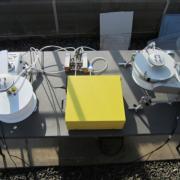
Fig 1. Gas emissions from two dairy manure samples were monitored in a greenhouse to compare the magnitude of gas fluxes through manure drying and rewetting processes.

What Did We Do?

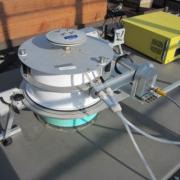
We investigated changes in gaseous emissions by carrying out  drying and rewetting processes of dairy manure in a greenhouse to maintain moderate summertime temperatures (20 – 40 oC) while monitoring gaseous emissions. Closed dynamic chambers (CDC) coupled with a multiplexed Fourier Transformed Infrared (FTIR) spectroscopy gas analyzer provided gas flux estimates. The analyzer was capable of monitoring 15 pre-programmed gases simultaneously including typical gaseous compounds and greenhouse gases emitted from manure sources; namely, ammonia, carbon dioxide, methane, nitrous oxide, oxides of nitrogen, and volatile organic compounds. Gas emissions from two dairy manure samples were monitored to compare the magnitude of gas fluxes during 14 days of manure drying and rewetting processes.

Fig 2. Gas emissions were determined using the closed dynamic chambers integrated with a multiplexed Fourier Transformed Infrared (FTIR) spectroscopy gas analyzer.

What Have We Learned?

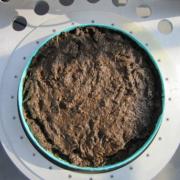
An increase in surface water content occurring after a rewetting event (e.g., simulated 5 mm of rain) represents an abrupt increase in manure moisture content, which can promote microbial activity and a commensurate increase in gas emissions from manure. In our study, we found gas fluxes were actually suppressed during and shortly after the rewetting process, mainly due to reduction in air-filled pore space causing reduced gas diffusivity in the manure crust layer. As the wet layer dried, gas emissions eventually increased to levels prior to wetting.

Future Plans

Future experiments include: (1) simulation of manure drying-rewetting with various amount of water and rewetting times,  (2) considering the immediate response time and effective period of the pulse response of the gas fluxes after rewetting which might have been missed in our study, (3) Further

Fig 3. Manure sample after the rewetting process.

investigation of the effect of the crust layer on water and gas transport from and into manure.

Authors

Pakorn Sutitarnnontr, Graduate Student, Dept. of Plants, Soils, and Climate, Utah State University, pakorn@aggiemail.usu.edu

Enzhu Hu, Dept. of Plants, Soils, and Climate, Utah State University

Rhonda Miller, School of Applied Sciences, Technology, and Education, Utah State University

Markus Tuller, Dept. of Soil, Water, and Environmental Science, University of Arizona

Scott B. Jones, Dept. of Plants, Soils, and Climate, Utah State University

Additional Information

Contact Information: Pakorn Sutitarnnontr, Environmental Soil Physics Laboratory, Dept. of Plants, Soils, and Climate, Utah State University. Email: pakorn@aggiemail.usu.edu

Acknowledgements

The authors gratefully acknowledge support from the USDA-NIFA under the AFRI Air Quality Program (Grant # 2010-85112-50524) and the Western Sustainable Agriculture Research and Education Program (Grant # GW13-006).

The authors are solely responsible for the content of these proceedings. The technical information does not necessarily reflect the official position of the sponsoring agencies or institutions represented by planning committee members, and inclusion and distribution herein does not constitute an endorsement of views expressed by the same. Printed materials included herein are not refereed publications. Citations should appear as follows. EXAMPLE: Authors. 2013. Title of presentation. Waste to Worth: Spreading Science and Solutions. Denver, CO. April 1-5, 2013. URL of this page. Accessed on: today’s date.