Manure Technology Video Series


Can Video Be Used as a ‘Virtual’ Tour?

Producers are reluctant to adopt new technologies without firsthand experience with the technology. It is particularly difficult to get positive exposure for manure related issues in traditional media. Creative methods are needed to expose producers to useful technologies for handling and treating animal wastes. The OSU Waste Management Youtube channel was created to provide virtual tours of manure treatment and handling technologies.

What did we do?

Fourteen videos highlighting innovative manure handling and treatment technologies were filmed, edited, and produced by the Oklahoma Cooperative Extension Service. We specifically sought out producers who successfully adopted technologies to the particular conditions of their farms.

What have we learned?

In its five years of existence, the OSU Waste Management Youtube channel has been viewed more than 53,000 times (120,000 minutes viewed) from 183 countries and all fifty states – plus Guam, Puerto Rico and the District of Columbia.

Future Plans

We will continue to add new videos to the channel.

Authors

Douglas W. Hamilton, Associate Professor Oklahoma State University dhamilt@okstate.edu

Craig A. Woods, Video Producer/Director Ag Communication Services, Oklahoma State University

Additional information

https://www.youtube.com/user/OSUWasteManagement

The authors are solely responsible for the content of these proceedings. The technical information does not necessarily reflect the official position of the sponsoring agencies or institutions represented by planning committee members, and inclusion and distribution herein does not constitute an endorsement of views expressed by the same. Printed materials included herein are not refereed publications. Citations should appear as follows. EXAMPLE: Authors. 2015. Title of presentation. Waste to Worth: Spreading Science and Solutions. Seattle, WA. March 31-April 3, 2015. URL of this page. Accessed on: today’s date.

Technologies for Anaerobic Digestion of Flushed Swine Manure

Hog farmers face a unique challenge to implement digestion — namely the low volumetric methane yield of wet swine manure.  The most common digester used on hog farms using flushing systems is the covered lagoon.  This presentation explores the technical feasibility of high rate reactors for low solids swine manure.  Systems compared are Contact Stabilization Reactors, Upflow Anaerobic Sludge Blanket Reactors (UASB), Fixed Filmed Reactors, and Anaerobic Sequencing Batch Reactors (ASBR).  Contact Stabilization and UASB technology have been available since the 1970s, but are mostly found in industrial settings. Their main drawback for swine manure treatment is the required operator skill level.  UASB digesters also have difficulty handling the uneven solids flow from flushed or pull-plug barns.  Fixed film reactors have been successfully used in agriculture, but require solids separation before digestion.  The separator creates two waste streams and removes organic matter that could potentially be available for digestion.  ASBR technology was developed in the 1990s.  An ASBR digester was successfully operated at the Oklahoma Swine Research and Education Center in the 2000s.  Hydraulic retention time for this farm scale ASBR ranged between 5 and 20 days.  Maximum methane yield was 0.55 m3 CH4 kg-1 VS day-1.  Organic matter reduction efficiency was 50 to 75 % measured as Chemical Oxygen Demand (COD).  Current work on solids settling and retention will allow ASBR digesters to reach their full potential in swine production systems. Related: Treatment Technologies for Livestock Manure

Why Consider Anaerobic Digestion on Pig Farms?

Anaerobic digestion can reduce the carbon footprint of swine production, while substantially lowering the fossil fuel energy required to feed and raise hogs. However, economic analyses show that anaerobic digestion on swine farms using complete mix digesters to produce electrical energy have a net negative present value unless carbon credits in the price range of $10 to $12 per metric ton of CO2eq are given for methane emissions reduced (Cowley, 2015). The two factors negatively affecting the economic viability of complete mix digesters are high capital cost and relatively low biogas output of reactors. Capital cost of digesters is directly related to the hydraulic retention time (HRT) of reactors. Farm-scale complete-mix digesters treating swine manure have retention times ranging from 18 to 30 days (Fisher, et al., 1979; Schulte, et al., 1985; Zhang, et al., 1990). Methane yields of these digesters was between 0.22 to 0.25 m3 CH4 kg-1 V S, and reactor volumetric efficiencies ranged between 0.35 to 0.40 m3 CH4 m-3 reactor day-1.

What did we do?

High rate digesters are reactors that separate solids retention time (SRT) from HRT. High rate reactors shorten HRT, which results in smaller, less costly digesters. High rate digesters also have higher methane yields than complete mix reactors. Several high rate systems have successfully treated swine manure at the laboratory and pilot scale. Systems tested include fixed film, suspended particle attached growth (SPAG), and upflow anaerobic sludge blanket (UASB) reactors treating the liquid portion of swine manure after solid-liquid separation; and contact stabilization, anaerobic sequencing batch (ASBR), and anaerobic baffled (ABR) reactors treating whole, diluted swine manure. ASBR systems have used both single reactor and multiple reactors in series. Despite the success of laboratory studies, few farm-scale high rate reactors exist on the farm scale.you

What have we learned?

A 400 m3, single vessel ASBR was operated for two years on a 128 sow farrow-to-finish hog farm at the Oklahoma State University Swine Research and Extension Center. (Hamilton and Steele, 2014) . Methane yield was 0.55 m3 CH4 kg-1 VS, and COD removal efficiency was 73% when operated at a 20 day HRT with operating temperature ranging between 22 and 32oC. Methane yield was 0.38 m3 CH4 kg-1 VS and COD removal efficiency was 57% when operated at a 5 day HRT with operating temperature between 22 and 24oC. The digester, as built, was 4 times larger than it needed to be. Using microbial kinetic modeling, the volumetric efficiency of a 100 m3 digester operating at 5 day HRT was estimated to be 0.73 m3 CH4 m3 reactor day-1.

Future Plans

Further work with ASBR digesters is underway. We are working to improve the mixing, settling, and solids trapping efficiency of the ASBR. ASBR reactors are also highly adaptable to receive high energy low solids digestion co-products. Pilot testing has shown volumetric efficiency of swine manure ASBR can be increased 4 to 6 fold with augmentation with waste glycerol from biodiesel production.

Author

Douglas W. Hamilton, Associate Professor at Oklahoma State University

dhamilt@okstate.edu

Additional information

Cowley, C. 2015. Economic Feasibility of Anaerobic Digesters with Swine Operations. Unpublished Thesis. Stillwater, OK: Oklahoma State University.

Fisher, J.R., N.F. Meador, D.M. Sievers, C.D. Fulhage, and E.L. Iannotti. 1979. Design and operation of a farm anaerobic digester for swine manure. Trans ASABE 22(5):1129.

Hamilton, D.W. and M.T. Steele. 2014. Operation and performance of a farm-scale anaerobic sequencing batch reactor treating dilute swine manure. Trans ASABE. 57(5):1473.

Schulte, D.D., Kottwitz, T.J. Siebenmorgen. 1985. Design and operation of a flexible cover, precast concrete anaerobic digester for swine manure. Pp 509-515, in Agricultural Waste Utilization and Management, Proceedings of the 5th International Symposium on Agricultural Wastes. St Joseph, MI: ASABE.

Zhang, R.H., J.R. North, and D.L. Day. 1990. Operation of a field-scale anaerobic digester on a swine farm. Applied Engineering in Agriculture. 6(6):771.

The authors are solely responsible for the content of these proceedings. The technical information does not necessarily reflect the official position of the sponsoring agencies or institutions represented by planning committee members, and inclusion and distribution herein does not constitute an endorsement of views expressed by the same. Printed materials included herein are not refereed publications. Citations should appear as follows. EXAMPLE: Authors. 2015. Title of presentation. Waste to Worth: Spreading Science and Solutions. Seattle, WA. March 31-April 3, 2015. URL of this page. Accessed on: today’s date.

Composting of Dairy Manure and Grape Vine Prunings as a Tool to Better Manage Both Industries Waste and Reduce Their Environmental Impact


Why Look at Grapevine Prunings As a Compost Feedstock?

The objectives of this research and Extension project were:

  • To determine the impact of mixing grape vine prunings with dairy manure in a compost mix on the composting process and final product.
  • In particular, we were interested in determining if nitrogen gets fixated into the compost mix with increased carbon content.
  • To evaluate if composting is a workable alternative to annual grape vine prunings burning. Stopping this annual burning will reduce vineyards environmental footprint.
  • To demonstrate three different on-farm composting techniques. Mechanically turned (MT), passive aerated (PA), and forced aerated composting (FA).

What did we do?

field day at compost pilesWe teamed up with a grape and a dairy producer and we built a series of windrows to showcase the three different composting techniques and to research the effects of mixing both waste streams. Grape vine prunings were grounded and mixed with open lot dairy manure. Carbon content of the mix was adjusted to meet organic production standards since the vineyard hosting the project was certified organic. Since the carbon to nitrogen ratio (C:N) of the grounded grape vine prunings was on the low side (80:1), horse stable sawdust and straw from the local county fairgrounds were also used to help increase the C:N. Three replications of each system (MT, PA, and FA) were built with the enhanced carbon mix. A third set of three replications with dairy manure as received (some straw but no added carbon) were built using the mechanically turned system (MTMA) to serve as a control and comparison for that system. In addition to collecting data to evaluate th e effects of the added carbon, the project included two field days where all the systems, how to construct them, and their advantages and challenges were showcased.

What have we learned?

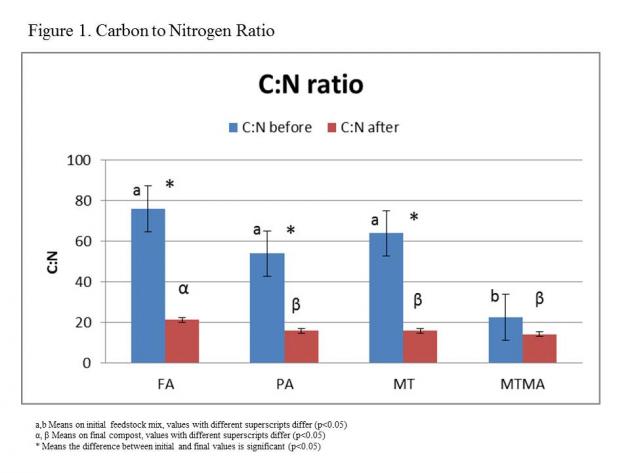
carbon to nitrogen rationThe initial feedstock mix C:N was significantly higher in the carbon enhanced windrows as expected, but the final C:N ratio of the compost was not significantly different among most systems and between the enhanced mix and the just manure mix (Figure 1). The C:N reduction between the initial mix and the final compost was significant in all systems of the carbon enhanced windrows, but not significant in the just manure mix (MTMA).

total nitrogenAs expected, the initial mix total nitrogen (TN) was significantly lower in the carbon (C) enhanced windrows compared to the just manure windrows (Figure 2). TN in the finished compost had no significant difference among all the systems. The difference between the initial mix and final compost TN wasn’t significant among C enhanced windrows, but highly significant in net values (10.08 Lb/T of N on dry weight basis; p<0.0001) on the just manure windrows. This difference in TN, coupled with the no significant difference in C:N, suggests the loss of nitrogen as ammonia during the composting process in the windrows made of just manure. Net nitrogen loss was significantly lower in the C enhanced windrows (1.45 Lb/Ton).

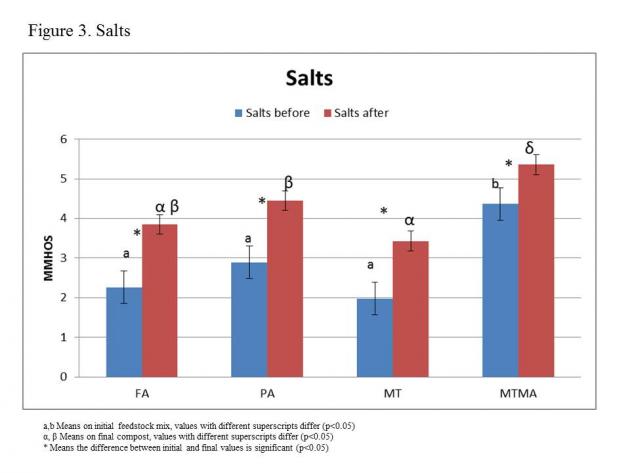
saltsSalts concentrations (mmhos) difference between initial mixes and final compost was significant in all windrows, with higher values in the final compost as expected due to the concentration effect that composting volume reduction has (Figure 3). Salt concentrations in the just manure windrows were significantly higher compared to the carbon enhanced mix. There is a dilution effect when carbon is added in the initial mix (lower manure mass per initial mix unit). Similar dilution trends were observed for phosphorous (P), potassium (K), and micronutrients. Carrying this dilution effect in the final compost can be beneficial when land applying compost since application rates can be increased, increasing the nitrogen and carbon content of the application (desirable conditions) by the time the limiting components in our soils (usually P, K, or salts) are reached.

Screening of the carbon enhanced windrows generated a refuse (bigger size particles) containing pieces of grape prunings that can be used as mulch to control weeds in the vineyard or other production units. When PFRP is achieved, plant pathogens in the mulch can be considered absent or inhibited, and the mulch will be usable on the same or similar plant species.

The PA and MT windrows with enhanced carbon mix reached USEPA-PFRP. FA system didn’t reach PFRP and had an incomplete composting process because of the lack of moisture in the initial mix due to problems with water supply during their construction. Other studies conducted by the authors using FA with similar feedstock had reached PFRP. MTMA windrows didn’t reach PFRP, a common event in the region due to the low carbon content of dairy manure.

Future Plans

This project demonstrated that composting of dairy and potentially other livestock manures mixed with woody wastes from the grape industry or similar agricultural products is not only feasible but beneficial for both industries. Further research is necessary to determine how different carbon and animal manures sources, especially harder woods, will affect the composting process and the final product.

Authors

Mario E. de Haro-Martí. Extension Educator. University of Idaho. mdeharo@uidaho.edu

Mireille Chahine, Extension Dairy Specialist
Tony McCammon, Extension Educator
Ariel Agenbroad, Extension Educator. University of Idaho

Additional information

Unpublished data. Please contact the author, Mario E. de Haro-Martí at mdeharo@uidaho.edu or 208-934-4417.

Acknowledgements

The authors want to thank the participating grape and dairy producers for their collaboration. This project was funded by an Idaho USDA-NRCS Conservation Innovation Grant (CIG).

The authors are solely responsible for the content of these proceedings. The technical information does not necessarily reflect the official position of the sponsoring agencies or institutions represented by planning committee members, and inclusion and distribution herein does not constitute an endorsement of views expressed by the same. Printed materials included herein are not refereed publications. Citations should appear as follows. EXAMPLE: Authors. 2015. Title of presentation. Waste to Worth: Spreading Science and Solutions. Seattle, WA. March 31-April 3, 2015. URL of this page. Accessed on: today’s date.

Effect of protein supplementation of low-quality forage diets on enteric methane production of beef steers


Purpose: 

Cattle are a significant source of agricultural greenhouse gas (GHG) emissions; with enteric methane being the major GHG produced under most management systems.  Decreasing enteric methane production of grazing cattle presents the greatest opportunity to reduce beef cattle GHG emissions because 1) enteric methane release is greater on forage-based than concentrate-based diets; 2) cattle fed high-fiber diets have lower rates of gain and thus require more time to reach market weight than cattle fed concentrate-based diets and 3) the vast majority of feed used to produce beef from conception to plate is forage-based.  Throughout the world cattle frequently graze low-quality forages that are deficient in protein.  While research has studied the effects of protein supplementation of low-quality forages on weight gain, feed intake and digestibility, effects on GHG emissions are lacking.  Therefore, the objective of this study was to identify the effects of protein supplementation to low-quality forage diets on GHG emissions.

What did we do? 

Twenty-three British-cross steers were utilized in a three-period crossover design.  Steers were provided ad libitum access to a low quality grass hay (4.9% crude protein) and assigned to one of three supplemental treatments: 1) no supplement (control), 2) cottonseed meal (CSM 0.29% of body weight), or ) dried distillers grain (DDGS 0.41% of body weight).  Supplemental protein intake was similar for the CSM and DDGS treatments.  Enteric CH4 and metabolic CO2 emissions were measured using a GreenFeed system (C-Lock Inc., Rapid City, SD).  Steers were offered supplement at 0800h each day in Calan headgates and hay was delivered after steers had consumed the supplement.  Data were analyzed using a mixed model (SAS,2013).   

What did we learn?

Supplementation with CSM or DDGS increased hay intake (P < 0.01) by an average of 53% compared to control.  Supplementation also increased (P < 0.01) total CO2 and total CH4 emissions compared to control, but no difference was noted between CSM and DDGS.  The increases in total production of CO2 and CH4 are attributed to the large increase in hay intake.  However, supplementing with CSM or DDGS decreased (P < 0.05) methane loss as a proportion of gross energy (GE) intake, compared to control steers.  Steers supplemented with DDGS tended (P < 0.10) to have a lower methane loss as a percentage of GE intake (Ym) than steers supplemented with CSM; probably because of the higher fat intake in cattle fed the DDGS.  Collectively, these data suggest that protein supplementation decreases the carbon footprint of beef cattle by decreasing methane emissions per unit of energy intake and per unit of production. 

Table 1. Effect of protein supplementation on greenhouse gas emissions and energy losses of steers

Future Plans

Additional studies will attempt to further define the effects of supplement composition and intake level on GHG emissions.

Authors

N. Andy Cole, Supervisory Research Animal Scientist and Lab Director, USDA-ARS-Conservation & Production Research Laboratory, Bushland, TX  Andy.cole@ars.usda.gov

Adam Shreck, ORISE Fellow sponsored by USDA-ARS-CPRL, Bushland, TX;

Jenny Jennings, Animal Nutritionist, Texas A&M AgriLife Research; Amarillo;

Richard Todd, Research Soil Scientist, USDA-ARS-CPRL, Bushland, TX.

Additional Information  

For more information contact Andy Cole, 806-356-5748

Acknowledgements

This research was partially funded by a USDA-NIFA-CAP Grant titled “Resilience and vulnerability of beef cattle production in the Southern Great Plains under changing climate, land use and markets”.

The authors are solely responsible for the content of these proceedings. The technical information does not necessarily reflect the official position of the sponsoring agencies or institutions represented by planning committee members, and inclusion and distribution herein does not constitute an endorsement of views expressed by the same. Printed materials included herein are not refereed publications. Citations should appear as follows. EXAMPLE: Authors. 2015. Title of presentation. Waste to Worth: Spreading Science and Solutions. Seattle, WA. March 31-April 3, 2015. URL of this page. Accessed on: today’s date.

Field Scale Management of Separated Dairy Manure Fractions


Why Look at Separated Manure for Crops?

Research at Pacific Agriculture Research Centre (PARC) by Agriculture and Agri-Food Canada (AAFC) in Agassiz, B.C. has shown that targeted application of separated liquid and thicker sludge fractions from dairy manure slurry on grass and corn, respectively, can improve crop nutrient efficiencies, reduce the requirement for commercial fertilizer, and reduce nutrient losses to the environment. These benefits are in comparison to the traditional practice of surface broadcast application of agitated raw slurry manure. More specifically, the liquid fraction, applied via surface banding to grass fields, helps to improve infiltration, reduces ammonia emissions, and improves grass yield and nitrogen recovery. The thicker sludge fraction, which contains more phosphorus, is precision deep injected, then planted with corn near or over the injection furrows. This replaces the need for commercial phosphorus fertilizer normally applied as a starter during corn planting. The sludge fraction is obtained from sedimented slurry.

precision manure injector and tractorThe overall objective of our two year project is to assess these improved manure application practices at the farm scale through various sub-objectives. First, sedimentation efficiency is being evaluated on farms with contrasting manure management by sampling liquid storages at various depths prior to agitation. The goal is to assess natural stratification of nutrients under different bedding and water management, and to assess the practicality of sequentially pumping the thin supernatant (late Mar- early Apr) and thicker sludge (late Apr- early May). Second, improved equipment is being developed to precision deep inject slurry sludge (6 – 11% dry matter) prior to corn planting. Third, on-farm field scale trials using improved manure application equipment are assessing the agronomic and economic benefits of managing separated dairy manure fractions, compared to the traditional practice of surface broadcasted agitated raw manure.
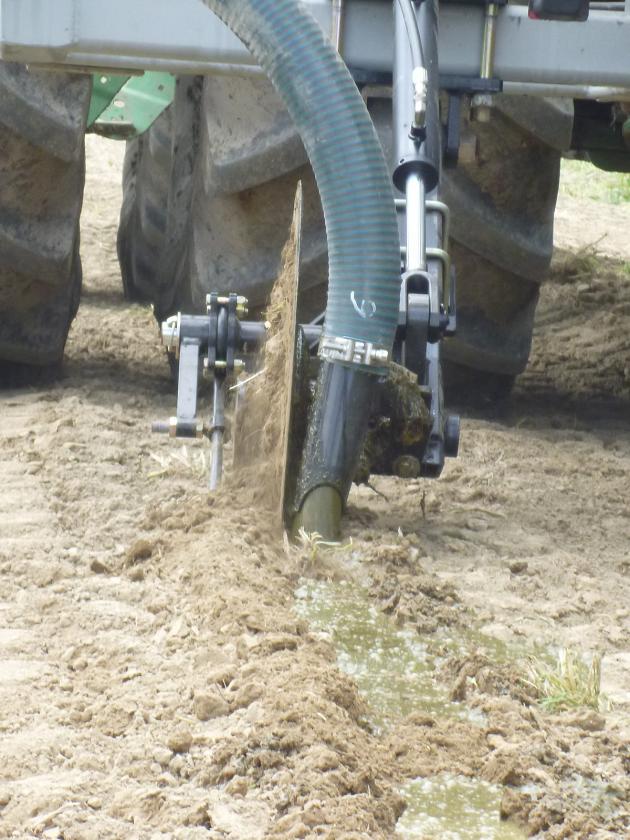
precision maure injector in useWhat did we do?

We have completed one year of this two year project. Progress has been made on all three sub-objectives, but most notably on the first. Under the first sub-objective we have sampled manure at various depths for 18 liquid manure storages, and collected management information on bedding management and water inputs into these storages.

We also utilized a custom manure operator to mount a farm scale 4 row deep manure injector onto a dragline system. This was used to precision deep inject thicker dairy sludge and compare with traditional surface broadcast application and incorporation, prior to corn planting on a farm field near Agassiz, B.C. On this same farm a different custom manure operator applied thinner dairy slurry on a grass field using first a shallow disc injector and then a trailing hose. These two treatments were compared with the farmer’s surface broadcast application.

These manure applications on grass occurred two times, once in March and once in May. While it would have been preferable to use agitated raw manure for the farmer’s surface broadcast application on both grass and corn, this is not feasible when managing a farm’s manure supply from a single storage system. Rather the same manure sources, ie. thin slurry on grass and thicker sludge on corn, were used for all application treatments, including the farmer’s broadcast application.

the plots where the precision manure injector study was performedWhat have we learned?

Average nutrient content of liquid manure in storages varied greatly between farms, ranging from 0.58 to 2.80 kg/m3 for total nitrogen and 0.17 to 1.51 kg/m3 for total phosphorus (expressed as P2O5). These nutrient values were closely correlated with dry matter content, which ranged from 0.58 to 10.02%. Variation in dry matter content is determined primarily by the amount of water inputs into the manure storage, the amount of organic bedding imported onto the farm, and whether the raw manure undergoes a mechanical solid/liquid separation process prior to the liquid manure entering the storage.

Seven out of 18 storages had little or no sedimentation of solids or nutrients. Four storages showed slight stratification and the remaining seven storages had considerable settling of solids and nutrient concentration increasing with depth. For storages with considerable stratification average dry matter content ranged from 1.5% for the shallowest depths to 7.7% for the deepest depths. For these same depth positions average total nitrogen increased from 0.090% to 0.193%, and average total phosphorus from 0.015% to 0.041%. Preliminary assessment of manure sample analysis compared to manure management practices suggests that sedimentation of solids and nutrient stratification is minimal or reduced when coarse solids are mechanically separated from liquid manure prior to entering storage, and/or there is considerable disturbance of manure when transferring it from the barn into the manure storage. For example, manure pumping involves more disturbance than scraping.

Preliminary results from land applied manure suggest small but likely insignificant increases in dry matter yield for trailing hose and shallow injection on grass compared to surface broadcast manure. On corn land there was no difference in yield between deep injected and surface broadcast/incorporated dairy sludge. Part of the reason for little or no difference is due to using the same manure source and application rate for all treatments. Also, the corn land result may be due to the majority of nutrients for both treatments being supplied by another source, surface broadcast poultry manure.

Future Plans

In the winter of 2015 most liquid manure storages will be resampled. An additional 5 liquid manure storages have been chosen for sampling in 2015, to include some manure management systems not accounted for in 2014. Our 4 row deep manure injector is being modified to a 6 row unit. This will enable easier alignment of the manure furrow with subsequent 6 row corn planter. We plan to add two more farm sites to land apply separated manure fractions on grass and corn, for the 2015 growing season.

Authors    

Dennis Haak, Senior Soil Resource Specialist, Agriculture and Agri-Food Canada dennis.haak@agr.gc.ca

Shabtai Bittman, Research Scientist, Agriculture and Agri-Food Canada; Derek Hunt, Biologist, Agriculture and Agri-Food Canada

Additional information             

1. Precision Placement of Separated Dairy Sludge Improves Early Phosphorus Nutrition and Growth in Corn (Zea mays L.), https://dl.sciencesocieties.org/publications/jeq/abstracts/41/2/582

2. Removing Solids Improves Response of Grass to Surface-Banded Dairy Manure Slurry: A Multiyear Study, https://dl.sciencesocieties.org/publications/jeq/abstracts/40/2/393

The authors are solely responsible for the content of these proceedings. The technical information does not necessarily reflect the official position of the sponsoring agencies or institutions represented by planning committee members, and inclusion and distribution herein does not constitute an endorsement of views expressed by the same. Printed materials included herein are not refereed publications. Citations should appear as follows. EXAMPLE: Authors. 2015. Title of presentation. Waste to Worth: Spreading Science and Solutions. Seattle, WA. March 31-April 3, 2015. URL of this page. Accessed on: today’s date.

Livestock Waste Management For Protecting Water Quality

Does Siting Matter Relative to Cattle Feeding and Water Quality?

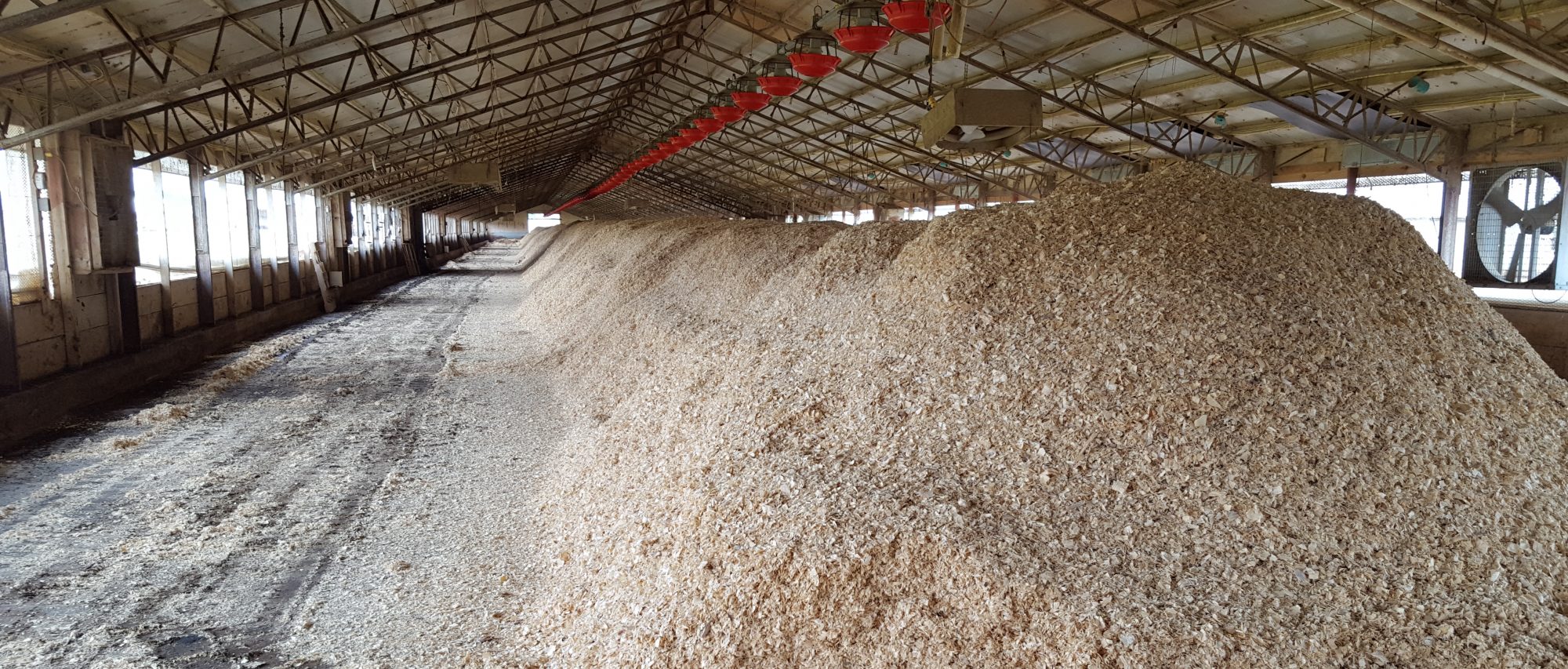
The site selection and management of cattle feeding facilities has a substantial impact on water quality in Kansas. Site location within the prevailing topography and management of cattle feeding pens is imperative to maintaining quality in the waters of the state. There are several factors which should receive consideration when selecting a site that cattle feeding pens will be constructed, as well as factors that demand attention when managing an existing facility.

What did we do?

Cattlemen planning to build a new cattle feeding facility, or perhaps expand an existing facility consider several aspects in relation to water quality. The number of the cattle that will be in the facility, and the size of those cattle are the first considerations. Feeding facilities that feed 300 animal units or more are required to register with KS Department of Health and Environment.. The amount of time cattle are in the pen is a major consideration. Many facilities will have cattle in the pens year-round, but some will only feed cattle for six months or less.

Other considerations when determining a cattle feeding facility include the slope of pen area, which is preferably 1 to 3 percent. The slope of the pen to soils designated as “flooded” is best if relatively flat, no more than 2 percent preferred. The greater the distance to the “flooded” soil, the better. The amount of rainfall and the rainfall intensity for the specific area of the state is noted, and all extraneous drainage should be diverted upslope of the pen area.

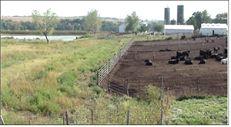
Photo of Cattle Feeding PenA buffer down-slope of the pen area is essential to managing water quality. The buffer area should be on permeable soils and covered with dense grass. The buffer size should be more than equal to the footprint of the pen, and it is preferred that it be twice the area of the pen. Size of the buffer is influenced by the soils, The more permeable the soil, the greater the infiltration rate, reducing the need for increased size of the buffer area.

Groundwater is carefully protected in Kansas, and livestock feeding facilities must be located in areas that are not deemed “ground water sensitive.” Depth to groundwater of all facilities is recorded as well as distance to any existing wells.

Management

The management of the feeding pen system is imperative to maintaining quality water. Pens need to be cleaned regularly to reduce solids leaving the pen and to ensure buffer vegetation is vigorous and free of weeds. The buffer should be hayed to remove nutrients from the system. The pens should be designed and maintained so that runoff leaving pens should flow evenly into and across the buffer to avoid channeling.

The management of livestock waste in cattle feeding facilities deserves the same attention to detail as ration formulation and health protocols.

What have we learned?

The Kansas Center for Agricultural Resources and the Environment, a department of Kansas State Research and Extension, employees a team of five Watershed Specialists who assist cattle producers who routinely keep cattle confined. These specialists work closely with the producer, K-State and the Kansas Department of Health and Environment to make sure cattle facilities are designed in a water quality responsible manner. In addition, these specialists provide educational outreach, design and promote “off stream” water development, encourage restricting cattle from ponds, and advise on proper grazing management of forage resources.

In the past 4 years, these specialists have consulted with 805 livestock producers, affecting over 34,000 animal units. From their efforts, Kansas waterways have seen a reduction in each year of 211,000 pounds of nitrogen, 88,000 pounds of phosphorus and 346 tons of sediment.

Future Plans

Continue educating cattle producers about the importance of properly sited and managed livestock feeding facilities, and helping them achieve water quality responsible goals.

Authors

Jeff Davidson, KSU Watershed Specialist jdavidso@ksu.edu

Ron Graber, KSU Watershed Specialist

Additional information

Jeff Davidson, jdavidso@ksu.edu

Ron Graber, rgraber@ksu.edu

Acknowledgements

EPA 319 funds are a major contributor to this program

The authors are solely responsible for the content of these proceedings. The technical information does not necessarily reflect the official position of the sponsoring agencies or institutions represented by planning committee members, and inclusion and distribution herein does not constitute an endorsement of views expressed by the same. Printed materials included herein are not refereed publications. Citations should appear as follows. EXAMPLE: Authors. 2015. Title of presentation. Waste to Worth: Spreading Science and Solutions. Seattle, WA. March 31-April 3, 2015. URL of this page. Accessed on: today’s date.
Low Cost Aerated Static Composting Systems for Small Acreage Equine Operations

Why Study Low-Cost Composting?

The equine industry in Massachusetts, estimated to be over 50,000 animals, is of a size to make significant impact on non-point source pollution. An average horse generates about 45 lb. of manure per day, almost 10 tons per year as well as bedding. Thus, in Massachusetts approximately 500,000 tons of manure plus associated stall bedding are produced each year. Management of manure and mud on horse farms is a challenge for horse owners and equine facility managers. This is of particular concern at farms where horses are kept in stalls and land availability for manure spreading is limited. The growing number and size of unmanaged piles of manure seen on many properties is becoming an increasing concern due to greater public awareness and pressures in an increasingly urban society. Runoff from stables, manure piles and over grazed pastures has the potential to increase risks of non-point source pollution from nutrients, organic particles, fecal coliform bacteria, and other pathogens. Related: Small Farm Stewardship

What did we do?

aerated trash bins system

Figure 1: Aerated trash bins system

Perforated wood to be installed at the bottom of the bins for air flow

Figure 2: Perforated wood to be installed at the bottom of the bins for air flow

Composting pile with cover

Figure 3: Composting pile with cover

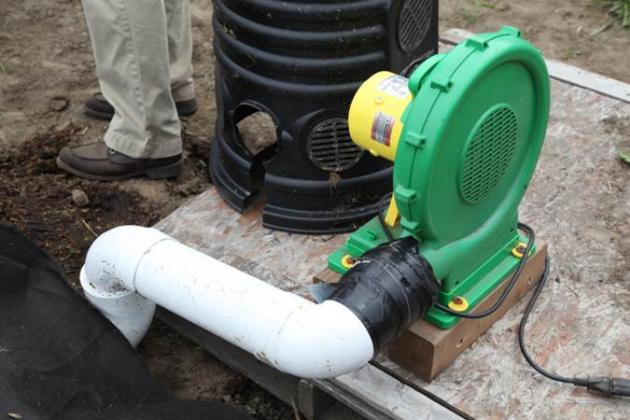
automated air blower connected to perforated PVC pipe

Figure 4: Automated air blower connected to perforated PVC pipe

Through a 319s grant funded by Massachusetts Department of Environment Protection, two Aerated Static Pile (ASP) composting systems, also known as forced aeration were installed to manage livestock manure and bedding produced on Blue Star Equiculture Farm in Palmer, Massachusetts. A community-based 501c3 non-profit organization, Blue Star Equiculture was established to provide retired and homeless working horses a sanctuary and the opportunity to improve their lives and be purposeful. The organization also offers equine and environmental awareness to the public through educational and healing opportunities.

Blue Star Equiculture currently manages their manure by hauling it to a nearby field. The Blue Star Equiculture has 30-40 horses at any time and expects an increase in number of animals. Considering an average of 45 lbs/day of raw manure, 35 horses generate a yearly mass of 575,000 lbs (287 tons) of raw manure that affects the Lower Ware River and Chicopee main stem. The current loading of nutrients by the Blue Star Equiculture herd is roughly 4000 lbs/year of nitrogen and 1200 lbs/year of phosphorus. This has implication on macrophyte growth and eutrophication of the Chicopee River.

The 30 herd horses in Blue Star Equiculture can contribute to 4.6 x 10¹² organisms/year of fecal coliform, and can lead to water quality impairment in the Chicopee and Connecticut rivers. The first system consisted of three plastic trash bins, each holding roughly 750 pounds of waste (Figures 1 and 2). The bins are connected to an air compressor/air blower which automatically turns on for roughly one minute every hour. The exact duration and frequency of the aeration varies and is controlled by a low cost credit card sized microcomputer with temperature sensors. It is calculated based on ambient and manure temperature and the composting phase. The automated adaptability increases the composting success and sustains the processes into the colder seasons. Furthermore an optional WIFI internet connection provides remote process monitoring and alerting. Finished compost is ready in 7-8 weeks including curing time. A layer of finished compost added to the top of the waste facilitates the process.

The wheels under the bins make collection of waste in the stall much easier. This simple and cost efficient system is especially applicable in facilities with 1-3 horses.

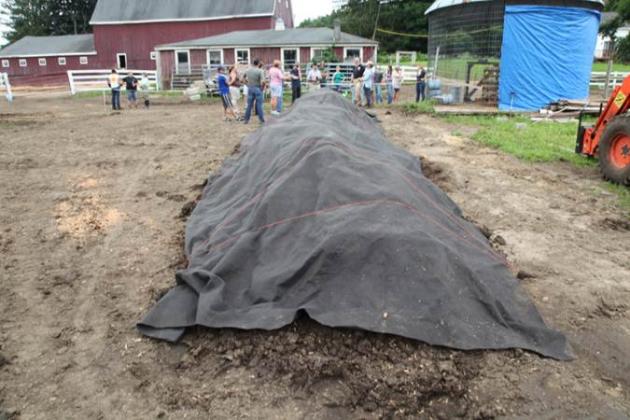
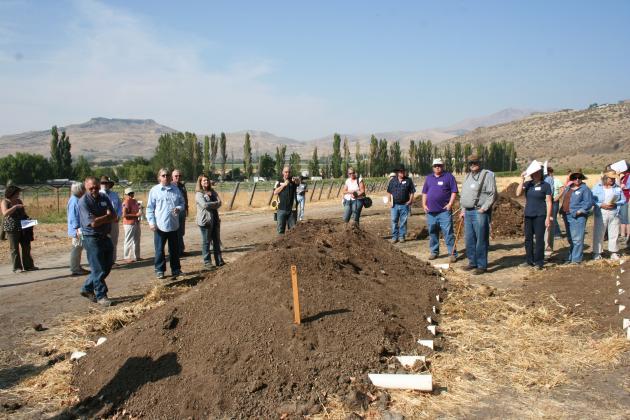
The second system consisted of one or more composting piles about 35 ft long (Figure 3). Each pile can be subdivided into three 10 ft section for frequent addition of fresh materials and/or removing finished compost. The composting materials are piled on a wood chip base with perforated PVC pipe running through the base and a 1 HP air pump which works for 1-2 minutes every hour. The pile is covered with a fabric which is impermeable to water. The compost in each subdivision is finished in 8-10 weeks including curing and finishing time. The same blower control and manure sensory system used for the bins was also utilized with the large pile setup.

What have we learned?

Both composting systems worked efficiently and compost was ready in eight weeks. Composting of horse waste at the Blue Star Equiculture significantly reduced pollution related to nutrients and pathogens. Aerated composting systems were used for hands on training workshops where over 400 horse owners learned about these systems and some of them implemented on their farm.

Future Plans

Similar system will be installed at University of Massachusetts Horse Farm to educate students of equine management as well as hundreds of visitors coming to the farm annually.

Authors

Masoud Hashemi, Extension Associate Professor, University of Massachusetts masoud@umass.edu

Atakan Kadi

Additional information

https://ag.umass.edu/crops-dairy-livestock-equine/fact-sheets/low-cost-aerated-static-composting-systems-for-small

Acknowledgements

This project has been financed partially with federal funds from the US Environmental Protection Agency (EPA) to the Massachusetts Department of Environmental Protection (the Department) under a s319 Competitive Grant. The contents do not necessarily reflect the views and policies of the EPA or of the Deparment, nor does the mention of trade names or commercial products constitute endorsement or recommendation for use.

The authors are solely responsible for the content of these proceedings. The technical information does not necessarily reflect the official position of the sponsoring agencies or institutions represented by planning committee members, and inclusion and distribution herein does not constitute an endorsement of views expressed by the same. Printed materials included herein are not refereed publications. Citations should appear as follows. EXAMPLE: Authors. 2015. Title of presentation. Waste to Worth: Spreading Science and Solutions. Seattle, WA. March 31-April 3, 2015. URL of this page. Accessed on: today’s date.

Analysis of total Carbon, Nitrogen, and Phosphorus Contents in Soil Cores Over 10+ Years from Horicon Marsh in Dodge County, Wisconsin


Why Look at Marsh Soil Nutrients?

The purpose of this project was to evaluate changes in carbon (C), nitrogen (N), and phosphorus (P) in samples from identical locations taken ten years apart from Horicon Marsh in Dodge County, Wisconsin.

The area surrounding the marsh is primarily agricultural and has the potential to contribute nutrients to the marsh, affecting the fertility of the soils and changing the ecosystem.

What did we do?  

We hypothesized that carbon, nitrogen, and phosphorus would show significant increases over the ten-year interval between samplings.

Sample sites were positioned every ¼ mile along east-west transects throughout the marsh. A soil core was obtained at each sample site in the winter of either 2002 or 2003. The same sites were revisited and new samples collected in winter of either 2012 or 2013, ten years after the initial visits. The top five centimeters of each soil core were oven dried at 105°C for 72 hours.

Total carbon and nitrogen were analyzed by combustion using a PerkinElmer 2400 series II CHNS/O Analyzer. Total phosphorus was analyzed by the Olsen P-extraction method on a QuikChem FIA+ 8000 series Lachat analyzer.

A paired t-test (α=0.05) was used to compare nitrogen and phosphorus values. Carbon data were compared with a Mann-Whitney ranked sum test at the 95% confidence interval.

What have we learned?  

Carbon and nitrogen did not increase significantly over the time period. Carbon is generally bound in soil organic matter; in histic wetland soils, changes attributable to land use might be difficult to detect due to the already high organic matter content. Nitrogen accumulation was likely mitigated by denitrification processes.

Phosphorus concentrations were greater in the second set of samples. Phosphorus adsorbs tightly to sediment and organic material, which would prevent its removal by flowing water. Changes in land use, especially row crop agriculture in the Horicon marsh area, could contribute runoff inputs of soil particles carrying phosphorus with them. This may explain significantly increased phosphorus levels between the start and end of the study period.

Future Plans  

Future studies might quantify land use changes, their extent, and their impacts on the marsh ecosystem; analyze spatial patterns of phosphorus accretion to determine if it is cycling equally throughout the marsh; and determine the impact of denitrifying bacteria and anaerobic conditions on nitrogen accumulation. Additional research could include testing the water column of the marsh for dissolved nutrients; and sampling the Rock River at its inlet to and outlet from the Horicon Marsh to determine nutrient flux to the stream from the marsh.

Authors

Ashley Hansen, University of Wisconsin-Stevens Point ashleyhansen891@gmail.com

Anna Radke, University of Wisconsin-Stevens Point; Sarah Shawver, University of Wisconsin-Stevens Point

Additional information

Ashley Hansen, ahans891@uwsp.edu; Anna Radke, aradk591@uwsp.edu; Sarah Shawver, sshaw497@uwsp.edu

Acknowledgements

Dr. Robert Michitsch

Soils Professor and Research Advisor

Dr. Kyle Herrman

Water Resource Professor and Research Advisor

The authors are solely responsible for the content of these proceedings. The technical information does not necessarily reflect the official position of the sponsoring agencies or institutions represented by planning committee members, and inclusion and distribution herein does not constitute an endorsement of views expressed by the same. Printed materials included herein are not refereed publications. Citations should appear as follows. EXAMPLE: Authors. 2015. Title of presentation. Waste to Worth: Spreading Science and Solutions. Seattle, WA. March 31-April 3, 2015. URL of this page. Accessed on: today’s date.

On-Farm Evaluation of Wood bark-Based Biofilters in Terms of Mitigation of Odor, Ammonia, and Hydrogen Sulfide


Purpose

Mitigating odor and gas emissions is a big challenge facing concentrated animal feeding operations. Biofiltrtion has been recognized as one of the most promising technologies for reducing odor and gas emissions from animal facilities. However, the rate of on-farm biofilter adoption continues to be low. The purpose of this research was to demonstrate, evaluate, and encourage the widespread adoption of biofilters for mitigating odor and gas emissions.

What did we do?

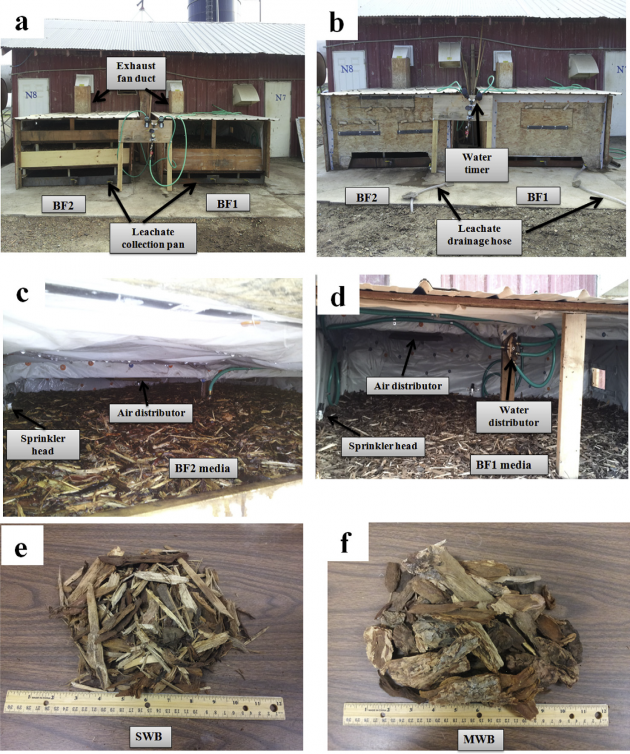
Two vertical down-flow biofilters were constructed on a commercial swine nursery farm. Both biofilter media were shredded wood bark and medium wood bark (1:2 on a volume basis). These biofilters were evaluated under real farm conditions in terms of mitigation of odor and gas emissions. Odor samples were collected using 10 L Tedlar bags and evaluated using a dynamic forced-choice olfactometer. Ammonia and hydrogen sulfide concentrations were monitored on-site by detection tubes. Pressure drop through the biofilter media was also measured on-site using an air velocity meter. A biofilter field day was held on the swine farm to demonstrate their effects and to present biofilter basics. Also, an educational video has been developed to help interested people get familiar with this technology.Picture (a)biofilter 1 (BF1) and biofilter 2(BF2) with front doors open; (b) biofilters with front doors closed; (c) media and water distribution system in BF2; (d) media and water distribution system in BF1; (e) shredded wood bark; (f) medium wood bark.

Figure 1. (a)biofilter 1 (BF1) and biofilter 2(BF2) with front doors open; (b) biofilters with front doors closed; (c) media and water distribution system in BF2; (d) media and water distribution system in BF1; (e) shredded wood bark; (f) medium wood bark.

What have we learned?

(2) Supporting materials showing biofilter basics and its effects on reducing aerosol emissions are needed to encourage biofilter adoption,
(3) Field days are a good platform for both research and demonstrations of new techniques,
(4) Producer’ collaboration and full participation are very important to make the research a success.

Odor and gas (NH3 and H2S) reduction efficiency and moisture distribution at different media depths of (a) biofilter 1 (BF1); (b) biofilter 2 (BF2)

Figure 2. Odor and gas (NH3 and H2S) reduction efficiency and moisture distribution at different media depths of (a) biofilter 1 (BF1); (b) biofilter 2 (BF2).

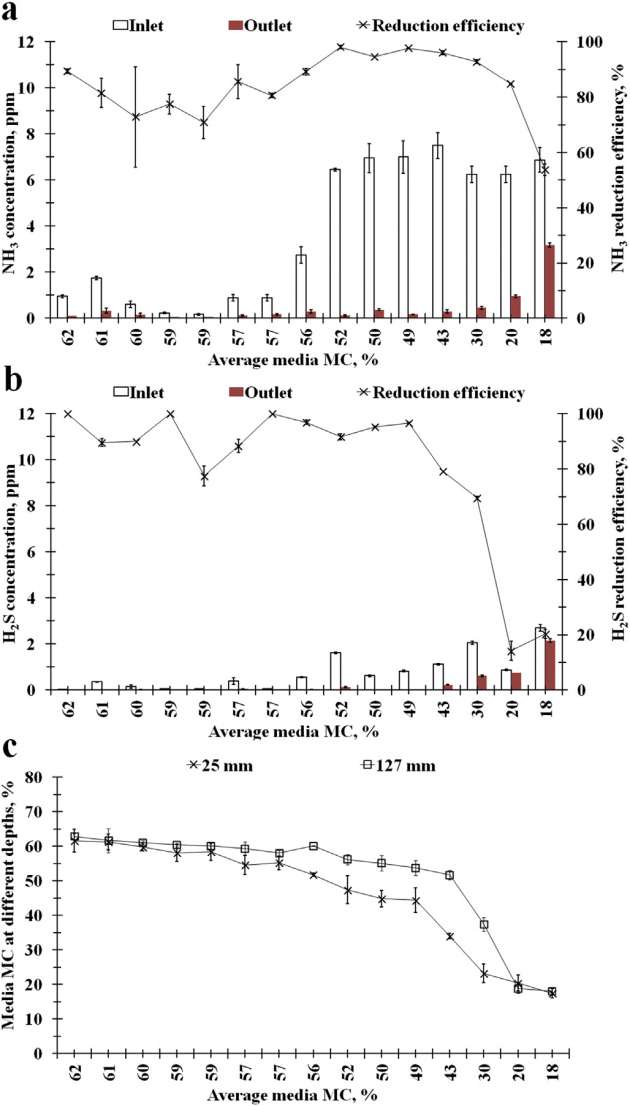
Reduction efficiency for first stage of biofilter 2 (BF2) at different media moisture contents (MC) (a) NH3; (b) H2S; (c) moisture distribution at different media depths. Shredded wood bark (depth of 127 cm) was used and EBRT was 0.9-1.0 s.

Figure 3. Reduction efficiency for first stage of biofilter 2 (BF2) at different media moisture contents (MC) (a) NH3; (b) H2S; (c) moisture distribution at different media depths. Shredded wood bark (depth of 127 cm) was used and EBRT was 0.9-1.0 s.

Reduction efficiency for second stage of biofilter 2 (BF2) at different media moisture contents (MC) (a) NH3; (b) H2S; (c) moisture distribution at different media depths. Medium wood bark (depth of 254 cm) was used and EBRT was 1.8-2.0 s.

Figure 4. Reduction efficiency for second stage of biofilter 2 (BF2) at different media moisture contents (MC) (a) NH3; (b) H2S; (c) moisture distribution at different media depths. Medium wood bark (depth of 254 cm) was used and EBRT was 1.8-2.0 s.

Future Plans

We will refine the developed educational videos and disseminate results from this study to our stakeholders.

Authors

Lide Chen, Waste Management Engineer and Assistant Professor, Biological and Agricultural Engineering Department, University of Idaho lchen@uidaho.edu

Gopi Krishna Kafle, Post-Doctoral Researcher; Howard Neibling, Extension Irrigation and Water Management Specialist and Associate Professor; B. Brian He, Professor, University of Idaho

Additional information

Contact Dr. Lide Chen at lchen@uidaho.edu for more information.

Acknowledgements

This project was partially funded by the USDA Natural Resource Conservation Service through a Conservation Innovation Grant. The authors gratefully thank Mr. Dave Roper for his cooperative efforts during this research.

The authors are solely responsible for the content of these proceedings. The technical information does not necessarily reflect the official position of the sponsoring agencies or institutions represented by planning committee members, and inclusion and distribution herein does not constitute an endorsement of views expressed by the same. Printed materials included herein are not refereed publications. Citations should appear as follows. EXAMPLE: Authors. 2015. Title of presentation. Waste to Worth: Spreading Science and Solutions. Seattle, WA. March 31-April 3, 2015. URL of this page. Accessed on: today’s date.

Lifecycle greenhouse gas (GHG) analysis of an Anaerobic Co-digestion Facility Processing Dairy Manure and Industrial Food Waste in NY State

While the theoretical benefits of anaerobic digestion have been documented, few studies have utilized data from commercial-scale digesters to quantify impacts.  Previous studies have analyzed a range of empirical studies to constuct emission factors for a generic European AD plant processing source separated municipal solid waste.  However, most U.S. studies have applied reporting protocols and have been based upon theoretical assumptions.  Furthermore, GHG analyses of U.S. co-digestion facilities are limited to one scenario in protocol based analysis of community digester options. 

Purpose          

We are not aware of any peer-reviewed studies of US anaerobic co-digestion. Several case studies have presented calculations of impacts using GHG reporting protocols, however significant portions of the lifecycle have been neglected such as the feedstock reference case emissions, digestate storage emissions and fertilizer displacement impacts. Furthermore, they have often been modeled using general theoretical assumptions such as number of cows rather than empirical data on feedstock volume and characteristics and digester operation.

What did we do? 

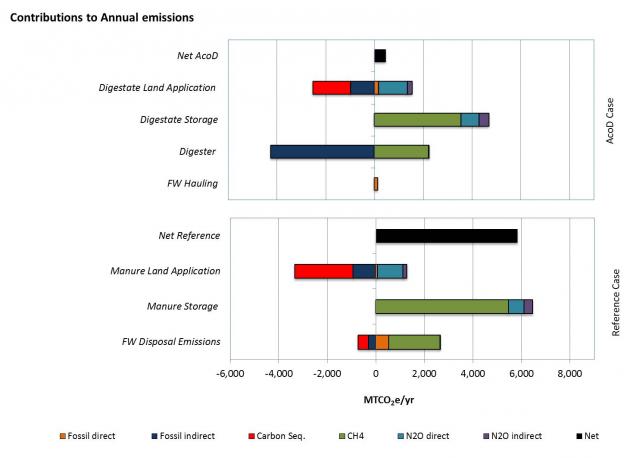
A lifecycle GHG analysis was performed based upon data reported on a farm-based anaerobic co-digestion system in New York State, resulting in an 71% reduction in GHG impact relative to conventional treatment of manure and food waste.

The objective of this study was to provide a comprehensive analysis of GHG emissions based upon a NYS digester that co-digests manure and industrial-sourced food waste. Empirical data on feedstock (t-km transport, avoided disposal, TS, VS, TKN), digester operation (m3CH4, KWh, exhaust emissions) and effluent properties (TS,VS,TKN) were combined with regional parameters (i.e., climate, soil type and management practices) to represent a state-of-the-art, anaerobic co-digestion facility in NYS. This data was combined with information collected through interviews in order to model a reference case, representing the business-as-usual food waste disposal and manure management practices en lieu of the anaerobic co-digestion system.

What have we learned? 

Displacement of grid electricity provided the largest benefit followed by avoidance of food waste landfill emissions and reduced impacts associated with storage of digestate vs. undigested manure. Nominal land application N2O emissions were offset by inorganic fertilizer displacement and carbon sequestration in both cases. The higher volume of digestate increased net land application emissions as did increased transportation distance to the fields and lower carbon sequestration. Digestate is a by-product of the co-digestion process and its treatment must be considered in an LCA. Modeling of land application impacts are highly uncertain and can be significant.

The largest source of direct emissions was CH4 emissions. N2O emissions were larger in the land application phase than during storage. Direct fossil fuel emissions had a minor impact. Emissions were offset by displacement of grid electricity and fossil based fertilizers along with carbon sequestration.

Future Plans    

More empirical research is needed to measure emissions and to provide emission factors that incorporate key variables and characteristics affecting emissions. A whole system, dynamic approach is necessary to incorporate complex interdependencies between stages of farm and manure management.

Authors

Jennifer L. Pronto, Research Assistant, Cornell University jlp67@cornell.edu

Ebner, Jackie      jhe5003@rit.edu              Rochester Institute of Technology

Rodrigo A. Labatut, Matthew J. Rankin, Curt A. Gooch, Anahita A. Williamson, Thomas A. Trabold

Additional information               

www.manuremanagement.cornell.edu

Figure 1: Contributional analysis of GHG impacts for the reference and anaerobic co-digestion cases.

Figure 1: Contributional analysis of GHG impacts for the reference and anaerobic co-digestion cases.


The authors are solely responsible for the content of these proceedings. The technical information does not necessarily reflect the official position of the sponsoring agencies or institutions represented by planning committee members, and inclusion and distribution herein does not constitute an endorsement of views expressed by the same. Printed materials included herein are not refereed publications. Citations should appear as follows. EXAMPLE: Authors. 2015. Title of presentation. Waste to Worth: Spreading Science and Solutions. Seattle, WA. March 31-April 3, 2015. URL of this page. Accessed on: today’s date.