Companion Animal Stewardship: One-Health Solutions to Tackling Antimicrobial Resistance

The national extension team iAMResponsible teaches a multi-university virtual course on antimicrobial resistance across the one health spectrum every spring, some of the course materials are now available here at LPELC.

In this session, Dr. Jeff Bender, University of Minnesota, joins us to discuss a lesser-known part of the AMR challenge: the impact of AMR on the health and care of companion animals.

Continue reading “Companion Animal Stewardship: One-Health Solutions to Tackling Antimicrobial Resistance”

Antimicrobial Use and Resistance in Agriculture

The national extension team iAMResponsible teaches a multi-university virtual course on antimicrobial resistance across the one health spectrum every spring, some of the course materials are now available here at LPELC.

In this session, Dr. Greg Habing, Ohio State University, joins us to share his thoughts on how AMR is impacting livestock production.

Continue reading “Antimicrobial Use and Resistance in Agriculture”

AMR from a One-Health Perspective

Antimicrobial resistance (AMR) has been recognized globally as a significant threat to public health. The causes and repercussions of growing AR are highly complex, which is why attempts to address the issue must utilize a One-Health (systems connecting the health of people, animals, and their shared environment) approach. 

The national extension team iAMResponsible teaches a multi-university virtual course on antimicrobial resistance across the one health spectrum every spring, some of the course materials are now available here at LPELC– because everyone needs to know about AMR!

Check out more from the “Antimicrobial Resistance from a one-health perspective” course 

Authors and Sponsors

The iAMResponsible project was started by Amy Schmidt at the University of Nebraska-Lincoln and Stephanie Lansing at the University of Maryland. Find out more about the project hereFunding for the iAMResponsbile Project was provided by USDA-NIFA Award Nos. 2017-68003-26497, 2018-68003-27467 and 2018-68003-27545. Any opinions, findings, conclusions, or recommendations expressed in this publication are those of the author(s) and do not necessarily reflect the view of the U.S. Department of Agriculture.

Glossary of Antimicrobial Resistance

If you are just starting to learn about antimicrobials and resistance, first off welcome to the club, we are so happy to have more microbe obsessives! Second, we guessed you might have been encountering some words or concepts that you haven’t heard before. So, we’ve put together this visual glossary for you to explore. Search the table below for a word or unfamiliar phrase and you’ll find a definition AND videos or other websites where you can learn more about that concept. 

Continue reading “Glossary of Antimicrobial Resistance”

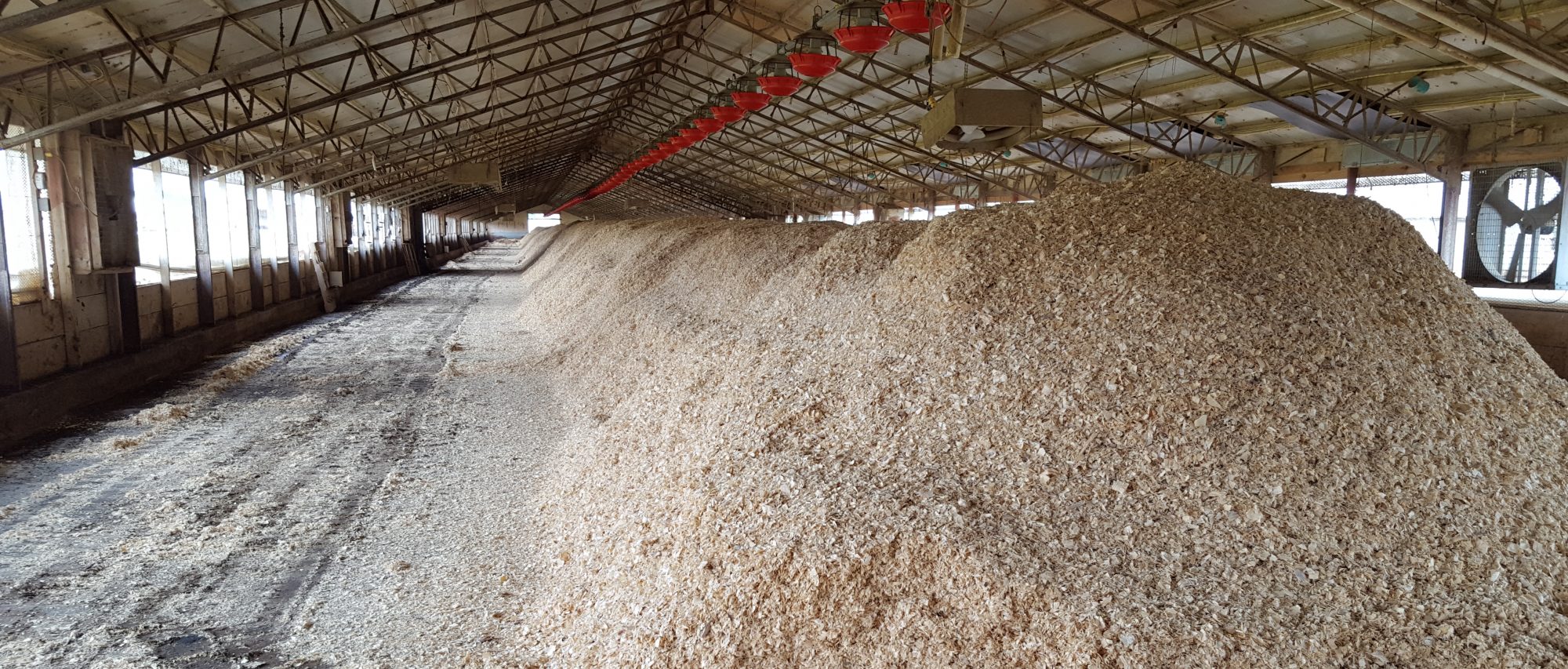
Dietary Impact on Antibiotic Resistance in Feedlot Manure

Report on research conducted at the University of Nebraska, originally printed in the 2021 Nebraska Beef Cattle Report.

Summary

There is a growing public concern regarding antibiotic resistance and the use of antibiotics, including in livestock management. Understanding the ecology of antibiotic resistance among microbes, identifying resistance gene reservoirs, and implementing antibiotic resistance mitigation practices in livestock production is critical to protecting animal and human health while meeting increasing food demands. This research is one of several studies seeking to assess risk for livestock-to-human transfer of antibiotic resistance and to identify mechanisms for reducing that risk where possible. This study evaluated the impact of forage concentration and supplemental essential oil in beef cattle finishing diets on antibiotic resistance in freshly excreted and consolidated beef feedlot manure. Results indicate that antibiotic resistance in manure was not impacted by either of the two dietary treatments considered. Continue reading “Dietary Impact on Antibiotic Resistance in Feedlot Manure”

Antibiotic Resistance in Manure-Amended Agricultural Soils

Report on research conducted at the University of Nebraska, originally printed in the 2021 Nebraska Beef Cattle Report.

Summary

Manure application to agricultural land benefits soil health and agronomic yields. However, as antibiotic resistance becomes a more serious threat to public health, there is concern that antibiotic resistance originating from livestock manure could impact human health through contamination of the environment or food. This study sought to quantify this risk by monitoring concentrations of antibiotic-resistant bacteria and genes in fallow soil during the period of October through April, representing fall manure application through spring planting. Resistance to three common antibiotics – tylosin, azithromycin, and tetracycline – was monitored following application of fresh, stockpiled, or composted beef feedlot manure, or inorganic fertilizer. Overall, concentrations of all monitored resistant bacteria were below the detection limit for enumeration. Results indicate that while all the manure treatments increased at least one measure of antibiotic resistance during the sampling period, by the final sampling day antibiotic resistance prevalence and concentrations in manured plots were not significantly different from soil receiving no fertilizer treatments  Continue reading “Antibiotic Resistance in Manure-Amended Agricultural Soils”

Antibiotic use in food animals and its effect on antimicrobial resistance spread and human health

Most people alive today have never known a world without antibiotics. Antibiotics became widely used to treat bacterial infections in the 1930s and ‘40s, and were quickly labeled a “miracle drug”. But, as the widespread use of antibiotics evolved, so did the discovery of antibiotic-resistant bacteria. And we have now entered an era where antibiotic resistance is considered one of the biggest worldwide public health challenges of our time. Continue reading “Antibiotic use in food animals and its effect on antimicrobial resistance spread and human health”

We can learn a lot from poop

A summary of Using sewage for surveillance of antimicrobial resistance by Aarestrup and Woolhouse (2020)

Key Points

  • Sewage-based surveillance for antimicrobial resistance provides a flexible, scalable, and quickly implementable AMR tracking method.
  • Advances in DNA sequencing enable faster and more responsive resistance monitoring, which is essential to address AMR surveillance worldwide.

Continue reading “We can learn a lot from poop”

Antimicrobial Resistant Bacteria in Surface Water Bodies

Antimicrobial resistance is a challenge that many face today in the agricultural field. As antibiotics and supplements are given to farm animals and their manure applied to crops and pasture, microbes are demonstrating resistance to antibiotics in agricultural settings. These bacteria have also been found residing in surface water bodies after being influenced by agriculture or animal production. These highly resistant bacteria have caused problems for human health with exposure to these bacteria.

Continue reading “Antimicrobial Resistant Bacteria in Surface Water Bodies”

The growth of antibiotic resistance has become a serious threat to human health

A brief summary of the manuscript, Update on the Antibiotic Crisis by Rossolini et al. (2014)

Key Points:

  • Developing new antibiotics is only a stop-gap solution to a growing antibiotic resistance crisis.
  • Drugs able to treat the newest strains of resistant bacteria are still years away, while resistance continues to spread.

Continue reading “The growth of antibiotic resistance has become a serious threat to human health”