
NAEMS: How It Was Done and Lessons Learned

Building Environment and Air Quality – Presented by Al Heber

Development of Draft Emission Estimating Methodologies for AFOs: Process Overview – Presented by Ian Rumsy

National Air Emissions Monitoring Study Status Update – Presented by Bebhinn Do

Purpose

The National Air Emissions Monitoring Study, or NAEMS, was conducted from 2007 – 2010 to gather data to develop scientifically credible methodologies for estimating emissions from animal feeding operations (AFOs). It followed from a 2002 report by the National Academy of Sciences that recommended the development of the emission models. NAEMS was funded by the AFO industry as part of a 2005 voluntary air compliance agreement with the U.S. Environmental Protection Agency (EPA). The goals of the air compliance agreement were to reduce air pollution, monitor AFO emissions, promote a national consensus on emissions estimating methodologies, and ensure compliance with requirements of the Clean Air Act and notification provisions of the Comprehensive Environmental Response, Compensation, and Liability Act (CERCLA), and the Emergency Planning and Community Right-to-Know Act (EPCRA). Thus, the design of the study was based both on principles set forth by the National Academy of Sciences and on the needs of EPA and the AFO industry to satisfy the compliance agreement.

What Did We Do

NAEMS monitored barns and lagoons at 25 AFOs in 10 states for approximately 2 years each to measure emissions of ammonia, hydrogen sulfide, particulate matter, and volatile organic compounds. University researchers conducted this monitoring with EPA oversight. The types of AFOs monitored included swine, broiler chickens, egg-laying operations, and dairies. Participating AFOs made their operations available for monitoring for two years and cooperated with the researchers, industry experts, and EPA during the study.

In 2012, EPA used information gathered in NAEMS, along with information provided as part of a 2011 Call for Information, to develop draft emission models for some of the AFO sectors that were monitored. The EPA Science Advisory Board (SAB) conducted a peer review of these original draft emission models and made suggestions for improving the models. Since 2017, EPA began applying the SAB suggestions and developing new draft emission models for each AFO sector. The models estimate farm-scale emissions using information that producers already record or is easy to get (like weather data). The models are not “process-based.” However, the approach aims to estimate emissions from sources based on statistical relationships between air emissions and the meteorological and housing parameters collected that are known to affect processes that generate emissions. The development of process-based models remains a long-term goal of the agency, as we acknowledge process-based models improve the accuracy of emission estimates for the livestock and poultry sectors.

What Have We Learned

During the workshop, panelists will discuss in more detail the lessons learned at various stages of the NAEMS project and how those lessons could inform future work.

Future Plans

The EPA team continues to develop draft emission models using the NAEMS data. It is anticipated that the AFO emission models will be finalized after incorporating input from a stakeholder review period.

Authors

Presenting Authors

    • Albert J. Heber, Professor Emeritus, Agricultural and Biological Engineering
    • Ian C. Rumsey, Physical Scientist, Office of Research & Development, U.S. Environmental Protection Agency
    • Bebhinn Do, Physical Scientist, U.S. Environmental Protection Agency

Corresponding Author

Bebhinn Do, Physical Scientist, U.S. Environmental Protection Agency
do.bebhinn@epa.gov

Additional Information

For updates on NAEMS, please see: https://www.epa.gov/afos-air/national-air-emissions-monitoring-study

Acknowledgements

U.S. Environmental Protection Agency – Office of Research & Development Emission Estimating Methodology development team: Maliha Nash, John Walker, Yijia Dietrich, Carry Croghan


The authors are solely responsible for the content of these proceedings. The technical information does not necessarily reflect the official position of the sponsoring agencies or institutions represented by planning committee members, and inclusion and distribution herein does not constitute an endorsement of views expressed by the same. Printed materials included herein are not refereed publications. Citations should appear as follows. EXAMPLE: Authors. 2022. Title of presentation. Waste to Worth. Oregon, OH. April 18-22, 2022. URL of this page. Accessed on: today’s date.
Impact of sampling timing on measured gas concentrations and emissions at a commercial laying hen house

Purpose

Ammonia and carbon dioxide are two major air pollutants at commercial laying hen houses. Ammonia models are widely used to estimate emissions from individual farms, a region, a country, or the world and assess their potential environmental and ecological impacts. Carbon dioxide models have been used to estimate ventilation rates based on mass balance. Reliable models must be developed based on measurement data from field conditions. However, concentrations and emissions of these two gases vary temporally in layer houses and can affect accuracies of measurement data and emission models. Accuracies of the measurement results are largely affected by instruments and methodologies, which includes sampling timing, i.e., number of samples per day (NSPD) and sampling starting time. The purpose of this study is to demonstrate the impact of measurement timing on ammonia and carbon dioxide concentrations and emissions.

What Did We Do?

A dataset of measured gas concentrations and emissions at a commercial laying hen farm was selected and used as a reference. It contains 5 days of continuous measurement data that were saved every minute. Different sampling timing scenarios were selected based on a literature survey and were applied in a computer simulation. Absolute differences in percentage between the simulation results and the reference were used to assess the effects of sampling timing.

Two sampling timing scenarios were used in this study: (a). sampling at eight different NSPD, i.e., 144, 48, 24, 12, 9, 3, 2, and 1 compared with the continues measurement of 1440 NSPD with equal sampling intervals and the first sampling starting at 8:00 AM; and (b). sampling for the same eight NSPD and equal sampling intervals, but with the first sampling starting at six different times within the respective sampling intervals, including 8:00 AM, compared with the data of 1440 NSPD. For example, when the NSPD was 2, the six starting times were selected at 8:00 AM, 10:00 AM, noon, 2:00 PM, 4:00 PM, and 6:00 PM.

What Have We Learned?

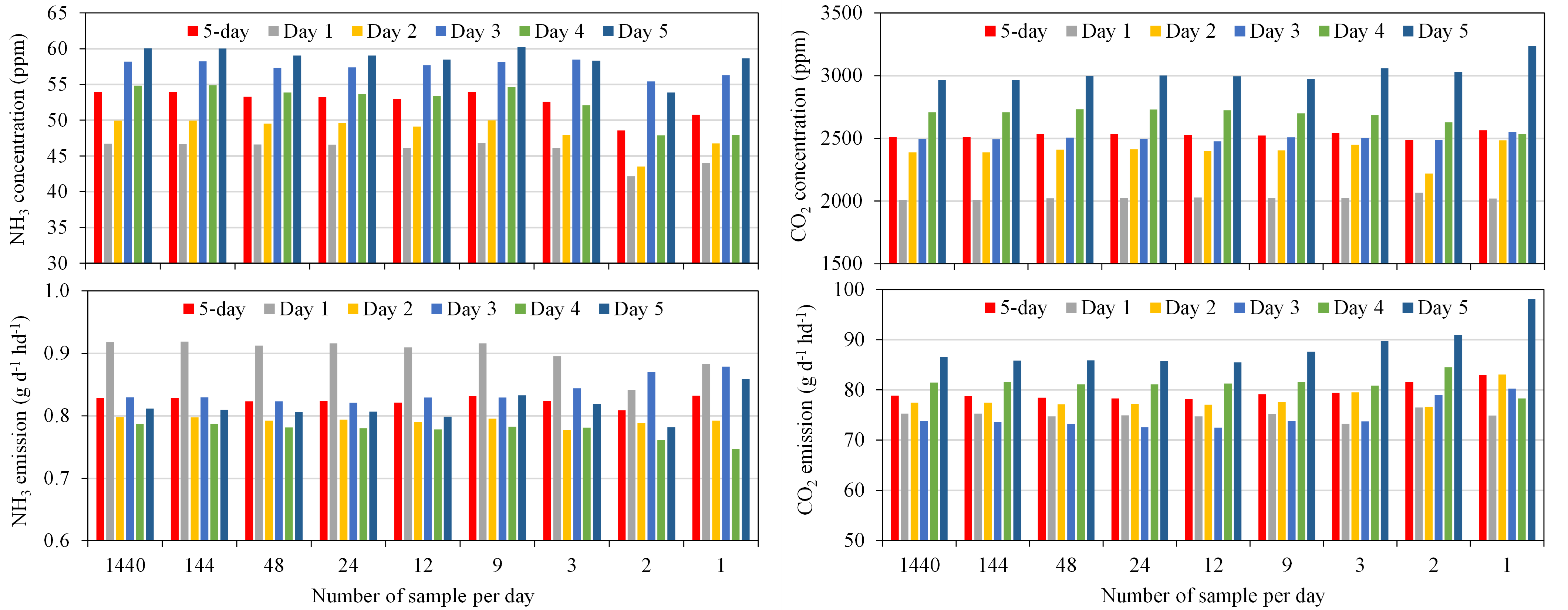
Results demonstrated that, for scenario (a) of the 5 days sampling and measurement (Figure 1), the absolute differences: 1. ranged from 0.02 % (carbon dioxide concentration at 144 NSPD) to 10.04% (Ammonia concentrations at 2 NSPD); 2. was 3.96% for ammonia emissions at 2 NSPD and 6.48% for carbon dioxide emissions at 1 NSPD, both were the largest emission differences; 3. were generally larger in ammonia concentrations than ammonia emissions, but smaller in carbon dioxide concentrations than carbon dioxide emissions; and 4. were generally larger with fewer NSPD for all the four measurement results (ammonia and carbon dioxide concentrations and emissions).

Figure 1. Comparison of average ammonia concentrations (top left), ammonia emission rates (bottom left), carbon dioxide concentrations (top right), and carbon dioxide emission rates (bottom right) with different number of samples per day, starting at 8:00 during a 5-day continuous measurement.

Scenario (b) simulation revealed a new finding that sampling starting times had large impacts on data accuracies as well (Figure 2). The absolute differences 1. ranged from 0.00 % (for both ammonia and carbon dioxide concentrations at 144 NSPD) to 12.92% (ammonia concentrations at 2 NSPD); and 2. was 7.43% for ammonia emissions at 1 NSPD and 7.60% for carbon dioxide emissions at 2 NSPD, both were the largest emission differences. Additionally, scenario (b) demonstrated the same effects as points 3 and 4 in scenario (a).

Figure 2. An example comparison of six different sampling starting times equally distributed within the sampling intervals of 2 hours, at 12 samples per day in the 5 days of sampling on average ammonia concentrations (top left), ammonia emission rates (bottom left) carbon dioxide concentrations (top right), and carbon dioxide emission rates (bottom right).

Future Plans

More research on the effects of sampling timing on gas concentration and emission measurements will be conducted using datasets of longer-term field measurement (> 1 year) with other sampling scenarios based on the literature survey.

Author

Ji-Qin Ni, Professor, Agricultural and Biological Engineering, Purdue University

Corresponding author email address

jiqin@purdue.edu

Additional Information

Wang-Li, L., Q.-F. Li, L. Chai, E. L. Cortus, K. Wang, I. Kilic, B. W. Bogan, J.-Q. Ni, and A. J. Heber. 2013. The National Air Emissions Monitoring Study’s southeast layer site: Part III. Ammonia concentrations and emissions. Transactions of the ASABE. 56(3): 1185-1197.

Ni, J.-Q., S. Liu, C. A. Diehl, T.-T. Lim, B. W. Bogan, L. Chen, L. Chai, K. Wang, and A. J. Heber. 2017. Emission factors and characteristics of ammonia, hydrogen sulfide, carbon dioxide, and particulate matter at two high-rise layer hen houses. Atmospheric Environment. 154: 260-273.

Tong, X., L. Zhao, R. B. Manuzon, M. J. Darr, R. M. Knight, A. J. Heber, and J.-Q. Ni. 2021. Ammonia concentrations and emissions at two commercial manure-belt layer houses with mixed tunnel and cross ventilation. Transactions of ASABE. 64(6): 2073-2087.

Acknowledgements

This work was supported by the USDA National Institute of Food and Agriculture Hatch project 7000907.


The authors are solely responsible for the content of these proceedings. The technical information does not necessarily reflect the official position of the sponsoring agencies or institutions represented by planning committee members, and inclusion and distribution herein does not constitute an endorsement of views expressed by the same. Printed materials included herein are not refereed publications. Citations should appear as follows. EXAMPLE: Authors. 2022. Title of presentation. Waste to Worth. Oregon, OH. April 18-22, 2022. URL of this page. Accessed on: today’s date.
Manure emissions during agitation and processing

Purpose

Recent deaths associated with hydrogen sulfide exposure from manure systems have highlighted the need for increased awareness to reduce health risks. While information on some aspects of hydrogen sulfide release from manure are available, there is limited information on the characteristics when agitating manure storages and in manure processing buildings that result in concentrations that are dangerous to human health. This project aimed to gather data on emissions from manure storages and processing to assess risks and develop mitigation strategies for these risks.

What Did We Do?

Our research team acquired over 20 days of field data (at multiple livestock farms) to assess the air concentrations from manure storages with and without agitation, for hydrogen sulfide, methane, ammonia, and particulate matter. The emissions were measured over the course of eight hours using numerous sets of sensors around the manure storage during agitation for each sampling event. Each sampling event had one backpack that was worn by a researcher with a set of sensors to represent the concentrations relevant to someone working in the area. Five additional sensor sets were placed around the manure storage. Some sensor sets remained in the same position throughout sampling (e.g., at the location of the agitation equipment controls) while others were moved around the storage.  Researchers also measured the concentrations of these gases inside a manure processing room to assess the concentration changes with different air exchange rates. During each event manure samples were collected as well as weather data to relate to the manure emissions data.

What Have We Learned?

This research assessed the environmental and design conditions of manure systems that may lead to increased concentrations of gases that have human health implications. The results indicate critical operating parameters on how to manage manure systems to limit risk from gases produced from manure processing and storage areas. More details on the study results will be available soon and will be presented at the conference.

Future Plans

This information is also being integrated into an existing fact sheet, https://learningstore.extension.wisc.edu/collections/manure/products/reducing-risks-from-manure-storage-agitation-gases-p1865, to provide an updated resource which integrates this new data. This information will be shared in a variety of settings to increase awareness and guide practices to reduce health risks to those working with livestock manure.

Authors

Rebecca A. Larson, Associate Professor & Extension Specialist, Biological Systems Engineering, University of Wisconsin-Madison

Corresponding author email address

rebecca.larson@wisc.edu

Additional author

Anurag Mandalika, Assistant Professor, Audobon Sugar Institute, LSU AgCenter

Additional Information

Reducing Risks from Manure Storage Agitation Gases

Acknowledgements

This work is supported by Foundational Program CARE 2019-68008-29829 from the USDA National Institute of Food and Agriculture.


The authors are solely responsible for the content of these proceedings. The technical information does not necessarily reflect the official position of the sponsoring agencies or institutions represented by planning committee members, and inclusion and distribution herein does not constitute an endorsement of views expressed by the same. Printed materials included herein are not refereed publications. Citations should appear as follows. EXAMPLE: Authors. 2022. Title of presentation. Waste to Worth. Oregon, OH. April 18-22, 2022. URL of this page. Accessed on: today’s date.
Effects of centrifuges and screens on solids/nutrient separation and ammonia emissions from liquid dairy manure

Purpose

Some Idaho dairies use liquid manure handling systems that result in large amounts of manure applied via irrigation systems to adjacent cropland during the growing season. Solids and nutrients presented in liquid dairy manure pose challenges to manure handling. Separating solids and nutrients from liquid dairy manure is a critical step to improve nutrient use efficiency and reduce manure handling costs. Most Idaho dairies have primary screens that separate coarse particles from their liquid streams. A few dairies have incorporated secondary solid separation technologies (centrifuge and secondary screen) into their manure handling systems to achieve higher solids and nutrient removal rates. Idaho dairymen want to know more information about solid and nutrient separation efficiencies by centrifuges and screens to make informed decisions on upgrading their solid/nutrient separation technologies. The objectives of this study were to evaluate centrifuges and screens in terms of removing solids and nutrients from liquid dairy manure and affecting ammonia emissions from the treated liquid dairy manure.

What Did We Do?

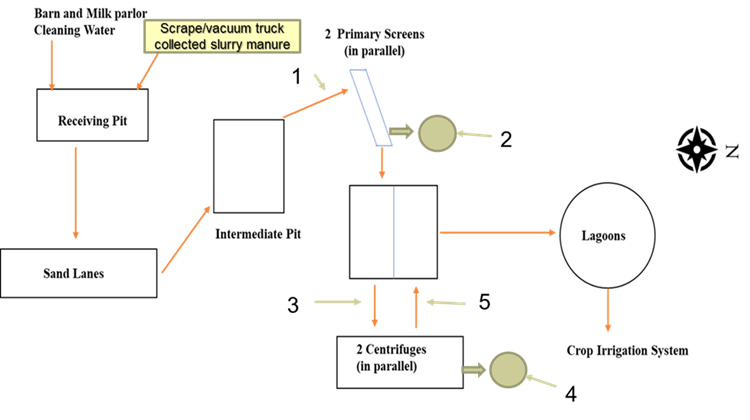
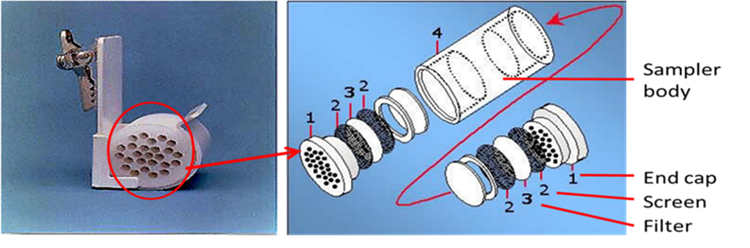
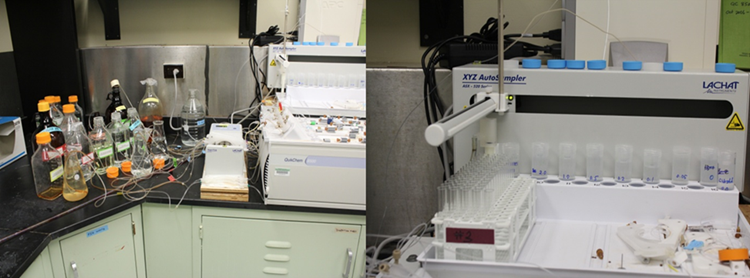
A year-long evaluation of on-farm centrifuges and screens on removing solids and nutrients and affecting ammonia emissions from centrifuge- and screen-separated liquid dairy manure was conducted. Triplicate fresh liquid dairy manure samples were collected monthly from before and after screens and centrifuges on a commercial dairy meanwhile triplicate screen- and centrifuge separated solids were collected from the same dairy. Figure 1 shows the dairy’s liquid manure flow diagram and locations where the liquid and solid manure samples were collected. The collected solids were analyzed for nitrogen (N), phosphorus (P), and potassium (K) concentrations by a certified commercial laboratory. The collected liquid samples were analyzed for total and suspended solids based on Methods 2540B and D (APHA, 2012) in the Waste Management Laboratory at the UI Twin Falls Research and Extension Center. Ammonia emissions from the monthly collected liquid dairy manure were evaluated using Ogawa ammonia passive samplers outside the Waste Management Lab for a year. Ammonia emission rate was calculated based on the duration and NH4-N concentrations from the Ogawa ammonia passive sampler tests. Ogawa passive ammonia sampler and Quickchem 8500 analysis system are shown in Figures 2 and 3.

Figure 1. Liquid manure flow diagram (liquid manure samples were collected at points 1 (before screens), 3 (after screens), and 5 (after centrifuges), solid samples were collected at points 2 (screen separated solids) and 4 (centrifuge separated solids).
Figure 2. Ogawa ammonia passive sampler.
Figure 3. Quickchem 8500 analysis system (Lachat Instruments, Milwaukee, WI).

What Have We Learned?

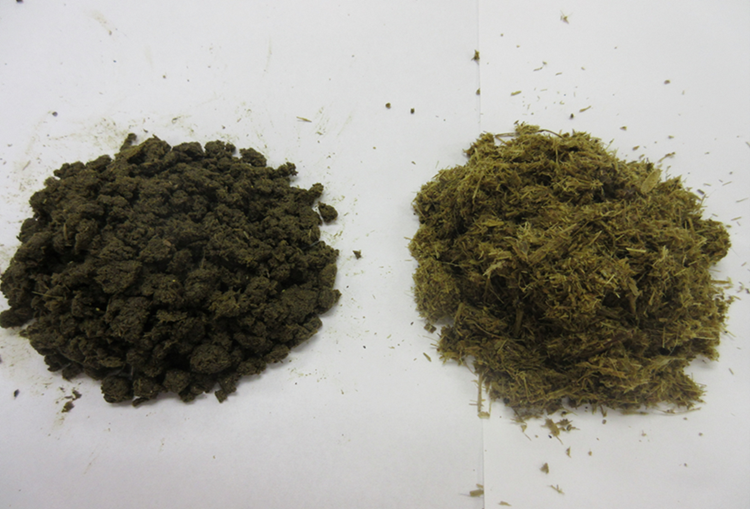
Centrifuge can further remove finer particles than cannot be removed by primary screens. Figure 4 shows both the screen- and centrifuge separated solids.

Figure 4. Centrifuge separated (left) and screen (right) separated solids.

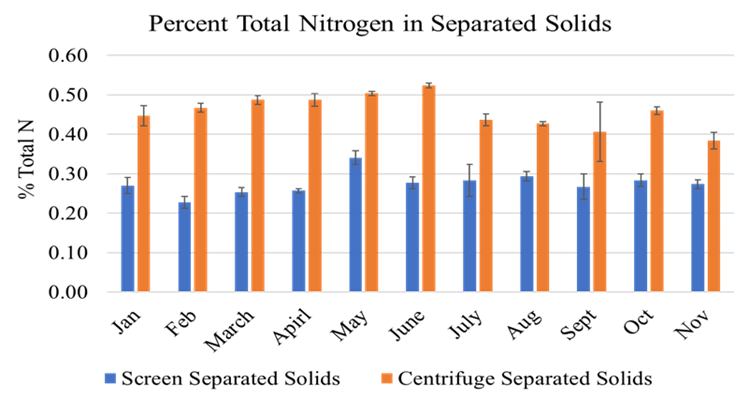
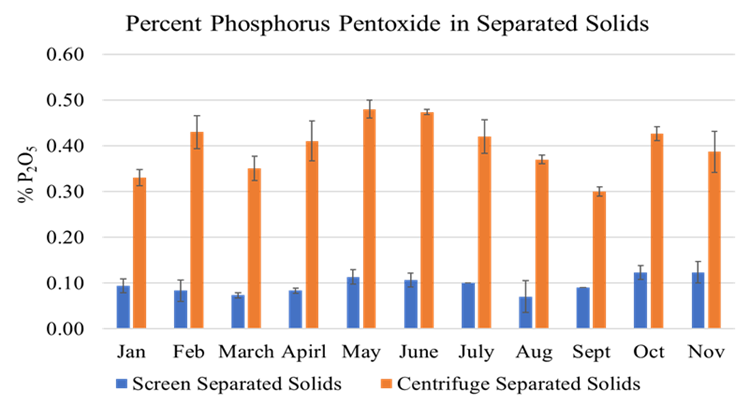
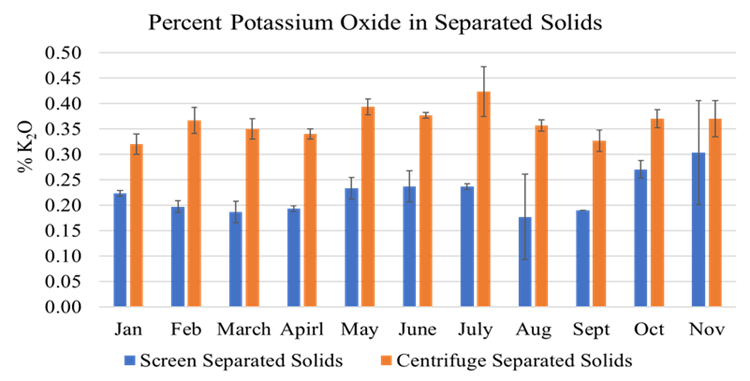
Total nitrogen, phosphorus, and potassium in screen- and centrifuge separated solids are shown in Figures 5, 6, and 7. It was noticed that centrifuge separated solids had significantly (P<0.05) higher N, P, and K than that in screen separated solids. Yearlong averages of 9.2 lb/ton of total nitrogen, 8.0 lb/ton of P2O5, and 7.2 lb/ton of K2O were in the centrifuge separated solids while yearlong averages of 5.4 lb/ton of total nitrogen, 2.0 lb/ton of P2O5, and 4.4 lb/ton of K2O were in the screen separated solids.

Figure 5. Total nitrogen in screen separated and centrifuge separated solids.
Figure 6. Phosphorus in screen separated and centrifuge separated solids.
Figure 7. Potassium in screen separated and centrifuge separated solids.

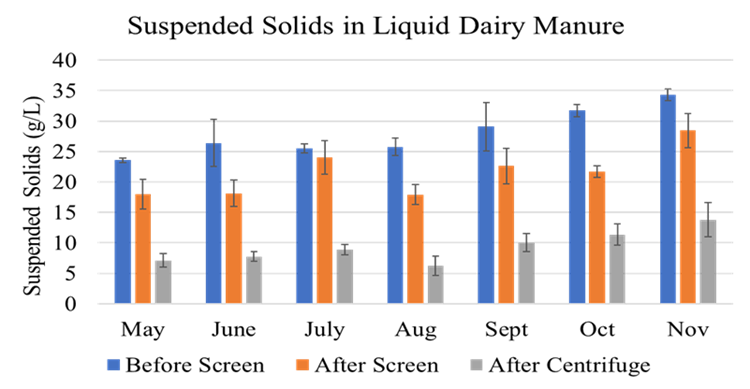
Liquid dairy manure total solids and suspended solids are shown in Figures 8 and 9. Both the total solids and suspended solids in the liquid stream were significantly (P<0.05) reduced after the screen and centrifuge treatment.

Figure 8. Total solids in raw (before screens), after screens, and after centrifuges.
Figure 9. Suspended solids in raw (before the screens), after the screens, and after the centrifuges.

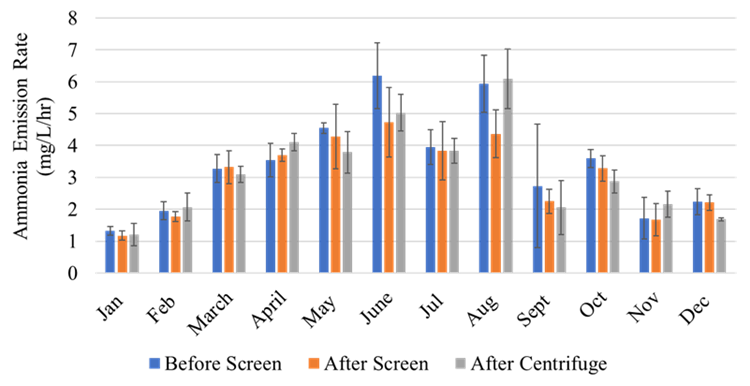
It was found that there was no significant difference (p≥0.05) between treatments for the ammonia emission rate in Figure 10 Which indicates that further treatment is needed to reduce ammonia emissions.

Figure 10. Ammonia emission rate during the test period.

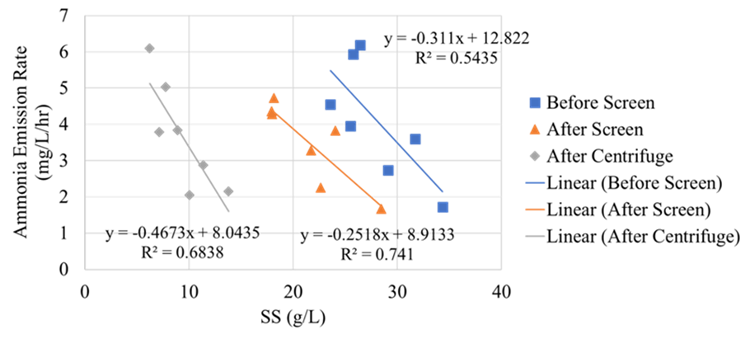
In Figure 11 a correlation was determined between ammonia emission rate and suspended solids. As suspended solids were reduced within liquid dairy manure the ammonia emission rate increased among the treatments.

Figure 11. Ammonia emission rate vs. suspended solids.

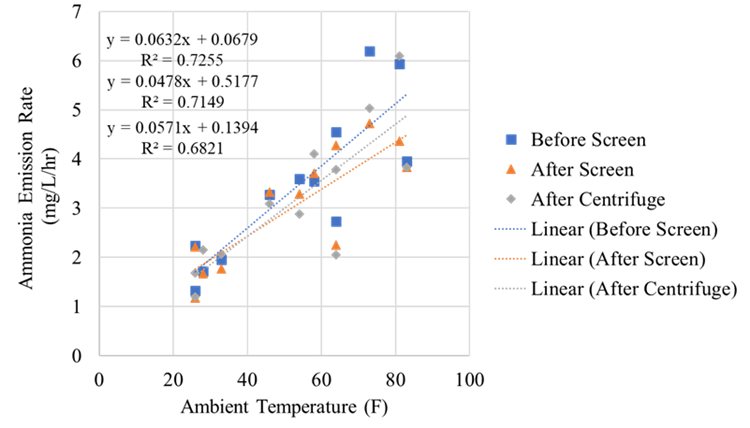
In Figure 12 a correlation was determined between ammonia emission rate and ambient temperature. As the ambient temperature increased, so did the ammonia emission rate among the treatments.

Figure 12. Ammonia emission rate vs. suspended solids.

The test results showed:

    1. Centrifuge can further remove finer particles that can’t be removed by primary screens.
    2. Centrifuge separated solids contained higher N, P, and K contents, especially P (at an average of 8 lb/ton of P2O5 in centrifuge separated solids vs. 2 lb/ton of P2O5 in screen separated solids).
    3. Ammonia emissions from raw liquid manure, screen- and centrifuge separated liquid manure did not show significant differences.
    4. The most influential factors for ammonia emissions from liquid dairy manure were ambient temperatures and suspended solids within the liquid dairy manure.

Future Plans

We will hold workshops and field days to communicate the results with producers and promote on-farm adoption of advanced separation equipment such as centrifuge.

Authors

Lide Chen, Waste Management Engineer, Department of Soil and Water Systems, University of Idaho

Corresponding author email address

lchen@uidaho.edu

Additional author

Kevin Kruger, Scientific Aide, Department of Soil and Water Systems, University of Idaho.

Additional Information

APHA. (2012). Standard Methods for the Examination of Water and Wastewater. Washington D.C. : American Public Heath Association., Pp. 2-64 and Pp. 2-66

Acknowledgements

USDA NIFA WSARE financially supported this study. Thanks also go to Scientists at USDA ARS Kimberly Station for their help with analyzing ammonia emission samples.


The authors are solely responsible for the content of these proceedings. The technical information does not necessarily reflect the official position of the sponsoring agencies or institutions represented by planning committee members, and inclusion and distribution herein does not constitute an endorsement of views expressed by the same. Printed materials included herein are not refereed publications. Citations should appear as follows. EXAMPLE: Authors. 2022. Title of presentation. Waste to Worth. Oregon, OH. April 18-22, 2022. URL of this page. Accessed on: today’s date.
Does Irrigation of Liquid Animal Manure Increase Ammonia Loss?

Purpose

Large bore traveling gun and center pivot irrigation systems have been used to apply treated lagoon effluent, liquid animal manure, and untreated slurry from swine and dairy farms in many parts of the USA. The primary advantage of using irrigation equipment to spread manure on cropland are the lower costs for energy and labor, and the higher speed of application as compared to using a tractor-drawn spreader. The primary disadvantages are related to increases in odor release and the possibility of spraying manure on roads or another person’s property.

Ammonia-N loss from land application of manure is important because it is a loss of fertilizer nitrogen, and it is a source of air pollution. A previous study and several extension publications state that irrigation of animal manure increases ammonia-N loss by 10% to 25% (Chastain, 2019). As a result, the total ammonia-N loss was the sum of the ammonia-N lost while the manure traveled from the irrigation nozzle to the ground and the ammonia-N lost as the manure released ammonia-N after striking the ground.

The objective of this presentation is to summarize the results of a meta-analysis of 55 data sets from 3 independent sources to quantify the ammonia-N lost during the interval of time from when the liquid manure exited the irrigation equipment and when a sample was collected on the ground. The complete review, data analysis, and the data used were provided by Chastain (2019).

What Did We Do?

The study included data from traveling gun, center pivot, and impact sprinkler irrigation of untreated liquid and slurry manure, lagoon supernatant, and effluent from an oxidation ditch. The data sets included measurements of the total solids content (TS, %), total ammoniacal N concentration (TAN = ammonium-N + Ammonia-N), and total nitrogen (TKN) for a sample collected from the lagoon or storage to describe what was in the manure that left the irrigation nozzle and measurements of the TS, TAN and TKN in the samples that were collected from containers on the ground. The concentrations of TS, TAN, and TKN in the ground collected manure samples were plotted against the TS, TAN, and TKN concentrations in the irrigated manure. The data pairs were analyzed using linear regression to determine if there was a statistically significant difference between the irrigated and ground collected samples. If there was perfect agreement the slope of the line would be 1.0. Therefore, statistical tests were used to determine if the slope of the line was statistically different from 1.0. If the test indicated that the slope was not significantly different from 1.0 then irrigation did not change the concentration of the TS, TAN, or TKN.

What Have We Learned?

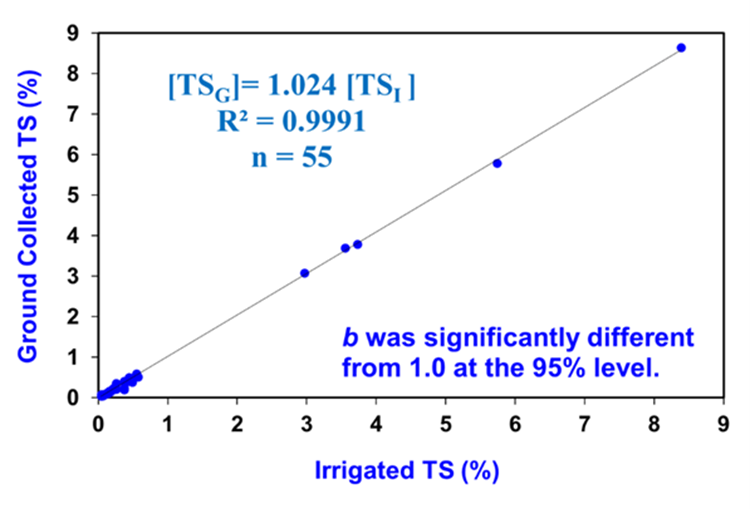
Well-known data used in irrigation design indicates that evaporation loss during irrigation ranges from 1% to 3.5%. The plot of the data for irrigated manure is shown in Figure 1. It was determined that the slope of the regression line was statistically greater than 1.0. Therefore, evaporation losses were small, 2.4%, and agreed with previous studies on irrigation performance.

Figure 1. Comparison of the total solids content of the irrigated manure and the samples collected on the ground indicated that evaporation losses were 2.4%.

The plot of the TAN concentrations collected on the ground and the TAN contained in the irrigated water is shown in Figure 2.). The results showed that irrigation of manure did not result in a change in the concentration of TAN. Therefore, irrigation of manure did not cause ammonia-N loss.

The same type of analysis was done for the total nitrogen data to serve as check on the TAN results. As expected, the analysis showed that irrigation did not significantly alter the concentration of TKN.

Figure 2. The concentration of the total ammoniacal nitrogen was not changed as the manure traveled through the air. This was indicated by a regression line slope that was not significantly different from 1.0.

A previous study reported TAN losses ranging from 10% to 25% during irrigation of liquid manure. Error analysis of the techniques used in these studies indicated that most of the average ammonia-N loss predicted was due to volume collection error in the irrigate-catch technique that was used, and not evaporation and drift as was assumed (see Chastain, 2019). It was concluded that irrigation, as a manure application method, did not increase ammonia-N losses. These results do not imply that ammonia volatilization after manure strikes the ground is to be ignored. The suitability of irrigation as a liquid manure application method should be evaluated based on the level of treatment and the potential impact of odors on neighbors.

Future Plans

These results are being used in extension programs and to help refine estimates of ammonia-N loss associated with land application of manure.

Author

John P. Chastain, Professor and Extension Agricultural Engineer, Agricultural Sciences Department, Clemson University

Corresponding author email address

jchstn@clemson.edu

Additional Information

Chastain, J.P. 2019. Ammonia Volatilization Losses during Irrigation of Liquid Animal Manure. Sustainability 11(21), 6168; https://doi.org/10.3390/su11216168.


The authors are solely responsible for the content of these proceedings. The technical information does not necessarily reflect the official position of the sponsoring agencies or institutions represented by planning committee members, and inclusion and distribution herein does not constitute an endorsement of views expressed by the same. Printed materials included herein are not refereed publications. Citations should appear as follows. EXAMPLE: Authors. 2022. Title of presentation. Waste to Worth. Oregon, OH. April 18-22, 2022. URL of this page. Accessed on: today’s date.
Quantification of greenhouse gas emission reductions for eight dairy manure management systems employed in the Northeast and upper Midwest

Purpose

Dairy farmers and their key advisors, the balance of the dairy value chain, policy makers, government officials, non-governmental organizations (NGOs), and astute consumers value best available information about the greenhouse gas (GHG) emissions associated with milk production. In 2020, the Innovation Center for US Dairy set three 2050 environmental stewardship goals spanning from cradle to processor gate, including GHG neutrality. Further, they committed to reporting on progress towards the goals every five years starting in 2025.

Dairy farming economics will continue to drive production consolidation, a trend that substantially began in the 1960s. Consolidation results in fewer total farms yet only somewhat fewer total cows overall; thus, the number of cows per farm has substantially increased. The best management practice of long-term manure storage (LTS) was developed by USDA NRCS decades ago to protect water quality due to manure runoff and infiltration. The number of farms with LTS increased as the number of cows per farm increases. Overall, LTSs are largely anaerobic, resulting in the emission of methane (CH4) and in some cases nitrous oxide (N2O). It is generally understood that the 2nd largest cradle to farm gate CH4 emission source is LTS. Continued industry consolidation will result in more LTS over time.

Continued use of (LTS) to protect water quality, coupled with today’s use of manure treatment practices on-farm and the US dairy and other GHG reduction goals set are important reasons to quantify manure-based GHG emissions.

What Did We Do

To help dairy farmers and others understand the relative impact manure management (MM) has on GHG emissions, seven integrated MM systems that are utilized by farmers in the Northeast/upper Midwest were analyzed. The approach was to calculate the GHG emission impacts using best available information and procedures. The seven systems analyzed, each shown in process flow order, were:
1. Long-term storage (LTS)
2. Solid-liquid separation (SLS), LTS
3. SLS, LTS with cover/flare (CF)
4. Anaerobic digestion (AD) of manure only, SLS, LTS
5. AD, SLS, LTS with CF
6. AD of manure/food waste, SLS, LTS with CF
7. AD of manure/food waste, SLS, LTS with cover/gas utilization

The resulting net GHG emission values were compared to the baseline MM practice of daily spreading.

Impact of systems on GHG emissions associated with LTS and offsets from net energy production and landfill organics diversion (anaerobic digestion systems only) were included. Results were normalized on a metric ton of carbon dioxide equivalent (CO2e) per cow-year basis. A 100-year global warming potential (GWP100) value of 25 and a 20-year GWP20 (84) were used for comparative purposes in calculating CO2e. A sensitivity analysis was conducted to understand the impact of volatile solid (VS) biodegradability on GHG emissions and anaerobic digester system biogas leakage.

What Have We Learned

Not surprisingly, results show that the largest GHG reduction opportunity was from anaerobic co-digestion of dairy manure with community substrate (7. above). The net GHG emission from this system was -16 (GWP100) and -43 (GWP20) metric tons CO2e per cow-year (GHG avoidance). This is compared to the GHG emission of 1.9 (GWP100) and 5.6 (GWP20) metric tons CO2e per cow-year from the LTS (1. above). Sensitivity analysis results showed manure VS degradability had meaningful impact on GHG emissions, particularly for Scenario 4, and for the co-digestion scenarios, the most significant impact – 5% – resulted in a leakage increased from 1% to 3%. While using SLS with an impermeable cover and flare system on a separated liquid manure LTS reduces CH4 emissions as compared to uncovered long-term liquid manure storage, the practice does not provide an opportunity to achieve net zero or better manure enterprise GHG footprint because the energy in the biomass is wasted and diversion of organics from landfills cannot be effectively included.

Future Plans

Next step is to develop additional results for integrated MM systems that included advanced manure treatment technologies that further reduce the organic loading on LTSs. Further parallel work will focus on quantifying these same advanced manure treatment technologies on their partitioning of digester effluent nutrients for off-farm export.

Authors

Curt A. Gooch, Sustainable Dairy Product Owner, Land O’Lakes – Truterra
cgooch@landolakes.com

Additional Authors
-Peter E. Wright, Extension Associate, Cornell PRO-DAIRY Dairy Environmental Systems Program
-Lauren Ray, Extension Support Specialist III, Cornell PRO-DAIRY Dairy Environmental Systems Program

Additional Information

More information on related work can be found on the Cornell University PRO-DAIRY Dairy Environmental Systems Program website: https://cals.cornell.edu/pro-dairy/our-expertise/environmental-systems.

Acknowledgements

The Coalition for Renewable Natural Gas and the New York State Department of Agriculture and Markets provided financial resources to support this work.


The authors are solely responsible for the content of these proceedings. The technical information does not necessarily reflect the official position of the sponsoring agencies or institutions represented by planning committee members, and inclusion and distribution herein does not constitute an endorsement of views expressed by the same. Printed materials included herein are not refereed publications. Citations should appear as follows. EXAMPLE: Authors. 2022. Title of presentation. Waste to Worth. Oregon, OH. April 18-22, 2022. URL of this page. Accessed on: today’s date.
Abating Particulate Matter Emissions From On-Farm Poultry Litter-Fueled Energy Systems

Purpose

Approximately, 11% of the poultry operations in the United States are in the five-state region of the Chesapeake Bay Watershed (Bay), representing 7,000 family farms and generating about $1.1B in revenues. The Bay states have identified a variety of manure management practices and programs to help meet the nutrient reduction targets set in the Bay-Total Maximum Daily Load plan. Poultry-litter fueled on-farm thermal conversion processes (PL-TCP) can be used to generate renewable thermal energy for heating poultry houses. Additionally, PL-TCP can potentially enhance nutrient management alternatives by concentrating the phosphorus- and potassium-rich ash co-products to enable reaching more distant markets more efficiently. However, due to PL fuel properties, scale- and setting-appropriate emission abatement has been a challenge for on-farm PL-TCP.

What Did We Do

This project assessed total particulate matter (TPM) emissions for two PL-TCP systems on two poultry farms, S1 and S2, and at a technology provider facility (S3). S1 is located in Pennsylvania on a 60-acre farm with two 24,000 sq. ft poultry houses. The farm raises certified-organic broilers on approximately six-week flock cycles resulting in an average of five flock cycles per year per house. The biomass boiler and heat distribution systems were installed by Total Energy Solutions (TES) to provide heating for two poultry houses and an adjacent mechanical shop in 2012. The system specified by TES uses a biomass boiler (model CGS-225 and rated at 1.5 MMBtu/hr) marketed through Triple Green Products (TGP), Morris, Manitoba. S2 is also located on a poultry farm in Pennsylvania with three 24,000 square foot poultry houses for antibiotic free broilers, with an average of six-and-a-half flock cycles per year per house. In 2015, the farmer installed two Bio-Burner BB-500 heating units from LEI Products, a firm now doing business as OrganiLock, to heat two of the poultry houses. The heating units are each rated 0.5 MMBtu/hr and were installed in a mechanical room located between two poultry houses. S3 is located at the OrganiLock corporate headquarters in Kentucky where a bioenergy unit, similar to that at S2, is used for testing purposes.

The TPM emissions were assessed using EPA source testing methods. Seventy-eight emission tests were completed for 15 different system configurations. First, we established the baseline TPM emissions and shared this information with collaborating technology providers to inform their modifications to the TPM-emission abatement control systems to meet the stated project TPM reduction goal of at least 70%. Base case emission factors were estimated as 3.851 and 2.885 TPM-lb/MMBtu for S1 and S2, respectively. Abatement system upgrades consisted of cyclones with a bag filter system at S1, a wet scrubber at S2, and filtration media at S3. Three levels of a fuel additive were used during seven source emission tests in the bioenergy unit at S3. The fuel additive consisted of an aluminosilicate mineral product and dosed with the poultry litter fuel at 2%, 5%, and 10%, by weight (w.b.). Additionally, farmers were interviewed to share their experiences operating the on-farm bioenergy units for use in broader outreach dissemination.

What Have We Learned

The abated emission factor for the S1 system was 0.187 TPM-lb/MMBtu, a 95% reduction relative to the base case. While the abated emission factor for the S2 system was 1.887 TPM-lb/MMBtu, a 35% reduction relative to the base case. The use of the mineral additive at S3 at a 10% fuel mix reduced the emission factor for that system from 2.885 to 1.098 TPM-lb/MMBtu, a 61% reduction. Three educational videos were developed from recorded farmer interviews to document and share actual experiences operating these on-farm bioenergy systems. The intent of these videos is to help inform potential future adopters of these technologies on the first-hand operational experiences shared by the technology host farmers managing these on-farm poultry little-to-energy technologies.

Future Plans

Future areas of work include: develop a techno-economic assessment to understand the economic viability of fully-abated systems, including farmer/service provider time requirements and to compare to other nutrient and energy management strategies; optimize abatement systems to evaluate options for lower capex/opex abatement strategies; evaluate fuel additives to replicate emission reductions and assess impacts to broader system performance; benchmark fuel properties to characterize the range of highly variable PL more suitable for thermal conversion processes; and assess the key factors for broader adoption.

Authors

John Ignosh, Extension Specialist, Dep. Biological Systems Engineering, Virginia Tech, Harrisonburg, VA, USA
Jignosh@vt.edu

Additional Authors
Jactone Ogejo, Associate Professor & Extension Specialist, Dep. Biological Systems Engineering, Virginia Tech, Blacksburg, VA, USA

Additional Information

https://sites.google.com/vt.edu/bioenergy-emissions-abatement/home

Acknowledgements

This summary is based on work supported by the Natural Resources Conservation Service, U.S. Department of Agriculture, under #69-2037-18-006

Videos, Slideshows and other Media

1. https://youtu.be/tQAirjhxAs4

2. https://cdnapisec.kaltura.com/html5/html5lib/v2.75.3/mwEmbedFrame.php/p/2375811/uiconf_id/41950442/entry_id/1_3nrpmniy?wid=_2375811&iframeembed=true&playerId=kaltura_player&entry_id=1_3nrpmniy&flashvars[streamerType]=auto&flashvars[localizationCode]=en&flashvars[leadWithHTML5]=true&flashvars[sideBarContainer.plugin]=true&flashvars[sideBarContainer.position]=left&flashvars[sideBarContainer.clickToClose]=true&flashvars[chapters.plugin]=true&flashvars[chapters.layout]=vertical&flashvars[chapters.thumbnailRotator]=false&flashvars[streamSelector.plugin]=true&flashvars[EmbedPlayer.SpinnerTarget]=videoHolder&flashvars[dualScreen.plugin]=true&flashvars[hotspots.plugin]=1&flashvars[Kaltura.addCrossoriginToIframe]=true&&wid=1_1q37mw14#

3. https://cdnapisec.kaltura.com/html5/html5lib/v2.75.3/mwEmbedFrame.php/p/2375811/uiconf_id/41950442/entry_id/1_cdnhswma?wid=_2375811&iframeembed=true&playerId=kaltura_player&entry_id=1_cdnhswma&flashvars[streamerType]=auto&flashvars[localizationCode]=en&flashvars[leadWithHTML5]=true&flashvars[sideBarContainer.plugin]=true&flashvars[sideBarContainer.position]=left&flashvars[sideBarContainer.clickToClose]=true&flashvars[chapters.plugin]=true&flashvars[chapters.layout]=vertical&flashvars[chapters.thumbnailRotator]=false&flashvars[streamSelector.plugin]=true&flashvars[EmbedPlayer.SpinnerTarget]=videoHolder&flashvars[dualScreen.plugin]=true&flashvars[hotspots.plugin]=1&flashvars[Kaltura.addCrossoriginToIframe]=true&&wid=1_mets5wc5#


The authors are solely responsible for the content of these proceedings. The technical information does not necessarily reflect the official position of the sponsoring agencies or institutions represented by planning committee members, and inclusion and distribution herein does not constitute an endorsement of views expressed by the same. Printed materials included herein are not refereed publications. Citations should appear as follows. EXAMPLE: Authors. 2022. Title of presentation. Waste to Worth. Oregon, OH. April 18-22, 2022. URL of this page. Accessed on: today’s date.
Air Quality Issues at Livestock Facilities

Abstract

Confinement and concentration of livestock and poultry production decades ago exacerbated nuisance and health effects caused by emissions of odor, particulate matter (dust) and gases from animal manure. Concern about health effects on animals and farm workers are due to potential exposure to high concentrations of various noxious gases and particulate matter. People downwind of production facilities and land application of manure are concerned about both nuisance odor and health effects, resulting in lawsuits, community protests, government regulations, and state and federal consent decrees and agreements. Besides the chronic issue of odor, livestock production’s emissions of ammonia, hydrogen sulfide, volatile organic compounds, greenhouse gases, and bioaerosols have also created potential problems depending on livestock species, site location, and facility design, and management. Major technical air quality issues facing livestock producers are: 1) obtaining suitable sites for new facilities, 2) selecting effective and practical mitigation methods, if necessary, 3) obtaining reliable and economical on-farm measurements of pollutant concentrations and emissions, 4) estimating pollutant emission rates at their farms, and 5) managing manure to minimize impacts of pollutant emissions.


The authors are solely responsible for the content of these proceedings. The technical information does not necessarily reflect the official position of the sponsoring agencies or institutions represented by planning committee members, and inclusion and distribution herein does not constitute an endorsement of views expressed by the same. Printed materials included herein are not refereed publications. Citations should appear as follows. EXAMPLE: Authors. 2022. Title of presentation. Waste to Worth. Oregon, OH. April 18-22, 2022. URL of this page. Accessed on: today’s date.
Odor Emissions from Typical Animal Production Farms in Ohio

Purpose

Odor emissions from animal feeding operations (AFOs) remain a significant nuisance issue. Some neighboring communities of AFOs have complained that odor degraded their quality of life and well-being. Odor is a subjective response of humans, and the perception of odor varies significantly among people. Farmers may have been used to the farm smells and do not feel odor offensive. However, people with no farming background may be sensitive to odor and experience many different physiological and psychological responses to odor.

Unbiased scientific assessments are needed to resolve conflicts among farmers and neighboring communities and make objective and informed decisions about best management practices for odor mitigation in animal productions. Due to the complication and high cost of odor measurement, limited odor data are available to facilitate scientific understanding and develop effective mitigation of the odor concerns. The presentation reports on-farm odor sampling methods, measurement of odor concentrations in labs, and estimation of odor emission rates (ERs) for representative animal production farms in Ohio.

What Did We Do

Over the past decades, we have developed many research and extension projects to evaluate air quality and emissions at typical Ohio farms through seasonal on-farm sampling and monitoring measurement. The farms include swine, dairy, and poultry layer farms. Odorous air was sampled into 10-L Tedlar bags using a SKC-Vac-U-Chamber (SKC Inc., 863 Valley View Road, Eighty-Four PA 15330). The odor samples were shipped to the odor lab at Purdue University within 30 h of collection for measurement of odor concentrations (OUE m-3) using a dynamic olfactometer (AC’SCENT International Olfactometer, St. Croix Sensory, Inc., Stillwater, MN, USA).

When it was feasible to measure ventilation rates of animal facilities, the ventilation rate data along with the odor concentration data were used to estimate odor emission rate from the animal facilities. Further, the odor concentration and emission data were analyzed to identify correlation with environmental conditions and other air pollutant emissions, such as ammonia emission, to seek effective management practices for odor control.

What Have We Learned

Odor sources are animals and their manure and therefore can be physically associated with animal buildings, manure storages, and fields of manure land application. Different animal operations result in significantly different odor levels and liquid manure management practices are associated with higher odor levels.

The odor characteristics of layer house exhaust air were strongly associated with layer manure characteristics. The annual mean odor concentration was quantified as 355 ± 112 OUE m-3, and the annual mean odor emission rate was estimated as 0.14 ± 0.11 OUE s-1 hen-1for two manure-belt layer houses in Midwest region.

Significant seasonal variations were observed in odor concentrations inside the layer houses with high concentrations in summer and winter. The odor emission rates were the lowest in spring, but not significantly different in summer, fall, and winter.

House ventilation rate significantly affected odor emission rates, with higher ventilation rates corresponding to higher odor emissions. Ammonia concentration and emission rate inside the layer houses were significantly and positively correlated with the odor concentrations and emission rate.

Odor concentrations decrease exponentially as distances from the sources increase. Odor dispersion is affected by many factors. The data analysis also indicated seasonal and spatial variations in odor levels on farms, and the times and places that effective mitigation is needed. Measurements of odor are fundamentally important to understand odor concerns, develop estimation tools and effective mitigation.

Future Plans

Continue to develop odor mitigation management practices and technologies and tools to predict odor emission and dispersion from animal feeding operations.

Authors

Lingying Zhao, Professor and Extension Specialist, The Ohio State University
zhao.119@osu.edu

Additional Authors

-Glen Arnold, Assoc. Professor and Extension Field Specialist, The Ohio State University
-Mike Brugger, Faculty Emeritus, The Ohio State University
-Roger Bender, Former OSU Extension Educators. The Ohio State University
-Gene McClure, Former OSU Extension Educators. The Ohio State University
-Eric Immerman, Former OSU Extension Educators. The Ohio State University
-Albert Heber, Professor Emeritus, Purdue University
-JiQin, Ni, Professor, Purdue University

Additional Information

Airquality.osu.edu

Zhao, L.Y., L.J. Hadlocon, R. B. Manuzon, M. J. Darr, X. Tong, A.J. Heber, and J.Q. Ni. 2015. Odour concentrations and emissions at two manure-belt egg layer houses in the U.S. J.Q. Ni, T.T. Lim, C. Wang (Eds.). In Animal Environment and Welfare–Proceedings of International Symposium (pp 42-49). Rong Chang, China, October 23-26th.

Acknowledgements

The air quality survey studies on Ohio farms were supported by the internal SEED grants of the Ohio Agricultural Research and Development Center, College of Food, Agricultural and Environmental Sciences, The Ohio State University.

The poultry layer house study was supported by the National Institute of Food and Agriculture, U.S. Department of Agriculture, under award number 2005-35112-15422.

Appreciation is also expressed to the participating producers and staff for their collaboration and support.


The authors are solely responsible for the content of these proceedings. The technical information does not necessarily reflect the official position of the sponsoring agencies or institutions represented by planning committee members, and inclusion and distribution herein does not constitute an endorsement of views expressed by the same. Printed materials included herein are not refereed publications. Citations should appear as follows. EXAMPLE: Authors. 2022. Title of presentation. Waste to Worth. Oregon, OH. April 18-22, 2022. URL of this page. Accessed on: today’s date.

Conservation Planning for Air Quality and Atmospheric Change (Getting Producers to Care about Air)

Purpose

The United States Department of Agriculture-Natural Resources Conservation Service (USDA-NRCS) works in a voluntary and collaborative manner with agricultural producers to solve natural resource issues on private lands. One of the key steps in formulating a solution to those natural resource issues is a conservation planning process that identifies the issues, highlights one or more conservation practice standards that can be used to address those issues, and allows the agricultural producer to select those conservation practices that make sense for their operation. In this conservation planning process, USDA-NRCS looks at natural resource issues related to soil, water, air, plants, animals, and energy (SWAPA+E). This presentation focuses on the resource concerns related to the air resource.

What Did We Do

In order to facilitate the conservation planning process for the air resource, USDA-NRCS has focused on five main issues: emissions of particulate matter (PM) and PM precursors, emissions of ozone precursors, emissions of airborne reactive nitrogen, emissions of greenhouse gases, and objectionable odors. Each of these resource concerns are further subdivided into resource concern components that are mainly associated with different types of sources or activities found on agricultural operations. By focusing on those agricultural sources and activities that have the largest impact on each of these air quality and atmospheric change resource concerns, USDA-NRCS has developed a set of planning criteria for determining when a resource concern exists. We have also identified those conservation practice standards that can be used to address each of the resource concern components.

What Have We Learned

Our focus on the agricultural sources and activities that have the largest impact on air quality has helped to evolve the conservation planning process by adding resource concern components that are targeted and simplified. This approach has led to a clearer definition of when a resource concern is identified, as well as how to address it. For example, the particulate-matter focused resource concern has been divided into the following resource concern components: diesel engines, non-diesel engine combustion equipment, open burning, pesticide drift, nitrogen fertilizer, dust from field operations, dust from unpaved roads, windblown dust, and confined animal activities. Each of these types of sources can produce particles directly or gases that contribute to fine particle formation. In order to know whether a farm has a particulate matter resource concern, a conservation planner would need to determine whether one or more of these sources is causing an issue. Once the source(s) of the particulate matter issue is identified, a site-specific application of conservation practices can be used to resolve the resource concern.

We expect that increased clarity in the conservation planning process will lead to a greater understanding of the air quality and atmospheric change resource concerns and how agricultural producers can reduce air emissions and impacts. Simple and clear direction should eventually lead to greater acceptance of addressing air quality and atmospheric change resource concerns.

Future Plans

USDA-NRCS will continue to refine our approach to addressing air quality and atmospheric change resource concerns. As we gain a greater scientific understanding of the processes by which air emissions are generated and air pollutants are transported from agricultural operations, we can better target our efforts to address these emissions and their resultant impacts. Internally, we will be working throughout our agency to identify those areas where we can collaboratively work with agricultural producers to improve air quality.

Authors

Greg Zwicke, Air Quality Engineer, USDA-NRCS National Air Quality and Atmospheric Change Team
greg.zwicke@usda.gov

Additional Authors
Allison Costa, Air Quality Engineer, USDA-NRCS National Air Quality and Atmospheric Change Team

Additional Information

General information about the USDA-NRCS can be found at https://www.nrcs.usda.gov. An overview of the conservation planning process is available at https://www.nrcs.usda.gov/wps/portal/nrcs/detail/national/programs/technical/cta/?cid=nrcseprd1690815.

The USDA-NRCS website for air quality and atmospheric change is https://www.nrcs.usda.gov/wps/portal/nrcs/main/national/air/.


The authors are solely responsible for the content of these proceedings. The technical information does not necessarily reflect the official position of the sponsoring agencies or institutions represented by planning committee members, and inclusion and distribution herein does not constitute an endorsement of views expressed by the same. Printed materials included herein are not refereed publications. Citations should appear as follows. EXAMPLE: Authors. 2022. Title of presentation. Waste to Worth. Oregon, OH. April 18-22, 2022. URL of this page. Accessed on: today’s date.