Development of a New Manure Amendment for Reducing Ammonia Volatilization and Phosphorus Runoff from Poultry Litter

Adding alum to animal manures greatly reduces ammonia (NH3) emissions and phosphorus (P) runoff.  Improvements in poultry production, lower energy costs and environmental benefits from alum have led to widespread use by the poultry industry. Over one billion broilers are grown with alum in the U.S. each year.  However, the price of alum has increased dramatically, creating a need for cheaper products that control NH3 and P losses. The goal of this research was to develop an inexpensive manure amendment that is as effective as alum in reducing NH3 volatilization and P runoff from poultry litter. Sixteen manure amendments were created using various ratios of alum mud, bauxite ore, sulfuric acid, liquid alum and water.  Alum mud is the waste product that is left over from the manufacture of alum when made by mixing sulfuric acid with bauxite. A laboratory NH3 volatilization study was conducted using a total of 11 treatments; untreated poultry litter, litter treated with liquid or dry alum and litter treated with eight of the new mixtures. All amendments tested resulted in significantly lower NH3 losses than the controls. Ammonia losses with dry and liquid alum were reduced by 86% and 75%, respectively.  Ammonia losses with the eight new amendments ranged from 62 to 73% less than controls and were not significantly different from liquid alum and the three most effective mixtures were not significantly different from dry alum.  All of the amendments also significantly reduced water extractable P (WEP); three of which resulted in significantly lower WEP than with dry alum. The most promising products were mixtures of alum mud, bauxite, and sulfuric acid. The potential impact of these products could be enormous, since they could be produced for less than half the price of alum, while being equally effective at reducing both NH3 emissions and P runoff.

Authors

Moore, Philip     philip.moore@ars.usda.gov        USDA/ARS

The authors are solely responsible for the content of these proceedings. The technical information does not necessarily reflect the official position of the sponsoring agencies or institutions represented by planning committee members, and inclusion and distribution herein does not constitute an endorsement of views expressed by the same. Printed materials included herein are not refereed publications. Citations should appear as follows. EXAMPLE: Authors. 2015. Title of presentation. Waste to Worth: Spreading Science and Solutions. Seattle, WA. March 31-April 3, 2015. URL of this page. Accessed on: today’s date.      

Impact of Manure Incorporation on Greenhouse Gas Emissions in Semi-Arid Regions


Purpose

Gaseous emissions from animal feeding operations (AFOs) can create adverse impacts ranging from short-term local effects on air quality, to long-term effects due to greenhouse gas generation. This study evaluates gaseous emissions from manure application with differing times to incorporation. The purpose of the study is to identify ways to improve manure management and land application BMPs in semi-arid regions with a high soil pH.

What did we do?

Manure application and incorporation methods were evaluated in a field setting on a soil with high pH. Scraped dairy manure was surface applied at a rate of 50 tons/acre to a Millville silt loam. Incorporation events occurred immediately, 24hrs after application, 72 hrs after application, and no incorporation. Gaseous emissions were monitored using a closed dynamic chamber with a Fourier Transformed Infrared (FTIR) spectroscopy gas analyzer, which is capable of monitoring 15-pre-programmed gases simultaneously including ammonia, carbon dioxide, methane, nitrous oxide, oxides of nitrogen, and volatile organic compounds. Emissions were monitored for 15 days.

What have we learned?

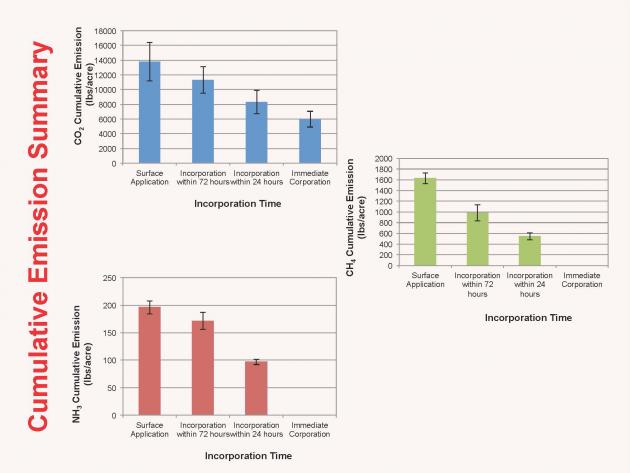
Emissions for methane (CH4) and ammonia (NH3) stopped when the manure was incorporated. For methane, 33% of the emissions occurred within the first 24 hours, 61% within the first 72 hrs. For ammonia, 50% of the emissions occurred within the first 24 hours, 88% within the first 72 hours. Carbon dioxide (CO2) emissions were reduced, but continued at a baseline level after incorporation. Immediate incorporation reduced total CO2 emissions for the 15 days by approximately 50%. Incorporation within 24 hours and 72 hours, reduced total CO2 emissions for the 15 days by 40% and 18%, respectively. Based on this data, incorporation greatly reduces NH3, CH4, and CO2 emissions. Rapid incorporation is needed to have a meaningful impact on NH3 and CH4 emissions. Best management practices should emphasize the need for immediate incorporation.

(Click to enlarge the graphs below).

Cumulative emissions summary: ammonia, carbon dioxide, and methane

Future Plans  

Examine the impact of tannins on gaseous emissions.

Authors   

Rhonda Miller, Ph.D.; Agricultural Systems Technology and Education Dept.; Utah State University rhonda.miller@usu.edu

Pakorn Sutitarnnontr, Ph.D.; South Florida Water Management District; Naples, FL Markus Tuller, Ph.D.; Soil, Water, and Environmental Science Dept.; University of Arizona Jim Walworth, Ph.D.; Soil, Water, and Environmental Science Dept.; University of Ar

Additional Information

Sutitarnnonntr, P., E. Hu, R. Miller, M. Tuller, and S. B. Jones. 2013. Measurement Accuracy of a Multiplexed Portable FTIR- Surface Chamber System for Estimating Gas Emissions. ASABE 2013 Paper and Presentation No. 131620669. St. Joseph, MI: American Society of Agricultural and Biological Engineers.

Website: http://agwastemanagement.usu.edu

Acknowledgements      

The authors gratefully acknowledge support from a USDA-CSREES AFRI Air Quality Program Grant #2010-85112-50524.

The authors are solely responsible for the content of these proceedings. The technical information does not necessarily reflect the official position of the sponsoring agencies or institutions represented by planning committee members, and inclusion and distribution herein does not constitute an endorsement of views expressed by the same. Printed materials included herein are not refereed publications. Citations should appear as follows. EXAMPLE: Authors. 2015. Title of presentation. Waste to Worth: Spreading Science and Solutions. Seattle, WA. March 31-April 3, 2015. URL of this page. Accessed on: today’s date.

Ethnobotanical Control of Odor in Urban Poultry Production: A Review


Purpose

Urban agriculture has been growing as the movement of population to the urban centers is increasing. According to FAO (2008), by 2030 majority of the population in sub sahara Africa (SSA) would be living in the urban area. Pollution from animal manure is a global concern and is much more acute and serious in countries with high concentrations of animals on a limited land base for manure disposal (Roderick, Stroot and Varel, 1998), this is the case with urban livestock production. Environmental pollution and odor complaints related to animal production have increased dramatically during the past decade (Ernest and Ronald, 2004). These odors potentially interfere with quality and enjoyment of life (Mauderly, 2002 and Albert, 2002). According to Pfost, Fulhage and Hoehne, 1999, odor complaints are more common when the humidity is high and the air is still or when the prevailing breezes carry odors toward populated areas. Inspite of the role that urban agriculture can play in pursuing the Millennium Development Goals, more specifically those, related to poverty reduction, food security, and environmental sustainability, odor from livestock still remains a major obstacle to future development. According to Obayelu 2010 there has been public’s increasing intolerance of livestock odors, hence the need to find solutions which will be ecosystem friendly. This paper will review some methods of odor control focusing on natural solutions to this problem.

What did we do?

For an odor to be detected downwind, odorous compounds must be: (a) formed, (b) released to the atmosphere, and (c) transported to the receptor site. These three steps provide the basis for most odor control. If any one of the steps is inhibited, the odor will diminish. (Chastain, 2000)

There are four general types of compounds for odor control: (1) masking agents that override the offensive odors, (2) counteractants that are chemically designed to block the sensing of odors, (3) odor absorption chemicals that react with compounds in manure to reduce odor emission, and (4) biological compounds such as enzymatic or bacterial products that alter the decomposition so that odorous compounds are not generated (Chastain, 2000). Some of these compounds are added directly to the manure while others are added to the feed. Yucca schidigera is a natural feed additive for livestock and poultry used to control odors, ammonia and other gas emissions, which can be detrimental to livestock performance. Essential oils are being promoted as effective and safe antimicrobial or antiviral (disinfectant) agents that also act as masking agents in the control of odor examples are thymol and carvacrol. Natural zeolite, clinoptilolite (an ammonium-selective zeolite), has been shown t o enhance adsorption of volatile organic compounds and odor emitted from animal manure due to its high surface area. Cai et al. (2007) reported reduction >51% for selected offensive odorants (i.e. acetic acid, butanoic acid, iso-valeric acid, dimethyl trisulfide, dimethyl sulfone, phenol, indole and skatole) in poultry manure with a 10% zeolite topical application. Treatment of broiler litter with alum was originally developed to reduce the amount of soluble phosphorous in poultry litter. However, it was also observed that using alum reduced the pH of the litter to below 6.5, and as a result, reductions in ammonia emissions from the litter have been observed.

Amendment of manure with alkaline materials such as cement kiln dust, lime, or other alkaline by-products can increase the pH to above 12.0, which limits the vast majority of microbialactivity, including odor producing microorganisms (Veenhuizen and Qi, 1993, Li et al., 1998). The effect of the addition of lime and other ONAs that alter the pH and moisture content of the waste and bedding requires further scientific research (McGahan, et al., 2002).

Dust particles can carry gases and odors. Therefore, dust control in the buildings can reduce the amount of odor carried outside. Management practices that can greatly reduce the amount of dust in poultry buildings are Clean interior building surfaces regularly, Reduce dust from feed, this can be by addition of oil to dry rations, proper and timely maintenance of feeders, augers, and other feed handling equipment. Also managing the relative humidity (RH) in poultry houses. Planting just three rows of trees around animal farms has also been proven to cut nuisance emissions of dust, ammonia, and odors from poultry houses. The use of tress around livestock facilities to mitigate odour and improve air quality has been recently reviewed by Tyndall and Colletti (2000). They concluded that trees have the potential to be an effective and inexpensive odor control technology particularly when used in combination with other odour control methods. Trees ameliorate odours by dilutio n of odour, encourage dust and aerosol deposition by reducing wind speeds, physical interception of dust and aerosols, and acting as a sink for chemical constituents of odour.

What have we learned?

The use of indigenous microorganisms for odor reduction related to livestock is being promoted under Natural farming, in this instance cultured mixtures of microorganisms consisting mainly of lactic acid bacteria, purple bacteria and yeast are used. This is already made into commercial product and marketed as effective microorganism activated solution (EMAS).

Interestingly, there is paucity of information on ethnobotanicals that are useful for odour control. Most literatures on ethnobotany focused of treatment and control of animal diseases but not on traditional control of the environment of livestock. As scientists are still working hard to develop chemical or biological additives which will eliminate or reduce odors associated with poultry wastes there is the need to survey traditional livestock owners for information that can serve for development of effective,inexpensive, efficient and suitable agent for odor control in poultry management.

Corresponding author, title, and affiliation

Oyebanji Bukola, Department of Animal Sciences, Obafemi Awolowo University, Ile-Ife, Nigeria

Corresponding author email

Oyebanji.bukola44@gmail.com

References

Albert, H. (2002) Outdoor Air Quality. Livestock Waste Facilities Handbook, Midwest Plan Service (MWPS),
Iowa State University in Ames, Iowa. Volume 18, section 3 Page 96.

Cai, L., Koziel, J.A., Liang, Y., Nguyen, A.T., and H. Xin. 2007. Evaluation of zeolite for
control of odorants emissions from simulated poultry manure storage. J. Environ. Qual.
36:184-193.

Chastain, J.P., and F.J. Wolak. 2000. Application of a Gaussian Plume Model of Odor
Dispersion to Select a Site for Livestock Facilities. Proceedings of the Odors and VOC
Emissions 2000 Conference, sponsored by the Water Environment Federation, April 16-19,
Cincinnati, OH., 14 pages, published on CD-ROM.

Ernest, F.B and Ronald, A.F.(2004) An Economic Evaluation of Livestock Odor Regulation Distances.
Journal of Environmental Quality, Volume 33, November–December 2004

FAO 2008. Urban agriculture for sustainable poverty alleviation and food security. FAO Rome

Mauderly, J.L. (2002) Health Effects of Mixtures of Air Pollutants. Air Quality and Health: State of the Science, Proceedings of the Clean Air Strategic Alliance Symposium, Red Deer, Alberta, Canada, June 3-4, 2002.

McGahan. E, Kolominska, C Bawden, K. and Ormerod. R (2002). Strategies to reduce odour emissions from Meat chicken farms Proceedings 2002 Poultry Information Exchange

Pfost, D. L., C. D. Fulhage, and J. A. Hoehne (1999) Odors from livestock operations: Causes and possible cures. Outreach and Extension Pub. # G 1884. University of MissouriColumbia.

Obayelu, A. E 2010. Assessment Of The Economic And Environmental Effects Of Odor Emission From Mechanically Ventilated Livestock Building In Ibadan Oyo State Nigeria. International Journal of science and nature VOL. 1(2) 113-119

Tyndall, J. and J. Colletti. 2000. Air quality and shelterbelts: Odor mitigation and livestock production a literature review. Technical report no. 4124-4521-48-3209 submitted to USDA, National Agroforestry Center, Lincoln, NE.

The authors are solely responsible for the content of these proceedings. The technical information does not necessarily reflect the official position of the sponsoring agencies or institutions represented by planning committee members, and inclusion and distribution herein does not constitute an endorsement of views expressed by the same. Printed materials included herein are not refereed publications. Citations should appear as follows. EXAMPLE: Authors. 2015. Title of presentation. Waste to Worth: Spreading Science and Solutions. Seattle, WA. March 31-April 3, 2015. URL of this page. Accessed on: today’s date.
Case Study: A Solid-Liquid Manure Separation Swine Operation for Resource Conservation


*Why Examine Solid – Liquid Manure Separation at Pig Farms?

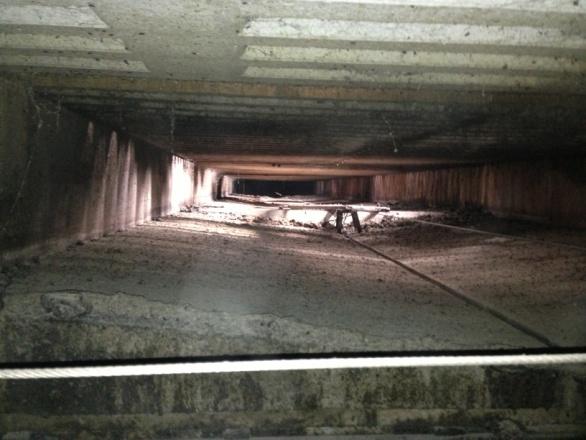
v-shape pit with automated manure scraper and trough

V-shape pit with automated manure scraper and trough

Many US pork production operations have become large in size and more geographically concentrated, and use very similar production facilities and manure management. With the potential extreme climates and diminishing water and land base, the industry needs to further improve the production systems and conservation effort. A Missouri swine finishing barn was designed to separate manure into solid and liquid portions, reduce odor and air emissions, and provide options for nutrient and water management. There is potential to reduce overall water use, and more importantly, to more efficiently export nutrients from the farm, or conserving nutrients in either the solid or liquid portions using additional practices.

What did we do?

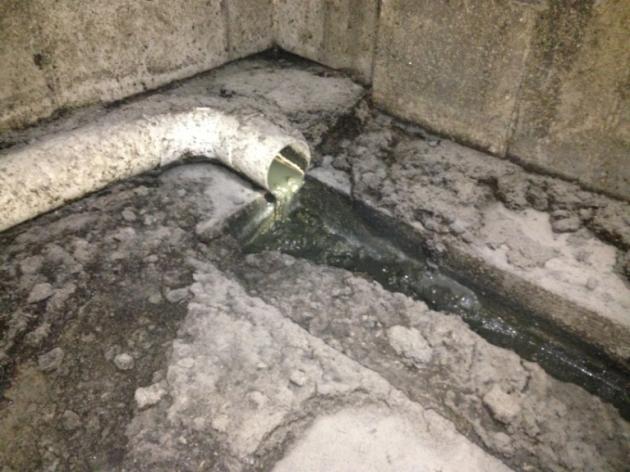
Gravity draining of liquid manure

Gravity draining of liquid manure

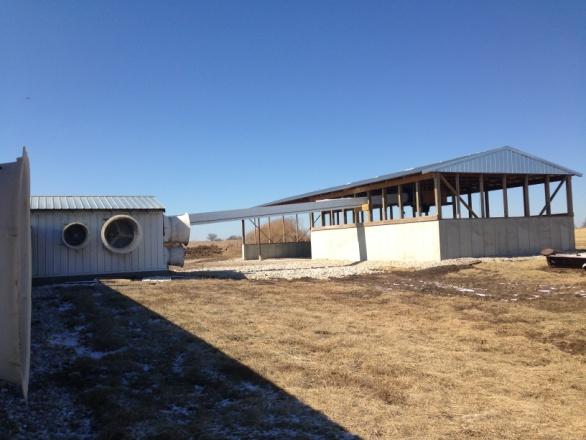
The solid/liquid separation barn has a capacity of 1200-hd. Manure management consists of a V-shaped gutter with mechanical scrapers installed beneath slatted floor, and a central pipe that collects the liquid manure fraction. The scraped manure is mechanically conveyed out to a nearby storage shed. Liquid manure portion is gravity drained into a temporary sump pit, and pumped into a nearby anaerobic lagoon automatically. Four monthly solid portion and liquid portion samples were collected and analyzed for moisture content, total nitrogen, phosphorous, potassium, pH, total carbon, and volatile solid content. The collected samples were kept on ice during transport and then frozen until analyzed by the University of Missouri Soil and Plant Testing Laboratory. Ammonia and hydrogen sulfide concentrations of the exhaust air streams were also measured using gas detection tubes during three of the four sampling events.

What have we learned?


storage shed for solid manure

Storage shed for solid manure

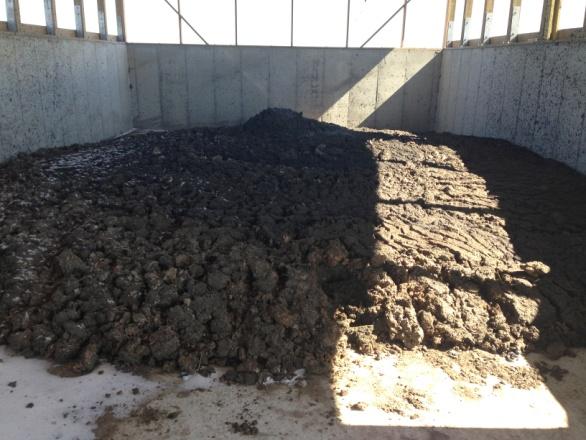
The solid manure portions have relatively low moisture content (MC, 57.9% to 63.4%, averaged 60.7%), and the liquid portion still have considerable amount of solids (MC = 93.3% to 98.3%, averaged 96.1%). The average nitrogen, phosphorus, potassium were 1.72%, 0.65%, 0.75% for the solid manure samples, and were 0.40%, 0.10%, and 0.29% for the liquid manure samples, respectively.

Ammonia concentration of the center exhaust fans averaged 7.7, 7.0, and 1.8 ppm for the February (n=3), March (n=2), and May (n=2) sampling visits respectively, and only one room fan was operating during the March visit, which measured 5.0 ppm (n=1). For all the sampling visits, hydrogen sulfide never reached the minimum detection limit of 0.5 ppm.

stored solid manure

Stored solid manure

The new facility design and reported findings have the potential to be adapted by new and existing production facilities, to develop new business models and management that are more flexible in nutrient management, and to improve resource conservation and reduce pollutions. It has been noted that the liquid stream can have relatively low solids from the well maintained scraper systems. If the farm continues to use the lagoon, there will be significantly less solid to be agitated and pumped. Assuming the untreated manure has a solid content of 6%, and the solid contents of the separated liquid and solid portions average about 3% and 39% respectively, the estimated contents in the solid manure are 28% and 47% of the total nitrogen and phosphorus in untreated manure, respectively. This is promising for exporting nutrients from the farm, or conserving nutrients in either the solid or liquid portions using additional practices.


Future Plans

More research is needed to systematically analyze the costs and management of the facilities, implications of water/nutrient conservations, potential byproduct production, and long-term sustainability improvement. The immediate next steps are to characterize the liquid and solid manure portions (in terms of volume and nutrient values) and barn air quality and emissions during different seasons. Effort should also include identification of the minimal and different levels of pre-treatment and reverse osmosis onto the liquid manure, for potential fertilizer concentrate, improved manure management, and potential water recycling. The long-term goals are to improve such solid/liquid separation barn, to provide partial manure treatment and water recycling potential that can be tailored for different cases and production sites.

Authors

Teng Lim, Associate Professor, University of Missouri limt@missouri.edu

Joseph M. Zulovich, University of Missouri.

Additional information

The collaboration of the farm owner and managers are greatly appreciated.

The authors are solely responsible for the content of these proceedings. The technical information does not necessarily reflect the official position of the sponsoring agencies or institutions represented by planning committee members, and inclusion and distribution herein does not constitute an endorsement of views expressed by the same. Printed materials included herein are not refereed publications. Citations should appear as follows. EXAMPLE: Authors. 2015. Title of presentation. Waste to Worth: Spreading Science and Solutions. Seattle, WA. March 31-April 3, 2015. URL of this page. Accessed on: today’s date.
On-Farm Evaluation of Wood bark-Based Biofilters in Terms of Mitigation of Odor, Ammonia, and Hydrogen Sulfide


Purpose

Mitigating odor and gas emissions is a big challenge facing concentrated animal feeding operations. Biofiltrtion has been recognized as one of the most promising technologies for reducing odor and gas emissions from animal facilities. However, the rate of on-farm biofilter adoption continues to be low. The purpose of this research was to demonstrate, evaluate, and encourage the widespread adoption of biofilters for mitigating odor and gas emissions.

What did we do?

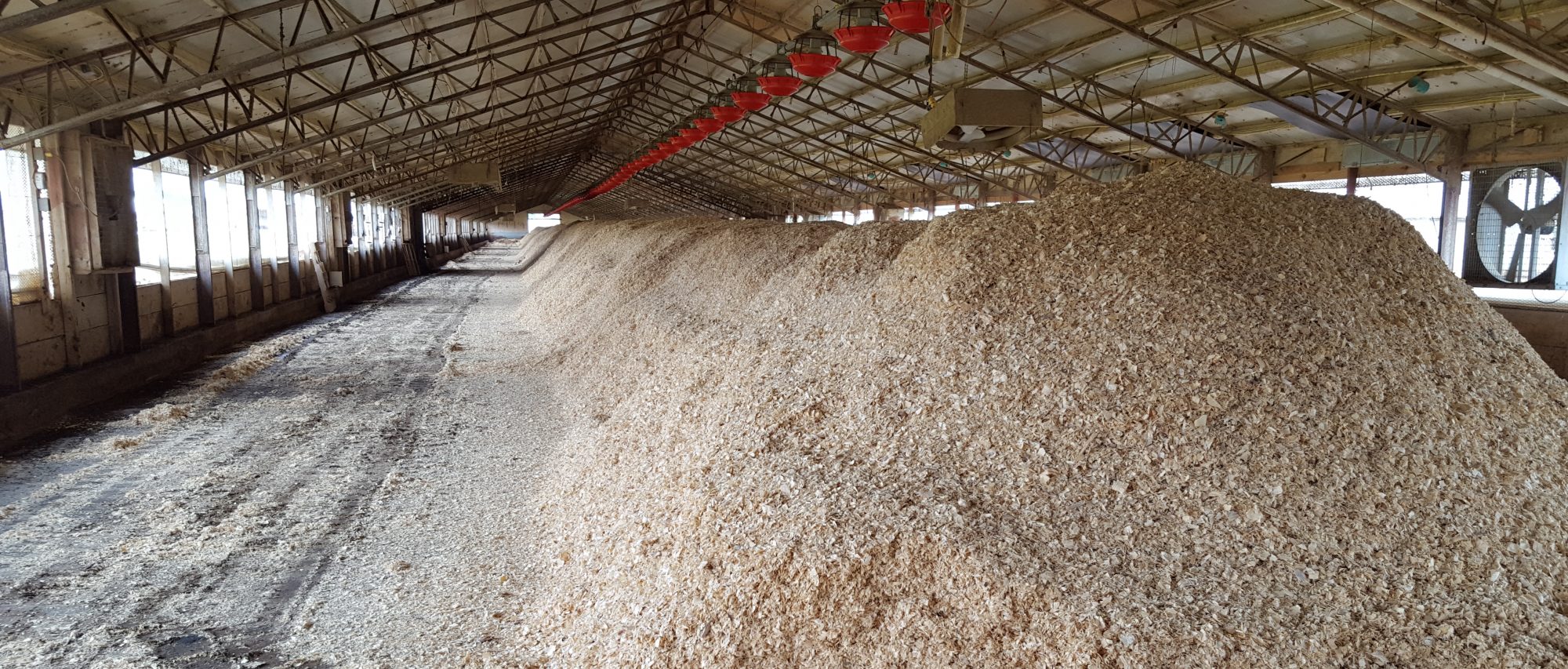
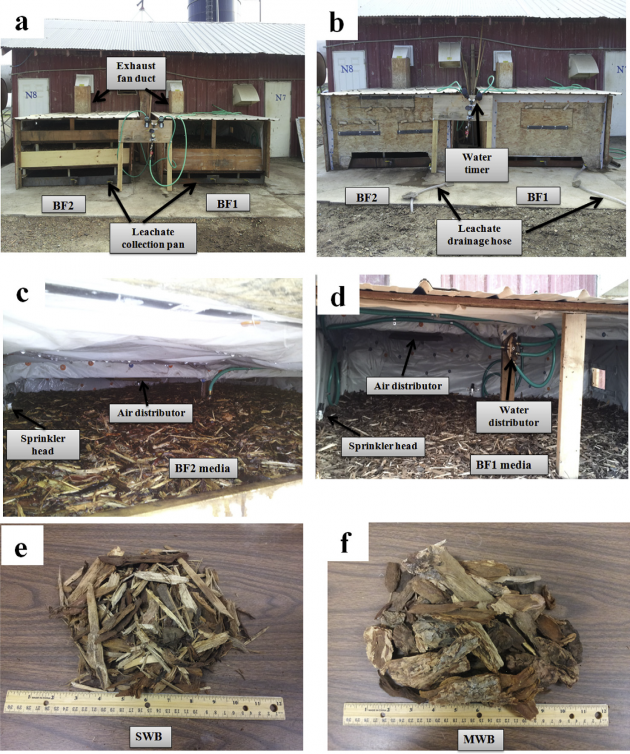
Two vertical down-flow biofilters were constructed on a commercial swine nursery farm. Both biofilter media were shredded wood bark and medium wood bark (1:2 on a volume basis). These biofilters were evaluated under real farm conditions in terms of mitigation of odor and gas emissions. Odor samples were collected using 10 L Tedlar bags and evaluated using a dynamic forced-choice olfactometer. Ammonia and hydrogen sulfide concentrations were monitored on-site by detection tubes. Pressure drop through the biofilter media was also measured on-site using an air velocity meter. A biofilter field day was held on the swine farm to demonstrate their effects and to present biofilter basics. Also, an educational video has been developed to help interested people get familiar with this technology.Picture (a)biofilter 1 (BF1) and biofilter 2(BF2) with front doors open; (b) biofilters with front doors closed; (c) media and water distribution system in BF2; (d) media and water distribution system in BF1; (e) shredded wood bark; (f) medium wood bark.

Figure 1. (a)biofilter 1 (BF1) and biofilter 2(BF2) with front doors open; (b) biofilters with front doors closed; (c) media and water distribution system in BF2; (d) media and water distribution system in BF1; (e) shredded wood bark; (f) medium wood bark.

What have we learned?

(2) Supporting materials showing biofilter basics and its effects on reducing aerosol emissions are needed to encourage biofilter adoption,
(3) Field days are a good platform for both research and demonstrations of new techniques,
(4) Producer’ collaboration and full participation are very important to make the research a success.

Odor and gas (NH3 and H2S) reduction efficiency and moisture distribution at different media depths of (a) biofilter 1 (BF1); (b) biofilter 2 (BF2)

Figure 2. Odor and gas (NH3 and H2S) reduction efficiency and moisture distribution at different media depths of (a) biofilter 1 (BF1); (b) biofilter 2 (BF2).

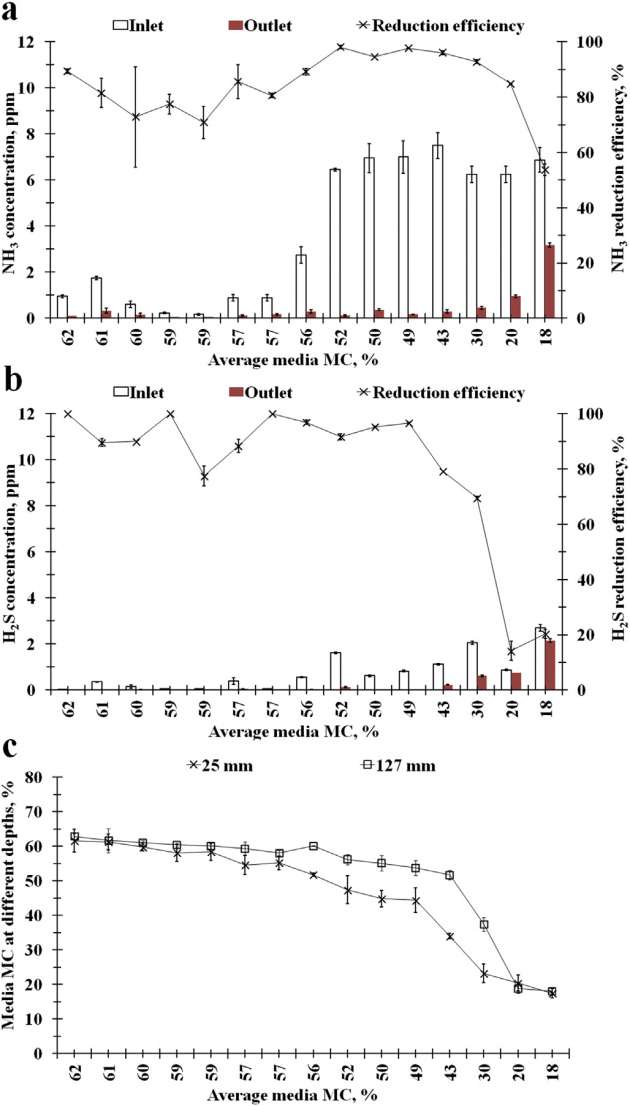
Reduction efficiency for first stage of biofilter 2 (BF2) at different media moisture contents (MC) (a) NH3; (b) H2S; (c) moisture distribution at different media depths. Shredded wood bark (depth of 127 cm) was used and EBRT was 0.9-1.0 s.

Figure 3. Reduction efficiency for first stage of biofilter 2 (BF2) at different media moisture contents (MC) (a) NH3; (b) H2S; (c) moisture distribution at different media depths. Shredded wood bark (depth of 127 cm) was used and EBRT was 0.9-1.0 s.

Reduction efficiency for second stage of biofilter 2 (BF2) at different media moisture contents (MC) (a) NH3; (b) H2S; (c) moisture distribution at different media depths. Medium wood bark (depth of 254 cm) was used and EBRT was 1.8-2.0 s.

Figure 4. Reduction efficiency for second stage of biofilter 2 (BF2) at different media moisture contents (MC) (a) NH3; (b) H2S; (c) moisture distribution at different media depths. Medium wood bark (depth of 254 cm) was used and EBRT was 1.8-2.0 s.

Future Plans

We will refine the developed educational videos and disseminate results from this study to our stakeholders.

Authors

Lide Chen, Waste Management Engineer and Assistant Professor, Biological and Agricultural Engineering Department, University of Idaho lchen@uidaho.edu

Gopi Krishna Kafle, Post-Doctoral Researcher; Howard Neibling, Extension Irrigation and Water Management Specialist and Associate Professor; B. Brian He, Professor, University of Idaho

Additional information

Contact Dr. Lide Chen at lchen@uidaho.edu for more information.

Acknowledgements

This project was partially funded by the USDA Natural Resource Conservation Service through a Conservation Innovation Grant. The authors gratefully thank Mr. Dave Roper for his cooperative efforts during this research.

The authors are solely responsible for the content of these proceedings. The technical information does not necessarily reflect the official position of the sponsoring agencies or institutions represented by planning committee members, and inclusion and distribution herein does not constitute an endorsement of views expressed by the same. Printed materials included herein are not refereed publications. Citations should appear as follows. EXAMPLE: Authors. 2015. Title of presentation. Waste to Worth: Spreading Science and Solutions. Seattle, WA. March 31-April 3, 2015. URL of this page. Accessed on: today’s date.
Feedlot Ammonia (NH3) BMP Adoption: Barriers and Opportunities

Waste to Worth: Spreading science and solutions logoWaste to Worth home | More proceedings….

Purpose

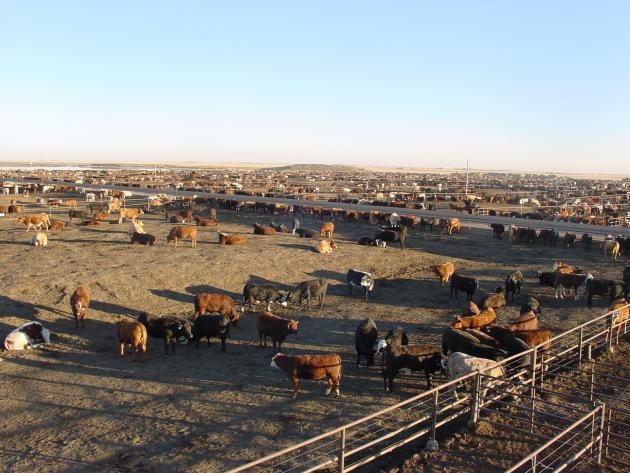
Gaseous ammonia emissions from feedlot operations pose serious risks to human and ecosystem health. In particular, nitrogen deposition in Colorado‟s Rocky Mountain National Park may be associated with livestock feeding in the western Corn Belt and Colorado. Feedlot operators can implement a variety of Best Management Practices (BMPs) to reduce ammonia emissions. These BMPs vary in effectiveness, simplicity, managerial time, effort and financial capital. Although the ammonia-mitigating potential of various BMPs is well-researched, little research examines the barriers that prevent feedlot operations from adopting these BMPs.

What Did We Do?

To learn more about these barriers, a questionnaire was mailed to 1,998 dairy and feedlot producers in June 2007. Survey responses (overall response rate of 7.6% for feedlots and dairies) allow determination of current levels of BMP adoption as well as producer perceptions of the environmental impact and economic feasibility of each BMP.  This research uses discrete choice modeling to evaluate factors influencing adoption for the average producer as well as subsets of producers.

What Have We Learned?

Of the thirteen BMPs surveyed, six of the BMPs had adoption rates greater than 50%, indicating sizeable overall adoption levels. Probit analysis enables estimation of the conditional probability of adoption given a set of attributes. Hiring a nutritionist, incorporating manure within 48 hours, collecting runoff from drylots and testing for nutrients are practices most amenable to large operations. These practices range from 50-75% adoption rates, indicating potential for increased adoption.  The perception of high cost seems to limit the adoption of hiring a nutritionist, especially for small producers who are unable to distribute the high fixed cost across as many animals.  A perception of technical expertise decreases the probability of testing manure and compost for nutrients, as well as for performing yearly soil tests.  The technical expertise constraint particularly impacts smaller producers for testing manure and compost, while it persists across all sizes for conducting yearly soil tests.  Both providing bedding in pens and shade in drylots (require less technical assistance than the average practice. This result, combined with the negative relationship between adoption and size indicates they are better suited for adoption by smaller operations, as well as operations where the feedlot represents the principal revenue stream

Future Plans

This study aimed to provide outreach professionals with a profile of ammonia BMP adoptees and factors influencing adoption decisions, based on findings from the survey sample. Two principal limitations characterized these findings. First, the low response rate limited the ability to generalize to the population of feedlot operators. Further research needs to improve the response rate, identifying issues that hindered operator participation. Potential reasons include the length of the survey and the sensitive political nature of ammonia emissions. Furthermore, dairy operations play a key role in managing ammonia emissions, yet the survey response rate for dairy operators was prohibitively low, preventing an empirical analysis similar to the feedlot analysis. This low response rate can likely be attributed to lower overall numbers of dairy operations, as well as reluctance to participate for unknown reasons. Our intention is to repeat the survey effort with an improved elicitation method, but also to update BP’s to those that are part of the feasible set of adoption by producers.

Authors

James Pritchett, Associate ProfessorDepartment of Agriculture and Resource Economics, Colorado State University  james.pritchett@colostate.edu

Carolyn Davidson, Economic Analyst, National Renewable Energy Laboratory

Nicole Embertson, Science and Planning Coordinator, Whatcom Conservation District

Jessica Davis, Professor and Director for the Institute for Livestock and the Environment, Colorado State University

Additional Information

https://extension.colostate.edu/topic-areas/agriculture/best-management-practices-for-reducing-ammonia-emissions-1-631/

The authors are solely responsible for the content of these proceedings. The technical information does not necessarily reflect the official position of the sponsoring agencies or institutions represented by planning committee members, and inclusion and distribution herein does not constitute an endorsement of views expressed by the same. Printed materials included herein are not refereed publications. Citations should appear as follows. EXAMPLE: Authors. 2013. Title of presentation. Waste to Worth: Spreading Science and Solutions. Denver, CO. April 1-5, 2013. URL of this page. Accessed on: today’s date.
Managing Livestock Ammonia: A Volatile, Promiscuous Fugitive In the Atmosphere (Rocky Mountain National Park)

Waste to Worth: Spreading science and solutions logoWaste to Worth home | More proceedings….

Abstract

Livestock production is the largest source of atmospheric ammonia, accounting for over 50 % and 40 % of the national and global inventories, respectively. At beef feedlots for example, 40 to 60 percent of the fed nitrogen is lost to the atmosphere as ammonia. Once ammonia enters the atmosphere it can convert to an aerosol and travel long distances from the source. Most of this fugitive nitrogen is eventually deposited back to the ground when scavenged from the air by precipitation. Unfortunately, this unintentional nitrogen transport and fertilization is having a negative ecological impact on pristine ecosystems around the globe. Thus, it is not surprising that livestock ammonia is an area of growing public concern and regulatory debate. Perhaps nowhere is ammonia from livestock under greater scrutiny than along the Front Range of Colorado. Increased levels of atmospheric nitrogen deposition are having a negative impact on the ecology of Rocky Mountain National Park, a crown jewel of the National Park System. While studies suggest many different sources are contributing to nitrogen deposition in the park (e.g., urban, out of state sources), much attention has been directed to the beef feedlots and dairies that populate the plains just east of the mountains. The keynote address will briefly discuss ammonia emissions from livestock at global scales, with commentary on a new United Nations report “Our Nutrient World” that draws considerable attention to manure management and atmospheric ammonia. The remainder of the presentation will focus on Colorado’s regional ammonia issue and what is being done to reduce ammonia loss from feedlots and dairies along the Front Range. New technologies for measuring ammonia and minimizing environmental impacts will be discussed.

About the Author

Jay Ham joined the Department of Soil and Crop Sciences at CSU in 2008 with an appointment that includes research, teaching, and extension responsibilities. Prior to joining the faculty at CSU, he led a program in Micrometeorology and Environmental Physics for 18 years at Kansas State University. Dr. Ham’s research includes: (1) evaluation of air and water quality issues at animal feeding operations; (2) instrumentation development for environmental, soil, and crop research; (3) micrometeorological studies of water, carbon, and contaminant transport between the surface and atmosphere; and (4) air quality impacts of oil and gas development. His teaching responsibilities include courses in micrometeorology and research proposal development.

Dr. Ham acts as lead investigator for several federally-funded research projects ($1.75 million) that focus on ammonia emissions from feedlots and dairies. This work includes the develop of management practices to reduce emissions from livestock operations and track atmospheric transport of ammonia along the Front Range – including nitrogen deposition in Rocky Mountain National Park. Jay and his team were recently awarded a new grant as part of the National Robotics Initiative (NSF and USDA) to develop air quality robotics for use at feedlots and diaries. Other research interests include the air quality impacts of hydraulic fracturing used in oil and gas exploration.

He can be contacted at:
Jay Ham, Dept. of Soil and Crop Sciences, Colorado State University
970-491-4112
jay.ham@colostate.edu

What Happens When You Mix Chitosan and Poultry Litter?

Waste to Worth: Spreading science and solutions logoWaste to Worth home | More proceedings….

Abstract

The solubility of phosphorus (P) and low nitrogen(N):P ratio of poultry litter present environmental challenges when using this resource to supply nutrients to crops and forages.  Here, we explore the use of chitosan to reduce water extractable P (WEP) in poultry litter and potentially increase the N:P ratio.  Chitosan is derived from chitin, which is a waste product from the commercial shellfish industry; chitin is processed into chitosan through deacetylation, removing acetyl groups from this long-chained molecule.  Chitin has been successfully used in manure separation and flocculation in wastewater treatment processes, as well as immobilizing algae in wastewater streams to uptake nutrients. 

We performed a series a lab studies to evaluate how chitosan might reduce WEP, influence ammonia volatilization and potentially increase the N:P ratio of poultry litter.  Our experiments showed that chitosan was effective at reducing WEP content of poultry litter and increasing the N:P ratio, but ammonia volatilization might be increased under moist conditions.  We would like to take this from the lab to small plot and then field trials in the near future.

Authors

Brian Haggard, Arkansas Water Resources Center, haggard@uark.edu

I.M. Bailey, Formerly Biological Engineering Program, University of Arkansas, D.A. Zaharoff, Biomedical Engineering Department, University of Arkansas


The authors are solely responsible for the content of these proceedings. The technical information does not necessarily reflect the official position of the sponsoring agencies or institutions represented by planning committee members, and inclusion and distribution herein does not constitute an endorsement of views expressed by the same. Printed materials included herein are not refereed publications. Citations should appear as follows. EXAMPLE: Authors. 2013. Title of presentation. Waste to Worth: Spreading Science and Solutions. Denver, CO. April 1-5, 2013. URL of this page. Accessed on: today’s date.


Assessing the Ability of Nitrogen Isotopes to Distinguish Ammonia Sources Affecting Rocky Mountain National Park

Waste to Worth: Spreading science and solutions logoWaste to Worth home | More proceedings….

Abstract

Extensive evidence has shown that Rocky Mountain National Park (RMNP) has undergone ecosystem changes due to excessive nitrogen (N) deposition. Previously, the Rocky Mountain Atmospheric Nitrogen and Sulfur (RoMANS) study was conducted to identify the species of N that deposit in RMNP. Results from the RoMANS study showed that reduced N contributions from within Colorado were 45% and 36% for the spring and summer, respectively.  There is still much uncertainty as to how much each source within Colorado contributes to ammonia deposition in RMNP. The major goal of this study is to determine whether the isotopic signature of nitrogen can be used as a tracer for ammonia released from sources within Colorado into RMNP. Ammonium samplers were deployed in May of 2011.   All samples were collected using passive samplers, Radiellos, deployed for two week and monthly integrations periods. Samples were collected from confined animal feeding operations (beef production), dairies, wastewater reclamation, urban, cropland and RMNP. Sample locations were chosen based its proximity in comparison to RMNP and the availability of meteorological data. The collected ammonia was analyzed using Ion Chromatography, and then diffused onto filters or oxidized for isotopic analysis.  Additionally, soil emission studies (grasslands and forests) and weekly wet deposition were collected at two sites varying in elevation in RMNP.   Results thus far have shown that wet deposition in the park was similar to previous years based on the amount of precipitation and N deposition.  Ammonia isotopic data showed that some sources are significantly different than others, such as wastewater reclamation, dairies, and beef production. However, cropland sources did not significantly differ from dairies and beef production.

Why Study Nitrogen Isotopes?

To assess the potential of isotopes to indicate sources affecting ammonia deposition in Rocky Mountain National Park

What Did We Do?

Gas phase ammonia was measured at sources and in RMNP, as well as, weekly wet deposition was collected in RMNP.   Isotopes were measured on these samplers to compare differences and establish trends.

What Have We Learned?

Some source emissions isotope values can be distinguished, however, mixing and reaction chemistry in the atmosphere diminishes these differences.  The was seen in the measurements in wet deposition.  However, this type of study may be a useful tool to understanding modes of transoport.

Future Plans

Investigations into atmospheric reaction chemistry that can change isotopic values.  Furthermore, single deposition eveny measurements would provide more valuable information on

Authors

Joshua Stratton, Ph. D candidate, Colorado State Unversity, Joshua.stratton@colostate.edu

Jay M Ham, Colorado State University, Christina Williams, Colorado State University, Damaris Roosendaal, Colorado State University, Thomas Borch, Colorado State University

Additional Information

(video) Ammonia Deposition in Rocky Mountain National Park : What Is the Role of Animal Agriculture?

Acknowledgements

Jeff Collette Jr., Katie Benedict

The authors are solely responsible for the content of these proceedings. The technical information does not necessarily reflect the official position of the sponsoring agencies or institutions represented by planning committee members, and inclusion and distribution herein does not constitute an endorsement of views expressed by the same. Printed materials included herein are not refereed publications. Citations should appear as follows. EXAMPLE: Authors. 2013. Title of presentation. Waste to Worth: Spreading Science and Solutions. Denver, CO. April 1-5, 2013. URL of this page. Accessed on: today’s date.
Activation Energy of Urea Hydrolysis and Ammonia Henry Constant Effects on Ammonia Release from Confined Animal Feeding Operations (CAFOs)

Waste to Worth: Spreading science and solutions logoWaste to Worth home | More proceedings….

Abstract

Ammonia emissions from cattle feedlots have been a topic for much debate regarding air quality and environmental impacts. With increasing concern about future regulation of the industry, understanding the fundamentals of ammonia emission and volatilization from feedlots has become crucial. Wu et al. 2003 described ammonia flux as demonstrating a strong environmental dependency on the ammonium concentration, pH, and the product of the acid dissociation and Henry constant. The objectives of this research are to address the production of ammonia via urea hydrolysis and quantify its release from the soil surface based on the Henry constant. This will be accomplished by studying the rate of urea hydrolysis in feedlots systems, as well as by looking at a new approach to measuring the Henry constant. Urea hydrolysis results will be discussed from a variety of feedlot soils at a fixed water content and urea concentration. Measuring the Henry constant includes measuring the gas phase ammonia above the solution and the ammonia present in the solution. The Henry constant values should provide insight as to how feedlot soil matrices deviate from less complex systems. The results of this work will allow for a better understanding of the fate of ammonia in feedlot systems from production to emission.

Authors

Joshua  Stratton, Colorado State University; Department of Chemistry   joshua.stratton@colostate.edu

Jay M Ham, Colorado State University; Department of Soil and Crop Sciences, Thomas Borch, Colorado State University; Department of Soil and Crop Sciences and Department of Chemistry


The authors are solely responsible for the content of these proceedings. The technical information does not necessarily reflect the official position of the sponsoring agencies or institutions represented by planning committee members, and inclusion and distribution herein does not constitute an endorsement of views expressed by the same. Printed materials included herein are not refereed publications. Citations should appear as follows. EXAMPLE: Authors. 2013. Title of presentation. Waste to Worth: Spreading Science and Solutions. Denver, CO. April 1-5, 2013. URL of this page. Accessed on: today’s date.