Design, Construction and Implementation of a Pilot Scale Anaerobic Digester at the University of Missouri-Columbia’s Swine Teaching and Research Farm

Waste to Worth: Spreading science and solutions logoWaste to Worth home | More proceedings….

* Presentation slides are available at the bottom of the page.

Abstract

Self-scraping system in hog confinement building.

Animal manure is often utilized by the American agriculture industry as fertilizer without considering the potential energy production. It is well established that on-farm anaerobic digestion (AD) can be effective in providing energy, reducing greenhouse gas emissions, and controlling air and water pollutions. Knowledge of the ADs on biogas production, digested and stored manure nutrients, and air emissions must reach parties of interest. A modular, pilot-scale, mesophilic AD system is being installed for the new swine finishing facility at University of Missouri-Columbia Research Farm.

The new AD design utilizes three insulated, reinforced fiber-glass tanks of 2500-gallon in size, which are commercially available. One tank is designed for feedstock storage and mixing, and the other two tanks are for digestion. The dual-tank set up provides research flexibility as either single stage with two-stream parallel replication or dual-stage single-stream experiments. The design employs small biogas (generated by the AD) boilers for heating the digester tanks and system building.  It also features a feedstock-digestate heat-exchanger for heat reclamation to reduce net energy input; which will be critical to the small and mid-size AD systems not generating electricity (no waste-heat from engines).
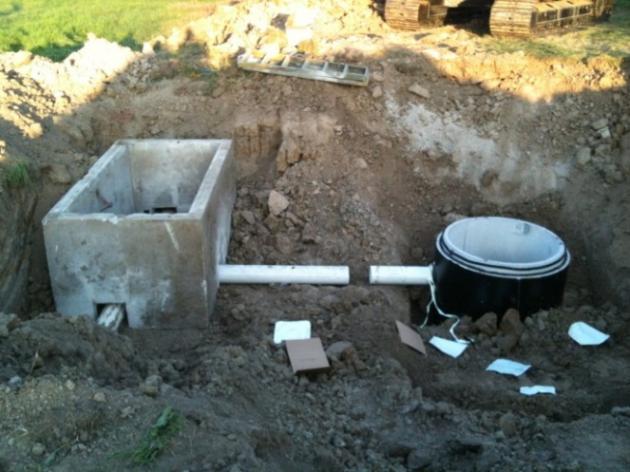
Valve control box (under construction). This allows extra manure and effluent to be discharged directly to the lagoon or to pump fresh manure directed back to the digester.

The system also includes a geothermal heat exchanger for biogas cooling to collect condensate in the biogas along with a small iron sponge to reduce H2S concentrations which improves the biogas quality. Excess biogas will be burned in boiler and the heat produced will be dissipated through a dual purpose radiator. The radiator provides building heat in winter and releases heat outside in summer. The goals of this project are to demonstrate AD for small and mid-size swine productions, quantify and characterize manure nutrient changes due to AD and storage, and develop baseline emission factors for raw and digested manure. This paper reports the design, construction and implementation of the AD system.

Why Study Small-Scale Anaerobic Digestion?

The purpose of this project is to establish a pilot scale, on-farm anaerobic digester (AD) that demonstrates and evaluates the potential energy production, manure management, and overall economic viability of such systems. This research will provide invaluable information for small to medium sized swine farms seeking viable energy alternatives, practical manure management practices and air quality improvements.

What Did We Do?

Current digester system enclosed in greenhouse.

Construction began in the Fall of 2012, at the University of Missouri-Columbia’s Swine Teaching and Research Farm. This modular, pilot-scale, mesophilic AD system is being constructed next to a four-room swine finishing research barn. Each of the finishing room has individual deep-pit storage, with a  pull-plug system for draining the manure to the lagoon. Manure scraper systems are installed in two of the rooms to more frequently collect the manure. The AD system is comprised of three insulated, reinforced fiber-glass tanks, each with a capacity of 2500-gallons. The first tank is designed for feedstock storage and pre-mixing, while the other two are for digestion. The dual tank set up allows flexibility for researchers to conduct experiments either with a single stage, two-stream parallel replication or dual-stage single-stream digestion process. The system employs a biogas (generated by AD) boiler for heating the digestion tanks to maintain continuity. A 3,000 gallon biogas bladder storage unit stores the biogas for a few hours. A feedstock-digestate heat exchanger is designed for heat reclamation to increase net energy output; which will be critical to a small to mid-size AD systems that do not generate electricity (no waste-heat from biogas engines). The boilers also supply heat to the AD housing through radiators, while the excess biogas will be flared off.

What Have We Learned?

Designing and implementing an AD system is complex and time consuming. It is very important to involve a good engineering or technical support team. If the barn is not designed to accommodate an AD system, significant consideration is needed to manage the manure collection and transport, and to maintain manure freshness and solids content. Project management is critical to consider planning and coorperation between the farm personnel and management, utility and construction companies, and the engineering support firm.

Future Plans

Pilot test will be conducted to examine and fine-tune the system. The AD system is designed for research and demonstration purposes. Submitted proposals include plans for studying the improved efficiency due to better design and heat-exchangers, effects of feedstock, co-digestion, feedstock pre-treatment on biogas production, and characterizing greenhouse gas emissions from untreated manure and AD-treated manure.

Authors

Brandon Harvey, Research Assistant, Agricultural Systems Management, University of Missouri bchfzf@mail.missouri.edu

Teng Lim, Assistant Professor, Agriculture Systems Management, University of Missouri. Kevin Rohrer, Engineer, Martin Machinery, LLC.

The authors are solely responsible for the content of these proceedings. The technical information does not necessarily reflect the official position of the sponsoring agencies or institutions represented by planning committee members, and inclusion and distribution herein does not constitute an endorsement of views expressed by the same. Printed materials included herein are not refereed publications. Citations should appear as follows. EXAMPLE: Authors. 2013. Title of presentation. Waste to Worth: Spreading Science and Solutions. Denver, CO. April 1-5, 2013. URL of this page. Accessed on: today’s date.

Evaluation of a Trickle Flow Leach Bed Reactor for Anaerobic Digestion of High Solids Cattle Waste

Waste to Worth: Spreading science and solutions logoWaste to Worth home | More proceedings….

Why Study High-Solids Anaerobic Digestion?

Colorado is the second highest producer of high solids cattle waste (HSCW) in the United States. Despite the available resources, Colorado currently has only one operational anaerobic digester treating manure (AgSTAR EPA 2011), which is located at a hog farm in Lamar. Arid climate and limited water resources in Colorado render the implementation of high water demanding conventional AD processes. Studies to date have proposed high solids AD systems capable of digesting organic solid waste (OSW) not more than 40% total solids (TS). Lab tests have shown that HSCW produced in Greeley (Colorado) has an average of 89.4% TS. Multi-stage leach bed reactor (MSLBR) system proposed in the current study is capable of handling HSCW of up to 90% TS.

What Did We Do?

Hydrolysis is carried out in a trickle flow leach bed reactor (TFLBR) and methanogenesis can be carried out in a high rate anaerobic digester (HRAD) like an upflow anaerobic sludge blanket reactor or a fixed film reactor. The objective of this research is to evaluate and optimize the performance of the TFLBR. The system was operated as a batch process and the organic leaching potential of a single pass TFLBR configuration was evaluated. The organic leaching potential was measured in terms of chemical oxygen demand (COD).

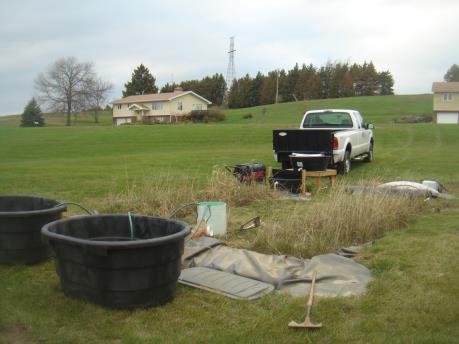
Three series’ of reactor experiments were carried out in total. Each subsequent experiment was based on the results on the previously conducted experiment. First set of reactor experiments included three TFLBRs (triplicate) loaded with HSCW. The difficulty encountered during the operation of this experiment was that the flow rate of water through the TFLBR slowed down over time and eventually dropped to zero within the first 24 hrs. This caused water build-up on top of the manure bed, resulting in the failure of hydrolysis. Second set of reactor experiments included six TFLBRs (two sets of triplicates). One set of triplicate was loaded with HSCW and the other set of triplicate was loaded with HSCW bulked with straw (5% by mass) to improve the porosity through the reactor. A layer of fine sand was added on top of the manure bed to facilitate water dispersion through the reactor.

The third set of reactor experiments included the comparison between nutrient dosed and non-nutrient dosed reactors (each carried out in triplicates). The idea behind dosing nutrients to an operational TFLBR was to check if the reactors were nutrient limited during the digestion process. Composite sampling technique was adopted so as to capture the exact leaching potential from each of the reactors.

What Have We Learned?

The first set of reactor experiments helped in identifying the clogging issues in operational TFLBRs handling HSCW. The second set of reactor experiments validated the use of fine sand as a better alternative to improve hydraulic flow when compared to the use of bulking agents. The third set of reactor experiments indicated that the addition of nutrient solution to a single-pass TFLBR operation is essential in improving the overall system yield. Leachate collection by composited sampling method instead of the instantaneous sample method improved the system efficiency by approximately 50%. The average TS reductions in the non-nutrient dosed and nutrient dosed TFLBRs were 23.18% and 22.67% respectively. The non-nutrient dosed TFLBRs underwent approximately 66.32% of COD reduction and the nutrient dosed TFLBRs underwent approximately 73.51% of COD reduction due to COD leaching during hydrolysis, over the period of six weeks. Biochemical methane potential (BCMP) test results indicate high biogas yields from the weekly composited leachate from the reactor experiments proving successful system operation. Approximately 0.43 L CH4/g COD is produced from the leachate collected from the non-nutrient dosed TFLBRs and 0.57 L CH4/g COD is produced from the leachate collected from the nutrient dosed TFLBRs.

Future Plans

The proposed MSLBR system recommends TFLBRs operating under leachate recirculation. The addition of nutrient solution in a leachate recirculated TFLBR would not be unnecessary since the nutrients in the system would be conserved. The success of hydraulic conductivity and leaching quality in a leachate recirculated TFLBR is unknown. More research is required to completely understand the operation and success of the MSLBR system treating HSCW. Pilot scale reactor experiments should be conducted to monitor the operation of the TFLBRs under leachate recirculation.

Authors

Asma Hanif, Graduate Student in Civil & Environmental Engineering, Colorado State University,  asmahanif1988@gmail.com

Dr. Sybil Sharvelle, Assistant Professor in Civil & Environmental Engineering, Colorado State University, Sybil.Sharvelle@colostate.edu


The authors are solely responsible for the content of these proceedings. The technical information does not necessarily reflect the official position of the sponsoring agencies or institutions represented by planning committee members, and inclusion and distribution herein does not constitute an endorsement of views expressed by the same. Printed materials included herein are not refereed publications. Citations should appear as follows. EXAMPLE: Authors. 2013. Title of presentation. Waste to Worth: Spreading Science and Solutions. Denver, CO. April 1-5, 2013. URL of this page. Accessed on: today’s date.
Use of Filters in Drainage Control Structures to Reduce the Risk Associated with Manure Application on Tile-Drained Fields

Waste to Worth: Spreading science and solutions logoWaste to Worth home | More proceedings….

Abstract

In livestock producing areas, animal manure is often applied to cropland to enhance soil fertility. Guidelines have been developed for manure application on fields underlain by subsurface (tile) drainage systems. Some of these guidelines, such as avoiding manure application if rain is predicted and not applying manure over a flowing tile, though effective, involve some level of risk. We believe that the level of risk can be reduced by filtering contaminants from the water leaving the drains. The control structures recommended for use with drainage systems underlying fields to which manure is applied, provide ready-made receptacles for filters. In this report we discuss the development and testing of a filter to remove contaminants from lagoon effluent.

Why Study Filters for Drainage Water?

The purpose of this project is to develop an economically feasible solution to capturing sediment bound nutrient loss from agricultural land as well as prevent herbicides, pesticides, heavy metals, fertilizers and other contaminants from polluting the receiving waters of tile drained systems. In the event of a spill, these filters will presumably act as a barrier to capture pollutants in an attempt to prevent environmental degradation as well as fines to farmers.

What Did We Do?

We developed an activated carbon filter and tested it in our lab at the University of Illinois at Urbana-Champaign and in a controlled field setting in order to test the filters ability to meet physical parameters like allowing average tile flow rates through without backup and the effectiveness of the filter in improving water quality.

What Have We Learned?

We have learned that designing for agriculture is much more intensive than in a controlled setting and from that challenge, the project has helped us establish better research and development skills.

Check Out These Programs & Research About Tile Drainage

Swine Manure Timing & Subsurface Drainage

Tile Drainage Field Day

New Technologies for Drainage Water Management

Role of Drainage Depth and Intensity on Nutrient Loss

Future Plans

We plan to continue with alternative filter prototypes and continue testing so we have a product that is scientifically proven and farmers will want to use.

Authors

Stephanie Herbstritt, Graduate Research Assistant, Department of Agricultural and Biological Engineering, University of Illinois at Urbana-Champaign, Annie Kwedar, Undergraduate, Department of Agricultural and Biological Engineering, University of Illinois at Urbana-Champaign

*The author can be contacted at: herbstr2@illinois.edu

Additional Information

For more information on using filters in subsurface tile drained systems, go to the January-February 2013 edition of the Illinois Land Improvement Contractors Of America’s newsletters which can be found at: https://www.illica.net/newsletters

Acknowledgements

Dr. Richard Cooke, Associate Professor, Department of Agricultural and Biological Engineering, University of Illinois at Urbana-Champaign

Julie Honegger, Undergraduate, Department of Agricultural and Biological Engineering, University of Illinois at Urbana-Champaign


The authors are solely responsible for the content of these proceedings. The technical information does not necessarily reflect the official position of the sponsoring agencies or institutions represented by planning committee members, and inclusion and distribution herein does not constitute an endorsement of views expressed by the same. Printed materials included herein are not refereed publications. Citations should appear as follows. EXAMPLE: Authors. 2013. Title of presentation. Waste to Worth: Spreading Science and Solutions. Denver, CO. April 1-5, 2013. URL of this page. Accessed on: today’s date.
Silage Runoff Treatment

Waste to Worth: Spreading science and solutions logoWaste to Worth home | More proceedings….

Abstract

Agricultural filter strips are commonly used to treat runoff from agricultural farmstead areas.  Many filter strips have been assessed in terms of surface water quality impacts but have failed to determine the fate of pollutants once they have infiltrated the soil subsurface.  Two side-by-side filter strips plots were installed to assess the performance of and determine the fate of contaminants in a filter strip system.  One of the two plots also contained a pretreatment system to facilitate nitrogen removal in an attempt to reduce nitrate leaching.  Both plots were lined with an impermeable membrane to collect subsurface leachate as well as surface runoff.  A mass balance could then be determined for these filter strip systems to assess the fate of nutrients and the ability of a low cost pretreatment system to reduce nitrate leaching.

Filter-strip Construction

Why Is It Important to Prevent Runoff from Silage Piles from Reaching Water?

Silage runoff, or the flow of surface excess water over an area containing silage or silage leachate, contains nutrients harmful to watersheds.  A filter-strip, a long narrow buffer strip used in agriculture as a BMP, could be used to reduce nutrient concentrations within silage runoff.  A study that investigates design storm loading and seasonal operation could benefit producers and their surrounding watershed.  A pre-treatment design consisting of an aerobic and anaerobic section, is also analyzed to quantify improvements in pollutant reduction.

What Did We Do?

Before Establishment of Vegetation

Two experimental filter-strips, one control and one pre-treatment design, were applied with silage runoff at volumes and rates corresponding to a 25 year – 24 hour and a 2 year – 24 hour design storm.  Design storm rates and volumes were determined from the runoff modeled from a 1:1 dairy bunker to filter strip area.  Three runs of each design storm were accomplished throughout the months of October, November, and early December 2012.

What Have We Learned?

The pre-treatment filter strip design distributed higher BOD5 reduction however, nitrite concentrations increased in the effluent.  Application in November and December had lower infiltration and changes in ammonia reduction were illustrated. 

Experimental Filter-strip and Sampling

Future Plans

Applications in the spring  and summer will determine further seasonal variation.  Expanding design storms applied will help determine prescriptive loading and aid in modeling.

Authors

Michael Holly, Master’s Candidate Biological System Engineering, University of Wisconsin – Madison, maholly@wisc.edu

Dr. Rebecca Larson, Assistant Professor and Extension Specialist, University of Wisconsin – Madison

Acknowledgements

Zach Zopp, Lab and Field Tech

Shayne Havlovitz, Undergraduate Research Assistant


The authors are solely responsible for the content of these proceedings. The technical information does not necessarily reflect the official position of the sponsoring agencies or institutions represented by planning committee members, and inclusion and distribution herein does not constitute an endorsement of views expressed by the same. Printed materials included herein are not refereed publications. Citations should appear as follows. EXAMPLE: Authors. 2013. Title of presentation. Waste to Worth: Spreading Science and Solutions. Denver, CO. April 1-5, 2013. URL of this page. Accessed on: today’s date.
Waste Disposal by the Veterinary Community

Waste to Worth: Spreading science and solutions logoWaste to Worth home | More proceedings….

The American Veterinary Medical Association (AVMA) offers several resources to its members and the public regarding various disposal issues encountered by the veterinary community and animal owners.  With its veterinary medical expertise, the veterinary profession can be a valuable resource for clients, the general public, regulators, and other stakeholders on carcass and other animal waste disposal issues, especially those involving potential health risks to other animals or the public.  The purpose in developing these resources is to further increase awareness by the veterinary profession and its stakeholders of the value, potential hazards, and legal restrictions concerning disposal of animal waste and carcasses.

What Did We Do?

The AVMA has established policies related to the disposal of animal waste and carcass disposal.  Three key policies include “Appropriate Animal Carcass Disposal,” “Animal Carcass Risk in Natural Disasters,” and “Animal Agriculture Waste Management.”  All of the AVMA policies related to waste issues can be found at https://www.avma.org/PracticeManagement/Administration/Pages/AVMA-Policies-Relevant-to-Waste-Disposal.aspx.

  1. Appropriate Animal Carcass Disposal

The AVMA advocates safe and environmentally responsible disposal of animal carcasses, whether on an individual animal basis or during mass mortality events. As such, the AVMA supports increased research and education towards the development of appropriate methods and guidelines for animal carcass disposal.

  1. Animal Carcass Risk in Natural Disasters

Consistent with current scientific literature and the conclusions of the Pan American Health Organization (PAHO), the AVMA recognizes that animals that die from injuries, including massive animal deaths in cases of natural disasters, generally do not represent a health hazard for humans. The presence of dead bodies that result from a disaster, without the presence of another risk factor, is not the cause for the spread of infectious diseases. (1PAHO Manual, Ch 3, Conclusions; p. 81)

1 Management of Dead Bodies in Disaster Situations, Disaster Manuals and Guidelines Series, number 5. Pan American Health Organization, Area on Emergency Preparedness and Disaster Relief, and the World Health Organization, Department for Health Action in Crisis. Washington, DC, 2004.

  1. Animal Agriculture Waste Management

The AVMA supports the basic premises of current federal and state legislation and regulations enacted to prevent negative environmental impacts from wastes generated by terrestrial or aquatic animal productions. Veterinarians should be aware of the value, potential hazards, and legal restrictions concerning animal waste.

Therefore the AVMA supports the following:

  • Education, outreach, and extension programs to assist producers in meeting or exceeding current federal and state requirements. This includes aid in establishing and implementing nutrient management plans as well as design and construction of effective waste management facilities to prevent contamination of the environment.
  • Science based research on animal waste management systems and procedures to allow animal waste materials to be utilized as nutrient sources for sustainable agriculture systems.
  • Scientific studies of the impact of pathogens and chemicals from animal/human waste sources on the environment.

Additionally, the AVMA has developed the microsite, www.avma.org/wastedisposal.  Sections of the microsite addressing topics such as “Federal Regulations of Waste Disposal,” “State-based Waste Disposal Resources,” and “AVMA Policies Relevant to Waste Disposal,” are accessible by the general public.  Specific “Clinical Resources” pages, such as “Animal Carcass Disposal,” “Animal Waste Disposal,” “Recordkeeping,” and more are accessible only by AVMA members.  On a similar note and because of its expertise, the Association was consulted during the development of the Veterinary Compliance Assistance (VetCA) website (www.vetca.org) by the National Center for Manufacturing Sciences under the National Compliance Assistance Centers program. Funding for this latter project has been provided by the U.S. Environmental Protection Agency.

In addition to the pharmaceutical disposal information within the aforementioned resources, the AVMA has partnered with the National Sea Grant Office (NSGO), Office of Oceanic and Atmospheric Research, National Oceanic and Atmospheric Administration (NOAA), U.S. Department of Commerce to combine efforts and develop a joint outreach and educational campaign for veterinary clients regarding proper pharmaceutical disposal.  Information and products associated with the collaborative effort are available at www.avma.org/unwantedmeds.

The “Green Veterinary Practices” microsite has also been developed by the AVMA.   The web pages provide AVMA members and the public information on sustainable practices.  Not only does the site discuss what the AVMA is doing, it also provides resources for integrating eco-friendly features into veterinary practices as well as opportunities for including eco-friendly practices in facility designs.  The microsite is available at https://www.avma.org/green-veterinary-practices

In addition to policy and resource development, the AMVA is active in advocacy.  Related to waste issues, the Association has weighed in on Federal Register items such as Docket Number [EPA-HQ-OW-2011-0188], the National Pollutant Discharge Elimination System (NPDES) Concentrated Animal Feeding Operation (CAFO) Reporting Rule and Docket Number [EPA-OW-2011-0466], Draft Recreational Water Quality Criteria and Request for Scientific Views.  To see additional topics as well as the AVMA’s comments, please visit https://www.avma.org/advocacy/national-advocacy.  In 2012, the AVMA joined the Agriculture and Food Research Initiative (AFRI) Coalition urging Congress to support the $325 million for the AFRI in the President’s Fiscal year 2013 budget proposal.  To view all of the AVMA’s advocacy information, please click on “Advocacy” from the AVMA’s home page, www.avma.org.

What Have We Learned?

Integrative efforts of multiple disciplines and stakeholders are needed to better enhance the science of waste management as well as to help bridge the gaps between such science and sociopolitical opinions.

Future Plans

As stated in its policies, the AVMA will continue to advocate for safe and environmentally responsible disposal of animal carcasses as well as support:

  • Education, outreach, and extension programs to assist producers in meeting or exceeding current federal and state requirements
  • Science based research on animal waste management systems and procedures to allow animal waste materials to be utilized as nutrient sources for sustainable agriculture systems.
  • Scientific studies of the impact of pathogens and chemicals from animal/human waste sources on the environment.

Authors

Kristi Henderson, DVM, Assistant Director, Scientific Activities Division, American Veterinary Medical Association khenderson@avma.org

Additional Information

http://www.avma.org

The authors are solely responsible for the content of these proceedings. The technical information does not necessarily reflect the official position of the sponsoring agencies or institutions represented by planning committee members, and inclusion and distribution herein does not constitute an endorsement of views expressed by the same. Printed materials included herein are not refereed publications. Citations should appear as follows. EXAMPLE: Authors. 2013. Title of presentation. Waste to Worth: Spreading Science and Solutions. Denver, CO. April 1-5, 2013. URL of this page. Accessed on: today’s date.
Silage Runoff Characterization

Waste to Worth: Spreading science and solutions logoWaste to Worth home | More proceedings….

Abstract

Silage leachate is a high strength waste which contributes to surface and groundwater contamination of various pollutants from runoff, direct leaching through concrete storage structures, and infiltration of runoff. Feed storage is required for the majority of dairy operations in the country (which are expanding in size and fed storage requirements) leading to widespread potential contamination. Limited data on silage leachate quality and treatment has made management and regulation based solely on observation. This project investigated three bunker silage storage sites to assess the water quality characteristics of silage leachate and runoff from various feed sources and surrounding environmental factors. Surface samples were collected from feed storage structures and analyzed for numerous water quality parameters. Using collected hydrologic data, contaminant loading was analyzed for various storm events and assessed for first flush effects and potential to impact handling and treatment designs. Determination of first flush provides essential data for separation of waste streams (high and low strength) to ease management in terms of operation and cost, reduce loading to treatment systems, and reducing the overall environmental impact.

Why Is It Important to Characterize Silage Leachate?

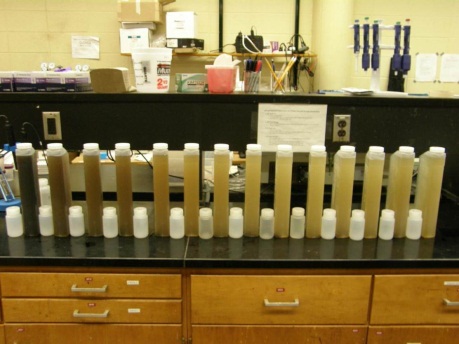
Silage Runoff Samples from an October Rain Event

Silage runoff, or the flow of surface excess water over an area containing silage or silage leachate, contains nutrients harmful to watersheds. Nutrient concentrations within silage runoff are variable and are dependent on event size, seasonality, bunker condition, and concentration of silage. Knowledge of nutrient loading thoughout a storm can benefit silage runoff storage and treatment standards.

What Did We Do?

Three horizontal bunkers in south central Wisconsin were anzlyzed over the seasons of fall, spring and summer.  Two of the bunkers sampled were designed with subsurface leachate collection.  Runoff was collected using ISCO automated samplers and samples were triggered by flow rate. Water quality analysis was completed on the campus of University of Wisconsin – Madison and alkalinity, NH3, BOD5, COD, NO2, NO3, ortho-p, pH, TKN, TP and TS were analyzed. Thirty-five storms in total were analyzed ranging from 0.03 – 1.74 inches.

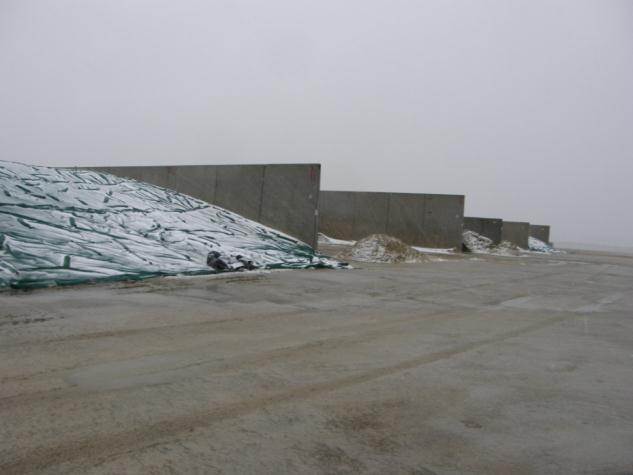
Horizontal Dairy Bunker During a Storm Event

What Have We Learned?

Seasonality can impact the nutrient concentrations within silage runoff.  Normalized cumulative pollution load curves illustrate moderate first flush in the fall and a moderate delayed load curve in the summer.

Future Plans

Correlating silage runoff concentrations with bunker conditions such as date, amount filled, moisture content, and amount of litter present on pad could help explain seasonal variability.  Collection of future storms could aid in explaining variances and facilitate modeling.

Authors

Michael Holly, Master’s Candidate Biological System Engineering, University of Wisconsin – Madison, maholly@wisc.edu

Dr. Rebecca Larson, Assistant Professor and Extension Specialist, University of Wisconsin – Madison

Acknowledgements

Zach Zopp, Lab and Field Tech

Shayne Havlovitz, Undergraduate Research Assistant


The authors are solely responsible for the content of these proceedings. The technical information does not necessarily reflect the official position of the sponsoring agencies or institutions represented by planning committee members, and inclusion and distribution herein does not constitute an endorsement of views expressed by the same. Printed materials included herein are not refereed publications. Citations should appear as follows. EXAMPLE: Authors. 2013. Title of presentation. Waste to Worth: Spreading Science and Solutions. Denver, CO. April 1-5, 2013. URL of this page. Accessed on: today’s date.
Swine Manure & Aqua-ammonia Nitrogen Application Timing on Subsurface Drainage Water

Waste to Worth: Spreading science and solutions logoWaste to Worth home | More proceedings….

Abstract

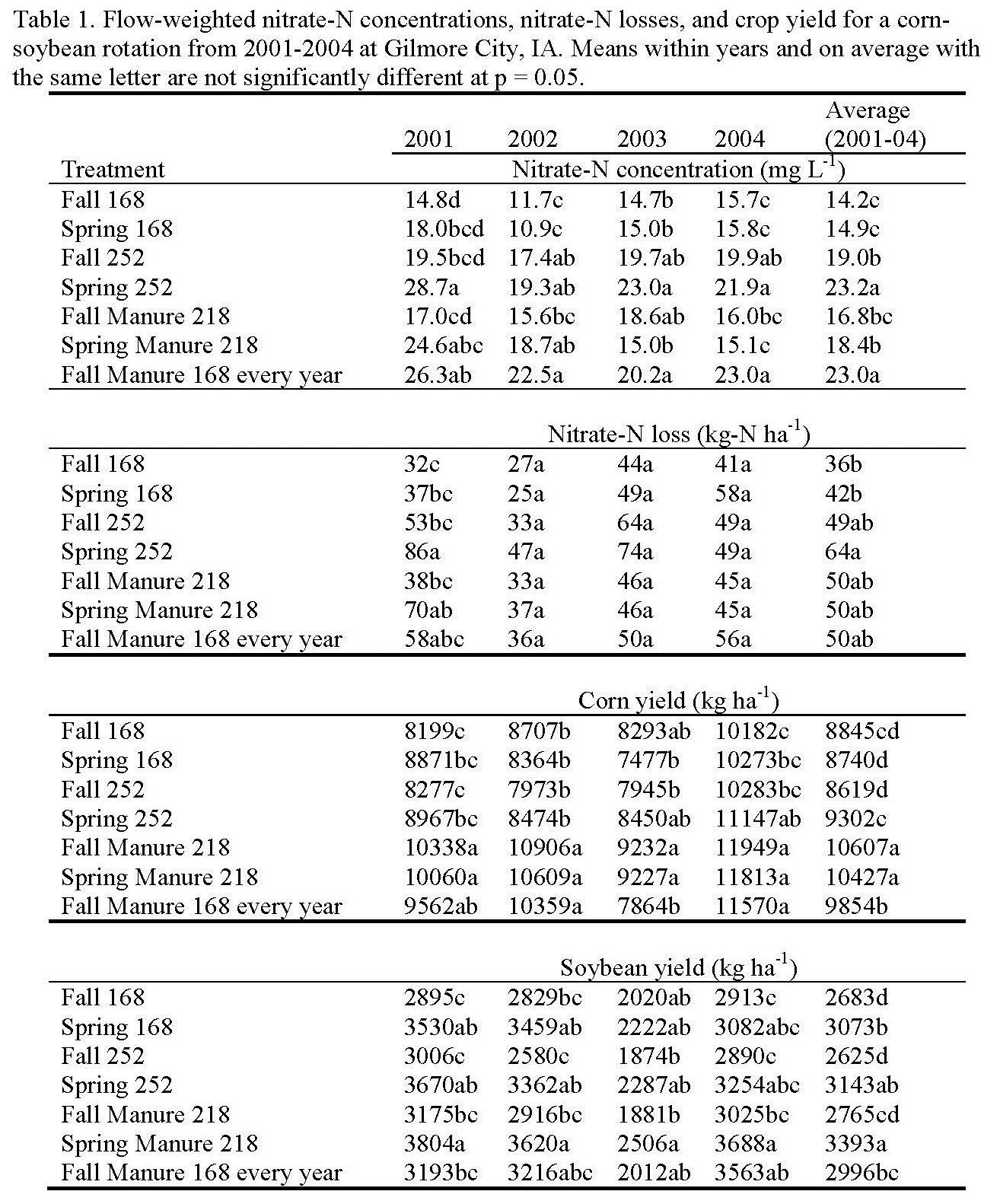
In Iowa and many other Midwestern states, excess water is removed artificially through subsurface drainage systems.  While these drainage systems are vital for crop production, nitrogen (N) added as manure or commercial fertilizer, or derived from soil organic matter, can be carried as nitrate-nitrogen (NO3-N) to downstream water bodies.  A five-year, five-replication, field study was conducted in north-central Iowa with the objective to determine the influence of seasonal N application as ammonia or liquid swine manure on flow-weighted NO3-N concentrations and losses in subsurface drainage water and crop yields in a corn-soybean rotation.  Four aqua-ammonia N treatments (150 or 225 lb-N/acre applied for corn in late fall or as an early season side-dress) and three manure treatments (200 lb-N/acre for corn in late fall or spring or 150 lb-N/acre  in the fall for both corn and soybean) were imposed on subsurface drained, continuous-flow-monitored plots. Four-year average flow-weighted NO3-N concentrations measured in drainage water were ranked: spring aqua-ammonia 225 (23 ppm) = fall manure 150 every year (23 ppm) > fall aqua-ammonia 225 (19ppm) = spring manure 200 (18 ppm) = fall manure 200 (17 ppm) > spring aqua-ammonia 150 (15 ppm) = fall aqua-ammonia 150 (14 ppm).  Corn yields were significantly greater (p=0.05) for the spring and fall manure-200 rates than for non-manure treatments. Soybean yields were significantly greater (p=0.05) for the treatments with a spring nitrogen application to the previous corn crop. Related: LPELC Manure Nutrient Management resources

Check Out These Other Presentations About Tile Drainage

Tile Drainage Field Day

Use of Filters in Drainage Control Structures

New Technologies for Drainage Water Management

Role of Drainage Depth and Intensity on Nutrient Loss

Why Study Sub-Surface Drainage and Manure Application?

Subsurface agricultural drainage has allowed for enhanced crop production in many areas of the world including the upper Midwest, United States. However, the presence of nitrate-nitrogen (nitrate-N) in subsurface tile drainage water is a topic of intense scrutiny due to several water quality issues. With the growing concern for the health of the Gulf of Mexico and local water quality concerns, there is a need to understand how recommended nitrogen management practices, such as through nitrogen rate and timing, impact nitrate-N concentrations from subsurface drainage systems.  The objective of this presentation is to summarize results of studies from Iowa that have documented the impact of nitrogen application rate and timing on tile drainage nitrate loss. 

What Did We Do?

The field experimental site was located near Gilmore City in Pocahontas County, IA. In the fall of 1999, seven treatments were initiated on 35 plots at the site to determine the effect of N source, rate, and application timing on crop yield and subsurface drainage water quality in a corn and soybean (CS) rotation. Two fertilizer N rates (168 or 252 kg ha-1) applied in the spring or fall and liquid swine manure (LSM) applied in spring or fall (218 kg ha-1) for corn production, and fall applied LSM for both crops in a CS rotation (168 kg ha-1) were randomly distributed in five blocks. Flow-weighted drainage samples were collected and volume measurements recorded for each plot through sampling/monitoring systems during drainage seasons in 2001-2004.

What Have We Learned?

This multi-year experiment demonstrated that rate and to a lesser extent timing affect concentration and losses and even at constant rates, these can be highly variable depending on precipitation patterns, N mineralization/denitrification processes and crop utilization in a given season. As expected, as nitrogen application rate to corn increases, the nitrate-N concentrations in subsurface tile drainage water increase.  This highlights the need for appropriate nitrogen application to corn and to avoid over application.  However, it is important to note that even when recommended nitrogen application rates are used, nitrate-N concentrations in subsurface drainage are still elevated and may exceed the EPA drinking water standard for nitrate-N of 10 mg L-1.  Relative to timing of nitrogen application, i.e. moving from fall to spring application, our studies showed little to moderate potential to decrease nitrate-N concentrations. Likely the largest factor when looking at the effect from fertilizer application timing is when precipitation and associated nitrate-N loss occurs.  Although timing of nitrogen application is important, perhaps the most important factor is to apply the correct amount of N. Manure treatments out yielded commercial N in all years. No significant differences in corn yield for any year were noted between application timing. Soybean yields were affected by N timing and less so by application rate.

click on image to enlarge

Future Plans

Other management practices need to be explored for their potentials in reducing nitrate loads from tile drained systems. Promising practices include drainage management, alternative cropping systems and edge-of-field practices.

Authors

Matthew Helmers, Associate Professor, Department of Agricultural & Biosystems Engineering, Iowa State University, mhelmers@iastate.edu

Xiaobo Zhou, Assistant Scientist, Department of Agricultural & Biosystems Engineering, Iowa State Univeristy

Carl Pederson, Agricultural Specialist, Department of Agricultural & Biosystems Engineering, Iowa State University

Additional Information

Lawlor, P.A., A.J. Helmers, J.L. Baker, S.W. Melvin, and D.W. Lemke. 2011. Comparison of liquid swine manure and ammonia nitrogen dynamics for a corn-soybean crop system. Trans. ASABE 54(5): 1575-1588.

LPELC Manure Nutrient Management home

Acknowledgements

Funding for this project was provided by the Iowa Department of Agriculture and Land Stewardship through the Agricultural Water Management fund.


The authors are solely responsible for the content of these proceedings. The technical information does not necessarily reflect the official position of the sponsoring agencies or institutions represented by planning committee members, and inclusion and distribution herein does not constitute an endorsement of views expressed by the same. Printed materials included herein are not refereed publications. Citations should appear as follows. EXAMPLE: Authors. 2013. Title of presentation. Waste to Worth: Spreading Science and Solutions. Denver, CO. April 1-5, 2013. URL of this page. Accessed on: today’s date.

Model of a Successful Regulatory-Industry Partnership to Address Air Emissions from Dairy Operations in Yakima, WA

Waste to Worth: Spreading science and solutions logoWaste to Worth home | More proceedings….

Why Is It Important for Industry and Regulators to Work Together?

The community in the Yakima Region of Washington State has raised concerns over the potential adverse effects of air emissions from dairy operations. To address these concerns, the Yakima Regional Clean Air Agency (YRCAA) proposed a policy process in October 2010 to control and mitigate emissions through implementation of site-specific best management practices (BMPs) on dairy operations. Absent a lack of reliable methodologies for estimating emissions from dairies, the YRCAA enrolled experts and scientists to help create tools that could be used for estimation of emissions from dairy operations. The assessment of BMPs aimed at mitigating air emissions from dairies was also included to determine their effect on the character, amount, and dispersion of specific air pollutants. This project assessed the effect of voluntary verses policy driven action on the dairy industry, community, and environmental impacts of air emissions from dairy operations.

What Did We Do?

The Yakima Regional Clean Air Agency (YRCAA) proposed a draft policy in October 2010 to control and mitigate emissions through implementation of site-specific best management practices (BMPs) on dairy operations. To validate the policy, a “Pilot Research Project” was launched in February 2011 to gather information for one year to test the feasibility of implementing and determining policy effectiveness. Twelve operations, representing ~40% of the estimated regional cow numbers, volunteered to participate.

A description of proven BMPs and a BMP selection-guide were created to help producers develop site-specific Air Quality Management Plans (AQMP). Each AQMP identified, systematically, specific BMPs to mitigate emissions from each area of the dairy system (nutrition, feed management, milk parlor, housing-drylot, housing-freestall, grazing, manure management, land application, other) based on effectiveness, practicality and economics. The pollutants addressed in each AQMP included ammonia, nitrous oxide, hydrogen sulfide, volatile organic compounds, odor, particulate matter, oxides of nitrogen, and methane. A universal score-sheet was created to assess implementation of BMPs at each dairy. The YRCAA inspectors were trained to evaluate, score, and record BMP implementation. A whole-farm score was generated during each visit, which identified areas of improvement to be addressed.

The process was very unique in that the dairy industry took a proactive role and actively participated. Using science and air quality experts to create and validate the evaluation tools and process also brought authority to the process. The policy was revised based on information collected from the pilot project and was adopted in February 2012. To date, 22 operations, representing 57% of total cow numbers in the Yakima Region, are enrolled.

What Have We Learned?

The voluntary approach used during the pilot project phase of the policy was very effective in enrolling the dairy community. Producers stepped up to volunteer and cooperatively participate in an unknown process. Even though they were very robust and integrated a large amount of scientific information, the emission assessment tools created as an outcome of the pilot project were very user friendly and easy to interpret by planners and producers. The air quality BMP assessment tool is currently being evaluated for use by other agencies and institutions.

Future Plans

The YRCAA has entered into phase two of the policy process and are now mandating that dairies participate in the air quality assessment. Starting in March 2013, all dairy operations in the Yakima basin will be either voluntarily or mandatorily inspected and assessed for air quality improvements. This provides an opportunity to compare voluntary and mandatory policy processes. The long-term impact of the process is yet unknown.

Authors

Nichole M. Embertson, Ph.D., Nutrient Management Specialist, Whatcom Conservation District, Lynden, WA, nembertson@whatcomcd.org

Gary Pruitt, Executive Director, Yakima Regional Clean Air Agency Air, Yakima, WA

Hasan Tahat, Engineering and Planning Supervisor, Yakima Regional Clean Air Agency Air, Yakima, WA

Pius Ndegwa, Biological and Systems Engineering, Washington State University, Pullman, WA

Additional Information

https://www.yakimacleanair.org/site/files/file_manager/page/shared/Resource%20Guide%20for%20BMP%20for%20Dairy%20Oparation%20Aug18.pdf


The authors are solely responsible for the content of these proceedings. The technical information does not necessarily reflect the official position of the sponsoring agencies or institutions represented by planning committee members, and inclusion and distribution herein does not constitute an endorsement of views expressed by the same. Printed materials included herein are not refereed publications. Citations should appear as follows. EXAMPLE: Authors. 2013. Title of presentation. Waste to Worth: Spreading Science and Solutions. Denver, CO. April 1-5, 2013. URL of this page. Accessed on: today’s date.

Assessment of Bioaerosol Transport at a Large Dairy Operation

Waste to Worth: Spreading science and solutions logoWaste to Worth home | More proceedings….

Abstract

In an effort to assess the off-site transport of bioaerosols, airborne bacteria, fungi, and endotoxin were collected at a 10,000 cow dairy operation. Compared to background locations, the general trend was that bioaerosol concentrations were higher immediately downwind, then decreased with distance from the animal housing. While bioaerosol concentrations did not follow a seasonal trend, they did significantly correlate with meteorological factors such as temperature and solar radiation. Bioaerosol concentrations were also found to be greatest at night, which can be attributed to changes in animal activity and wind speed and reduced exposure of the microorganisms to UV radiation. An analysis of clones generated from air samples collected downwind from the animal housing and pivots spraying dairy wastewater revealed that none of sequence matches were affiliated with bacteria known to be pathogenic to otherwise healthy humans. Results from ongoing research to better understand bioaerosol formation and drift losses during spray irrigation events of dairy wastewater will also be discussed.

Using glass impingers to capture airborne bacteria at a downwind location from a dairy.

Why Study Bioaerosols at Dairies?

Because confinement of cattle increases the microbioal load at dairy production facilities, there are concerns about on-site and off-site exposures to airborne microorganisms and microbial byproducts. The purpose of this study was to monitor concentrations of airborne bacteria, fungi, and endotoxin at a 10,000 cow open-freestall dairy and fields being irrigated with wastewater to assess their potential to be transported off site. This information is important, as inhalation or ingestion of some bioaerosols can be detrimental to health through infection, allergy, or toxicosis.

Open-face filters for capture of airborne endotoxin.

What Did We Do?

Over a one-year period at the dairy, bioaerosols were collected at upwind (background) and downwind sites using glass impingers, direct impaction on media, and a wetted-wall cyclone. Bacteria and fungi were quantified using culture-dependent techniques, while bacteria were also characterized to the genus and species levels by analyzing a region of the 16S ribosomal RNA gene. Airborne endotoxin were captured on filters, then extracted and subsequenetly quantified using the Limulus amebocyte lysate assay.

Wetted-wall cyclone being used to capture bioaerosols for subsequent identification using PCR-based approach.

What Have We Learned?

Compared to background sites, the general trend was that concentrations of airborne bacteria and  endotoxin were higher immediately downwind, then decreased with distance from the animal housing. While bioaerosol concentrations did not follow a seasonal trend, they did significantly correlate with meteorological factors such as temperature, wind speed, and solar radiation. Bacteria and endotoxin concentrations were also found to be greatest at night, which can be attributed to changes in animal activity and wind speed and reduced exposure of the microorganisms to UV radiation. Analysis of cloned 16S rRNA genes generated from air samples collected downwind from the animal housing and pivots spraying dairy wastewater revealed that none of sequences were affiliated with bacteria known to be pathogenic to healthy humans.

Future Plans

Conduct a quantitative microbial risk assessment for zoonotic bacterial pathogens in dairy wastewaters that are land applied using center pivot irrigation systems.  

Authors

Robert Dungan, Research Microbiologist, USDA-ARS Northwest Irrigation & Soils Research Laboratory, Kimberly, Idaho, robert.dungan@ars.usda.gov

April Leytem, Soil Chemist, USDA-ARS, Kimberly, Idaho

David Bjorenberg, Agricultural Engineer, USDA-ARS, Kimberly, Idaho

Additional Information

Dungan, R.S. and A.B. Leytem. 2009. Airborne endotoxin concentrations at a large open-lot dairy in southern Idaho. J. Environ. Qual. 38:1919-1923.

Dungan, R.S., A.B. Leytem, and D.L. Bjorneberg. 2010. Year-long assessment of airborne endotoxin at a concentrated dairy operation. Aerobiologia. 26:141-148.

Dungan, R.S., A.B. Leytem, S.A. Verwey, and D.L. Bjorneberg. 2010. Assessment of bioaerosols at a concentrated dairy operation. Aerobiologia. 26:171-184.

Dungan, R.S. and A.B. Leytem. 2011. Ambient endotoxin concentrations and assessment of transport at an open-lot and open-freestall dairy. J. Environ. Qual. 40:462-467.

Dungan, R.S., A.B. Leytem, and D.L. Bjorneberg. 2011.  Concentrations of airborne endotoxin and microorganisms at a 10,000 cow open-freestall dairy. J. Anim. Sci. 176:426-434.

Dungan, R.S. 2012. Use of a culture-independent approach to characterize aerosolized bacteria at an open-freestall dairy operation. Environ. Int. 41:8-14.

Acknowledgements

Independent Dairy Environmental Action League (IDEAL)


The authors are solely responsible for the content of these proceedings. The technical information does not necessarily reflect the official position of the sponsoring agencies or institutions represented by planning committee members, and inclusion and distribution herein does not constitute an endorsement of views expressed by the same. Printed materials included herein are not refereed publications. Citations should appear as follows. EXAMPLE: Authors. 2013. Title of presentation. Waste to Worth: Spreading Science and Solutions. Denver, CO. April 1-5, 2013. URL of this page. Accessed on: today’s date.


Feeding Cattle Without the Feedlot

Waste to Worth: Spreading science and solutions logoWaste to Worth home | More proceedings….

Abstract

Typically cattle producers can have improved animal performance through controlled systems such as an open lot feedlot.  Open lots provide for improved control of diet, health, and monitoring of activity of the animals.  Feeding areas such as these also can have disadvantages such as solid manure accumulation,  surface water contamination when runoff water is uncontrolled, such systems are labor and machine intensive, and can contribute herd health issues because of high stocking densities, dust, or mud.  Forage based grazing can negate many of these issues and is arguably more sustainable and environmentally friendly.  However intensive grazing strategies must be employed to obtain comparable productivity.  Development of technology that allows for these benefits is needed.  Cross fencing and rotational grazing practices would benefit from more flexible and less labor intensive ways of controlling the grazing area.

Figure 1. Calves waiting for new windrows of oats.

A device has been developed by UNL Extension that adapts a center pivot irrigation system into a moveable fence by placing the fence on the center pivot structure. Livestock producers can move anywhere from several hundred to several thousand feet of fence by simply moving the center pivot (while not irrigating).  Swath grazing, forage grazing, or crop residue grazing can be accomplished more efficiently by only allowing minimal access to the forage.  Essentially moving the animals to the feed rather than bringing the feed to the animals.  Advancing a cross fence periodically not improves the grazing efficiency, but it encourages a natural spread of manure and gives the producer more control of remaining crop residue, a necessary requirement to maintain pasture status and avoid the Animal Feeding Operation designation.  The device was tested on working farms over a two year period and improved profitability and minimized environmental impact compared to the operator’s previous practices.

Can Intensive Forage Grazing Be Profitable?

The project started from a request for some alternatives to help reduce the cost of gain for feeder calves in 2010.  Eliminating the forage activities of baling / stacking, transporting, grinding, feeding and also the spreading of manure can significantly reduce labor and equipment expenses.    Keeping feeder calves in a grazing operation instead of concentrated feeding operation has the potential to minimize surface water contamination.  The health and welfare of the calf can be improved by having a lower stock density, larger area for exercise, and with crop residue a reduced impact of dusty or muddy conditions.  Forage based grazing is arguably more sustainable and environmentally friendly than concentrated feeding areas.  However intensive grazing strategies must be employed to obtain comparable productivity.  Development of technology that allows for these benefits is necessary.  Cross fencing and rotational grazing practices would benefit from more flexible and less labor intensive ways of controlling the grazing area.

Figure 2. Calves grazing standing oats.

What Did We Do?

The project was focused for fall / winter grazing opportunities for newly weaned spring born calves of the semi-arid region of western Nebraska.  A successful grazing operation of windrowed or standing forage will have to include a method of controlling daily forage intake through cross fencing( Figures 1 & 2).  This would reduce waste and give the producer a feedlot like control of dry matter intake so a desired daily gain could be achieved.  Current portable fencing has to be manually installed and moved which is labor intensive especially in frozen soils.  A new development in portable fencing was developed by UNL Biological Systems Engineering that a device attaches to a center pivot and properly suspends an electrified wire under tension.  This gives the producer a portable cross fence (1,300 ft) that can be moved by the center pivot’s control panel or wirelessly with a computer.

In the fall of 2011 and 2012, four grazing programs were developed to demonstrate this new cross fence.  Two were fall planted oats and two were grazed corn stalk residues.  The fall oats were grazed as a standing forage and also as a windrow.  The corn stalk residue was grazed in a manner to minimize the overgrazing of downed corn ears and reduce the protein supplement.

What Have We Learned?

The projects demonstrated that calves can be successfully maintained in theses grazing systems.   The management and the relocations of the cross fence was done easily done though the center pivot’s control panel (average time of 15 minutes).  The

Figure 3. Natural manure distribution.

forage quality of the windrowed oats maintained its quality throughout the 105 (fall 2011) and the 120 (fall 2012) day grazing period.  In 2011 the oat forage deteriorated only 17% in crude protein and 14% in total digestible nutrients.  In 2012 the oat forage deteriorated only 2% in crude protein and 3% in total digestible nutrients.  Cost savings in the fall oat grazing are reported at$7,268.85 total or $28.70 / ton grazed ($22.16 per head) for 105 days in the 2011 trial.  In the 2012 trial the savings were a total of $4,625.60 or $29.50 / ton ($25.70 per head) for a 120 day trial.  The cost savings for the corn stalk residue weren’t measured.  The project only demonstrated the control of grain intake in the calves or cow, which it accomplished.  The manure was naturally spread throughout the fields and the cattle health and welfare was maintained (Figure 3).

Future Plans

A future plan is being developed to continue to demonstrate the ability to control dietary intake of calves or cows on irrigated forages.  With a portable and mechanically moveable cross fence the conveniences of a concentrated feeding operation can be placed into a grazing operation in large scale.

Authors

Jason Gross, Engineering Tech, UNL Extension, jgross3@unl.edu

Additional Information

http://water.unl.edu/web/manure/small-afos

The authors are solely responsible for the content of these proceedings. The technical information does not necessarily reflect the official position of the sponsoring agencies or institutions represented by planning committee members, and inclusion and distribution herein does not constitute an endorsement of views expressed by the same. Printed materials included herein are not refereed publications. Citations should appear as follows. EXAMPLE: Authors. 2013. Title of presentation. Waste to Worth: Spreading Science and Solutions. Denver, CO. April 1-5, 2013. URL of this page. Accessed on: today’s date.