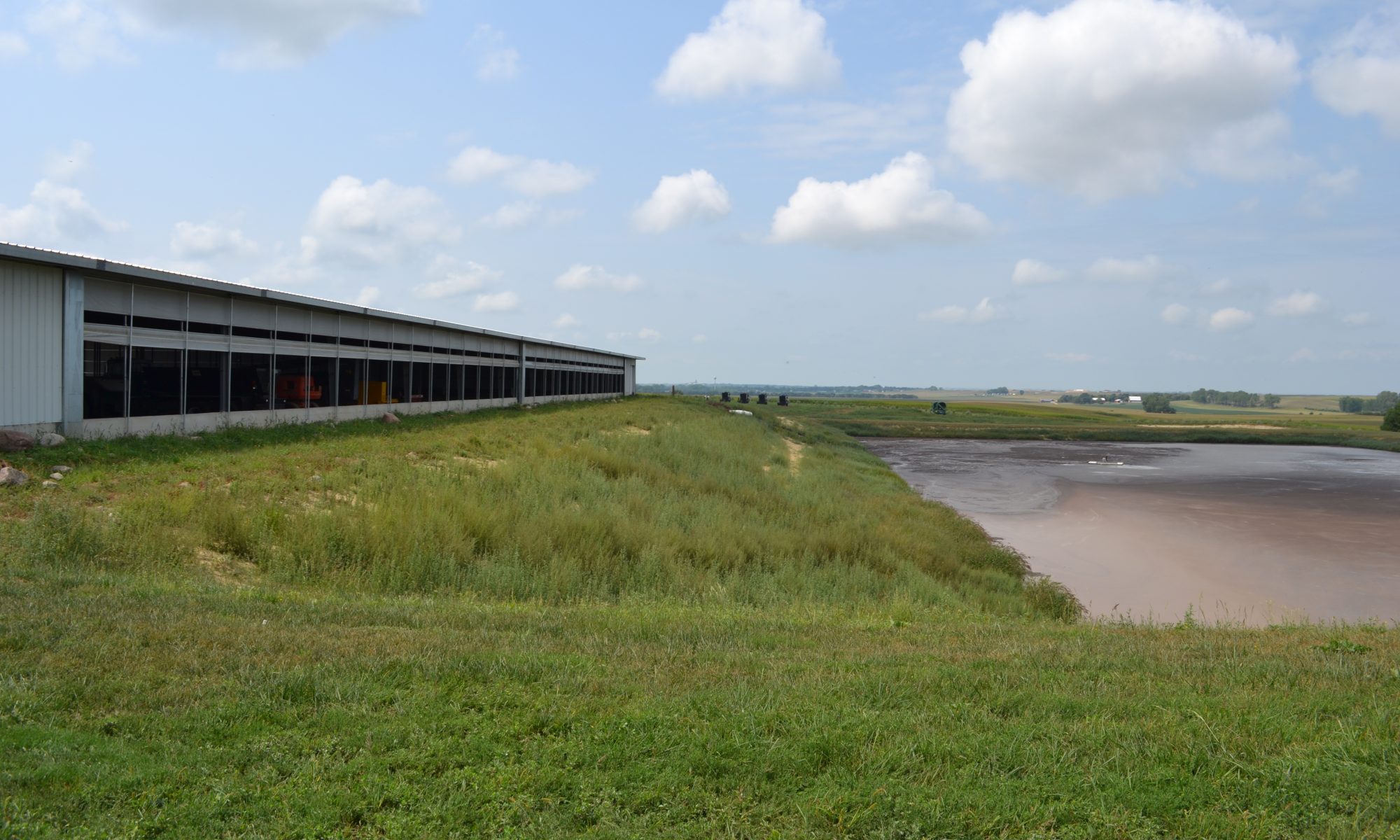

Antimicrobial resistance (AMR) is a growing concern for the health and well-being of people around the world, and not just in hospitals, but on farms and in the food chain as well. Responsible antibiotic use in livestock and good manure management are critical to protecting animal health, public health, and the future effectiveness of our most important medicines.
New and On-going Research to Fight Antibiotic Resistance in Livestock Production
What’s being done about antibiotic resistance?
If you’ve been paying attention to the growing public discourse on antibiotics in livestock production you might well ask what can be done and what is being done about growing drug resistance. After all, even while consumer concerns tend to focus on the potential for antibiotics to enter the food supply, folks working in livestock and poultry production know that the threat of antibiotic resistance is really about growing risks for difficult or impossible-to-treat microbial disease. Moreover, producers know that this is a threat to the veterinary care their animals need as much as to human health. So again, what is being done to address resistance in livestock production?
Continue reading “New and On-going Research to Fight Antibiotic Resistance in Livestock Production”
Responsible Antibiotic Use on Dairy Farms
Are you ready for a pop quiz?
Off the top of your head, how would you answer the following questions:
-
- How often do dairy cattle receive antibiotics in dairy farms in the US?
- a) Daily
- b) As needed and advised by a veterinarian
- Are there more antibiotics in milk from cows raised without antibiotics or cows raised on conventional farms?
- a) Conventional farms
- b) Neither, all milk is tested and removed from the food supply if it contains antibiotics, no matter the source.
- How often do dairy cattle receive antibiotics in dairy farms in the US?
Continue reading “Responsible Antibiotic Use on Dairy Farms”
Swimming with superbugs: Exploring how antimicrobial resistance moves in our environment
This webinar explores what we know about how AMR moves in our environment and critical needs to improve our understanding of environmental health aspects of the AMR problem. This presentation was originally broadcast on August 19, 2022. Continue reading “Swimming with superbugs: Exploring how antimicrobial resistance moves in our environment”
Antibiotic resistance in environment has One-Health implications
A summary of The Human Health Implications of Antibiotic Resistance in Environmental Isolates from Two Nebraska Watersheds by Donner et al. 2022
Key points
- The interconnected health of humans, animals, and the environment is well established and increasingly studied in concert within a “One-Health” framework.
- Approximately 40% of the bacteria isolated from watersheds in this study had acquired new antibiotic resistance genes which they had picked up in the environment.
- Both urban and agricultural watersheds contained antibiotic-resistant bacteria, demonstrating the importance of one-health-based decision-making across industries and institutions.
Continue reading “Antibiotic resistance in environment has One-Health implications”
Swimmers beware, land application of manure can increase antibiotic resistance downstream
A summary of Catchment-scale export of antibiotic resistance genes and bacteria from an agricultural watershed in central Iowa by Neher et al. 2020
Key points
- With some year-to-year variation, manure application increased antibiotic resistance surface water downstream of application site.
- The CAMRADES team, led out of Iowa State University, will be expanding efforts to monitor and model AMR in agricultural watersheds in the region.
AMR from a One-Health Perspective
Antimicrobial resistance (AMR) has been recognized globally as a significant threat to public health. The causes and repercussions of growing AR are highly complex, which is why attempts to address the issue must utilize a One-Health (systems connecting the health of people, animals, and their shared environment) approach.
The national extension team iAMResponsible teaches a multi-university virtual course on antimicrobial resistance across the one health spectrum every spring, some of the course materials are now available here at LPELC– because everyone needs to know about AMR!
Check out more from the “Antimicrobial Resistance from a one-health perspective” course
Authors and Sponsors
The iAMResponsible project was started by Amy Schmidt at the University of Nebraska-Lincoln and Stephanie Lansing at the University of Maryland. Find out more about the project here. Funding for the iAMResponsbile Project was provided by USDA-NIFA Award Nos. 2017-68003-26497, 2018-68003-27467 and 2018-68003-27545. Any opinions, findings, conclusions, or recommendations expressed in this publication are those of the author(s) and do not necessarily reflect the view of the U.S. Department of Agriculture.
Glossary of Antimicrobial Resistance
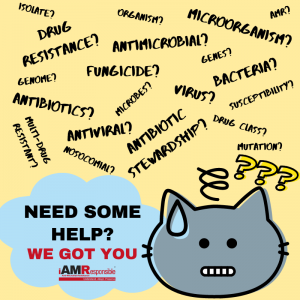 If you are just starting to learn about antimicrobials and resistance, first off welcome to the club, we are so happy to have more microbe obsessives! Second, we guessed you might have been encountering some words or concepts that you haven’t heard before. So, we’ve put together this visual glossary for you to explore. Search the table below for a word or unfamiliar phrase and you’ll find a definition AND videos or other websites where you can learn more about that concept.
Addressing Antimicrobial Resistance Through Livestock Management
In this webinar, representatives from multiple sectors of the livestock production industry are featured to learn how each sector is approaching the complex problem of antibiotic resistance with management strategies to improve antimicrobial stewardship in live animal production and across the food production system. This presentation was originally broadcast on August 20, 2021. Continue reading “Addressing Antimicrobial Resistance Through Livestock Management”
Dietary Impact on Antibiotic Resistance in Feedlot Manure
Report on research conducted at the University of Nebraska, originally printed in the 2021 Nebraska Beef Cattle Report.
Summary
There is a growing public concern regarding antibiotic resistance and the use of antibiotics, including in livestock management. Understanding the ecology of antibiotic resistance among microbes, identifying resistance gene reservoirs, and implementing antibiotic resistance mitigation practices in livestock production is critical to protecting animal and human health while meeting increasing food demands. This research is one of several studies seeking to assess risk for livestock-to-human transfer of antibiotic resistance and to identify mechanisms for reducing that risk where possible. This study evaluated the impact of forage concentration and supplemental essential oil in beef cattle finishing diets on antibiotic resistance in freshly excreted and consolidated beef feedlot manure. Results indicate that antibiotic resistance in manure was not impacted by either of the two dietary treatments considered. Continue reading “Dietary Impact on Antibiotic Resistance in Feedlot Manure”