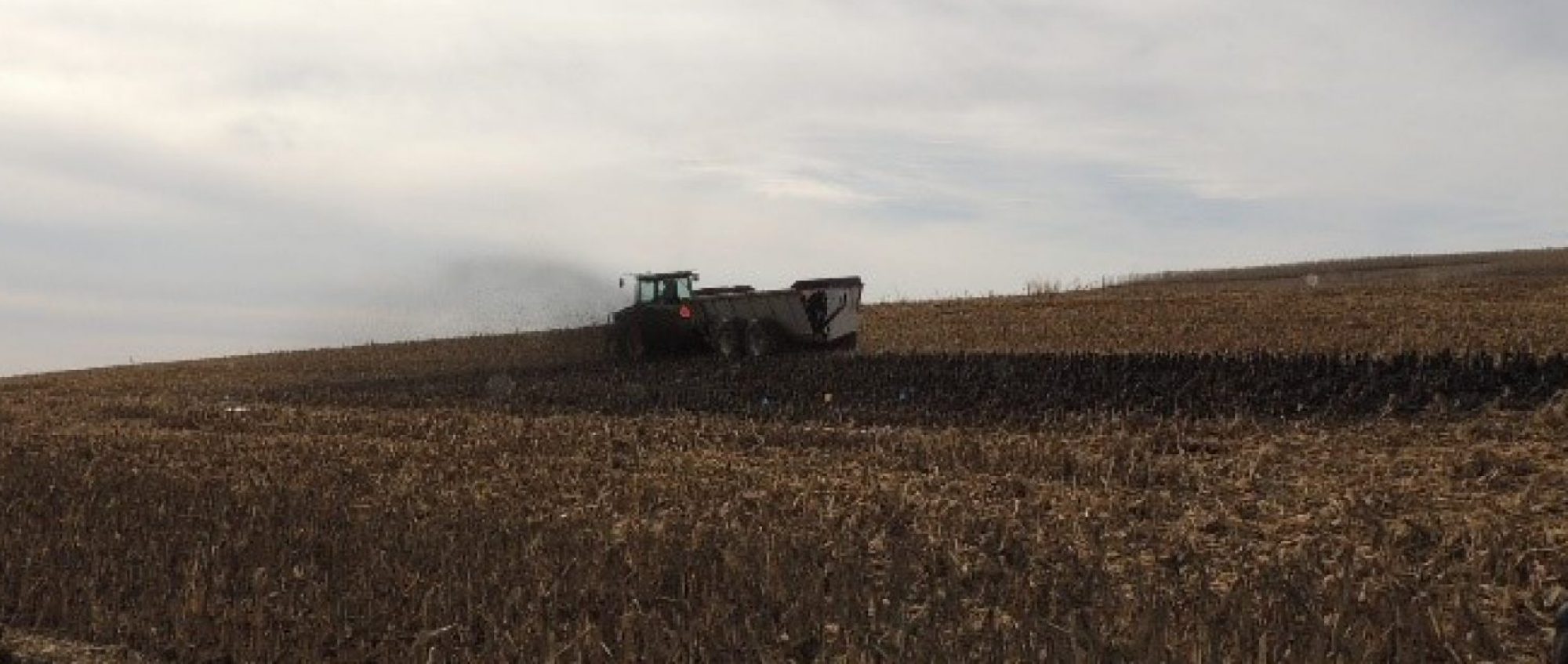

Report on research conducted at the University of Nebraska, originally printed in the 2021 Nebraska Beef Cattle Report.
Summary
Manure application to agricultural land benefits soil health and agronomic yields. However, as antibiotic resistance becomes a more serious threat to public health, there is concern that antibiotic resistance originating from livestock manure could impact human health through contamination of the environment or food. This study sought to quantify this risk by monitoring concentrations of antibiotic-resistant bacteria and genes in fallow soil during the period of October through April, representing fall manure application through spring planting. Resistance to three common antibiotics – tylosin, azithromycin, and tetracycline – was monitored following application of fresh, stockpiled, or composted beef feedlot manure, or inorganic fertilizer. Overall, concentrations of all monitored resistant bacteria were below the detection limit for enumeration. Results indicate that while all the manure treatments increased at least one measure of antibiotic resistance during the sampling period, by the final sampling day antibiotic resistance prevalence and concentrations in manured plots were not significantly different from soil receiving no fertilizer treatments. Continue reading “Antibiotic Resistance in Manure-Amended Agricultural Soils”