Runoff of E. coli and other fecal indicator bacteria from grazing lands has been identified as a significant source of bacterial contamination in need of reductions to improve water quality. Improved management of creek pastures and implementation of on-farm best management practices to address these bacterial issues is critical to the success of watershed restoration efforts. To address this, the impacts of grazing management and providing alternative off-stream water in creek pastures were evaluated to assess their effectiveness for reducing E. coli loading.
Study results showed that there was no difference in runoff E. coli concentrations from ungrazed, properly grazed and heavily grazed pastures and no correlation between stocking rate and E. coli concentrations. It is suspected that the observed rapid decline in E. coli concentrations following rotation and significant contributions by wildlife resulted in this lack of correlation. However, rotational grazing, when timed appropriately, was found to be a very effective practice for reducing E. coli concentrations in runoff. As a result of these findings, it was recommended that, where feasible, creek pastures and other hydrologically connected pastures be grazed during periods when runoff is less likely and that upland sites be grazed during rainy seasons when runoff is more likely to occur.
The study also found that when alternative off-stream water was provided, cattle spent 43% less time in the creek. Despite this significant reduction in the amount of time cattle spent in the creek, the study was not able to document statistically significant E. coli loading reductions from providing alternative water. Nevertheless, providing off-stream water in creek pastures was highly recommended practice for improving water quality due to the reduction in the amount of time cattle spend in the creek documented by this study and the finding of other studies demonstrating reductions in sediment, nutrients and bacteria.
Authors
Kevin Wagner, Texas Water Resources Institute, Texas A&M University klwagner@ag.tamu.edu
Terry Gentry, Ph.D., Texas A&M University, Soil and Crop Sciences Department; Larry Redmon, Ph.D., Texas A&M University, Soil and Crop Sciences Department; R. Daren Harmel, Ph.D., USDA-ARS, Grassland Soil and Water Research Laboratory; Jamie Foster, Ph.D., Texas A&M University, Soil and Crop Sciences Department; Robert Knight, Ph.D., Texas A&M University, Ecosystem Science and Management Department; C. Allan Jones, Texas A&M University, Spatial Sciences Laboratory
The authors are solely responsible for the content of these proceedings. The technical information does not necessarily reflect the official position of the sponsoring agencies or institutions represented by planning committee members, and inclusion and distribution herein does not constitute an endorsement of views expressed by the same. Printed materials included herein are not refereed publications. Citations should appear as follows. EXAMPLE: Authors. 2013. Title of presentation. Waste to Worth: Spreading Science and Solutions. Denver, CO. April 1-5, 2013. URL of this page. Accessed on: today’s date.
Beef cattle are responsible for around 15% of the total anthropogenic ammonia (NH3) emitted in the U.S., and the cattle feeding industry is highly concentrated spatially, with the majority of commercial feedyards located in Texas, Iowa, Kansas,Colorado, and Nebraska (USEPA, 2005; USDA-NASS, 2009). Valid estimates of ammonia (NH3) emissions from beef cattle feedyards are needed to assess the impact of beef production on the environment, to comply with reporting requirements, and to develop reasonable regulatory policies. The processes involved in production and volatilization of NH3 from livestock housing are strongly influenced by environmental conditions and management practices (Fig. 1), which may not be captured by constant emission factors or mathematically-derived empirical models. Among different modeling approaches, process-based models, which track components of interest through biochemical and geochemical reactions as functions of specific conditions (e.g. temperature, wind speed, pH, precipitation, surface heating, animal diet), offer a better approach for predicting NH3 emissions from open-lot animal production systems than emission factors or empirical models. However, while process-based models have been developed to estimate NH3 emissions from dairy barns and other livestock facilities, little work has been conducted to assess their accuracy for large, commercial feedyards in the semi-arid Texas High Plains: the top beef producing region in the United States.
Figure 1. Processes and factors affecting feedyard ammonia emissions and modeled with IFSM and Manure-DNDC.
What Did We Do?
We evaluated two process-based models, the Integrated Farm Systems Model (IFSM) (Rotz et al., 2012) and the newly developed Manure-DNDC (DeNitrification DeComposition) model (Li et al., 2012), for predicting feedyard NH3 emissions in the Texas High Plains. To meet this objective, we compared model-simulated emissions to measured NH3 flux data collected from two commercial feedyards, Feedyard A and Feedyard E, in Deaf Smith County, Texas. Feedyard NH3 fluxes were measured from February 2007 to January 2009 using open-path lasers and an inverse dispersion model (Todd et al., 2011). The input data for the two models differed slightly; however, both required daily climate data (temperature, precipitation, wind speed, solar radiation), animal population (Feedyard A, 12,684 head; Feedyard E, 19,620 head), and concentration of crude protein (%CP) in cattle diets. Model performance was evaluated by the difference between predicted and observed emissions using both linear regression analysis and summary, univariate, and difference measures (Wilmott et al., 1982).
Figure 2 (above). Comparison of observed and IFSM predicted per capita NH3 emission rates (g head-1 d-1) at (a) Feedyard A, and (b) Feedyard E. Daily predictions were in good agreement (p < 0.001) with observations at both feedyards and responded appropriately to changes in ambient temperature and % CP in feedyard diets.
Figure 3 (below). Comparison of observed and Manure-DNDC predicted NH3 emission rates (kg ha-1 d-1) at (a) Feedyard A, and (b) Feedyard E. The units for Manure-DNDC (kg hectare-1 d-1) differ from IFSM (g head-1 d-1); however, daily Manure-DNDC predictions for 2008 agreed with observations (p < 0.001) in a manner similar to IFSM predictions.
What Have We Learned?
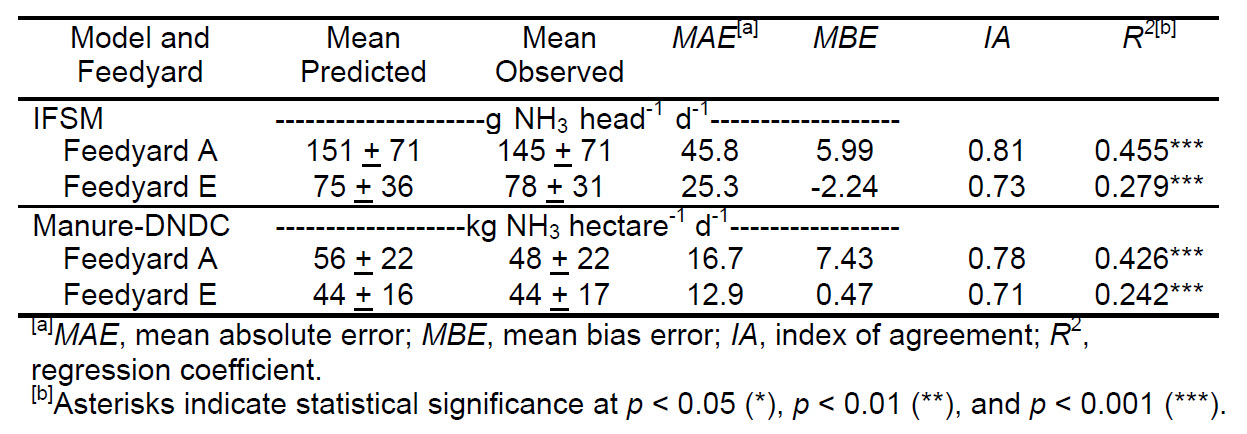
Predictions of daily NH3 emissions made by IFSM and Manure-DNDC were in good agreement (p < 0.001) with observations at both feedyards (Figs. 2 and 3, Table 1). IFSM predicted average NH3 fluxes of 151 and 75 g head-1 d-1 for Feedyards A and E, respectively (Table 1). Manure-DNDC output is on an area basis, and average modeled NH3 fluxes were 56 (Feedyard A) and 44 kg hectare-1 d-1 (Feedyard E). In addition, both models responded appropriately to changes in ambient temperature and %CP in feedyard diets, as shown by higher emissions in summer than winter, and the period of February to October 2008 at Feedyard A, when diets contained as much as 19% CP due to the inclusion of distillers grains (Figs. 2 and 3). The index of agreement (IA) indicates 71% to 81% agreement between model predictions and observed emissions (Table 1). Overall, both IFSM and Manure-DNDC predictions for Feedyard E had lower values for error and bias (MAE and MBE), while there was better agreement between observations and model predictions for NH3 emissions for Feedyard A.
Figure 4. Comparison of mean predicted and observed per capita NH3 emission rates from (a) Feedyard A and (b) Feedyard E in 2008. For most months, model predictions did not differ from observations, indicating that both models were useful for predicting average feedyard NH3 emissions.
Comparisons of modeled and observed mean daily per capita NH3 emissions for each month in 2008 are shown in Figure 4. For most months, model predictions did not differ significantly from observations, indicating that both models were useful for predicting average emissions. We also wanted to compare model predictions for annual per capita NH3 emissions to the emission factor of 13 kg head-1 y-1 that is currently used by the USEPA (USEPA, 2005). For 2008, IFSM and Manure-DNDC estimates of annual per capita emissions were 61 and 55 kg head-1 y-1 (Feedyard A) and 33 and 25 kg head-1 y-1 (Feedyard E), and model estimates for total feedyard emissions were within 3% to 24% of measured values (Table 2). In contrast, the current EPA emission factor underestimated total feedyard emissions by 61% to 79%: indicating that predictions by IFSM and Manure-DNDC can more accurately predict feedyard NH3 emissions than current constant emission factors.
Table 1. Regression and mean difference comparisons for observed and predicted daily feedyard NH3 emissions from Feb. 2007 to Jan. 2009, where there were 386 and 272 paired comparisons for Feedyard A and Feedyard E, respectively. Regression analysis indicated a highly significant (p < 0.001) relationship between observations and predictions made by both models. The index of agreement (IA) indicates 71% to 81% agreement between model predictions and observed emissions. Overall, both IFSM and Manure-DNDC model predictions for Feedyard E had lower values for error and bias (MAE and MBE), while there was better agreement between observations and model predictions for NH3 emissions for Feedyard A.
Table 2. Comparison of observed annual emissions at Feedyards A and E in 2008 with predictions by Manure-DNDC, IFSM, and the USEPA emission factor (EF) for beef cattle. For 2008, IFSM and Manure-DNDC estimates were within 3% to 24% accuracy. In contrast, the current EPA emission factor underestimated emissions by as much as 79%.
Future Plans
Future plans include using process-based models to predict nitrous oxide (N2O) emissions from feedyard pen surfaces. In addition, we will conduct laboratory and field-scale studies to better characterize the chemical and physical properties of feedyard manure in order to refine input parameters and improve model predictions of feedyard NH3 and N2O emissions.
Authors
Heidi M. Waldrip, Research Soil Scientist, USDA-ARS Conservation and Production Laboratory, Bushland, TX, heidi.waldrip@ars.usda.gov
C. Alan Rotz, Agricultural Engineer, USDA-ARS Pasture Systems and Watershed Management Research Unit, University Park, PA.
Changsheng Li, Research Professor, Institute for the Study of Earth, Oceans, and Space, University of New Hampshire, Durham, NH.
Richard W. Todd, Soil Scientist, USDA-ARS Conservation and Production Laboratory, Bushland, TX.
William Salas, President and Chief Scientist, Applied Geosolutions, LLC, Durham, NH.
N. Andy Cole, Research Leader and Animal Scientist, USDA-ARS Conservation and Production Laboratory, Bushland, TX.
Additional Information
Li, C., W. Salas, R. Zhang, C. Krauter, A. Rotz, and F. Mitloehner. 2012. Manure-DNDC: a biogeochemical process model for quantifying greenhouse gas and ammonia emissions from livestock manure systems. Nutr. Cycl. Agroecosyst. 93:163-200.
Rotz, C.A., M.S. Corson, D.S. Chianese, F. Montes, S.D. Hafner, R. Jarvis, and C.U. Coiner. 2012. Integrated Farm System Model: Reference Manual. University Park, PA: USDA Agricultural Research Service. Available at: http://www.ars.usda.gov/Main/docs.htm?docid=21345. Accessed 5 January 2013.
Todd, R. W., N. A. Cole, M. B. Rhoades, D. B. Parker, and K. D. Casey. 2011. Daily, monthly, seasonal, and annual ammonia emissions from Southern High Plains cattle feedyards. J. Environ. Qual. 40:1090-1095.
USEPA. 2005. National Emission Inventory – Ammonia Emissions from Animal Agricultural Operations: Revised Draft Report. 2005 Apr. 22. United States Environmental Protection Agency, Washington DC. Available at: http://www.epa.gov/ttnchie1/net/2002inventory.html. Accessed 02/27/2013.
Wilmott, C. J. 1982. Comments on the evaluation of model performance. Bull. Am. Meterol. Soc. 63:1309-1313.
This project was partially supported by USDA-NIFA funding to Texas A&M AgriLife Research for the federal special grant project TS2006-06009, “Air Quality: Reducing Emissions from Cattle Feedlots and Dairies (TX & KS)”.
The authors are solely responsible for the content of these proceedings. The technical information does not necessarily reflect the official position of the sponsoring agencies or institutions represented by planning committee members, and inclusion and distribution herein does not constitute an endorsement of views expressed by the same. Printed materials included herein are not refereed publications. Citations should appear as follows. EXAMPLE: Authors. 2013. Title of presentation. Waste to Worth: Spreading Science and Solutions. Denver, CO. April 1-5, 2013. URL of this page. Accessed on: today’s date.
Why Study Ammonia Recovery from Livestock Wastewater?
This presentation shows a novel system that uses gas-permeable membranes to capture and recover ammonia from liquid manure, reducing ammonia emissions from livestock operations, and recovering concentrated liquid nitrogen that could be sold as fertilizer.
What Did We Do?
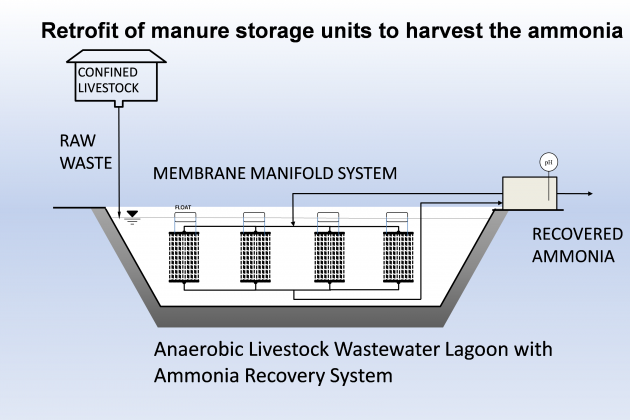
These systems use gas-permeable membranes as components of new processes to capture and recover the ammonia in liquid manures. The new process includes the passage of gaseous ammonia contained in the liquid manure through a microporous hydrophobic membrane and capture and concentration with circulating diluted acid on the other side of the membrane. The membranes can be assembled in modules or manifolds. For liquid manure applications, the membrane manifolds are submerged in the liquid and the ammonia is removed from the liquid manure in barn pits or storage tanks and lagoons before it goes into the air.
Cross-sectional diagram of ammonia capture using hydrophobic gas-permeable membrane. Ammonia gas (NH3) in the liquid manure permeates through hydrophobic membrane walls with micron-sized pores, where it combines with the free protons (H+) in the acid solution to form non-volatile ammonium ions (NH4+).
What Have We Learned?
The concept was successfully tested using concentrated swine manure effluents containing 140 to 1,400 mg/L NH4-N. The use of gas-permeable membranes to remove ammonia from liquid manure was effective, and the rate of N recovery by the gas-permeable membrane system was higher with higher ammonia concentration in the manure. While ammonia gas passed readily through the membrane pores, the soluble COD compounds did not pass. An average removal rate from 45 to 153 milligrams of ammonia per liter per day was obtained when ammonia concentrations in swine lagoon liquid ranged from 138 to 302 milligrams ammonia per liter. The rate of ammonia recovery was also increased with increased pH of the wastewater. With a natural pH of 8.3, the rate of N recovery was about 1.2% per hour. This rate was increased 10 times (to 13% per hour) at pH of 10 after alkali addition. In another study, we immersed the membrane module into raw liquid manure that had 1,400 milligrams of ammonia per liter, and after 9 days, the total ammonia concentration decreased about 50 percent to 663 mg per liter. The gaseous ammonia in the liquid (or free ammonia) linked to ammonia emissions decreased 95 percent from 114.2 to 5.4 milligrams per liter. The same process was used in 10 consecutive batches of raw swine manure and ended up recovering concentrated nitrogen in a clear solution that contained 53,000 milligrams of ammonia per liter. The new technology could help change on-farm nitrogen management: Livestock producers could use the technology to help meet air-quality regulations, save fuel, protect the health of livestock and their human caretakers, improve livestock productivity, and recover concentrated liquid nitrogen that can be re-used in agriculture as a valued fertilizer.
Diagram of ammonia recovery system using with gas permeable membranes
Recovery and concentration of ammonia from liquid manure using gas-permeable membrane system. Diagram and pictures show prototype testing, using the same stripping solution with repeated batches of liquid manure.
Future Plans
On-farm demonstration studies will be conducted in 2013-2014 in cooperation with Dr. John Classen, North Carolina State University, through an NRCS Conservation Innovation Grant (CIG) awarded in FY2012 “Ammonia recovery from swine wastewater with selective membrane technology”. The project will demonstrate recovery of ammonia from liquid manure effluents using the gas-permeable technology in three different manure collection systems: under floor belt system, scraper system, and anaerobic digester.
Vanotti,M.B., Szogi,A.A. “Systems and Methods for Reducing Ammonia Emissions form Liquid Effluents and for Recovering Ammonia”. US Patent Appl. SN 13/164,363, filed June 20, 2011. US Patent and Trademark Office, Washington, DC.
Vanotti, M.B., Szogi, A.A. 2010. “Removal and recovery of ammonia from liquid manure using gas-permeable membranes”. In: Proceedings of the 2010 American Society of Agricultural and Biological Engineers Annual International Meeting, June 20-23, 2010, Pittsburgh, Pennsylvania. 5 p. Paper No. 1008376.
The authors are solely responsible for the content of these proceedings. The technical information does not necessarily reflect the official position of the sponsoring agencies or institutions represented by planning committee members, and inclusion and distribution herein does not constitute an endorsement of views expressed by the same. Printed materials included herein are not refereed publications. Citations should appear as follows. EXAMPLE: Authors. 2013. Title of presentation. Waste to Worth: Spreading Science and Solutions. Denver, CO. April 1-5, 2013. URL of this page. Accessed on: today’s date.
To meet Chesapeake Bay Total Maximum Daily Load requirements for agricultural pollution, conservation districts and farmers are tasked with implementing best management practices (BMPs) that reduce farm losses of nutrients and sediment. The importance of the agricultural industry to the regional economy highlights the need for determining cost-effective BMP solutions given the geographical and operational characteristics of these farms. This study evaluated both the environmental risk and farm profitability of common farm-level management practices for three major farm types in the region: crop, tractor-based (“English”) dairy, and horse-drawn (“Amish”) dairy.
Whole-farm simulations were conducted with the Integrated Farm System Model, a multi-year, process-based simulation model, to facilitate a broader understanding of the challenges for the farmers in finding financially feasible and environmentally sustainable solutions. Strip cropping, conservation tillage, cover cropping, and nutrient management BMPs generally reduced nutrient and sediments losses from all three farm types. However, scenarios that reduced phosphorus and sediment losses generally promoted more leaching of nitrogen. Double cropping corn with winter wheat combined with improved nutrient management was the most profitable practice for the crop farm, increasing average farm profitability by 92% over the baseline condition, while reducing combined nitrogen and total phosphorus losses by 13% and 23%, respectively.
Net profitability of the dairy farm was increased only by decreasing manure storage or using improved nutrient management. For the horse-drawn dairy, cover-cropping and harvest of rye silage combined with increased nutrient management provided the greatest increase in farm profit (+8%) and also reduced phosphorus and nitrogen losses.
Horse-drawn machinery through puts and increased human labor hours were required to simulate a typical Lancaster Old Order Amish dairy operation in Southeastern Pennsylvania.
Why Study Farms As a System?
Because southeastern Pennsylvania is a significant environmental contributor of the Chesapeake Bay, agricultural land management is under intense scrutiny by restoration groups. It is imperative to improving water quality that economically and culturally acceptable nonpoint source control practices be explored, developed, and evaluated. This is true for “contemporary” crop and dairy farms in the region as well as those that are more conservative in their use of electrical- or gas-powered farming equipment, described in this study as “Lancaster Old Order Amish”. Evaluation from a whole-farm perspective enables practical assessments of tradeoffs among management practice combinations and is particularly relevant when effectiveness relies on the willingness and dedication of the farm operators.
What Did We Do?
The expertise of regional conservationists and pooled results from farmer surveys were used to determine three major farm types in southeastern Pennsylvania and design potentially acceptable management combinations for each type. Three baseline farms were described: 400 ha corn-soy-wheat crop farm; 100 cow, 120 ha contemporary dairy; and 24 ha Lancaster Old Order Amish dairy. Whole-farm impacts were assessed with the Integrated Farm System Model (IFSM), a multi-year, process-based simulation model. Environmental tradeoffs between nitrogen, phosphorus, and sediment losses were evaluated and financial cost-benefits through change in annual net return for the farmer were analyzed.
What Have We Learned?
Strip cropping, conservation tillage, cover cropping, and improved nutrient management generally reduced nutrient and sediment losses from all three farm types. However, scenarios that reduced phosphorus and sediment runoff losses generally increased nitrogen leaching to groundwater. Double cropping corn and winter wheat under improved nutrient management was the most profitable combination for the crop farm, increasing average farm profitability by 92% over the baseline while reducing combined nitrogen and total phosphorus losses by 13% and 23%, respectively. Net profitability of the contemporary dairy farm was increased only by decreasing manure storage or using improved nutrient management. For the Lancaster Old Order Amish dairy, cover-cropping and harvest of rye silage combined with increased nutrient management provided the greatest increase in farm profit (+8%) and also reduced phosphorus and nitrogen losses.
Future Plans
Cost-effective recommendations from a whole farm perspective that account for unique characteristics of particular farm types can aid officials in determining locally agreeable methods for efficiently addressing regional priority pollutants. As farms adopt and implement suggested management changes, additional management practices of interest can be evaluated. Also, IFSM is being expanded to consider air emissions and carbon sequestration effects of the management practices.
McLean, A. D., 2012. Modeling best management practices on representative farms in Southeastern Pennsylvania. Master’s thesis, PA State University, University Park, PA. https://etda.libraries.psu.edu/paper/14093/, available Dec. 05, 2012.
Acknowledgements
This work contributes to the Conservation Effects Assessment Project (CEAP), jointly funded, coordinated, and administered by United States Department of Agriculture’s Natural Resources Conservation Service, Agricultural Research Service, and National Institute for Food and Agriculture. We would like to thank Mike Hubler and Larry Baum from Dauphin County Conservation District and officials at Lancaster and Lebanon County Conservation Districts for their advice and guidance categorizing and characterizing farms of Dauphin County and southeastern Pennsylvania. Thanks also to Kristen Saacke-Blunk and Matt Royer from Conewago Creek Collaborative Conservation Initiative for their time and input. Mention of trade names or commercial products in this publication is solely for the purpose of providing specific information and does not imply recommendation or endorsement by the U.S. Department of Agriculture. USDA is an equal opportunity provider and employer.
The authors are solely responsible for the content of these proceedings. The technical information does not necessarily reflect the official position of the sponsoring agencies or institutions represented by planning committee members, and inclusion and distribution herein does not constitute an endorsement of views expressed by the same. Printed materials included herein are not refereed publications. Citations should appear as follows. EXAMPLE: Authors. 2013. Title of presentation. Waste to Worth: Spreading Science and Solutions. Denver, CO. April 1-5, 2013. URL of this page. Accessed on: today’s date.
Agriculture is the largest user of ground water in the United States. Ground water at dairies is used for cow drinking, milking parlor clean-up and crop irrigation. Ground water is produced from wells that often are improperly designed and completed. Inefficient well design, including improperly sized pumps, results in increased pumping costs and increases the frequency that wells and/or pumps have to be replaced. Inefficient wells require significantly more energy to pump lesser amounts of water than properly designed wells. Sand production from unconsolidated or poorly-consolidated aquifers reduces the effective life of the well and pump. Sand production is significantly reduced by properly sizing the well screen and filter pack. Pilot holes are drilled so grain size analyses can be conducted and well screen and filter pack can be properly sized. Geophysical logs may be utilized to identify zones of maximum potential production. The pilot holes are reamed out to the design diameter and the well is constructed with an optimal screen and filter pack combination. Efficient wells are designed with maximum open-area and proper filter packs, so well screens are not dewatered and the well does not pump sand or air. Production tests on the completed well allow the pump motor and bowls to be sized and set to a depth that will maximize pump efficiency and water production while minimizing power costs. An efficient, sand-free well will save a farmer significant money on energy costs to produce water, and the well and pump lifetime will be extended significantly. Water wells should be designed carefully to maximize well and pump efficiency in order to conserve energy and not produce sand.
Purpose
To provide technical guidance on design development and completion of energy efficient wells to extend the operating life of wells and pumps.
What Did We Do?
We improved well efficiencies and reduced energy costs for pumping ground water.
What Have We Learned?
To continue drilling, designing, developing and completing wells using techniques we have developed over the last 33 years.
Future Plans
Continue to develop innovative methods for drilling wells.
The authors are solely responsible for the content of these proceedings. The technical information does not necessarily reflect the official position of the sponsoring agencies or institutions represented by planning committee members, and inclusion and distribution herein does not constitute an endorsement of views expressed by the same. Printed materials included herein are not refereed publications. Citations should appear as follows. EXAMPLE: Authors. 2013. Title of presentation. Waste to Worth: Spreading Science and Solutions. Denver, CO. April 1-5, 2013. URL of this page. Accessed on: today’s date.
Why Study Ammonia Removal from Livestock Wastewater?
Biological nitrogen removal is regarded as the most efficient and economically feasible method available for removal of ammonia from wastewater. Its implementation in concentrated livestock farms can help reduce surplus nitrogen and ammonia emissions.
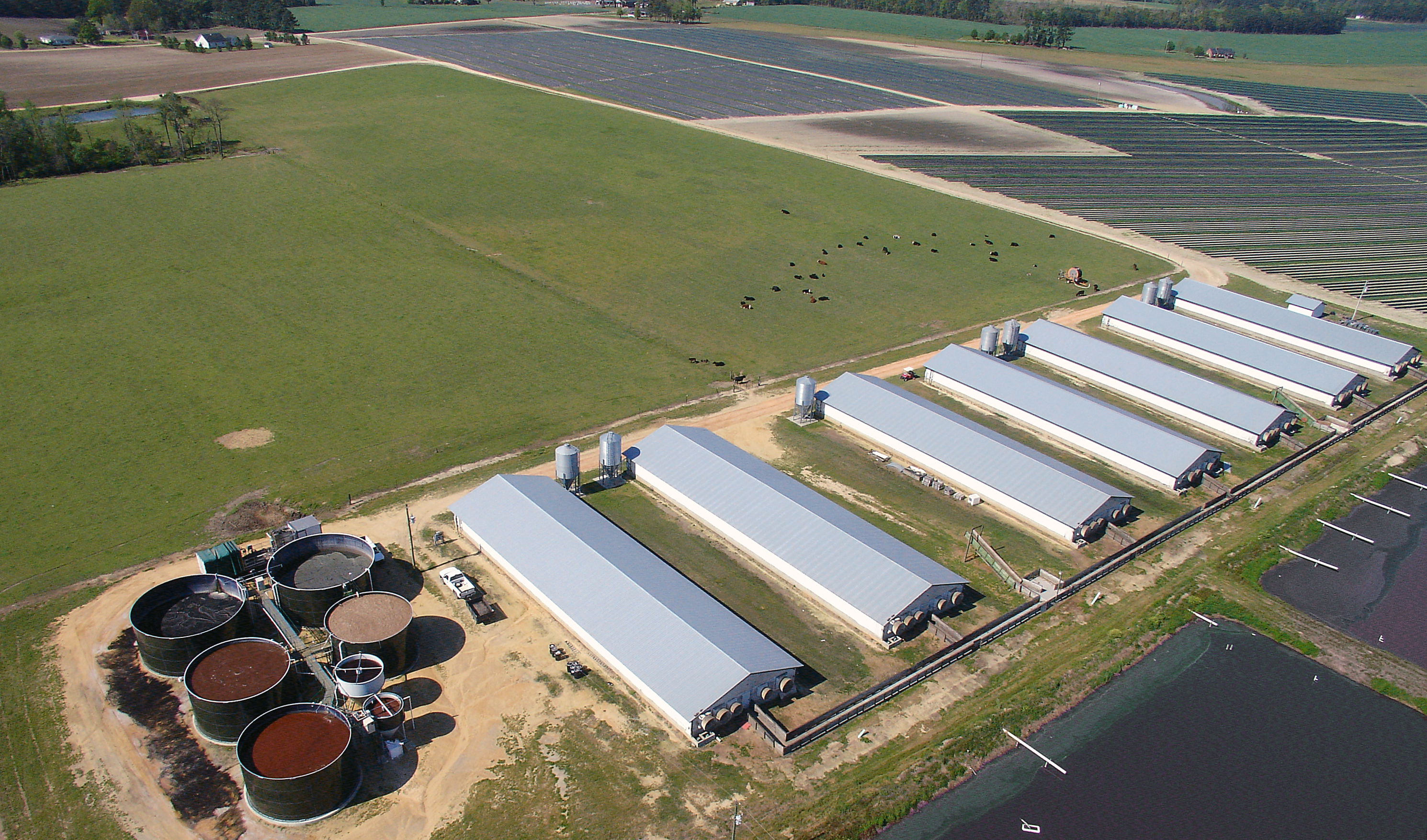
High performance nitrifying sludge (HPNS) is used to start-up biological ammonia removal treatment in swine manure treatment plants. Picture shows second generation project treating manure from 5,200-head finishing operation in Sampson County, NC. The system used solids separation, N removal and P removal processes.
What Did We Do?
The effective use of biological nitrogen removal treatment in animal wastewater required development of new technologies and systems adapted to the higher-strength characteristics of liquid manure. These include: 1) development of a high performance nitrification bacterial mix; 2) systems that combine nitrification/denitrification with efficient liquid-solids separation; and 3) a new deammonification process using anammox bacteria for the removal of nitrogen in anaerobic digestion effluents.
What Have We Learned?
The discovery of a high-performing nitrifying bacterial sludge (HPNS) adapted to high ammonia concentrations (> 3,000 mg N/L) and low water temperatures (5 oC) significantly reduced biological nitrogen removal (BNR) plant footprint and costs. Nitrification/denitrification of fresh flushed manure was most effective after solid-liquid separation treatment, using a pre-denitrification configuration (Modified Ludzack-Ettinger or MLE process). The system is currently at its third generation. The third generation was demonstrated full-scale in 2012 in a farrow to finish swine operation that produced 30,500 hogs per year. It eliminated 99% of the ammonia contained in the manure effluent.
After nitrification/denitrification treatment, the manure effluent contains low ammonia concentration (< 10 mg/L). It is stored in a clean water tank and reused in the barns for recharging the pits or filling flush-tanks. Picture shows clean water tank in third generation project in Wayne county, NC, treating manure from both a 1,200-sow farrow to feeder operation and 12,960 feeder to finish farm.
However, the implementation of nitrification/denitrification process in anaerobic digestion systems is a problem, since both the biogas production and denitrification require carbon. It would require about 30% less biogas production so that there is sufficient carbon for N removal through nitrification/denitrification. The discovery of a novel anammox bacteria in manure, Brocadia caroliniensis, is helping us address this problem effectively, especially after recent advances with a single-tank configuration. The new deammonification process we present here (partial nitritation and anammox) is a completely autotrophic nitrogen removal approach that eliminates the carbon needs for denitrification. Thus, it can be a promising approach for the biological removal of ammonia from anaerobic digester effluents that are low in carbon and high in ammonia concentration. We obtained rapid deammonification reaction by mixing nitrifying and anammox sludges in a single, aerated tank. The single-tank approach was tested with digested swine wastewater. Compared with traditional N removal, the deammonification process reduced 57% of the aeration and 100% of the carbon requirement. Therefore, deammonification is a key technology for development of more economical and energy efficient biological ammonia removal systems in the near future.
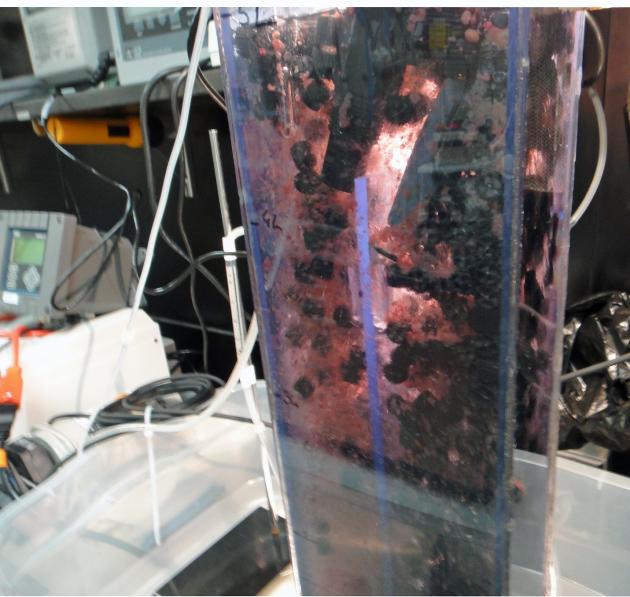
Deammonification treatment using single-tank approach. It performs partial nitritation and anammox reaction in fluidized continuous flow reactor. Picture shows detail of single tank at USDA-ARS, Florence, SC. It used a mixture of HPNS and anammox bacteria Brocadia caroliniensis and biofilms plastic carriers to remove the ammonia from anaerobic digester effluents.
Future Plans
The nitrification/denitrification technology has been demonstrated full-scale and is at the commercialization phase. The single-tank deammonification has been pilot tested.
USDA has filed US patents for “high performance nitrifying sludge ” and “novel anammox bacterium isolate” (see reference list), and seeks commercial partners to bring deammonification technology to market. http://www.ars.usda.gov/business/docs.htm?docid=763&page=5
Vanotti, M.B., Szogi, A.A., Millner, P.D. and Loughrin, J.H. 2009b. Development of a second-generation environmentally superior technology for treatment of swine manure in the USA. Biores. Technol. 100(22):5406-5416.
Vanotti, M.B., A.A. Szogi, and T.F. Ducey. 2011. High performance nitrifying sludge for high ammonium concentration and low temperature wastewater treatment. US Patent Publication No. US2011/0000851 A1. US Patent and Trademark Office, Washington, DC.
Matias Vanotti, José Martinez, Takao Fujii, Ariel Szögi, Daisuke Hira. 2012. Ammonia Removal Using Nitrification and Anammox in a Single Reactor. In Proceedings 2012 ASABE Annual International Meeting, Dallas, Texas. July 29 – August 1, 2012. Paper No. 121337837.
Vanotti, M.B., A.A. Szogi, and M.J. Rothrock. 2011. Novel anammox bacterium isolate. US Patent Application No. 13/013,874. US Patent and Trademark Office, Washington, DC.
Acknowledgements
This research was part of USDA-ARS National Program 214 Agricultural and Industrial Byproducts, Research Project 6657-13630-005-00D “Innovative Bioresource Management Technologies for Enhanced Environmental Quality and Value optimization”.
The authors are solely responsible for the content of these proceedings. The technical information does not necessarily reflect the official position of the sponsoring agencies or institutions represented by planning committee members, and inclusion and distribution herein does not constitute an endorsement of views expressed by the same. Printed materials included herein are not refereed publications. Citations should appear as follows. EXAMPLE: Authors. 2013. Title of presentation. Waste to Worth: Spreading Science and Solutions. Denver, CO. April 1-5, 2013. URL of this page. Accessed on: today’s date.
Livestock GRACEnet is a United States Department of Agriculture, Agricultural Research Service working group focused on atmospheric emissions from livestock production in the USA. The working group presently has 24 scientists from 13 locations covering the major animal production systems in the USA (dairy, beef, swine, and poultry). The mission of Livestock GRACEnet is to lead the development of management practices that reduce greenhouse gas, ammonia, and other emissions and provide a sound scientific basis for accurate measurement and modeling of emissions from livestock agriculture. The working group fosters collaboration among fellow scientists and stakeholders to identify and develop appropriate management practices; supports the needs of policy makers and regulators for consistent, accurate data and information; fosters scientific transparency and rigor and transfers new knowledge efficiently to stakeholders and the scientific community. Success in the group’s mission will help ensure the economic viability of the livestock industry, improve vitality and quality of life in rural areas, and provide beneficial environmental services. Some of the research highlights of the group are provided as examples of current work within Livestock GRACEnet. These include efforts aimed at improving emissions inventories, developing mitigation strategies, improving process-based models for estimating emissions, and producing fact sheets to inform producers about successful management practices that can be put to use now.
Why Was GRACEnet Created?
The mission of Livestock GRACEnet is to lead the development of livestock management practices to reduce greenhouse gas, ammonia, and other emissions and to provide a sound scientific basis for accurate measurement and modeling of emissions.
What Did We Do?
The Livestock GRACEnet group is comprised of 24 scientists from 13 USDA-ARS locations researching the effects of livestock production on emissions and air quality.
Our goals are to:
Collaborate with fellow scientists and stakeholders to identify and develop appropriate management practices
Support the needs of policy makers and regulators for consistent, accurate data and information
Foster scientific transparency and rigor
Transfer new knowledge efficiently to stakeholders and the scientific community
Success in our mission will help to ensure the economic viability of the livestock industry, vitality and quality of life in rural areas, and provide environmental services benefits.
The authors are solely responsible for the content of these proceedings. The technical information does not necessarily reflect the official position of the sponsoring agencies or institutions represented by planning committee members, and inclusion and distribution herein does not constitute an endorsement of views expressed by the same. Printed materials included herein are not refereed publications. Citations should appear as follows. EXAMPLE: Authors. 2013. Title of presentation. Waste to Worth: Spreading Science and Solutions. Denver, CO. April 1-5, 2013. URL of this page. Accessed on: today’s date.
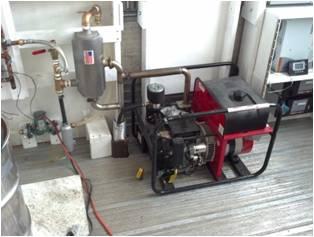
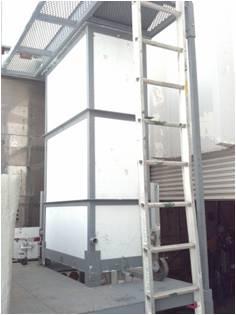
Dry-lot feedlot wastes have historically been a challenging feed-stock for digestion due to the dry recalcitrant nature of the waste, and the presence of settleable sand. Leach-bed dry digestion systems could theoretically circumnavigate these difficulties but poor hydraulic conductivities are noted in the literature. In addition to the poor hydraulic conductivities there are often serious problems with system stability and operation. A leach-bed based design which addresses the hydraulic limitations of previous systems and utilizes a multiple process stages to enhance system stability is currently under development. By adding readily available inert shear stabilizers and biodegradable porosity improvers, hydraulic improvements have been demonstrated to be an order of magnitude higher than without the modifications. By utilizing a multiple stage process the liquid leachategenerated from the leachate beds is treated through two stages, the buffering/storage tank and the high rate methanogenic reactor. The buffering tank is a tank for the leachate to reach chemical equilibrium and to store the leachate before it is precisely metered into the methanogenic tank. Within the high rate methanogenic reactor compounds with the leachate are converted into methane which is removed and combusted. This system is demonstrated in a 48’ long refrigeration transport trailer which is essentially energy independent under continuously operation. This system will provide support for the validation of the technology with various wastes and will also serve as a research vessel for the continual optimization of this technology.
Front of the Pilot Unit
Is It Possible to Digest Dry or Solid Manure?
This new anaerobic digestion system has been designed from the ground up based on extension work carried out on Colorado dairy and beef facilities. Previous feasibility studies conducted on these sites indicated that conventional anaerobic digestion was not a recommended technology due to a variety of economic and technical parameters.
However, upon further review, it was found that these constraints were tied to specific technologies, not anaerobic digestion in general. Using an iterative design process, a digestion system was created which could effectively address these problems. In its most basic form, it will efficiently process difficult wastes like Colorado’s dry-lot manures as well as other more conventional waste streams.
What Did We Do?
Colorado State University has a pilot system located on the Foothills Campus. The purpose of this pilot unit is to gather data about the performance of the leachate bay reactor in an integrated system and to provide design criteria for scaling this concept. The system is currently in the inoculation stage. Using a consortium of animal manures and bedding waste generated onsite, the reactors are growing the bacteria needed before further testing can commence.
Intrinsic to the design is a three phased process that is tailored to the available substrates. Solid type wastes (Typically >20% total solids) are placed into the leachate bay reactor where liquid (leachate) is passed through, slowly striping away methane forming organic chemicals.
6kW Generator with Heat Exchanger for Heat Reactors with Waste Heat
Slurry wastes (Typically <20% total solids with high suspended solids) can pass into the second stage of the process- the leachate storage tank. This vessel acts as a pre digestion vessel, solids sedimentation basin, and storage tank for the pre-digestion products. Clarified leachate, rich with dissolved organic compounds, is then pumped into the final stage- the high rate reactor. In the high rate reactor process upset is mitigated by providing a very controlled flow rate of the acidic leachate into the reactor. This moderates the pH in the reactor, allowing the methane producing organisms to operate at maximum potential. Quickly degraded waste waters such as: milk processing water, run-off lagoon water, or nearby industrial wastes can be added directly to the high rate reactor.
What Have We Learned?
Solid wastes appropriate for the leachate bay reactor are dry-lot cattle manure, crop residues, equine and poultry manures, among many others. These types of wastes were the important drivers in the breakdown of technical and economic feasibility of conventional digestion systems. Due to the design of the leachate bay reactors though, many of these constraints were avoided and these wastes instead play a powerful role in this systems effectiveness by allowing digestion of often overlooked waste products. Related: Update on this project presented at the 2015 Waste to Worth conference in Seattle.
Manure Loading Dock with LBR
Future Plans
Extensive infrastructure has been built into this pilot unit to facilitate monitoring and logic control of this facility. Ongoing work will be to build out this sensing network.
Important design parameters will be teased out of the collected data to guide the development of optimization models. With the use of these models, the system can be further modified. Potential technological enhancements include: nutrient recovery from leachate, various flushing procedures to reduce salt loading, and digestion of ligno-cellulotic by-products.
Lucas Loetscher, Graduate Reseach Assistant, Colorado State University
Sybil Sharvelle, Assistant Professor, Colorado State University
Acknowledgements
Colorado Agriculture Experiment Station
Colorado NRCS
Colorado Bioscience Discovery Grant
Colorado Governors Energy Office
The authors are solely responsible for the content of these proceedings. The technical information does not necessarily reflect the official position of the sponsoring agencies or institutions represented by planning committee members, and inclusion and distribution herein does not constitute an endorsement of views expressed by the same. Printed materials included herein are not refereed publications. Citations should appear as follows. EXAMPLE: Authors. 2013. Title of presentation. Waste to Worth: Spreading Science and Solutions. Denver, CO. April 1-5, 2013. URL of this page. Accessed on: today’s date.
Why Develop a Feed Management Certification Program?
To develop a program to train ARPAS-certified (American Registry of Professional Animal Scientists) dairy and beef nutritionists on how to prepare and evaluate Feed Management plans as it relates to the NRCS Feed Management (592) practice in Pennsylvania. The objective is to compare how formulated diets match to the consumed diets. Phosphorus is monitored through manure testing and nitrogen by milk urea nitrogen and calculating milk nitrogen efficiency. Dry matter intake efficiency is also monitored as this can affect the total manure volume excreted.
What Did We Do?
In 2007, Mid-Atlantic Water Program (MAWP) scientists applied the national feed management program to meet the needs of dairy consultants to implement feed management in the Chesapeake Basin. This program certifies consultants in precision feed management, a practice that reduces nutrient loads in animal wastes by minimizing the phosphorus and nitrogen content in the feed.
With the recent release of the US Environmental Protection Agency’s Total Maximum Daily Load for the Chesapeake Bay, the agricultural community is looking for the best practices to control nutrient pollution while minimizing impacts to profit. Over the years, the work of this project team has established precision feed management as both an economically and environmentally viable best management practice. As such, state watershed implementation plans include precision feed management as a method to meet load allocations.
Pennsylvania currently has twenty-four NRCS qualified nutritionists to write feed management plans. In 2011, fifty-one operations received EQIP or CBWI funding through USDA-NRCS for feed management, with the majority consisting of dairy farms. An additional 10 farms entered into contracts with NRCS in 2012. Farms are currently in the process of being assessed on how well they implemented recommendations from the first year of quarterly reports and are working through their second year of implementation.
Additional efforts have been implemented to educate consultants about the regulations and issues affecting dairy producers. Currently, the Pennsylvania team is working with producers to monitor income over feed costs and to develop cash flow plans, which provides the opportunity to implement precision feeding practices while monitoring the economic benefits to the herd. A study of six component fed dairy herds in Pennsylvania is also being completed to evaluate the effects of the feed, forage, and manure sampling protocols along with feeding order on fecal phosphorus levels and to update current sampling recommendations.
Funding from the MAWP was critical to providing these trainings and projects and establishing precision feed management as a best management practice that farmers can realistically utilize. The infrastructure is in place to address the demand for more feed management plans and the MAWP will continue to meet the educational needs of this audience.
What Have We Learned?
There are a lot of opportunities on farms to improve feed management and nutrient balance. Challenges have been observed pertaining to nutrient reduction strategies that could impact overall nutrient balances in dairy and beef rations. Many of these challenges are greatly influenced by the volatility in today’s commodity pricing. Producers need to become more engaged in what they are feeding and how it affects their profitability. It has been observed that inorganic phosphorus is still being used in grain mixtures when rations contain high phosphorus forages or inclusion of byproduct feeds. We have also observed some challenges in obtaining test analyses for complete grain and mineral mixes on a regular basis. More education is needed for both industry professionals as well as producers.
Future Plans
As the feed management program in Pennsylvania progresses, pounds of phosphorus excreted can be tracked to monitor the effects of reducing phosphorus in dairy and beef rations. This can be used to evaluate its effect on water quality and potential phosphorus accumulations in the soil when manure is applied to crops at nitrogen-based rates. Crop rotations, inclusion of alternative forages and whole farm nutrient balance will be included in future trainings and feed management plans. The Penn State Extension Dairy team is also working on the development of a Feed Management mobile app for producers and nutritionist to be able to track and monitor their progress on nutrient reductions in their rations.
The authors are solely responsible for the content of these proceedings. The technical information does not necessarily reflect the official position of the sponsoring agencies or institutions represented by planning committee members, and inclusion and distribution herein does not constitute an endorsement of views expressed by the same. Printed materials included herein are not refereed publications. Citations should appear as follows. EXAMPLE: Authors. 2013. Title of presentation. Waste to Worth: Spreading Science and Solutions. Denver, CO. April 1-5, 2013. URL of this page. Accessed on: today’s date.
Weather conditions impact land application of manure. Wet soils hinder equipment from accessing fields. Regulations prohibit application on frozen or snow cover soils. Uncertain soil and atmospheric conditions can cause the best plans to fail. Nutrient management plans that are expected to succeed might fail given any particular year’s weather. Incorporating fieldwork days information into nutrient management plans can make them more robust to uncertain weather conditions.
The USDA publishes the number of fieldwork days for different crop reporting districts within states. These data are from field reporters who provide their opinion on the number of days that were available for farmers to conduct fieldwork such as disking, planting and harvesting. USDA Fieldwork Days data cover the growing season (approximately April to December). Estimates of fieldwork days do not exist for the non-growing season (approximately December to April). However, certain states have agricultural weather station networks that collect soil temperature and other critical information that can be used to estimate the number of fieldwork days that exist for manure application within regulatory limits.
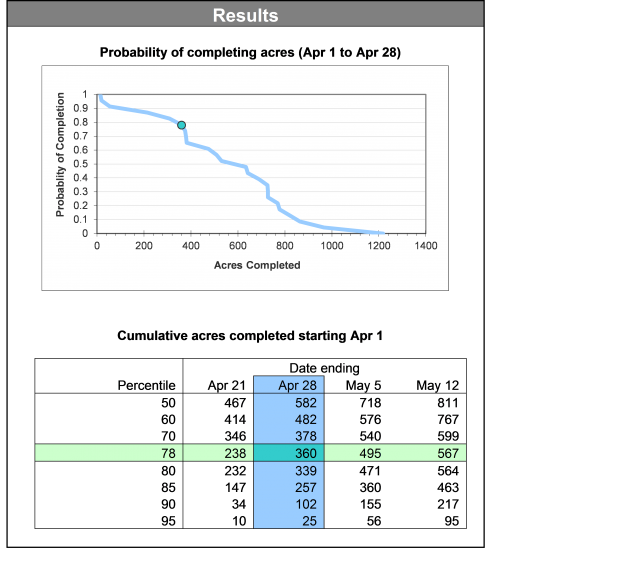
This project integrates fieldwork days from the USDA Fieldwork Days data with the Missouri Agricultural Weather Station Network winter soil temperature and precipitation data for the corresponding crop reporting district. This compiled database gives a complete year of fieldwork day estimates. The data are used in a model that allows nutrient management planners to incorporate climatological impacts into their land application plans. Users specify their equipment complement and size, quantity of manure, and desired beginning and ending dates. The model reports output in a cumulative distribution function that estimates the probability of completing fieldwork within the specified parameters and a sensitivity table of ending dates.
Why Consider Fieldwork Days for Nutrient Planning?
We currently have no mechanism to evaluate the feasibility of implementing nutrient management plans. A plan that successfully finds sufficient fields for using nutrients in manure may fail because there is insufficient time to apply manure with the designated equipment. Incorporating fieldwork day information into the nutrient management planning process could make plans more robust, informing the planner and farmer how likely the plan will succeed.
What Did We Do?
This project developed two spreadsheets that help nutrient management planners incorporate USDA and climatic data into their plans to estimate the likelihood of successfully completing the plan objectives.
The first spreadsheet incorporates fieldwork day data from the USDA with machinery management decisions to estimate the probability of completing manure application within a planned window. This spreadsheet and data report the number of days in a week when fieldwork can be done in various regions of the state during the period April through November. The second spreadsheet integrates soil temperature and precipitation data from the Missouri Agricultural Weather Station Network to estimate the probability of completing manure application within a planned window during the months of December through March period.
Users specify their equipment complement and size, quantity of acres receiving manure, desired beginning and ending dates for manure application, and hours per day and days per week they can apply manure. The model reports output in a cumulative distribution function that estimates the probability of completing fieldwork within the specified parameters and a sensitivity table of ending dates.
Sample output of the probability of completing necessary fieldwork.
What Have We Learned?
Plans do not normally consider the feasibility of accomplishing manure application within an appropriate time frame. Missouri fieldwork day data indicate that time available for field work varies significantly over the year and within the state at any given time. For example, a nutrient management plan that requires 100 hours of application time in northwest MO during the month of April would be successful 78% of the time. The same nutrient management plan needing 100 hours of fieldwork during February would be successful 40% of the time. In April the median number of fieldwork days 11.5 days compared to 8.3 days in February.
Sample imput screen for describing the manure application parameters.
Future Plans
We will expand the tool beyond Missouri. We are looking for funding opportunities to integrate it into our nutrient management plan document generators.
Authors
John Lory, Associate Professor of Extension, Plant Science Divsion, University of Missouri loryj@missouri.edu
Dr. Ray Massey, Professor of Extension, Agricultural Economics, University of Missouri
Pat Guinan, Assistant Professor of Extension, Soil and Environmental Systems, University of Missouri
Additional Information
The spreadsheets that incorporates fieldwork days into manure management decisions can be obtained at swine.missouri.edu/manure/ under the link names of Probable Fieldwork Days and Probable Winter Fieldwork Days.
Acknowledgements
Scott Gerlt and Brent Carpenter of the Food and Agriculture Policy Institute created the initial spreadsheet tool.
The authors are solely responsible for the content of these proceedings. The technical information does not necessarily reflect the official position of the sponsoring agencies or institutions represented by planning committee members, and inclusion and distribution herein does not constitute an endorsement of views expressed by the same. Printed materials included herein are not refereed publications. Citations should appear as follows. EXAMPLE: Authors. 2013. Title of presentation. Waste to Worth: Spreading Science and Solutions. Denver, CO. April 1-5, 2013. URL of this page. Accessed on: today’s date.
To provide the best experiences, we use technologies like cookies to store and/or access device information. Consenting to these technologies will allow us to process data such as browsing behavior or unique IDs on this site. Not consenting or withdrawing consent, may adversely affect certain features and functions.
Functional
Always active
The technical storage or access is strictly necessary for the legitimate purpose of enabling the use of a specific service explicitly requested by the subscriber or user, or for the sole purpose of carrying out the transmission of a communication over an electronic communications network.
Preferences
The technical storage or access is necessary for the legitimate purpose of storing preferences that are not requested by the subscriber or user.
Statistics
The technical storage or access that is used exclusively for statistical purposes.The technical storage or access that is used exclusively for anonymous statistical purposes. Without a subpoena, voluntary compliance on the part of your Internet Service Provider, or additional records from a third party, information stored or retrieved for this purpose alone cannot usually be used to identify you.
Marketing
The technical storage or access is required to create user profiles to send advertising, or to track the user on a website or across several websites for similar marketing purposes.
 Waste to Worth home | More proceedings….



 /a>