
Effectiveness of Different Dairy Manure Management Practices in Controlling the Spread of Antibiotics and Antibiotic Resistance


Proceedings Home | W2W Home w2w17 logo

Purpose            

Even when antibiotics are used judiciously, antibiotic residues, antibiotic resistant bacteria (ARB) and antibiotic resistance genes (ARG) can accumulate in human waste and manure and contribute to the spread of antibiotic resistance. Modern U.S. dairy farms use antibiotics for disease treatment and prevention according to the guidance of veterinary physicians. While dairy manure handling and treatment systems may effectively mitigate antibiotic resistance, the fate of antibiotic residues, ARB and ARG through these systems has not been adequately investigated. 

What did we do? 

Working cooperatively with 11 dairies in 3 states (NY, PA, MD) our multi-institutional (U. Buffalo, Cornell, U. Maryland, U. Michigan), interdisciplinary team is investigating the effect different manure management practices (e.g. long-term storage, composting, anaerobic digestion, etc.) have on antibiotic residue levels, ARB and ARG. Every 6 weeks for 2 years manure is being collected pre- and post- each treatment step of the various manure handling systems used by each farm. All samples are being characterized and tested for select antibiotic residues (tetracyclines, macrolides, sulfonamides, penicillins and ceftiofurs), with select samples also analyzed for ARB and ARG. To guide these efforts, antibiotic usage and manure treatment system operational data are also being collected for each farm.

What have we learned? 

A year of samples has been collected with analysis of antibiotic residues, ARB and ARG on-going. Based on the preliminary data, antibiotic residues are detectable at low-concentrations (< 200 mg/L) in each farm’s manure. Antibiotic residue levels are generally lower in treated manure compared to levels in raw manure, though mitigation efficacy is variable. Early findings show some composting systems have the capacity to lower antibiotic residue levels. Antibiotic residue levels are also lower in separated manure solids, with evidence for partitioning of soluble antibiotic residues into separated manure liquids. At this time, the effects of anaerobic digestion and long-term anaerobic manure storage on antibiotic residue levels remain unclear. Select samples are currently being analyzed for ARB and ARG.

Future Plans 

We are entering our second year of field monitoring and ARB and ARG analysis is on-going. Laboratory efforts are also beginning to test the effectiveness of specific anaerobic digester operational parameters at mitigating antimicrobial resistance. Extension/outreach meetings with stakeholder groups are also being planned. The ultimately project goals are to discern the fate of antibiotic residues, ARB and ARG as they move through dairy manure handling systems, identify the efficacy of different manure treatment systems at mitigating antibiotic resistance and extending this knowledge to dairy operators.

Corresponding author, title, and affiliation      

Jason Oliver, Postdoctoral Associate at Dept. of Animal Science, Cornell University

Corresponding author email    

jpo53@cornell.edu

Other authors   

Curt Gooch, Senior Extension Associate at Cornell University, Dept. of Animal Science, PRO-DAIRY

Additional information               

Additional project information can be found on the dairy environmental system webpage: www.manuremanagement.cornell.edu

Acknowledgements

This material is based upon work that is supported by the National Institute of Food and Agriculture, U.S. Department of Agriculture, under award number 2016-68003-24601. Any opinions, findings, conclusions, or recommendations expressed in this publication are those of the author(s) and do not necessarily reflect the view of the U.S. Department of Agriculture.

Project collaborators include: (PD) Diana Aga, University of Buffalo, Dept. of Chemistry (Co-PI); her students Mitch Mayville and Jarod Hurst; (Co-PD) Lauren Sassoubre , University of Buffalo, Dept. of Civil, Structural & Environmental Engineering; (Co-PDs) Stephanie Lansing and Gary Felton, Associate Professors at University of Maryland, Dept. of Environmental Science & Technology; their student Jenna Schueler; (Co-PD) Krista Wigginton, Assistant Professor at University of Michigan, Dept. of Civil & Environmental Engineering; Lutgarde Raskin, Professor at University of Michigan, Dept. of Civil & Environmental Engineering; and their student Emily Crossette.


The authors are solely responsible for the content of these proceedings. The technical information does not necessarily reflect the official position of the sponsoring agencies or institutions represented by planning committee members, and inclusion and distribution herein does not constitute an endorsement of views expressed by the same. Printed materials included herein are not refereed publications. Citations should appear as follows. EXAMPLE: Authors. 2017. Title of presentation. Waste to Worth: Spreading Science and Solutions. Cary, NC. April 18-21, 2017. URL of this page. Accessed on: today’s date.

Developing a Comprehensive Nutrient Management Plan (CNMP)

Proceedings Home | W2W Home w2w17 logo

Purpose

Livestock producers are presented with a number of challenges and opportunities. Developing a quality Comprehensive Nutrient Management Plan (CNMP) can effectively help landowners address natural resource concerns related to soil erosion, water quality, and air quality from manure management. As livestock operations continue to expand and concentrate in certain parts of the country, utilizing a CNMP becomes even more important. Following the NRCS 9-step planning process is critical in developing a good plan. Effective communication is a key element between all parties involved in the planning process. A CNMP documents the decisions made by the landowner for the farmstead area, crop and pasture area, and nutrient management. Information will cover the elements essential for developing a quality CNMP.

What did we do?

Since the CNMP documents the records of decisions by the landowner, it has to be organized in such a fashion that it is understandable to and usable by the landowner. The CNMP is the landowner’s plan. Therefore, the role of the planner is to help landowners do the things that will most benefit them and the resources in the long run. This will take both time and effort. To provide consistency with other conservation planning efforts within NRCS, CNMPs following the same process outlined in the National Planning Procedures Handbook. There are several items that are essential for a quality CNMP to be developed:

• Have a good understanding of potential resource concerns especially soil erosion, water quality and air quality.

• Make the appropriate number of site visits. Trying to do this from the office will likely lead to a poor quality CNMP that may not be implemented.

• Address resource concerns for the Farmstead and Crop and Pasture areas.

• Ensure that all nutrient sources are addressed.

• Follow the 9 steps of planning.

• Decisions are agreed upon by the landowner. The CNMP reflects the landowner’s record of decisions.

• Follow-up to address any questions or concerns.

• Update as necessary. A CNMP is not a static document.

Field

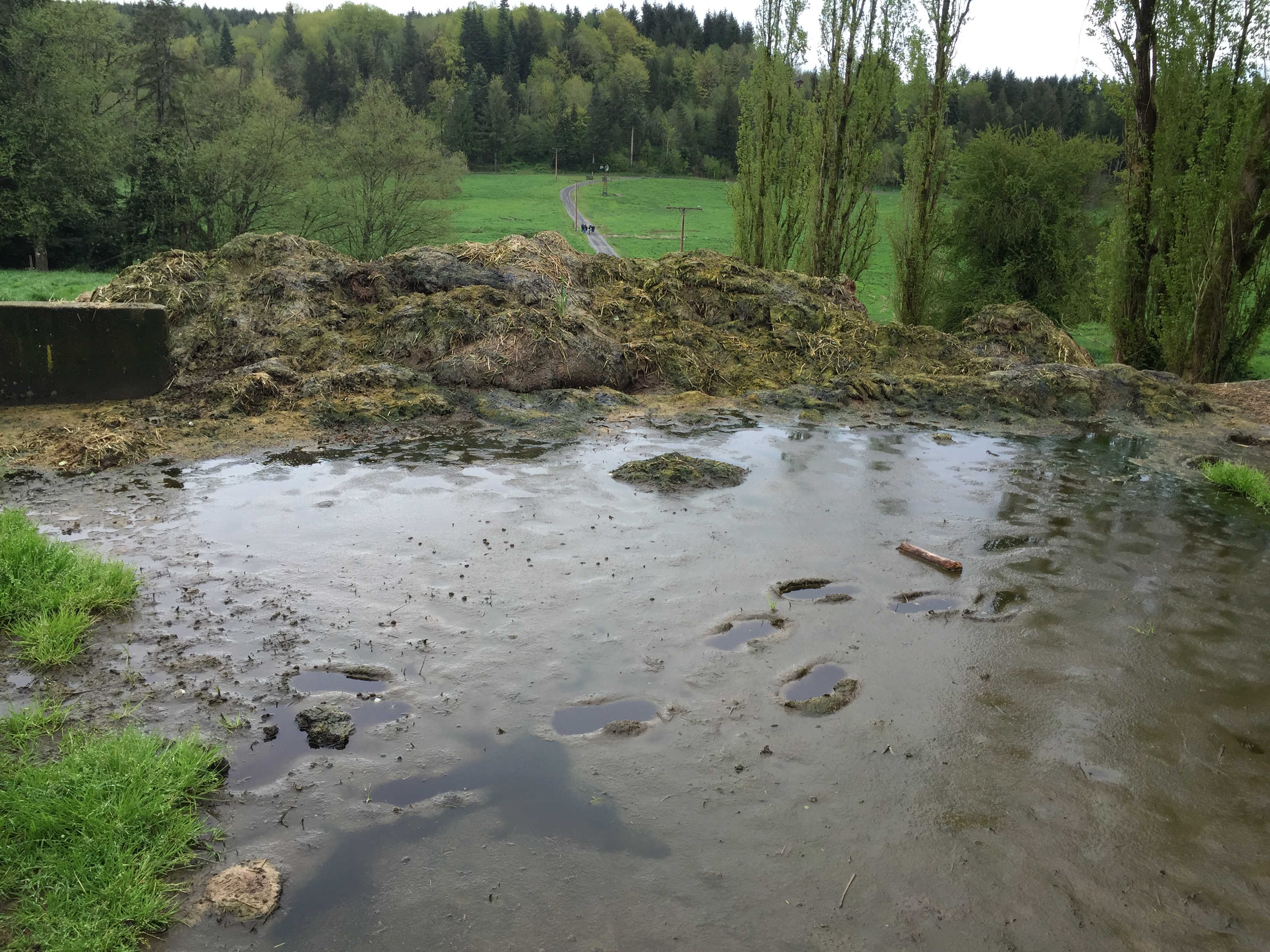
Land application of animal manure without proper land treatment practices

Muddy field with standing water

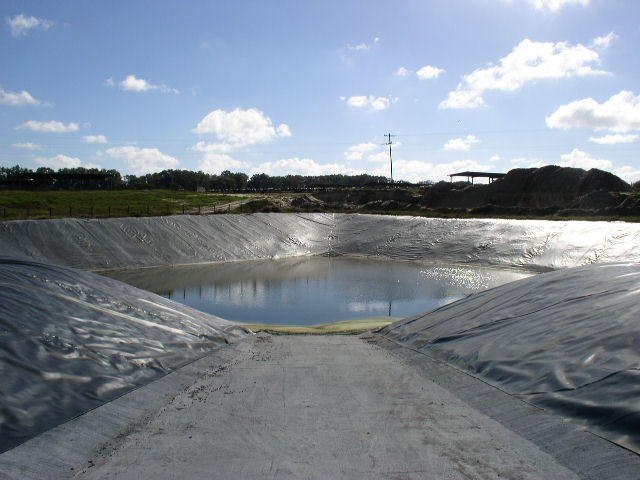
Proper animal manure storage required to address water quality issues

Picture of lined water bed

Evaluation of storage area to adequately address surface and subsurface
water quality issues

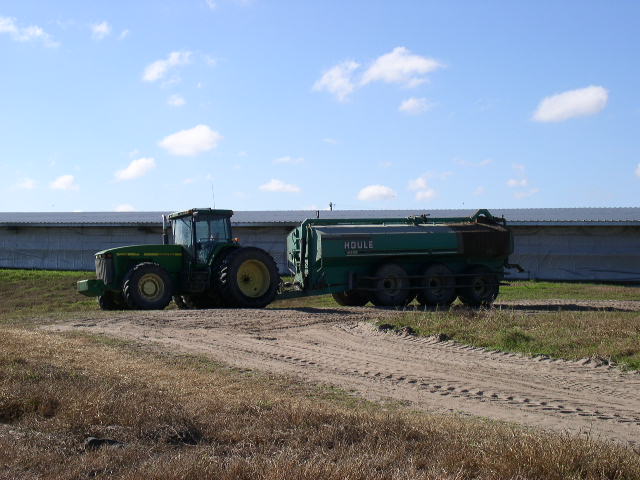
Picture of tractor and tanker spreader

Land application and nutrient management are critical elements for a
properly prepared CNMP

What have we learned?

The quality of CNMPs varies greatly across the country. Some were becoming so large that landowners were having difficulty finding the activities that needed to be completed. The revised CNMP format and process following the NRCS Conservation Planning approach should improve both the quality and usability of the plans developed. Due to statutes in the Farm Bill, all conservation practices recorded in the record of decision of the CNMP, whether receiving financial assistance or not, must be implemented by the end of the established contract period between the landowner and NRCS. Therefore it is important to only include the practices that are going to be implemented. CNMPs should be periodically updated to account for operational changes such as animal numbers, cropping systems, or land application methods.

Future Plans

The CNMP planning process will be evaluated to determine whether landowner objectives are being met and resource concerns properly addressed. Additional evaluations will look at the consistency of the plans generated across the country and the usability by landowners.

Corresponding author, title, and affiliation

Jeffrey P. Porter, P.E.; National Animal Manure and Nutrient Management Team Leader, USDA-Natural Resources Conservation Service

Corresponding author email

jeffrey.porter@gnb.usda.gov

Additional information

References

USDA-NRCS General Manual – Title 190, Part 405 – Comprehensive Nutrient Management Plans

USDA-NRCS Handbooks – Title 180, Part 600 – National Planning Procedures Handbook

Code of Federal Register (CFR) Title 7, Part 1466 – Environmental Quality Incentives Program (1466.7 EQIP Plan of Operations and 1466.21 Contract Requirements)

Webinar

Comprehensive Nutrient Management Plans and the Planning Process – http://www.conservationwebinars.net/webinars/comprehensive-nutrient-management-plans-and-the-planning-process/?searchterm=cnmp

The authors are solely responsible for the content of these proceedings. The technical information does not necessarily reflect the official position of the sponsoring agencies or institutions represented by planning committee members, and inclusion and distribution herein does not constitute an endorsement of views expressed by the same. Printed materials included herein are not refereed publications. Citations should appear as follows. EXAMPLE: Authors. 2017. Title of presentation. Waste to Worth: Spreading Science and Solutions. Cary, NC. April 18-21, 2017. URL of this page. Accessed on: today’s date.
Natural Resources Conservation Service Reaction to the Final H2S/ Gypsum CIG Study Report


Proceedings Home | W2W Home w2w17 logo

Purpose            

The Natural Resources Conservation Service (NRCS) and partners worked with Eileen Fabian-Wheeler of the Pennsylvania State University to study the manure gas risks associated with gypsum bedding at dairy farms. This was a NRCS Conservation Innovation Grant (CIG) project. As a result of the information gathered and the published final report, NRCS has taken the following actions which are described below.

What did we do? 

1. The NRCS National office has published National Bulletin 210-15-9 dated 7/14/15 detailing safety risks from manure storages of dairy cows bedded with gypsum.

2. The NRCS National Standard 333 for Amending Soil Properties with Gypsum Products has included a safety reference warning about adding gypsum to liquid manure storage facilities.

3. Pennsylvania NRCS has led and participated in numerous safety programs discussing the relationship between gypsum added to liquid manure storage facilities and the production of hydrogen sulfide (H2S). Within Pennsylvania (PA), NRCS and agency partner employees have been made aware of the risks of gypsum and excessive H2S production through the repeated use of a wide variety of educational medium.

4. Pennsylvania NRCS developed a new safety sign titled, “During Agitation, Deadly Gases Possible”. The sign was developed in direct response to the new Penn State Conservation Innovation Grant report that H2S is proven to be released during the agitation of manure with gypsum. There are possible ties to other high sulfur materials.

5. Pennsylvania NRCS developed a new PA Fact Sheet #5 titled, “Under Barn Storage Facilities, (Pros and Cons)”. The factsheet was developed to increase awareness of safety risks with under barn manure storages including extreme risks with H2S coming from high sulfur manure/bedding additives. (Can also include other high sulfur feed materials)

6. Pennsylvania has added safety requirements and clarifications to the PA 313 Waste Storage Facility Standard including;

a. requirements for agitation signs at covered/uncovered manure storages,

b. gypsum cannot be added to solid covered or under-the-barn waste storages (known to produce excessive H2S gas production),

c. silage leachate or other materials containing high sulfur cannot be stored in covered under-the-barn storages.

7. Pennsylvania NRCS has added safety warnings and clarifications to the PA 634 Waste Transfer Standard; “Gypsum bedding, silage leachate, and other waste components containing high amounts of sulfur can produce excessive amounts of manure gases…can create dangerous manure gas situations….”

8. Pennsylvania NRCS has rewritten the PADEP/PSU Fact Sheet MM2, to include up-to-date safety information, especially highlighting known H2S gas origins and hazards. Now titled PA NRCS Fact Sheet #10, this is a ready reference available to be supplied to producers at time of manure storage planning and design.

9. Pennsylvania NRCS engineers and others are currently on alert for the proper reporting of manure gas accidents.  They are investigating H2S as a probable most significant cause of manure gas accidents.  Hydrogen sulfide should be the first manure gas suspected and investigated.

10. Pennsylvania NRCS is alerting our field employees and partner agency field employees about the high sulfur content in ethanol by-products, which is different than brewer’s grain by-products. The ethanol production process normally includes the addition of significant amounts of sulfuric acid into the ethanol process for multiple purposes including chemistry, sanitation, pH control, and others, but leaving behind significant sulfur, which can cause unexpected H2S production with by-product reuse.

11. Pennsylvania NRCS has purchased 4 multi-gas meters for in-state training use. Meters measure 4 gases. The NRCS meters are intended for educational / awareness use and encouraging landowners / manure haulers to purchase for their own use.

Corresponding author, title, and affiliation        

W. Hosea Latshaw, PE, USDA NRCS Pa State Conservation Engineer

Corresponding author email    

hosea.latshaw@pa.usda.gov

Acknowledgements       

Manure Gas Risks Associated with Gypsum Bedding at Dairy Farms, Final Project Report, USDA NRCS Conservation Innovation Grant, Pennsylvania State University, Project Manager: Eileen Fabian-Wheeler, December 2017


The authors are solely responsible for the content of these proceedings. The technical information does not necessarily reflect the official position of the sponsoring agencies or institutions represented by planning committee members, and inclusion and distribution herein does not constitute an endorsement of views expressed by the same. Printed materials included herein are not refereed publications. Citations should appear as follows. EXAMPLE: Authors. 2017. Title of presentation. Waste to Worth: Spreading Science and Solutions. Cary, NC. April 18-21, 2017. URL of this page. Accessed on: today’s date.
Sensitivity of Soil Microbial Processes to Livestock Antimicrobials

Proceedings Home | W2W Home w2w17 logo

Purpose

Many of the antimicrobials administered to livestock are excreted in manure where they may undergo natural breakdown, become more tightly associated with the manure and soil, or become mobilized in wastewater/runoff. Both liquid and solid manure is usually applied to nearby crop fields as a manure fertilizer, recycling the nutrients in the manure. Public concerns about the overuse of antimicrobials leading to greater antibiotic resistance and potentially greater risk for human health have led to new regulations limiting the use of antimicrobials in animal production. However, there are several significant research questions that need to be explored in order to determine how important the links are between antimicrobial use in livestock production and increased antibiotic resistance in humans.

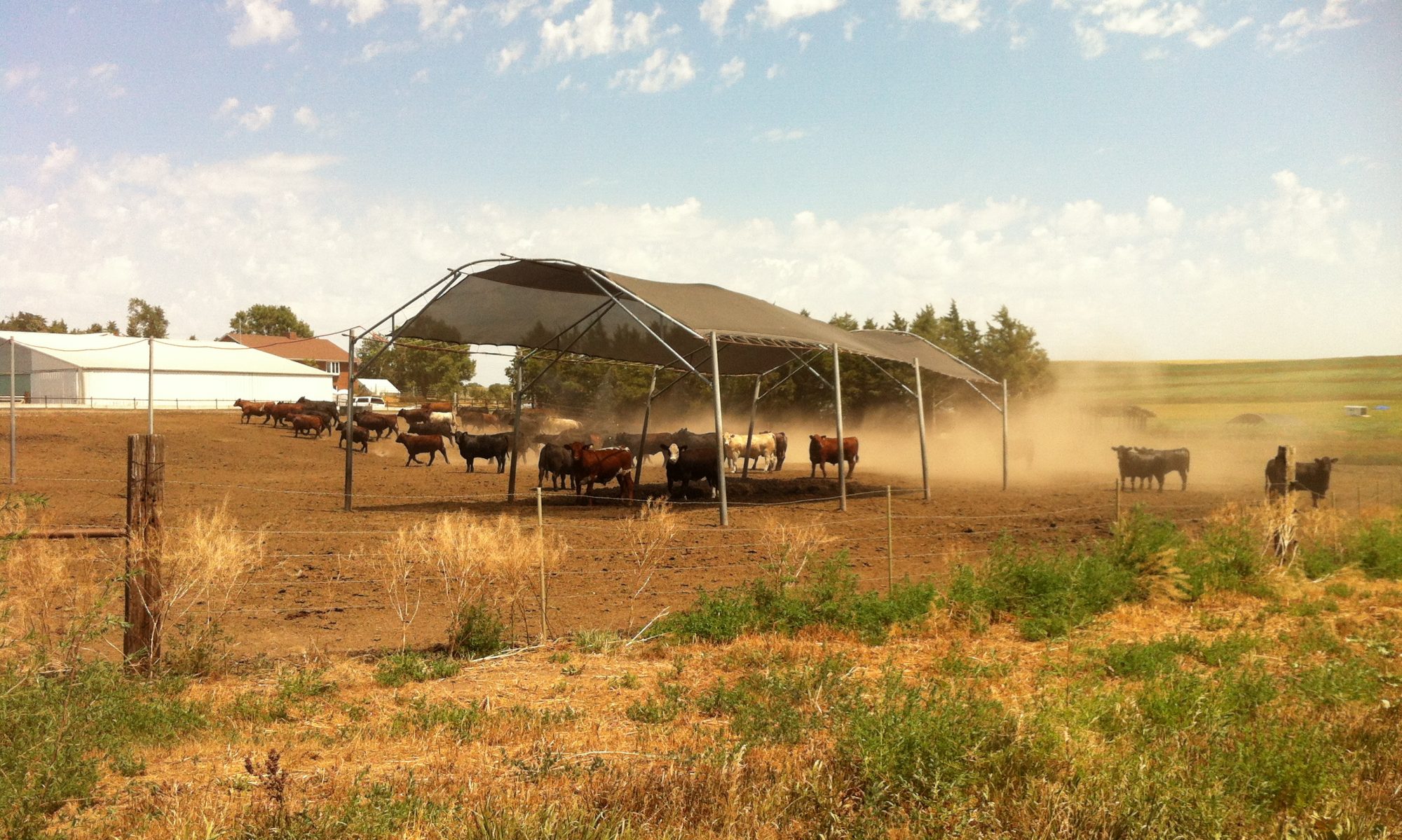
One important issue involves how important soil processes (decomposition, nutrient transformation, and gas emissions) could be altered by antimicrobial compounds in manures and wastewater. In a previous study at a cattle feedlot in central Nebraska, we found typical antimicrobial concentrations in feedlot runoff at low part per billion (ppb) levels and were detected infrequently (<20% of the time). One exception, monensin, was usually detected with an average concentration of 87 ppb and peak concentrations above 200 ppb. Adding complexity to this issue is that soils may experience a variety of conditions ranging from fully aerobic, to denitrifying (using nitrate as a terminal electron acceptor), to anaerobic, and a diverse variety of microbes may predominate in these various conditions. How might soil functions be affected under a range of conditions experiencing differing concentrations of antibiotic? Are there clear very high concentration thresholds that completel! y inhibit specific soil functions? The purpose of this study was to determine the effects of three common livestock antibiotics at multiple concentrations on decomposition, nutrient transformation, and gas production in pasture soil under aerobic, denitrifying, and anaerobic conditions.

What did we do?

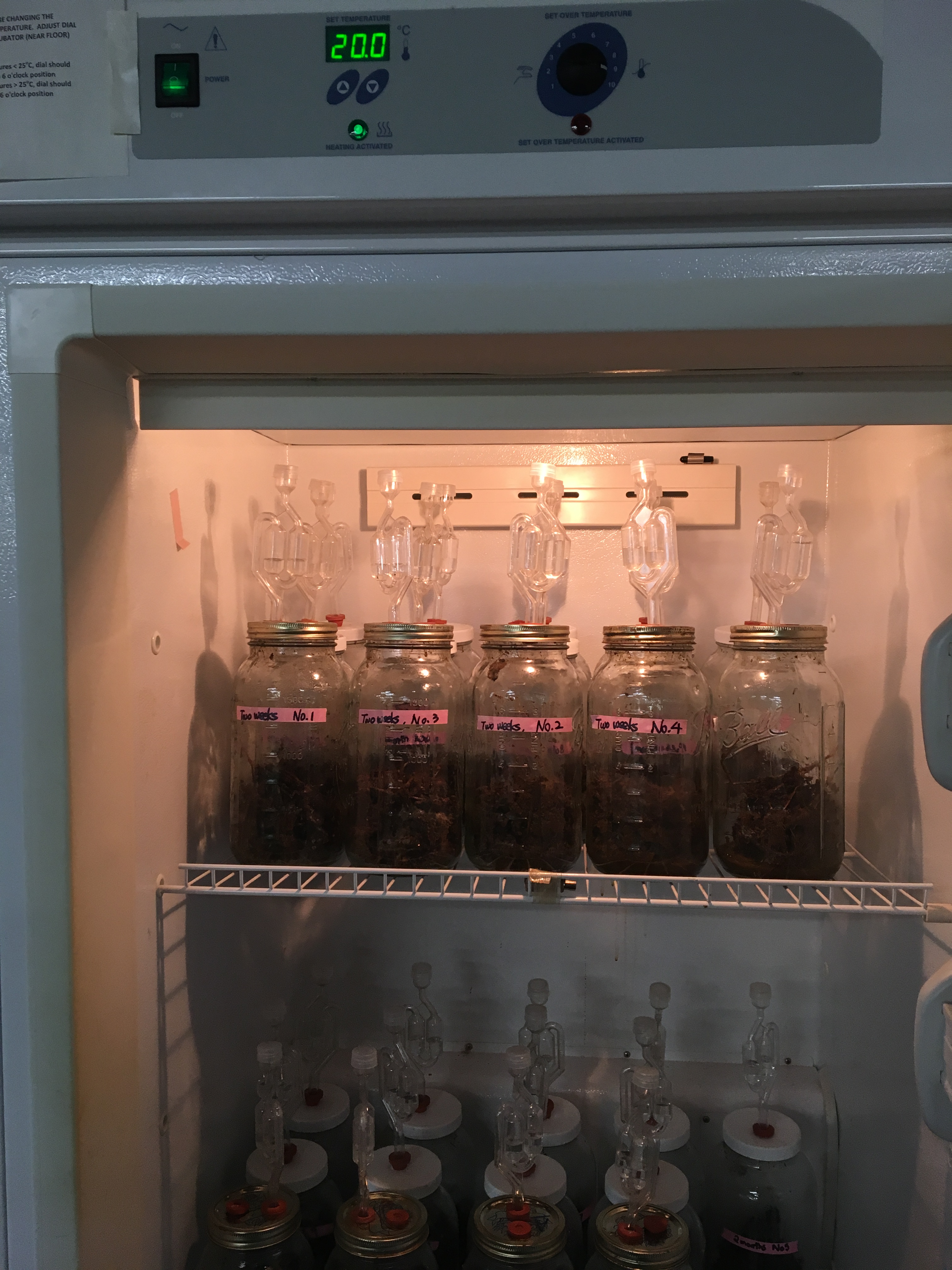
A soil slurry incubation study was conducted with pasture soil where runoff from a nearby cattle feedlot was occasionally applied. Monensin, sulfamethazine, and lincomycin were amended (0, 5, 500, and 5000 ppb) to mason jars and serum bottles containing soil and simulated cattle feedlot runoff. The mason jars were flushed with air (aerobic) while serum bottles were flushed with nitrogen gas (anaerobic). Denitrifying conditions were established initially in a subset of anaerobic serum bottles which were supplemented with nitrate (100 mg NO3-N L-1). All antimicrobial amendments and conditions were replicated in triplicate and incubated at 20°C. Headspace gas composition and decomposition products were both measured using gas chromatography and monitored over several weeks.Table 1. Summary of the effects of various livestock antibiotics on decomposition under aerobic, anaerobic, and denitrifying conditions

What have we learned?

Soil processes were generally affected only at the highest antibiotic concentrations, which are 10x greater than observed levels in feedlot runoff. Furthermore, the effects on soil processes depended upon the antibiotic tested (Table 1). Monensin, a broad-range antimicrobial, had the greatest effect on a number of processes. At highest monensin concentrations tested (5000 ppb), both aerobic and anaerobic decomposition (including denitrification) were affected as shown by greater VFA concentrations and low to no gas production (CO2, N2O, and CH4). Even at 500 ppb, monensin had some effect—CO2, N2O, and CH4 gas production were reduced. Sulfamethazine at 5000 ppb inhibited full denitrification (no N2O produced), but there was no effect on other gases or VFA. At 500 ppb sulfamethazine, N2O production was reduced by half. Lincomycin’s only observable effect was lower (0.5x) N2O production at the 5000 ppb level under denitrification conditions.

These results show important soil processes can be blocked by high levels of antibiotics found in animal manures, but inhibition depends upon the antibiotic.  A general antimicrobial like monensin affected microbial processes far more than antimicrobials with a specific mode of action.  The highest antibiotic levels evaluated were 5 to 10 times higher than levels found in animal manures, so soils are likely not impacted under normal conditions where manures mixed and distributed into soils.  Antibiotic breakdown in the soil further helps reduce the potential for antibiotics to build up in the soils.

Future Plans

These incubations only assessed the effect of a one-time dose of antimicrobials. Future studies will examine how longer soil exposures affect soil processes. Additional studies will also compare how soils that have different manure exposure histories (cattle feedlot soil with heavy exposure versus protected prairie soils with very low manure exposure) would react to higher levels of antimicrobials.

Corresponding author, title, and affiliation

Dan Miller, Microbiologist, USDA-ARS

Corresponding author email

dan.miller@ars.usda.gov

Other authors

Matteo D’Alessio, Postdoctoral Researcher, Nebraska Water Center; Dan Snow, Director of Services, Water Sciences Laboratory

Additional information

151 Filley Hall, UNL East Campus, Lincoln, NE 68583

Ph: 402-472-0741

https://dl.sciencesocieties.org/publications/csa/pdfs/61/8/4?search-result=1

The authors are solely responsible for the content of these proceedings. The technical information does not necessarily reflect the official position of the sponsoring agencies or institutions represented by planning committee members, and inclusion and distribution herein does not constitute an endorsement of views expressed by the same. Printed materials included herein are not refereed publications. Citations should appear as follows. EXAMPLE: Authors. 2017. Title of presentation. Waste to Worth: Spreading Science and Solutions. Cary, NC. April 18-21, 2017. URL of this page. Accessed on: today’s date.

Evaluation of Greenhouse Gas Emissions from Dairy Manure

Proceedings Home | W2W Home w2w17 logo

Purpose

Greenhouse gas (GHG) emissions from dairy manure can be affected by barns, bedding and manure collection, as well as processing and storage. To reduce life cycle environmental impacts of milk production, it is important to understand the mechanisms involved in production and emission of GHGs from dairy manure. In addition to the GHGs emitted from the manure surface, the production of these gases in manure at different depths is an important but poorly understood driver of emissions. Because it is often not practical to measure GHG production and emissions directly in the field, simulation of these processes, both experimentally and through modeling, is needed to help understand the GHG emission mechanisms.Because manure samples are heterogeneous and their composition varies based on the bedding materials and bedding rate as well as cleaning frequency, it is also necessary to consider the impacts of these different types of manure heterogeneity and their impact on emission processes. Another important element that can impact GHGs emissions from dairy manure is oxygen. GHG emission rates can be different based on manure storage status (aerobic, anaerobic, and mixed conditions) and storage time. Several other factors, such as manure bedding materials, bedding rate, applied stress, temperature and moisture content can also impact the microbial activities that produces these GHGs. Our goals are to enhance understanding of the relationships between these factors and GHG emissions from dairy manure, and to identify strategies by which substantial reductions in GHG can be realized in a practical way.

What did we do?

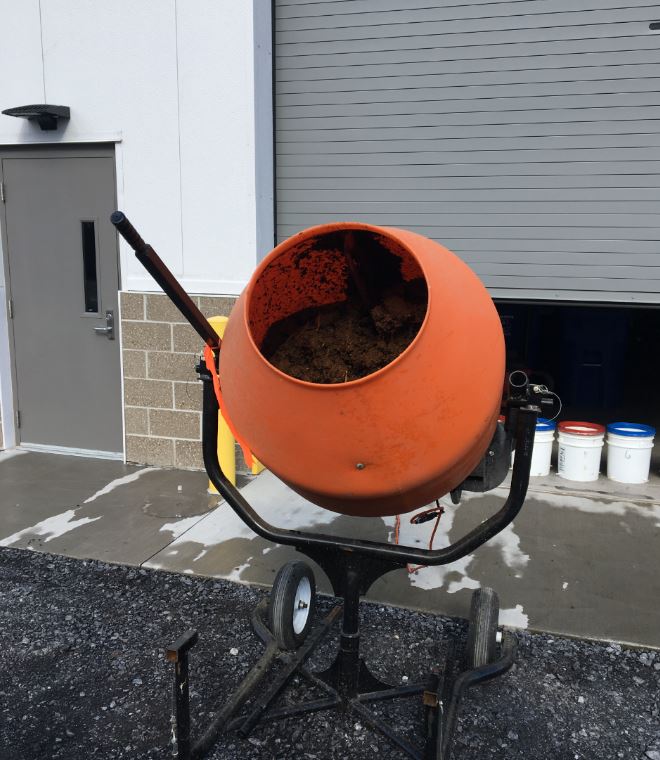
In a controlled laboratory environment we investigated three different dairy manures: sand stacked manure, sawdust bedded manure, and organic sawdust bedded manure. The first two manures were studied and measured in 2016, and the last one was collected and measured in February 2017. After sample collection, manures were mixed in a cement blender to be more homogeneous, and were then transported to buckets and jars for compaction and storage. Nine buckets were filled with manure in layers, and each layer was characterized for physical and biochemical properties. Three levels of stress (0 N/m2, 4196 N/m2, and 12589 N/m2) were applied above the manure to emulate the impact of overburden at various pile depths. Manure bulk density and permeability for each bucket were measured, and the average of each treatment was summarized to evaluate relationships with GHG emissions. Four gases (NH3, CH4, CO2, and N2O) were investigated. The manure moisture content and water holding capacity were measured adjusted to create aerobic, anaerobic, and mixed conditions for manure microorganisms. Three moisture contents were applied to 300 g manure samples, each three replicates. Each manure storage condition was simulated in 2L glass vessels for five durations (one day, two weeks, one month, two month, and three months). The relationship between storage time and GHG rates was assessed.

Picture of cement blenderPicture of buckets and manure compactionPicture of dairy manure storage after blending and compaction

What have we learned?

The results showed that there are good prospects that GHGs reductions can be realized in dairy manure management. In this work, manure that was characterized between each sample layer in the buckets showed similar results, which means the samples are pretty homogeneous. Bulk density and permeability decreased with increasing applied stress. GHG emissions and ammonia emissions showed correlation with the compaction density. Using different bedding materials did impact the GHGs rate.

Future Plans

The combination of prediction models (DNDC and IFSM) and real-word data will be discussed next.

Corresponding author, title, and affiliation

Fangle Chang, post-doctoral at Penn State University, State College PA

Corresponding author email

fuc120@psu.edu

Other authors

Micheal Hile, Eileen E. Fabian (Wheeler),

Additional information

Micheal Hile, mlh144@psu.edu

Eileen E. Fabian (Wheeler), Professor of Agricultural Engineering, Environmental Biophysics, Animal Welfare, and Agricultural Emissions, Integrated Research and Extension Programs, Penn State University, State College PA, fabian@psu.edu

Tom L. Richard, Professor of Agricultural and Biological Engineering, Director of Penn State Institutes for Energy and the Environment, Bioenergy and Bioresource Engineering, Penn State University, State College PA, tlr20@psu.edu

Acknowledgements

This material is based upon work that is supported by the National Institute of Food and Agriculture, U.S. Department of Agriculture, under award number 2013-68002-20525. Any opinions, findings, conclusions or recommendations expressed in this publication are those of the author(s) and do not necessarily reflect the view of the U.S. Department of Agriculture.

The authors are solely responsible for the content of these proceedings. The technical information does not necessarily reflect the official position of the sponsoring agencies or institutions represented by planning committee members, and inclusion and distribution herein does not constitute an endorsement of views expressed by the same. Printed materials included herein are not refereed publications. Citations should appear as follows. EXAMPLE: Authors. 2017. Title of presentation. Waste to Worth: Spreading Science and Solutions. Cary, NC. April 18-21, 2017. URL of this page. Accessed on: today’s date.

Manure Treatment Technology Proceedings for Waste to Worth 2013

W2W13 proceedings | Waste to Worth home
On this page: Anaerobic Digestion | Composting | Separation |
Vegetative | Thermal |  Nutrient Recovery


Composting Thermal Technologies & Biochar

In Vessel Composting of Horse Manure (Case Study)

Financial Benefits of Composting Stable Waste

Effect of Fractionation and Pyrolysis on Fuel Properties of Poultry Litter

Developing Alternative Markets for Poultry Litter Biochar

The Farm Manure to Energy Initiative

Solid-Liquid Separation Nutrient Recovery

Solid-Liquid Separation Alternatives for Manure

Benefits of Liquid-Solid Separation with Lagoons

Recovery of Phosphorus from Solid Manure
Vegetative Treatment Systems (VTS)  

Automating Management for a VTS


 Anaerobic Digestion

Cattle Manure/Solid Manure Feedstocks

Anaerobic Digestion of Finishing Cattle Manure

Trickle Flow Leach Bed Reaction for Solid Cattle Waste

Pilot Scale Leach-bed Multistage Digester for Dry-lot Wastes

Dry Anaerobic Digestion (AD) for High Solids Manure

Feasibility at Cattle Operations and Demonstrations of a Decision Support Tool

Valuing Feedstocks–Balancing Energy Potential & Nutrient Content

Improving Methane from Manure Solids through Pretreatment

Co-Digestion and Operational Issues

Dairy Manure Digestion Influenced by Wasted Milk

Systems Nutrient Recovery

Design, Construction, and Implementation of a Pilot Scale Digester

Coupling Dairy Manure Digesters with Commercial Greenhouses

On-Site Analytical Laboratories to Monitor Process Stability

Operation of Internal Combustion Engines

Economical Recovery of Ammonia from Digestate
Pathogens Uses for Solids

Inactivation of Dairy Manure-borne Pathogens

Organic Mulches in Ginseng Production


What are the different types of gasification systems for generating energy from manure?


Gasification Systems Requiring Relatively Dry Biomass

Fixed Bed Gasifier

Fixed Bed types produce low Btu gases and can use updraft or downdraft approaches. The updraft pulls hot air up from the bottom through the fuel where pyrolysis (decomposition of organics by heat in the absence of oxygen) occurs first, followed by reduction and oxidation. The syngas is not considered “clean” because it contains tars, un-combusted solids, and moisture. An advantage of updraft systems is that they are very scalable; they can be made for small or large systems. Downdraft gasifiers differ in that the oxidation step occurs after pyrolysis. This sequence creates a system where the char filters the gas. This is also a very scalable system that produces clean gas that can go right into a pipeline. A disadvantage in manure management is that manure needs to be pelletized which greatly increases the cost of using a downdraft system.

Fluidized Bed Gasifier

Fluidized bed gasifiers produce a more energy-dense syngas than fixed bed systems. A fluidized bed consists of heated inert materials through which combustion air rises upward and creates a mass of suspended solids through which the fuel can intermingle. When the temperature is high enough, the gasification reaction occurs. These systems are generally more complex than fixed bed systems and require more careful attention to operation and maintenance.

Gasification Systems That Can Process Relatively Wet Biomass

Catalytic Wet Gasification or Hydrothermal Gasification

One of the areas of great interest and research in research years is in developing gasification system that can handle wet biomass, such as raw pig manure, algal biomass, or municipal sewage. These systems require a metallic catalyst and are referred to as catalytic wet gasification or hydrothermal gasification. In addition to a high-energy syngas, this system also produces ammonia, which can be recovered and utilized as a crop fertilizer. These systems require efficient heat-recovery components and monitoring for potential catalyst-poisoning materials (especially sulfur-containing compounds) for optimum performance.

To see an example of current research in this area, visit: auger reactor gasification

For more information:

Acknowledgements

Author: Jill Heemstra, University of Nebraska jheemstra@unl.edu

This information is part of the program “Integrated Resource Management Tool to Mitigate the Carbon Footprint of Swine Produced In the U.S.,” and is supported by Agriculture and Food Research Initiative Competitive Grant no. 2011-68002-30208 from the USDA National Institute of Food and Agriculture. Project website.

Does Manure Solid-Liquid Separation Reduce Greenhouse Gas Emissions on Swine Farms?

green stylized pig logoThere is some research suggesting that separating swine manure into solids and liquids can slightly reduce greenhouse gas (GHG) emissions emitted from the manure itself. It is not likely to be significant enough for separation to be a viable strategy by itself.

The primary reason to use solid-liquid manure separation is to prepare manure for further treatment in a system that can:

  1. generate energy (such as anaerobic digestion, thermal technologies, etc.)
  2. produce products for re-use on a farm (such as bedding for dairy cows),
  3. generate compost or fertilizer.

Any of these options can reduce the GHG emissions or carbon footprint of a farm by replacing fossil-fuel intensive inputs.

For more information

Authors: Rick Fields, University of Arkansas and Jill Heemstra, University of Nebraska jheemstra@unl.edu

Acknowledgements

This information is part of the program “Integrated Resource Management Tool to Mitigate the Carbon Footprint of Swine Produced In the U.S.,” and is supported by Agriculture and Food Research Initiative Competitive Grant no. 2011-68002-30208 from the USDA National Institute of Food and Agriculture. Project website.

What Is Gasification of Manure?

green stylized pig logoWhen looking at ways to improve the environmental impact of pig production, renewable energy generation is a popular topic. One such technology, gasification, is a series of chemical reactions (see image at bottom) that involve heating a suitable organic material in a controlled, low-oxygen environment to the point that the hydrocarbons (simple organic compounds that contain only hydrogen and carbon) are converted to synthesis gas (‘syngas’). Syngas is composed of hydrogen and carbon monoxide with smaller amounts of methane and carbon dioxide, all of which can be collected and utilized for heat and energy generation.

This manure treatment technology also produces mineral-rich bio-char and ash. Since this bio-char is less bulky than raw manure (and contains most, if not all, of the nutrients) it is much easier to handle and more cost effective to transport long distances. This can be beneficial in areas where nutrients are becoming concentrated on crop fields and contributing to water quality problems. The use of bio-char as a topically applied  soil amendment is currently being  explored for its potential at reducing ionization and thus aiding in the retention of nutrients by impeding chemical transformations and volatilization.

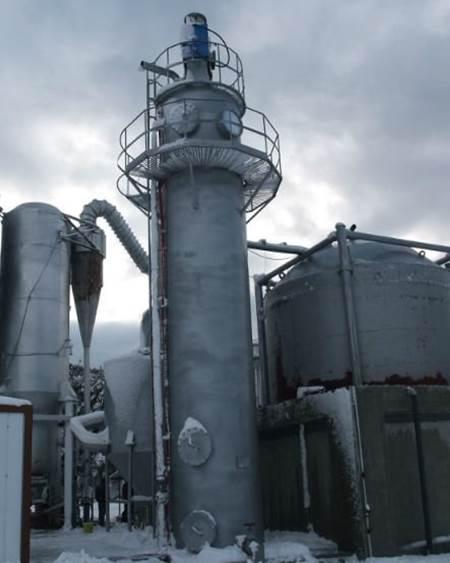
a two ton per hour fluidized bed biomass gasifierMany different organic materials can be used in gasification; wood, plant residues, certain types of manufacturing or household waste, and manure, among other biomass sources. Standard gasification systems utilizes materials that are dry (not pump-able) like beef feedlot manure, poultry litter, or manure that has undergone solids separation. Pig or dairy cattle manure tends to be a wet material and either require drying or a system designed to handle materials like these – wet gasification systems.  Related: Different types of manure gasification systems.

For more information:

chemical representing thermochemical conversion of manure to energy and other products

Image above provided by Dr. Samy Sadaka, University of Arkansas

Authors: Rick Fields, University of Arkansas and Jill Heemstra, University of Nebraska jheemstra@unl.edu

Acknowledgements

This information is part of the program “Integrated Resource Management Tool to Mitigate the Carbon Footprint of Swine Produced In the U.S.,” and is supported by Agriculture and Food Research Initiative Competitive Grant no. 2011-68002-30208 from the USDA National Institute of Food and Agriculture. Project website.

Farm Manure-to-Energy Initiative in the Chesapeake Region Report January 2016

From 2012-2015, the Farm Manure-to-Energy Initiative conducted a study of thermal, farm-scale systems that produce energy from poultry litter. The technologies were installed on working farms in the Chesapeake region, in places where manure management is especially important for protecting water quality. The technologies were evaluated for technical, environmental, and financial performance. This report details the findings.

Download the full report and appendices. (252 pages; PDF)

Download a section of the report:

  1. Executive Summary (6 pages)
  2. Main Body of the Report (26 pages)
  • Background and Objectives
  • Process: Getting Projects on the Ground
  • Performance Evaluation
  • Summary of Results
  • Fertility Value and Market Potential of Poultry Litter Co-Products
  • Summary of Lessons Learned
  • Communicating Results
  • Summary and Next Steps
  1. Appendix A: Technical Performance Global Re-Fuel
  2. Appendix B: Technical Performance Ecoremedy ® Gasifier
  3. Appendix C: Technical Performance LEI Bio-Burner 500
  4. Appendix D: Technical Performance Total Energy Blue Flame Boiler
  5. Appendix E: Air Emissions and Permit Compliance
  6. Appendix F: Nutrient Availability from Poultry Litter Co-Products
  7. Appendix G: Nutrient Balance: Fate of Nitrogen and Phosphorus Nutrients
  8. Appendix H: Financial Assessment of the Farm Manure-to-Energy Initiative
  9. Appendix I: North Carolina State University’s Pyrolysis Technology