
Factors Affecting Household Use of Organic Fertilizer

Purpose         

New uses of manure can be win-win opportunities for livestock and poultry farmers, new users, and the environment. While there is increasing interest by crop farmers in using manure as a source of nutrients, another potential market is households. This study was conducted to look at factors that affect stated use of organic fertilizer, in order to enable producers and professionals to market this product to homeowners.

What did we do?

A survey of households in the Columbia, Missouri area was conducted in spring of 2014 in order to evaluate current lawn and garden practices with a goal of improving water quality in Hinkson Creek. The response rate was 44%. One question was whether they used an “organic fertilizer (OF, composted manure)”. About 26% of respondents said they used OF but when we excluded people who indicated it was not applicable because they either didn’t use fertilizer at all or used a lawn care company for fertilizer applications, the adoption rate was 32%. A logit regression with OF use as the dependent variable was conducted and results are presented below. The pseudo R2 for the regression was 0.21. Only statistically significant variables are discussed.

What have we learned?

People who indicated that they used soil tests, had installed rain gardens, or who had planted drought tolerant plants were more likely to use OF. These practices had been adopted by 12%, 33% and 3% of households, respectively.  People who fertilized their lawns three or more times per year were less likely to adopt OF.  Those who said they watered their lawns as needed to keep them green were more likely to use OF than people who watered infrequently or only in a drought.  Those who spent more than 10 hours (per month?) gardening were more likely to adopt than those spending less than 10 hours.  People who had heard of the term watershed and knew what it meant were more likely to use OF.  People aged 46-60, or over 60, were less likely to use OF than those in the 31-45 age range. People with household incomes over $75,000 as well as those earning under $25,000 were less likely to use OF than those in the $50-74,999 range. Those who strongly trusted information about water quality from environmental groups were more likely to use OF. Those who get information about fertilizer from the internet were more likely to use OF than those who obtained information from professionals or extension agents.  Users of OF thus seem to be younger, well-informed, serious gardeners that are also more concerned with environmental issues. 

Future Plans  

In the near term, dissemination of this research in a peer-reviewed journal is planned. Future research could examine the specific perceptions that homeowners have about this product to see whether marketing efforts can either counteract incorrect perceptions, or build on the perceived positive attributes of composted manure.

Authors

Laura McCann, Associate Professor at the University of Missouri McCannL@missouri.edu

Dong Won Shin, Graduate Research Assistant at the University of Missouri

Additional information             

Dr. Laura McCann, Associate Professor
212 Mumford Hall
Dept. of Agricultural and Applied Economics
Univ. of Missouri
Columbia, MO 65211

Acknowledgements      

This project was supported by National Integrated Water Quality Grant Program number 110.C (Award 2012-03652).

The authors are solely responsible for the content of these proceedings. The technical information does not necessarily reflect the official position of the sponsoring agencies or institutions represented by planning committee members, and inclusion and distribution herein does not constitute an endorsement of views expressed by the same. Printed materials included herein are not refereed publications. Citations should appear as follows. EXAMPLE: Authors. 2015. Title of presentation. Waste to Worth: Spreading Science and Solutions. Seattle, WA. March 31-April 3, 2015. URL of this page. Accessed on: today’s date.

Environmental Antibiotic Resistance Bacteria and Genes: A Link to Public Health?


Purpose

The emergence of antibiotic resistant bacterial genes in previously susceptible pathogens has become a major challenge in treatment of infectious diseases in the 21st century. I will describe how environmental antibiotic resistance genes and resistant bacteria affect and interact with human health issues and the connection between human, animal and environmental health using the One Health model.

diagram of One Health

Figure 1. Antibiotic resistant genes and antibiotic resistant bacteria are shared by animals, humans and the environment.


What did we do?

The 2013 CDC publication estimates ~2 million people develop antibiotic-resistant infections with ~ 23,000 dying as a direct result of these infections. The rapid development of antibiotic resistant bacteria (ARB) and the identification of many new antibiotic resistant genes (ARG) over the last few decades is a recent event following the large-scale production and use of antibiotics in clinical/veterinary medicine, agriculture, aquaculture and horticulture over the past 70 years. The majority of today’s antibiotics are produced by soil Streptomyces spp. These microbes have genes which are able to protect their host from the action of these naturally produced antibiotics. These protection proteins often have similar action to “classical ARGs” or are genetically related to ARGs found in pathogens. Environmental bacteria are thought to be one ancestral source for many of the clinically relevant antibiotic resistant genes ass ociated with pathogens infecting humans and animals today. Another example is the qnrA gene which is associated with plasmid-linked fluoroquinolone resistance that originated in the aquatic bacterium Shewanell algae. Gene cluster conferring glycopeptide resistance in enterococci, which create vancomycin resistant enterococci (VRE), have been identified in many Gram-positive bacteria including common soil bacteria, some of which are plant pathogens. These same soil bacteria are also resistant to daptomycin, a relative newly developed antibiotic, which currently has restrictive use in clinical medicine. Recently it has been determined that municipal wastewater treatment does not remove antibiotics, ARGs and may be enriched for ARBs which contaminate the water environment. Indicating that human civilization, unknowingly is contaminating the environment, and contributes to the development of new ARB/ARGs.

In recent years, carbapenemase-producing Enterobacteriaceae (CPE) have increased throughout the USA and the world. Carbapenemase producing Klebsiella pneumoniae (KPC) have been associated with USA hospital outbreaks while other CREs carrying the New Delhi metallo-beta-lactamase (NDM-1) producing Enterobacteriaceae have generally been imported and still rarely cause disease in the USA. The NDM-1 containing Enterobacteriaceae have been found in sewage and drinking water and the environment in India, sewage in China and more recently in Brazilian waters. Where these resistant genes have come from is not clear. However, our recent work suggests that we can isolated environmental bacteria that can grow in the presence of meropenem and by qPCR we can get positive reactions for some CRE genes in environmental as well as sewage samples. All together suggests that their may be environmental sources for carbapenemase resistances.

What have we learned?

Data is accumulating to indicate that antibiotic resistant genes from the environment play an important role not only as reservoirs for antibiotic resistance genes found because of human/animal contamination but also independently providing new antibiotic resistant genes which can then be spread to humans and animals and create serious problems as is currently occurring with CRE.

Future Plans

Verify the potential sources of CRE genes within the environment including identification of the bacteria which are current resistant to carbapenems and what their mechanism of resistance is.

Author

Marilyn C. Roberts, Professor, Department of Environmental & Occupational Health Sciences, School of Public Health, University of Washington, Seattle WA 98195-7234 marilynr@uw.edu

Additional information

http://www.cdc.gov/drugresistance/threat-report-2013/pdf/ar-threats-2013- 508.pdf
http://mmbr.asm.org/content/74/3/417.full.pdf+html

The authors are solely responsible for the content of these proceedings. The technical information does not necessarily reflect the official position of the sponsoring agencies or institutions represented by planning committee members, and inclusion and distribution herein does not constitute an endorsement of views expressed by the same. Printed materials included herein are not refereed publications. Citations should appear as follows. EXAMPLE: Authors. 2015. Title of presentation. Waste to Worth: Spreading Science and Solutions. Seattle, WA. March 31-April 3, 2015. URL of this page. Accessed on: today’s date.

Ethnobotanical Control of Odor in Urban Poultry Production: A Review


Purpose

Urban agriculture has been growing as the movement of population to the urban centers is increasing. According to FAO (2008), by 2030 majority of the population in sub sahara Africa (SSA) would be living in the urban area. Pollution from animal manure is a global concern and is much more acute and serious in countries with high concentrations of animals on a limited land base for manure disposal (Roderick, Stroot and Varel, 1998), this is the case with urban livestock production. Environmental pollution and odor complaints related to animal production have increased dramatically during the past decade (Ernest and Ronald, 2004). These odors potentially interfere with quality and enjoyment of life (Mauderly, 2002 and Albert, 2002). According to Pfost, Fulhage and Hoehne, 1999, odor complaints are more common when the humidity is high and the air is still or when the prevailing breezes carry odors toward populated areas. Inspite of the role that urban agriculture can play in pursuing the Millennium Development Goals, more specifically those, related to poverty reduction, food security, and environmental sustainability, odor from livestock still remains a major obstacle to future development. According to Obayelu 2010 there has been public’s increasing intolerance of livestock odors, hence the need to find solutions which will be ecosystem friendly. This paper will review some methods of odor control focusing on natural solutions to this problem.

What did we do?

For an odor to be detected downwind, odorous compounds must be: (a) formed, (b) released to the atmosphere, and (c) transported to the receptor site. These three steps provide the basis for most odor control. If any one of the steps is inhibited, the odor will diminish. (Chastain, 2000)

There are four general types of compounds for odor control: (1) masking agents that override the offensive odors, (2) counteractants that are chemically designed to block the sensing of odors, (3) odor absorption chemicals that react with compounds in manure to reduce odor emission, and (4) biological compounds such as enzymatic or bacterial products that alter the decomposition so that odorous compounds are not generated (Chastain, 2000). Some of these compounds are added directly to the manure while others are added to the feed. Yucca schidigera is a natural feed additive for livestock and poultry used to control odors, ammonia and other gas emissions, which can be detrimental to livestock performance. Essential oils are being promoted as effective and safe antimicrobial or antiviral (disinfectant) agents that also act as masking agents in the control of odor examples are thymol and carvacrol. Natural zeolite, clinoptilolite (an ammonium-selective zeolite), has been shown t o enhance adsorption of volatile organic compounds and odor emitted from animal manure due to its high surface area. Cai et al. (2007) reported reduction >51% for selected offensive odorants (i.e. acetic acid, butanoic acid, iso-valeric acid, dimethyl trisulfide, dimethyl sulfone, phenol, indole and skatole) in poultry manure with a 10% zeolite topical application. Treatment of broiler litter with alum was originally developed to reduce the amount of soluble phosphorous in poultry litter. However, it was also observed that using alum reduced the pH of the litter to below 6.5, and as a result, reductions in ammonia emissions from the litter have been observed.

Amendment of manure with alkaline materials such as cement kiln dust, lime, or other alkaline by-products can increase the pH to above 12.0, which limits the vast majority of microbialactivity, including odor producing microorganisms (Veenhuizen and Qi, 1993, Li et al., 1998). The effect of the addition of lime and other ONAs that alter the pH and moisture content of the waste and bedding requires further scientific research (McGahan, et al., 2002).

Dust particles can carry gases and odors. Therefore, dust control in the buildings can reduce the amount of odor carried outside. Management practices that can greatly reduce the amount of dust in poultry buildings are Clean interior building surfaces regularly, Reduce dust from feed, this can be by addition of oil to dry rations, proper and timely maintenance of feeders, augers, and other feed handling equipment. Also managing the relative humidity (RH) in poultry houses. Planting just three rows of trees around animal farms has also been proven to cut nuisance emissions of dust, ammonia, and odors from poultry houses. The use of tress around livestock facilities to mitigate odour and improve air quality has been recently reviewed by Tyndall and Colletti (2000). They concluded that trees have the potential to be an effective and inexpensive odor control technology particularly when used in combination with other odour control methods. Trees ameliorate odours by dilutio n of odour, encourage dust and aerosol deposition by reducing wind speeds, physical interception of dust and aerosols, and acting as a sink for chemical constituents of odour.

What have we learned?

The use of indigenous microorganisms for odor reduction related to livestock is being promoted under Natural farming, in this instance cultured mixtures of microorganisms consisting mainly of lactic acid bacteria, purple bacteria and yeast are used. This is already made into commercial product and marketed as effective microorganism activated solution (EMAS).

Interestingly, there is paucity of information on ethnobotanicals that are useful for odour control. Most literatures on ethnobotany focused of treatment and control of animal diseases but not on traditional control of the environment of livestock. As scientists are still working hard to develop chemical or biological additives which will eliminate or reduce odors associated with poultry wastes there is the need to survey traditional livestock owners for information that can serve for development of effective,inexpensive, efficient and suitable agent for odor control in poultry management.

Corresponding author, title, and affiliation

Oyebanji Bukola, Department of Animal Sciences, Obafemi Awolowo University, Ile-Ife, Nigeria

Corresponding author email

Oyebanji.bukola44@gmail.com

References

Albert, H. (2002) Outdoor Air Quality. Livestock Waste Facilities Handbook, Midwest Plan Service (MWPS),
Iowa State University in Ames, Iowa. Volume 18, section 3 Page 96.

Cai, L., Koziel, J.A., Liang, Y., Nguyen, A.T., and H. Xin. 2007. Evaluation of zeolite for
control of odorants emissions from simulated poultry manure storage. J. Environ. Qual.
36:184-193.

Chastain, J.P., and F.J. Wolak. 2000. Application of a Gaussian Plume Model of Odor
Dispersion to Select a Site for Livestock Facilities. Proceedings of the Odors and VOC
Emissions 2000 Conference, sponsored by the Water Environment Federation, April 16-19,
Cincinnati, OH., 14 pages, published on CD-ROM.

Ernest, F.B and Ronald, A.F.(2004) An Economic Evaluation of Livestock Odor Regulation Distances.
Journal of Environmental Quality, Volume 33, November–December 2004

FAO 2008. Urban agriculture for sustainable poverty alleviation and food security. FAO Rome

Mauderly, J.L. (2002) Health Effects of Mixtures of Air Pollutants. Air Quality and Health: State of the Science, Proceedings of the Clean Air Strategic Alliance Symposium, Red Deer, Alberta, Canada, June 3-4, 2002.

McGahan. E, Kolominska, C Bawden, K. and Ormerod. R (2002). Strategies to reduce odour emissions from Meat chicken farms Proceedings 2002 Poultry Information Exchange

Pfost, D. L., C. D. Fulhage, and J. A. Hoehne (1999) Odors from livestock operations: Causes and possible cures. Outreach and Extension Pub. # G 1884. University of MissouriColumbia.

Obayelu, A. E 2010. Assessment Of The Economic And Environmental Effects Of Odor Emission From Mechanically Ventilated Livestock Building In Ibadan Oyo State Nigeria. International Journal of science and nature VOL. 1(2) 113-119

Tyndall, J. and J. Colletti. 2000. Air quality and shelterbelts: Odor mitigation and livestock production a literature review. Technical report no. 4124-4521-48-3209 submitted to USDA, National Agroforestry Center, Lincoln, NE.

The authors are solely responsible for the content of these proceedings. The technical information does not necessarily reflect the official position of the sponsoring agencies or institutions represented by planning committee members, and inclusion and distribution herein does not constitute an endorsement of views expressed by the same. Printed materials included herein are not refereed publications. Citations should appear as follows. EXAMPLE: Authors. 2015. Title of presentation. Waste to Worth: Spreading Science and Solutions. Seattle, WA. March 31-April 3, 2015. URL of this page. Accessed on: today’s date.

Soil Nitrate Testing Protocol Development for Lands Receiving Injected Manure

Injection of liquid manure provides a number of benefits to the environment and cropping systems. Manure placement under the soil surface conserves nitrogen by decreasing ammonia loss. Injection can be conducted in a manner consistent with no-till farming practices resulting in greater conservation of both soil and manure nutrients. Thus the value of manure to the crop is increased.

Traditional soil nitrate testing protocol recommendations were developed on lands that received evenly distributed broadcast manure applications. However, the banding of manure during injection presents a challenge for soil testing. Random placement of soil probes in banded fields could result in artificially high or low nitrate analysis depending on the sampling distance from manure bands.

Many states recommend such nitrate testing when the corn is about 12 inches tall. In the weeks following the soil test the crop will grow quickly with high N demand. Soil testing at this time allows the producer to determine if it will be profitable to sidedress the crop with an additional N source. For example, in Pennsylvania, the Pre-Sidedress Nitrate Test (PSNT) is utilized to measure soil nitrate when corn is around the six-leaf stage (about 12-18 inches). Sidedress nitrogen need is calculated using the soil nitrate test level, expected yield, and nitrogen available from previous legumes or manure applications.

Research was conducted to explore nitrate distribution in a two dimensional view perpendicular to manure injection bands. In the proposed presentation the research results and new soil testing protocol for early-season nitrate will be discussed. This work provides an excellent tool to assure economic and environmental optimization of manure nitrogen.

What is the Pre-Sidedress Nitrate Test (PSNT)?

In the mid-Atlantic region the Pre-Sidedress Nitrate Test (PSNT) is an accepted tool for measurement of Nitrogen availability to a growing corn crop. The test is conducted when corn reaches the six-leaf stage by taking a number of twelve-inch deep soil samples. The samples are quickly dried or frozen to halt microbial N transformations and sent to a soils laboratory. A measure of soil Nitrate (NO3) level provides an indication whether the soil contains enough N to sustain maximum yield through the remainder of the growing season. The PSNT provides guidance to determine supplemental N fertilizer rates needed for soil with a low measured NO3 level. The PSNT becomes suspect on grounds receiving manure injection. Random sampling near manure bands may give artificial confidence in NO3 availability, while samples away from bands may indicate unnecessary need for commercial fertilizer.

The purpose of this work was to determine a PSNT sampling protocol for soils receiving injected manure.

What did we do?

Dairy manure was injected prior to planting of corn using shallow-disc injection spaced at 30 inches. When corn was at the six-leaf stage a ‘Monolith’ soil sampler was used to remove blocks of soil in a perpendicular direction to manure injection bands. Twelve-inch deep PSNT soil cores were systematically removed every inch across the thirty-inch sample. Each of these was evaluated individually for NO3 concentration. Composite cores of all thirty samples were also evaluated. To provide comparison, similar samples were attained in Monolith samples from Control (no manure) and Broadcast Manure plots.

What have we learned?

Others have suggested pairing manure samples to attain an average for manure-injected soils, with one sample attained in the band and one between bands. In our study, analysis of NO3 levels in a perpendicular direction to travel of manure injection equipment demonstrated concentrations in a sine wave pattern with higher concentrations located near the injection bands. Further analysis showed that five samples taken at any positions perpendicular to the manure band, and spaced six inches apart provide a reliable and repeatable sampling method. Four sets of samples taken in this manner (20 soil cores in total) were statistically better at predicting soil Nitrate level then ten paired soil sample sets (20 soil cores in total). Using this sampling protocol, marking of manure bands is not necessary. Testing can be performed at random locations in the field.

Future Plans

Manure injection conserves Nitrogen in comparison to broadcast application. Some manure injection implements can be used with minimal soil surface disturbance that is acceptable within no-till guidelines. In the mid-Atlantic region, manure injection is expected to become more common as economics and regulations drive increased Nitrogen conservation. Release of this PSNT soil sampling protocol will allow producers to accurately manage N in growing corn. The protocol will assist in adoption of manure injection utilization by providing a tool by which producers can gain confidence and knowledge centered on their manure nutrient management. Utilization of this sampling protocol will advance environmental goals in water and air quality.

Authors

Robert Meinen, Senior Extension Associate, Penn State University rjm134@psu.edu

Douglas Beegle, Peter Kleinman, Heather Karsten, Glenna Malcolm

Additional information

Penn State NorthEast SARE Sustainable Dairy Cropping Systems Project

http://plantscience.psu.edu/research/areas/crop-ecology-and-management/c…

Video of research manure injection system

http://extension.psu.edu/plants/crops/cropping-systems/video/sdmi-1

Acknowledgements

NRCS CIG and NESARE grants supported this work.

The authors are solely responsible for the content of these proceedings. The technical information does not necessarily reflect the official position of the sponsoring agencies or institutions represented by planning committee members, and inclusion and distribution herein does not constitute an endorsement of views expressed by the same. Printed materials included herein are not refereed publications. Citations should appear as follows. EXAMPLE: Authors. 2015. Title of presentation. Waste to Worth: Spreading Science and Solutions. Seattle, WA. March 31-April 3, 2015. URL of this page. Accessed on: today’s date.

The North American Partnership for Phosphorus Sustainability: Creating a Circular P Economy as Part of a Sustainable Food System


Purpose           

To promote and foster the implementation of sustainable P solutions in both the private and public sectors

People standing in the formation of a 'P'What did we do? 

Recently, a team of Phosphorus researchers initiated the North American Partnership for Phosphorus Sustainability (NAPPS) with seed funding from Arizona State University. The goal of North American Partnership for Phosphorus Sustainability (NAPPS) is to actively engage stakeholders (e.g. corporations, national and local policy makers, planners and officials, representatives of agriculture, industry) to promote and foster the implementation of sustainable P solutions in both the private and public sectors. NAPPS seeks to engage partners in identifying key bottlenecks and strategies for decision-making, policy, and implementation of P efficiency and recycling technologies.

What have we learned? 

Phosphorus is necessary for life, and is essential for agricultural production, and so for food security. The growing world population, changing diets of humans to more meat and dairy and growing use of phosphate additives, and biomass production for energy or industrial uses result in an increasing need for phosphorus input, and the world is today heavily dependent on non-renewable, finite phosphate rock reserves that which are concentrated in a small number of countries, posing geopolitical vulnerability. These trends lead to the depletion of phosphate rock resources, pressure on and instability in phosphate prices, decreasing quality and increasing contaminant loads of remaining reserves, and unstable, insecure P supply for regions without local rock resources, especially in the developing world. At the same time, excess P is lost from the food system at multiple points. The result is eutrophication of freshwater and coastal ecosystems – lo ss of the amenity value of lakes and rivers as well as toxic algal blooms and impacts on fisheries.

Phosphorus stewardship is therefore essential, and we must use P more efficiently in the agri-food system, and actively develop phosphorus reuse and recycling technologies and practices. At the same time, the issue of contaminants, both in phosphate rock and in recycled phosphates must be addressed, as well as the need to reduce phosphate inputs to surface waters where these are problematic. We can reduce the use of mined P by producing and applying fertilizer from recycled sources. By using improved practices and smarter crops, we can reduce the demand for P fertilizer and reduce the runoff to surface water bodies. By reducing and re-using food waste and eating food with lower P footprints we can lower our phosphorus consumption and demand. Collectively, these will also lessen the impacts of P runoff on precious water resources.

Future Plans 

NAPPS activities and stakeholder recruitment will be organized around four main sectors: P Recycling; P Efficiency in Food Production; BioEnergy and Food Choice; and Water Quality. Projects and activities will be decided by the Board of Directors, but may include:

1. Develop a common vision for creating a sustainable P cycle in North America

2. Identifying and helping businesses and other organizations respond to opportunities offered by challenges in P management and emerging research in P sustainability

3. Building networks between different interest groups and sectors related to phosphorus management and recycling

4. Evaluating new P efficiency and recycling technologies, including feasibility, availability of suppliers, inventory of existing technologies and companies, cost/benefit analysis, and life cycle analyses

5. Fostering implementation of new technologies by improving the efficiency of business value chains

6. Assessing and facilitating regulatory development pertaining to phosphorus management, including waste, environmental, discharge, and agriculture to improve P sustainability

7. Representing North American phosphorus managers and innovators in international meetings and initiatives

8. Preparing funding RFPs for demonstration projects and integration and dissemination of new technologies and concepts

Authors

Helen Ivy Rowe, Assistant Research Professor, School of LIfe Sciences, Arizona State University hirowe@asu.edu

James J. Elser, Regents Professor, School of LIfe Sciences, Arizona State University

Additional information                

http://sustainablep.asu.edu

Acknowledgements      

We thank Arizona State University for providing funds to launch this initiative.


Logo for Sustainable Phosphorus Initiative

The Sustainable Phosphorus Initiative - farm, food, fertilizer

The authors are solely responsible for the content of these proceedings. The technical information does not necessarily reflect the official position of the sponsoring agencies or institutions represented by planning committee members, and inclusion and distribution herein does not constitute an endorsement of views expressed by the same. Printed materials included herein are not refereed publications. Citations should appear as follows. EXAMPLE: Authors. 2015. Title of presentation. Waste to Worth: Spreading Science and Solutions. Seattle, WA. March 31-April 3, 2015. URL of this page. Accessed on: today’s date.

Environmental Footprints of Beef Production in the Kansas, Oklahoma and Texas Region

Why Look at the Environmental Footprint of Livestock?

Both producers and consumers of animal products have concern for the environmental sustainability of production systems. Added to these concerns is the need to increase production to meet the demand of a growing population worldwide with an increasing desire for high quality protein. A procedure has been developed (Rotz et al., 2013) that is now being implemented by the U.S. beef industry in a comprehensive national assessment of the sustainability of beef. The first of seven regions to be analyzed consisted of Kansas, Oklahoma and Texas.

What did we do? 

A survey and visits of ranch and feedyard operations throughout the three state region provided data on common production practices. From these data, representative ranch and feedyard operations were defined and simulated for the climate and soil conditions throughout the region using the Integrated Farm System Model (USDA-ARS, 2014). These simulations predicted environmental impacts of each operation including farm-gate carbon, energy, water and reactive nitrogen footprints. Individual ranch and feedyard operations were linked to form 28 representative cattle production systems. A weighted average of the production systems was used to determine the environmental footprints for the region where weighting factors were determined based upon animal numbers obtained from national agricultural statistics and survey data. Along with the traditional beef production systems, Holstein steers and cull animals from the dairy industry in the region were a lso included.

What have we learned?             

The carbon footprint of beef produced was 18.4 ± 1.7 kg CO2e/kg carcass weight (CW) with the range in individual production systems being 13.0 to 25.4 kg CO2e/kg CW. Footprints for fossil energy use, non precipitation water use, and reactive nitrogen loss were 51 ± 4.8 MJ/kg CW, 2450 ± 450 liters/kg CW and 138 ± 12 g N/kg CW, respectively. The major portion of the carbon, energy and reactive nitrogen footprints was associated with the cow-calf phase of production (Figure 1).

Beef footprints

Beef footprints

Future Plans   

Further analyses are planned for the remaining six regions of the U.S. which will be combined to provide a national assessment. Cattle production data will be combined with processing, marketing and consumer data to complete a comprehensive life cycle assessment of beef production and use.

Authors       

C. Alan Rotz, Agricultural Engineer, USDA-ARS al.rotz@ars.usda.gov

Senorpe Asem-Hiablie and Kim Stackhouse-Lawson

Additional information                

Rotz, C. A., B. J. Isenberg, K. R. Stackhouse-Lawson, and J. Pollak. 2013. A simulation-based approach for evaluating and comparing the environmental footprints of beef production systems. J. Anim. Sci. 91:5427-5437.

USDA-ARS. 2014. Integrated Farm System Model. Pasture Systems and Watershed Mgt. Res. Unit, University Park, PA. Available at: http://www.ars.usda.gov/Main/docs.htm?docid=8519. Accessed 5 January, 2015.

Acknowledgements    

This work was partially supported by the Beef Checkoff.

The authors are solely responsible for the content of these proceedings. The technical information does not necessarily reflect the official position of the sponsoring agencies or institutions represented by planning committee members, and inclusion and distribution herein does not constitute an endorsement of views expressed by the same. Printed materials included herein are not refereed publications. Citations should appear as follows. EXAMPLE: Authors. 2015. Title of presentation. Waste to Worth: Spreading Science and Solutions. Seattle, WA. March 31-April 3, 2015. URL of this page. Accessed on: today’s date.


Industrial Scale Production of Amino Acid Fertilizer from Fish Waste and Under-Utilized Fish

Are Seafood By-Products a Potential Fertilizer?

With a dramatically increasing world population and a world catch of fish of more than 140 million tons per year, there is obviously an increased need to utilize our marine sources with more intelligence and foresight. Large amounts of protein-rich by-products from the seafood industry along with under-utilized fish are discarded or processed into fish meal and fertilizer. Novel processing methods are needed to convert seafood by-products into more profitable and marketable products. Proteins from fish processing by-products can be modified to improve their quality, functional characteristics and nutritional value by enzymatic and chemical hydrolysis. Protein from fish by-products and under-utilized species, are rich in amino acids and could be used as fertilizer.

What did we do? 

In current study, fish amino acid fertilizer (FAAF) (Amino-Hirkan) was produced from Anchovy sprat, an under-utilized pelagic fish in the Caspian Sea using a commercial protease (Alcalase) at a commercial scale. In order to produce FAAF, whole anchovy fish samples were first minced using an industrial mixer, and mixed with water (1:2 w/v). With Alcalase added to the samples in a ratio of 1%, the enzymatic hydrolysis was conducted for 5 h at 50 °C. The samples were then heated at 90 °C for 10 min to inactivate the enzyme. After filtration and removing the solid particles, the liquid was used as the fertilizer. A comparison of the FAAF with four commercial fertilizers on Roshan wheat cultivar growth, chlorophyll levels, and resistance to the salt stress were measured.

What have we learned? 

The FAAF induced better growth compared to the commercial fertilizers (P < 0.05). Higher total chlorophyll was observed in wheat seedling in FAAF group (P < 0.05). Total chlorophyll was 4.48 mg g-1 wet weight for the FAAF compared to 3.86-4.11 mg g-1 wet weight for the commercial fertilizers. To study the influence of the FAAF on the salt tolerance in wheat, two enzymes whose activity increases in response to stress, catalase and peroxidase levels were tested at two salinity levels (40 and 80 mM). Catalase was not affected by salinity stress (P > 0.05), but peroxidase increased with increasing salt exposure from 8.84 (control) to 11.23 at 40 mM, and to 13.54 unit mg protein-1 at 80 mM salinity in FAAF group. The peroxidase level was higher in the FAAF compared to commercial fertilizers which were 8.9-9.13 unit mg protein-1 at 40 mM and 9.05-10.22 unit mg protein-1 at 80 mM salinity.

This study indicates that fish based fertilizers can have beneficial impact for wheat and potentially other crops resulting in an increase in yield and improved stress response. FAAF can be produced to organic standards, and in a sustainable manner, providing additional market advantages.

Examples of practical fish hydrolysate plants that have been built in various locations in Alaska and worldwide for the production of fertilizers and feed ingredients are included in the presentation.

Future Plans    

We are optimizing the procedure of fertilizer production from fish wastes and under-utilized fish species to increase the yield of production by applying different enzymes, temperatures, separation methods, and from different sources.

Also, different plants will be subjected to the FAAF to study the influence of the FAAF on them. ((Not sure what this means, please revise))

Authors       

Mahmoudreza Ovissipour, Ph.D. School of Food Science, Washington State University mrovissi@yahoo.com

Gleyn E. Bledsoe, Ph.D. University of Idaho; Barbara Rasco, Ph.D. JD, School of Food Science, Washington State University

Additional information                

We have not published the results yet.

The authors are solely responsible for the content of these proceedings. The technical information does not necessarily reflect the official position of the sponsoring agencies or institutions represented by planning committee members, and inclusion and distribution herein does not constitute an endorsement of views expressed by the same. Printed materials included herein are not refereed publications. Citations should appear as follows. EXAMPLE: Authors. 2015. Title of presentation. Waste to Worth: Spreading Science and Solutions. Seattle, WA. March 31-April 3, 2015. URL of this page. Accessed on: today’s date.

Thermal-Chemical Conversion of Animal Manures – Another Tool for the Toolbox


How Can Thermo-Chemical Technologies Assist in Nutrient Management?

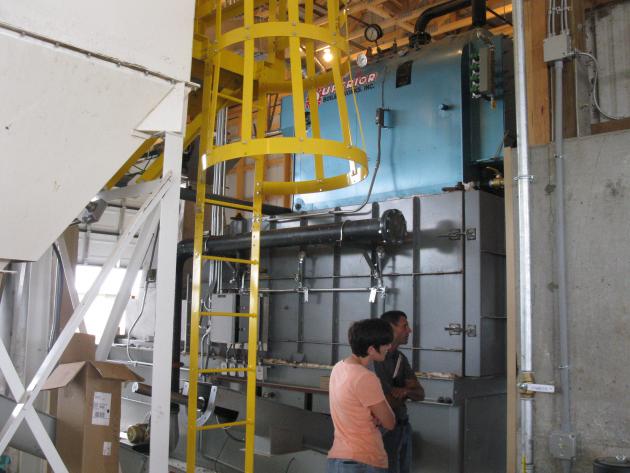
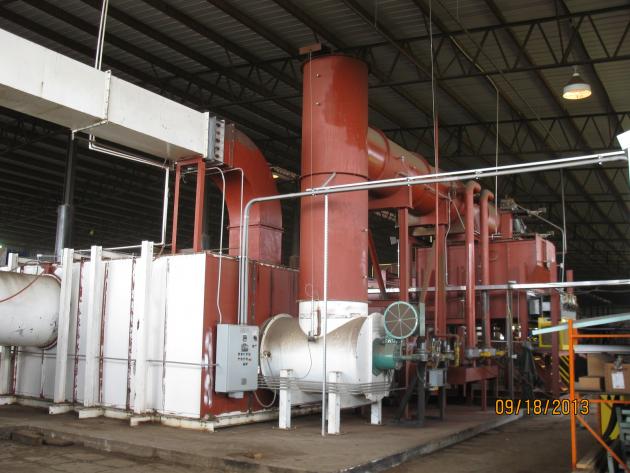
Livestock operations continue to expand and concentrate in certain parts of the country. This has created regional “hot spot” areas in which excess nutrients, particularly phosphorus, are produced. This nutrient issue has resulted in water quality concerns across the country and even lead to the necessity of a “watershed diet” for the Chesapeake Bay Watershed. To help address this nutrient concern some livestock producers are looking to manure gasification and other thermo-chemical processes. There are several thermo-chemical conversion configurations, and the one chosen for a particular livestock operation is dependent on the desired application and final by-products. Through these thermo-chemical processes manure Factory processingvolumes are significantly reduced. With the nutrients being concentrated, they are more easily handled and can be transported from areas of high nutrient loads to regions of low nutrient loads at a lower cost. This practice can also help to reduce the on-farm energy costs by providing supplemental energy and/or heat. Additional benefits include pathogen destruction and odor reduction. This presentation will provide an overview of several Conservation Innovation Grants (CIG) and other manure thermo-chemical conversion projects that are being demonstrated and/or in commercial operation. Information will cover nutrient fate, emission studies, by-product applications along with some of the positives and negatives related to thermo-chemical conversion systems.

Exterior of factory processingWhat did we do? 

Several farm-scale manure-to-energy demonstration projects are underway within the Chesapeake Bay Watershed. Many of these receive funding through the USDA-NRCS Conservation Innovation Grant program. These projects, located on poultry farms, are being evaluated for the performance of on-farm thermal conversion technologies. Monitoring data is being collected for each project which includes: technical performance, operation and maintenance, air emissions, and by-product uses and potential markets. Performance of manure gasification systems for non-poultry operations have also been reviewed and evaluated. A clearinghouse website for thermal manure-to-energy processes has been developed.

What have we learned? 

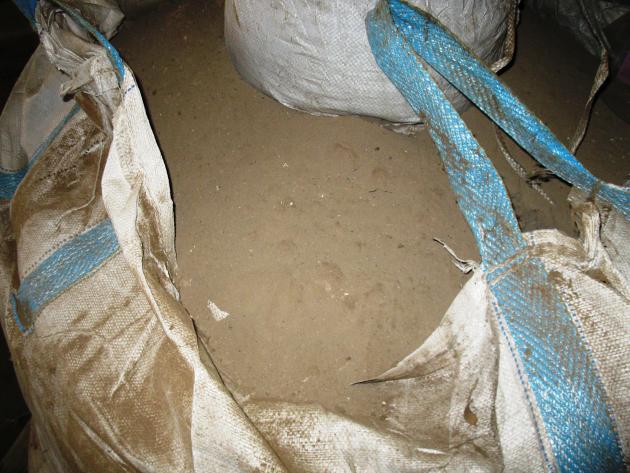
The projects have shown that poultry litter can be used as a fuel source, but operation and maintenance issues can impact the performance and longevity of a thermal conversion system. These systems are still in the early stages of commercialization and modifications are likely as lessons are learned. Preliminary air emission data shows that most of the nitrogen in the poultry litter is converted to a non-reactive form. The other primary nutrients, phosphorus and potassium, are preserved in the ash or biochar co-products. Plant availability of nutrients in the ash or biochar varies between the different thermal conversion processes and ranges from 80 to 100 percent. The significant volume reduction and nutrient concentration show that thermal conversion processes can be effective in reducing water quality issues by lowering transportation and land application costs of excess manure phosphorus.

Future Plans    

Monitoring will continue for the existing demonstration projects. Based on the lessons learned, additional demonstration sites will be pursued. As more manure-to-energy systems come on-line the clearinghouse will be updated. Based on data collected, NRCS conservation practice standards will be generated or updated as necessary.

Author       

Jeffrey P. Porter, PE, Manure Management Team Leader, USDA-Natural Resources Conservation Service jeffrey.porter@gnb.usda.gov

Additional information                

Thermal manure-to-energy clearinghouse website: http://lpelc.org/thermal-manure-to-energy-systems-for-farms/

Environmental Finance Center review of financing options for on-farm manure-to-energy including cost share funding contact information in the Chesapeake Bay region: http://efc.umd.edu/assets/m2e_ft_9-11-12_edited.pdf

Sustainable Chesapeake: http://www.susches.org

Farm Pilot Project Coordination: http://www.fppcinc.org

National Fish and Wildlife Foundation, Chesapeake Bay Stewardship Fund: http://www.nfwf.org/chesapeake/Pages/home.aspx

Acknowledgements

National Fish and Wildlife Foundation, Chesapeake Bay Funders Network, Farm Pilot Project Coordination, Inc., Sustainable Chesapeake, Flintrock Farm, Mark Weaver Farm, Mark Rohrer Farm, Riverview Farm, Wayne Combustion, Enginuity Energy, Coaltec Energy, Agricultural Waste Solutions, University of Maryland Center for Environmental Science, Environmental Finance Center, Virginia Cooperative Extension, Lancaster County Conservation District, Virginia Tech Eastern Shore Agricultural Research and Extension Center, Eastern Shore Resource Conservation and Development Council, with funding from the USDA Conservation Innovation Grant Program and the U.S. EPA Innovative Nutrient and Sediment Reduction Program.

The authors are solely responsible for the content of these proceedings. The technical information does not necessarily reflect the official position of the sponsoring agencies or institutions represented by planning committee members, and inclusion and distribution herein does not constitute an endorsement of views expressed by the same. Printed materials included herein are not refereed publications. Citations should appear as follows. EXAMPLE: Authors. 2015. Title of presentation. Waste to Worth: Spreading Science and Solutions. Seattle, WA. March 31-April 3, 2015. URL of this page. Accessed on: today’s date.

User capabilities and next generation phosphorus (P) indices

Purpose

The phosphorus (P) index is the primary approach to identify field management strategies and/or manure application strategies likely to lead to excessive risk of P loss. It has been over 40 years since the first research connecting agronomic P management and water quality and over 20 years since the initial publication defining a P Index. This session will consider opportunities to build on and expand existing P Index strategies to make them more effective at protecting water quality and friendlier to the target user.

What did we do?

Nutrient management is a process providing guidance on the rate, source, timing, and method of nutrient applications. After completing an initial one to five year strategic plan there are tactical adjustments for new information such as new soil and manure tests and changes in crop selection. Additional assessments are needed when implementing the plan such as determining if current weather and soil conditions are appropriate for application.

We initially reviewed current P Indices and the skills needed to implement those P Indices. We then considered how those requirements aligned with the likely users of the P Index at a particular steps in the development and implementation of a nutrient management of plan.

What have we learned?

Many current P Indices require using the soil erosion program RUSLE2 which is then a barrier to the use of these P Indices by anyone except planners with specialized planning. Such expertise is never available on some farms and unlikely to be available on most farms during tactical and implementation phases of the plan. There has also been suggestions that more complex strategies such as models should replace existing P Indices; this will lead to more complex P loss assessment tools.

Next generation P Indices will be more effective if we consider the capabilities and training of those likely to be making decisions at each critical juncture. Instead of “the” P Index we need to design a suite of tools that target key decision points. At each decision point, a first step of the development process must be defining who the likely decision maker is and what are their skills and training. We can only succeed if our tools are accessible to those that need to use them.

Future Plans  

Sessions like this one and regional efforts to evaluate and update P Indices are critical to the continued improvement of state P Indices. We all must recognize that the P Index concept is still relatively young; in comparison it took about a century to move from the first research on agronomic soil testing to our current soil test extraction methods and interpretation. We are still early in our journey to identify and implement the most effective tools to minimize P loss from agricultural fields.

Authors  

Dr. John A. Lory, Associate Professor of Extension, University of Missouri, Columbia, MO loryj@missouri.edu

Dr. Nathan Nelson, Associate Professor, Kansas State University, Manhattan, KS

Additional information            

Please contact the authors for more information about this topic.

The authors are solely responsible for the content of these proceedings. The technical information does not necessarily reflect the official position of the sponsoring agencies or institutions represented by planning committee members, and inclusion and distribution herein does not constitute an endorsement of views expressed by the same. Printed materials included herein are not refereed publications. Citations should appear as follows. EXAMPLE: Authors. 2015. Title of presentation. Waste to Worth: Spreading Science and Solutions. Seattle, WA. March 31-April 3, 2015. URL of this page. Accessed on: today’s date.


Variation in state-based manure nitrogen availability approaches

The phosphorus (P) index is the primary strategy used in nutrient management planning to identify field management strategies and/or manure application strategies likely to lead to excessive risk of P loss.  Current P Indices were developed primarily as strategic planning tools guiding the development of a nutrient management plan spanning one to five years.  In reality, a nutrient management plan should be viewed more as a process than a result.  After completing the initial strategic plan there are tactical adjustments for new information such as new soil and manure tests and changes in crop selection.  Additional assessments are needed when implementing the plan, determining if current weather and soil conditions are appropriate for application.  Many current P Indices require using the soil erosion program RUSLE2 which is then a barrier to the use of these P Indices by anyone except planners with specialized planning.  Such expertise is never available on some farms and unlikely to be available on most farms during tactical and implement phases of the plan.  There has also been suggestions that more complex strategies such as models should replace existing P Indices; this will lead to more complex P loss assessment tools.  Next generation P Indices will be more effective if we consider the capabilities and training of those likely to be making decisions at each critical juncture.  Instead of “the” P Index we need to design a suite of tools that target key decision points.  In each instance a first step of the development process must be defining who the likely decision maker is and what are their skills and training.  We can only succeed if our tools are accessible to those that need to use them.

Purpose      

Extensive research has documented fertilizer value of manure nutrients for crops. It has been long recognized that manure nitrogen (N) excreted by animals is not 100% available to crops. Surveys indicate failure to credit or under crediting manure nutrient value to a crop by farmers continues to be an issue. Our goal was to assess the current state of manure nutrient availability recommendations and requirements in the US.

What did we do?

We surveyed state recommendations for state nutrient availability calculations for four sources of manure: finish hog slurry, dairy cow slurry, solid cattle manure and broiler litter. The top 12 states for production of each associated commodity were determined using inventory data from the 2012 Agricultural Census; the top 12 states for production were states we surveyed for each manure type. For each state and each manure type surveyed we attempted to identify nitrogen availability calculation recommendations from three sources: the State Land Grant University, the state USDA Natural Resource Conservation Service (NRCS) standards and supporting documents, and the state regulatory documentation for operations with a National Pollution Discharge and Elimination System (NPDES) permit.

What have we learned?

We were able to identify a primary publication or publications published by the State Land Grant University in all but four of the 30 surveyed states for the manure types of interest. Median date of publication for the 22 dated publications was 2006 (range 1991-2014). The NRCS documentation referenced the state Land Grant publication (10 states), a state-specific NRCS worksheet or reported numbers in the standard (7 states) or referred to regional or national reference (3 states). The USEPA NPDES regulatory documentation did not specify availability coefficients in 11 of 30 states. In nine states the regulatory documentation cited the USDA-NRCS 590 standard but in three of those states the NRCS standard did not provide nutrient availability coefficients. Consequently it was not possible to determine regulatory nutrient availability coefficients in nearly half of the surveyed states (14 of 30). Availability calculation approaches fell into two main categories, states that calculate availability based on manure total nitrogen content and states that account separately for availability of organic and ammonium nitrogen. Availability estimates among states were more variable for strategies known to be more variable (e.g. surface application of liquid manure).

Future Plans

Our work emphasizes the varied approach to N availability calculations as we cross state borders. We hope this publication will encourage regional discussions among states with similar climate to work towards more consistent recommendations. More consistent recommendations may help farmers have more confidence in those recommendations,

Our work also demonstrates how difficult it can be to identify the appropriate calculations within a given state. We encourage that state recommendations from all three organizations (Land Grant, NRCS, regulatory) be documented in a standard place in the state NRCS Nutrient Management Standard so planners, farmers, and people developing and managing nutrient management tools can easily and with confidence access the most current information on N availability information for manure nutrients.

Authors    

Dr. John A. Lory, Associate Professor of Extension, University of Missouri, Columbia, MO loryj@missouri.edu

Ms. Caitlin Conover, USEPA and Visiting Scholar, University of Missouri, Columbia, MO

Additional information         

Please contact the first author for more information.

The authors are solely responsible for the content of these proceedings. The technical information does not necessarily reflect the official position of the sponsoring agencies or institutions represented by planning committee members, and inclusion and distribution herein does not constitute an endorsement of views expressed by the same. Printed materials included herein are not refereed publications. Citations should appear as follows. EXAMPLE: Authors. 2015. Title of presentation. Waste to Worth: Spreading Science and Solutions. Seattle, WA. March 31-April 3, 2015. URL of this page. Accessed on: today’s date.