Converting Manure, Food Wastes and Agricultural Production Wastes into Bio-Secure Fertilizer, feed, and/or beeding


Purpose

To find a way to completely eliminate bio-hazards in manure, food wastes, municipal sludge, and agricultural production wastes.

What did we do? 

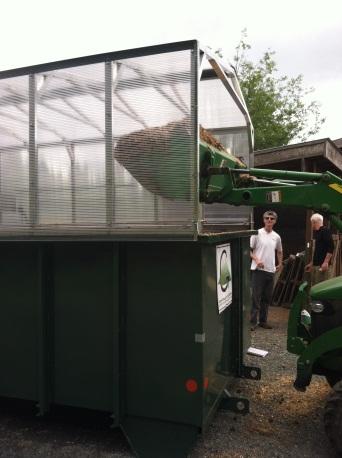
We adapted existing dry extrusion technology to bio-hazard agricultural wastes. To test the hypothesis we developed [ Dry Extrusion Technology can be adapted to convert bio-degradable hazardous wastes into Bio-Secure class “A” fertilizer, feed, and/or bedding more economically, with less environmental impact, greater sustainability, and in less time with a smaller foot print]

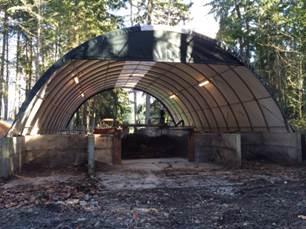
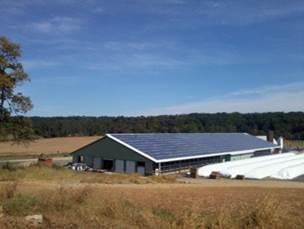
Once we proved our Hypothesis we further developed the process to allow the technology to be utilized in a large stationary plant suitable for a large waste generator and in a portable plant that can be used to assist smaller waste generators, such as, most agricultural producers and smaller municipalities.

What have we learned? 

Our tests showed that we could validate our hypothesis by:

1) utilizing finely ground dry agricultural production wastes, mixed with the wet food and manure to reduce the moisture content of the wet wastes to a level compatible to the requirements of the dry extruder,
2) The Dry extruder effectively sterilized the wastes by high temperature, high pressure inside the extruder, and sudden drop in atmospheric pressure inside the cell walls of all the materials when exiting the Dry Extruder, thereby destroying the cell walls of not only the bio-mass materials but also of all micro organisms ova, and pathogens inside the final product.

Future Plans 

Develop new niche markets for agricultural waste generators by adding additional value to their wastes.

Authors

Joe E. Busby joebusby@wfeca.net 

Moses Braxton, Bill Ansley, William Andrews, Duncan Nesbit, and Dr. Carm Parkhurst

Acknowledgements

Insta Pro International, North Carolina State University

The authors are solely responsible for the content of these proceedings. The technical information does not necessarily reflect the official position of the sponsoring agencies or institutions represented by planning committee members, and inclusion and distribution herein does not constitute an endorsement of views expressed by the same. Printed materials included herein are not refereed publications. Citations should appear as follows. EXAMPLE: Authors. 2015. Title of presentation. Waste to Worth: Spreading Science and Solutions. Seattle, WA. March 31-April 3, 2015. URL of this page. Accessed on: today’s date.

Plant Nutrient and Carbon Content of Equine Manure as Influenced by Stall Management and Implications for Nutrient Management


Purpose 

South Carolina’s equine industry is small compared to states like Texas (395,816 horses), Oklahoma (158,918 horses), and Kentucky (141,842 horses, USDA, 2013). However, the South Carolina equine industry has increased over the last twelve years.

The increase in interest and participation in horse ownership centers around several activities including trail riding, polo, fox hunting, Western and English competitions, shows, and training facilities of all kinds. These activities are facilitated by the hundreds of miles of riding trails available on public lands, the presence of a steeplechase track near Camden, SC, numerous polo fields near Aiken, SC, and large arenas for shows at Clemson University, and near Landrum, SC.

The increase in horse population also increased the amount of horse manure to be managed in a responsible manner. It has been estimated that about 30 kg (66 lb) of manure and soiled bedding is removed from a typical horse stall each day (Wheeler, 2006). Every 1000 kg of bedded horse manure contains about 6 kg of total-N, 2.5 kg of P2O5, and 4.5 kg of K2O (Wheeler and Zajaczkowski, 2001). Horse manure also contains large amounts of carbon, organic matter, and many valuable minor plant nutrients, such as Ca, Mg, S, Zn, Cu, Mn, and Fe. However, little data is available in the literature concerning concentrations of minor plant nutrients in stall manure (Lawrence et al., 2003).

The large amount of carbon contained in horse manure has been shown to greatly reduce the availability of nitrogen following land application of horse manure. Several sources and studies have indicated that the large amounts of carbon can induce nitrogen deficiency due to immobilization of soluble nitrogen (e.g. James, 2003, Doesken and Davis, 2007). As a result, horse manure is typically not a good source of nitrogen as compared to poultry litter.

The goal of this project was to obtain equine manure composition data that can be used for the development of manure management plans. Given the wide variability in the daily use of stalls, the amount of bedding used in stalls, and other stall management factors it was hypothesized that stall management would have a significant impact on the composition of equine manure, and may have an impact on recommended manure utilization practices. The objectives to meet this goal were to: (1) collect as-removed bedded stall samples on six horse farms during routine stall cleaning, (2) obtain bedding-free manure samples from at least three farms, (3) classify each barn by stall management, and stall use, (4) determine if stall management had a significant impact on the solids and plant nutrient content of equine manure, (5) develop manure management recommendations and a table of characteristics to be used for manure management planning for equine facilities.

What did we do? 

Six horse farms were selected that included facilities that ranged from small, pleasure horse barns to farms with multiple barns that provided intensively managed housing for race, and show horses. Each horse farm was visited once to obtain samples of bedded stall manure. Samples were collected as manure and fouled bedding was removed from the stalls according to normal daily stall management practices. During the site visit, the owner of the facility was asked questions about bedding practices, manure removal frequency, and stall use frequency. Based on these interviews and observations during the site visit, the farms were classified by stall use and bedding management categories as shown in Table 1.

Table 1. Description of the six horse farms and manure samples collected

Table 1.

On Farm 3 (see Table 1), bedded manure that was removed daily from stalls was stored in large, uncovered, windrows for extended periods of time prior to application to pastures. The owner called the piles compost piles. However, it was evident that very little heating was taking place. Samples were taken from several locations and depths in an old windrow of unknown age. These samples were well-mixed to provide a representative sample for analysis. The composition of these samples was to be compared with bedded manure as-removed from the stalls. While visiting Farms 2, 3, and 6 samples of horse manure without bedding were obtained from stalls to provide a comparison to heavily bedded horse manure.

Manure samples were collected from the stalls, or the uncovered windrow, using shovels and a wheel barrow. The manure was mixed well in the wheel barrow using a shovel and a pitch fork. Three, 2 to 3 L samples of the manure from each barn were placed in sealed, plastic containers, and were transported on ice to Clemson University for analysis at the Agricultural Service Laboratory. Three replicate analyses were performed for each of the 6 horse barns (Farms 1-6), bedding-free manure (one sample each from Farm 2, 3, and 6), and the uncovered pile (Farm 3). The plant nutrients concentrations measured were: total nitrogen (Total-N), total ammoniacal nitrogen (TAN = NH4+-N + NH3-N), nitrate-N, total P (expressed as P2O5), total K (expressed as K2O), calcium, magnesium, sulfur, zinc, copper, manganese, iron, and sodium. The organic-N content was calculated as: Organic-N = Total-N – TAN – nitrate-N. Other characteristics measured included: moisture content, total carbon content, organic matter content (O.M.), pH, and electrical conductivity (EC). Standard laboratory procedures were used for all analyses and details are provided by Moore (2014).

What have we learned? 

Statistical analysis of the organic matter, Total-N, P2O5, K2O, and several minor plant nutrient concentrations (dry basis) indicated that the composition of manure collected from each of the barns, and the covered pile were significantly different in one or more characteristics. These results point out that data collected from individual facilities are needed to account for farm-to-farm differences in feed composition, use of mineral supplements, stall management, and stall use. A summary of the data is provided in Table 2.
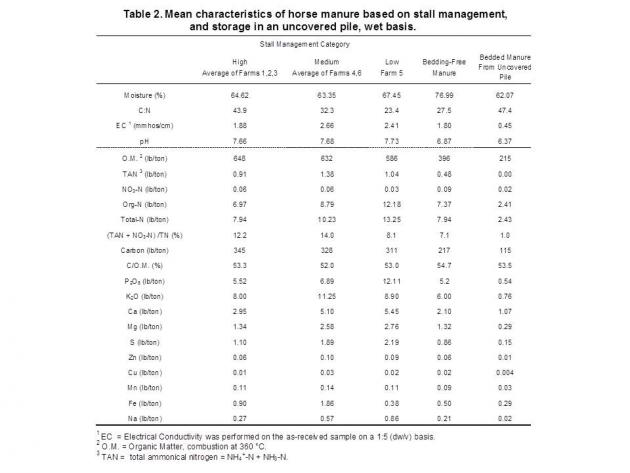
Table 2. Mean characteristics of horse manure based on stall management, and storage in an uncovered pile, wet basis

Table 2.

Storage of manure in an uncovered pile resulted in very little active composting as indicated by an insignificant reduction in organic-N, and only a small reduction in carbon (3%). Uncovered storage also resulted in reductions in major and minor plant nutrient concentrations ranging from 33% (Mn) to 74% (K2O). Therefore, nutrient content data obtained from bedded manure as-removed from a stall was shown to be inadequate to determine agronomic applications rates for manure removed from storage. In practice, separate data sets would be needed for management of as-removed horse manure, and manure removed from storage for development and implementation of a manure management plan.

In general, as the quality of stall management increased the amount of bedding provided per stall per day increased resulting in an increase in C:N. The C:N ranged from 23 to 48 for the barns sampled on the six farms. A correlation analysis was conducted to determine if the dry matter concentrations of organic matter, and plant nutrients were significantly correlated with C:N. The only measured characteristic that had a significant positive correlation with respect to C:N was the organic matter content. This was not surprising since bedding was the source of additional organic matter. The plant nutrients that had significant negative correlations with respect to C:N were: organic-N, total-N, P2O5, Ca, Mg, Zn, and Cu. It was apparent that one of the effects of additional bedding use was to dilute major and minor plant nutrient concentrations.

Electrical conductivity is often used as a general measure of the salt content in manure, compost, and other soil amendments. The eight different treatments included in this study had EC values ranging from 0.45 to 3.46 mmhos/cm. A correlation analysis was used to determine which of the conductive elements included in the analysis (Cu, Ca, Mg, Na, Zn, K2O, Fe, Mn) were significantly related to EC. It was determined that the only plant nutrient that was a significant predictor of elevated EC values was K2O content (dry-basis) with a correlation coefficient of 0.9727 and a coefficient of determination of 0.9462. Consequently, the high EC values observed were directly correlated to high levels of potassium and not harmful salts. These results demonstrate that EC alone cannot be used to determine if plant toxicity is likely, but sufficient analyses should be performed to determine if the elevated EC is from valuable nutrients or salts as suggested previously by others (e.g. Compost for Soils, 2011).

All of the horse manure samples collected on the six farms studied contained large amounts of carbon as indicated by C:N ratios ranging from 23 to 48. As a result, horse manure was not accessed to be a good source of nitrogen as compared to poultry litter. It may be best to compost horse manure to stabilize bioavailable carbon and nitrogen prior to use. After composting, the material should be applied based on agronomic rates for P2O5, or K2O while accounting for the organic nitrogen that will be slowly released.

Another alternative may be to apply horse manure based on agronomic rates for P2O5 or K2O while adding additional nitrogen to offset induced nitrogen deficiency. If un-composted manure is spread on cropland or pasture a portion of the mineralized-N will be converted to organic-N and would be expected to release slowly later in the year, and a portion may be carried over into subsequent growing seasons. Estimation of available carry-over nitrogen is difficult due to uncertainties related to soil pH, moisture, temperature, rainfall, and microbial activity. However, the best method of estimation appears to be a series of organic-N availability factors provided by Wheeler (2006).

A complete report on this study is provided by Chastain and Moore (2014).

Future Plans    

The results from this study will be used to develop extension classes and literature for owners of equine facilities. These data will also provide valuable information for nutrient management planning.

Authors       

John P. Chastain, Ph.D., Professor and Extension Agricultural Engineer, Clemson University jchstn@clemson.edu

Kathy P. Moore, Ph.D., Director, Agricultural Service Laboratory, Clemson University

Additional information 

References Cited

Chastain, J.P. & K.P. Moore. 2014. Plant Nutrient and Carbon Content of Equine Manure as Influenced by Stall Management in South Carolina. ASABE. Paper No. 1908331. ASABE, 2950 Niles Rd., St. Joseph, MI 49085-9659.

Compost for Soils. (2011). Compost Characteristics. Factsheet published by Compost for Soils, A Division of the Austrailian Organics Recycling Association. Retrieved from: http://compostforsoils.com.au/images/pdf/practical%20compost%20use/compo….

Doesken, K. C., & Davis, J. G. (2007). Determining plant available nitrogen from manure and compost topdressed on an irrigated pasture. In Proc. International Symposium on Air Quality and Waste Management for Agriculture. ASABE Publication Number 701P0907cd. St. Joseph, Mich.: ASABE.

James, R.E. (2003). Horse Manure Management: The Nitrogen Enhancement System. AGF-212-03. Ohio State University Extension, The Ohio State University, Columbus, OH.  Retrieved from: http://ohioline.osu.edu/agf-fact/0212.html.

Moore, K.P. (2014). Compost Analysis Procedures. Clemson, SC: Agricultural Service Laboratory, Clemson University. Available  at: Available at: http://www.clemson.edu/agsrvlb/procedures2/compost.htm.

Wheeler, E.F, and J.S. Zajaczkowski. (2001). Horse Stable Manure Management (G-97). Penn State University Extension. Available at: http://panutrientmgmt.cas.psu.edu/pdf/G97.pdf.

Wheeler, E. F. (2006). Manure Management, In Horse Stable and Riding Arena Design, (pp 91-93). Ames, Iowa: Blackwell Publishing.

Acknowledgements      

Support for this work was provided by the Confined Animal Manure Management Program of Clemson Extension, Clemson University, Clemson, SC.

The authors are solely responsible for the content of these proceedings. The technical information does not necessarily reflect the official position of the sponsoring agencies or institutions represented by planning committee members, and inclusion and distribution herein does not constitute an endorsement of views expressed by the same. Printed materials included herein are not refereed publications. Citations should appear as follows. EXAMPLE: Authors. 2015. Title of presentation. Waste to Worth: Spreading Science and Solutions. Seattle, WA. March 31-April 3, 2015. URL of this page. Accessed on: today’s date.


Horse Manure Composting: Facilities and Methods

Managing horse manure may involve mechanical equipment, physical labor and conveying of manure. It is generally practiced outdoors in all types of weather. Composting is the aerobic decomposition of organic materials by microorganisms under controlled conditions. Microorganisms consume oxygen while feeding on organic matter and as a result, give off heat and CO2. In conventional composting, composters manage the process variables, feedstock, air, moisture and shelter, to optimize the natural decay process. Green, wet, nitrogenous feedstocks are mixed with brown, dry, carbonaceous material creating a carbon to nitrogen (C:N) ratio in the range of 20 to 30:1 along with the proper amount of moisture.

Horse manure happens to be one of the easiest manures to compost. There are several methods in and out of structures that can facilitate the compost process. The process can be simple properly shaped static piles, aerated and turned; and you can even compost to capture and use the heat or energy.  Imagine capturing the heat from your manure to warm barns! The windrows or piles are then managed via monitoring and/or turning for proper air-flow and temperature in order to speed up decomposition, eliminate odors and destroy pathogens and weed seeds. Composting horse manure can be as simple or complicated as you choose. It can be used on site or exported for sale.

Authors

Bonhotal, Jean  jb29@cornell.edu            Cornell Waste Management Institute

Additional Information

The authors are solely responsible for the content of these proceedings. The technical information does not necessarily reflect the official position of the sponsoring agencies or institutions represented by planning committee members, and inclusion and distribution herein does not constitute an endorsement of views expressed by the same. Printed materials included herein are not refereed publications. Citations should appear as follows. EXAMPLE: Authors. 2015. Title of presentation. Waste to Worth: Spreading Science and Solutions. Seattle, WA. March 31-April 3, 2015. URL of this page. Accessed on: today’s date.
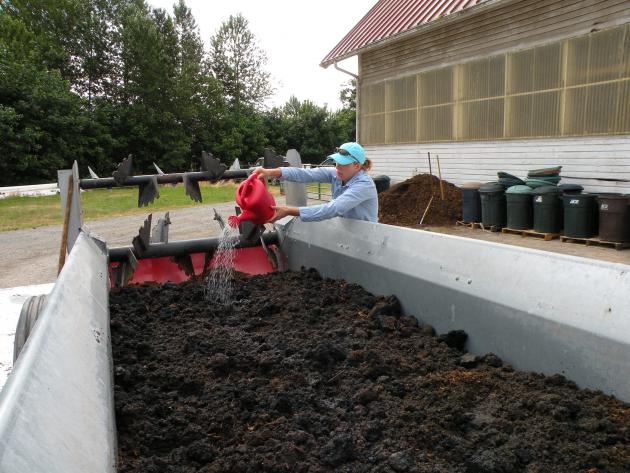
Composting Horse Mortality and Mortality Disposal Alternatives

With the decline of the rendering industry, managing routine livestock mortality in an effective, economical and environmentally sound manner has become more difficult.  Over 900,000 horses have to be properly managed annually in the US. Disposal should be done in a manner that is most acceptable to the owner, protects public health and safety, does not create a nuisance, prevents the spread of disease, or have adverse effects on water and air quality.

Composting mortality is an option when done properly. It requires a carbon source such as wood chips or other chunky carbon and should be located in a well-drained area along field edges or other dry convenient areas.  The carcass is then covered and left to passively compost. When managed properly, composting will deter domestic and wild animals from scavenging carcasses. Mortality composting, has been proven effective in deactivating pathogens, limits the risk of groundwater and air pollution contamination, and on-site composting reduces the potential for farm to farm disease transmission. On site composting also decreases transportation costs and tipping fees associated with off-site disposal. There is also the added benefit of producing a usable product. As with any farm operation health and safety issues exist in mortality composting. Proper training is the best means to reduce those health and safety issues.

In addition to routine mortality, every year we face animal related disasters including barn collapses, fires, lightning strikes, floods and winter storms. Composting provides an alternative to traditional carcass disposal as it is self-sufficient and can be “biosecure”.  The temperatures achieved through the composting process will eliminate or greatly reduce pathogens, hindering the spread of disease.  Research continues to demonstrate effective destruction of nearly all livestock diseases of concern. Being prepared ahead of time and considering the “what if’s” is important. 

Authors

Bonhotal, Jean  jb29@cornell.edu            Cornell Waste Management Institute 

For Additional Information

The authors are solely responsible for the content of these proceedings. The technical information does not necessarily reflect the official position of the sponsoring agencies or institutions represented by planning committee members, and inclusion and distribution herein does not constitute an endorsement of views expressed by the same. Printed materials included herein are not refereed publications. Citations should appear as follows. EXAMPLE: Authors. 2015. Title of presentation. Waste to Worth: Spreading Science and Solutions. Seattle, WA. March 31-April 3, 2015. URL of this page. Accessed on: today’s date.   

Antibiotic Losses during Thermophilic Composting

Purpose

Residual antibiotics in land-applied manure and biosolids present a potential threat to public and ecological health, so it is important to determine antibiotic removal efficiencies for manure and biosolids waste management practices and to identify conditions that enhance antibiotic degradation.

What we did

Loss of the antibiotics florfenicol, sulfadimethoxine, sulfamethazine, and tylosin was studied during pilot-scale static pile thermophilic composting and the effects of temperature and feedstock particles on antibiotic removal rates were tested. The antibiotics were spiked into dairy manure solids and wastewater biosolids, and treatments included aerated and non-aerated manure and biosolids/wood-product (1:3 v/v) composting.

Figure 1. Applying antibiotic solution to biosolids

Figure 1. Applying antibiotic solution to biosolids

What have we learned

Results showed no significant differences between aerated and non-aerated treatments; on average ≥85%, ≥93%, and ≥95% antibiotic reduction was observed after 7, 14, and 21 d of composting. Greater antibiotic reduction was observed in manure compost compared to biosolids compost for florfenicol (7, 14, 21, 28 d) and tylosin (7, 14, 28 d); however, there was no significant difference for sulfadimethoxine and sulfamethazine. Peak temperatures were 66-73°C, and ≥55°C was maintained for 6-7 d in the biosolids compost and 17-20 d in the manure compost.

Bench-scale experiments conducted at 25, 55, and 60°C showed that lower temperature decreased removal of the sulfonamides and tylosin in both feedstocks and florfenicol in the biosolids. The presence of compost particles increased antibiotic loss, with time to 50% dissipation ≤ 2 d in the presence of solids (60°C), compared to no degradation in their absence. These results indicate that thermophilic composting effectively reduces residual antibiotics in manure and biosolids.

Figure 2. Mixing biosolids and wood shavings

Figure 2. Mixing biosolids and wood shavings

Figure 3. Mixing biosolids and wood shavings

Figure 3. Mixing biosolids and wood shavings.


Authors

A. Bary*, S.M. Mitchell*, J.L. Ullman**, C.G. Cogger*, A.L. Teel*, R.J. Watts*

Washington State University*, University of Florida**.

Andy Bary, bary@wsu.edu


The authors are solely responsible for the content of these proceedings. The technical information does not necessarily reflect the official position of the sponsoring agencies or institutions represented by planning committee members, and inclusion and distribution herein does not constitute an endorsement of views expressed by the same. Printed materials included herein are not refereed publications. Citations should appear as follows. EXAMPLE: Authors. 2015. Title of presentation. Waste to Worth: Spreading Science and Solutions. Seattle, WA. March 31-April 3, 2015. URL of this page. Accessed on: today’s date.
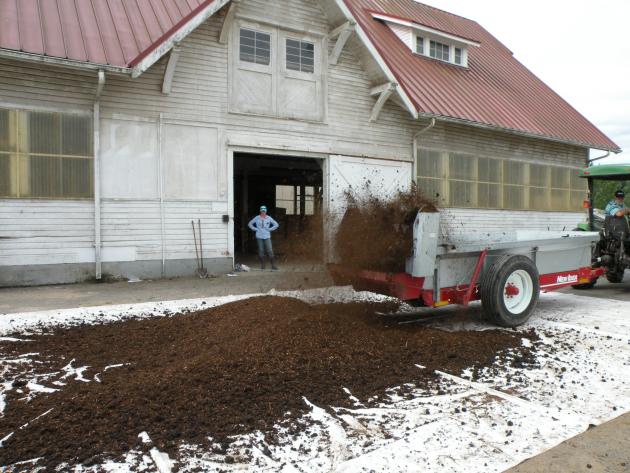
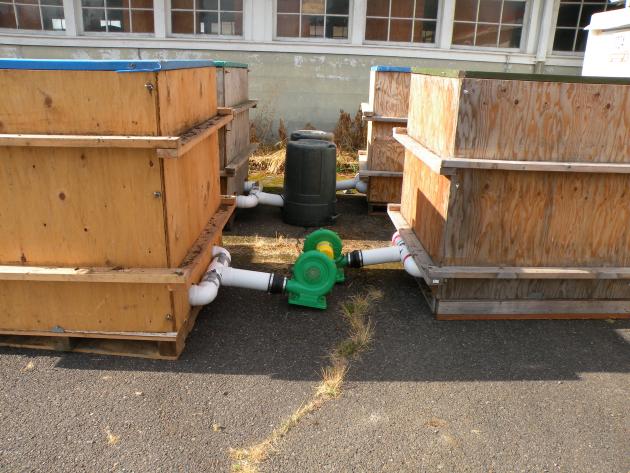
Figure 4. Compost bins

Figure 4. Compost bins

Wood Chip Pad Winter Feeding Area as a New Livestock Manure Management System

Purpose

Over-wintering beef cattle on pastures in the Eastern half of the USA has been shown to increase runoff, sediment loss and nutrient transport. Traditional barn lot winter feeding areas, or ‘sacrifice’ areas, for beef cattle can be a significant source of nutrient and sediment pollution. Sustainable and affordable approaches are needed that effectively control manure nutrients during the winter feeding period, while ensuring a healthy and comfortable animal environment. The use of woodchips as a surface material for areas used to hold cattle during wet periods is practiced on a limited basis in Ireland, Scotland, and New Zealand. The application of this simple technology in the cool Eastern part of the US that has a humid climate, has potential to improve animal comfort and health, protect winter pastures, and reduce the environmental impact of winter feeding and loafing areas.

Figure 2. Woodchip Pad Profile

What did we do?

Beef cattle producers in United Kingdom, Ireland and New Zealand have shown a positive conservation effect using out wintering pads constructed with wood chips, allowing the pastures to be destocked. Out Wintering Pads (OWPs) are outside loafing areas for cattle. OWPs are typically constructed adjacent to a concrete feeding area and a watering facility. The OWP design allows for 150 square feet per cow. The chip size is critical for proper functioning of the manure storage system. Use of fist to palm sized chips are recommended to allow dung to filter into the pad. Smaller chips can be used but will need to be renewed sooner. Manure is worked down below the surface of the pad by the cattle’s hoof action. Initial depth of chips needs to be no less than 12 -15 inches deep. The site must be prepared with a drainage system using drain pipes every 10 feet to prevent moisture accumulation within the OWP (Figure 2). This effluent must be managed with a storm water retention pond and vegetated filter strip.

Figure 1. Initial woodchip pad developed in West VirginiaWhat have we learned?

Two woodchip-surfaced heavy use areas have been installed and monitored in West Virginia. The first was installed on a private farm with a cow/calf enterprise in Northern WV during 2011 (Figure 1).

The design criteria were adopted from a guidance document developed by the Irish Department of Agriculture and Food. This wood chip pad was placed adjacent to a USDA NRCS roofed winterfeeding area and roofed manure storage. Woodchip quality was determined and temperature and precipitation monitoring occurred for a 23 month period including two winter stocking periods. Effluent water quality grab samples were taken during that monitoring period. A second chip pad was constructed in WV on the West Virginia University (WVU) Animal Science Experiment Station Farm during 2014. This area consists of two loafing paddocks, one constructed with single species white oak wood chips and the other with mixed hardwood chips made up primarily of mixed yellow-poplar and oak. Bench scale columns with various configurations of thermally treated wood chips were evaluated in 2014.

Column Study Setup

  • PVC pipe (8-inches in diameter) columns
  • Runoff water was collected from the waste water storage tank at WVU’s Animal Science Farm
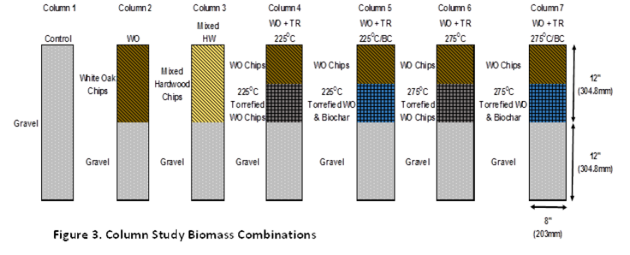
  • Gravel placed in each of the columns to a height of 12 inches (304.8mm) and then each column was packed with 12 inches (304.8mm)  of varying media (Figure 3)

Figure 3. Column study biomass combinations

  • Three rain events (1cm, 2cm, and 3cm) (with 96 hours between events) were passed through the columns
  • Each of the columns were then cleaned and re-packed and subjected to waste water to a depth of 18 inches (459 mm) for 48 hours
  • Pre- and post-water samples were collected to test for phosphorous (P), ammonia, and Total Kjeldahl nitrogen (TKN) 

Biomass Media Performance – Rain Events

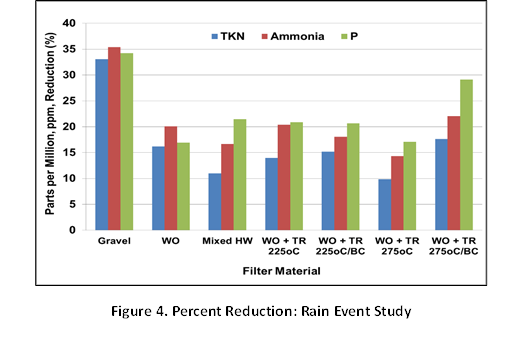
  • Mixed hardwood chips had superior P concentration reduction compared to white oak chips, but lower Total TKN reduction (Figure 4)
  • Gravel outperformed the biomass media filters (Figure 4)
  • Of the biomass media, the WO + TR 275OC/BC media showed the highest % reduction of P, TKN, and Ammonia (Figure 4)

Biomass Media Performance – 48 Hour Hold

  • White oak chips had better TKN reduction than mixed hardwood chips, but lower P reduction  (Figure 5)
  • Mixtures containing biochar resulted in greater pollutant reductions than torrified treatments without biochar (Figure 5)
  • The WO + TR 275C/BC media showed the highest % reduction of TKN and Ammonia, but not the highest P % reduction (Figure 5)

Figure 4. Percent Reduction: Rain Event Study

Figure 5. Percent Reduction: 48 Hour Hold Study.

The biomass mixes that have demonstrated the best performance are being added as treatments in small cell areas on the WVU woodchip heavy use area. The treatment cells are being monitored for runoff flow amounts and water quality.

Future Plans  

Further research is needed to determine optimum chip species and chip size for moisture retention and nutrient capture capabilities. Development of complimentary systems to treat the effluent produced from periods of runoff are needed as vegetated treatment areas may not function well during the winter when WV soils are typically saturated and runoff occurs instead of infiltration.

Authors     

Tom Basden, Extension Specialist, West Virginia University tom.basden@mail.wvu.edu

Joshua Faulkner, UVM and David DaVallance, WVU

Additional information             

Tom Basden 1060 Agricultural Sciences Building Morgantown WV 26506

The authors are solely responsible for the content of these proceedings. The technical information does not necessarily reflect the official position of the sponsoring agencies or institutions represented by planning committee members, and inclusion and distribution herein does not constitute an endorsement of views expressed by the same. Printed materials included herein are not refereed publications. Citations should appear as follows. EXAMPLE: Authors. 2015. Title of presentation. Waste to Worth: Spreading Science and Solutions. Seattle, WA. March 31-April 3, 2015. URL of this page. Accessed on: today’s date.
Modeling water movement in beef cattle bedded manure pack


Why Examine Moisture Content of a Manure Pack?

Bedded manure is a valuable fertilizer source because it contains essential macronutrients (nitrogen (N), phosphorus (P), and potassium (K)) for crop production. Previous research with beef cattle bedded manure packs demonstrated that water-soluble macronutrients accumulated toward the bottom of the packs with water movement. Thus, predicting water movement in bedded manure helps to estimate nutrient composition throughout the bedded pack. This work presents a development of a process-based model of vertical water movement that considers percolation and diffusion as the main processes of water and vapor movements in bedded manure packs. Evaporation from the top zone to the atmosphere was considered a process of convective mass transfer. The model predicts the change in moisture content of the different zones in the bedded manure and assists in estimating nutrient composition.

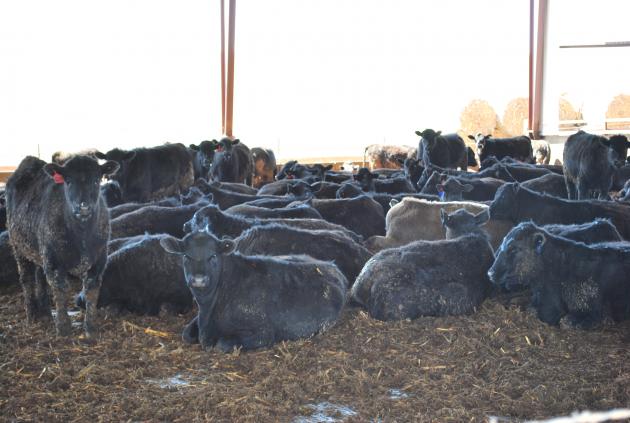
cattle loafing on a bed pack in their barnWhy Study Moisture Movement In a Bedded Pack?

Beef cattle producers that raise cattle in complete confinement, such as mono-slope or hoop barns, may apply bedding material to manage moisture and improve the environment for the animals. Some producers let the manure and bedding accumulate to form a bedded manure pack, which is compacted by cattle activity. The bedded manure contains valuable nitrogen (N), phosphorus (P), and potassium (K) that are essential for crop production and soil sustainability. Depending on temperature, bedding material, and storage time of the bedded pack, the concentration of water-soluble N, P and K compounds may increase in the bottom of the bedded pack where water accumulates. Thus, understanding and predicting water movements within the bedded manure is important to estimate fertilizer N-P-K content and distribution in the bedded manure.

What did we do?

The processes considered in this process-based model include evaporation, percolation, diffusion of water vapor and diffusion of liquid water for vertical water movement. The model by Seng et al. (2012) for static compost piles and a modified version of the Integrated Farm System Model (not yet released) by Rotz et al. (2014) for bedded manure were reviewed and compared. Ultimately, the model needs to be adaptable to estimate the water content of the pack over time for different environmental conditions, bedding materials, and storage times at varying depths within the bedded pack. Data for model calibration and validation were gained through laboratory-scale experiments by Ayadi et al. (in review).

What have we learned?

Percolation and liquid water diffusion are considered the main processes for vertical water movement between layers in the bedded manure. Evaporation occurs from the surface of the top zone of the bedded pack. The rates of percolation and liquid water diffusion are depth-specific and their rates therefore vary. The modified version of the Integrated Farm System Model (IFSM) is more adaptable to data gained through laboratory-scale experiments. Overall, IFSM is more applicable to producer-available data and thus more applicable to predict water movement for bedded manure packs in real-life conditions.

Future Plans

After predicting water movements in the bedded manure, the model will be used to estimate N, P and K movement through the different zones of the bedded manure pack as well as gaseous emission (ammonia and nitrous oxide) from the bedded pack surface. The final overall model will be a calculator that estimates fertilizer N-P-K content and value and ammonia and nitrous oxide emissions of the bedded manure packs from confined beef cattle facilities with respect to temperature, bedding material, storage time and depth of the bedded pack.

Authors

Erin Cortus, Ph. D., Assistant Professor, South Dakota State University, Brookings, SD

Ferouz Ayadi, M.S., Graduate Student, South Dakota State University, Brookings, SD; Mindy Spiehs, Ph. D., Animal Scientist, USDA‐ARS Meat Animal Research Center, Clay Center, NE

Additional information

References

Ayadi, F. Y., M. J. Spiehs, E. L. Cortus, and D. N. Miller. In review. Physical, chemical and biological properties of different depths and ages of simulated beef bedded manure packs. Transactions of the ASABE.

Rotz, C.A., Corson, M.S., Chianese, D.S., Montes, F., Hafner, S.D., Bonifacio, H.F., Coiner, C.U., 2013a.

The Integrated Farm System Model Reference Manual, Version 4.1. USDA-Agricultural Research Service. Avaialble at: http://www.ars.usda.gov/sp2UserFiles/Place/80700500/Reference%20Manual.pdf

Seng, B., H. Kaneko, K. Hirayama, and K. Katayama-Hirayama. 2012. Development of water movement model as a module of moisture content simulation in static pile composting. Environmental Technology 33(15):1685-1694.

Acknowledgements

The support and assistance of Henry F. Bonifacio with the simulation of water movements in the bedded pack manure is very much appreciated. This project and all associated reports and support materials were supported by the Sustainable Agriculture Research and Education (SARE) program, which is funded by the U.S. Department of Agriculture- National Institute of Food and Agriculture (USDA-NIFA). Any opinions, findings, conclusions or recommendations expressed within do not necessarily reflect the view of the SARE program or the U.S. Department of Agriculture. USDA is an equal opportunity provider and employer. The mention of trade names or commercial products in this publication is solely for the purpose of providing specific information and does not imply recommendation or endorsement by the USDA.

The authors are solely responsible for the content of these proceedings. The technical information does not necessarily reflect the official position of the sponsoring agencies or institutions represented by planning committee members, and inclusion and distribution herein does not constitute an endorsement of views expressed by the same. Printed materials included herein are not refereed publications. Citations should appear as follows. EXAMPLE: Authors. 2015. Title of presentation. Waste to Worth: Spreading Science and Solutions. Seattle, WA. March 31-April 3, 2015. URL of this page. Accessed on: today’s date.

Particulate matter from open lot dairies and cattle feeding: recent developments

The research community is making good progress in understanding the mechanical, biochemical, and atmospheric processes that are responsible for airborne emissions of particulate matter (PM, or dust) from open-lot livestock production, especially dairies and cattle feedyards.  Recent studies in Texas, Kansas, Nebraska, Colorado, California, and Australia have expanded the available data on both emission rates and abatement measures. Although the uncertainties associated with our estimates of fugitive emissions are still unacceptably high, we have learned from our recent experience with ammonia that using a wide variety of credible measurement techniques, rather than focusing on one so-called “standard” technique, may be the better way to improve confidence in our estimates.  Whereas the most promising control measures for gaseous emissions continue to be dietary strategies  with management of corral-surface moisture a close second for particulate matter, corral-surface management and moisture management play comparable roles, depending on the mechanical strength of soils and the availability of water, respectively.  The cost per unit reduction of emitted mass attributable to these abatement measures varies as widely as the emissions estimates themselves, so we need to intensify our emphasis on process-based emissions research to (a) reduce the variances in our emissions estimates and (b) mitigate the contingency of prior, empirically based estimates.  As a general rule, although cattle feedyard emission factors may be thought a reasonable starting point for estimating emissions from open-lot dairies, such estimates should be viewed with suspicion.

Purpose          

Document the state of the art of particulate-matter (PM) emissions from open-lot livestock facilities, including emission fluxes and abatement measures.

What did we do?

We conducted (a) field research at commercial, open-lot livestock facilities in the southern High Plains and (b) an up-to-date review of the latest literature concerning primary particulate matter emission fluxes and the abatement measures appropriate to the source type. Field research included time-resolved concentration measurements upwind and downwind of the livestock facilities during the hottest, driest times of the year (in the case of dairy emissions) and throughout the year (in the case of beef feedyards); and a 5-month evaluation of stocking density manipulation using electric cross-fences that preserve optimum bunk space for beef cattle on feed. The literature review surveyed research findings from anywhere in the world that were published in refereed journals as recently as March 2015 concerning the same topics.

What have we learned?

Increasing the stocking density of fed beef cattle as compared to the industry-wide average during hot, dry weather suppresses dust emissions to a measurable and reasonably consistent degree. Concentrations of PM measured downwind of open-lot dairies vary throughout the day, though to a lesser degree and at lower overall concentrations than those measured downwind of nearby beef cattle feedyards, likely reflecting (a) the comparatively lower intensity of the dairy animal’s physical activity and (b) the greater diurnal uniformity of animal-activity patterns in dairies as compared to those in cattle feedyards. Stocking density manipulation does not appear likely to influence dairy dust emissions to the same degree as it influences feedyard dust emissions. Our confidence in emission-flux estimates from these open-lot systems suffers from a lack of methodological diversity; that confidence would be greatly bolstered by the deployment of measurement techniques that differ from the standard inverse-dispersion-modeling paradigm. The integrated horizontal flux (IHF) approach to emissions estimation, which we are now testing at a cattle feedyard in the Texas Panhandle, will provide some corroborating evidence that will allow us to narrow the range of PM flux estimates in the research literature, a range that now spans more than an order of magnitude when expressed on a per-animal-unit basis.

Future Plans

We will continue long-term, ground-level monitoring of time-resolved PM concentrations at a commercial cattle feedyard in the Texas Panhandle; continue our ongoing tests of the IHF flux-estimation technique; and evaluate eye-safe lidar as a path-averaging monitoring technology for the intermediate path lengths (50-300m) that will permit experimental discrimination of concentration data downwind of adjacent pen areas featuring different dust-abatement measures.

Authors    

Brent Auvermann, Professor, Texas A&M AgriLife Extension Service b-auvermann@tamu.edu

K. Jack Bush and Kevin R. Heflin, Research Associates, Texas A&M AgriLife Research

Additional information              

6500 Amarillo Blvd. West, Amarillo, TX 79106-1796, (806)670-8081 (cell)

Acknowledgements      

USDA-NIFA Contract Nos. 2010-34466-20739 and 2009-55112-05235; Texas A&M AgriLife Research; JBS Five Rivers Cattle Feeding; Texas Air Research Center; Texas Cattle Feeders Association

The authors are solely responsible for the content of these proceedings. The technical information does not necessarily reflect the official position of the sponsoring agencies or institutions represented by planning committee members, and inclusion and distribution herein does not constitute an endorsement of views expressed by the same. Printed materials included herein are not refereed publications. Citations should appear as follows. EXAMPLE: Authors. 2015. Title of presentation. Waste to Worth: Spreading Science and Solutions. Seattle, WA. March 31-April 3, 2015. URL of this page. Accessed on: today’s date.

Markets for Composted Agricultural Waste

Why Consider Composting Manure?

Enforcement of nutrient management regulation has forced Maryland farms and agricultural facilities to adopt new waste management practices. Few options exist that are financially sustainable. Regulatory agencies witnessed the unexpected consequence of closing small and mid-sized farms who could not afford to institute new waste management technologies. To counter that consequence, Maryland Department of Agriculture offered grants to subsidize the development of innovative technology and business practices. These new systems and business models had to offer both financial and environmental sustainability.

What Did We Do?

The first step in this project (supported by the Maryland Department of Agriculture, 2014) was to identify the biological make up and characteristics of the stable waste both before and after processing. We measured nutrient content and form (N, P, K), porosity, moisture absorption and C: N ratio. By understanding what the material consisted of pre-processing, we were able to determine what effects different controls during processing would have on the end product. As an example, when using stable waste for bedding re-use the material is run through the composting system as quickly as possible. A shorter composting period with auger mixing technology allowed the biological activity to breakdown the manure balls, support the transformation of the waste nutrients and yet protect the integrity of the shavings for second use. Related: Managing Manure on Horse Farms

Next, the local markets were studied:

    • Soil types and needs: compost to add porosity, water retention, nutrients to soil
    • Weather patterns and created needs: compost added for water retention, binding material to diminish run off
    • Population centers for urban market: compost for landscape needs, potting medium
    • Rural character for on farm market: compost for nutrient replacement, bedding re-use
    • Cost of operations on local farms: cost of bedding, cost of disposal, cost of landscape material, cost of synthetic or imported fertilizer
    • Wholesale market needs: compost for distribution centers (Scotts products), soil specialty companies, land reclamation sites, Department of Transportation needs, green house growers

Identifiable, viable market channels to move the processed stable waste were necessary components of a business model.  Uses for the processed waste were identified both on site and off site.

On site uses were identified as:

    • Land application: field enhancement
    • Bedding re-use
    • Landscape use
    • Improved footing arenas
    • Land reclamation
    • Pelletized for heat systems
Off site uses were identified as:

    • Soil amendment
    • Land reclamation
    • Potting Medium
    • Food Waste Bulking agent
    • Whole sale distribution centers
    • Soil Specialty companies

What Did We Learn?

Data was gathered and studied from equine facilities with existing composting operations to illustrate what the benefits and challenges can be. IOS Ranch on Bainbridge Island Washington is a sustainably designed 7.5 acre property that supports 20-25 stalled horses. The design concentrates the structures, indoor arena, stall, office and supporting buildings, so there could be surrounding pasture turn out and an outdoor arena. The facility was paying high waste disposal fees. Their decision to bring composting technology to the farm was an effort to eliminate disposal fees and diminish their bedding cost through bedding re-use. However, once the system was installed a local landscaper visited the site and saw value in the compost. The material is now sold for $30/yard wholesale and $45/yard retail to local landscapers and gardeners. With the price of shavings for bedding delivered at $7.50/yard the business decision to sell the compost was an obvious one. The property was formerly a gravel pit with large areas of exposed pit run. Once realizing the value of the compost for land application, the owner spread on the exposed areas greatly improving grass performance in the turnout fields. This farm was saving $100-$140/day producing compost because of the reduced disposal fees plus profits from marketing, allowing for a breakeven on investment in 3 years.

manure composting operation on horse farm manure composting operation on horse farm manure composting operation on horse farm

Joint Base Myer Henderson Hall hosted a pilot project for composting of food waste on remote contingency bases. On this base the Army’s Caisson horses are housed in a 50+ stall barn. After the pilot was completed the in vessel composting system will revert to the base for processing the stable waste. The base has the choice of bedding re-use or using the compost for landscape needs on base and/or in the adjacent Arlington National Cemetery. Outside contractors were supplying the base with compost at nearly $400,000 per year. The project could pay for itself in the first year. Thorough lab analysis showed the compost to be consistently of high quality, pathogen free, and weed seed free.

army base horse manure composting photos

Currently two sites in Maryland are being studied; one an equine rescue facility housing 50-80 horses, and the other a dairy with 240 head. The use of composted stable waste as a peat moss replacement will bring value to the equine and dairy farms and to the large, local greenhouse industry. Currently 80% of the peat moss used in Maryland is imported from Canada. The farms selected are large enough that they can produce enough material for bedding re-use (savings of nearly 20% of operating budget) and/or sell the material to wholesale buyers. The composting material from both sites show the favorable attributes of peat moss, porosity and moisture retention. Blending can alter the nutrient levels to what the market needs by using the more nutrient rich dairy waste. The collection of compost and blending can be done on on site or at an off site location in cooperation with other local farms, this may help meet larger volume needs of wholesale buyers.

horse manure composting operation in Maryland horse manure composting operation in Maryland horse manure composting operation in Maryland

Future Plans

The Maryland projects are both two years in duration with continual data gathering and recording. The next step is the location and operation of a collection yard for multiple local farms to send their processed stable waste. Such a yard allows for mixing to meet differing market needs and the creation of large quantities of homogenous product for local greenhouse growers.

Authors

Mollie Bogardus, owner, Aveterra and representative of Green Mountain Technologies, Inc. mollie@compostingtechnology.com

Additional Information

http://news.maryland.gov/mda/press-release/2014/08/15/mda-awards-1-million-for-innovative-manure-management-technologies-demonstration-projects-in-howard-frederick-and-worcester-counties-recognized/

Acknowledgements

Dr. Pat Millner, USDA Beltsville, Research Microbiologist is lead researcher and mentor on these projects in Maryland.

The authors are solely responsible for the content of these proceedings. The technical information does not necessarily reflect the official position of the sponsoring agencies or institutions represented by planning committee members, and inclusion and distribution herein does not constitute an endorsement of views expressed by the same. Printed materials included herein are not refereed publications. Citations should appear as follows. EXAMPLE: Authors. 2015. Title of presentation. Waste to Worth: Spreading Science and Solutions. Seattle, WA. March 31-April 3, 2015. URL of this page. Accessed on: today’s date.

Effect of Temperature on Methane Production from Field-Scale Anaerobic Digesters Treating Dairy Manure

Why Study Temperature and Anaerobic Digestions?

Anaerobic digestion is a process that results in the production of biogas that can be used a renewable source of electricity on-farm or sold to the distribution grid. Temperature is a critical parameter for anaerobic digestion since it influences both system heat requirements and methane production. Although anaerobic digestion can take place under psychrophilic (15-25°C), mesophilic (35-40°C), and thermophilic (50-60°C) conditions, temperatures of 35-37°C are typically recommended for methane production from animal manure. However, digesters require significant amount of heat energy to maintain temperatures at these levels. There is limited information about methane production from dairy digesters at temperatures less than 35°C and results in the literature are presented from laboratory-scale rather than field-scale systems.

The objective of this study was to evaluate the effect of two relatively low digestion temperatures (22 and 28°C) on methane production using replicate continuously-fed, field-scale dairy manure digesters at two organic loading rates. The results were compared with those from identical digesters operated at 35°C.

field scale anaerobic digesters

Field scale (FS) anaerobic digesters

What did we do?

Anaerobic digestion experiments were carried out using six modified Taiwanese-model field-scale (FS) on-site digesters (Fig. 1) at the USDA Beltsville Agricultural Research Center (BARC). Each FS digester has a total capacity of 3 m3 and was operated at a liquid capacity of 67% (2 m3 working volume) with 33% headspace for biogas collection. The FS digesters are plug-flow reactors and operated without mixing. First, duplicate field-scale (FS) anaerobic digesters were maintained at one of three set temperatures (22 ± 2, 28 ± 2 and 35 ± 2°C) and fed with solids-separated manure for 80 days (period 1). The digesters were subsequently operated under the same temperature regime (22 ± 2, 28 ± 2 and 35 ± 2°C) but were fed at a higher organic loading rate (OLR) using solids-separated manure amended with manure solids for 56 days (period 2). The hydraulic retention time (HRT) was 17 days for all digesters throughout the study. Digesters were fed once daily five days a week with 160 L d-1 of separated manure for period 1, and 148 L d-1 of separated manure amended with 16 kg d-1 (wet weight) manure solids (roughly 12 L in volume) for the period 2.

What have we learned?

Our results suggest that anaerobic digesters treating dairy manure at lower temperatures can be nearly as effective as digesters operated at 35°C, even with a relatively short 17-day retention time. Methane production from digesters operated at 28°C was about 90% of that from digesters operated at 35°C but the differences were not statistically significant. Digesters operated at 22°C produced about 70% as much methane as digesters operated at 35°C without affecting digester stability. Small farm digester systems that may not have access to waste heat from electrical generation, could efficiently operate at these lower temperatures to produce methane and reduce greenhouse gas emissions and odors. Larger digester systems could also choose to operate at these lower temperatures if reducing digester heating would allow for more valuable uses of their heat energy such as drying solids or treating liquids to remove nutrients.

Future Plans 

We are currently investigating the fate and effect of antibiotics and feed additives during the anaerobic digestion of manure.

Authors     

Osman Arikan, Assoc. Prof., Istanbul Technical Univ., Dept. of Environmental Eng., Istanbul, Turkey. Visiting Scientist, USDA-ARS, BARC, Beltsville, MD, Visiting Assoc. Prof., University of Maryland, Dept. of Environmental Science&Tech., College Park, MD. arikan@itu.edu.tr

Walter Mulbry, Research Microbiologist, USDA-ARS, Beltsville Agricultural Research Center, Beltsville, MD. Stephanie Lansing, Assistant Professor, University of Maryland, Department of Environmental Science and Technology, College Park, MD.

Additional information

Data is to be published.

Acknowledgements

The authors gratefully acknowledge Jose Colina and Lorianny Rivera for assistance in operating the digesters and Anna Kulow for analyzing biogas and effluent samples.

The authors are solely responsible for the content of these proceedings. The technical information does not necessarily reflect the official position of the sponsoring agencies or institutions represented by planning committee members, and inclusion and distribution herein does not constitute an endorsement of views expressed by the same. Printed materials included herein are not refereed publications. Citations should appear as follows. EXAMPLE: Authors. 2015. Title of presentation. Waste to Worth: Spreading Science and Solutions. Seattle, WA. March 31-April 3, 2015. URL of this page. Accessed on: today’s date.