Software For Evaluating the Environmental Impact of Dairy and Beef Production Systems

Waste to Worth: Spreading science and solutions logoWaste to Worth home | More proceedings….

Why Model Environmental Impacts of Livestock?

Quantifying the long term environmental impacts of dairy and beef production is complex due to the many interactions among the physical and biological components of farms that affect the amount and type of emissions that occur. Emissions are influenced by climate and soil characteristics as well as internal management practices. Software models are needed to perform an integrated and comprehensive assessment of all important environmental and economic effects of farm management and mitigation strategies. Related: Manure value & economics

What Did We Do?

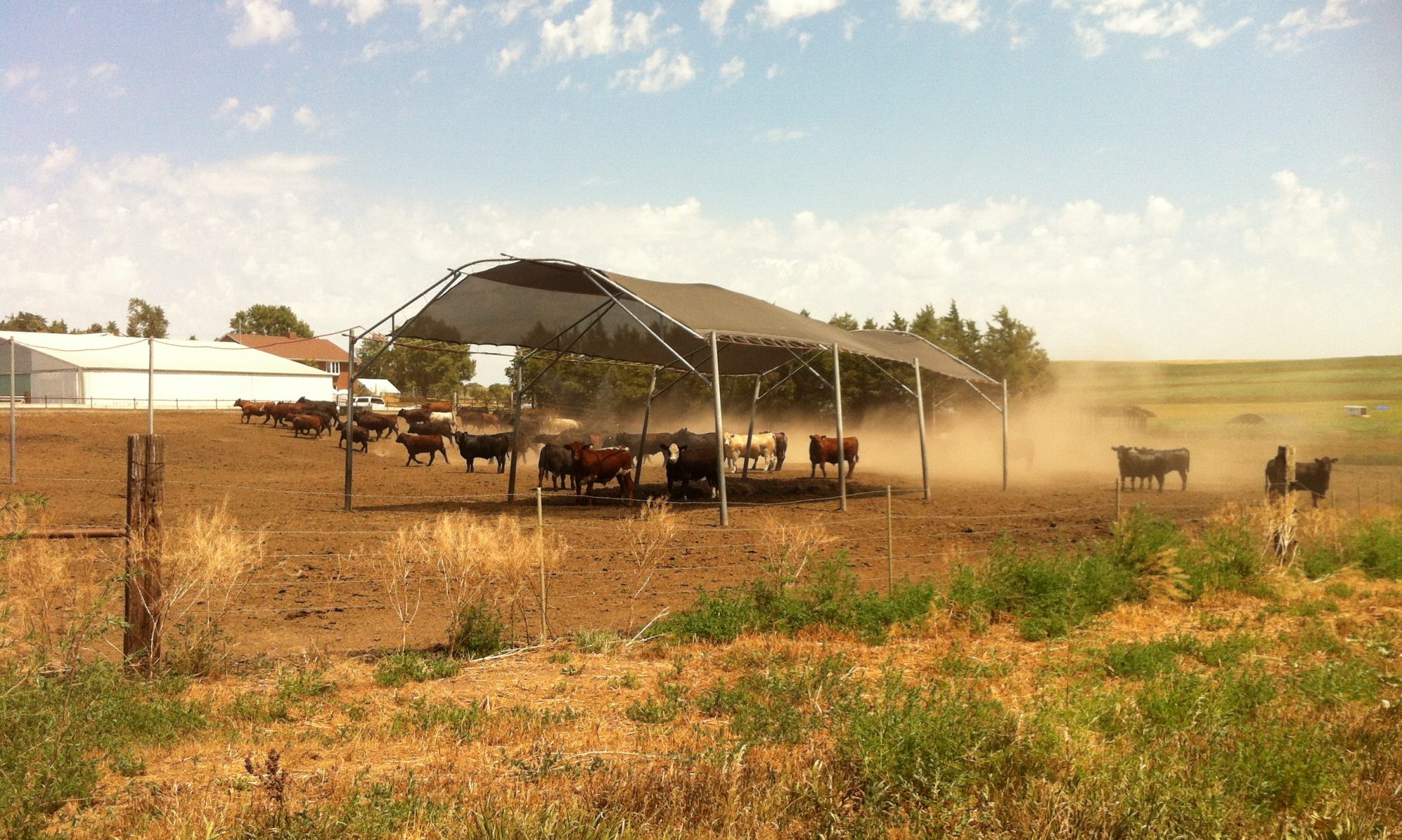
Figure 1. The Integrated Farm System Model simulates the performance, determines the economics, and predicts the air and water emissions of farm production systems.

Software tools were created that perform whole-farm analyses of the performance, economics and environmental impact of dairy and beef production systems. The Integrated Farm System Model (IFSM) is a comprehensive research tool that simulates production systems over many years of weather to quantify losses to the environment and the economics of production. From the simulated performance and losses, environmental footprints are determined for carbon, energy use, water use and reactive nitrogen loss. Crop, dairy and beef producing farms can be simulated under different management scenarios to evaluate and compare potential environmental and economic benefits. The Dairy Gas Emissions Model (DairyGEM) provides a simpler educational tool for studying management effects on greenhouse gas, ammonia and hydrogen sulfide emissions and the carbon, energy and water footprints of dairy production systems.

What Have We Learned?

Analyses with either the IFSM or DairyGEM tools illustrate the complexity of farming systems and the resultant effect of management choices. Although IFSM was primarily developed and used as a research tool, it is also used in classroom teaching and other education applications. DairyGEM provides an easier and more graphical tool that is best suited to educational use.

Future Plans

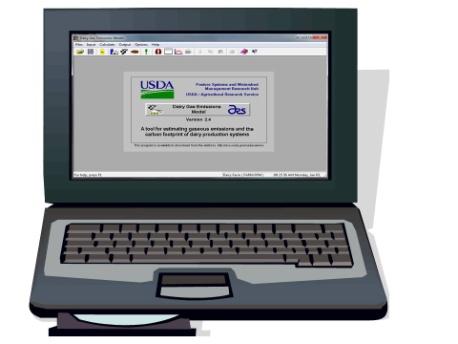
Figure 2. DairyGEM is an educational tool for evaluating management effects on air emissions and environmental footprints of dairy production systems.

Development of these software tools continues. Work is currently underway to add the simulation of VOC emissions to both models. Routines are also being implemented to better represent the performance and emissions of beef feed yards.

Authors

C. Alan Rotz, Agricultural Engineer, USDA/ARS; al.rotz@ars.usda.gov

Additional Information

The IFSM and DairyGEM software tools are available through Internet download [https://www.ars.usda.gov/research/software/?modeCode=80-70-05-00] for use in individual, workshop and classroom education. Reference manuals and other detailed information on the models is also available at this website.

Acknowledgements

Many people have contributed to the development of these models and software tools. Although they can not all be listed here, they are acknowledged in each software program.

The authors are solely responsible for the content of these proceedings. The technical information does not necessarily reflect the official position of the sponsoring agencies or institutions represented by planning committee members, and inclusion and distribution herein does not constitute an endorsement of views expressed by the same. Printed materials included herein are not refereed publications. Citations should appear as follows. EXAMPLE: Authors. 2013. Title of presentation. Waste to Worth: Spreading Science and Solutions. Denver, CO. April 1-5, 2013. URL of this page. Accessed on: today’s date.
Environmental Footprints of Beef Produced At the U.S. Meat Animal Research Center

Waste to Worth: Spreading science and solutions logoWaste to Worth home | More proceedings….

Why Study the Environmental Footprint of Beef?

As a major contributor in food production, beef production provides a major service to our economy that must be maintained. Production of cattle and the associated feed crops required also impact our environment, and this impact is not well understood. Several studies have determined the carbon footprint of beef, but there are other environmental impacts that must be considered such as fossil energy use, water use, and reactive nitrogen loss to the environment. Because of the large amount of data available to support model evaluation, production systems of the U.S. Meat Animal Research Center were simulated with the Integrated Farm System Model for the purpose of evaluating the environmental impact of the beef cattle produced.

What Did We Do?

The environmental footprints of beef produced at the U.S. Meat Animal Research Center (MARC) in Clay Center, Nebraska were determined with the objective of quantifying improvements achieved over the past 40 years. Relevant information for MARC operations was used to establish parameters representing their production system with the Integrated Farm System Model. The MARC farm, cow calf and feedlot operations were each simulated over recent historical weather to evaluate performance, environmental impact and economics. The current farm operation included 2,078 acres of alfalfa and 2,865 acres of corn to produce feed predominately for the beef herd of 5,500 cows, 1200 replacement heifers and 3,724 cattle finished per year. Spring and fall cow calf herds were fed on 24,000 acres of pastureland supplemented through the winter with hay and silage produced by the farm operation. Feedlot cattle were backgrounded 3 mo on hay and silage and finished over 7 mo on a diet high in corn grain and wet distiller’s grain.

What Have We Learned?

Model simulated predictions for weather year 2011 were within 1% of actual records for feed production and use, energy use, and production costs. A 25-year simulation of their current production system gave a carbon footprint of 10.9 lb of CO2 equivalent units per lb body weight (BW) sold, and the energy required to produce that beef was 11,400 Btu/lb BW. The total water required was 2,560 gallon/lb BW sold, and the water footprint excluding that obtained through precipitation was 335 gallon/lb BW. Reactive N loss was 0.09 lb/lb BW, and the simulated total cost of producing their beef was $0.96/lb BW sold. Simulation of the production practices of 2005 indicate that the use of distiller’s grain in animal diets has had a small impact on environmental footprints except that reactive N loss has increased 10%. Compared to 1970, the carbon footprint of beef produced has decreased 6% with no change in the energy footprint, a 3% reduction in the reactive N footprint, and a 6% reduction in the real cost of production. The water footprint, excluding precipitation, has increased 42% due to greater use of irrigated corn production.

Future Plans

Now that the modeling approach has been shown to appropriately represent beef production systems, further simulation analyses are planned to evaluate beef production systems on a regional and national scale.

Authors

C. Alan Rotz, Agricultural Engineer, Pasture Systems and Watershed Management Research Unit, USDA/ARS al.rotz@ars.usda.gov

B.J. Isenberg, Research Assistant, The Pennsylvania State University

K.R. Stackhouse-Lawson, Director of Sustainability Research, National Cattlemen’s Beef Association

E.J. Pollak, Director, Roman L. Hruska U.S. Meat Animal Research Center, USDA / ARS

Additional Information

C. Alan Rotz, al.rotz@ars.usda.gov

Acknowledgements

Funded in part by The Beef Checkoff and the USDA’s Agricultural Research Service


The authors are solely responsible for the content of these proceedings. The technical information does not necessarily reflect the official position of the sponsoring agencies or institutions represented by planning committee members, and inclusion and distribution herein does not constitute an endorsement of views expressed by the same. Printed materials included herein are not refereed publications. Citations should appear as follows. EXAMPLE: Authors. 2013. Title of presentation. Waste to Worth: Spreading Science and Solutions. Denver, CO. April 1-5, 2013. URL of this page. Accessed on: today’s date.

Iowa Manure Management Action Group (IMMAG)

Waste to Worth: Spreading science and solutions logoWaste to Worth home | More proceedings….

Abstract

The Iowa Manure Management Action Group (IMMAG) was a concept born in 1997 to provide a comprehensive vehicle to deliver manure management information.  It is hard to imagine, but at that time web pages were just beginning to be used as vehicles to share information, and even harder to imagine is the fact that while information on manure management existed, it was difficult to access, and it was just not a topic that garnered much positive attention.

IMMAG began as state-level technical committee comprised of public and private-sector entities with the objectives to 1) provide access to comprehensive information on manure management issues; 2) develop relevant educational materials and 3) provide them in a format that could be easily accessible.

Now, 15 years later, what was supposed to be short-term, one-year effort, has turned into a major outreach and education effort for Iowa State University Extension and Outreach and their partners.  In addition to the web page, IMMAG has hosted many field days and training workshops over the years as well as coordinated the development of countless fact sheets, newsletters and other educational pieces. 

Why Was the IMMAG formed?

As the livestock sector in Iowa changed in the 1990’s it became apparent that a mechanism for information delivery was needed that could quickly evolve to keep livestock producers in tune with changing regulations, up-to-date with current research and understand best management practices to help assure manure’s value as a crop nutrient resource and help protect Iowa’s natural resources.

IMMAG was a concept born in 1997 to provide a comprehensive vehicle to deliver manure management information, develop and deliver educational programs, and design tools and resources that could be used by producers, technical agencies, educational institutions, researchers, consultants and the general public.  IMMAG originated as a state-level technical committee under the leadership of the Iowa NRCS that brought together the state agencies, land-grant institution, commodity groups, environmental groups and private sector interests who proceeded to identify challenges and needs for manure management information. 

What Did We Do?

After an initial needs assessment was completed, members of IMMAG agreed the highest priority was the development of an integrated Web site for all manure management information.  A Web page would allow the most flexibility in keeping materials up-to-date.  The members also agreed that producers and others not having internet access would be able to request printed materials from the site made available through the commodity organization.   Once all existing materials were organized and included on the IMMAG Web page, a needs assessment was conducted by ISU Extension and the commodity group to determine information gaps and the kinds of new material that needed to be developed.  Materials were not limited to print resources, but also included development and delivery of nutrient planning workshops, field days and tools.  Along with a needs assessment, the Web site was thoroughly evaluated by members of the environmental groups and the general public to determine how accessible the information was and how easy it was to use and comprehend. 

During the past 15 years, the Iowa Manure Management Action Group has distributed monthly newsletters (originally printed, now e-newletters); created 40 fact sheets;  hosted over 50 field days and workshops, coordinated 3 multi-day manure clinics for producers and professionals; written over 200 popular press articles,  supported and developed material for nearly 600 Extension meetings;  and developed 9 video presentations. 

What Have We Learned?

The biggest lesson learned from this educational outreach program was and is the success  of integrating the state agency, land-grant university and livestock commodity group message to assist livestock producers.  This partnership allowed the development of  a consistent message among all involved when it came to manure management so producers and their technical staff were using the same recommendations and planning processes across all programs.  Other important things learned include  1) longevity of programs are crucial to producer awareness and success; 2) a defined mechanism for intergrating research into extension programming is crucial for producers to make informed choices related to best management practices; 3) leveraging financial support to serve all clients helps level the playing field in terms of client access to educational materials, events and access to technical assistance and 4) when provided with appropriate training and resource materials, it is possible to develop an entire service industry to assist producers with manure nutrient management planning.

Future Plans

Many internal discussions have identified the need to continue to support this effort even with the availability of other national programs that serve as clearinghouses for manure management information.  Future needs for program implementation  include coordinating long-term financial support for continued programming and a needs assessment that is relevant to current production practices.  Future needs for program delivery include more field days and hands-on type experiences for producers and their service providers. 

Authors

Angela Rieck-Hinz, Extension Program Specialist, Iowa State University, amrieck@iastate.edu

Additional Information

IMMAG Home Page


The authors are solely responsible for the content of these proceedings. The technical information does not necessarily reflect the official position of the sponsoring agencies or institutions represented by planning committee members, and inclusion and distribution herein does not constitute an endorsement of views expressed by the same. Printed materials included herein are not refereed publications. Citations should appear as follows. EXAMPLE: Authors. 2013. Title of presentation. Waste to Worth: Spreading Science and Solutions. Denver, CO. April 1-5, 2013. URL of this page. Accessed on: today’s date.

Water Quality Initiatives for Small Iowa Beef and Dairy Feedlot Operations (Small Feedlot Project)

Waste to Worth: Spreading science and solutions logoWaste to Worth home | More proceedings….

Abstract

Traditionally, small feedlots and dairies have not been engaged in environmental regulations and awareness in Iowa due to the environmental focus being directed at large feedlots and confinement feeding operations.  Many small feedlot and dairy managers do not even recognize or admit that regulations do apply to their livestock operation. This effort primarily uses traditional extension outreach methods, field days and publications, to raise awareness.  Unique to this outreach effort are the goal to provide a producer network to share information and ideas to learn more about manure runoff control structures and best management practices to reduce impacts on water quality, and the focus on controls beyond minimum rule requirements, but tailored to small operations.

This talk will discuss some of the challenges faced by small feedlot producers, identification of parameters to help producers overcome some of these challenges, and methods and educational materials aimed at helping raise environmental awareness and foster action among these producers.

Purpose

The Small Feedlot Project is a cooperative effort between state and federal regulatory agencies, public research and extension, technical agencies and the private sector in Iowa.  The primary objectives are to 1) educate producers to better understand the pollution potential of open feedlot runoff, 2) train producers to accurately assess the water pollution potential of their own feedlots, 3) assist producers to identify and evaluate appropriate runoff control alternatives, and 4) provide technical assistance to producers to implement solutions that improve the environmental performance of their feedlots.  

What Did We Do?

The first focus in regards to raising awareness about potential impacts of runoff from open feedlots was the development of two producers guides that specifically talk about open lot runoff and impacts on water quality,  applicable regulations,  the importance and how to assess risk, structural solutions, management solutions and a list of appropriate resources.  The guides, PM 3018, Small Open Beef Feedlots in Iowa- a producer guide and PM 3019, Small Open Lot Dairies in Iowa- a producer guide, were both written and printed in 2012.  These publications were peered reviewed by internal and external partners to the Small Feedlot Plan.  Two-thousand copies of each publication were printed and have been widely distributed via field days, workshops and meetings.  The publications have been in such demand that as of February 2013, only 26 copies of the beef publication and 630 copies of the dairy pub remain in stock. 

The second focus to raising awareness was to offer multiple field days that showcased structural or management practices put in place by feedlot owners to address runoff from their farms.  It is well-known that livestock producers respond well to field days where they can observe physical site conditions that impact runoff, see structural (i.e. settling basins, pumping demonstration, clean-water diversions) or management practices (i.e.  pen scraping, manure removal) put in place by other producers; can ask management and cost of implementation questions to other producers; and can discuss regulations and other management decisions with Extension and agency staff. 

Three field days were held in 2012 to provide options to look at different sizes of feedlots, dirt versus concrete lots and structural and management practices on farms.  The first field day was a three-stop tour held on August 7 near Larchwood, IA with 26 people in attendance; the second field day was held on October 29 near Wall Lake, IA, with 22 people in attendance; and the third field day was held on October 31 near Andover, IA with 26 people in attendance.


What Have We Learned?

A post-field day evaluation was offered to attendees at the Wall Lake and Andover Field Days.  A summary of the evaluations completed follows:

  • 29% reported their understanding of impact of feedlot runoff on stream water quality “increased a lot”; while 56% reported their understanding “increased a little”.
  • 38% reported their understanding of lost-cost methods to better control and manage feedlot runoff “increased a lot”; while 52% reported their understanding “increased a little”.
  • 29% reported their understanding of the value of feedlot manure for crop production “increased a lot”; while 60% reported their understanding “increased a little”.
  • 31% reported their understanding of available technical and financial assistance for feedlot runoff control improvement “increased a lot”; while 58% reported their understanding “increased a little”. 
  • 35% reported they are more likely to plan and install additional improvements to feedlot runoff controls on their farms as a result of attending a field day. 

Future Plans

Future plans include the development of fact sheets that address specific practices small open lot dairy and beef operations can use to protect water quality and additional field days throughout 2013.  New materials will be posted to a Web page specifically created to host resources for small open lots. 

Authors

Angela Rieck-Hinz, Extension Program Specialist, Iowa State University, amrieck@iastate.edu

Shawn Shouse, Extension Field Ag Engineer, Iowa State University

Additional Information

Small Feedlots and Dairy Operations Web Page

Acknowledgements

Partners in the Water Quality Initiatives for Small Iowa Beef and Dairy Feedlot Operations

The authors are solely responsible for the content of these proceedings. The technical information does not necessarily reflect the official position of the sponsoring agencies or institutions represented by planning committee members, and inclusion and distribution herein does not constitute an endorsement of views expressed by the same. Printed materials included herein are not refereed publications. Citations should appear as follows. EXAMPLE: Authors. 2013. Title of presentation. Waste to Worth: Spreading Science and Solutions. Denver, CO. April 1-5, 2013. URL of this page. Accessed on: today’s date.

Using Soil Moisture to Predict the Risk of Runoff on Non-Frozen Ground

Waste to Worth: Spreading science and solutions logoWaste to Worth home | More proceedings….

Why Study Risk and Runoff Potential?

Identifying time periods when land application of manure is likely to contribute to surface runoff contamination is important for making proper management decisions and reducing the risk of surface water contamination.  Recently, a great deal of attention has been focused on reducing nutrient and sediment losses from the winter period.  However, sediment and nutrient losses during the late spring period can be significant and it is important to understand landscape and weather conditions that lead to elevated runoff risk during this time period. 

What Did We Do?

Surface runoff and weather data were gathered at multiple edge-of-field Discovery Farm monitoring stations in Wisconsin.  Soil moisture data were also collected.  Data were analyzed by each storm event during the non-frozen ground period to determine the impact of antecedent soil moisture on surface runoff generation.

What Have We Learned?

Data from the Wisconsin Discovery Farms Program has identified two key time periods with an elevated risk of surface runoff from agricultural fields: the late winter period (February – March) and the late spring period (May – June).  Eighty-one percent of the average annual surface runoff was observed during these two time periods with the late winter period accounting for 50% and the late spring period accounting for 31%.  Data collected over the past 12 years of the Wisconsin Discovery Farm Program indicate that the vast majority (86%) of non-frozen ground runoff occurs when soil moisture is in excess of 35%.   High antecedent soil moisture can indicate risk for surface runoff in agricultural watersheds and can also influence the quantity of surface runoff generated during rainfall events. Avoiding manure applications during time periods with a high probability of rainfall and when soil moisture is at or near threshold levels decreases the risk of surface water contamination. Agricultural producers can utilize soil moisture measurement to guide the timing and rate of manure application to further reduce environmental risk.

Future Plans

Producer education and outreach

Authors

Tim Radatz, Research Specialist , Discovery Farms MN & WI, radatz@mawrc.org

Anita Thompson, Associate Professor, University of Wisconsin – Madison

Fred Madison, Professor, University of Wisconsin – Madison

Additional Information

Radatz, T. F., Thompson, A. M. and Madison, F. W. (2012), Soil moisture and rainfall intensity thresholds for runoff generation in southwestern Wisconsin agricultural watersheds. Hydrol. Process.. doi: 10.1002/hyp.9460

Acknowledgements

UW Discovery Farms Program and Staff

UW-Platteville Pioneer Farm Program and Staff


The authors are solely responsible for the content of these proceedings. The technical information does not necessarily reflect the official position of the sponsoring agencies or institutions represented by planning committee members, and inclusion and distribution herein does not constitute an endorsement of views expressed by the same. Printed materials included herein are not refereed publications. Citations should appear as follows. EXAMPLE: Authors. 2013. Title of presentation. Waste to Worth: Spreading Science and Solutions. Denver, CO. April 1-5, 2013. URL of this page. Accessed on: today’s date.

Will Spreading Bans Reduce Manure Runoff Events?

Waste to Worth: Spreading science and solutions logoWaste to Worth home | More proceedings….

Abstract

The Wisconsin Discovery Farms Program was one of the first on-farm evaluation projects to identify the risk of manure applications in the late winter period.  Data from several of our farms have shown that manure applied during February and March has an increased risk of running off and contributing to high nutrient losses in surface water.  This data has been used to justify the establishment of recommendations, rules and regulations on winter manure spreading.  But, do bans on winter manure spreading (spreading on frozen or snow covered ground) actually reduce the risk of manure runoff?  A close evaluation of the data indicates that spreading during early winter (November – January) is much different than during late winter when frost can extend deeper and be more solid in the soil profile. Total winter application bans also increase the volume of manure that needs to be stored and increase the risk of runoff during the spring spreading season.

Based on the data from the Wisconsin Discovery Farms Program, manure spreading bans should be established based on field conditions, and not a calendar.  There are times when applying manure early in the winter is optimal because lack of snow and/or frost affords the opportunity for manure to come into contact with the soil.  There are also times when manure can be safely applied in late March, when the soils have thawed, snowmelt is finished and the fields are fit.  Not allowing farmers to begin fieldwork based on calendar dates can greatly increase the potential for runoff because the window for manure applications is smaller and the potential for runoff from saturated soils and spring rains is greater.

Why Did the Discovery Farms Project Study Nutrient Runoff?

The Wisconsin Discovery Farms Program was established in 2001 with leadership from farmers, their advisors and their industry groups to gather water quality data from working farms around Wisconsin and to use that data to educate farmers, industry personnel, consumers and policymakers. At the time, there was little reliable year-round information on actual phosphorus, nitrogen or sediment loss from fields with different management practices, physical settings or weather related events.

What Did We Do?


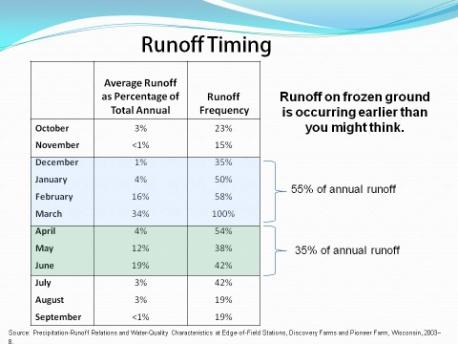
Average runoff timing and frequency from Wisconsin Discovery Farms, 2003-2008

The US Geological Survey partners with the Discovery Farms Program to provide high quality year-round data collected from agricultural fields, in streams, and within tile drainage. Monitoring has been conducted on more than 10 farms all around the state, totaling over 150 site years of data.

What Have We Learned?

The Discovery Farms data shows losses from the edge of field are, on average, 667 pounds of sediment, 2 pounds of phosphorus and 7 pounds of nitrogen.  While these numbers are important, the real value is in the variation, factors, and the management decisions that can influence nutrient and sediment losses. One of the most important lessons learned is the impact of the timing of manure application on nutrient loss. The key to reducing loss of nutrients from manure applications is to maximize the time between a manure application and a runoff event. As a producer, you need to understand the factors that cause runoff and options you have when manure spreading is not feasible.

Approximately 90% of the annual runoff in Wisconsin occurs from December through June. From December through March, most of the runoff is caused by snowmelt or rain on frozen/snow covered ground. During every year and on every site monitored, there has been runoff in March. Avoiding manure application during February and March can reduce nutrient loss, as 50% of the annual runoff happens during these two months. From April through June, runoff is driven by intense storm events or saturated soil conditions. In any given year, there can be times when fields are fit for manure application during this same time period based on little to no snow cover, early spring conditions, or droughty periods.

Future Plans

Prohibiting spreading based on calendar dates does not allow producers to assess the conditions in their immediate location. Management by calendar dates can force producers to spread during conditions when the risk for runoff is high because storage facilities are full. The conditions vary each year, and waiting for a specific calendar date can make producers miss opportune times for manure application so that field activities can be completed in a timely manner.

To prepare producers for assessing their own situations, Discovery Farms has provided intensive education and outreach on the factors that cause runoff in Wisconsin. By understanding the factors that cause runoff and management strategies that reduce nutrient loss, Wisconsin agriculture producers can maintain and improve water quality resources and farm productivity.

Authors

Amber Radatz, Outreach Specialist, UW Discovery Farms, aradatz@wisc.edu

Eric Cooley, Outreach Specialist, UW Discovery Farms

Dennis Frame, Director, UW Discovery Farms

Additional Information

www.uwdiscoveryfarms.org

UW Discovery Farms on Facebook

The authors are solely responsible for the content of these proceedings. The technical information does not necessarily reflect the official position of the sponsoring agencies or institutions represented by planning committee members, and inclusion and distribution herein does not constitute an endorsement of views expressed by the same. Printed materials included herein are not refereed publications. Citations should appear as follows. EXAMPLE: Authors. 2013. Title of presentation. Waste to Worth: Spreading Science and Solutions. Denver, CO. April 1-5, 2013. URL of this page. Accessed on: today’s date.

Cellulose-Based Industrial Wastewater By-Product as Broiler Bedding Material

Waste to Worth: Spreading science and solutions logoWaste to Worth home | More proceedings….

Abstract

The increased cost and decreased availability of traditional poultry bedding material, such as pine shavings, has facilitated the need to identify alternative bedding materials for poultry growers. The objective of this study was to evaluate a cellulose by-product from the paper manufacturing industry on its comparability to pine shavings on broiler production performance standards and litter quality parameters.

The experimental design consisted of 25 pens (3.7 m2 each) containing 55 Cobb broilers (0.07 m2/bird) per pen.  Five treatments with five replicate pens per treatment were set up to evaluate varying levels of cellulose inclusion as bedding.  The five cellulose treatments consisted of 0% (Control, 100% pine shavings), 25%, 50%, 75% and 100% cellulose by-product.  The first phase of the experiment included litter moisture, litter pH, and footpad dermatitis (FPD) scores at Day 7.  At Day 7, the mean litter moisture (%) of the Control (23.9) and 25% (23.9) treatments were not significantly different from the 50% (16.9) treatment, but were significantly greater than the 75% (15.0) and 100% (14.8) treatments. At Day 7, the mean percentage (%) of birds with no footpad downgrades in the 100% (99) and 75% (95) treatments were not significantly different from the 50% (87) treatment, but were significantly greater than the 25% (76) and Control (66) treatments. An evaluation of litter moisture versus FPD scores produced a correlation coefficient of 0.73, indicating a strong cause-and-effect relationship between increasing litter moisture and incidence of FPD.

Based on phase one results, the cellulose by-product is at least comparable if not superior to pine shavings as a broiler bedding material based on litter moisture and subsequent  incidence of FPD during the brooding phase of broiler production.

Why Explore New Sources of Broiler Bedding?

Paper mill wastewater cellulose residuals are a solid waste accumulation concern for the paper manufacturing industry and for local municipalities.  Traditional bedding material supplies for the commercial broiler industry in the southeastern United States, namely pine wood shavings, has declined in availability with the drop in new housing starts and competition for the material from other wood product manufacturing and landscaping industries.  With the decline in availability comes an increase in cost of the remaining material that is available for broiler growers to utilize as bedding material.  The purpose of this study was to investigate the applicability of utilizing a cellulose-based wastewater by-product from a large paper manufacturing plant  as a bedding material for commercial broiler production housing.

What Did We Do?

Paper mill wastewater cellulose by-product (residual short fibers) was tested at the University of Georgia Poultry Research Center in Athens, Georgia, in a live-bird pen trial wherein the suitability of the wastewater material as a poultry bedding was determined by evaluating: 1) broiler performance as indicated by body weight gain, feed efficiency, and footpad (paw) scores,  and 2) material performance as influenced by bulk density, moisture content, ammonia evolution, and accumulation of compacted litter or “litter cake”.  The experimental design consisted of 25 pens (3.7 m2 each) containing 55 Cobb broilers (0.07 m2/bird).  Five treatments consisted of approximately 8 cm depth of 0% (Control, 100% pine shavings), 25%, 50%, 75% and 100% cellulose by-product with five repetitions.  The study was designed to replicate commercial conditions of stocking density and water delivery as closely as possible to compare the pine shaving control to the varying levels of cellulose inclusion.

What Have We Learned?

Following the 6-week  trial, wherein the broilers were raised to standard market age, it was determined that there were no significant differences in body weight or feed efficiency between the bedding treatments.  This would indicate that the cellulose material did not impede bird growth or performance.  The wastewater material did tend to compact or cake more readily than the pine shavings, though it was not indicative of any change within the final litter moisture content within each treatment.  An evaluation of litter moisture versus footpad score produced a correlation coefficient of 0.73, indicating a strong cause-and-effect relationship between increasing litter moisture and decreasing footpad quality. Early in the trial, footpad scores were significantly better within the higher level cellulose treatments than the control, though by the end of the trial there were no differences between the treatments.  No differences in ammonia generation were notable between the treatments.  The wastewater by-product is at least as comparable if not superior to pine shavings on the incidence of footpad dermatitis.  Final conclusions on the trial would indicate that the wastewater cellulose by-product is comparable to pine shavings as a bedding material for broiler production and would perhaps be best utilized as a blending product to reduce the amount of pine shavings needed for optimal bedding depth.  The initial raw material is high in moisture at over 50%, and will need to be preconditioned to a level below 20% total moisture before placement into broiler housing before it can be considered suitable for use as bedding.

Future Plans

Future plans will include assisting  the paper milling industry in preparing the by-product for commercial-scale field tests under standard production environmental conditions and to assess the economic potential for reduced bedding costs and improved sale of higher grade paws through use of the cellulose-based material.

Authors

C.W. Ritz, Professor, The University of Georgia, critz@uga.edu

B.H. Kiepper, Assistant Professor, The University of Georgia 

B.D. Fairchild, Professor, The University of Georgia


The authors are solely responsible for the content of these proceedings. The technical information does not necessarily reflect the official position of the sponsoring agencies or institutions represented by planning committee members, and inclusion and distribution herein does not constitute an endorsement of views expressed by the same. Printed materials included herein are not refereed publications. Citations should appear as follows. EXAMPLE: Authors. 2013. Title of presentation. Waste to Worth: Spreading Science and Solutions. Denver, CO. April 1-5, 2013. URL of this page. Accessed on: today’s date.

Tile Drainage Field Day to Promote Manure Management

Waste to Worth: Spreading science and solutions logoWaste to Worth home | More proceedings….

Abstract

Seeing is believing and in August, 2012 a regional field day was held in southern Michigan in conjunction with the Michigan Land Improvement Contractors and Michigan State University Extension to bridge the management practices and new technologies between tile drainage and manure management.  Tile drainage contractors, farmers and agri-business had the opportunity to see sub surface drainage installation and also learn about new management technologies to assist in reducing the risks of both manure and fertilizers from reaching tile outlets and surface waters.   These technologies included installation of water control devices, bark bed bio-reactors, sub-irrigation to manage dairy waste water, cover crops and tillage to disrupt soil macropoures.   The field demonstrations were teamed up with educational sessions under tents.   Planning and developing a field event with onsite drainage installations is a time commitment but proves very important for awareness and education on an important topic.

Why Have Field Days on Tile Drainage and Manure?

As manure systems have become more dilute with the capture of rain and runoff waters, the risks of nutrients and manure reaching sub-surface tile drainage from land applications has become a concern that can be managed.

Check Out These Programs & Research About Tile Drainage

Swine Manure Timing & Subsurface Drainage

Use of Filters in Drainage Control Structures

New Technologies for Drainage Water Management

Role of Drainage Depth and Intensity on Nutrient Loss

What Did We Do?

With very dilute manure and wastewater manure steams on farms, there is a risk of land applications reaching sub-surface drainage systems.  These risks can be reduced and or eliminated first by awareness, then by checking outlets during land applications and by conscience management of rates and timing of applications. For farms that feel they need additional precautions to reduce these risks there are other management systems that can be put in place.  By hosting a field demonstration of sub-surface tile installation a two day field event showed these management practices to farmers, drainage installers and others who attended the event in August of 2012 in SE Michigan.  Tour demonstrations included cover crops, tillage, water control structures, bio-filters and general rate and timing recommendations.

Authors

Natalie Rector, Michigan State University Extension (retired) rector@msu.edu

Natalie Rector has worked in manure nutrient management and water quality protection for the last 12 years of her Michigan extension career.  She worked on a voluntary protection program in state and has worked with a team to train CNMP providers across the mid-west. 


The authors are solely responsible for the content of these proceedings. The technical information does not necessarily reflect the official position of the sponsoring agencies or institutions represented by planning committee members, and inclusion and distribution herein does not constitute an endorsement of views expressed by the same. Printed materials included herein are not refereed publications. Citations should appear as follows. EXAMPLE: Authors. 2013. Title of presentation. Waste to Worth: Spreading Science and Solutions. Denver, CO. April 1-5, 2013. URL of this page. Accessed on: today’s date.

Co-Pyrolyzing Plastic Mulch Waste with Animal Manures

Waste to Worth: Spreading science and solutions logoWaste to Worth home | More proceedings….

*Abstract

The objective of this work was to investigate the feasibility of co-pyrolyzing agricultural plastic mulch wastes with animal manures. Dried swine manure and spent fumigation plastic mulch were used as a hybrid feedstock for a batch pyrolysis reactor system. The reactor sample was heated to 500 °C at an approximate heating rate of 7 °C/min and stayed at 500 oC for 2 hrs before cooled down to room temperature.  Gaseous, liquid, and solid end products were analyzed for their chemical and thermal properties. Preliminary results indicated that pyrolysis of spent fumigant plastic alone produced fumigant-free combustible gases, liquid oil, and paraffin-like waxes.  Results from thermogravimeteric analyses and chemical characteristics of end products will be presented at the meeting.

Why Study Co-Pyrolysis with Manure?

Pyrolyzing livestock and agricultural wastes produces combustible gas and value-added biochar.  However, the combustible gas produced from manure pyroysis alone does not provide enough energy to sustain the process. Spent agricultural plastics are usually disposed in landfills, which is not only expensive, but also not environmentally sustainable as the space for landfill is increasingly limited in the U.S. Pyrolysis of spent agricultural plastic produces high energy combustible gas, oil and wax. Thus, co-pyrolyzing animal manures with plastic may achieve an energetically sustainable pyrolysis process. The purpose of this work is to investigate the feasibility of co-pyrolyzing agricultural plastic mulch wastes with animal manures. Specific objectives are to 1) identify optimal pyrolysis processing conditions, 2) characterize byproducts, 3) evaluate potential pesticide emission, 4) perform energetics, and 5) determine biochar quality.

What Did We Do?

A mixture (2:1) of dried swine manure and spent fumigation plastic mulch used for vegetable production was used as a hybrid feedstock.  In addition, four different new plastic films (Hytibarrier, Thermic, Bayer CS, and 1 mil HDPE) frequently used as plastic mulch were pyrolyzed with the swine manure. Optimal pyrolysis temperatures for these hybrid feedstocks were determined via thermogravimetric analyses (TGA).  Subsequently, a bach pyrolysis reactor system was used to pyrolyze the hybrid feedstock samples (21 to 54 g).   The samples were heated without oxygen to 500 °C at an approximate heating rate of 7 °C/min and stayed at 500 oC for 2 hrs before cooled down to room temperature.  Gaseous, liquid, and solid pyrolysis product were analyzed for thermal and chemical properties.

What Have We Learned?

1. Nonisothermal plastic pyrolysis thermograms obtained at 10 oC/min heating rate is shown in Figure 1.  The plastic samples decomposed  rapidly at 450 oC, liberating volatile products.   In contrast, swine solids decomposed rather slowly over wider range of temperatures (161 to 891 oC) with the maximum decomposition occured at 294 oC.  The TGA results showed that pyrolysis temperature higher than 450 oC is necessary to completely decompose plastic samples and maximize combustible gas production, which can reduce energy requirement for pyrolyzing swine manure.

Figure 1 – Nonisothermal thermograms of plastic mulch films

2. Selected fumigants (methyl bromide, methyl iodide, 1,3-dichloropropene, and chloropicrin) widely used for vegetable production were not detected in the used plastic mulch pyrolysis gas samples.

3. Production of energy-rich gases such as methane, ethane, and propane was substantially increased from co-pyrolyzing swine manure with plastic mulch as shown in Figure 2.

Figure 2 – Major gas compositions of product gases from pyrolyzing swine manure, used plastic, and the mixture of swine manure and plastic mulch.

Future Plans

Mass and energy balances of the pyrolysis reactions along with pytotoxicity of biochar produced from co-pyrolyzing swine manure and plastic mulch will be evaluated in the near future.

Authors

Kyoung S. Ro, Environmental Engineer: USDA-ARS Coastal Plains Soil, Water & Plant Research Center, Florence, SC. kyoung.ro@ars.usda.gov

Patrick, G. Hunt, Soil Scientist/ Research Leader; Keri B. Cantrell, Agricultural Engineer; Ariel A. Szogi, Soil Scientist: USDA-ARS, Florence, SC

Scott R. Yates, Research Leader/Technical Editor JEQ: USDA-ARS, Riverside, CA

Michael Jackson, Chemist; David Compton, Chemist: USDA-ARS, Peoria, IL

Additional Information

K.B. Cantrell, P.G. Hunt, M. Uchimiya, J.M. Novak, K.S. Ro. 2012. Impact of pyrolysis temperature and manure source on physicochemical characteristics of biochar. Biores. Technol. 107:419-428.

X. Cao, K.S. Ro, M. Chappell, Y. Li, J. Mao. 2011. Chemical structures of swine-manure chars produced under different carbonization conditions investigated by advanced solid-state 13C nuclear magnetic resonance (NMR) spectroscopy. Energy Fuels 25:388-397.

K.A. Spokas, J.M. Novak, C.E. Stewart, K.B. Cantrell, M. Uchimiya, M.G. DuSaire, K.S. Ro. 2011. Qualitative analysis of volatile organic compounds on biochar. Chemosphere 85:869-882.

K.S. Ro, K.B. Cantrell, P.G. Hunt. 2010. High-temperature pyrolysis of blended animal manures for producing renewable energy and value-added biochar.  Ind. Eng. Chem. Res. 49:10125-10131.

K.S. Ro, K.B. Cantrell, P.G. Hunt, T.F. Ducey, M.B. Vanotti, A.A. Szogi. 2009. Thermochemical conversion of livestock wastes: carbonization of swine solids. Biores. Technol. 100:5466-5471.

USDA-ARS Coastal Plains Soil, Water & Plant Research Center Publication Website (https://www.ars.usda.gov/southeast-area/florence-sc/coastal-plain-soil-water-and-plant-conservation-research/)

Acknowledgements

This research was a part of USDA-ARS NP 214 Agriculture and Industrial Byproduct Utilization project. The authors are greatful to Mr. Melvin Johnson and Jerry Martin II for their technical assistance.


The authors are solely responsible for the content of these proceedings. The technical information does not necessarily reflect the official position of the sponsoring agencies or institutions represented by planning committee members, and inclusion and distribution herein does not constitute an endorsement of views expressed by the same. Printed materials included herein are not refereed publications. Citations should appear as follows. EXAMPLE: Authors. 2013. Title of presentation. Waste to Worth: Spreading Science and Solutions. Denver, CO. April 1-5, 2013. URL of this page. Accessed on: today’s date.

Animal Agriculture for a Changing Climate – Stakeholder Forum

Waste to Worth: Spreading science and solutions logoWaste to Worth home | More proceedings….

Why Is This Topic Important?

Climate change adaptation and mitigation is an emerging issue for animal agriculture research and extension.  A national team of Extension professionals is developing a web-based educational course, website, and related materials to provide comprehensive education for Extension agents and educators about the latest research, management methods, and tools.  The objectives of this project are: 1) to build a foundation of knowledge; 2) facilitate learning across U.S. regions, and; 3) provide a shorter time from research to extension to application.  The project has a P.I. and an Extension professional in each of five regions across the United States as well as a national P.I. and project coordinator to facilitate having a coordinated national educational effort that is regionally relevant and accessible.     

What Will Be Learned In This Presentation?

The goal of the forum will be to hear from stakeholders: farmers, industry, Extension, and others on how this project, and Extension generally, can best serve their needs related to climate change.

Presenters

Crystal Powers, Project Coordinator Animal Agriculture and Climate Change, University of Nebraska – Lincoln cpowers2@unl.edu

Each of these Extension Professionals is a Regional coordinator for the Animal Agriculture and Climate Change Project.

  • Pam Knox, Southeastern Region, University of Georgia
  • Jennifer Pronto, Northeastern Region, Cornell University
  • David Schmidt, Midwestern Region, University of Minnesota
  • David Smith, Southwestern Region, Texas A&M University
  • Elizabeth Whitefield, Western Region, Washington State University


The authors are solely responsible for the content of these proceedings. The technical information does not necessarily reflect the official position of the sponsoring agencies or institutions represented by planning committee members, and inclusion and distribution herein does not constitute an endorsement of views expressed by the same. Printed materials included herein are not refereed publications. Citations should appear as follows. EXAMPLE: Authors. 2013. Title of presentation. Waste to Worth: Spreading Science and Solutions. Denver, CO. April 1-5, 2013. URL of this page. Accessed on: today’s date.