This presentation will compare using litter as a replacement for LP gas for on-farm space heating with using litter to generate electricity. The comparison includes heating system efficiency, amount of LP off-set possible, value of plant nutrients in the litter, quantity and value of plant nutrients in the litter ash, impact of brokerage, and costs of producing the energy. It was concluded that using litter on-farm as a source of space heat and using the litter ash as fertilizer could provide a potential value of $48 per ton of litter. However, on-farm combustion of litter to produce electricity resulted in a loss of about – $3/ton of litter. Therefore, if a heating and ash management system can be implemented in a cost-effective manner use of litter to off-set 90% or more of the heating energy requirements would be the better of these two alternatives.
Why Is Energy Use Important in Poultry Production?
Modern poultry production requires substantial amounts of energy for space heating (propane/LP gas), ventilation, feed handling, and lighting. It was determined that annual LP gas consumption in broiler houses can range from 150 to 300 gallons of LP per 1000 square feet of floor space with an average of about 240 gal LP/1000 ft2 observed in South Carolina. Similarly, broiler production in South Carolina requires about 2326 kWh/1000 ft2 of house area. As a result, a 6-house broiler farm in SC uses about 30,240 gallons of LP and 293.076 kWh of electricity annually. The cost for energy for a 6-house farm is on the order of $57,456 per year for LP ($1.90/gal LP) and $35,169 per year for electricity ($0.12/kWh). Energy costs have more than doubled over the last decade and as a result producers are very interested in ways to reduce on-farm energy costs by using the energy contained in the litter. The objective of this study was to compare using litter as a replacement for LP gas for on-farm space heating with using litter to generate electricity.
What Did We Do?
Our analysis included heating system efficiency, amount of LP off-set possible, value of plant nutrients in the litter, quantity and value of plant nutrients in the litter ash, impact of brokerage, and costs of producing the energy.
What Have We Learned?
It was concluded that using litter on-farm as a source of space heat and using the litter ash as fertilizer could provide a potential value of $46 to $55 per ton of litter. However, on-farm combustion of litter to produce electricity resulted in a loss of about $3/ton of litter. Therefore, if a heating and ash management system can be implemented in a cost-effective manner use of litter to off-set 90% or more of the heating energy requirements would be the better of these two alternatives.
Future Plans
This information is being used in extension programs that target poultry producers.
Authors
Dr. John P. Chastain, Professor and Extension Agricultural Engineer, School of Agricultural, Forestry, and Environmental Sciences, Clemson University, jchstn@clemson.edu
Additional Information
Chastain, J.P., A. Coloma-del Valle, and K.P. Moore. 2012. Using Broiler Litter as an Energy Source: Energy Content and Ash Composition. Applied Engineering in Agriculture Vol 28(4):513-522.
Acknowledgements
Support was provided by the Confined Animal Manure Managers Program, Clemson Extension, Clemson University, Clemson, SC.
The authors are solely responsible for the content of these proceedings. The technical information does not necessarily reflect the official position of the sponsoring agencies or institutions represented by planning committee members, and inclusion and distribution herein does not constitute an endorsement of views expressed by the same. Printed materials included herein are not refereed publications. Citations should appear as follows. EXAMPLE: Authors. 2013. Title of presentation. Waste to Worth: Spreading Science and Solutions. Denver, CO. April 1-5, 2013. URL of this page. Accessed on: today’s date.
A review of the literature indicated that good quality biodiesel can be used in farm equipment at concentrations from 20% (B20) to 100% (B100) depending on air temperature and the design of the engine. Using biodiesel reduces emissions of carbon monoxide, sulfur containing pollutants that contribute to acid rain, unburned hydrocarbons, and particulates. Using B100 in a diesel engine can reduce fuel efficiency by about 8%, but had no other negative impacts when operated during warm weather. Using B20 to B50 has been shown to be sufficient to make loss of fuel efficiency inconsequential and allows operation of tractors in cold weather. The objectives of this study were to compare the use of soybeans and canola as a fuel crop for on-farm biodiesel production, and to determine the benefits of using animal manure as a source of fertilizer for on-farm fuel crop production. Related: Manure value & economics
What Did We Do?
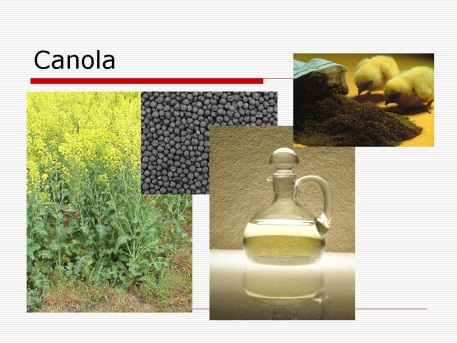
Canola can be used to produce high-quality oil for biodiesel production and high protein meal for animal feed.
Soybeans and canola are both oil seeds that can be used to make high-quality biodiesel. Soybeans are 19% oil and a single bushel will yield about 1.5 gallons of biodiesel. At a market price of $10 to $14 per bushel the soybean cost to produce a gallon of biodiesel can range from $6.67 to $9.33 per gallon. Or to state it another way, if the price of diesel is $4.20/gal making biodiesl on-farm would be like selling soybeans for only $6.30/bu. It was concluded that it would best to sell soybeans rather than use then for on-farm biodiesel production. Canola, or rape seed, contains 40% oil and will yield about 2.8 gal of biodiesel/bu. In the last few years, canola prices have increase from $5/bu to $10/bu. At a diesel price of $4.20/gal the value of the canola would be $11.76/bu which exceeds traditional prices of canola and is slightly higher than recent US prices. Therefore, canola was selected as the preferred crop for on-farm production of biodiesel in this study.
Few canaola buying stations are located in the Southeastern US and as a result canola is typically not grown in swine and poultry producing states such as South Carolina, North Carolina, and Georgia. Canola can be grown in the fall and winter months in a manner similar to wheat which adds to the appeal of using canola for on-farm biodiesel production in southern states.
A crop budget for canola production in the Southeastern US was used with current fertilizer prices to compare the cost to produce canola using purchased fertilizer versus using animal manure to provide all of the N, P2O5, and K2O needs. It was determined that the cost to produce a bushel of canola was about $6.24/bu if commercial fertilizer was used. However, using manure as the sole nutrient source lowered production costs to $3.47/bushel. The input cost to produce biodiesel from canola was determined to be $2.23 per gallon if fertilizer was purchased versus $1.24 per gallon if manure was used to produce canola
Canola meal is a valuable by-product with a protein content of about 33% (extracted by pressing without solvents) and can be used as a protein source in animal feeds. The value of the canola meal was assumed to be $234/ton and the meal production per acre was 0.75 tons. The value of canola meal was determined to be $1.25 per gallon biodiesel. The value of the meal was used as a production credit towards the cost of making biodiesel on-farm. This meal credit can only be realized if the meal is sold at market value or by using canola meal on-farm as a feed ingredient for livestock (e.g. beef or dairy cattle).
Using a moderate biodiesel production cost ($1.50/gal) the cost to make canola biodiesel on farm was $2.36/gal if fertilizer was purchased and $1.49/gal if manure was used as a fertilizer replacement. If the canola meal credit cannot be realized, on-farm biodiesel production cost was $3.61/gal if fertilizer was purchased, and $2.74/gal if manure was used.
What Have We Learned?
The results indicated that:
soybeans are too valuable to be used as a fuel crop,
canola can yield more fuel per acre than soybeans,
fertilizer costs can account for 44% of the cost of producing canola,
animal producers have a substantial advantage since manure can be used as a source of plant nutrients for canola,
obtaining fair market value for canola meal is an essential part of lowering the cost to produce biodiesel, and
making biodiesel for on-farm use or in a cooperative arrangement in a farming community appears to hold an opportunity for animal producers.
Future Plans
This information is being used in extension programs that target animal and row-crop producers.
Authors
Dr. John P. Chastain, Professor and Extension Agricultural Engineer, School of Agricultural, Forestry, and Environmental Sciences, Clemson University, jchstn@clemson.edu
Wilder Ferreira, Extension Economist, School of Agricultural, Forestry, and Environmental Sciences, Clemson University,email: wferrei@clemson.edu
Acknowledgements
Support was provided by the Confined Animal Manure Managers Program, Clemson Extension, Clemson University, Clemson, SC.
The authors are solely responsible for the content of these proceedings. The technical information does not necessarily reflect the official position of the sponsoring agencies or institutions represented by planning committee members, and inclusion and distribution herein does not constitute an endorsement of views expressed by the same. Printed materials included herein are not refereed publications. Citations should appear as follows. EXAMPLE: Authors. 2013. Title of presentation. Waste to Worth: Spreading Science and Solutions. Denver, CO. April 1-5, 2013. URL of this page. Accessed on: today’s date.
A new method was used at the Ag 450 Farm Iowa State University (41.98N, 93.65W) from October 24, 2012 through December 14, 2012 to assess GHG emission from land-applied swine manure on crop land. Gas samples were collected daily from four static flux chambers. Gas method detection limits were 1.99 ppm, 170 ppb, and 20.7 ppb for CO2, CH4 and N2O, respectively. Measured gas concentrations were used to estimate flux using four different models, i.e., (1) linear regression, (2) non-linear regression, (3) non-equilibrium, and (4) revised Hutchinson & Mosier (HMR). Sixteen days of baseline measurements (before manure application) were followed by manure application with deep injection (at 41.2 m3/ha), and thirty seven days of measurements after manure application.
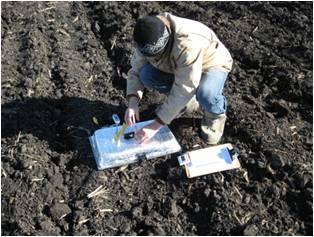
Static flux chamber (pictured) method was developed to measure greenhouse gas emissions from land-applied swine manure from a corn-on-corn system in central Iowa in the Fall of 2012. Gas samples were collected in vials and transported to the Air Quality Laboratory at Iowa State University campus.
Why Study Greenhouse Gases and Land Application of Swine Manure?
Assessment of greenhouse gas (GHG) emissions from land-applied swine manure is needed for improved process-based modeling of nitrogen and carbon cycles in animal-crop production systems.
What Did We Do?
We developed novel method for measurement and estimation of greenhouse gas (CO2, CH4, N2O) flux (mass/area/time) from land-applied swine manure. New method is based on gas emissions collection with static flux chambers (surface coverage area of 0.134 m^2 and a head space volume of 7 L) and gas analysis with a GC-FID-ECD.
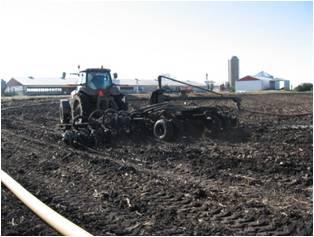
Baseline (post tilling) greenhouse gas (GHGs) emissions monitoring was followed with swine manure application in the Fall of 2012 (pictured) and about 10 weeks of post-application monitoring of GHGs.
New method is also applicable to measure fluxes of GHGs from area sources involving crops and soils, agricultural waste management, municipal, and industrial waste. New method was used at the Ag 450 Farm Iowa State Univeristy (41.98 N, 93.65 W) from October 24, 2012 through December 14, 2012 to assess GHG emission from land-applied swine manure on crop (corn on corn) land. Gas samples were collected daily from four static flux chambers. Gas method detection limits were 1.99 ppm, 170 ppb, and 20.7 ppb for CO2, CH4, and N2O, respectively.
What Have We Learned?
Measured gas concentrations were used to estimate flux using four different mathematical models, i.e., (1) linear regression, (2) non-linear regression, (3) non-equilibrium, and (4) revised Hutchinson & Mosier (HMR). Sixteen days of baseline measurements (before manure application) were followed by manure application with deep injection (at 41.2 m3/ha), and thirty seven days of measurements after manure application. Preliminary net cumulative flux estimates ranged from 115,000 to 462,000 g/ha of CO2, -4.65 to 204 g/ha of CH4, and 860 to 2,720 g/ha N2O. These ranges are consistent with those reported in literature for similar climatic conditions and manure application method.
Greenhouse gases (GHGs) were analyzed in the Air Quality Laboratory (ISU) using dedicated GHGs gas chromatograph. The picture above shows an example of gas sample analysis for CO2, GH4 and N2O. Each ‘peak’ represents one of the tagget GHGs. Gas concentrations were used in a mathematical model to estimate GHG flux (mass emitted/area/time).
Future Plans
Spring 2013 measurements of GHG flux from land-applied swine manure are planned. The spring study will follow the protocols developed for the Fall 2012 season. Estimates of the Spring and Fall GHG flux will be used to develop GHG emission factors for emissions from swine manure in Midwestern corn-on-corn systems. Emission factors will be compared with literature data.
Authors
Dr. Jacek Koziel, Associate Professor, Iowa State University Department of Agricultural and Biosystems Engineering koziel@iastate.edu
Devin Maurer, Research Associate, Iowa State University Department of Agricultural and Biosystems Engineering
Kelsey Bruning, Undergraduate Research Assistant, Iowa State University Department of Civil, Construction and Environmental Engineering
Tanner Lewis, Undergraduate Research Assistant, Iowa State University Department of Agricultural and Biosystems Engineering
Danica Tamaye, Undergraduate Research Assistant, University of Hawaii College of Agriculture, Forestry, and Natural Resource Management
William Salas, Applied Geosolutions
Acknowledgements
We would like to thank the National Pork Board for supporting this research.
The authors are solely responsible for the content of these proceedings. The technical information does not necessarily reflect the official position of the sponsoring agencies or institutions represented by planning committee members, and inclusion and distribution herein does not constitute an endorsement of views expressed by the same. Printed materials included herein are not refereed publications. Citations should appear as follows. EXAMPLE: Authors. 2013. Title of presentation. Waste to Worth: Spreading Science and Solutions. Denver, CO. April 1-5, 2013. URL of this page. Accessed on: today’s date.
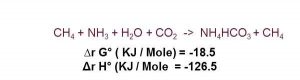
This paper presents a description of the ABFX (Ammonium Bicarbonate Fiber Explosion) pretreatment process. The ABFX process is an extremely simple and inexpensive process that possesses the attributes of the Ammonia Fiber Explosion Process (AFEX) and CO2 explosion process while eliminating the cost associated with high temperature, high pressure and ammonia recovery. The process uses ammonia bicarbonate (ABC) recovered from anaerobic digestate to pretreat the substrate. The ABC is simply added to the substrate, pumped to a reactor, heated to temperatures less than 100°C, for a short duration. The pressure created by ABC volatilization is then released and the gases (CO2, NH3, H2O) condensed at ambient temperature to produce ABC that is then reused in the process. The process can operate with low temperature waste heat.
This paper presents a description of the process and the results of a National Science Foundation Small Business Innovative Research investigation that compared the methane gas yields from both pretreated and untreated grass silage and pretreated and untreated screened (screw press) dairy manure solids. The ABFX pretreated manure solids produced 38% more methane gas than the untreated while the ABFX pretreated grass silage produced 14% more methane gas than the untreated. The economic benefits of the process will be discussed.
Is There Potential to Improve Methane Yields from Manure?
A large fraction of municipal solid waste (MSW), crop residues, animal manures, forest residues, or dedicated energy crops are composed of lignocellulouse. Lignocellulosic substrates consist of a tightly woven matrix of cellulose, hemicellulose, and lignin polymers. Biological degradation of these polymers are carried out by a variety of enzymes. Pretreatment can enhance the bioconversion of the wastes or cop residues for ethanol or biogas production by increasing the accessibility of the enzymes to the substrate. Thus, pretreatment can increase the energy yield (biogas or ethanol) while decreasing the residual waste to be disposed.
Anaerobic bacteria easily convert the hemicellulose and amorphous cellulose to gas. However, conversion of the crystalline cellulose and lignin is far more difficult. Lignin is not converted to gas by anaerobic organisms. Only a fraction of the crystalline cellulose is converted to gas within the detention times commonly used (20 days) in anaerobic digestion. Pretreatment is required to rupture the crystalline cellulose for enzymatic hydrolysis. A wide variety of pretreatment technologies have been developed. Dilute acid pretreatment solubilizes the hemicellulose. Alkali, lime or sodium hydroxide pretreatment solubilize the lignin thus exposing the hemicellulose and cellulose for enzymatic attack. A variety of explosion processes such as steam, carbon dioxide, and liquid ammonia (AFEX) have also been developed that disrupt the crystalline cellulose and hemicellulose. Ammonia soaking, over prolonged periods of time, has also been used to pretreat straw for animal feed and thereby improve rumen digestibility and animal weight gain. All of the processes use high pressure and temperature, or toxic chemicals. The commonly used, conventional processes are not suitable for on-farm use.
What Did We Do?
Figure 1: ABFX Process
We substantiated the feasibility of a breakthrough pretreatment technology under a National Science Foundation Small Business Innovative Research (SBIR) grant that used the non-toxic Ammonium Bicarbonate (ABC) recovered from the anaerobic digestate. The pretreatment was accomplished with a simple device, shown in Figure 4, composed of a pump, that pumps the solid biomass substrate, mixed with a small amount of ABC, into a reactor. The reactor is closed and heated to temperatures below the boiling point of water. Once heated the ABC breaks down to its water, ammonia, and carbon dioxide components putting the contents under significant pressure. The pressure is then rapidly released causing the explosion or disruption of the lignocellulosic substrate and the breakdown of the crystalline cellulose. The gases (H2O, NH3, and CO2), are then condensed in a separate chamber to produce ABC that is reused in the next cycle. Nothing is wasted. The ABC is recovered and reused. The applied heat and detention time provided is sufficient to pasteurize the biomass and meet the temperature requirements of the downstream anaerobic reactor. It is a simple process composed of a solids pump, heat pump, and two low detention time (10± minutes) reactors.
The SBIR research consisted of pretreating both grass silage and concentrated, screw press, manure solids and digesting both pretreated and untreated silage and manure solids. The pretreated and untreated solids were digested in 10 reactors at a 12.5 day HRT and 35°C.
What Have We Learned?
Pretreatment of the grass silage increased the methane yield 16% over several months of operation. Pretreatment increased the methane yield from the pretreated manure solids by 35% over the same period. The increased gas yield was approximately equal to the methane yield from the crystalline cellulose present in the substrate that is normally not converted to gas. The research demonstrated the feasibility of pretreating lignocellulosic substrates in a simple, short detention time, low temperature process that does not dilute the substrate stream or use toxic chemicals such as liquid or gaseous ammonia, acids, or caustic.
Future Plans
The current plan is to build a prototype facility to pretreat a variety of crop residuals (corn stover, rice straw, wheat straw), dry feedlot manure and poultry litter.
The authors are solely responsible for the content of these proceedings. The technical information does not necessarily reflect the official position of the sponsoring agencies or institutions represented by planning committee members, and inclusion and distribution herein does not constitute an endorsement of views expressed by the same. Printed materials included herein are not refereed publications. Citations should appear as follows. EXAMPLE: Authors. 2013. Title of presentation. Waste to Worth: Spreading Science and Solutions. Denver, CO. April 1-5, 2013. URL of this page. Accessed on: today’s date.
An economical process to capture residual ammonia nitrogen and reduce the production of new ammonia via the Haber process is needed. The CO2, N2O and NOx emissions from nitrification and denitrification of industrially created ammonia will be reduced as a result. The ammonia product should be sold at a profit, but less than $1,700 / ton N.
This paper describes the ABC process and presents the ammonia recovery and biomethane production results of a pilot investigation of the ABC process for the recovery of ammonia nitrogen. The work was supported by the US Department of Agriculture (USDA) under a Small Business Innovative Research project. The ABC process uses no chemicals and very little energy. The process recovers the ammonia as crystalline ammonium bicarbonate (ABC). In the process of producing the ABC, carbon dioxide is removed from the biogas to produce “biomethane”, a transportation quality fuel at little or no cost.
Figure 1 Pilot RPB without Cover.
Is It Possible to Recover Ammonia Economically?
The discharge of ammonia nitrogen is a well recognized adverse consequence of anaerobic waste treatment. As a result, further treatment to remove ammonia is required. A wide variety of processes have been developed to address the “ammonia issue”. The commonly used processes are the many variations of nitrification / denitrification and Anammox processes. The Anammox (anaerobic ammonium oxidation) process is the least expensive and produces significantly less GHG (N2O). The nitrification / denitrification and Anammox processes directly convert ammonia to nitrogen gas (N2) resulting in the loss of the ammonia resource at a treatment cost of approximately $1,600 / ton N for a large facility. The ammonia that is destroyed must be replenished through the Haber-Bosch process that requires 32 GJ of energy per ton of ammonia to produce and similar energy consumption to transport. The production and transport have a cost of $1,200 / ton N while producing substantial GHG emissions. The minimum total cost of destroying and replacing ammonia is greater than $2,800 / ton N. An economical process to capture residual ammonia nitrogen for reuse, while reducing the production of new ammonia via the Haber process, is needed. The CO2, N2O, and NOx emissions from nitrification and denitrification of industrially created ammonia will be reduced as a result.
A number of processes have been developed over the past 50 years to remove and recover ammonia as an ammonium sulfate or nitrate fertilizer. Several facilities were constructed in the EU in the 1970’s. Those facilities were however uneconomical because of the high cost of chemicals (acid, lime, sodium hydroxide) and sludge disposal. Modification of those processes that use ion exchange, as opposed to ammonia stripping, remain uneconomical since they also require caustic, salt, and sulphuric acid to remove ammonia and recover ammonium sulphate. An economical process that can recover ammonia as a solid product without the use of hazardous chemicals is required.
Figure 2 Ammonium Bicarbonate (ABC)
What Did We Do?
E3 developed the Ammonium Bicarbonate Recovery (ABCR) process that recovers the ammonia as a crystalline solid pathogen free, inorganic fertilizer without the use of any chemicals. In the process of producing the Ammonium Bicarbonate (ABC), carbon dioxide is removed from the biogas to produce “biomethane”, a transportation quality fuel at little or no cost. The products of the process are biomethane quality transportation fuel and solid ammonium bicarbonate fertilizer that can be used for the pretreatment of lignocellulosic substrates.
To overcome the ammonia reclamation process deficiencies, E3 developed the Rotating Photo Bioreactor (RPB) shown in Figure 1. The RPB is a horizontal ammonia stripping reactor that removes the ammonia without the use of any chemicals. An operating demonstration can be seen here
The stripped ammonia and water vapor are condensed to form a concentrated aqua ammonia solution. Turbid, ammonia laden, anaerobic digestate flows through a fixed film photo bioreactor, that uses natural and/or artificial light, to culture cyanobacteria that consume the bicarbonate in the digestate thus raising the pH to values exceeding 10. At the higher pH, the ionized ammonia (NH4+) is shifted to the gas form, NH3 that can be stripped by the low pressure gas flowing from the condensation unit over the upper portion of the rotating disks. Very little blower pressure is required. The impact of digestate turbidity is minimized by the thin liquid film flowing over the partially submerged rotating disks supporting the bicarbonate consuming cyanobacteria that require light. The ammonia laden gas is then returned to the condenser where the ammonia gas and water are condensed to recover concentrated aqua ammonia. The system operates at low liquid and gas pressures through the use of a heat pump and low pressure gas blower.
The aqua ammonia condensate is recovered when the effluent is being discharged from the digester. The condensate is stored in a tank for use throughout the day to clean the biogas by removing the carbon dioxide and hydrogen sulfide in the digester’s gas. The ammonia condensate is sprayed into the biogas stream where the ammonia and water react with the carbon dioxide to produce a solid ammonium bicarbonate precipitate that is removed, bagged, and stored as a renewable, low carbon footprint fertilizer to be applied to the fields when needed for crop growth or blended with the solid residuals to produce a balanced fertilizer.
What Have We Learned?
The pilot investigation substantiated that high BTU (990±) biomethane could be produced from biogas while recovering 85%± of the ammonia present in the digestate at less capital and O&M cost of producing electricity.
Future Plans
The current plan is to build a full scale operating facility treating high nitrogen content manure such as poultry manure.
The authors are solely responsible for the content of these proceedings. The technical information does not necessarily reflect the official position of the sponsoring agencies or institutions represented by planning committee members, and inclusion and distribution herein does not constitute an endorsement of views expressed by the same. Printed materials included herein are not refereed publications. Citations should appear as follows. EXAMPLE: Authors. 2013. Title of presentation. Waste to Worth: Spreading Science and Solutions. Denver, CO. April 1-5, 2013. URL of this page. Accessed on: today’s date.
Why Are We Concerned About Drug Residues in Animal Mortality Compost?
With disease issues, the decline of the rendering industry, a ban on use of downer cows for food, and rules to halt horse slaughter, environmentally safe and sound practices for disposal of horses and other livestock mortalities are limited. Improper disposal of carcasses containing veterinary drugs has resulted in the death of domestic animals and wildlife. Composting of carcasses has been performed successfully to reduce pathogens, nutrient release, and biosecurity risks. However, there is concern that drugs used in the livestock industry, as feed additives and veterinary therapies do not degrade readily and will persist in compost or leachate, threatening environmental exposure to wildlife, domestic animals and humans.
Two classes of drugs commonly used in the livestock and horse industries include barbiturates for euthanasia and non-steroidal anti-inflammatory drugs (NSAID) for relief of pain and inflammation. Sodium pentobarbital (a barbiturate) and phenylbutazone (an NSAID) concentrations in liver, compost, effluent and leachate were analyzed in two separate horse carcass compost piles in two separate years. Horse liver samples were also buried in 3 feet of loose soil in the first year and drug concentrations were assessed over time.
What did we do?
Year 1- On 9/22/09 a 6 x 6 m piece of 10 mil plastic sheeting was laid on bare soil with a 2% slope, at the edge of Cornell University’s compost site in Ithaca, NY. Water was poured on the plastic to check the direction of flow. A hole was dug at the low end of the pad, under the plastic, large enough to fit a 76 l galvanized garbage can. A stainless steel canner was placed in the garbage can to collect effluent. A hole was cut in the plastic over the canner for collection. A 0.6 m high base (3.7 x 3.7 m) of coarse carbon material (woodchips) was laid on the plastic. A 27 year old Appaloosa mare, weighing approximately 455 kg that had been dosed with 1 gram phenylbutazone at midnight on 9/22/09 and again at 8:00 am was led onto the base and euthanized for severe lameness by a qualified veterinarian with 120 ml Fatal Plus® solution (active ingredient 390 mg/ml Pentobarbital Sodium). After the horse had been euthanized and the veterinarian ensured there were no signs of life, the carcass was maneuvered onto the wood chips with the head on the upward slope of the pad. The liver was removed from the horse and cut into 48 pieces, each weighing approximately 100 grams, and nylon mesh bags were then placed in whiffle balls. A 2 m length of nylon twine was attached to each ball. Twenty-three balls were inserted in the horse’s gut cavity and 22 balls were placed in a 1 m hole in the ground (burial hole) which was dug approximately 1.5 m from the pad. Pieces of the intestine and some blood were also placed in the hole to help mimic the presence of a carcass. The remaining 3 nylon mesh bags with liver were packaged for delivery to Cornell University’s Animal Health Diagnostic Center (AHDC) to determine initial NSAID and barbiturates concentrations. Two Hobo U12 data loggers with 4 temperature probes each were set up to record hourly temperatures. Five of the probes were placed in the compost pile: under the horse’s chest, in the horse’s hind gut, in the horse’s chest cavity, under the horse’s spine and under the horse’s right hind quarter. Two of the probes were placed in the burial hole and one probe was left out to record ambient temperature. The hole was covered with loose soil. The horse was covered with woodchips so that the pile was approximately 1.8 m high. The plastic liner was tightened by rolling it over and under wooden fence posts.
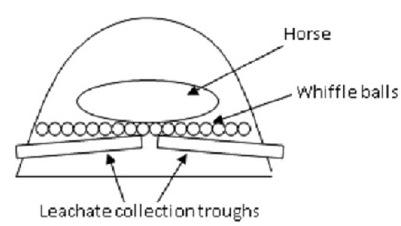
Year 2- In year 1, the collection of “leachate” included precipitation that diluted the leachate. In year 2, to target only the liquids that leached out of the horse and through the pile, two 3 m long troughs with a 1% slope were built out of 15 and 10 cm diameter PVC pipe attached to 5 x 15 cm untreated lumber. The troughs were placed on the pad from the centerline to the edge of the pile end-to-end with slopes going toward the outside of the pile. Leachate drained via gravity into 2-liter polyethylene bottles attached to the troughs. The exposed ends of the troughs were covered with 1 m length of aluminum flashing to keep rainwater out of the collection bottles.
On 8/10/10 the leachate collection troughs were laid on bare soil with a 2% slope at the edge of Cornell University’s compost site in Ithaca, NY. A 0.6 m high base (3.7 x 3.7 m) of coarse carbon material (woodchips) was laid on top of the troughs. A 22 year old horse weighing approximately 590 kg, that had been dosed with 1 gram phenylbutazone at midnight on 08/10/10 and again at 7:30 am, was led onto the base and euthanized by a qualified veterinarian with 300 mg xylazine as a sedative, then with 120 ml Fatal Plus® solution (active ingredient 390 mg/ml Pentobarbital Sodium). After the horse had been euthanized and the veterinarian ensured there were no signs of life, the carcass was maneuvered on the wood chips with the head on the upward slope of the pad. The veterinarian took 4 tubes of blood from a vein in the nose and a vein in the front leg of the horse in heparinized Vacutainer® tubes for initial concentrations of pentobarbital and phenylbutazone. Twenty-six whiffle balls that had been pre-filled with wood chips (the base material of the compost pile) were placed such that they would be under the horse and liquids coming from the horse would be absorbed by the chips inside the balls, as well as in the surrounding base material, while the excess would drain down the leachate collection troughs and be captured in the 2 liter bottles at the end of the troughs (Figure 1). One Hobo U12 data logger with 4 temperature probes was set up to record hourly temperatures. The probes were placed under the horse’s neck and rump, on top of the horse’s abdomen, and one was left out to record ambient temperature. The horse was covered with woodchips so that the pile was approximately 1.8 m high. Additional woodchips were added to the pile on August 13 and the pile was covered with a breathable polyester compost cover to collect only what was leaching from the animal.
Figure 1 Cross-section of horse compost pile showing placement of leachate collection troughs and woodchip-filled whiffle balls.
On 8/10/10 a 0.6 m high base (3.5 x 3.5 m) of coarse carbon material was laid near the horse compost pile. A 455 kg 3 year, 7 month old, 2nd lactation Holstein cow was euthanized, due to a lung abscess, in the same manner as the horse (300 mg xylazine, followed by 120 ml Fatal Plus®). Four tubes of blood were withdrawn from her milk vein as described for the horse. One Hobo U12 data logger with 4 temperature probes was set up to record hourly temperatures. The probes were placed under the cow’s udder and rear leg, on top of the cow’s back, and one was left out to record ambient temperature. The cow was then covered with woodchips so that the pile was approximately 1.8 m high. Additional woodchips were added to the pile the following day before the pile was covered with a compost cover.
What did we learn?
In year one, phenylbutazone concentrations in the liver of the horse were undetectable (< 10 ppb) by 20 days of composting or burial in loose soil and were undetectable in effluent from the pile at the time of first sampling on day 6. Pentobarbital concentrations were undetectable (< 10 ppb) in liver samples retrieved from both the compost pile and loose soil by day 83. Rate of decay was faster in the soil, exponentially decreasing by 18% per day, with a half-life of 3 days, than in the compost pile where there was a 2% decrease per day and a half-life of 31 days, but occurred at the same rate of 1% and a half-life between 55 and 67 mesophilic degree days when calculated on the number of mesophilic degree days to which it was exposed. This suggests that breakdown of pentobarbital is not initiated by the heat of composting, but by the biological degradation that occurs in both soil and compost at mesophilic temperatures. Pentobarbital in the effluent decreased by 20% per day with a half-life of 3.1 days but was still detectable (0.1 ppm) at 223 days of composting.
In year 2, phenylbutazone was not detected in any of the samples analyzed (compost and leachate) other than blood taken from the jugular vein of the horse immediately after euthanasia. Pentobarbital concentrations in the compost were still detectable after 224 days of composting, but had decreased from 79.2 (initial) to 5.8 ppm. Pentobarbital in leachate was 2.2 ppm at day 56 of composting, after which no additional fluids leached into the leachate collection containers. Rate of decay in the leachate was 35.2% per day with a half-life of 1.6 days. When managed properly, composting will deter domestic and wild animals from scavenging on treated carcasses while they contain the highest drug concentrations providing an effective means of disposal of euthanized and/or NSAID treated livestock. The resulting compost contains either no or very low concentrations of both NSAIDs and barbiturates rendering it safe for use in agriculture.
Barbiturate poisoning in domestic and wild animals has occurred from ingestion of tissue from animals euthanized with pentobarbital. Many of the reported cases have occurred from direct feeding on improperly disposed livestock in which little or no degradation or biotransformation of pentobarbital has occurred. During the time period in which carcasses would be desirable to domestic and wild animals as a food source, composting creates sufficient heat to deter them from digging in to the pile. In addition, when covered properly, the smell of decomposition is minimized, also reducing attraction. The diverse community of microorganisms in the compost pile aids in the degradation and biotransformation of pentobarbital, especially after the thermophilic phase of composting is over. Properly implemented composting, as a means of disposal of euthanized or NSAID treated livestock, will deter domestic and wild animals from scavenging for carcasses when they contain the highest drug concentrations. The resulting compost contains either no or very low concentrations of either NSAIDs or barbiturates, rendering the compost safe for use in agriculture.
Future Plans
Education and implementation work continues in this area nationally and internationally. A 5th International Symposium on Depopulation and Disposal of Livestock is in the planning stages. A study on the Fate of anthelmintics (drugs that expel parasitic worms from the body) in livestock manure has just been completed.
Authors
Jean Bonhotal, Mary Schwarz, Cornell University, Cornell Waste Management Institute, Ithaca, NY
Karyn Bischoff, Joseph G Ebel, Jr. Cornell University, College of Veterinary Medicine, Ithaca, NY
The authors are solely responsible for the content of these proceedings. The technical information does not necessarily reflect the official position of the sponsoring agencies or institutions represented by planning committee members, and inclusion and distribution herein does not constitute an endorsement of views expressed by the same. Printed materials included herein are not refereed publications. Citations should appear as follows. EXAMPLE: Authors. 2013. Title of presentation. Waste to Worth: Spreading Science and Solutions. Denver, CO. April 1-5, 2013. URL of this page. Accessed on: today’s date.
Farming in the driftless region of Wisconsin where the steep fields and waterways are all connected to rivers and streams can have signficant risks to water quality. Sediment and nutrient movement into streams, rivers, and lakes in this part of the state has always been an issue, and agriculture has been identified as the largest contributor. This talk is given by a farmer living and farming in one of the most challenging areas of the country.
What Did We Do?
Home dairy farm
For seven years, the UW – Discovery Farm Program (DFP) and the United States Geological Survey (USGS) conducted a paired research project on a livestock operation in the driftless region of Wisconsin. This farm consisted of about 800 acres of tillable acres where fields are steep (some >30% slope), and every one drains into a waterway or stream which eventually flows into the Mississippi River.
What Have We Learned?
The USGS installed two in-stream monitoring stations in two small headwater streams that divide the farm. The north basin consists of 430 acres with 150 acres cropland, 250 acres woodland, and 30 acres pasture. The south basin consists of 215 acres with 39 acres cropland and pasture, 107 acres woodland, and 69 acres in CRP/CREP. The farming system uses a combination of conservation tools and techniques that have been adapted to fit the physical setting of the area, and the goals and vision of the producer who has a rich history of conservation. Harvesting precipitation is constantly at the forefront of operations through careful soil management, a network of small check dams and larger at-grade stabilization structures, and a focus on minimizing soil disturbance activities. Seven years of data indicated that almost all sediment losses occurred during a few large summer storms that exceed the design criteria.
Overlooking the dairy farm
Future Plans
This project is completed and all that remains is the development of outreach and education materials.
Eric Cooley, Outreach Specialist, UW – Discovery Farms
Dam on the farm
Additional Information
Information is available through the website (http://www.uwdiscoveryfarms.org) or by contacting the office at 1-715-983-5668.
The authors are solely responsible for the content of these proceedings. The technical information does not necessarily reflect the official position of the sponsoring agencies or institutions represented by planning committee members, and inclusion and distribution herein does not constitute an endorsement of views expressed by the same. Printed materials included herein are not refereed publications. Citations should appear as follows. EXAMPLE: Authors. 2013. Title of presentation. Waste to Worth: Spreading Science and Solutions. Denver, CO. April 1-5, 2013. URL of this page. Accessed on: today’s date.
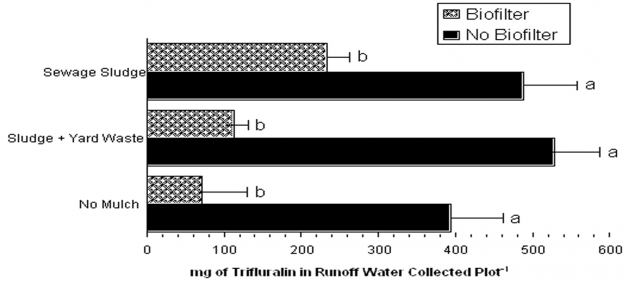
Recycling waste such as municipal sewage sludge (SS) and yard waste (YW) for use as low-cost fertilizer resulted in positive effects on the growth and yield of vegetable crops. Eighteen runoff plots were established at Kentucky State University research farm (Franklin County, KY) to study the impact of soil amendments on reducing surface runoff water contamination by residues of dimethazone and trifluralin herbicides arising from agricultural fields. Three soil management practices: municipal sewage sludge (SS), SS mixed with YW, and no-mulch rototilled bare soil were used to monitor the impact of soil amendments on herbicide residues in soil following natural rainfall events. Biobeds (a soil cavity filled with a mixture of wheat straw, peat moss, and top soil) reduced dimethazone and trifluralin by 84 and 82%, respectively in runoff water that would have been transported down the land slope of agricultural fields and contaminate natural water resources. Biobeds installed in SS and SS+YW treatments reduced dimethazone by 65 and 46% and trifluralin by 52 and 79%, respectively. We concluded that soil amendments could be used to intercept pesticide-contaminated runoff from agricultural fields, creating optimum conditions for sorption and biodegradation such that the amount of pesticides adjacent to water bodies is significantly reduced. This practice might provide a potential solution to pesticide contamination of surface and seepage water from farmlands.
What Did We Do?
Eighteen runoff plots were established at Kentucky State University research farm to study the impact of soil amendments on reducing surface runoff water contamination by residues of dimethazone and trifluralin herbicides arising from agricultural fields.The field trial area was established on a Lowell silty loam soil (pH 6.7, 2% organic matter) of 10% slope located at the Kentucky State University (KSU) Research Farm (Franklin County, KY). The farm is located in the Kentucky River Watershed in the Blue Grass Region. Eighteen (18) field plots of 3.7 m wide and 22 m long each were installed with stainless steel borders along each side to prevent cross contamination between adjacent treatments. A gutter was installed across the lower end of each plot with 5% slope to direct runoff to the tipping buckets and collection bottles for runoff water measurement. At the bottom of each plot, a pan lysimeter (n=18) of 1.5 m deep was installed for collecting infiltration water following natural rainfall events.
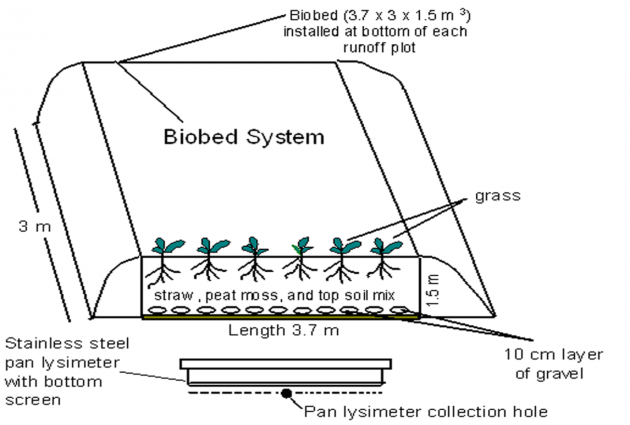
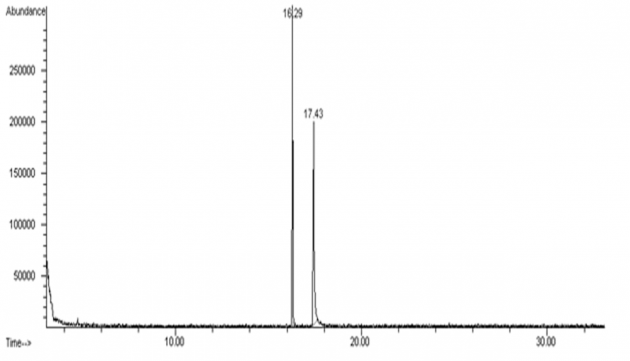
At the lower end of each of nine experimental plots, nine biobed systems were installed (Figure 1.). Three soil management practices were used in experimental plots: 1) municipal sewage sludge obtained from Metropolitan Sewer District, Louisville, KY was mixed with yard waste compost (obtained from Con Robinson Company, Lexington, KY) and incorporated into native soil at 15 t acre-1 (on dry weight basis) with a plowing depth of 15 cm, 2) municipal sewage sludge was mixed with native soil at 15 t acre-1 (on dry weight basis) with a plowing depth of 15 cm, and 3) a no-mulch (NM) control treatment (roto-tilled bare soil) was used for comparison purposes. The soil in the experimental area was sprayed with a mixture of dimethazone (Command 3ME) and trifluralin (Treflan) formulations at the recommended rates of application in Kentucky. [1] Seedlings of muskmelon (Cucumis melo cv. Athena) and bell pepper (Capsicum annuum cv. Artistotle) were planted with 25 and 60 cm in-row spacing, respectively. Runoff water under three natural rainfall events was collected and quantified at the lower end of each plot throughout the growing season using tipping-bucket runoff metering apparatus. Pan lysimeters were used to monitor the presence or absence of pesticide residues in the vadose zone, the unsaturated water layer below the plant root. Trifluralin and dimethazone were extracted with 150 mL of a mixture of methylene chloride [CH2Cl2] + acetone (6:1, v/v) using liquid-liquid partition. Concentrated extracts were injected into a gas chromatograph (GC) equipped with flame ionization detector (FID). The gas chromatograph (HP 5890, Hewlett Packard) was equipped with a 30-m (0.23-mm diameter, 0.33-µm film thickness) fused silica capillary column with HP-5 (5% phenyl polysiloxane, 95% methyl polysiloxane) liquid phase. Operating conditions were 230, 250, and 280 °C for injector, oven, and detector, respectively. Under these conditions retention times (Rt) of trifluralin and dimethazone averaged 16.29 and 17.43 min, respectively (Figure 2).
Figure 1. Schematic diagram of a slot-mulch biobed system. Note that a pan lysimeter is installed at the bottom of each biobed system to collect infiltration water and monitor herbicide mobility.
Figure 2. Gas chromatographic (GC) chromatograms of native soil extracts prepared in acetonitrile: hexane: methanol (45:45:10 v/v) at 1 h (upper graph) and 3 d (lower graph) following spraying with a mixture of Clomazone and Treflan formulations at the recommended rate of application
What Have We Learned?
Herbicide residues detected in soil and water (Figures 3 & 4) were confirmed using gas chromatography (GC)/mass spectrometry (GC/MS) (Hewlett Packard Model 5971a). The increased organic matter content of soil due to the addition of soil amendments (SS and SS mixed with YW compost) increased the concentration of dimethazone and trifluralin retained in soil. Dimethazone residues extracted from SS and SS+YW compost increased by 14 and 50%, respectively compared to no-mulch soil. Similarly, trifluralin residues increased by 17 and 75% in SS and SS mixed with yard waste, respectively, compared to no-mulch native soil. This could be explained by the adsorption properties of dimethazone on soil particles [2] that varied with increasing percentages of organic matter following the addition of amendments as well as the partial degradation of dimethazone by soil microbes. [3] Loux et al. [2] proposed hydrophobic bonding to organic matter to be the primary mechanism of dimethazone sorption and that bioavailability and dissipation of dimethazone in soil are determined by dimethazone adsorption properties. Yard waste compost contains significant concentrations of humic acid, the main constituent of soil organic matter. Functional groups in humic acid, namely carboxylic and phenolic groups appeared to be the principle sites for the adsorption and interaction with trifluralin. [4]
Table 1. indicated that the soil binding property (Koc) of dimethazone is 150-562 mL g-1 while Koc of trifluralin is 8,000 mL g-1. Greater Koc values of trifluralin indicated a tighter binding to the soil particles. Plots amended with SS+YW mix increased volume of water percolated into the vadose zone by 55% compared to no-mulch treatments. Plots with biofilters also increased the volume of water percolated into the vadose zone. This increase was greatest (44%) in SS+YW treatments. This increase could be attributed to the reduced bulk density and increased soil particle interspaces after addition of yard waste compost. As indicated previously, water solubility, vapor pressure, and Koc value of a pesticide have a great impact on its mobility and distribution in the environment. Dimethazone residues in infiltration water were reduced from 0.5 to 0.31 mg plot-1 (38 % reduction), while trifluralin residues were reduced from 17.7 to 7.3 mg plot-1 (60 % reduction). This is attributed to the presence of biobeds (biofilters) as well as the physical and chemical characteristics of each of the two herbicides that vary from the high water solubility and low Koc values of dimethazone to the low water solubility and high Koc values of trifluralin (Table 1).
Figure 3. Dimethazone residues in runoff water (upper graph) and trifluralin residues in runoff water (lower graph) collected down the land slope under three soil management practices. Each plot is 3.7 m x 22 m long (0.02 acre). Statistical comparisons were done between plots with biofilters and plots with no biofilters.
Figure 4. Dimethazone residues in infiltration water (upper graph) and trifluralin residues in infiltration water (lower graph) collected under three soil management practices. Statistical comparisons were done between plots with biofilters and plots with no biofilters.
Future Plans
Future objectives will be to test the performance of biobed systems in reducing trace-elements mobility from soil amendments into runoff and seepage water.
Authors
George F. Antonious, Professor, Kentucky State University –College of Agriculture, Food Science, and Sustainable Systems- Division of Environmental Studies and Sustainable Systems, Frankfort, KY 40601, USA george.antonious@kysu.edu
Eric T. Turley, Co-Investigator, Kentucky State University-College of Agriculture, Food Science, and Sustainable Systems- Division of Environmental Studies and Sustainable Systems, Frankfort, KY 40601, USA
Regina R. Hill, Research Assistant, Kentucky State University-College of Agriculture, Food Science, and Sustainable Systems- Division of Environmental Studies and Sustainable Systems , Frankfort, KY 40601, USA
The authors acknowledges Darrell Slone and Janet Pfeiffer for their kind assistance in planting pepper and melon at KSU research farm. This investigation was supported by two grants from USDA/CSREES to Kentucky State University under agreements No.KYX-10-08-43P & No.KYX-2006-1587.
The authors are solely responsible for the content of these proceedings. The technical information does not necessarily reflect the official position of the sponsoring agencies or institutions represented by planning committee members, and inclusion and distribution herein does not constitute an endorsement of views expressed by the same. Printed materials included herein are not refereed publications. Citations should appear as follows. EXAMPLE: Authors. 2013. Title of presentation. Waste to Worth: Spreading Science and Solutions. Denver, CO. April 1-5, 2013. URL of this page. Accessed on: today’s date.
Managing manure and manure nutrients is one of the most visible aspects of environmental stewardship for many farms. The materials on this page developed for use in classrooms and extension programs, and for self-study by farmer, and ag professionals.
Agriculture Professionals and Farmers
These materials were used to create a self study module which includes the option to receive a certificate upon successful completion of the quiz.
Teachers and extension staff are welcome to download these materials and utilize them in your classroom or programs. To preview the materials before downloading, scroll below the table. View Lesson Plan.
If you utilize these materials please take 3 minutes and tell us if they are helpful. Thank you!! Go to survey…
Check out more educational modules available on livestock and poultry environmental stewardship. These modules have been cross-referenced to the National AFNR career content cluster standards.
6. Liquid and Solid Manure Application
(7 files; 65 MB)
Note: due to size, the “Surface Application” video is not in the ZIP file and needs to be downloaded separately.
*Use the .pdf format if you wish to print the fact sheets and use as-is. Use the .docx format if you want to edit the fact sheet.
Preview 1-3: Nutrient Management Planning, Regulations, Water Quality
Note: the activity preview only shows four (of 52) slides. The links (blue text) do not function in this preview, but they will work when you download the .ppt version.
Jerry Clark, Jerome.Clark@wisc.edu, University of Wisconsin-Madison, Division of Extension, Chippewa and Eau Claire Counties
Carl Duley, University of Wisconsin-Madison, Division of Extension, Buffalo County, Carl.Duley@wisc.edu
Ted Bay, University of Wisconsin-Madison, Division of Extension, Grant County
Dave Lucinani, University of Wisconsin-Madison, Division of Extension, dluciani@wisc.edu
Reviewers: USDA NRCS staff
Building Environmental Leaders in Animal Agriculture (BELAA) is a collaborative effort of the National Young Farmers Educational Association, University of Nebraska-Lincoln, and Montana State University. It was funded by the USDA National Institute for Food and Agriculture (NIFA) under award #2009-49400-05871. This project would not be possible without the Livestock and Poultry Environmental Learning Center the National eXtension Initiative, National Association of County Ag Agents (NACAA), National Association of Agriculture Education (NAAE), Farm Credit Services of America, American Registry of Professional Animal Scientists (ARPAS), and Montana FFA Association.
Developing plans and keeping records are a necessary part of managing animals. Planning processes are designed to chart a path toward making the best possible management decisions. Good records are often the only way to demonstrate that they followed the plan or, in some cases, explain deviations from the plan. Permitted operations may be required to develop specified plans and keep related records. Even non-permitted operations may need plans and records for cost-share eligibility or to certify their products for a particular market.
To provide the best experiences, we use technologies like cookies to store and/or access device information. Consenting to these technologies will allow us to process data such as browsing behavior or unique IDs on this site. Not consenting or withdrawing consent, may adversely affect certain features and functions.
Functional
Always active
The technical storage or access is strictly necessary for the legitimate purpose of enabling the use of a specific service explicitly requested by the subscriber or user, or for the sole purpose of carrying out the transmission of a communication over an electronic communications network.
Preferences
The technical storage or access is necessary for the legitimate purpose of storing preferences that are not requested by the subscriber or user.
Statistics
The technical storage or access that is used exclusively for statistical purposes.The technical storage or access that is used exclusively for anonymous statistical purposes. Without a subpoena, voluntary compliance on the part of your Internet Service Provider, or additional records from a third party, information stored or retrieved for this purpose alone cannot usually be used to identify you.
Marketing
The technical storage or access is required to create user profiles to send advertising, or to track the user on a website or across several websites for similar marketing purposes.
 Waste to Worth home | More proceedings….