Air Quality Resources for Policy Makers

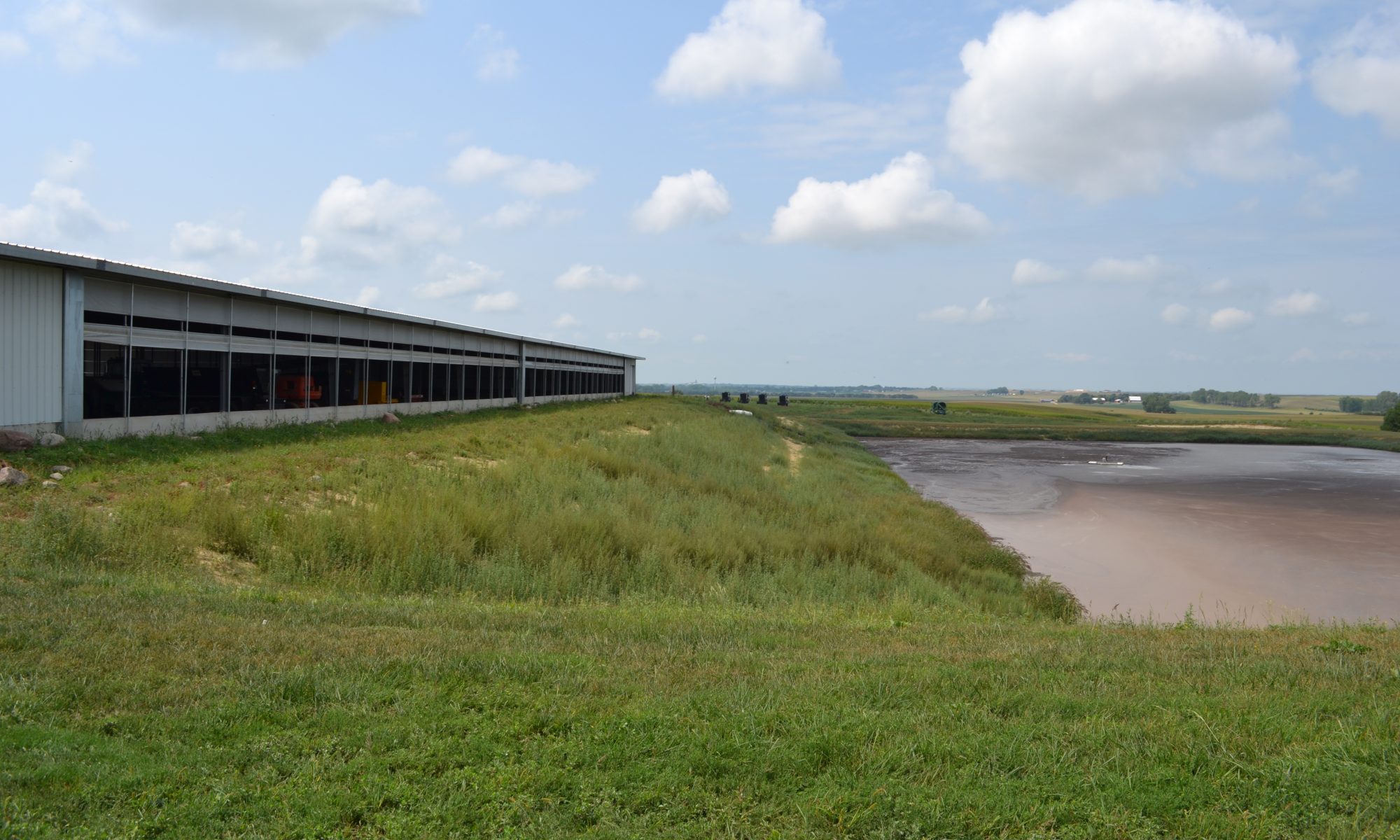
Healthy communities include healthy businesses. A proposed new or expanded animal feeding operation can challenge the harmony of a local community. One commonly expressed concern regards the health impacts of the airborne emissions. Resources are available to help community members dealing with difficult decisions related to animal feeding operations. This 12 minute video explains some common air issues related to livestock and poultry production and science-based resources available to help policy makers and community members better understand odor, health and zoning issues as they develop policy.

Policy and Air Quality Resources

Setback estimation tools are available to help local policy makers and feeding operation owners assess the potential odor impact of a new or expanding operation on nearby neighbors and public areas. After odors, the most common livestock and poultry air emissions to receive scrutiny from regulators are ammonia and hydrogen sulfide. Both of these gases are important in a piece of federal legislation known as the Environmental Planning and Community Right-to-Know Act (EPCRA).

Some of the management practices available to farmers mentioned in this video include:

More Videos in This Series

Additional educational materials are available at Air Quality in Animal Agriculture

Acknowledgements

For more information about this video or these resources, contact Dr. Kevin Janni, University of Minnesota kjanni@umn.edu

These materials were based upon work supported by the by the National Institute of Food and Agriculture, U.S. Department of Agriculture under Agreement No. 2010-85112-20520.

Any opinions, findings, conclusions, or recommendations expressed in this video are those of the speaker and do not reflect the view of the U.S. Department of Agriculture.

Feedlot Air Emissions Treatment Cost Calculator

logoThere are several techniques that animal feeding operation owners and managers can use to manage odors and gas emissions. Each technique has different costs and benefits. The Feedlot Air Emissions Treatment Cost Calculator is a tool that can be used to compare alternative technologies and designs with different costs and benefits. The calculator has information on biofilters, covers, scrubbers, manure belts, vegetative buffer and anaerobic digesters.

This spreadsheet tool is intended to assist the operator of a livestock or poultry operation to calculate the costs and benefits of installing technologies to treat odors and gases that could be emitted from the facility.

Download the Air Emissions Treatment Cost Calculator

The tool requires Excel 2007 or later versions. Download the spreadsheet. Note: This is a spreadsheet with active macros. Depending on your security settings, you may have to tell your spreadsheet program that it is OK to open it. The four videos below provide instructions on how to use the decision tool.

Instructional Videos for the Air Emissions Treatment Cost Calculator

Four videos below describe the cost calculator and how to use it.

Introduction

Biofilters and Covers

Scrubbers, Manure Belts, Buffers, Digesters

Benefits and Summary

Acknowledgements

Additional materials in this series (videos):

The Feedlot Air Emissions Treatment Cost Calculator was developed by Dr. Bill Lazarus (wlazraus@umn.edu) in the Applied Economics Department at the University of Minnesota for a multistate USDA funded research and Extension project. The calculator was suggested by stakeholders that included producers and managers of swine, poultry and dairy producing operations, equipment manufacturers and suppliers, human medicine, veterinary medicine, local and state regulators, local and county elected officials, Extension and NRCS.

Supported by the National Institute of Food and Agriculture, U.S. Department of Agriculture, under Agreement No. 2010-85112-20520. If you have any questions about the project, contact Dr. Kevin Janni, University of Minnesota, kjanni@umn.edu

Playing By the Rules: Regulations and Animal Agriculture

This is a self-guided learning lesson about air and water regulations related to livestock and poultry production. Anticipated time for completion: 60 minutes. At the end is a quiz that can be submitted for a certificate of completion. Teachers/educators should check out the accompanying instructional materials.

This lesson includes 3 sections:

  1. Water quality regulations, including the Clean Water Act (CWA)
  2. Air quality regulations
  3. Record keeping and its importance to regulatory compliance

Sections 1 and 2 include resources on the relationship between federal, state, and local authorities.

1. Water Quality Regulations, Including the Clean Water Act

Watch this 20 minute video presented by Thomas Bass, Montana State University.

Recommended Reading

Federal Water Quality Regulations

2. Air Quality Regulations

Read the following publication “Air Quality Regulations in Animal Agriculture: An Introduction” (4 pages; PDF)

3. Record Keeping and Regulatory Compliance

Records protect producers and document that they are doing the right thing. Watch these four short videos that include viewpoints of regulators and farmers about the importance of records.

Why Are Animal Operations Inspected?

Why Should We Keep Records?

What Happens During an Inspection?

What Happens After an Inspection?

Recommended Reading

Record Keeping and Inspections for Animal Feeding Operations (web page)

Quiz

When you have completed the above activities, take this quiz. If you score at least 7 of 10 correct, you will receive a certificate of completion via email. If you are a member of an organization that requires continuing education units (CEUs), we recommend that you submit your certificate to them for consideration as a self-study credit. American Registry of Professional Animal Scientist (ARPAS) members can self-report their completion of this module at the ARPAS website.

Acknowledgements

Author: Thomas Bass, Montana State University tmbass@montana.edu

Building Environmental Leaders in Animal Agriculture (BELAA) is a collaborative effort of the National Young Farmers Educational Association, University of Nebraska-Lincoln, and Montana State University. It was funded by the USDA National Institute for Food and Agriculture (NIFA) under award #2009-49400-05871. This project would not be possible without the Livestock and Poultry Environmental Learning Center and the National eXtension Initiative.

Animal Diet and Feed Management for Reducing Air Emissions

Air emissions from animal agriculture operations and manure storage include gases and particulate matter (dust). The amounts and types of gases can be affected by many different factors, including animal diet. Altering animal diets to reduce the levels of air emissions can be done by finding ways to more closely match animal needs with nutrients available in their diet.

The materials on this page were developed to assist educators and professors who include animal diet, feed management and air emissions topics in their classrooms or educational programs.

Fact Sheet

Scott Carter, Oklahoma State University; Al Sutton, Purdue (retired); Rose Stenglein, University of Minnesota

Archived Webinar

This archive includes embedded videos 10 to 14 minutes in length. Topics include: beef cattle, reducing nitrogen excretion, dairy cattle, and swine. Links are included to download the individual videos and PDF versions of the presentation slides.

Additional Information

You may also be interested in visiting the LPELC Feed Management section for short articles (use the printer-friendly link to create handouts), archived webinars, and a series of dairy fact sheets. Most of these resources are focused on nutrient management with less emphasis on air emissions.

Acknowledgements

These materials were developed by the Air Quality Education in Animal Agriculture (AQEAA) project with financial support from the National Research Initiative Competitive Grant 2007-55112-17856 from the USDA National Institute of Food and Agriculture.

For questions about the materials on this page contact Dr. Kevin Janni, University of Minnesota (kjanni@umn.edu). For questions about the AQEAA project, contact Dr. Rick Stowell, Unviersity of Nebraska (rstowell2@unl.edu).

If you have presentations, photos, video, publications, or other instructional materials that could be added to the curricula on this page, please contact Dr. Janni or Jill Heemstra (jheemstra@unl.edu).

Mitigating Dust (Particulate Matter) Emissions from Animal Agriculture

Air emissions from animal animal feedlots are sources of many different emissions including particulate matter (dust).

The materials on this page were developed to assist educators and professors who wish to include dust and particulate emissions and their control as a topic in their classrooms or educational programs.

Fact Sheet

Sharon L. P. Sakirkin, Texas AgriLife Research; Ronaldo Maghirang, Kansas State University; Steve Amosson, Texas AgriLife Extension Service; Brent W. Auvermann, Texas AgriLife Extension Service and Texas AgriLife Research

Alternate download: Includes Dust Emissions Part 1 (Introduction) and Part 2 (Abatement) in a single document (12 pages; PDF format)

Video

Controlling Particulate Matter (PM) Emissions

Ronaldo Maghirang, Kansas State University (8 minutes)

Presentation Slides (Combined with an introductory PM presentation)

If you need to download a copy of a segment, submit a request.

Acknowledgements

These materials were developed by the Air Quality Education in Animal Agriculture (AQEAA) project with with financial support from the National Research Initiative Competitive Grant 2007-55112-17856 from the USDA National Institute of Food and Agriculture.

For questions about the materials on this page contact Dr. Kevin Janni, University of Minnesota (kjanni@umn.edu). For questions about the AQEAA project, contact Dr. Rick Stowell, Unviersity of Nebraska (rstowell2@unl.edu).

If you have presentations, photos, video, publications, or other instructional materials that could be added to the curricula on this page, please contact Dr. Janni or Jill Heemstra (jheemstra@unl.edu).

Ammonia Emissions from Animal Agriculture: An Introduction

Air emissions from animal agriculture operations consist of many different gases as well as suspended particulates (dust or microbes). One of these gases, ammonia, is gaining greater attention for its role in odor, but also as a precursor of fine particulate matter (PM 2.5). PM 2.5 has implications in haze and visibility as well as human health. The materials on this page were developed to assist educators and professors who include an introduction to include ammonia emissions as a topic in their classrooms or programs.

 Fact Sheets

Alternate download: Ammonia from Cattle Operations part 1 (Introduction) and part 2 (abatement) combined in a single document (17 pages; PDF format)

Videos

Ammonia Deposition Alpine Ecosystems


A look at the growing concern about the impacts of ammonia deposition in Rocky Mountain National Park.

___

Ammonia Emissions

Rick Todd, USDA ARS (10 minutes)

Presentation Slides

Acknowledgements

These materials were developed by the Air Quality Education in Animal Agriculture (AQEAA) project with with financial support from the National Research Initiative Competitive Grant 2007-55112-17856 from the USDA National Institute of Food and Agriculture.

For questions about the materials on this page contact Dr. Ron Sheffield, Louisiana State University Ag Center. For questions about the AQEAA project, contact Dr. Rick Stowell, University of Nebraska (rstowell2@unl.edu).

If you need to download a copy of a segment, submit a request.

___

Photo (right): Ammonia is a precursor to fine particulate matter (also known as PM 2.5) which can lead to hazy conditions. These conditions are becoming a more common occurrence for visitors to Rocky Mountain National Park.

Mitigating Ammonia Emissions from Animal Agriculture

Air emissions from animal agriculture operations consist of many different gases as well as suspended particulates (dust or microbes). One of these gases, ammonia, is gaining greater attention for its role in odor, but also as a precursor of fine particulate matter (PM 2.5). PM 2.5 has implications in haze and visibility as well as human health.

The materials on this page were developed to be used by educators and professors who include this topic in their classrooms or educational programs.

Fact Sheet

Sharon L. P. Sakirkin, Texas AgriLife Research; N. Andy Cole and Richard W. Todd, USDA-Agricultural Research Service; Brent W. Auvermann, Texas AgriLife Extension Service, Texas AgriLife Research

Alternate download: Ammonia from Cattle Operations part 1 (Introduction) and part 2 (abatement) combined in a single document (17 pages; PDF format)

Videos

Reducing Ammonia Emissions from Cattle Feedyards (5 min)

Andy Cole, USDA ARS

___

Mitigation of Nitrogen Excretion Through Dietary Manipulations

Mark Hanigan, Virginia Tech (14 minutes)

Note: the pixelation present at the start cleans up at the 2:00 minute mark

Presentation Slides

Archived Webinar

This webinar contains four individual video segments (ranging from 10 to 27 minutes) that discuss current and future mitigation options for reducing ammonia emissions from poultry litter. Presenters are: Eileen Wheeler, Pennsylvania State University; Hongwei Xin, Iowa State University; and Robert Burns, University of Tennessee. The archive also includes handouts and links to additional information. If you have difficulties please see our webcast troubleshooting page. If you need to download a copy of a segment, submit a request.

Acknowledgements

These materials were developed by the Air Quality Education in Animal Agriculture (AQEAA) project with with financial support from the National Research Initiative Competitive Grant 2007-55112-17856 from the USDA National Institute of Food and Agriculture.

For questions about the materials on this page contact Dr. Kevin Janni, University of Minnesota (kjanni@umn.edu). For questions about the AQEAA project, contact Dr. Rick Stowell, Unviersity of Nebraska (rstowell2@unl.edu).

If you have presentations, photos, video, publications, or other instructional materials that could be added to the curricula on this page, please contact Dr. Janni or Jill Heemstra (jheemstra@unl.edu).

Dust From Cattle Feedyards: A Case Study From Texas

When talking about air quality around animal agriculture, one of the most common neighbor complaints comes from dust (sometimes also called particulate matter).  Dust is given off from cattle feedyards as animals move around on the pen surface. Although this dust usually settled out of the air relatively close to the feedlot, it can lead to nuisance issues with neighbors or nearby roadways. What causes dust emissions and how can we manage cattle feedyards in ways that reduce dust?

Download a copy of this video

Download this video to use in your offline education or extension programs and presentations.

Size: 50 MB

Format: MP4

Acknowledgements

This video was authored by the late Dr. Ron Sheffield, Louisiana State University AgCenter. If you have any questions or suggestions, please contact Dr. Rick Stowell, rstowell2@unl.edu

These materials were developed by the Air Quality Education in Animal Agriculture (AQEAA) project with with financial support from the National Research Initiative Competitive Grant 2007-55112-17856 from the USDA National Institute of Food and Agriculture.

Airborne Emissions in Animal Agriculture

Air emissions from animal agriculture operations and manure storage include gases and particulate matter (dust). Some of these are potentially hazardous (hydrogen sulfide and ammonia). Others are scrutinized because they are greenhouse gases (carbon dioxide, methane, nitrous oxide) and others because they are odorous. All in all, hundreds of gases can be emitted from manure and animal housing.

The materials on this page were developed to assist educators and professors who include an introduction to airborne emissions and their management as a topic in their classrooms or educational programs.

Fact Sheet

Neslihan Akdeniz and Kevin Janni, University of Minnesota; Wendy Powers, Michigan State University

Acknowledgements

These materials were developed by the Air Quality Education in Animal Agriculture (AQEAA) project with financial support from the National Research Initiative Competitive Grant 2007-55112-17856 from the USDA National Institute of Food and Agriculture.

For questions about the materials on this page contact Dr. Kevin Janni, University of Minnesota (kjanni@umn.edu). For questions about the AQEAA project, contact Dr. Rick Stowell, Unviersity of Nebraska (rstowell2@unl.edu).

If you have presentations, photos, video, publications, or other instructional materials that could be added to the curricula on this page, please contact Dr. Janni or Jill Heemstra (jheemstra@unl.edu).

Biofilters for Animal Agriculture Air Quality Curriculum Materials

Air emissions from animal agriculture operations and their associated manure storage are being examined more closely for ways to mitigate potentially harmful gases. One of the options being evaluated is biofilters.  The materials on this page were developed to assist educators and professors who include biofilters as a topic in their classrooms or educational programs.

Fact Sheets

Kevin Janni, Minnesota; Richard Nicolai; South Dakota State (emeritus); Steve Hoff, Iowa State; Rose Stenglein, Minnesota

Webcasts and Videos

Video: Biofilters for Managing Odors and Air Emissions

Technology Summaries

These are from a 2008 conference. Contact information is provided in each article for obtaining updates.

Photo Slideshow

Acknowledgements

These materials were developed by the Air Quality Education in Animal Agriculture (AQEAA) project with with financial support from the National Research Initiative Competitive Grant 2007-55112-17856 from the USDA National Institute of Food and Agriculture.

For questions about the materials on this page contact Dr. Kevin Janni, University of Minnesota (kjanni@umn.edu). For questions about the AQEAA project, contact Dr. Rick Stowell, Unviersity of Nebraska (rstowell2@unl.edu).

If you have presentations, photos, video, publications, or other instructional materials that could be added to the curricula on this page, please contact Dr. Janni or Jill Heemstra (jheemstra@unl.edu).