Pig Density Impacts on WFNB

Take Home Message
The density of pigs per unit of crop land is of some importance for determining whole farm nutrient balance. Higher densities tend to result in greater imbalances, although the variability observed was only partially explained by pig density. No recommended or threshold value for pig density per crop acre could be identified from the study.

Click here for introduction to WFNB

The relationship between the numbers of pigs raised on a swine farm to the numbers of acres to support this production unit is often called animal density. This measurement has been used in the past to relate the estimated amount of manure nutrient production from pigs to the amount of land that can utilize these nutrients for productive purposes i.e., crop production. However, using this measurement may give erroneous results because of the variety of nutrient management options available to pork operations. A whole farm nutrient balance (WFNB) study was conducted for two years (2006-2007) on 13 swine farms in the Midwest US. This fact sheet summarizes a comparison of animal density with WFNB or the farms overall measure of nutrient use efficiency. For more information about the farms involved in this study go to Overview of Nutrient Management Lessons Learned. Following are some observations from this study concerning the relationship of pig density to WFNB.

Pig Density

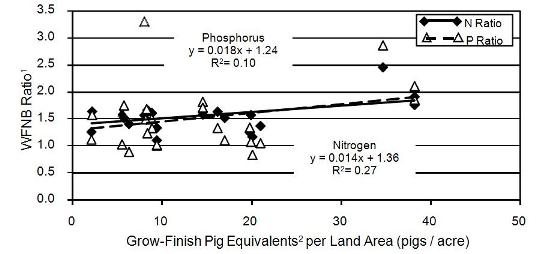
The relationship of pig density (grow-finish pig capacity per acre of available land area that can receive manure applications for crop production) to the WFNB for nitrogen (N) and phosphorus (P) as a ratio of N or P inputs to managed outputs was analyzed for the 13 swine farms during the two year study. Figure 1 shows the results of this relationship. There was a very weak conclusive effect or relationship of pig density per acre of land area on both N and P balance.

Figure 1: Whole farm nutrient balance for 13 swine farms vs. animal density.
1 WFNB Ratio is a ratio of all nutrients, N and P for this summary, that enter the farm (inputs) to all nutrients that exit the farm as managed products (managed outputs). See WFNB Introduction for a more complete explanation.
2 Grow finish equivalents included nursery pigs and sows. Nursery pigs and sows were converted to a grow-finish equivalent based upon a comparison of average feed intake.


Therefore, animal density alone is not effective in describing the nutrient use efficiency as describe by WFNB Ratio of a specific farm. Nutrient balance is also impacted by storage system type, feed program, crop nutrient management plan implementation, and export of manure (see additional fact sheets for details). As noted in Figure 1, there was considerable variation in the relationship of pig density to N and P balance with more variation in P balance than N balance. This reinforces the need to evaluate each specific farm independently for N and P balance considering the unique characteristics of the farm management, resources and other factors that can impact nutrient flow. A spreadsheet is available to determine the WFNB on any specific producer’s swine farm.

Summary

Pig density (pig capacity per acre land) is not a very effective indicator alone for N and P balance on a pork production unit. Many other aspects of the farm must be considered and evaluated to determined direct impact on N and P balance.

Results of On-Farm Measurement of WFNB

2006 Results – Appendix A

2007 Results – Appendix B

Return to Introductory Page for WFNB Resources

Authors: Alan Sutton, Purdue University; Rick Koelsch, University of Nebraska; Joe Lally, Iowa State University

This project was funded by The National Pork Board Project

Impact of Feed Management on WFNB

Contents


Why is Feed Management Important?

Take Home Message
Feed is the single largest source of nutrients brought onto swine farms, averaging 79 to 85% of nutrient inputs for the 13 farms in this study. Feed management decisions that impact dietary nutrient concentration and feed use efficiency are the most significant factors in explaining WFNB. Implementing available feeding technologies will reduce nutrient excretion and improve nutrient sustainability on many swine farms.

Click here for introduction to WFNB

Feeding swine is the highest economic cost (65 to 70%) for the pork operation. In addition, diet formulation and utilization of the nutrients in the ration by pigs has a major influence on the excretion of nutrients and potentially the balance of the nutrients on a farm. If larger amounts of nitrogen (N) and phosphorus (P) are imported (inputs – animals, feed, and fertilizer purchases, legume fixed N, and N in irrigation water) on the farm compared to the amount of N and P exported off the farm (managed outputs – sale of pigs, crops and/or exported manure) then there is a nutrient imbalance which leads to nutrient accumulation on the farm. A whole farm nutrient balance (WFNB) study was conducted for two years (2006-2007) on 13 pork production operations ranging in size from 2,000 to 16,000-head finisher capacity. For more information about the farms involved in this study go to Overview of Nutrient Management Lessons Learned. Following are some observations from this study related to the feeding programs of the farms and feed management.

Table 1. Average Whole Farm Nutrient Balance for 13 swine farms over 2 years.
Average Inputs, Outputs, or Balance (lbs/year) Portion of Total Inputs or Outputs (%) Average Inputs, Outputs, or Balance (lbs/year) Portion of Total Inputs or Outputs (%)
space Nitrogen Balance Phosphorus Balance
Inputs
Animals 7,700 3% 1,700 4%
Feed 175,700 79% 31,900 84%
Fertilizer 24,800 11% 4,200 11%
Legumes 13,300 6% space space
Irrigation 1,800 1% space space
Total Inputs 223,500 100% 37,800 100%
space
Managed Outputs
Animals 69,600 47% 13,600 54%
Crops 67,100 46% 9,800 39%
Manure1 10,000 7% 1,900 8%
Total Outputs 146,800 100% 24,800 100%
Imbalance 76,600 space 12,400 space
Input/Managed Output Ratio2 1.5 to 1 1.5 to 1

Input of Nutrients

Average N and P inputs on the 13 swine farms from feed purchases made up 79% of the total N inputs and 84% of the P inputs for the two year period (Table 1). The range of N inputs from feed was 20 to 95% and the range of P inputs from feed was 23 to 100% for the farms over the two year period. A majority of purchased feed inputs for the farms ranged from 77 to 95% for N and 71 to 100% for P. Farms with lower N and inputs from purchased feed utilized corn grown on the farm versus the purchase of corn for most or all of rations fed. A more common practice is to sell corn grown on the farm and purchase a complete ration including the corn from a feed mill. The average ratio of N and P inputs to managed outputs2 averaged 1.5 for each. However, the range of ratios of N and P inputs to outputs were 1.1 to 2.5 and 0.8 to 2.9, respectively.

Diet Composition

The average dietary crude protein and P levels were measured for the diets fed during the duration of this study. . Figures 1 and 2 demonstrate the relationship of the dietary crude protein and total dietary P levels to the WFNB ratio of N and P inputs to outputs on the pork operations.

Figure 1. Whole farm N balance for 13 swine farms vs. dietary crude protein level.


Average dietary protein levels ranged from 13.8 to 18.6% across all operations. There was no impact of dietary crude protein level on the ratio of N inputs to outputs which was surprising. Apparently, even though it was anticipated that the increased crude protein in the diet would increase N excretion and an imbalance in the N ratio, there are other circumstances that over-shadowed any direct impact of crude protein level on N ratio. While the reasons are unknown, there may have been significant differences on N losses during manure storage or other farm system components (e.g. direct ammonia emission from animal housing) which may have overshadowed these results.

Figure 2. Whole farm P balance for 13 swine farms vs. dietary phosphorus level.


There was an indication of an increase in the WFNB ratio of P inputs to outputs as affected by increases in total P in the diet. Average dietary total P levels ranged from 0.40 to 0.75%. The highest (0.75%) P diet content of one farm was due to being a gilt development operation which required higher dietary P levels for improved bone development and longevity in the breeding herd. Although other P inputs from purchased fertilizer can have an impact on the ratio of P inputs to outputs, it is clear that total dietary P is a major factor impacting this ratio. Therefore, any means of improving ingredient availability of P by the use of phytase or utilizing more biologically available P ingredient sources would reduce the amount of inorganic P in the diet. The widespread adoption of these feeding technologies has likely produced significant improvement in swine WFNB in recent years.

Feed Efficiency

The comparison of feed efficiency with WFNB further suggests the importance of feed management decisions (Figure 3). Lower feed required per pound of gain was associated with farms with better whole farm nutrient balances. The combination of dietary concentration (Figure 2) and feed efficiency (Figure 3) explains more than half of the variability observed in Whole Farm Nutrient Balance.

Figure 3. Impact of feed utilization efficiency on Whole Farm Nutrient Balance. Farrow to finish and gilt finishing results (5 data points) were removed from data set.


Practical Applications

Comparing the total dietary P levels in a swine farm with the ratio of P inputs to outputs reveals that a reduced total dietary P resulted in lower P ratios. For example, a finisher operation that had an average 0.62% total dietary P level across the feeding period the first year was reduced to 0.55% total dietary P the second year and resulted in a change in the ratio of P inputs to outputs from 1.9 the first year to 1.7 the second year. Another example showed that the reduction of the total dietary P for a gilt development farm was from 0.75% total dietary P the first year to 0.66% total dietary P the second year plus no purchase of P fertilizer resulted in the P ratio dropping from 3.3 to 1.8 in one year.

A spreadsheet calculator can be used to determine the potential benefits of reducing the dietary total P level in the diet. Table 2 summarizes an example exercise for one farm. For example, if a 4000 head capacity feeder pig to finish operation with 440 acres in a corn and soybean rotation (Farm A2) currently has a 0.46% total dietary P level. When comparing a lower (0.40% dietary P if phytase and/or ingredients with high P availability is used) and a higher dietary P level (0.60% dietary P), the WFNB ranges from a low of 0.9 to 1 to a high of 1.3 to 1 for P. When the average crude protein levels changed from 16.9% (current practice) to 15.5% or 14.0% (diets based upon crystalline amino acid inclusion or change in dietary ingredients with more digestible amino acids) with this farm, the N balance was reduced and the N ratio for inputs to outputs were reduced from 1.1 to 1.0 and 0.95, respectively. These changes may result in a need for additional N and P purchased fertilizer to meet the needs of the corn/soybean rotation for this 440 acre swine farm no longer met by the nutrients in excreted manure.

Table 2. Cases of impact of diet change on farm A2 whole farm nutrient balance.
Current Ration Change 1 Change 2
% Dietary Crude Protein 16.9% 15.5% 14.0%
N Imbalance (lbs/yr) 18,300 5,100 -9,000
N ratio2 1.11 to 1 1.03 to 1 0.95 to 1
space
% Dietary Phosphorus 0.46% 0.40% 0.60%
P Imbalance (lbs/yr) 700 -2,900 8,800
P ratio2 1.02 to 1 0.90 to 1 1.30 to 1

Summary

Altering the diet formulation of swine rations can have a significant impact on the excretion of nutrients and the WFNB of a farm especially P. Choice of feed ingredients and/or the use of additives that enhance availability of dietary nutrients can help reduce nutrient excretion and reduce farm nutrient imbalances.

Results of On-Farm Measurement of WFNB

2006 Results – Appendix A

2007 Results – Appendix B

Return to Introductory Page for WFNB Resources

Authors: Alan Sutton, Purdue University; Rick Koelsch, University of Nebraska; Joe Lally, Iowa State University

This project was funded by The National Pork Board Project

Note: This page is still undergoing the peer review process.


1Manure exported from farm.
2For explanation of WFNB Ratio, Inputs and Managed Outputs, refer to Introduction to WFNB
Mitigation of Odor and Pathogens from CAFOs with UV/TIO2: Exploring Cost Effectiveness

Reprinted, with permission, from the proceedings of: Mitigating Air Emissions From Animal Feeding Operations Conference.

This Technology is Applicable To:

Species: Swine, Poultry
Use Area: Animal Housing
Technology Category: Air Treatment (UV Photocatalysis)
Air Mitigated Pollutants: Volatile Organic Compounds, Odor, Pathogens

System Summary

Odor and target VOCs responsible for livestock odor are mitigated by UV-185 nm (‘deep’ UV) in presence of TiO2 as a catalyst into less odorous or odorless products such as CO2 and H2O. Percent removals from 80 to 99% were measured in lab-scale experiments involving simulated livestock VOCs/odorants and 1 sec irradiation with a low wattage 5.5 W lamp. Selected VOCs simulating livestock odor included p-cresol, sulfur-containing VOCs, and volatile fatty acids. Treatment cost of $0.25 per pig and continuous operation during growing cycle was estimated when the lab-scale results were extrapolated to typical ventilation rates and electricity cost at a swine finish operation in rural Iowa. The long-term goal is to develop cost-effective technology for the simultaneous treatment of odor and pathogens in livestock housing through logical progression of testing from lab-scale, through pilot-scale and finally at commercial scale. Such treatment would be applicable to both the inflow (for airborne pathogen control) and outflow air (for odor and pathogen control) at typical existing and new mechanically-ventilated barns.

Applicability and Mitigating Mechanism

  • Removal of VOCs and responsible for livestock odor in simulated barn air exhaust with UV light and advanced oxidation.
  • Research continues to move this technology from lab to commercial applications.
  • Potentially applicable to both the inflow (for airborne pathogen control) and outflow air (for odor and pathogen control) at typical existing and new mechanically-ventilated barns
  • On-demand, intermittent operation.

Limitations

  • This technology is still under development
  • Cost estimates are extrapolated from lab-scale experiments
  • Effects of particulate matter on UV treatment needs to be investigated
  • Effectiveness and costs associated long-term full-scale operation are not known at this time.

Cost

Treatment cost of $0.25 per pig and continuous operation during growing cycle was estimated when the lab-scale results were extrapolated to typical ventilation rates and electricity cost at a swine finish operation in rural Iowa. This cost could be further reduced for intermittent, on-demand operation. The capital costs would be mainly cost of ‘on-the-shelf’ deep’ UV lamps (currently at $90 for 10W lamp) and the cost of retrofitting of barn exhaust.

Authors

Jacek A. Koziel1,Xiuyan Yang1, Tim Cutler1, Shicheng Zhang1, Jeffrey Zimmerman1, Steven J. Hoff1, William Jenks1, Hans Van Leeuwen1, Yael Laor2, Uzi Ravid3, Robert Armon31Iowa State University, 2’Ya’ar Research Center, Agricultural Research Organization, Israel, 3Faculty of Civil and Environmental Engineering Technion, Haifa, Israel
Point of Contact:
Jacek Koziel, koziel@iastate.edu

The information provided here was developed for the conference Mitigating Air Emissions From Animal Feeding Operations Conference held in May 2008. To obtain updates, readers are encouraged to contact the author.

Multi-pollutant Scrubbers for Removal of Ammonia, Odor, and Particulate Matter from Animal House Exhaust Air

Reprinted, with permission, from the proceedings of: Mitigating Air Emissions From Animal Feeding Operations Conference.

The proceedings, “Mitigating Air Emissions from Animal Feeding Operations”, with expanded versions of these summaries can be purchased through the Midwest Plan Service.

This Technology is Applicable To:

Species: Swine, Poultry
Use Area: Animal Housing
Technology Category: Scrubber
Air Mitigated Pollutants: Ammonia, Odor, Particulate Matter

System Summary

In The Netherlands, Germany and Denmark packed-bed biotrickling filters and acid scrubbers for removal of ammonia from exhaust air of animal houses are off-the-shelf techniques for ammonia removal (70 – 95% average removal). At the moment a new generation of so-called “multi-pollutant scrubbers” is being developed and tested that not only removes ammonia but also aims for significant removal of odor and particulate matter (PM10 and PM2.5) from the air. Recently a 3-year research program has started that monitors and aims to improve the performance of five farm-scale multi-pollutant scrubber from different manufacturers. The preliminary results show that the average ammonia removal is relatively high (83%, n = 7) but that the average removal of odor (40%, n = 8) and particulate matter (PM10: 43%, n = 2; PM2.5: 42%, n = 2) needs to be improved further.

Applicability and Mitigating Mechanism

  • Ammonia scrubbers consist of two types: either acid scrubbers or biotrickling filters
  • Multi-pollutant air scrubbers usually consist of two or more scrubbing stages where subsequent removal of coarse dust, ammonia and odor takes place
  • Scrubber are mainly applied in pig housings with central ventilation ducts; application in poultry housings are scarce because of high dust concentrations
  • Already 10% of all exhaust air from pig houses The Netherlands is treated; this equals a treatment capacity of 79 million m3/hour

Limitations

  • Odor and dust removal is less effective than ammonia removal, at least for now
  • High concentrations of coarse dust result in blockage of packing material and increased energy use (pressure drop)
  • Costs are considered high, but multi-pollutant scrubbers provide an option for large scale livestock operations to remain in operation in areas nearby residential areas and sensitive ecosystems

Cost

Investment and operational cost of scrubbers for newly built production facilities in € / animal space.
Acid Scrubber Biotrickling Filter Multi-pollutant scrubber (3-stage water/acid/biotrickling)
Investment Costs 32.8 43.5 50.3
Operational Costs (year^1):
Depreciation (10%) 2.6 3.4 4.2
Maintenance (3%) 1.5 1.8 2.0
Interest (6%) 0.8 1.0 1.2
Electricity use ((€ 0.11 kWh^-1) 3.3 3.8 3.7
Water use (€ 1.0 m^-3) 0.6 1.7 0.6
Chemical use (€ 0.6 L^-1 H2SO4, 98%) 1.4 n/a 0.7
Water discharge [b 0.6 2.5 1.0
Total operational costs (year^-1) 10.8 14.3 13.5

[a] The investment costs are based on a maximum ventilation capacity of 60 m3 animal place-1 h-1.
[b] Water disposal costs are assumed of € 10/m3 for discharge from acid scrubbing and € 2/m3 for discharge from biotrickling or water scrubbing. For the multi-pollutant scrubber, discharge water from the biotrickling or water scrubbing step is reused in the acid scrubbing step. The systems do not include a denitrification unit which might significantly decrease water discharge costs.
[c] n/a = not applicable.

Authors

Roland W. Melse, Nico W.M. Ogink, Bert J.J. Bosma; Animal Sciences Group, Wageningen University and Research centre, The Netherlands
Point of Contact:
Roland W. Melse, roland.melse@wur.nl

The information provided here was developed for the conference Mitigating Air Emissions From Animal Feeding Operations Conference held in May 2008. To obtain updates, readers are encouraged to contact the author.

Significant Odor Reduction from a Highly Efficient Micro-ecosystem based on Biofiltration

Reprinted, with permission, from the proceedings of: Mitigating Air Emissions From Animal Feeding Operations Conference.

The proceedings, “Mitigating Air Emissions from Animal Feeding Operations”, with expanded versions of these summaries can be purchased through the Midwest Plan Service.

This Technology is Applicable To:

Species: Swine
Use Area: Animal Housing
Technology Category: Biofilter
Air Mitigated Pollutants: Ammonia, Hydrogen Sulfide, Particulate Matter, Odor

System Summary

Odor Cell Technologies LLC manufactures odor filtration technologies that attach to the exhaust ventilation of CAFO’s. These odor cells are approximately 1.2 m (4 feet) square hollow cubes with porous side walls filled with pine bark that vary in thickness depending upon the cfm and actual run-time of each stage of ventilation. Internal and external hydration is provided to the cells by a uniquely designed irrigation system controlled by timers and sensors. Odor cells utilize the principles of physical entrapment, water chemistry and microbial activity to dramatically improve air quality in and around agricultural and industrial facilities. Using the proven odor reducing principles inherent to composting, the organic odorous particles are entrapped, activated with moisture and attacked biologically at the point source. This allows naturally occurring bacteria to break down and cleanse gases and odors commonly found around these facilities. Odor Cell Technologies LLC‘s patented process creates a “micro-ecosystem” that significantly reduces odors and represents an environmentally friendly option to odor control. The successful installation of our technology has occurred on many sites throughout the Midwest.

Applicability and Mitigating Mechanism

  • Captures odorous organic particulate matter commonly produced by CAFO’s
  • Reduces NH3 and H2S concentrations
  • Utilizes an environmentally friendly filtering media, pine bark, that becomes biologically active with controlled hydration intervals
  • Cost efficient, durable, easily installed and maintained with positive aesthetic appeal
  • Ventilation efficiency can be easily monitored through physical inspection and static pressure measurements

You can view this video in full screen by clicking on the icon second from right
Download a copy of this video (15 MB)

Limitations

  • Biofiltration is most effective on organic based odors and particulate matter
  • Media moisture levels need to be maintained between 30% and 65%
  • Static pressure requirements vary from .05 inches of water upon installation to .08 inches of water on a mature system
  • Pine bark may not be available at local retail outlets
  • Substitution of the recommended media may affect odor cell performance

Cost

Odor cell frames are constructed using stainless steel, DurameshTM hex netting, stainless steel tubing, nylon fittings and brass nozzles. These construction materials were chosen for durability and longevity due to the environment they will operate in. The following represents current pricing for the most common odor cells:

  • Standard P-8, $1200 plus $50 initial media fill
  • 5 inch odor cell, $1425 plus $65 initial media fill
  • 10 inch odor cell, $1650 plus $125 initial media fill
  • Porous rock base, approximately $20 per odor cell
  • Standard hydration package (Approximately $360 – timer, valves, control box, fittings , tubing, and hose)

Operational and maintenance costs are minimal. Media usage is approximately 10% per year. Hydration cycles can be controlled by an irrigation timer and rain sensor. A typical 1200 head swine finishing barn with 6 standard pit exhaust fans using all 10 inch odor cells would cost $11,130 upon installation (excluding shipping and labor) and $75 a year in operational expense. Assuming a complete change of media every 5 years, this equates to $.62 per pig space over 20 years or $.23 per pig produced over 20 years (assuming 2.6 turns per year).

Authors

Robert R. & Roger Treloar, Odor Cell Technologies LLC
Point of Contact:
Odor Cell Technologies LLC, odorcell@southslope.net

The information provided here was developed for the conference Mitigating Air Emissions From Animal Feeding Operations Conference held in May 2008. To obtain updates, readers are encouraged to contact the author.

Biofiltration: Mitigation for Odor and Gas Emissions from Animal Operations

Reprinted, with permission, from the proceedings of: Mitigating Air Emissions From Animal Feeding Operations Conference.

The proceedings, “Mitigating Air Emissions from Animal Feeding Operations”, with expanded versions of these summaries can be purchased through the Midwest Plan Service.

This Technology is Applicable To:

Species: Swine, Dairy
Use Area: Animal Housing
Technology Category: Biofilter
Air Mitigated Pollutants: Hydrogen Sulfide, Ammonia, Methane, Volatile Organic Compounds, Odors

System Summary

A biofilter is simply a porous layer of organic material, typically wood chips or a mixture of compost and wood chips, that supports a population of microbes. Odorous building exhaust air is forced through this material and is converted by the microbes to carbon dioxide and water. The compounds in the air are transferred to a wet biofilm that grows on the filter material where microorganisms breakdown the odorous compounds.

Biofiltration can reduce odor and hydrogen sulfide (H2S) emissions by as much as 95% and ammonia by 65%. The method has been used in industry for many years and was recently adapted for use in livestock and poultry systems. Biofilters work in mechanically ventilated buildings or on the pit fans of naturally ventilated buildings. Biofilters can also treat air vented from covered manure storage.

Two configurations of biofilters are being used to treat exhaust air from swine buildings: a horizontal media bed and a vertical media bed. Horizontal biofilters require more land area but are less expensive than vertical biofilters. Horizontal beds can be shallow (< 0.45 m) or deep (> 0.75 m).

Applicability and Mitigating Mechanism

Key factors influencing biofilter size and performance:

  • time the odorous gases spend in the biofilter
  • volume of air treated
  • moisture content of the filter material
  • sizing the biofilter media volume
  • selecting fans capable to push the air through the biofilter
  • choosing biofilter media

Limitations

  • Biofilters are only effective when there is a captured air stream
  • Media moisture content effects the biofilter performance, i.e. dry media results in poor odor reduction
  • Media porosity is related to the fan’s ability to move air through the biofilter. If media is less than 50% porosity most agriculture ventilation fans will not perform satisfactorily

Cost

Costs to install a biofilter include the cost of the materials—fans, media, ductwork, plenum—and labor. Typically, cost for new horizontal biofilter on mechanically ventilated buildings will be between $150 and $250 per 1,700 m3/hr (1,000 cfm). A vertical biofilter is approximately 1.5 times the cost of a horizontal biofilter. Annual operation/maintenance of the biofilter is estimated to be $5-$10 per 1,700 m3/hr (1,000 cfm). This includes the increase in electrical costs to push the air through the biofilter and the cost of replacing the media after 5 years.

Authors

R.E. Nicolai1, K.J. Janni2, D.R. Schmidt21South Dakota State University, 2University of Minnesota
Point of Contact:
Richard Nicolai, richard.nicolai@sdstate.edu

The information provided here was developed for the conference Mitigating Air Emissions From Animal Feeding Operations Conference held in May 2008. To obtain updates, readers are encouraged to contact the author.

Practical Partial Biofiltration of Swine Exhaust Ventilation Air

Reprinted, with permission, from the proceedings of: Mitigating Air Emissions From Animal Feeding Operations Conference.

This Technology is Applicable To:

Species: Swine
Use Area: Animal Housing
Technology Category: Biofilter
Air Mitigated Pollutants: Odor, Ammonia

System Summary

The mitigation technique discussed is to utilize biofiltration for a portion of swine barn ventilation air. The portion mitigated is that portion of air emitted into stable atmospheres. Stable atmospheres have poor vertical mixing potential and therefore gases and odors emitted tend to remain close to the earth’s surface and can therefore be sensed at longer distances downwind. It is impractical to mitigate all of the exhaust ventilation air required in swine housing. Techniques are needed that apply odor and gas mitigation to a portion of the ventilation air stream, when receptors might experience an odor event. Additionally, many barns incorporate combinations of fans and curtains (i.e. hybrid ventilated) to supply required ventilation air. Any mitigation strategy applied to barn ventilation air must be able to accommodate these hybrid ventilation systems as well.

Ventilation air exhausted during the heat of summer days is exhausted into an atmosphere that is, for the vast majority of times, very unstable providing excellent and natural mixing potential near the building source. In more stable atmospheres, typically present during the evening hours, biofiltration of a critical minimum amount of ventilation air (i.e. partial biofiltration) would reduce ammonia and odor emissions during those times when the potential for odor plumes to travel long distances is greatest. The overall effect would be a more attractive biofiltration strategy that maximizes ammonia and odor reduction potential when most needed.

Applicability and Mitigating Mechanism

  • Biofiltering of a critical minimum amount of ventilation air
  • Applies mainly to hybrid ventilated swine finishing facilities
  • Can be used as an odor “impact based” mitigation strategy

Limitations

  • Requires fan ventilation of barns up to about 81 m3/h-pig (48 ft3/min-pig)
  • Biofilter applications apply added stress to the ventilation system
  • Biofilters require ample water supply to keep the biofilter media in the 50-60% range

Cost

The biofilter application presented in this research required $4,959 for biofilter supplies and equipment including four new biofilter fans (300-head pig finishing room). Biofilter supplies, equipment, and construction labor resulted in a total implementation cost of $6,759 or $22.53/pig space. The added energy to operate the biofilter fans resulted in an additional $0.42/pig-produced.

Authors

Steven J. Hoff1, Jay D. Harmon1, Lide Chen1, Kevin A. Janni2, David R. Schmidt2, Richard E. Nicolai3, Larry D. Jacobson21Iowa State University, 2 University of Minnesota, 3South Dakota State University
Point of Contact:
Steven J. Hoff, hoffer@iastate.edu

The information provided here was developed for the conference Mitigating Air Emissions From Animal Feeding Operations Conference held in May 2008. To obtain updates, readers are encouraged to contact the author.

Effects of Dietary Manipulation on Ammonia Emissions

Reprinted, with permission, from the proceedings of: Mitigating Air Emissions From Animal Feeding Operations Conference.

This Technology is Applicable To:

Species: Swine
Use Area: Animal Housing
Technology Category: Diet Modification
Air Mitigated Pollutants: Ammonia

System Summary

Dietary manipulation, such as lowering crude protein with amino acid supplementation or fiber addition, is an effective method to decrease ammonia emissions from swine finishing facilities. Lowering crude protein content of the diet with amino acid supplementation markedly reduces nitrogen excretion. In studies conducted for the entire finishing period (Bundy et al., 2008; Lachmann et al., 2007), lowering crude protein content by 3 percentage units with amino acid supplementation decreases total nitrogen excretion by approximately 30% and ammonium nitrogen concentration of the slurry by 37%. The decrease in nitrogen excretion reduces the concentration of ammonium in the slurry which in turn decreases ammonia emission. Results suggest a reduction in ammonia emission of up to 50% with the use of a low protein diet. Additionally, the reduction in ammonium concentration of the slurry also reduces slurry pH which affects ammonia volatilization. Addition of fiber sources to the diet reduces urinary urea excretion which can be degraded enzymatically to ammonia. Fiber addition affects nitrogen excretory patterns and reduces ammonium nitrogen concentration of the slurry which can lead to further reductions in ammonia emissions. The reduction in crude protein content or addition of fiber sources to swine diets can reduce or change nitrogen excretion patterns resulting in marked decreases in ammonia emissions for pigs housed in facilities with shallow pit, pull-plug waste storage systems.

Applicability and Mitigating Mechanism

  • NH3 emissions from swine housing is dependent on the amount of nitrogen excreted
  • Swine typically excrete 30 to 50% of the nitrogen consumed
  • Reducing dietary crude protein with amino acid supplementation can markedly decrease nitrogen excretion
  • Addition of fiber sources to diets also has potential to influence nitrogen excretion patterns
  • These dietary manipulations can markedly decrease ammonia emissions from swine finisher facilities

Limitations

  • Correct estimation of the amino acid requirements of the pig is critical
  • Accurate supplementation of amino acids is critical to reduce risk on growth performance and carcass traits
  • Nutrient content of fiber sources is needed for diet formulation
  • Upper limits to crude protein reduction and fiber addition in diets
  • Cost of amino acid supplementation and use of nutritionist in formulation

Cost

The costs associated with dietary manipulation are solely dependent upon ingredient cost assuming growth performance and carcass traits are not adversely affected. Formulation of low protein diets involves the partial removal of soybean meal from the diet accompanied by replacement with corn and crystalline amino acids (lysine HCl, DL-methionine, L-threonine). Therefore, evaluation of implementation cost weighs the decrease in soybean meal costs versus the increase in corn and amino acid costs within the diet. Using March 2008 ingredient costs, diet costs for a conventional corn-soybean meal based diet and a low protein (-3%), amino acid supplemented diet are similar. Thus, assuming no difference in growth rate or feed intake, cost of gain and total feed cost for the finishing period are similar. Dietary costs need to be re-evaluated with changing ingredient costs.

Authors

Scott Carter, Mariela Lachmann, Justin Bundy; Oklahoma State University
Point of Contact:
Scott Carter, scott.carter@okstate.edu

The information provided here was developed for the conference Mitigating Air Emissions From Animal Feeding Operations Conference held in May 2008. To obtain updates, readers are encouraged to contact the author.

A Review of Manure Injection to Control Odor and Ammonia Emissions During the Land Application of Manure Slurries

Reprinted, with permission, from the proceedings of: Mitigating Air Emissions From Animal Feeding Operations Conference.

The proceedings, “Mitigating Air Emissions from Animal Feeding Operations”, with expanded versions of these summaries can be purchased through the Midwest Plan Service.

This Technology is Applicable To:

Species: Swine, Dairy, Beef
Use Area: Land Application
Technology Category: Management (manure injection/incorporation)
Air Mitigated Pollutants: Odor, Ammonia

System Summary

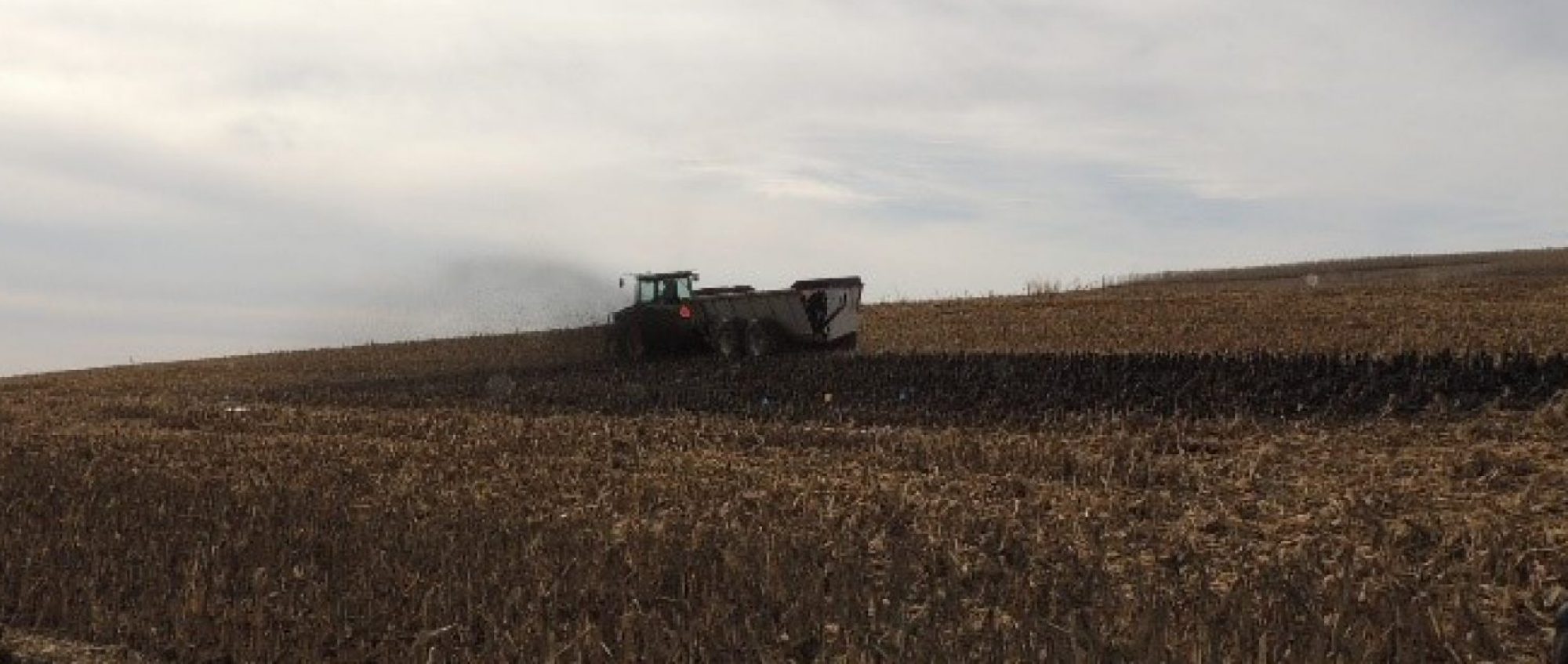
Manure slurry injection provides a significant reduction in land application odor and ammonia emissions release when compared to conventional manure surface broadcasting. Release of odor and ammonia during land application can be reduced by more than 90% compared to conventional application methods (Ohio State University, 2007). Manure can be successfully injected in both conventional tillage and no-till systems with currently available equipment. Additionally, slurry tanker wagons currently used for broadcast application can also be retrofitted with Injection tool bars.

Research by Hanna et al., (2000) compared the odor and ammonia emissions from various types of manure injection techniques to slurry that was surface applied (broadcasted). Odor and ammonia tests were run for both fall and spring slurry application. Ammonia was below the detection limit (0.2 ppm) for all but two (measured at 0.6 and 1.3 ppm) of the 72 samples taken. Broadcast application required approximately four to five times more fresh air dilutions than injection to reach the odor threshold (the level at which the odor can no longer be detected) indicating much lower odor release associated with injection.

Applicability and Mitigating Mechanism

  • Injection tools create sub-surface cavities
  • Slurry is injected into the cavity directly behind the tool
  • Injection minimizes slurry exposure to air reducing odor and ammonia volatilization
  • Injection can be used with all slurry and liquid manures

Limitations

  • Injection systems are not currently commercially available for solid manures
  • Injection can require up to 30% more tractor horsepower than broadcast
  • Injection may not be desirable when the producer does not want the soil or crop root system disturbed (forages, pasture/sod)
  • Injection equipment requires more maintenance than broadcast equipment

Cost

Generally, injection is more costly than broadcast application. Injection requires more tractor horsepower and more equipment (injection tool bars). Because tool bars are pulled through the soil, wear and maintenance is greater with injection systems. Cost increases as application rate decreases and distance from the manure storage site increases. The increase in cost as application rate decreases is due to wear on the application equipment. At lower application rates, field speed is increased causing wear (and eventually maintenance) on the equipment to increase. At a 5,500 gallons per acre application rate, commercial drag hose injection cost is currently $.014/gal compared to $.0085/gal for broadcast (Puck, 2008).

Authors

Ross Muhlbauer1, Jeremy Puck2, Ben Puck2, Robert Burns1, 1Iowa State University, 2 Puck Custom Enterprises
Point of Contact:
Ross Muhlbauer, rmuhlbar@iastate.edu

The information provided here was developed for the conference Mitigating Air Emissions From Animal Feeding Operations Conference held in May 2008. To obtain updates, readers are encouraged to contact the author.

Effect on Residue Cover and Crop Yield of Manure Incorporation Equipment

Reprinted, with permission, from the proceedings of: Mitigating Air Emissions From Animal Feeding Operations Conference.

The proceedings, “Mitigating Air Emissions from Animal Feeding Operations”, with expanded versions of these summaries can be purchased through the Midwest Plan Service.

This Technology is Applicable To:

Species: Swine, Dairy, Beef
Use Area: Land Application
Technology Category: Management (manure injection/incorporation)
Air Mitigated Pollutants: Odor, Hydrogen Sulfide

System Summary

Injection or incorporation application treatments other than broadcast almost always reduce odor during and immediately after application and have a neutral or beneficial effect on crop yield. Although the amount of odor reduction among various injection and incorporation treatments may be similar, the level of surface residue cover reduction is different. For land areas where erosion is a concern operating an application system with no more than an appropriate amount of soil and residue disturbance should be strongly considered. Costs of using injection or incorporation equipment are on the order of $0.001 to $0.003 per gallon applied depending on the type of equipment and annual volume applied. Additional application costs for using injection or incorporation equipment even in the upper end of this range are typically not greater than the cost of a secondary tillage pass. The choice of injection or incorporation style should be strongly influenced by balancing the needs for odor control, residue cover maintenance, and fertilizer placement for the subsequent crop.

Applicability and Mitigating Mechanism

  • Odor is reduced with minimal soil contact
  • Residue cover protects soil prone to erosion
  • Tillage and fertility placement may be beneficial depending on conditions
  • Greater options on flatter fields

Limitations

  • Fragile residue cover is strongly affected by equipment type and usage
  • Reduced residue cover may accelerate erosion
  • Drawbar power required may be increased
  • Needs of odor control, erosion control, and fertilizer placement should be considered

Cost

Factors affecting costs include the initial cost of the application toolbar, annual usage rate, and increased tractor power requirement to pull the injection device. Calculated costs are associated with either a custom annual application volume of 20 million gallons or private application volume of 3 million gallons, 5- (custom) or 15- (private) year equipment life, and application with a double-disc or narrow knife system. Costs of using a double-disc or narrow knife application toolbar are in the range of $0.001 and $0.002 per gallon, respectively, for the higher-volume custom applicator example. Costs are $0.0015 and 0.003 per gallon, respectively, for the lower-volume private applicator example. Costs of using additional tractor power are roughly one-third to one-half of total costs at the smaller annual application volume, but over three-fourths of costs at the higher application volume. Diesel fuel was valued at $3 per gallon. If the pass of a field tillage implement is eliminated (e.g., strip tillage) because of application, costs of injection or incorporation may be balanced by savings in the cost of the tillage pass.

Authors

H. Mark Hanna1, Steven K. Mickelson1, Steven J. Hoff11Iowa State University
Point of Contact:
H. Mark Hanna, hmhanna@iastate.edu

The information provided here was developed for the conference Mitigating Air Emissions From Animal Feeding Operations Conference held in May 2008. To obtain updates, readers are encouraged to contact the author.]