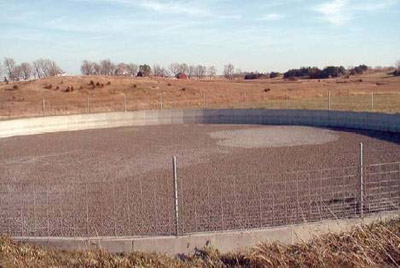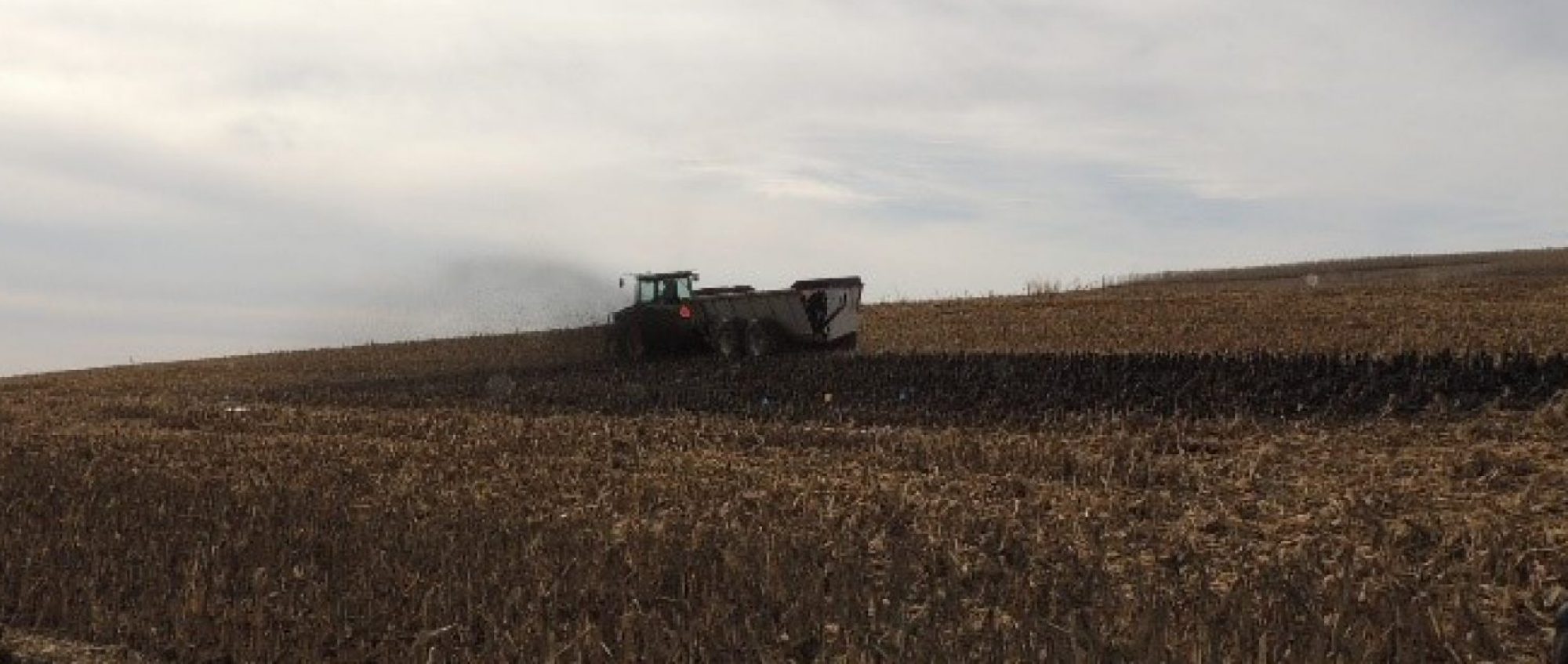

Cayuga County Manure Digester Virtual Tour

Anaerobic digestion is a manure treatment system that produces biogas. There are many benefits of digestion such as reductions in: odor, pathogens, and greenhouse gases (climate change). Producing biogas from manure yields useful by-products.  The economics of digestion are dependent on state energy policies and co-digestion of off-farm wastes to generate revenue.

Cayuga County Regional Digester (New York)

This virtual tour highlights the Cayuga County Soil & Water Conservation District regional digester. This facility receives manure from multiple dairy farms. The regional digester model allows smaller farms (not large enough to build their own digester) or large farms unwilling to take on the complex management of a digester to participate.sign
For more information: Cornell case study (technical details) | NRCS Newsletter (construction photos and funding information)

  • Type of digester: Pressure differential (hydraulic mix)
  • Facility began operation: March, 2012
  • Feedstocks: dairy manure, food wastes, brown fat

How Does This Anaerobic Digester Work?

The hydraulic mix or pressure differential digester type is common in Europe, but is unique in the United States. The video below explains how the material moves through the digester.

Step By Step Through The Facility

Even though we refer to this facility as an “anaerobic digester” there are actually many pieces required to make this system work. The digester is one part. The presentation below works through the entire facility.
barn

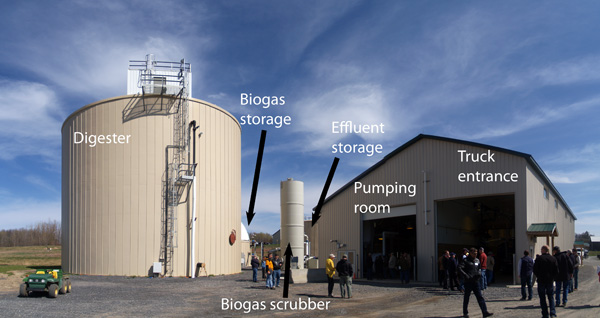
The digester tank (photo above: left) has a capacity of one million gallons. It is estimated that 40-43,000 gallons will be added to the digester per day when it reaches full production capacity. The trucks carrying raw (undigested) manure from the farms enter on the right side of the building (photo above:right) and the manure is pumped into a holding tank (not visible in photo) and mixed with food waste.

To see the captions in the slideshow, select “full screen” (lower right side of the slide) and then click on show info (upper right corner). You can also visit this photo set at: http://www.flickr.com/photos/manure/sets/72157629690139615/

In the News

This digester has been in the news as the price of power has dropped and the financial side of the operation less viable.

  • Digester is shut down to re-evaluate business plan (Jan. 2015) More…
  • California company to take over Cayuga digester (June, 2015) More…

Recommended Reading on Anaerobic Digestion

Acknowledgements:

Author: Jill Heemstra, University of Nebraska Extension
Reviewers: Thomas Bass, Montana State University, David Schmidt, University of Minnesota and Liz Whitefield, Washington State University

A big thank you goes to the Cornell University dairy manure management team for organizing the 2012 “Got Manure?” conference that included a real life tour on which we were able to obtain the media for this virtual tour.

This virtual tour was created by the LPELC Beginning Farmer team through funding from the USDA National Institute for Food and Agriculture (NIFA) Beginning Farmer and Rancher Development program under award #2009-49400-05871
What are the advantages and disadvantages of aerobic treatment of liquid manure instead of anaerobic treatment?

Aerobic treatment requires supplying enough oxygen to support aerobic bacteria. The amount of aeration needed (in increasing order) depends on whether it is desired to just reduce odor, or completely remove the oxygen demand of the organic matter, or to supply enough oxygen for nitrification of ammonia to nitrate.

Advantages of aeration can be reduced odor, nitrification of ammonia to nitrate (thus potentially reducing ammonia emissions and also having a nitrogen form that is readily crop-available but also more prone to leaching), and reduction of greenhouse gases (especially methane) compared to anaerobic treatment.

Disadvantages include higher capital cost for aeration equipment, higher operating cost (particularly energy for pumps or aerators), higher maintenance requirements, and possibly monitoring requirements for checking the dissolved oxygen level in the liquid. There are various methods and types of equipment for aeration, and selecting the most efficient equipment and methods may be difficult. Consultation with knowledgeable professionals is advisable. Aeration has not been used much in treatment of liquid manure primarily because of the increased expense.

For more information on aerobic treatment and other treatment options, see:
LPES Lesson on Biological Processes for Controlling Emissions

Author: Phil Westerman, North Carolina State University

Does aeration tend to increase ammonia volatilization?

Aeration’s effect on ammonia volatilization depends on the type of system employed. Some aeration systems are specifically designed to accomplish nitrogen removal by providing enough oxygen to allow microbial reactions to convert ammonia-N to nitrate or nitrite (which can subsequently be converted to dinitrogen gas (N2) and be released harmlessly). If these systems are properly designed and operated, ammonia concentrations will be small in the treatment system, and ammonia emissions will be greatly reduced.

For low- to medium-level aeration systems, where the objective is primarily odor control, the answer is not so clear. Tendency for ammonia volatilization increases with increasing temperature and with increasing surface area between the liquid and the air (provided by increasing aeration rate). So, for a constant ammonia concentration in the liquid, ammonia volatilization would be expected to increase with increased aeration rate, although at low temperatures this effect might be small. However, volatilization rates decrease with decreasing ammonia concentration in the liquid, so if the aeration system causes a decrease in the ammonia concentration, the overall effect could be a decrease in ammonia emissions. These interactions are fairly complicated, and more work is needed before reliable predictions can be made.

Author: Sarah Liehr, North Carolina State University

What is a sequencing batch reactor (SBR)?

A sequencing batch reactor (SBR) is a treatment process that consists of a sequence of steps that are carried out in the same containment structure, usually a tank reactor. They are also referred to as “fill-and-draw” systems. Although SBR systems exist that do not use aeration (anaerobic SBRs), a typical SBR system is designed to include aeration in the treatment step. A typical sequence for a SBR system is: (1) FILL, when the tank is filled with fresh wastewater, (2) REACT, when aeration and mixing are used to promote microbial removal of waste constituents, (3) SETTLE, when aeration and mixing devices are turned off to allow settling of suspended solids, and (4) DRAW, when clear effluent is drawn from the top of the reactor.

Waste solids can be removed from the reactor after the DRAW stage from the bottom of the tank, or during the REACT stage while the wastewater is completely mixed. The SBR treatment process requires a liquid waste input, so it is more suitable for flush systems than for scrape or pit-storage systems.

The advantages of the SBR system over other aerated technologies are: (1) that all steps are contained in one tank and (2) a great deal of flexibility in operating conditions allows for optimizing different treatment objectives. This flexibility has allowed successful treatment of a wide range of wastewater types, from very strong to very dilute. In particular, aeration during the REACT stage can be cycled on and off to provide a suitable environment for complete ammonia conversion to harmless N2 gas. Operation can also be manipulated to achieve biological phosphorus removal.

The disadvantages of the SBR system include: (1) expense of providing aeration, (2) possible requirement for more than one treatment unit to accommodate cleaning schedules, and (3) requirement for monitoring and operating expertise to manage the reactor in such a way that will achieve desired treatment results. Many technology providers will also provide service to minimize disadvantage No. 3.

Author: Sarah Liehr, North Carolina State University

Types of Anaerobic Digesters

Table Of Contents
Passive Systems
Low Rate Systems
High Rate Systems
Contributors To This Article

All anaerobic digesters perform the same basic function. They hold manure in the absence of oxygen and maintain the proper conditions for methane forming microorganisms to grow. There is a wide variety of anaerobic digesters, each performing this basic function in a subtly different way. Seven of the most common digesters are described in this article. Construction and material handling techniques can vary greatly within the main categories.

For clarity, we can divide digesters into three categories:

  • Passive Systems: Biogas recovery is added to an existing treatment component.
  • Low Rate Systems: Manure flowing through the digester is the main source of methane-forming microorganisms.
  • High Rate Systems: Methane-forming microorganisms are trapped in the digester to increase efficiency.

Passive Systems

Covered lagoon

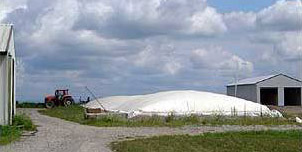
Figure 1. First Covered Cell of a Lagoon Located on the Oklahoma State University Swine Research and Education Center.

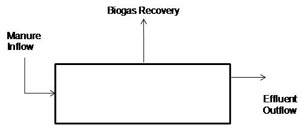
Figure 2. Schematic Drawing of Covered Lagoon Digestion System.

This system takes advantage of the low maintenance requirement of a lagoon while capturing biogas under an impermeable cover (Figure 1). The first cell of a two-cell lagoon is covered, and the second cell is uncovered (Figure 2). Both cells are needed for the system to operate efficiently. A lagoon is a storage as well as a treatment system; the liquid level on the second cell must rise and fall to create storage, while the level on the first cell remains constant to promote manure breakdown.

Since they are not heated, the temperature of covered lagoons follows seasonal patterns. Methane production drops when lagoon temperatures dip below 20 degrees C. A covered lagoon located in the tropics will produce gas year-round, but gas production will drop considerably during the winter farther north. Since sludge is stored in lagoons for up to 20 years, methane-forming microorganisms also remain in the covered lagoon for up to 20 years. This means that much of the fertilizer nutrients, particularly phosphorus, also remain trapped in the covered lagoon for a long time. If lagoon effluent is recycled to remove manure from buildings, liquid retention time is generally 30 to 60 days – depending on the size and age of the lagoon.

Low Rate Systems

Complete Mix Digester

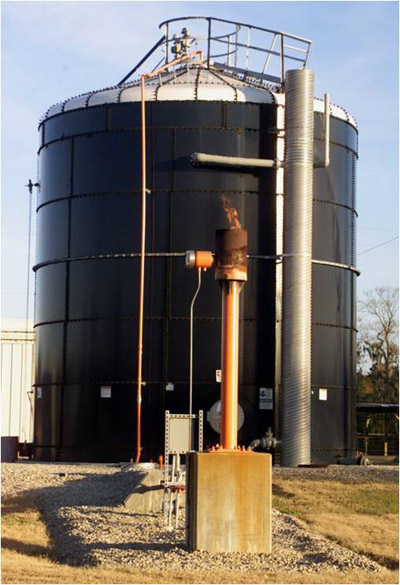
Figure 3. Complete Mix Digester Located on the Crave Brothers Farm in Waterloo Wisconsin (photo: Crave Brothers Farm/USEPA).

Figure 4. Schematic Drawing of a Complete Mix Digester

A complete mix digester (Figure 3) is basically a tank in which manure is heated and mixed with an active mass of microorganisms (Figure 4.). Incoming liquid displaces volume in the digester, and an equal amount of liquid flows out. Methane forming microorganisms flow out of the digester with the displaced liquid. Biogas production is maintained by adjusting volume so that liquids remain in the digester for 20 to 30 days. Retention times can be shorter for thermophyllic systems. The digester can be continuously or intermittently mixed. Intermittent mixing means the tank is stirred during feeding and only occasionally between feedings. Sometimes the process takes place in more than one tank. For instance, acid formers can break down manure in one tank, and then methane formers convert organic acids to biogas in a second tank. Complete mix digesters work best when manure contains 3 percent to 6 percent solids. Digester size can be an issue at lower solids concentrations. Lower solids mean greater volume, which means you need a larger digester to retain the microbes in the digester for 20 to 30 days.

Plug Flow Digester

Figure 5. Plug Flow Digester located on the Emerling Farm in Perry, NY (Photo Courtesy of Cornell University/USEPA).

Figure 6. Schematic Drawing of a Plug Flow Digester.

The idea behind a plug flow digester (Figure 5) is the same as a complete mix digester – manure flowing into the digester displaces digester volume, and an equal amount of material flows out (Figure 6). However, the contents of a plug flow digester manure are thick enough to keep particles from settling to the bottom. Very little mixing occurs, so manure moves through the digester as a plug – hence the name “plug flow.” Plug flow digesters do not require mechanical mixing. Total solids (TS) content of manure should be at least 10 or 15 percent, and some operators recommend feeding manure with solids as high as 20 percent. This means you may need to add extra material to manure to use a plug flow digester. This is not always a bad thing if you consider the added material may also be biodegradable. More degradable material means more biogas. Plug flow digesters are usually five times longer than they are wide. Recommended retention time is 15 to 20 days.

High Rate Systems

Solids Recycling

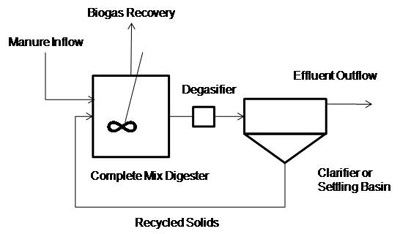
Figure 7. Schematic Drawing of Contact Stabilization Digester.

Returning some of the active organisms to the digester decreases digestion time. This is done in plug flow systems by pumping some of the effluent leaving the digester to the front of the digester. In complete mix systems, solids are settled in an external clarifier, and the microbe-rich slurry is recycled back to the digester. The systems are called contact stabilization digesters or anaerobic contact digesters (Figure 7).

Fixed Film Digester

Figure 8. Fixed Film Digester located on the University of Florida Dairy Research Farm (photo courtesy of Ann Wilkie, University of Florida) .

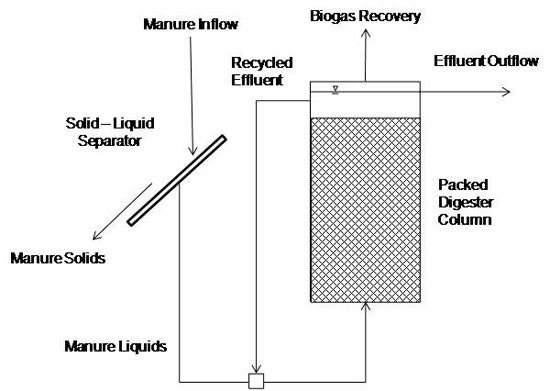
A fixed film digester (Figure 8) is essentially a column packed with media, such as wood chips or small plastic rings. Methane-forming microorganisms grow on the media. Manure liquids pass through the media (Figure 9). These digesters are also called attached growth digesters or anaerobic filters. The slimy growth coating the media is called a biofilm. Retention times of fixed film digesters can be less than five days, making for relatively small digesters. Usually, effluent is recycled to maintain a constant upward flow. One drawback to fixed film digesters is that manure solids can plug the media. A solid separator is needed to remove particles from the manure before feeding the digester. Efficiency of the system depends on the efficiency of the solid separator; therefore, influent manure concentration should be adjusted to maximize separator performance, usually 1 percent to 5 percent total solids). Some potential biogas is lost due to removing manure solids.

Figure 9. Schematic Drawing of a Fixed Film Digestion System.


Suspended Media Digesters

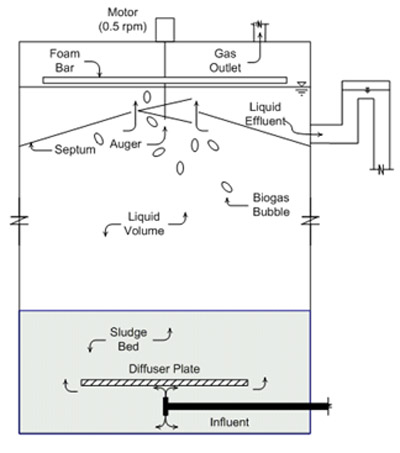
Figure 10. Schematic Drawing of an Upflow Anaerobic Sludge Blanket (UASB) Digester.

In these types of digesters, microbes are suspended in a constant upward flow of liquid. Flow is adjusted to allow smaller particles to wash out, while allowing larger ones to remain in the digester. Microorganisms form biofilms around the larger particles, and methane formers stay in the digester. Effluent is sometimes recycled to provide steady upward flow. Some designs incorporate an artificial media such as sand for microbes to form a biofilm; these are called fluidized bed digesters.

Suspended media digesters that rely on manure particles to provide attachment surfaces come in many variations. Two common types of suspended media digesters are the upflow anaerobic sludge blanket digester, or UASB digester (Figure 10), and the induced blanket reactor, or IBR digester (Figures 11 and 12). The main difference between these two systems is that UASB digesters are better suited for dilute waste streams (<3-percent total suspended solids); whereas, the IBR digester works best with highly concentrated wastes (6 percent to 12 percent TS).

Figure 11. Schematic Drawing of Induced Bed Reactor (IBR) Digester (Courtesy of Conly Hansen, Utah State University).


Figure12. Battery of Induced Bed Reactor (IBR) Digesters (photo courtesy of Conly Hansen, Utah State University).


Sequencing Batch Digester

Figure 13. Anaerobic Sequencing Batch Reactor (ASBR) Digester Located on the Oklahoma State University Swine Research and Education Center.

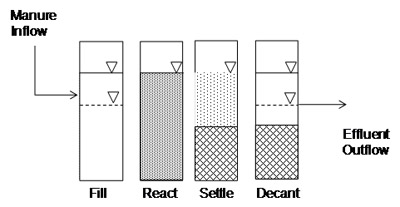
An anaerobic sequencing batch reactor (Figure 13), or ASBR digester, is a variation on an intermittently mixed digester. Methane forming microorganisms are kept in the digester by settling solids and decanting liquid. An ASBR operates in a cycle of four phases (Figure 14). The digester is fed during the fill stage, manure and microbes are mixed during the react phase, solids are settled during the settle stage, and effluent is drawn off during the decant stage. The cycle is repeated up to four times a day for nearly constant gas production. Liquid retention times can be as short as five days. Although ASBR digesters work well with manure in a wide range of solids concentrations, they are particularly well suited for very dilute manures (< 1 percent TS), and if filled with active microbes during start-up, can even produce biogas with completely soluble organic liquids. Sludge must be removed from the ASBR digester periodically. Concentrated nutrients are harvested during sludge removal.

Figure 14. Four phases of an ASBR Digester Cycle.


Contributors To This Article

Author

Peer Reviewers

Introduction to Biogas and Anaerobic Digestion

Harnessing energy from livestock waste.
Intro | Feedstocks | Processing | Utilization

On-farm biogas production has long been a topic of interest for farmers, with historical records of biogas production going back several hundreds of years. In modern livestock production systems, for example, the benefits of producing biogas are significant and include:

  • provision of supplemental renewable energy
  • odor reduction
  • reduction of emissions of greenhouse gases
  • pathogen control
  • waste biostabilization
  • nutrients are preserved and transformed into plant-available forms

The economics of biogas production, however, are sometimes difficult to justify unless the accompanying environmental benefits and other by-products are considered.

What Is a Biogas?

Biogas is a by-product of the anaerobic (without oxygen) breakdown of organic matter. The organic matter could be any of a number of materials, but on the farm, it most often comprises animal manure or other agricultural waste.

The most important component in biogas is methane, a flammable gas that can be used in furnaces, for cooking, or even as an engine fuel. However, biogas also contains carbon dioxide and small amounts of hydrogen, hydrogen sulfide, nitrogen, and water vapor.

What Is a Digester?

A digester is a sealed vessel or container in which anaerobic digestion of organic matter occurs. The bacteria “feed” off the manure and, in the process, release biogas as a by-product. This process is referred to as anaerobic digestion, and the sealed vessel or container is thus usually referred to as an anaerobic digester. Anaerobic digestion also occurs in the anaerobic zones of open or unsealed swamps, bogs, and wastewater lagoons.

Today, farmers in developed countries are using digesters primarily to improve the quality of their manure and to reduce manure odors, the energy content of the methane being simply a by-product. However, as the price of energy increases, more farmers are looking at using anaerobic digestion as a way to generate supplemental heat and electricity for their farms. Digesters are a popular technology in rural areas of the developing world, where electricity and petroleum fuels are often unavailable or unaffordable.

What Does a Digester Look Like?

This is a 600,000-gallon plug-flow digester that creates biogas using the manure from 1,000 dairy cows.

Physically, digesters can come in many different shapes and sizes, varying from simple earthen lagoons to complex steel and concrete structures. In North America, the most common commercial farm digesters are usually buried concrete tanks with heavy plastic covers.

Take a virtual tour of one regional digester (hydraulic mix type) located in Cayuga County, NY. More…

How Does a Digester Work?

Fresh biomass entering a digester is supplied with anaerobic bacteria by the existing digested biomass, which is tremendously rich in these microbes. The digester tank provides a conducive environment for anaerobic microbes to “digest” the biomass, resulting in digested solids, liquids, and biogas. In general, the anaerobic digestion is a living process, requiring favorable conditions (temperature, moisture content, oxygen exclusion,and pH) and a steady food supply in order to flourish.

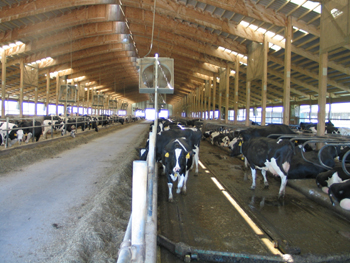
Manure from this dairy barn is automatically collected and delivered to a nearby anaerobic digester.

What Goes into a Digester?

Livestock manure is the most popular material, or feedstock, for anaerobic digestion on the farm, but almost any type of organic matter can be digested, including food waste, forestry residue, animal processing waste, and field crops.

What Can Go Wrong?

Probably the biggest problem in a digester occurs when the digester’s pH drops too low. In general, acid-forming bacteria grow much faster than methane-forming bacteria. This can reduce the pH to an unfavorable level for methane-forming bacteria, thus inhibiting the activity of methanogens. This is referred to souring and may result in failure or crashing of the anaerobic digester. In most cases, however, the pH is self-regulating, but bicarbonates are sometimes used to maintain consistent pH. The optimal pH range is between 6.8 to 8.5. Restarting a digester that has “soured” is not an easy task. Typically, the approach is to open the digester, excavate the soured material, then refill and restart the digester. This is a costly and unpleasant task and should be avoided whenever possible.

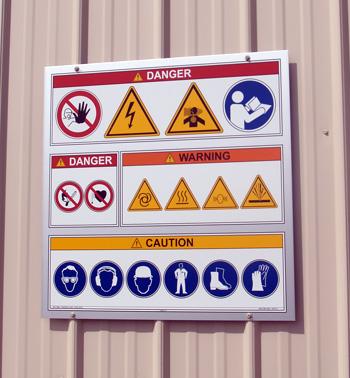
There are safety risks in dealing with biogas, including explosion, asphyxiation, disease, or hydrogen sulfide poisoning. Operators must be aware of the potential hazards and take preventative measures.

How Is Biogas Used?

Biogas generated from anaerobic digestion processes is a clean and environmentally friendly renewable fuel. There are many uses for this fuel, including use in engines, generation of electricity, heat and hot water systems, and even refrigeration.

This generator makes electricity using biogas from a digester on a 1,000 cow dairy farm.


Other Articles About Anaerobic Digestion

Recommended Reading About Anaerobic Digestion

Contributors to This Document

Authors

Peer Reviewers

  • Patricia A. Westenbroek, Cornell Cooperative Extension
  • William F. Lazarus, Professor and Extension Economist, University of Minnesota Extension

Mitigating Air Emissions from Animal Manure: Summaries of Innovative Technologies

Reprinted, with permission, from the proceedings of: Mitigating Air Emissions From Animal Feeding Operations Conference.

Summaries Sorted By:

Technologies that apply to multiple species, uses, technology types, and/or pollutants are listed under all applicable groups.

Animal Species

Facility or Use Area

Type of Technology

Pollutant Mitigated

Bioaugmentation of Treatment System for Skatole Degradation: Bioremediation Potential for Odors Reduction at Livestock Operations

Reprinted, with permission, from the proceedings of: Mitigating Air Emissions From Animal Feeding Operations Conference.

This Technology is Applicable To:

Species: Swine, Poultry
Use Area: Treatment System
Technology Category: Amendment (biological)
Air Mitigated Pollutants: Odors, Skatole

System Summary

It has been demonstrated that bioaugmentation of bioreactor with enrichment cultures and with a pure culture of Rhodococcus sp. isolated from swine lagoon is a viable alternative in reducing skatole, a main malodorous compound in swine effluent. We found that bioreactor amended with pure culture can degrade skatole as well as the enriched mixed culture after certain lag period. Pure culture bioreactor required longer lag time than the mixed culture. We also utilized these microorganisms in a liquid scrubber and found them to be quite effective in degrading skatole (data not shown). Thus, bioaugmentation of treatment systems with indigenous populations may increase the efficiency of treatment systems and provide a simple, cost-effective bioremediation potential in reducing malodors emission at livestock facilities.

Applicability and Mitigating Mechanism

  • Bioaugmentation is suitable for most treatment systems that can provide sufficient environmental conditions for growth
  • Target specific (pollutant)
  • Total mineralization of pollutant possible
  • Sustainable technology

Limitations

  • Requires optimum conditions for growth
  • Neutral pH and ample amount of oxygen
  • Need Sufficient amount of essential nutrients
  • May not work in a competitive exclusion environment and broader application range

Cost

The cost of bioaugmentation of a treatment system is dependent upon the type of the treatment systems. These microorganisms can be easily isolated and cultivated from contaminated sites. The extent of the cost would fall mostly on the purchase of nutrients for growth. In most cases, the required nutrients for growth could be obtained from the target pollutants themselves (e.g., emissions from swine or poultry wastes).

Authors

Nanh Lovanh, John Loughrin, Karamat Sistani; USDA-ARS, AWMRU, Bowling Green, KY 42104
Point of Contact:
Nanh Lobanh, nlovanh@ars.usda.gov

The information provided here was developed for the conference Mitigating Air Emissions From Animal Feeding Operations Conference held in May 2008. To obtain updates, readers are encouraged to contact the author.

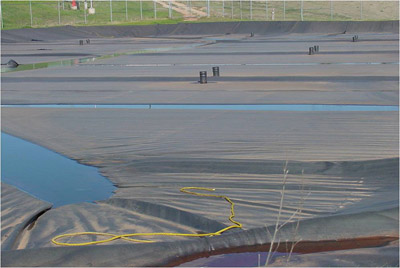
Gas Impermeable Film and Sheet for Control of Methane and Odors in Agricultural Applications

Reprinted, with permission, from the proceedings of: Mitigating Air Emissions From Animal Feeding Operations Conference.

The proceedings, “Mitigating Air Emissions from Animal Feeding Operations”, with expanded versions of these summaries can be purchased through the Midwest Plan Service.

This Technology is Applicable To:

Species: Swine, Dairy, Beef, Poultry
Use Area: Manure Storage, Manure Treatment
Technology Category: Covers
Air Mitigated Pollutants: Odors, Methane, Ammonia

System Summary

For many years, food packaging has incorporated barrier layers to contain odors, flavors, oils and moisture along with the food contents while excluding contamination and oxygen. Until recently, agricultural films and geomembranes were monolithic structures employing only a single polymer or blend. Recent advances in extrusion and lamination equipment allow the incorporation of these barrier layers in large scale agricultural structures and operations such as floating covers over animal waste storage, containment geomembranes for biogas generation, silage storage and fumigation films.

To view the video in full screen, click the icon second from right on the bottom of the viewer.
Download a copy of this video

Co-extruding a thin layer of ethylene vinyl alcohol (EVOH) in a linear low density polyethylene (LLDPE) geomembrane dramatically reduces the permeability to a wide range of gases and volatile organic carbon molecules including: methane, ammonia, carbon dioxide, oxygen, aromatic hydrocarbons, aliphatic hydrocarbons, methyl bromide and most odorous compounds. Methane permeabilites for four geomembranes are given below.

Methane Permeability (cc/(m2*day))
PVC LLDPE HDPE Barrier LLDPE
0.76 mm (30 mils) 1.0 mm (40 mils) 1.0 mm (40 mils) 0.5 mm (20 mils)
900 690 300 <1

Applicability and Mitigating Mechanism

  • Barrier to noxious gases and odors
  • Useful in cover and containment systems

Limitations

  • EVOH is a crystalline polymer and is not elastic. It is flexible but should not be used as part of an elastomeric structure.

Cost

Engineered floating covers with ballasted weight systems, gas extraction systems and rainwater removal systems costs vary greatly. For waste lagoon of about 1/2 acre in size, the cover system can cost from $150,000 to $200,000. Addition of the barrier layer to the geomembrane adds less than $5,000.

Authors

Gary Kolbasuk, Raven Industries, Engineered Films Division
Point of Contact:
Gary.Kolbasuk@Ravenind.com

The information provided here was developed for the conference Mitigating Air Emissions From Animal Feeding Operations Conference held in May 2008. To obtain updates, readers are encouraged to contact the author.

A Review of Permeable Cover Options for Manure Storage

Reprinted, with permission, from the proceedings of: Mitigating Air Emissions From Animal Feeding Operations Conference.

The proceedings, “Mitigating Air Emissions from Animal Feeding Operations”, with expanded versions of these summaries can be purchased through the Midwest Plan Service.

This Technology is Applicable To:

Species: Beef, Dairy, Swine
Use Area: Manure Treatment
Technology Category: Covers
Air Mitigated Pollutants: Ammonia, Odors, Hydrogen Sulfide

System Summary

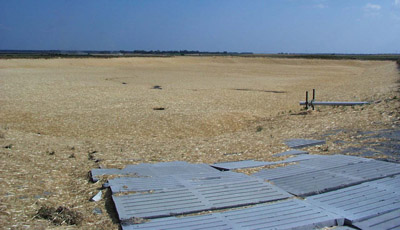
Covers have been demonstrated to provide effective odor and air emissions control for manure storage structures. Impermeable covers made from flexible synthetic materials provide excellent odor and emissions control, but typically have a high capital cost requirement. Permeable covers provide an alternative to impermeable synthetic covers. Permeable covers will typically not provide as great a level of odor control as impermeable covers, but the initial capital cost is lower. Permeable covers do not require gas or rain water collection systems since gases are allowed to migrate through the cover and rainwater will infiltrate through the cover into the storage. Permeable covers have been successfully constructed from a variety of materials including straw, light weight expanded clay aggregate (LECA), ground rubber and geotextile materials. Materials such as straw, have a short lifespan (from two to six months depending on manure solids content and rainfall levels), while materials such as LECA have been shown to remain viable for more than ten years. Various permeable cover materials have been shown to reduce odor from 40% – 90%, and to reduce ammonia from 40% to 80% depending on permeable cover material and depth.


Applicability and Mitigating Mechanism

  • Permeable covers provide a layer on the manure surface that shields the manure surface from contact with the air
  • Most permeable cover materials provide an aerobic zone in the cover material that will help control odor
  • No gas or water collection systems are required since both gases and rain water will pass through the permeable cover material
  • Some permeable cover materials such as straw provide a short-term solution, while other like LECA can last more than ten years


Limitations

  • Some permeable cover materials (such as straw) have very short effective lives (2 – 6 months)
  • Long-term permeable cover materials (such as LECA) can have costs near those of synthetic impermeable covers
  • If a permeable cover material sinks into the stored manure, it must be dealt with during land application
  • Rainwater volume must be accounted for in the manure storage since direct precipitation will infiltrate into the manure storage

A permeable straw cover on an earthen manure storage structure.

Cost

Permeable covers can provide reductions in odor, ammonia and hydrogen sulfide emissions from manure storage facilities. A wide variety of organic and manmade materials have been utilized to construct permeable covers with variable results and costs ranging from $0.10 to $1.75 per square foot installed. Straw is the least cost permeable cover material with an approximate cost of $0.10 per square foot installed. Longer lasting materials such as LECA have installed costs that can exceed $1.00 per square foot installed. Permeable cover materials are typically floated on the stored manure surface and can provide an aerobic zone that manure gases must pass through when released. Permeable covers can be used with earthen, concrete and steel manure storage systems and with slurry manures generated by swine, dairy and beef animals.

Lightweight expanded clay aggregate (LECA) cover on a concrete swine manure storage tank.

Authors

Robert Burns and Lara Moody, Iowa State University
Point of Contact:
Robert Burns, rburns@iastate.edu

The information provided here was developed for the conference Mitigating Air Emissions From Animal Feeding Operations Conference held in May 2008. To obtain updates, readers are encouraged to contact the author.